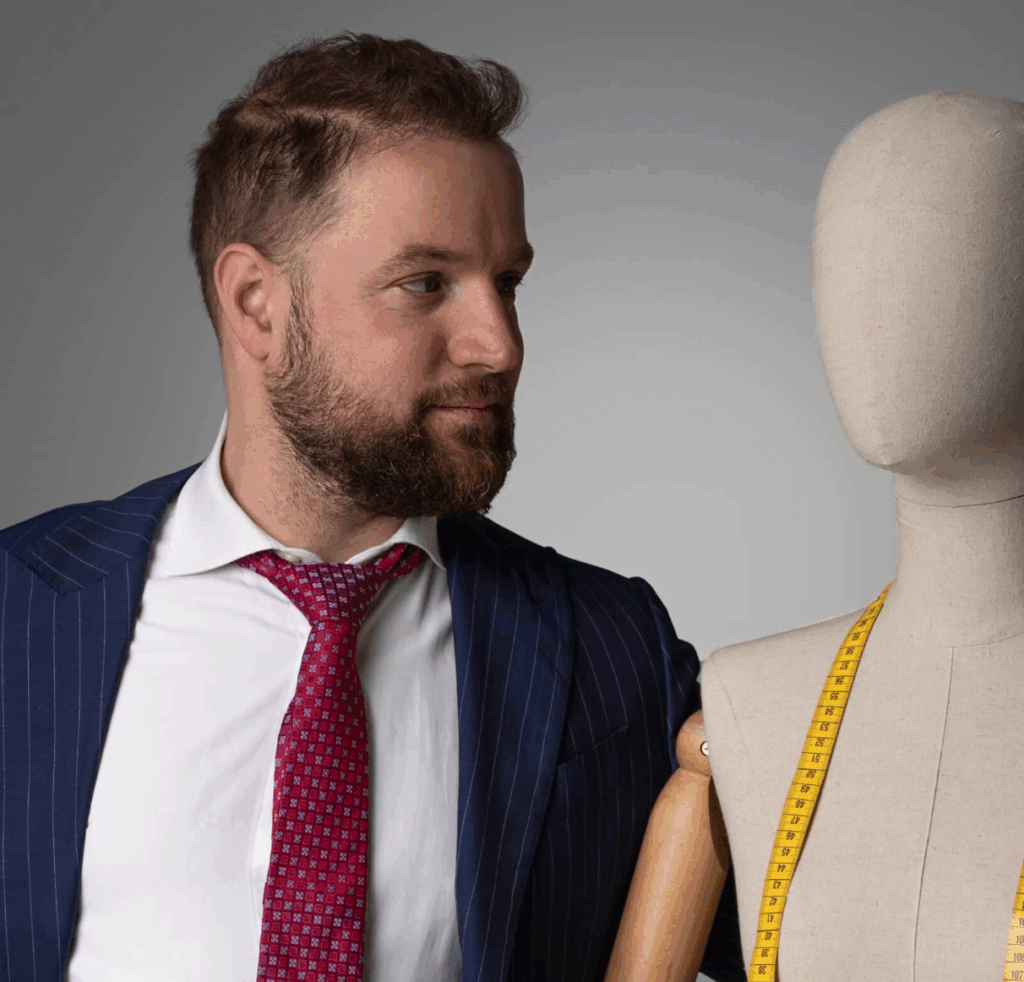


What makes a luxury brand truly unforgettable in the eyes of sophisticated European consumers? In high-end fashion, every interaction is shaped by psychological drivers such as emotional symbolism, color psychology, and consistent brand identity. Mastering these elements transforms typical brand experiences into deeply resonant journeys. Discover practical strategies to decode emotional triggers, map touchpoints, and design immersive storytelling that positions your brand at the heart of aspiration and loyalty.
Table of Contents
- Step 1: Define Brand Experience Vision And Psychological Drivers
- Step 2: Map Customer Touchpoints And Emotional Triggers
- Step 3: Develop Immersive Brand Interaction Strategies
- Step 4: Implement Branded Experiences Across Channels
- Step 5: Validate And Refine Experience Quality
Quick Summary
| Key Insight | Explanation |
|---|---|
| 1. Define Your Brand Vision | Understand psychological drivers to craft a compelling emotional narrative. |
| 2. Map Customer Touchpoints | Identify interaction points for emotional engagement throughout the consumer journey. |
| 3. Create Immersive Strategies | Develop experiences that encourage active consumer participation across all platforms. |
| 4. Implement Consistent Messaging | Ensure a unified brand narrative across digital and physical channels for emotional resonance. |
| 5. Continuously Validate Experiences | Regularly assess and refine brand experiences based on consumer feedback and market trends. |
Step 1: Define brand experience vision and psychological drivers
Defining your brand experience vision requires understanding the deep psychological mechanisms that drive consumer connections in luxury markets. This critical first step transforms abstract brand concepts into compelling emotional experiences that resonate powerfully with your target audience.
To craft an authentic brand vision, you must first decode the psychological drivers behind consumer perceptions. These drivers include emotional symbolism, color psychology, and consistent brand identity that trigger subconscious responses. Psychological research reveals that consumers do not just purchase products they purchase narratives and emotional experiences. Your brand vision must articulate a story that transcends physical attributes and speaks directly to deeper human desires and aspirations.
Successful luxury brands understand that vision development is not about creating marketing materials but constructing a comprehensive psychological framework. By mapping your brand’s emotional landscape and understanding the symbolic meanings consumers attach to experiences, you create a vision that feels intuitive and magnetic. Analyze your target audience’s deepest motivations identify the underlying emotional needs and design a brand narrative that fulfills those unspoken expectations.
Pro tip: Conduct extensive psychological profiling of your ideal consumer segment to uncover hidden emotional triggers that will make your brand experience truly unforgettable.
Here’s a summary of major psychological drivers shaping luxury brand experiences:
| Psychological Driver | Description | Impact on Consumer Connection |
|---|---|---|
| Emotional Symbolism | Meaningful imagery and values | Evokes aspiration and belonging |
| Color Psychology | Strategic use of colors | Influences mood and perception |
| Consistent Identity | Unified messaging and visuals | Builds trust and brand familiarity |
| Narrative Storytelling | Compelling brand narrative | Deepens emotional engagement |
Step 2: Map customer touchpoints and emotional triggers
Mapping customer touchpoints is a strategic process of identifying every interaction point where your luxury brand connects with potential consumers. This critical step transforms abstract customer journeys into precise emotional engagement opportunities that reveal deeper psychological connections.
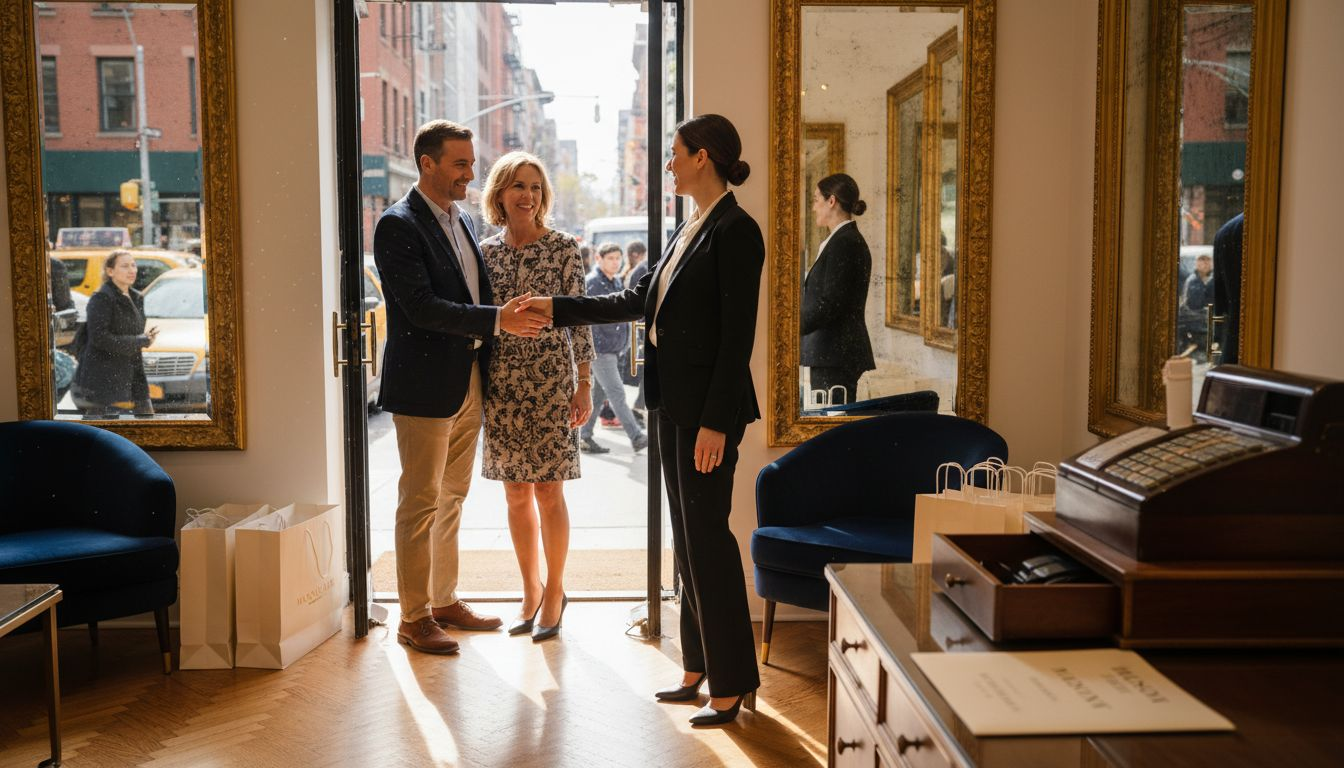
To effectively map these touchpoints, you must navigate emotions through systematic analysis. Begin by cataloging every potential interaction moment from initial brand awareness to post purchase experiences. These touchpoints include digital platforms like websites and social media advertisements physical retail environments brand communications customer service interactions and product packaging. Each touchpoint represents an opportunity to trigger specific emotional responses that reinforce your brand narrative.
Successful luxury brands understand that emotional mapping requires deep psychological insights. Analyze each touchpoint through the lens of potential emotional triggers. What feelings does a customer experience when first encountering your brand? How do visual design color choices and communication style evoke specific psychological responses? Develop a comprehensive emotional landscape that strategically guides consumers through a carefully choreographed experience designed to build trust connection and aspiration.
Pro tip: Use sentiment analysis and Emotion AI technologies to quantitatively measure emotional responses at each brand touchpoint ensuring your experience design remains dynamically responsive to consumer psychology.
This table compares digital and physical brand touchpoints for luxury brands:
| Touchpoint Type | Examples | Strengths for Luxury Brands |
|---|---|---|
| Digital | Website, social media ads | Worldwide reach, instant engagement |
| Physical | Retail environment, packaging | Sensory impact, personalized service |
Step 3: Develop immersive brand interaction strategies
Developing immersive brand interaction strategies transforms your luxury brand from a simple product offering into a compelling narrative experience that deeply resonates with consumers. This critical step bridges the gap between brand perception and emotional engagement by creating multidimensional interactions that captivate and inspire.
The key to creating truly immersive experiences lies in transmedia brand storytelling techniques that seamlessly blend digital and physical interactions. Your strategy should transcend traditional marketing approaches by designing experiences that invite active consumer participation. This means crafting narratives that unfold across multiple platforms website interactions social media content physical retail environments and exclusive events. Each interaction point becomes an opportunity to deepen emotional connection and reinforce your brand’s unique identity.
Successful luxury brands understand that immersive strategies are about creating a holistic ecosystem of experiences. Consider how each touchpoint can tell a part of your brand story while maintaining a consistent emotional core. Integrate sensory elements visual aesthetics interactive technologies and personalized storytelling that make consumers feel like active participants rather than passive observers. Your goal is to design an experience so compelling that engagement becomes an emotional journey that consumers willingly and enthusiastically want to explore.
Pro tip: Design your immersive strategy with modularity in mind allowing consumers to engage with your brand narrative through their preferred channels while maintaining a cohesive emotional thread.
Step 4: Implement branded experiences across channels
Implementing branded experiences across multiple channels requires a strategic approach that transforms your luxury brand into a cohesive and compelling narrative universe. This critical step ensures that your brand communicates a consistent emotional message regardless of the platform or interaction point consumers engage with.
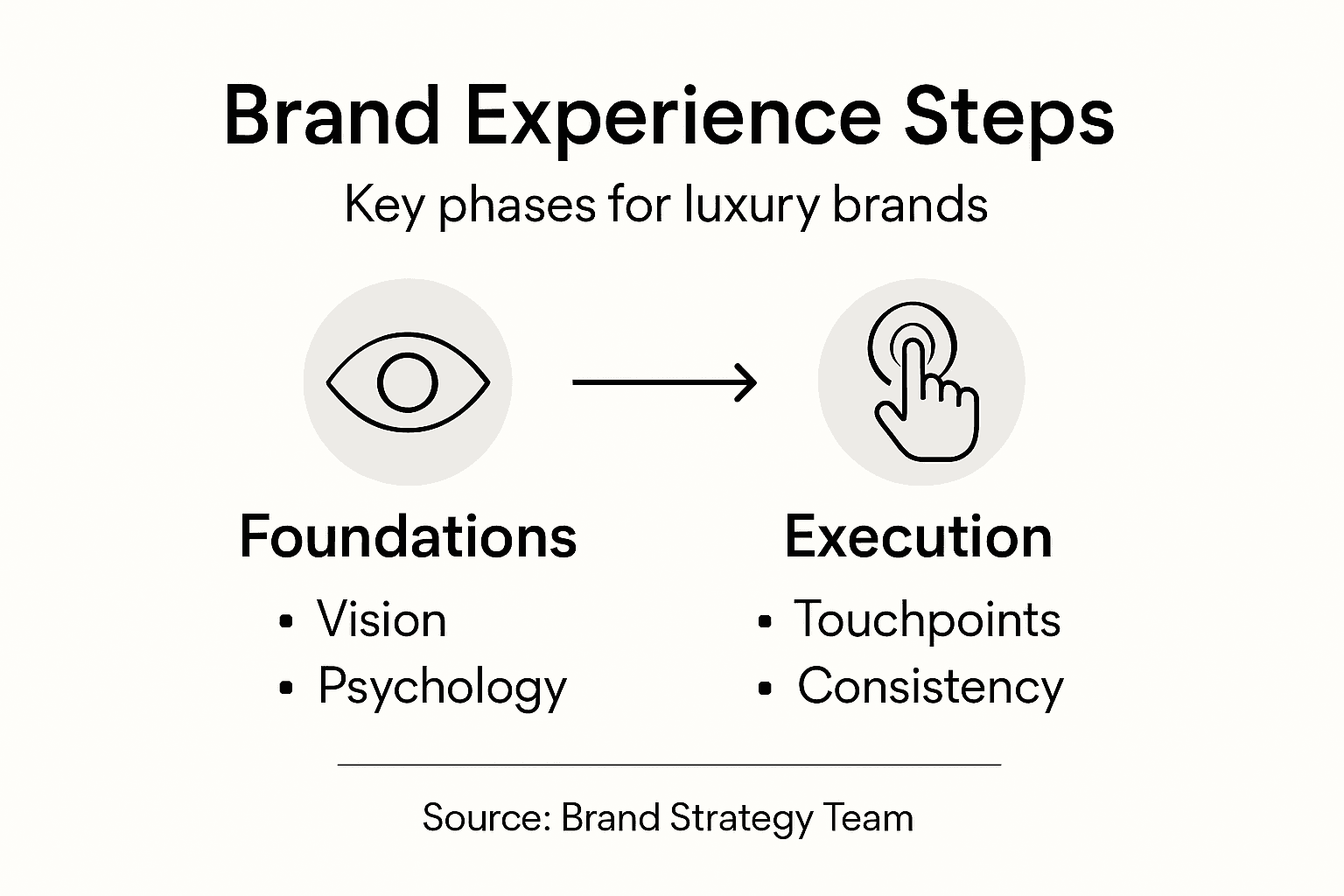
Successful implementation demands synchronized cross platform narrative strategies that create seamless connections between digital and physical brand touchpoints. Your goal is to design an integrated ecosystem where each channel reinforces your brand’s core identity while offering unique yet complementary experiences. This means carefully curating interactions across social media platforms digital advertisements physical retail spaces mobile applications and exclusive events to deliver a unified brand story that feels both intentional and organic.
Luxury brands that excel in multichannel implementation understand the importance of maintaining emotional consistency while adapting to each platform’s unique characteristics. Develop channel specific strategies that preserve your brand’s fundamental narrative while leveraging the distinctive engagement opportunities of each medium. A digital advertisement should feel like a natural extension of your physical retail experience a social media interaction should mirror the sophistication of an in person brand encounter. Your ultimate objective is to create a fluid brand experience that feels personalized intuitive and deeply resonant across every possible consumer interaction.
Pro tip: Create a comprehensive brand experience playbook that defines your core narrative emotional triggers and visual guidelines to ensure consistency across all channels and teams.
Step 5: Validate and refine experience quality
Validating and refining brand experience quality is a continuous process that ensures your luxury brand remains responsive to evolving consumer expectations and maintains its premium market positioning. This critical step transforms theoretical brand strategies into measurable, actionable insights that drive ongoing excellence.
Effective validation requires systematic frameworks for assessing brand experiences that go beyond traditional metrics. You need to develop a comprehensive approach that combines quantitative behavioral data with qualitative emotional insights. This means implementing rigorous measurement techniques that track consumer engagement across different touchpoints analyzing how each interaction contributes to your brand’s overall emotional narrative. Collect feedback through multiple channels including direct surveys behavioral analytics sentiment tracking and in depth customer interviews to build a multidimensional understanding of your brand experience.
Luxury brands committed to experience refinement understand that validation is not a one time event but an ongoing dialogue with your consumers. Create adaptive feedback loops that allow continuous learning and immediate adjustments. Pay special attention to subtle shifts in consumer expectations emotional responses and interaction patterns. Your goal is to develop an agile validation process that enables your brand to anticipate and respond to changing market dynamics while maintaining the core essence of your luxury identity. This requires a delicate balance between preserving your brand heritage and remaining dynamically responsive to emerging consumer preferences.
Pro tip: Implement a quarterly experience audit that combines data driven insights with direct consumer feedback to ensure your brand remains both timeless and contemporary.
Elevate Your Luxury Brand Experience with Expert Psychological Insights
Mastering brand experience design for luxury brands means understanding the deep emotional triggers that connect consumers to your story. If you struggle to map meaningful touchpoints or create immersive interactions that truly resonate, Corrado Manenti offers tailored, psychology-driven solutions to transform your strategy. His expertise ensures every detail from narrative storytelling to multichannel implementation aligns perfectly with your audience’s deepest desires, building trust and aspiration.
Take your brand beyond ordinary marketing. Explore how Marketing Fashion and Personal Branding strategies can integrate cutting-edge psychological research with luxury market precision. Visit Corrado Manenti now to discover a uniquely human-centered approach that advances your brand experience design process and drives measurable growth.
Frequently Asked Questions
What is the first step in the brand experience design process for luxury brands?
Defining your brand experience vision is the critical first step. Start by identifying the psychological drivers that shape consumer perceptions and create an emotional narrative that resonates with your audience.
How can I map customer touchpoints effectively?
Begin by cataloging every interaction point where your brand connects with consumers, from brand awareness to post-purchase experiences. Analyze each touchpoint for potential emotional triggers to deepen consumer engagement and build a cohesive brand narrative.
What does developing immersive brand interaction strategies involve?
Creating immersive brand interactions involves crafting a narrative that unfolds across multiple platforms, inviting consumer participation. Design experiences that integrate sensory elements and personalized storytelling to make consumers feel like active participants in your brand’s journey.
How can I validate and refine my luxury brand experience?
Establish a systematic framework for assessing your brand experiences by combining quantitative data with qualitative insights. Regularly collect feedback from consumers and implement a quarterly experience audit to identify areas for enhancement and ensure your brand remains relevant.
Why is emotional consistency important across different channels?
Emotional consistency ensures that consumers perceive your brand’s identity consistently, regardless of the platform. Develop channel-specific strategies that complement each other while maintaining your core narrative to create a seamless and engaging experience for your audience.