


Esclusività nel lusso: le 4 leve del Velvet Rope e la curva di sovraesposizione
L’esclusività non è un attributo del prodotto. È una relazione fra chi è dentro e chi è fuori — e come tutte le relazioni si logora se non viene rinnovata. È l’asset più potente e più deperibile del lusso.
Nel 2018 Supreme mise in vendita un mattone. Un mattone rosso, normale, da cantiere, con il logo del brand stampato sopra. Prezzo: trenta dollari. Tempo necessario al sold out online: due minuti e quarantasette secondi. Nelle settimane successive quel mattone comparve su eBay attorno ai mille dollari e su StockX arrivò a quotazioni ancora superiori.
Nessuno stava comprando un mattone. Stavano comprando la prova di essere stati abbastanza veloci, abbastanza dentro, abbastanza del giro da riuscire ad averlo. Il mattone era la ricevuta di un’appartenenza.
Sono Corrado Manenti, consulente marketing luxury e lifestyle. Nel capitolo 2 del mio libro chiamo Psicologia del Velvet Rope il meccanismo che rende possibile una cosa del genere: la corda di velluto che separa chi è dentro il club da chi resta fuori genera valore in entrambe le direzioni — riconoscimento per chi è dentro, desiderio per chi è fuori. Ma è un meccanismo che quasi tutti i brand fraintendono in un modo preciso: lo trattano come una caratteristica permanente invece che come un equilibrio da mantenere. In questa guida spiego cosa sia davvero l’esclusività, su quali quattro leve si esercita, perché ha una scadenza e come si gestisce il rischio di sovraesposizione, con i framework del libro Il Codice del Lusso.
Aggiornato · Edizione 2026
Riscritta in italiano attorno al nucleo del capitolo 2 del libro Il Codice del Lusso: la Psicologia del Velvet Rope, la Doppia Elica del Desiderio, il Coefficiente di Permanenza, il Signal Stacking, gli Exit Barriers Emotivi, il Cliente Aspirazionale e l’Accoglienza Informativa. Con la distinzione operativa fra scarsità artificiale e scarsità strutturale.
In breve: l’esclusività nel lusso in cinque leggi
| Principio | Cosa significa nella pratica |
|---|---|
| L’esclusività è una relazione, non un attributo | Non sta nel prodotto ma nel rapporto fra chi è dentro e chi è fuori. Serve che entrambi esistano. |
| Va architettata, mai dichiarata | “Solo per pochi” è controproducente. L’esclusività si costruisce nel processo di accesso, non nel messaggio. |
| È un asset deperibile | Cresce con la riconoscibilità fino a un punto, poi si rovescia. Va misurata e rinnovata come un inventario. |
| Quattro leve, non una | Accesso, prodotto, informazione, relazione. Chi ne usa una sola è fragile; la più duratura è l’ultima. |
| Scarsità strutturale, non artificiale | La scarsità vera dilata la decisione e costruisce desiderio. Quella finta la comprime e produce rimpianto. |
La corda di velluto funziona solo se dall’altra parte c’è davvero qualcuno che resta fuori. Un brand che smette di dire di no smette, nello stesso istante, di essere desiderabile — e continuerà a vendere per anni senza accorgersi di aver già perso il motivo per cui lo si comprava.
— Corrado Manenti, Il Codice del Lusso
Cos’è davvero l’esclusività (e le tre cose che non è)
Prima di costruirla conviene sgombrare il campo da tre confusioni che vedo in quasi tutti i brief che ricevo.
- Non è il prezzo alto. Il prezzo è una barriera economica, quindi superabile da chiunque abbia i soldi. Un prodotto costoso ma disponibile a tutti quelli che possono permetterselo non è esclusivo: è semplicemente caro. L’esclusività comincia dove il denaro non basta.
- Non è la scarsità di prodotto in sé. Un articolo raro perché la fabbrica ha avuto un problema non genera desiderio, genera fastidio. La scarsità produce valore solo quando è leggibile come conseguenza di una scelta o di un limite reale.
- Non è la comunicazione dell’esclusività. Anzi: dichiararla la distrugge. Un brand che scrive “riservato a pochi” sta parlando ai molti, e i pochi lo notano.
L’esclusività è una relazione asimmetrica: esiste solo se qualcuno resta fuori e lo sa. Ed è per questo che è tanto potente quanto instabile — dipende dal mantenimento di una condizione che ogni obiettivo di crescita spinge naturalmente a violare.
Il meccanismo psicologico che la rende efficace è la Doppia Elica del Desiderio: il cliente del lusso vuole simultaneamente appartenere e distinguersi, e i due bisogni si rinforzano a vicenda invece di annullarsi. Chi ha ottenuto il mattone di Supreme era contemporaneamente uno dei pochi (distinzione) e uno di noi (appartenenza). Attivare una sola delle due eliche produce metà del risultato: un club senza distinzione interna annoia, una distinzione senza club isola.
Le quattro leve dell’esclusività (e quale dura di più)
La Velvet Rope non si esercita in un modo solo. Nella pratica consulenziale distinguo quattro leve, che hanno costi, durate e rischi molto diversi. La maggior parte dei brand ne usa una sola — quasi sempre la seconda, che è la più fragile.
| Leva | Come funziona | Durata | Rischio |
|---|---|---|---|
| Accesso | Non tutti possono comprare: invito, appuntamento, selezione, lista | Alta | Percepita come arroganza se non c’è ragione visibile |
| Prodotto | Edizioni limitate, serie numerate, capsule | Bassa | Si logora in fretta e attrae rivenditori, non clienti |
| Informazione | Sapere prima, sapere di più, conoscere i codici | Media | Diventa snobismo se non viene insegnata |
| Relazione | Essere riconosciuti: nome, storia, preferenze ricordate | Altissima | Dipende dalle persone: se il referente se ne va, se ne va con lui |
La leva più solida è l’ultima, ed è anche l’unica che non si consuma con l’uso: al contrario, migliora. Un cliente riconosciuto per nome dopo quattro mesi, con il dettaglio giusto ricordato al momento giusto, sperimenta una forma di esclusività che nessuna edizione limitata può replicare — perché è l’unica che non potrebbe essere estesa a tutti nemmeno volendo.
Le quattro leve si sommano, ed è il Signal Stacking che le tiene insieme: ogni oggetto luxury emette contemporaneamente più segnali sovrapposti — economico, culturale, sociale, estetico. Un brand che lavora su tre leve contemporaneamente emette un segnale molto più difficile da imitare di uno che ne usa una sola.
Scarsità artificiale e scarsità strutturale: la stessa parola, due strategie opposte
È la distinzione più fraintesa del luxury marketing, e la ragione per cui molti brand applicano una strategia credendo di applicarne un’altra.
- Scarsità artificiale e temporale — “solo per due ore”, “ultimi tre pezzi”, countdown, pressione in diretta. Comprime la decisione: produce impulso, e l’impulso produce rimpianto. Attira chi rivende, non chi resta.
- Scarsità strutturale e autentica — capacità produttiva reale, lavorazioni che richiedono mesi, selezione dell’accesso, materiali finiti. Dilata la decisione: produce desiderio, e il desiderio produce attesa. E nell’attesa avviene il Pre-possesso, il momento in cui il cliente possiede emotivamente l’oggetto prima di possederlo fisicamente.
La prima accelera la transazione e degrada il ricordo; la seconda rallenta la transazione e costruisce il ricordo. Approfondisco il meccanismo psicologico e le evidenze nella psicologia del retail nel lusso.
Il collegamento con il Coefficiente di Permanenza — il rapporto fra tempo di produzione e tempo di rilevanza che descrivo nel capitolo 1 — è diretto. Una scarsità è credibile quando discende da un tempo di produzione reale. Se un oggetto si può fabbricare in un giorno e viene reso scarso per decisione di marketing, il cliente lo percepisce, anche quando non saprebbe spiegare come.
L’esclusività è un asset deperibile: la curva della sovraesposizione
Questo è il punto che i brief non affrontano quasi mai, e che decide la sopravvivenza di un brand nel lungo periodo. Riconoscibilità e desiderabilità crescono insieme fino a un punto, poi divergono. Superata quella soglia, ogni ulteriore aumento di visibilità sottrae desiderabilità invece di aggiungerla.
Il caso da manuale è Burberry all’inizio degli anni Duemila: il check beige ovunque, su ogni categoria di prodotto, contraffatto in ogni bancarella d’Europa. Awareness massima, penetrazione totale — e la maison più vicina al collasso dei suoi centocinquant’anni di storia. La ricostruzione richiese un decennio, e cominciò riducendo il check a una frazione minima dell’assortimento. Ne parlo più diffusamente nell’analisi delle idee di marketing per la moda di alta gamma.
I segnali che indicano che la soglia si sta avvicinando, in ordine di gravità:
- Il prodotto d’ingresso cresce più in fretta del resto dell’assortimento. È il primo campanello: si sta vendendo il logo, non i prodotti.
- Compare la contraffazione di massa. Non è un complimento: è la prova che il segno ha smesso di essere un codice ed è diventato un simbolo generico.
- I clienti storici cominciano a nascondere il segno o a chiedere versioni più discrete. Stanno migrando lungo la Luxury Maturity Curve e il brand non li sta seguendo.
- Il brand compare in contesti che non ha scelto, e più spesso di quanto compaia in quelli che ha scelto.
- Il second-hand cresce in volume ma cala in prezzo. È l’indicatore più affidabile in assoluto, ed è pubblico: chiunque può verificarlo sulle piattaforme di resale.
Vale la pena dire perché la correzione arriva quasi sempre tardi. Nella fase di sovraesposizione i numeri di vendita sono ottimi — spesso i migliori della storia del brand. Il danno è già avvenuto nella percezione ma non è ancora comparso nel conto economico, e nessuna azienda interrompe volontariamente un anno record. Quando i numeri si girano, il recupero richiede un decennio.
Esclusività e fedeltà: perché trattiene più di qualsiasi programma
Un programma a punti costruisce una barriera economica, quindi quantificabile, quindi superabile da un’offerta migliore. L’esclusività relazionale costruisce invece Exit Barriers Emotivi: andarsene significa ricominciare da capo come sconosciuto, dopo anni passati a essere qualcuno.
C’è però una condizione che rende tutto questo eticamente sostenibile, e riguarda chi sta dall’altra parte della corda. Il Cliente Aspirazionale — chi non entra nel lusso per abitudine ma per un’occasione che segna un passaggio della propria vita, e pianifica per accedervi un sacrificio che non ripeterà — incontra la corda di velluto nel momento più vulnerabile del suo percorso. Ha risparmiato mesi o anni, l’occasione non si ripeterà, e non conosce i codici. Trattarlo come “fuori” perché non è ricorrente è l’errore più grave che un brand possa commettere: quel cliente spende meno in valore assoluto ma ricorderà l’esperienza per decenni, ed è il miglior narratore organico che il brand possa avere.
La distinzione da tenere ferma è quella fra consumo rituale — finanziato col risparmio accumulato, che lascia gratitudine ed eleva chi lo compie — e consumo d’impulso — finanziato col debito, che lascia vergogna. Il primo si serve con la massima cura, il secondo si disinnesca. È il cuore etico del metodo, e nell’esclusività conta più che altrove: la corda di velluto va usata per elevare chi entra, non per umiliare chi resta fuori.
Lo strumento operativo è l’Accoglienza Informativa: chiedere con tatto è servizio, non invasione. Come si offre un bicchiere d’acqua o un calice di benvenuto prima di dire “posso aiutarla?”, allo stesso modo si chiede, dopo aver accolto e mentre si accompagna: “posso chiederle se è un’occasione particolare o ha qualche esigenza, così la serviamo al meglio?”. È la domanda che trasforma la corda di velluto da barriera in soglia.
Come si gestisce il rischio di sovraesposizione: cinque regole
- Fissare un tetto alla riconoscibilità del segno. Stabilire in anticipo quale percentuale dell’assortimento può portare l’elemento distintivo più immediato, e considerarla una soglia da non superare — non un obiettivo da massimizzare.
- Spostare peso sulla leva relazionale. È l’unica che migliora con l’uso e l’unica che non produce sovraesposizione, perché non è replicabile su scala.
- Sostituire lo sconto con l’accesso. Anticipo sulla collezione, invito riservato, appuntamento con l’artigiano, personalizzazione inclusa: costo marginale simile a quello di uno sconto, effetto opposto sul valore percepito.
- Monitorare il second-hand come indicatore anticipatore. Volume in crescita e prezzo in calo è il segnale più affidabile di erosione, e arriva anni prima che il fenomeno compaia nel conto economico.
- Dire di no per iscritto. Mettere nero su bianco cosa il brand non farà mai — quali canali, quali collaborazioni, quali categorie di prodotto. Un vincolo non scritto non sopravvive al primo trimestre difficile.
Cosa misurare dell’esclusività
- ❌ Reach e impression: misurano la visibilità, che oltre la soglia lavora contro di te.
- ❌ Crescita del prodotto d’ingresso: letta come successo è la metrica che ha affondato più brand di qualsiasi crisi di mercato.
- ✅ Rapporto fra prezzo del second-hand e prezzo di listino, nel tempo: è la misura più onesta della desiderabilità reale, e non la controlli tu.
- ✅ Percentuale di clienti riconosciuti per nome al secondo ingresso: misura la leva relazionale, l’unica che non si consuma.
- ✅ Numero di richieste rifiutate — collaborazioni, canali, distribuzioni. Un brand che non rifiuta niente non ha una strategia di esclusività.
- ✅ Incidenza dell’assortimento con segno molto riconoscibile sul totale: va tenuta sotto controllo come un indicatore di rischio.
- ✅ Ritorno alla soglia biografica successiva: il Cliente Aspirazionale che alla prossima occasione della vita torna da te. È la prova che la corda ha elevato, non escluso.
Approfondisci i framework connessi
- La scarsità nel luxury marketing — il trattamento esteso della Psicologia del Velvet Rope.
- Exclusive event marketing — l’esclusività applicata al formato in cui è più visibile: l’evento su invito.
- Il Cliente Aspirazionale — chi incontra la corda di velluto nel momento più vulnerabile del proprio percorso.
- Psicologia del consumatore di lusso — la Doppia Elica del Desiderio e gli altri meccanismi.
- L’Equazione del Valore nel Lusso — perché l’esclusività entra nel prezzo prima del prodotto.
Servizi correlati: Consulenza Strategica · Instore Experience Design
Domande frequenti sull’esclusività nel branding di lusso
Qual è il ruolo dell’esclusività nel branding di lusso?
È il meccanismo che genera valore in entrambe le direzioni: riconoscimento per chi è dentro, desiderio per chi resta fuori. Nel capitolo 2 del Codice del Lusso lo chiamo Psicologia del Velvet Rope. Tre precisazioni indispensabili: l’esclusività non è il prezzo alto (una barriera economica è superabile da chiunque abbia i soldi — l’esclusività comincia dove il denaro non basta); non è la scarsità di prodotto in sé (un articolo raro per un problema di fabbrica genera fastidio, non desiderio); e non è la comunicazione dell’esclusività, che anzi la distrugge — un brand che scrive “riservato a pochi” sta parlando ai molti, e i pochi lo notano. È una relazione asimmetrica: esiste solo se qualcuno resta fuori e lo sa.
Quali strategie creano esclusività per un brand di lusso?
Quattro leve distinte, con costi e durate molto diversi. Accesso: non tutti possono comprare — invito, appuntamento, selezione (durata alta, rischio di apparire arrogante se manca una ragione visibile). Prodotto: edizioni limitate e capsule (durata bassa, si logora in fretta e attrae rivenditori più che clienti — è la leva più usata e la più fragile). Informazione: sapere prima, conoscere i codici (durata media, diventa snobismo se non viene insegnata). Relazione: essere riconosciuti per nome, con la propria storia e le proprie preferenze ricordate (durata altissima). La quarta è l’unica che migliora con l’uso invece di consumarsi, perché è l’unica che non potrebbe essere estesa a tutti nemmeno volendo.
Come incide l’esclusività sulla fedeltà del cliente?
Costruisce Exit Barriers Emotivi invece di barriere economiche. Un programma a punti crea un vincolo quantificabile e quindi superabile da un’offerta migliore; l’esclusività relazionale fa sì che andarsene significhi ricominciare da capo come sconosciuto dopo anni passati a essere qualcuno — un costo che nessuno sconto compensa. Il meccanismo sottostante è la Doppia Elica del Desiderio: il cliente vuole simultaneamente appartenere e distinguersi, e l’esclusività serve entrambi i bisogni con un solo gesto. Attenzione però alla condizione etica: la corda di velluto va usata per elevare chi entra, non per umiliare chi resta fuori — in particolare con il Cliente Aspirazionale, che la incontra nel momento più vulnerabile del proprio percorso.
Come si gestisce il rischio di sovraesposizione di un brand di lusso?
Partendo dal presupposto che riconoscibilità e desiderabilità crescono insieme solo fino a un punto, dopo il quale divergono — il caso Burberry di inizio anni Duemila è il promemoria permanente. Cinque regole: fissare in anticipo un tetto alla quota di assortimento che porta il segno più riconoscibile, e trattarlo come soglia da non superare invece che come obiettivo; spostare peso sulla leva relazionale, l’unica che non produce sovraesposizione; sostituire lo sconto con l’accesso; monitorare il second-hand come indicatore anticipatore (volume in crescita e prezzo in calo è il segnale più affidabile, e arriva anni prima del conto economico); mettere per iscritto cosa il brand non farà mai, perché un vincolo non scritto non sopravvive al primo trimestre difficile. La correzione arriva quasi sempre tardi perché nella fase di sovraesposizione i numeri di vendita sono ottimi, e nessuna azienda interrompe volontariamente un anno record.
Che differenza c’è tra scarsità artificiale e scarsità autentica?
Sono la stessa parola per due strategie opposte, ed è il fraintendimento più costoso del luxury marketing. La scarsità artificiale e temporale — “solo per due ore”, “ultimi tre pezzi”, countdown, pressione in diretta — comprime la decisione: produce impulso, quindi rimpianto, e attira chi rivende invece di chi resta. La scarsità strutturale e autentica — capacità produttiva reale, lavorazioni che richiedono mesi, materiali finiti, selezione dell’accesso — dilata la decisione: produce desiderio, quindi attesa, e nell’attesa avviene il Pre-possesso. La prima accelera la transazione e degrada il ricordo, la seconda rallenta la transazione e costruisce il ricordo. Il collegamento è con il Coefficiente di Permanenza: una scarsità è credibile quando discende da un tempo di produzione reale.

Sull’autore
Corrado Manenti — Consulente marketing luxury
Consulente di marketing luxury e lifestyle, autore del libro Il Codice del Lusso. Laureato in psicologia clinica. Da oltre 10 anni aiuta maison e brand di alta gamma a costruire esclusività che dura — e a riconoscere in anticipo il punto in cui la visibilità comincia a lavorare contro.
Il libro
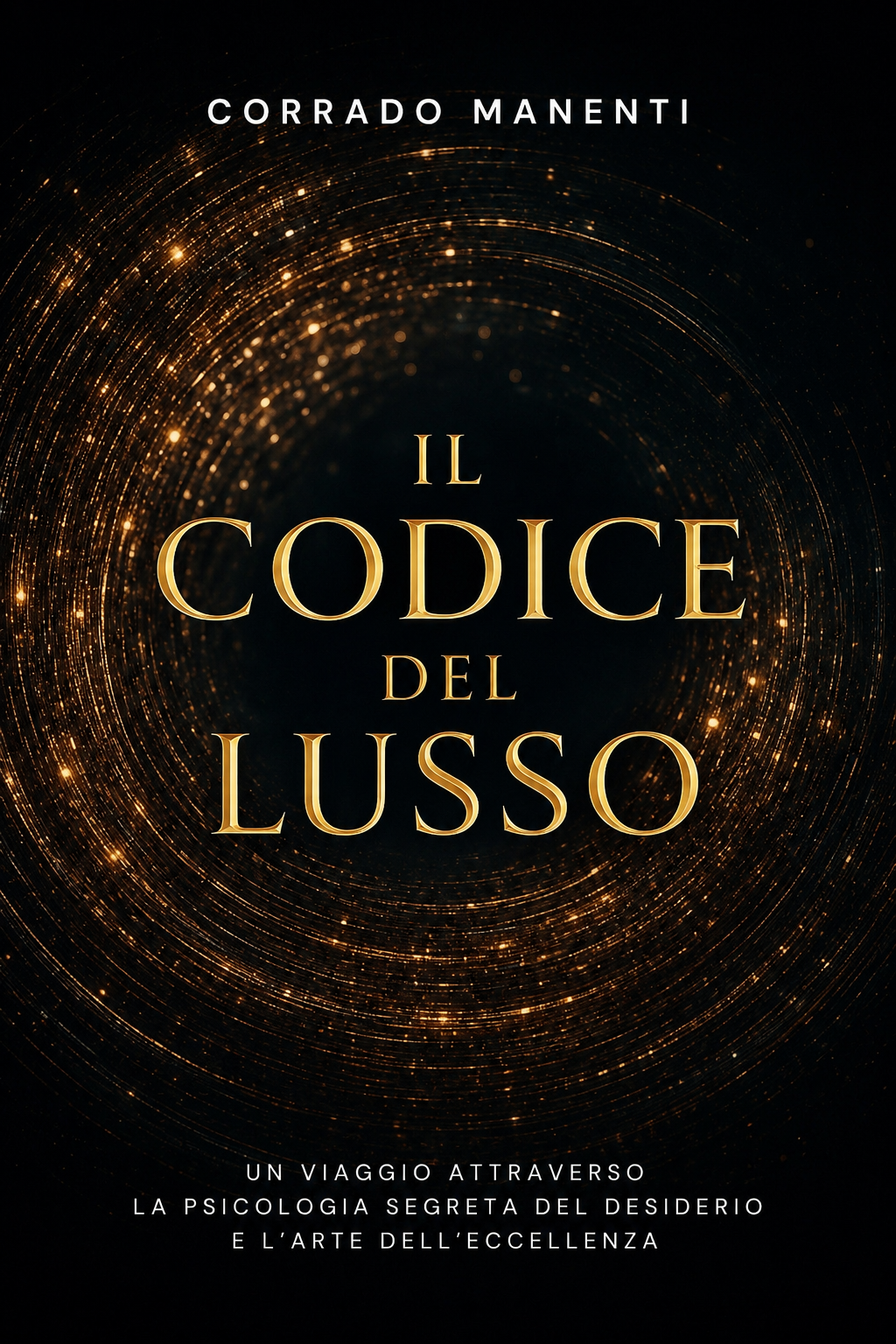
Il Codice del Lusso
176 pagine di framework strategici per costruire un brand aspirazionale: la Psicologia del Velvet Rope, la Doppia Elica del Desiderio, Le 3 Valute del Lusso, il Manifesto del Marketing Aspirazionale, il Cliente Aspirazionale, il Coefficiente di Permanenza, gli Exit Barriers Emotivi. Il metodo che uso ogni giorno con i miei clienti, ora in un solo libro.
Presto ordinabile online — inserisci la tua email nella pagina risorse per ricevere l’annuncio in anteprima.
Consulenza gratuita brand strategy
Verifichiamo quanto è solida la tua esclusività — gratis, 30 minuti
Se il tuo brand cresce sul prodotto d’ingresso e non sai dire su quali leve poggia davvero la sua esclusività, prenota una call gratuita di 30 minuti con me e il mio team: guardiamo insieme i segnali che anticipano la sovraesposizione.
Nessuna presentazione commerciale. Solo una conversazione onesta.