

Emotional branding luxury: 7 esempi reali e i framework che li spiegano
L’emotional branding più redditizio della storia del lusso non è stato progettato da un brand. È stato inciso da una moglie preoccupata sul retro di un orologio.
Il 26 ottobre 2017, a New York, la casa d’aste Phillips batte un Rolex Daytona in acciaio per 17.752.500 dollari. Non è oro. Non ha complicazioni rare. È un cronografo prodotto in migliaia di esemplari, con un prezzo di listino, negli anni Sessanta, di poche centinaia di dollari. L’unica differenza tra quell’orologio e tutti gli altri identici a lui è chi lo portava al polso: Paul Newman. E un’incisione sul fondello, fatta incidere da sua moglie Joanne Woodward: Drive carefully me.
Diciassette milioni di dollari per la paura di una donna che il marito corresse troppo veloce. Nessun ufficio marketing ha scritto quella frase. Nessuna agenzia l’ha testata. Rolex non l’ha mai rivendicata.
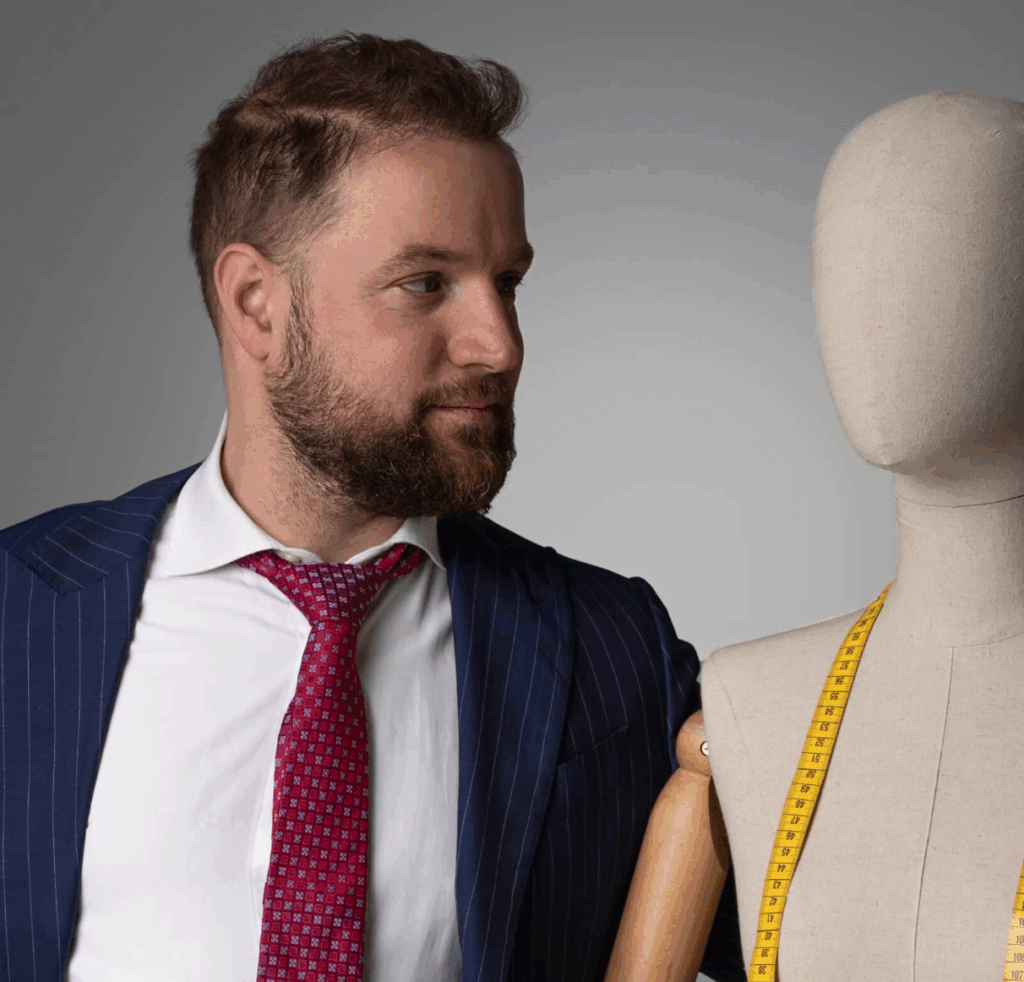
Sono Corrado Manenti, consulente marketing luxury e lifestyle. È il caso che uso sempre per spiegare la tesi più scomoda dell’emotional branding nel lusso: l’emozione non si crea, si predispone. Il brand non produce il sentimento — costruisce le condizioni perché il cliente vi depositi la propria biografia. Chi confonde le due cose finisce a girare campagne commoventi che nessuno ricorda. In questa guida analizzo sette casi reali e documentati di emotional branding nel lusso, e per ognuno il meccanismo che lo rende efficace, con i framework del libro Il Codice del Lusso.
Aggiornato · Edizione 2026
Riscritta in italiano con casi reali e datati al posto degli esempi generici, e con i framework del libro Il Codice del Lusso: le 3 Valute del Lusso, la Authentische Fiktion (principio #1 del Manifesto), il Signal Stacking, la Doppia Elica del Desiderio, la Psicologia del Velvet Rope, gli Exit Barriers Emotivi, il Cliente Aspirazionale. Base scientifica: Zaltman (Harvard) e Plassmann (Stanford-Caltech).
In breve: l’emotional branding nel lusso in cinque leggi
| Principio | Cosa significa nella pratica |
|---|---|
| L’emozione si predispone, non si produce | Il brand costruisce il contenitore; il significato lo porta il cliente. I casi più forti sono quelli in cui il brand ha lasciato spazio. |
| Serve un oggetto, non un messaggio | Nel lusso l’emozione si ancora a qualcosa di fisico e ripetibile: una scatola, un’attesa, un’incisione, un luogo. Le campagne senza ancora svaniscono. |
| La coerenza batte l’intensità | Una frase mantenuta per trent’anni vale più di dieci campagne commoventi. L’emotional branding è un investimento a rendimento composto. |
| Deve costare qualcosa al brand | Se la promessa emotiva non impone al brand un sacrificio verificabile (rinunce, tempi, costi), il cliente la legge come marketing. |
| Pesa cento volte di più sul Cliente Aspirazionale | Per chi accede al lusso in un’occasione rituale della vita, l’esperienza diventa memoria permanente — e responsabilità del brand. |
Siamo macchine di significato che usano la razionalità come decorazione. L’emotional branding nel lusso non serve a far commuovere il cliente: serve a dargli un posto dove mettere ciò che già sente. Il brand che capisce questo smette di produrre campagne e comincia a produrre contenitori.
— Corrado Manenti, Il Codice del Lusso
Cos’è davvero l’emotional branding nel lusso (e cosa non è)
Gerald Zaltman, alla Harvard Business School, ha stimato che circa il 95% dei processi decisionali d’acquisto avviene a livello subconscio. Non significa che il cliente sia irrazionale: significa che la razionalità arriva dopo, a giustificare una scelta già compiuta altrove. Nel lusso questo scarto è massimo, perché l’oggetto non risolve un problema funzionale — un cappotto da quattromila euro non scalda quattro volte meglio di uno da mille.
Il secondo pilastro è lo studio di Hilke Plassmann (Stanford e Caltech, 2008): la corteccia orbitofrontale mediale — l’area che codifica il piacere effettivo — si attiva circa il 50% in più quando il soggetto crede di bere un vino da novanta dollari invece che da dieci. Stesso vino. Il cervello non pensa di provare più piacere: lo prova. Approfondisco entrambi i meccanismi nel pillar sulla psicologia del consumatore di lusso.
Da qui nasce la distinzione che uso con i clienti, e che vale più di qualsiasi definizione da manuale:
- Emotional marketing: il brand produce un’emozione e la comunica. Uno spot commovente, un video di Natale, un testimonial in lacrime. Funziona per giorni, si consuma, va rifatto ogni stagione. Ha un costo ricorrente e un rendimento decrescente.
- Emotional branding: il brand costruisce un dispositivo — un oggetto, un rito, una regola, un luogo — dentro cui il cliente deposita la propria emozione. Funziona per decenni, si carica nel tempo, non va rifatto. Ha un costo iniziale e un rendimento composto.
La differenza è verificabile con una domanda sola: se il brand smettesse di comunicarlo domani, resterebbe qualcosa? La scatola blu di Tiffany resterebbe. Uno spot no. Tutti i sette casi che seguono superano quel test.
7 esempi reali di emotional branding nel lusso
1. Patek Philippe (1996) — vendere l’eredità invece dell’orologio
Nel 1996 Patek Philippe lancia una campagna con una frase destinata a sopravvivere a tre decenni di direttori marketing: “Non possiedi mai davvero un Patek Philippe. Semplicemente lo custodisci per la generazione successiva.” Nell’immagine, un padre e un figlio. Nessuna specifica tecnica, nessun calibro, nessun prezzo.
Il meccanismo: la frase riqualifica l’acquirente. Non è un compratore, è un custode temporaneo. Questo sposta l’oggetto dal registro del consumo a quello dell’eredità — e un’eredità non si confronta con un prezzo. È l’applicazione più pulita della prima delle 3 Valute del Lusso, il Tempo: Patek non vende ore di lavorazione, vende decenni di appartenenza futura. Ed è la dimostrazione del Coefficiente di Permanenza, il rapporto tra tempo di produzione e tempo di rilevanza: un Grandmaster Chime richiede anni di lavoro e resta rilevante per secoli.
Cosa copiare: la coerenza trentennale. Patek non ha mai cambiato quella promessa. È il motivo per cui oggi vale più di qualsiasi campagna nuova.
2. Tiffany & Co. — la scatola che non si può comprare vuota
Il colore della scatola Tiffany è un asset registrato, associato alla maison dal 1845. Ma il vero atto di emotional branding è una regola commerciale: la scatola blu non si vende separatamente. Si ottiene solo con un acquisto. Non esiste modo di avere il contenitore senza il contenuto.
Il meccanismo: apro il capitolo 1 del libro esattamente con questo paradosso. Due diamanti identici — stesso taglio, stessa purezza, stesso peso. Uno riposa in una scatola blu, l’altro in una gioielleria generica. Il primo costa sensibilmente di più, e chi lo compra non si sente truffato: sente di aver comprato la cosa giusta. È Signal Stacking allo stato puro — l’oggetto emette contemporaneamente un segnale economico, uno culturale, uno sociale e uno estetico — combinato con l’Equazione del Valore Percepito. La scarsità della scatola, non del diamante, è ciò che rende il gesto leggibile a chi lo riceve.
Cosa copiare: la regola che impone un sacrificio commerciale. Tiffany rinuncia a un ricavo facile (vendere scatole) per proteggere un significato. Questo è il tipo di costo che rende credibile una promessa emotiva.
3. Hermès — il rituale dell’attesa come atto d’amore rovesciato
Nel capitolo 4 del libro descrivo una scena reale del lusso italiano: un martedì mattina di novembre, Via Montenapoleone, nebbia. Dentro la boutique Hermès una cliente sta per spendere decine di migliaia di euro per una borsa. Ma prima aspetterà due ore — e in quelle due ore riceverà champagne, macaron, la storia della maison, presentazioni. L’attesa per una Birkin o una Kelly, che Hermès non ha mai formalizzato in una lista pubblica ma che nei fatti può durare anni, funziona secondo lo stesso principio su scala temporale più larga.
Il meccanismo: l’effort justification. Ciò per cui abbiamo faticato ci appare più prezioso — e retroattivamente giustifichiamo la fatica attribuendo più valore all’oggetto. È il cuore della Psicologia del Velvet Rope: la corda di velluto che separa chi è dentro da chi è fuori genera desiderio in entrambe le direzioni. E l’attesa è il tempo in cui avviene il Pre-possesso: il cliente possiede emotivamente l’oggetto molto prima di possederlo fisicamente.
Cosa copiare: non l’attesa in sé — copiarla senza il resto è arroganza travestita da strategia. Ciò che va copiato è che l’attesa sia riempita. Un’attesa vuota è un disservizio; un’attesa curata è un rituale.
4. Bottega Veneta — “quando le tue iniziali bastano”, e l’uscita dai social
Per anni la firma di Bottega Veneta è stata una frase che rovescia l’intera logica del logo: “When your own initials are enough”. Il riconoscimento non passa da un monogramma ma dall’intrecciato — una lavorazione riconoscibile al tatto prima che alla vista. Nel gennaio 2021 il brand ha compiuto il gesto più radicale possibile per una maison contemporanea: ha cancellato i propri account social globali, rinunciando volontariamente a milioni di follower.
Il meccanismo: la Doppia Elica del Desiderio. Il cliente luxury vuole simultaneamente appartenere e distinguersi, e i due bisogni si rinforzano a vicenda. Un logo grande serve l’appartenenza e uccide la distinzione. Un segnale leggibile solo da chi sa — una trama, un peso, una texture — serve entrambe: invisibile ai molti, immediato ai pochi. È anche l’applicazione più elegante del principio per cui nel lusso il sensorial branding lavora in sottrazione, come approfondisco nell’analisi del sensory branding nella moda di lusso.
Cosa copiare: la disciplina della rinuncia. Ogni volta che un brand rinuncia pubblicamente a un canale, a un ricavo o a una visibilità, sta dichiarando una gerarchia di valori — e le gerarchie sono emotivamente leggibili.
5. Brunello Cucinelli — Solomeo, o il cause-driven che non è una campagna
Cucinelli non ha lanciato una campagna sulla sostenibilità: ha restaurato un borgo. Solomeo, in Umbria, è la sede dell’azienda ed è anche un progetto civile — il teatro, la biblioteca, la Scuola di Arti e Mestieri aperta per trasmettere i mestieri artigiani, il principio dichiarato del “capitalismo umanistico”. La narrazione non è un livello sopra il prodotto: è il luogo fisico da cui il prodotto esce.
Il meccanismo: è il principio #1 del Manifesto del Marketing Aspirazionale, la Authentische Fiktion, e insieme l’archetipo del Mito della Creazione — il primo dei Quattro Archetipi del Lusso che descrivo nel capitolo 3. La differenza rispetto al cause-driven marketing tipico è strutturale: qui la causa non è comunicata, è abitata. Non si può smettere di farla senza chiudere l’azienda.
Cosa copiare: il test di irreversibilità. Se la tua causa può essere sospesa alla fine dell’anno fiscale senza conseguenze operative, non è una causa: è una campagna. Il cliente del lusso distingue le due cose con precisione impietosa.
6. Rolex e il Daytona di Paul Newman — quando il significato lo porta il cliente
Torniamo al caso da cui siamo partiti. Il 26 ottobre 2017 Phillips batte a New York il Daytona che Joanne Woodward regalò a Paul Newman, con l’incisione Drive carefully me sul fondello: 17.752.500 dollari. Un cronografo d’acciaio prodotto in serie.
Il meccanismo: è la dimostrazione empirica della tesi di questo articolo. Rolex ha costruito per decenni le condizioni — un oggetto durevole, inalterato nel design, associato alle corse, riparabile e tramandabile. Poi si è fatta da parte, e un uomo e sua moglie hanno riempito quel contenitore con la loro storia. Nel libro chiamo Hedonic Investment questa dinamica: paghi oggi un piacere che cresce nella memoria — e nel caso del Daytona, il piacere è cresciuto anche nel mercato.
Cosa copiare: lo spazio lasciato vuoto. Un brand che riempie ogni superficie del proprio prodotto e del proprio racconto non lascia posto alla biografia del cliente. Progetta il vuoto tanto quanto il pieno: l’incisione personalizzabile, la pagina bianca nel libretto di garanzia, il servizio di riparazione che consente al capo di attraversare vent’anni.
Nota per chi cita il caso: l’asta del Daytona di Paul Newman fu battuta da Phillips a New York (ottobre 2017), non da Christie’s. È un dettaglio che circola spesso confuso — e nel lusso la precisione documentaria è parte della credibilità.
7. Aman e gli “Amanjunkies” — quando i clienti si danno un nome da soli
I clienti abituali dei resort Aman si sono attribuiti spontaneamente un nome: Amanjunkies. Non è una definizione di marketing, non è il nome di un programma fedeltà, non compare su una tessera. È un’autodefinizione nata tra gli ospiti, che il brand ha semplicemente lasciato esistere.
Il meccanismo: il bisogno di tribù, uno dei meccanismi psicologici fondamentali del consumatore di lusso. Quando un cliente si dà un nome, ha compiuto un passaggio che nessun programma di loyalty può indurre: ha spostato il brand dentro la propria identità. È il modo più solido di costruire quelli che nel libro chiamo Exit Barriers Emotivi — la relazione brand-cliente come un matrimonio, in cui separarsi costa. Non barriere contrattuali: barriere di identità.
Cosa copiare: non provare a coniare il nome. I nomi imposti dall’alto (“i nostri Ambassador”, “il nostro Circle”) non funzionano perché il valore sta esattamente nel fatto che li scelgano loro. Ciò che il brand può fare è creare le occasioni in cui i clienti si incontrino tra loro — perché una tribù ha bisogno di vedersi.
Il filo comune: cosa fanno questi sette casi che le campagne emozionali non fanno
Messi in fila, i sette casi condividono quattro tratti che nessuna campagna emozionale possiede.
| Caso | Il dispositivo fisico | Framework |
|---|---|---|
| Patek Philippe | Una frase mantenuta dal 1996 | 3 Valute (Tempo) · Coefficiente di Permanenza |
| Tiffany & Co. | Una scatola non acquistabile vuota | Signal Stacking · Equazione del Valore |
| Hermès | L’attesa riempita | Velvet Rope · Pre-possesso |
| Bottega Veneta | Una trama al posto del logo | Doppia Elica del Desiderio |
| Brunello Cucinelli | Un borgo restaurato | Narrativa Autentica · Mito della Creazione |
| Rolex | Un oggetto che attraversa le generazioni | Hedonic Investment · Signal Stacking |
| Aman | Un nome scelto dai clienti | Bisogno di tribù · Exit Barriers Emotivi |
- Hanno un’ancora fisica. In ogni caso esiste un oggetto, un luogo, un gesto o una regola che si può indicare. L’emozione non è nel messaggio: è depositata in qualcosa che continua a esistere quando la comunicazione si ferma.
- Costano qualcosa al brand. Tiffany rinuncia a vendere scatole; Bottega Veneta rinuncia ai social; Cucinelli mantiene un borgo; Hermès rinuncia al volume. Il sacrificio verificabile è ciò che distingue una promessa da uno slogan.
- Sono stati mantenuti nel tempo. Nessuno dei sette è stato riposizionato ogni tre anni. L’emotional branding ha rendimento composto: cambia direzione e azzeri il capitale.
- Lasciano spazio al cliente. È il tratto più difficile da accettare per un ufficio marketing: la parte migliore del racconto non la scrive il brand.
Dove l’emotional branding pesa cento volte di più: il Cliente Aspirazionale
Il Cliente Aspirazionale è il framework che ho codificato per la seconda delle tre modalità di consumo luxury: chi non entra nel lusso per abitudine ma per un’occasione che segna un passaggio della propria vita, e pianifica per accedervi un sacrificio che non ripeterà — il matrimonio, la nascita di un figlio, un anniversario, una milestone professionale, una guarigione.
La distinzione etica va sempre esplicitata, perché è il cuore del framework. Il consumo d’impulso — l’oggetto a rate comprato per ansia di status — si finanzia col debito e lascia vergogna: va disinnescato. Il Cliente Aspirazionale si finanzia col risparmio accumulato in mesi o anni e lascia gratitudine: va servito con la massima cura. Chi non distingue le due categorie tradisce l’etica del luxury marketing.
Per l’emotional branding questa distinzione cambia tutto. Il cliente ricorrente spende molto più in valore assoluto annuale, ma l’esperienza gli pesa poco nella memoria: è abitudine. Il Cliente Aspirazionale spende meno e ricorda per quindici, venti, quarant’anni. È il miglior narratore organico che un brand del lusso possa avere — perché la sua è una vera trasformazione, non una consuetudine. Un cliente ricorrente ripete cento volte “sono cliente di quella maison”; un Cliente Aspirazionale racconta cento volte la storia di quel giorno.
Ne consegue anche il rovescio, che è la parte scomoda: la responsabilità è enormemente superiore. Un errore verso il cliente ricorrente è un fastidio. Lo stesso errore verso chi ha risparmiato tre anni per quell’occasione è un ricordo compromesso in modo irreversibile.
Per riconoscerlo serve l’Accoglienza Informativa, la regola operativa che ho cristallizzato nel metodo: chiedere con tatto è servizio, non invasione. Come si offre un bicchiere d’acqua o un calice di benvenuto prima di dire “posso aiutarla?”, allo stesso modo si chiede — dopo aver accolto, con calma, mentre si accompagna — “posso chiederle se è un’occasione particolare o ha qualche esigenza, così la serviamo al meglio?”. La risposta consente di dare il tavolo migliore, la camera giusta, il tempo in più, la nota scritta a mano. Nessuno di questi gesti ha un costo. Tutti moltiplicano il ricordo — e il ricordo è l’unico materiale con cui l’emotional branding è costruito.
Come si progetta l’emotional branding di un brand luxury: cinque passi
Questo è il percorso che seguo con i clienti quando l’obiettivo è costruire un dispositivo emotivo e non una campagna.
- Trovare la verità già presente. Non si inventa una storia: si estrae. Un fondatore, un materiale, un vincolo produttivo, un luogo, una rinuncia storica dell’azienda. Se il racconto non esiste già nei fatti, qualsiasi costruzione successiva sarà fragile — il cliente luxury ha un radar finissimo per la coerenza tra prezzo, promessa e prodotto.
- Sceglere la valuta. Tempo, Storia o Trasformazione: su quale delle 3 Valute il brand ha titolo per parlare? Un brand giovane non ha titolo sul Tempo, ma può averlo sulla Trasformazione. Rivendicare una valuta che non si possiede è l’errore più comune e il più costoso.
- Costruire l’ancora fisica. La promessa deve poter essere toccata: una regola commerciale, un packaging, un rito di consegna, un servizio a vita, un luogo visitabile. Senza ancora, la promessa resta comunicazione e si consuma.
- Definire il sacrificio. Cosa il brand rinuncia a fare per proteggere quella promessa? Un ricavo, un canale, un volume, una velocità. La promessa senza sacrificio non è credibile, ed è verificabile dall’esterno — motivo per cui va decisa con il CFO, non solo con il marketing.
- Progettare il vuoto. Dove il cliente può inserire la propria biografia? Personalizzazione, incisione, dedica, servizio di riparazione che permetta all’oggetto di durare vent’anni. È il passo che quasi nessuno esegue, e l’unico che trasforma un cliente in narratore.
Gli errori: quando l’emotional branding diventa teatro
- ❌ Emozione senza ancora: la campagna commovente che non lascia nulla dietro di sé. Costo ricorrente, rendimento decrescente. È la forma più diffusa di spesa emotiva inutile nel lusso.
- ❌ Cause-driven sospendibile: la causa che può essere chiusa a fine anno fiscale senza conseguenze operative. Il cliente la legge come posizionamento, non come valore — e la reazione è peggiore che non averla dichiarata.
- ❌ Membership travestita da appartenenza: il programma a punti chiamato “Circle” o “Club”. Nel Segmentation Theatre — l’errore tipico che descrivo nel libro — il brand mette in scena una segmentazione che non corrisponde a nessuna differenza reale di servizio. I clienti se ne accorgono immediatamente.
- ❌ Applicare al Cliente Aspirazionale le tattiche del ricorrente: sconti fedeltà, upselling ripetuto, inviti a cadenza fissa. Nel consumo rituale sono controproducenti: il cliente non vuole continuità, vuole elevazione di un momento che non si ripeterà.
- ❌ Riposizionare ogni tre anni: l’emotional branding capitalizza. Ogni cambio di direzione azzera il capitale accumulato e riparte da zero, con l’aggravante di aver insegnato al mercato che le promesse del brand sono provvisorie.
Cosa misurare dell’emotional branding
L’emotional branding viene tagliato dai budget perché viene misurato con strumenti che non lo vedono. Agisce sulla memoria e sull’identità: si manifesta in anni, non in trimestri.
- ❌ Sentiment analysis della campagna: misura la reazione al messaggio, non la formazione del legame.
- ❌ Brand awareness assistita: nel lusso l’awareness non è il collo di bottiglia. La preferenza lo è.
Le metriche che catturano davvero l’effetto:
- ✅ Densità narrativa nelle recensioni spontanee: quante recensioni raccontano una storia con dettagli specifici (il gesto, la frase del personale, il momento) invece di valutare un servizio. È il proxy più diretto della qualità del dispositivo emotivo.
- ✅ Referral nominativi: nuovi clienti che dichiarano il nome di chi li ha mandati. Misura la trasformazione del cliente in narratore.
- ✅ Tasso di ritorno per l’occasione successiva: il Cliente Aspirazionale che, alla soglia biografica seguente, torna allo stesso brand. È la metrica regina del consumo rituale.
- ✅ Utilizzo dei servizi di cura, riparazione e personalizzazione: indicatore che il cliente sta investendo la propria biografia nell’oggetto.
- ✅ Sopravvivenza della promessa nei test interni: se chiedi a dieci dipendenti qual è la promessa emotiva del brand e ottieni dieci risposte diverse, il dispositivo non esiste ancora.
- ✅ Valore del cliente a 36 mesi, non a 3: nell’aspirazionale il secondo acquisto arriva anni dopo, spesso accompagnato da un referral non tracciato.
Approfondisci i framework connessi
- Psicologia del consumatore di lusso — i 7 meccanismi sotto ogni caso di questo articolo: significato, trasformazione, doppia elica, tribù.
- Il Cliente Aspirazionale — perché l’emotional branding pesa cento volte di più su chi accede al lusso una volta nella vita.
- Le 3 Valute del Lusso — tempo, storia e trasformazione: su quale valuta il tuo brand ha titolo per parlare.
- Il Manifesto del Marketing Aspirazionale — i 12 principi, a partire dalla Narrativa Autentica del caso Cucinelli.
- L’Equazione del Valore nel Lusso — come si compone il valore percepito che la scatola blu di Tiffany dimostra.
Servizi correlati: Consulenza Strategica · Sensorisches Branding
Domande frequenti sull’emotional branding nel lusso
Che cos’è l’emotional branding nei brand di lusso?
È la costruzione di un dispositivo — un oggetto, un rito, una regola commerciale, un luogo — dentro cui il cliente deposita la propria emozione. Va distinto dall’emotional marketing, che produce e comunica un’emozione tramite campagne: quello si consuma in giorni e va rifatto ogni stagione, l’emotional branding si carica nel tempo e ha rendimento composto. Il test è una domanda sola: se il brand smettesse di comunicarlo domani, resterebbe qualcosa? La scatola blu di Tiffany resterebbe; uno spot no. Base scientifica: Zaltman (Harvard) stima che circa il 95% delle decisioni d’acquisto avvenga a livello subconscio, e lo studio di Plassmann (Stanford-Caltech, 2008) ha dimostrato che l’aspettativa premium aumenta di circa il 50% l’attivazione dell’area cerebrale che codifica il piacere effettivo.
Quali sono i migliori esempi reali di emotional branding nel lusso?
Sette casi documentati, ognuno con un dispositivo fisico riconoscibile: Patek Philippe (dal 1996, “lo custodisci per la generazione successiva” — vende eredità, non orologi); Tiffany & Co. (la scatola blu che non si può comprare vuota); Hermès (l’attesa riempita di rituale in boutique); Bottega Veneta (“quando le tue iniziali bastano”, l’intrecciato al posto del logo, e la cancellazione degli account social nel gennaio 2021); Brunello Cucinelli (il borgo di Solomeo e il capitalismo umanistico: una causa abitata, non comunicata); Rolex (il Daytona di Paul Newman, battuto da Phillips a New York nell’ottobre 2017 per 17.752.500 dollari); Aman (gli “Amanjunkies”, nome che i clienti si sono dati da soli).
Come si implementa l’emotional branding per un brand di lusso?
In cinque passi. 1) Trovare la verità già presente nei fatti dell’azienda: non si inventa una storia, si estrae. 2) Scegliere la valuta tra Tempo, Storia e Trasformazione — un brand giovane non ha titolo sul Tempo, ma può averlo sulla Trasformazione, e rivendicare una valuta che non si possiede è l’errore più costoso. 3) Costruire l’ancora fisica: una regola, un packaging, un rito di consegna, un luogo visitabile. 4) Definire il sacrificio, cioè a cosa il brand rinuncia per proteggere la promessa — va deciso con il CFO, non solo con il marketing. 5) Progettare il vuoto: dove il cliente può inserire la propria biografia (incisione, dedica, riparazione a vita). È l’ultimo passo che trasforma un cliente in narratore, e quasi nessuno lo esegue.
Le campagne cause-driven funzionano nel lusso?
Funzionano solo se superano il test di irreversibilità: se la causa può essere sospesa alla fine dell’anno fiscale senza conseguenze operative, non è una causa ma una campagna — e il cliente del lusso distingue le due cose con precisione impietosa, reagendo peggio di quanto avrebbe fatto in assenza di dichiarazioni. Il modello corretto è quello di Brunello Cucinelli: il borgo di Solomeo, il teatro, la Scuola di Arti e Mestieri, il capitalismo umanistico. Lì la causa non è comunicata, è abitata: non si può smettere di farla senza chiudere l’azienda. È l’applicazione del principio #1 del Manifesto del Marketing Aspirazionale, la Narrativa Autentica.
Che ruolo hanno esclusività e membership nell’emotional branding luxury?
L’esclusività funziona quando è architettata, non quando è dichiarata. La Psicologia del Velvet Rope — la corda di velluto che separa chi è dentro da chi è fuori — genera valore percepito in entrambe le direzioni, come dimostra il rituale dell’attesa in Hermès. Ma i programmi di membership a punti ribattezzati “Club” o “Circle” cadono nel Segmentation Theatre: metto in scena una segmentazione che non corrisponde a nessuna differenza reale di servizio, e i clienti se ne accorgono subito. Il modello efficace è quello Aman: non coniare il nome della tribù, ma creare le occasioni perché i clienti si incontrino tra loro e se lo diano da soli. Un nome scelto dal cliente costruisce Exit Barriers Emotivi che nessun programma fedeltà può replicare.

Sull’autore
Corrado Manenti — Consulente marketing luxury
Consulente di marketing luxury e lifestyle, autore del libro Il Codice del Lusso. Laureato in psicologia clinica. Da oltre 10 anni aiuta maison, brand emergenti e hotel di prestigio a costruire dispositivi emotivi che durano decenni — invece di campagne che durano una stagione.
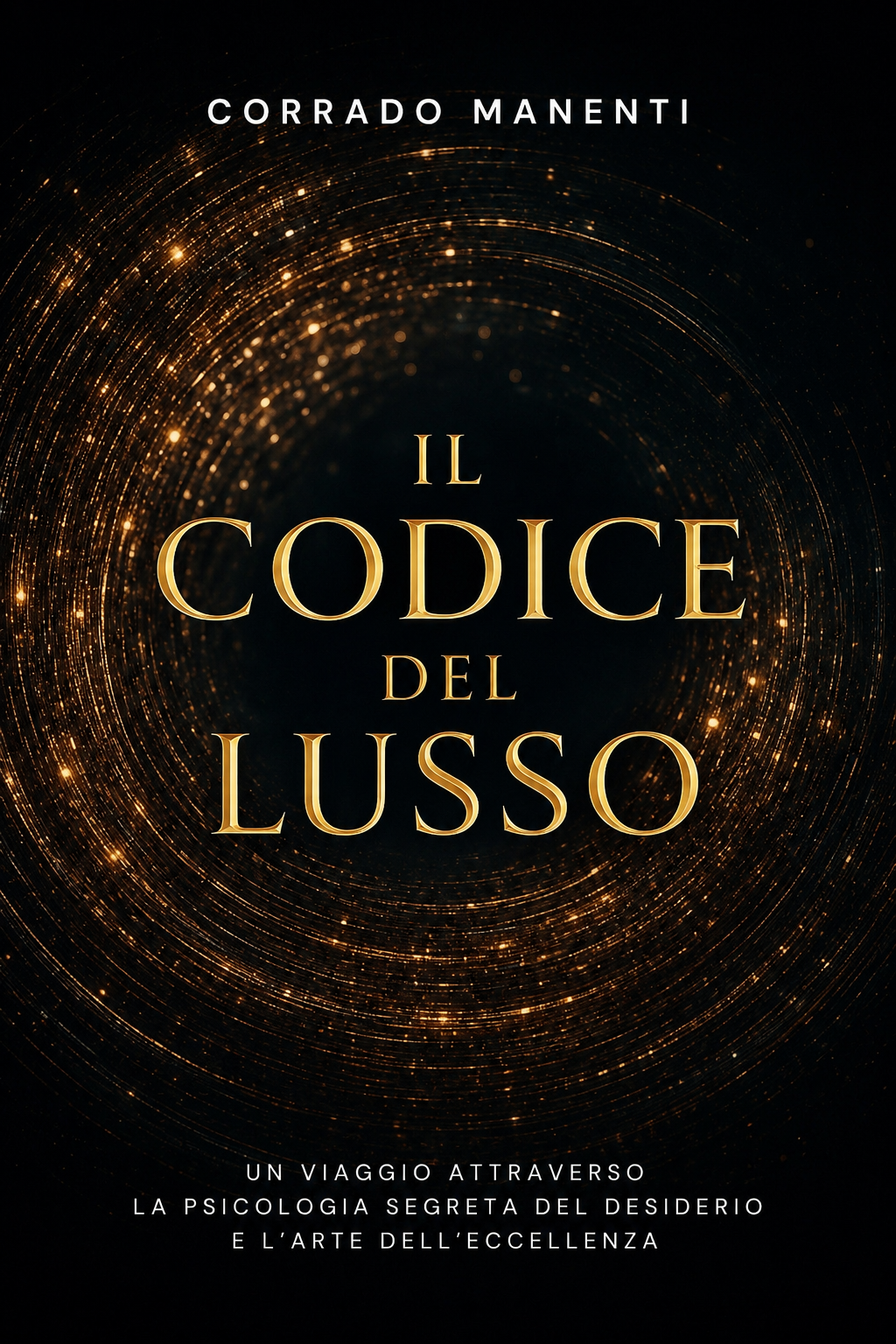
Il libro
Il Codice del Lusso
176 pagine di framework strategici per costruire un brand aspirazionale: Le 3 Valute del Lusso, i Quattro Archetipi del Lusso, il Manifesto del Marketing Aspirazionale, il Cliente Aspirazionale, il Signal Stacking, l’Hedonic Investment, gli Exit Barriers Emotivi. Il metodo che uso ogni giorno con i miei clienti, ora in un solo libro.
Presto ordinabile online — inserisci la tua email nella pagina risorse per ricevere l’annuncio in anteprima.
Consulenza gratuita brand strategy
Troviamo il dispositivo emotivo del tuo brand — gratis, 30 minuti
Se il tuo brand luxury sta spendendo in campagne emozionali che non lasciano niente dietro di sé, prenota una call gratuita di 30 minuti con me e il mio team: cerchiamo la verità già presente nella tua azienda e l’ancora fisica su cui costruirla.
Nessuna presentazione commerciale. Solo una conversazione onesta.