
More than 60 percent of american luxury consumers now expect brands to reflect their personal values and aspirations, setting a new benchmark in high-end marketing. For luxury brand strategists, this shift demands a fresh understanding of what drives consumer loyalty and social status. Discover how redefining lifestyle branding paves the way for deeper connections, transforming exclusive fashion houses and elite resorts into vibrant symbols of identity and desire.
Table of Contents
- Defining Lifestyle Branding In Luxury Marketing
- Types Of Lifestyle Brands In High-End Sectors
- Consumer Psychology Behind Lifestyle Branding
- Crafting Cohesive Brand Experiences Across Channels
- Common Mistakes In Luxury Lifestyle Branding
Key Takeaways
| Point | Details |
|---|---|
| Importance of Lifestyle Branding | Luxury brands must transform into lifestyle curators that resonate with consumers’ identities and values. |
| Strategic Archetypes | Different types of luxury brands employ unique strategies, including Experiential, Aesthetic, and Ecosystem Lifestyle branding. |
| Consumer Psychology | Understanding psychological drivers like social validation and status projection can enhance brand loyalty and emotional connection. |
| Avoiding Common Mistakes | Regular brand audits are essential to maintain exclusive positioning and coherent messaging to protect brand integrity. |
Defining Lifestyle Branding in Luxury Marketing
Lifestyle branding in luxury marketing transcends traditional product selling by creating a comprehensive narrative that connects brands with consumers’ aspirational identities and personal values. At its core, lifestyle branding represents a sophisticated strategy where luxury brands transform from mere product providers into curators of experiences, emotions, and social positioning.
Modern luxury lifestyle branding goes beyond aesthetic appeal, strategically integrating brand narratives with consumer psychological profiles. This approach requires brands to understand not just what consumers purchase, but why they make specific lifestyle choices. Successful luxury brands craft immersive storytelling that resonates with target audiences’ deepest desires for self-expression, status, and personal meaning.
The theoretical framework of lifestyle branding involves complex psychological positioning. Brands must authentically communicate values that align with their consumers’ self-perception, creating an emotional ecosystem where products become symbolic representations of personal identity. Whether through exclusive experiences, carefully curated visual narratives, or precise cultural signaling, luxury lifestyle brands transform transactional relationships into profound personal connections.
Pro tip: Develop a comprehensive consumer psychology profile that maps emotional triggers and aspirational narratives specific to your target luxury demographic.
Types of Lifestyle Brands in High-End Sectors
Luxury lifestyle brands have evolved into sophisticated ecosystems that transcend traditional product categories, strategically expanding their influence across multiple sectors and consumer touchpoints. Comprehensive strategic models reveal distinct approaches luxury brands utilize when extending beyond their core offerings, creating intricate brand universes that engage consumers through immersive experiences.
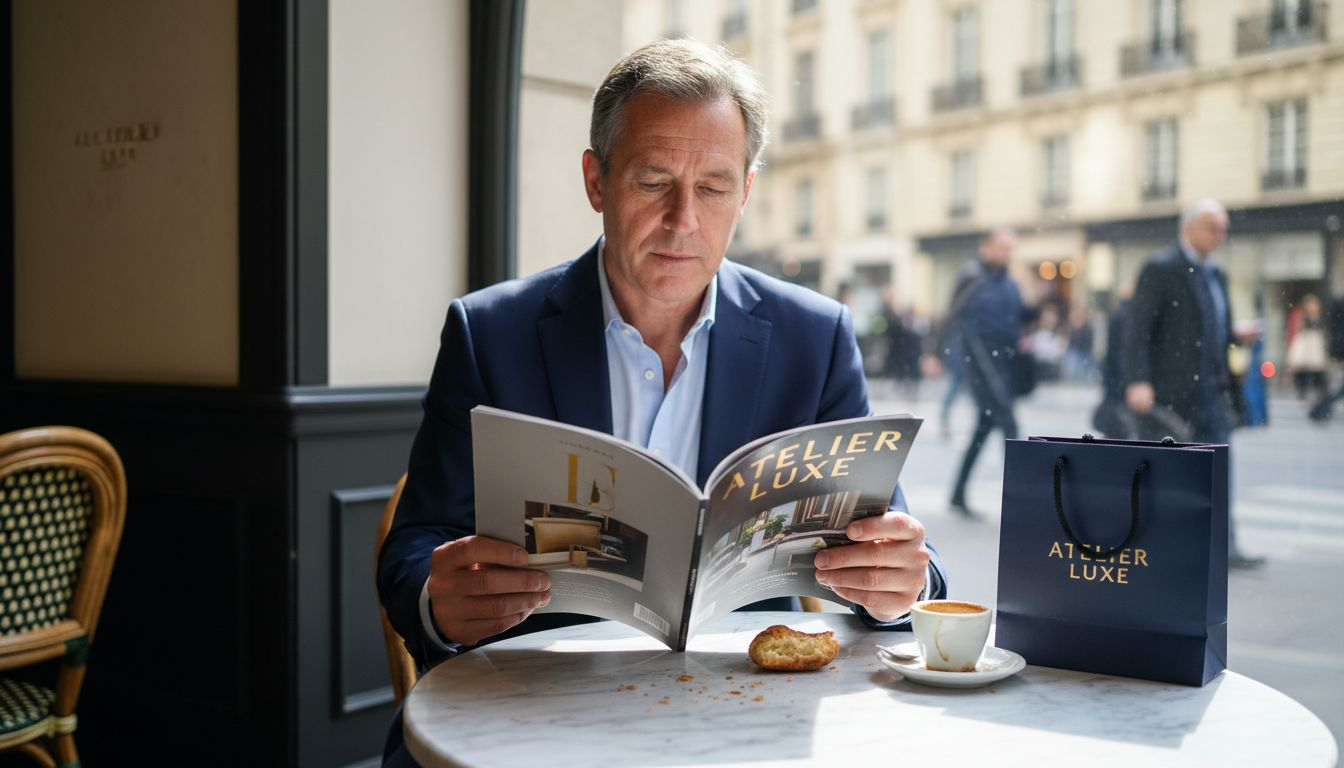
These high-end lifestyle brands can be categorized into several strategic archetypes. Experiential Lifestyle Brands focus on creating holistic consumer journeys that blend product, service, and emotional narrative. Automotive luxury brands like Ferrari exemplify this approach, offering not just vehicles but entire lifestyle experiences including exclusive events, driving academies, and curated travel experiences. Aesthetic Lifestyle Brands prioritize visual storytelling and design philosophy, using their brand identity as a comprehensive cultural statement that extends across multiple product and service domains.
Another significant category includes Ecosystem Lifestyle Brands, which develop interconnected networks of products, services, and digital platforms that create comprehensive consumer engagement. These brands do not simply sell products but construct entire lifestyle frameworks that seamlessly integrate technology, personal identity, and aspirational positioning. Fashion houses like Gucci and technological innovators like Apple represent sophisticated examples of brands that have successfully transformed from product providers into lifestyle architects.
Pro tip: Develop a multidimensional brand strategy that connects emotional narrative, product quality, and experiential elements to create a compelling lifestyle ecosystem.
Here’s a comparison of strategic archetypes used by luxury lifestyle brands:
| Brand Archetype | Core Focus | Example Brand | Unique Value Proposition |
|---|---|---|---|
| Experiential Lifestyle | Holistic journeys, events | Ferrari | Creates memorable experiences |
| Aesthetic Lifestyle | Visual storytelling, design | Chanel | Distinct design philosophy |
| Ecosystem Lifestyle | Interconnected products/services | Apple | Seamless lifestyle integration |
Consumer Psychology Behind Lifestyle Branding
Luxury lifestyle branding operates at the intricate intersection of consumer psychology, social identity, and emotional symbolism. Advanced psychological models reveal how brands transform from mere product providers into powerful identity architects, creating deep emotional connections that transcend traditional transactional relationships.
At the core of lifestyle branding psychology lies the concept of brand personality and its profound alignment with consumers’ self-concept. Individuals do not simply purchase products they desire, but select brands that reflect and amplify their aspirational identities. Luxury lifestyle brands strategically leverage psychological mechanisms of social signaling, allowing consumers to communicate complex personal narratives through carefully curated brand associations. This process involves sophisticated psychological dynamics where brands become extensions of personal identity, serving as symbolic representations of individual values, social status, and emotional aspirations.
The psychological framework of lifestyle branding encompasses multiple intricate dimensions. Social validation plays a critical role, where consumers seek brands that provide membership to exclusive psychological communities. These brands offer more than products they provide social currency, emotional resonance, and powerful narratives of belonging. By understanding deep psychological drivers like status projection, self-enhancement, and group identity, luxury brands can create immersive experiences that speak directly to consumers’ subconscious desires and emotional landscapes.
Pro tip: Conduct comprehensive psychological profiling of your target demographic to develop brand narratives that authentically resonate with their deepest emotional and aspirational motivations.
The following table summarizes key psychological drivers in luxury lifestyle branding:
| Psychological Driver | Role in Branding | Consumer Impact |
|---|---|---|
| Social validation | Builds group identity | Fosters community belonging |
| Status projection | Communicates prestige | Enhances perceived value |
| Self-enhancement | Boosts self-esteem | Stimulates brand loyalty |
| Emotional resonance | Evokes strong feelings | Drives purchase motivation |
Crafting Cohesive Brand Experiences Across Channels
Luxury brands must navigate an increasingly complex landscape of consumer interactions, requiring sophisticated strategies for maintaining brand integrity across multiple touchpoints. Advanced multidimensional frameworks demonstrate how brands can synchronize digital and physical experiences to create seamless, emotionally resonant consumer journeys, ensuring consistent brand narrative and emotional engagement.
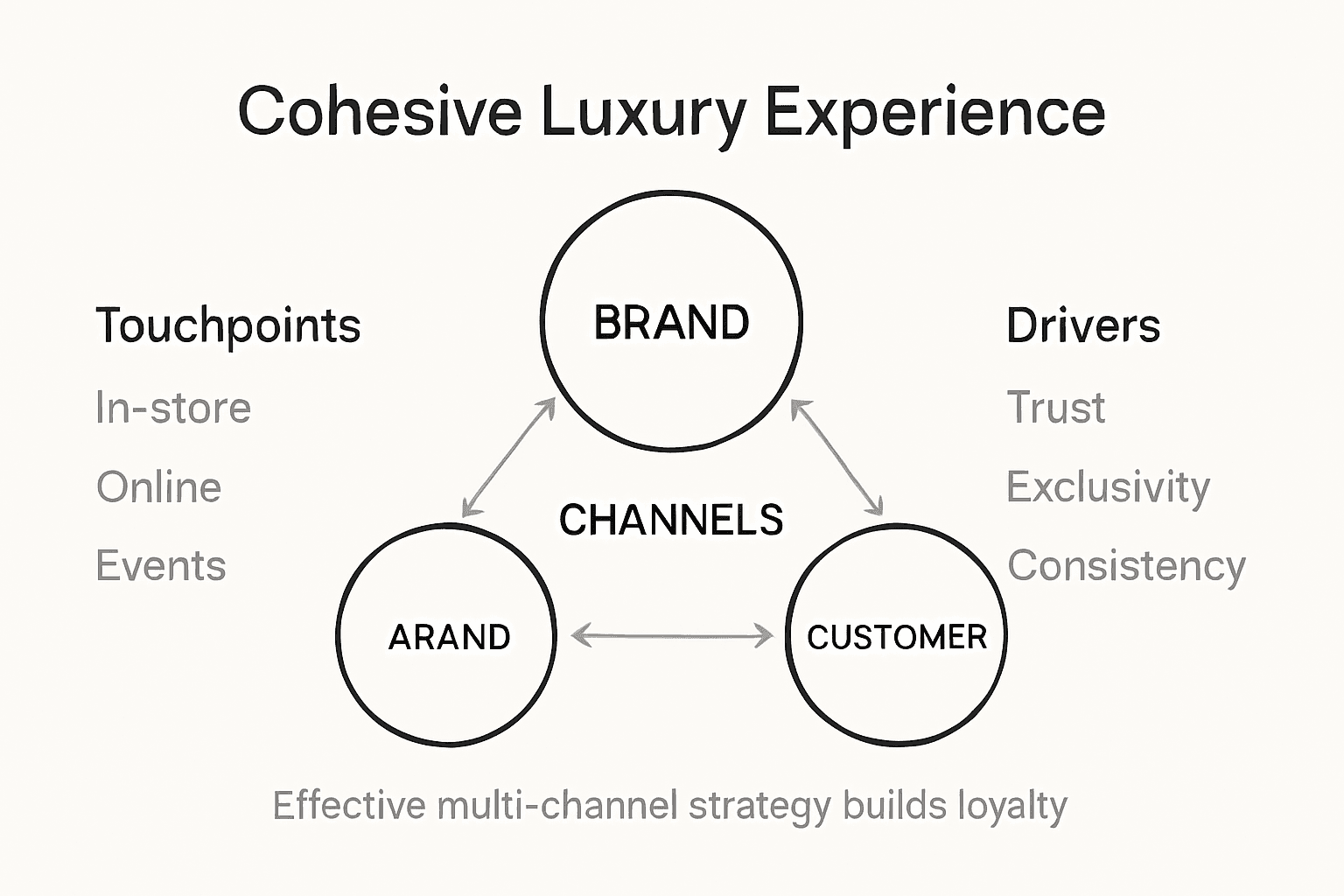
The art of crafting cohesive brand experiences demands a holistic approach that transcends traditional marketing boundaries. Omnichannel integration requires meticulous attention to every consumer interaction, from digital platforms to physical retail environments. Each touchpoint must communicate a unified brand personality, leveraging consistent visual language, tone of voice, and emotional positioning. This means that a customer’s experience on a brand’s Instagram should feel intimately connected to their in-store interaction, creating a fluid and predictable brand ecosystem that reinforces trust and emotional connection.
Successful luxury brands understand that cohesive experiences are not about uniformity, but about creating a nuanced, adaptive brand narrative that maintains core identity while responding to diverse consumer contexts. Contextual responsiveness becomes crucial, where brands demonstrate the ability to modulate their communication and experience design while preserving their fundamental brand essence. This requires advanced technological integration, deep consumer psychology insights, and a flexible yet disciplined approach to brand management that can navigate the complex terrains of digital and physical consumer interactions.
Pro tip: Develop a comprehensive brand experience blueprint that maps every potential consumer touchpoint, ensuring consistent emotional and visual storytelling across all channels.
Common Mistakes in Luxury Lifestyle Branding
Luxury lifestyle branding demands extraordinary precision, with even minor strategic missteps potentially compromising brand prestige and consumer perception. Comprehensive research reveals critical errors that can dramatically undermine a luxury brand’s carefully constructed reputation, exposing the delicate balance between exclusivity and market accessibility.
One of the most significant strategic miscalculations involves brand dilution, where luxury brands compromise their core identity by pursuing overly aggressive market expansion. This often manifests through excessive product line extensions, licensing agreements, or mass-market collaborations that erode the perceived exclusivity and premium positioning that luxury consumers fundamentally value. When brands become too accessible, they risk destroying the mystique and aspirational quality that originally distinguished them in the marketplace.
Another profound pitfall emerges through inconsistent brand messaging and positioning. Tactical errors in brand communication can substantially reduce consumer willingness to pay and diminish overall brand value, particularly when brands fail to maintain a coherent narrative across different consumer touchpoints. Luxury lifestyle brands must cultivate a precise, nuanced communication strategy that maintains emotional resonance while adapting to evolving market dynamics. This requires sophisticated understanding of consumer psychology, cultural context, and the delicate art of projecting exclusivity without appearing inaccessible or elitist.
Pro tip: Conduct rigorous quarterly brand audits to ensure your luxury lifestyle positioning remains authentic, exclusive, and aligned with your target demographic’s evolving aspirations.
Elevate Your Luxury Brand with Psychology-Driven Lifestyle Branding
Lifestyle branding demands more than just aesthetic appeal. It requires a deep understanding of consumer psychology to forge emotional connections that build lasting luxury consumer loyalty. If your challenge is to authentically align your brand with aspirational identities without risking dilution or inconsistent messaging, you need a strategic partner who masters the fusion of psychology and marketing. Corrado Manenti specializes in crafting precision-driven strategies that amplify your brand’s exclusivity and emotional resonance while maintaining an impeccable premium image.
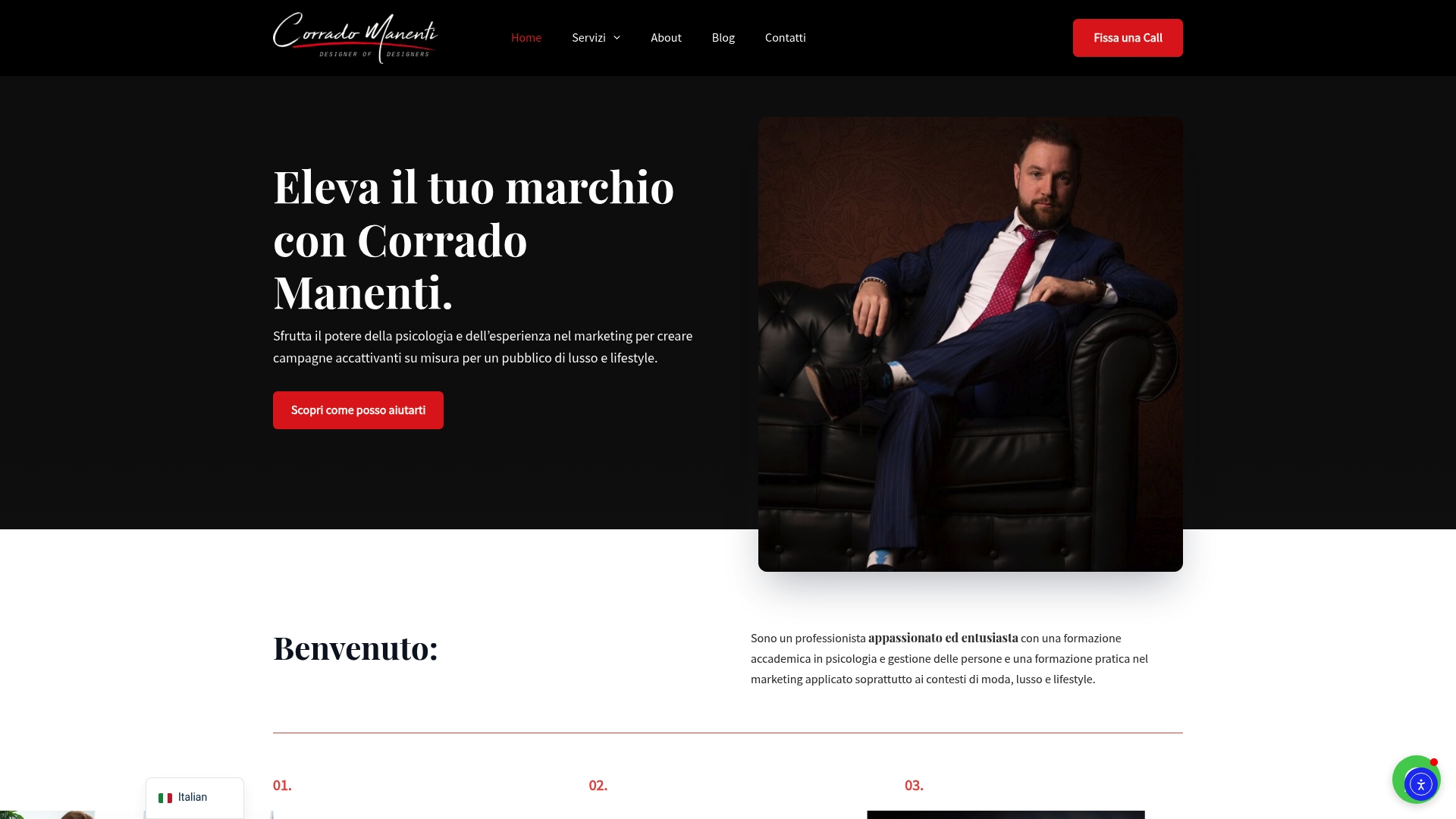
Discover how to transform your luxury brand into an immersive lifestyle ecosystem that speaks directly to your customers’ deepest aspirations by exploring Marketing Fashion – Corrado Manenti. For personal and tailored strategies on building authentic brand narratives, visit Personal Branding – Corrado Manenti. Take advantage of the latest luxury marketing insights today by visiting Corrado Manenti and position your brand as a leader in innovation, exclusivity, and emotional engagement before your competitors do.
Frequently Asked Questions
What is lifestyle branding in luxury marketing?
Lifestyle branding in luxury marketing is a strategy where brands create a narrative that connects with consumers’ aspirational identities and values, transforming from product providers into curators of experiences and emotions.
How do luxury lifestyle brands establish emotional connections with consumers?
Luxury lifestyle brands establish emotional connections by understanding consumers’ psychological profiles and crafting storytelling that resonates with their desires for self-expression, status, and personal meaning.
What are the main types of lifestyle brands in the high-end sector?
The main types of lifestyle brands in the high-end sector include Experiential Lifestyle Brands, which focus on creating holistic journeys, Aesthetic Lifestyle Brands that prioritize visual storytelling, and Ecosystem Lifestyle Brands that offer interconnected products and services.
What common mistakes should luxury brands avoid in lifestyle branding?
Common mistakes in luxury branding include brand dilution through aggressive market expansion and inconsistent messaging which can compromise brand prestige and consumer perception.