
Most luxury fashion brands underestimate the power of psychological strategy in lifestyle branding. Leading American labels have proven that when emotional narratives connect with consumer identity, brand loyalty rises by over 60 percent compared to traditional approaches. For marketing executives aiming to capture global high-value audiences, understanding these psychological drivers can transform both engagement and brand perception. This guide reveals actionable insights for crafting meaningful connections that go beyond product features and foster lasting consumer affinity.
Table of Contents
- Defining Lifestyle Branding In Luxury
- Psychological Drivers Of Brand Affinity
- Key Elements Of A Cohesive Lifestyle Brand
- Digital Innovation In Lifestyle Branding
- Common Pitfalls And Mistakes To Avoid
Key Takeaways
| Point | Details |
|---|---|
| Lifestyle Branding Focus | Luxury brands prioritize emotional engagement and consumer identity over traditional product features. |
| Psychological Strategies | Brand affinity is built through storytelling, sensory experiences, and aligned aspirations. |
| Consistency is Key | Maintaining cohesive visual and messaging strategies is essential for fostering brand loyalty. |
| Digital Innovation | Leveraging technology is crucial for creating personalized interactions that resonate with modern consumers. |
Defining Lifestyle Branding in Luxury
Lifestyle branding represents a sophisticated strategic approach where luxury brands transcend traditional product marketing by creating immersive narratives that resonate deeply with consumer identities and aspirational experiences. Unlike conventional marketing strategies, lifestyle branding in luxury contexts is less about selling products and more about curating compelling emotional landscapes that consumers desire to inhabit.
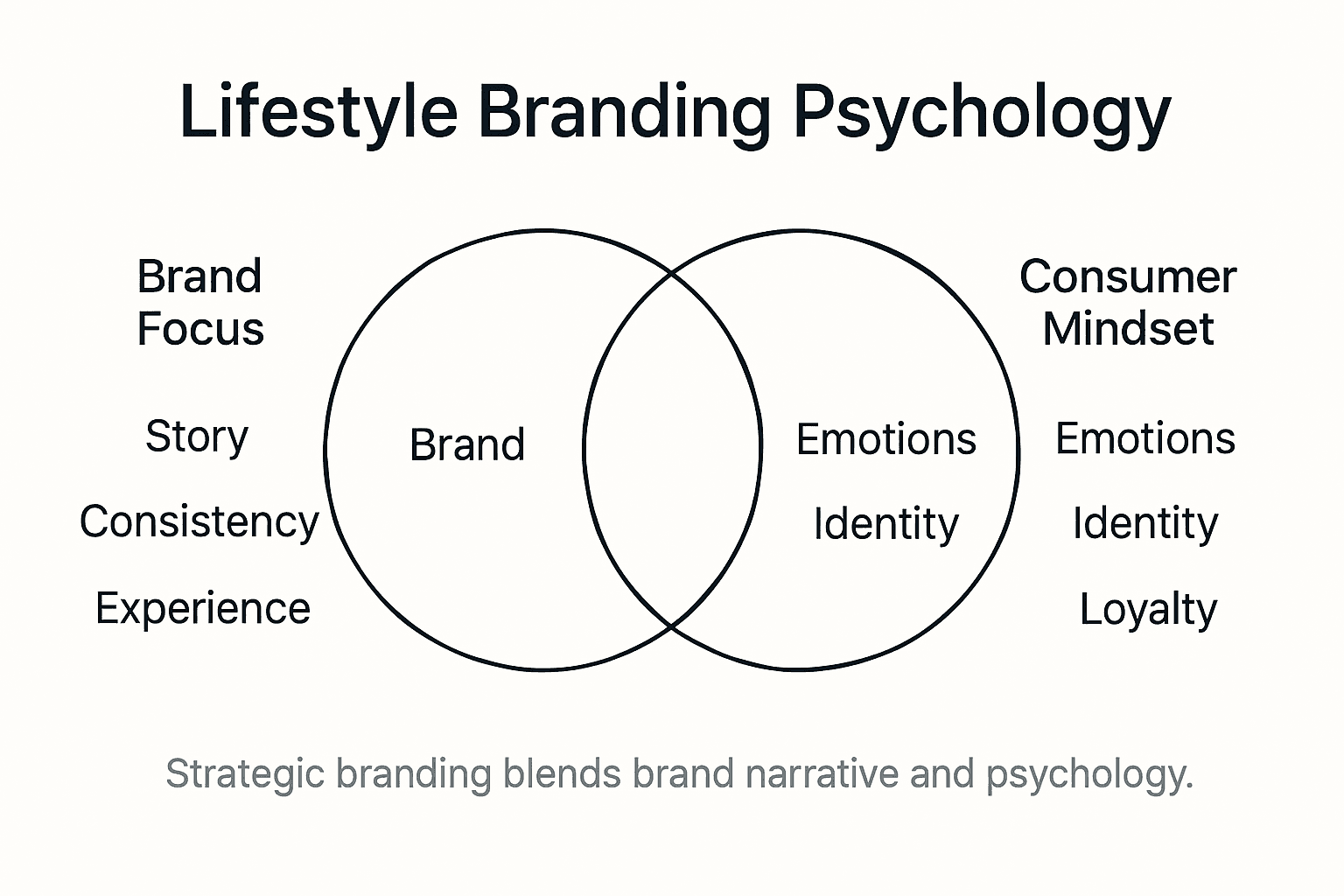
At its core, lifestyle branding operates through intricate psychological mechanisms that transform material products into symbolic representations of personal identity and social positioning. By exploring complex identity frameworks and cultural production strategies, luxury brands craft narratives that go beyond functional utility. These narratives strategically connect consumer self-perception with brand mythology, creating powerful emotional connections that elevate consumer experiences from transactional interactions to meaningful engagement.
The architectural framework of lifestyle branding in luxury sectors involves several sophisticated components. These include carefully curated visual aesthetics, strategic storytelling, exclusive experiences, and meticulous brand positioning that communicates subtle social signals. Successful luxury lifestyle brands understand that consumers are not merely purchasing products but investing in carefully constructed identities and social aspirations. They leverage psychological insights to create brand ecosystems that feel simultaneously exclusive and personally meaningful.
Here is a comparison of traditional product branding and modern lifestyle branding approaches:
| Aspect | Traditional Branding | Lifestyle Branding |
|---|---|---|
| Primary Focus | Product features/benefits | Consumer identity and aspirations |
| Communication Style | Informational | Emotional and immersive |
| Customer Relationship | Transactional | Long-term, community-driven |
| Value Proposition | Functional utility | Symbolic meaning and status |
Pro Tip: When developing a luxury lifestyle brand strategy, focus more on crafting compelling narrative experiences that connect emotionally with your target audience rather than simply showcasing product features.
Psychological Drivers of Brand Affinity
Brand affinity represents a complex psychological phenomenon where consumers develop deep emotional connections with luxury brands that transcend mere transactional relationships. Consumer perceived value plays a critical role in shaping brand identity and emotional engagement, creating intricate psychological pathways that transform purchasing decisions into meaningful personal experiences.

Luxury brands leverage sophisticated psychological principles to cultivate lasting consumer connections. Through strategic deployment of psychological mechanisms like social learning, persuasion, and sensory branding, these brands construct narratives that resonate with consumers’ deeper self-perceptions. These mechanisms tap into fundamental cognitive processes, utilizing techniques such as storytelling, emotional triggering, and identity alignment to create powerful brand associations that feel personally significant and authentic.
The most successful luxury brands understand that brand affinity emerges from a nuanced interplay between external brand communication and internal consumer psychology. They recognize that consumers are not passive recipients of marketing messages but active participants in constructing brand meaning. By creating experiences that align with consumers’ aspirational identities, luxury brands transform their products from mere commodities into symbolic representations of personal values, social status, and individual self-expression.
The following table summarizes key psychological strategies luxury brands use to build strong brand affinity:
| Strategy | Core Principle | Impact on Consumer Loyalty |
|---|---|---|
| Storytelling | Evokes personal emotions and identity links | Deepens emotional connections |
| Sensory Branding | Appeals to senses for memorable experiences | Builds lasting positive associations |
| Social Learning | Influences through aspiration and group cues | Enhances desirability and loyalty |
| Persuasion Techniques | Guides perception via curated messaging | Encourages trust and engagement |
Pro Tip: Design brand experiences that authentically reflect your target audience’s core values and self-perception, focusing on creating emotional resonance rather than just highlighting product features.
Key Elements of a Cohesive Lifestyle Brand
Lifestyle branding requires a strategic approach that goes beyond traditional marketing techniques. A compelling narrative that reflects target audience values and aspirations forms the foundational core of cohesive brand development, transforming brands from mere product providers into powerful cultural symbols that resonate with consumers’ deepest identities.
Successful lifestyle brands understand the critical importance of maintaining consistent visual and messaging strategies across all brand touchpoints. Portfolio brand cohesion becomes essential for sustaining consumer recognition and loyalty, which means carefully managing brand architecture and creating a seamless experience that communicates a unified brand purpose. This involves developing a holistic approach that integrates design elements, communication styles, and brand values into a harmonious ecosystem that feels authentic and intentional.
The most sophisticated lifestyle brands transcend traditional marketing by creating immersive experiences that align with consumers’ aspirational lifestyles. They strategically weave together emotional storytelling, visual consistency, and cultural relevance to construct brand narratives that feel deeply personal and meaningful. By embodying specific values such as sustainability, innovation, or social responsibility, these brands position themselves as more than commercial entities – they become cultural movements that consumers want to be part of and identify with.
Pro Tip: Develop a comprehensive brand guideline that meticulously defines your visual, emotional, and communication standards to ensure consistent and authentic representation across all platforms and interactions.
Digital Innovation in Lifestyle Branding
Digital transformation has become a critical strategy for luxury lifestyle brands seeking to remain relevant in an increasingly technology-driven marketplace. Luxury brands are strategically integrating advanced technologies like AI, virtual reality, and sophisticated data analytics to create personalized customer experiences that simultaneously preserve their traditional brand essence while embracing technological innovation.
Digital channels have emerged as powerful platforms for engaging digital-native consumers, particularly among younger demographics like Generation Z, who demand authentic, transparent, and immersive brand interactions. These digital innovations enable brands to build trust, communicate their core values, and create deeply personalized engagement strategies that go far beyond traditional marketing approaches. By leveraging interactive technologies, brands can craft narrative experiences that feel intimate, responsive, and uniquely tailored to individual consumer preferences.
The most sophisticated digital innovations in lifestyle branding transcend mere technological implementation, focusing instead on creating meaningful connections that align with consumers’ evolving values and expectations. Successful brands recognize that digital platforms are not just marketing channels, but complex ecosystems for storytelling, community building, and emotional engagement. They strategically use technologies like augmented reality, personalized recommendation engines, and interactive digital experiences to transform traditional brand-consumer relationships into dynamic, mutually responsive interactions that feel genuinely collaborative and meaningful.
Pro Tip: Invest in digital technologies that create genuine, personalized experiences rather than implementing tech for technology’s sake, always prioritizing authentic consumer connection.
Common Pitfalls and Mistakes to Avoid
Lifestyle branding demands precision and strategic thoughtfulness, with many brands encountering critical mistakes that undermine their entire marketing approach. Numerous lifestyle branding efforts falter due to fundamental strategic errors like lacking a clear identity, presenting inconsistent messaging, and failing to build authentic emotional connections, which can rapidly erode consumer trust and brand perception.
One of the most prevalent mistakes is the tendency to chase trends without genuine purpose or strategic alignment. Brands frequently become distracted by superficial marketing tactics, implementing technologies or communication strategies that do not meaningfully connect with their core audience. This approach results in fragmented brand experiences that feel artificial and disconnected, ultimately diminishing the brand’s credibility and emotional resonance. Successful lifestyle brands recognize that true engagement emerges from deep understanding of consumer values, aspirations, and psychological drivers, not from trendy but shallow marketing interventions.
Another critical error involves overcomplicating brand messaging and losing sight of the fundamental emotional connection that drives consumer loyalty. Brands that become too technical, abstract, or detached from their core narrative risk alienating their target audience. The most effective lifestyle brands maintain a delicate balance between sophistication and accessibility, crafting communication strategies that feel simultaneously exclusive and inclusive. They understand that their brand is not just about selling products, but about creating a comprehensive lifestyle ecosystem that speaks directly to consumers’ identities, desires, and personal narratives.
Pro Tip: Regularly audit your brand’s communication strategies to ensure they remain authentically aligned with your core values and target audience’s evolving expectations.
Elevate Your Brand with Psychology-Driven Lifestyle Marketing
Understanding the psychology behind lifestyle branding is essential for luxury and fashion brands aiming to forge authentic emotional connections and create immersive experiences that resonate deeply. If your challenge is turning complex consumer identities into cohesive brand narratives that enhance long-term loyalty, you are not alone. Concepts like storytelling, sensory branding, and social learning are powerful tools but require expert guidance to implement strategically and consistently.
Corrado Manenti specializes in marrying psychological insight with high-end marketing to craft tailored strategies that speak directly to your audience’s aspirations and values. Explore our Marketing Mode services to see how luxury brands can thrive by integrating innovation, precision, and authentic storytelling. Whether you want to build a compelling personal aura around your brand through Personal Branding or navigate the dynamic relationship between fashion and cultural influence with Mode VS Influencer, our solutions are designed to elevate your market presence.
Take control of your brand’s emotional impact and secure your place at the forefront of lifestyle branding today. Visit Corrado Manenti now to discover how strategic psychology-driven marketing can transform your luxury or lifestyle brand into a beloved cultural symbol. The time to resonate authentically with your audience is now.
Frequently Asked Questions
What is lifestyle branding in the luxury sector?
Lifestyle branding in luxury transcends traditional marketing by creating immersive narratives that connect deeply with consumer identities and aspirations, transforming products into symbols of personal and social identity.
How does psychology influence brand affinity?
Psychology influences brand affinity by shaping emotional connections between consumers and luxury brands, utilizing techniques such as storytelling, sensory branding, and social learning to create meaningful and lasting relationships.
What are the key elements of a successful lifestyle brand?
Key elements of a successful lifestyle brand include a compelling narrative that reflects target audience values, consistent visual aesthetics, strategic storytelling, and cultural relevance that positions the brand as a symbol of aspiration.
What common mistakes should brands avoid in lifestyle branding?
Brands should avoid lacking a clear identity, presenting inconsistent messaging, and chasing trends without alignment to their core values. Maintaining authentic emotional connections is crucial for building consumer trust and brand loyalty.