

Sensory branding luxury fashion: la gerarchia dei 5 sensi (2026)
Nella moda di lusso il senso che il brand possiede davvero non è la vista. È il tatto. Ed è l’unico che il 90% delle maison lascia gestire al caso — affidato a un commesso che non è stato addestrato a farti toccare niente.
Nell’aprile 2015 Abercrombie & Fitch annunciò che avrebbe alzato le luci dei suoi negozi, abbassato il volume della musica e ridotto drasticamente la fragranza spruzzata nei punti vendita. Per oltre un decennio quel buio, quel volume e quel profumo — “Fierce” — erano il brand: i clienti riconoscevano un negozio Abercrombie dall’odore prima che dall’insegna. Poi le vendite crollarono, e l’azienda smontò con le proprie mani l’architettura sensoriale che l’aveva resa riconoscibile in tutto il mondo.
Non fu il sensory branding a fallire. Fu la sua direzione. Abercrombie usava i cinque sensi per urlare; nel lusso i cinque sensi servono a sottrarre. È la stessa differenza che passa tra una discoteca e un atelier: identici strumenti, obiettivi opposti.
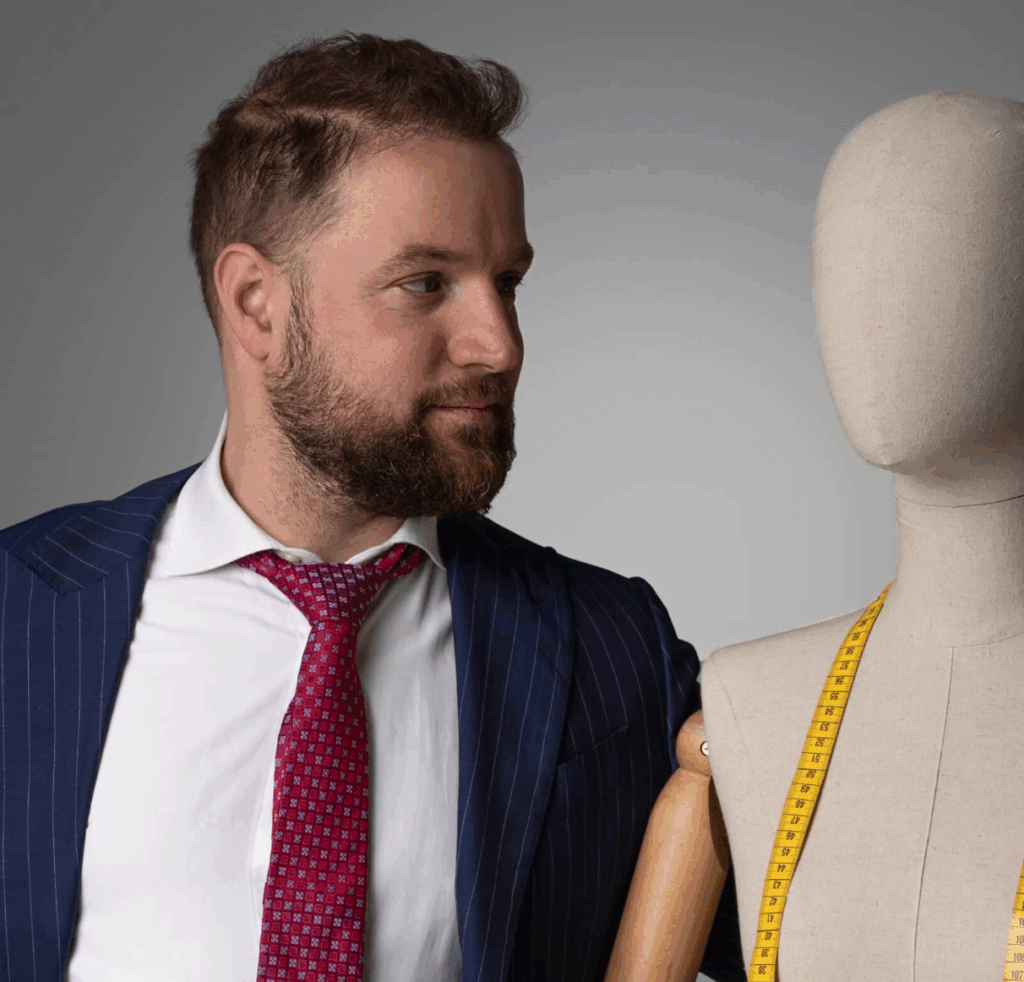
Sono Corrado Manenti, consulente marketing luxury e lifestyle. Nel sensory branding luxury fashion l’errore che vedo ripetersi più spesso non è la mancanza di budget: è l’ordine sbagliato delle priorità. La moda di lusso investe l’80% delle risorse sensoriali sulla vista — visual merchandising, architettura, campagne — e lascia il tatto, che è il senso proprietario del fashion, senza protocollo, senza formazione, senza misurazione. In questa guida ti mostro la gerarchia sensoriale che uso con i clienti fashion e accessori, con i framework del libro Il Codice del Lusso.
Aggiornato · Edizione 2026
Riscritta in italiano con i framework del libro Il Codice del Lusso: la metodologia del Sensorisches Branding, il Rituale dell’Esperienza e il Pre-possesso (cap. 4), il Signal Stacking, gli Exit Barriers Emotivi, il Cliente Aspirazionale e l’Accoglienza Informativa. Focus specifico sul verticale moda e accessori di lusso, dove il tatto vale più della vista.
In breve: il sensory branding nella moda di lusso in cinque leggi
| Principio | Cosa significa nella pratica |
|---|---|
| Il tatto è il senso proprietario della moda | Il tessuto è l’unico stimolo che nessun concorrente digitale può replicare. Va progettato e addestrato, non lasciato al commesso. |
| Sottrazione, non addizione | Ogni senso aggiunto senza necessità diventa rumore. Il lusso si riconosce da cosa toglie: musica più bassa, profumo più lieve, luce più ferma. |
| Il camerino è la stanza del rituale | È il luogo dove avviene il Pre-possesso: il cliente si vede già proprietario. Nella moda vale più della vetrina, e riceve un decimo dell’attenzione. |
| Continuità sensoriale fino all’armadio | L’esperienza non finisce alla cassa. Packaging, custodia, cura del capo nel tempo: sono touchpoint sensoriali che costruiscono Exit Barriers Emotivi. |
| Coerenza prima di intensità | Un solo senso in dissonanza (musica commerciale, odore di detergente, gruccia di plastica) annulla il lavoro degli altri quattro. |
Il sensorial branding non inganna il cervello. Lo programma a percepire un piacere maggiore. Non è decorazione: è creazione attiva del piacere. E nella moda questo accade nel momento esatto in cui la mano del cliente incontra il tessuto — non quando i suoi occhi incontrano la vetrina.
— Corrado Manenti, Il Codice del Lusso
Cosa cambia nella moda: perché il tatto è il senso proprietario del fashion
Nel pillar dedicato al Sensorial Branding e alla neuroscienza del lusso spiego il meccanismo generale: nel 2008 Hilke Plassmann e i suoi colleghi di Stanford e Caltech dimostrarono con la fMRI che la corteccia orbitofrontale mediale — l’area che codifica il piacere effettivo — si attiva circa il 50% in più quando il soggetto crede di bere un vino da novanta dollari invece che da dieci. Stesso vino. Aspettativa diversa. Piacere neurologicamente diverso.
Nella moda quel meccanismo ha una variante che nessun altro settore luxury possiede: l’enclothed cognition. I ricercatori della Northwestern University hanno dimostrato che ciò che indossiamo modifica direttamente le nostre capacità cognitive e il nostro comportamento — un camice da laboratorio migliora attenzione e precisione, un abito formale aumenta il pensiero astratto. Nella moda di lusso, quindi, il prodotto non è circondato da un’esperienza sensoriale: il prodotto è l’esperienza sensoriale. Il capo entra in contatto con la pelle e cambia chi il cliente è mentre lo indossa.
Questo ha una conseguenza strategica che gran parte dei brand fashion non ha ancora interiorizzato. In hôtellerie il senso decisivo è lo spazio; nella ristorazione è il gusto; nel retail di profumeria è l’olfatto. Nella moda il senso decisivo è il tatto — ed è anche l’unico senso che l’e-commerce non può replicare. Ogni euro investito nel rendere memorabile il contatto tra mano e tessuto è un euro investito nell’unico vantaggio competitivo che il digitale non erode.
I brand che lo hanno capito lo dimostrano nel prodotto stesso. L’intrecciato di Bottega Veneta è una firma tattile prima che visiva: nasce da una filosofia in cui il logo non serve, perché il riconoscimento avviene attraverso la superficie. Loro Piana costruisce il proprio posizionamento sulla materia prima — vicuña, baby cashmere — cioè su una sensazione che si può descrivere solo toccandola. Brunello Cucinelli ha fatto di Solomeo e del cashmere una narrazione dove la mano del cliente è il primo lettore. Hermès, con la Kelly e con l’odore del proprio cuoio, ha reso l’olfatto un derivato del tatto: l’odore del pellame è il tatto che si diffonde nell’aria.
È l’applicazione più pura del Signal Stacking, il framework che descrivo nel capitolo 9 del libro: ogni oggetto luxury manda contemporaneamente più segnali sovrapposti — economico, culturale, sociale, estetico. Nella moda uno di quei segnali viaggia solo attraverso la pelle. Se il brand non lo progetta, quel segnale non è neutro: è semplicemente affidato al caso, e spesso comunica il contrario di quello che il prezzo promette.
La gerarchia sensoriale della moda di lusso: cinque sensi in ordine di ritorno
Il primo framework che applico quando lavoro con un brand fashion è l’Audit dei cinque sensi: mappo, punto di contatto per punto di contatto, che cosa il cliente vede, sente, annusa, tocca e — dove pertinente — gusta. Nella quasi totalità dei casi l’audit restituisce sempre la stessa mappa di calore: vista sovra-investita, tatto non presidiato, udito in dissonanza. Ecco l’ordine di priorità che uso nel verticale moda, dal ritorno più alto al più basso.
1. Tatto — il senso proprietario (e il più trascurato)
Nel fashion luxury il tatto va trattato come una disciplina con protocolli scritti, non come un gesto spontaneo del cliente. Cosa significa operativamente:
- Protocollo di invito al contatto: il personale di vendita deve essere addestrato a far toccare, non ad aspettare che il cliente tocchi. Il gesto corretto è porgere il capo, non indicarlo. Nella maggior parte delle boutique che analizzo, questo protocollo semplicemente non esiste.
- Gerarchia dei materiali di contatto secondario: grucce, vassoi, guanti bianchi, superfici di appoggio, carta velina. Il cliente tocca questi oggetti prima di toccare il capo. Una gruccia di plastica accanto a un cappotto da 4.000 euro è una dissonanza tattile che il cervello registra prima della ragione.
- Il peso come segnale: peso della shopping bag, del cartellino, della chiusura, dell’astuccio. Il cervello associa massa a valore. È il segnale sensoriale più economico da correggere e quasi nessuno lo governa.
- Temperatura delle superfici: marmo freddo, legno tiepido, metallo. La temperatura al contatto modifica la percezione di accoglienza o di distanza. Nel lusso serve calore nei punti di sosta, freddezza nei punti di esposizione.
2. Udito — dove si distrugge più valore per errore
L’udito è il senso su cui la moda di lusso commette il maggior numero di errori gratuiti. La playlist commerciale ad alto volume in una boutique elegantissima è il caso da manuale di dissonanza sensoriale: un solo senso fuori registro annulla il lavoro degli altri quattro. Le regole che applico:
- Il volume è una scelta di posizionamento, non di gusto: nel luxury fashion il parlato di due persone a distanza normale deve restare comodamente comprensibile senza alzare la voce. Se il cliente deve alzare la voce, l’esclusività è già compromessa.
- Il silenzio è un materiale: pannelli fonoassorbenti, tappeti, tende pesanti, controsoffitti. Nella moda di lusso l’investimento acustico è invisibile in fotografia e decisivo nell’esperienza — motivo per cui viene tagliato per primo nei budget di allestimento.
- Suoni di prodotto (sonic branding di dettaglio): il click di una chiusura, lo scorrere di una zip di qualità, il fruscio della carta velina, il rumore del coperchio della scatola. Sono micro-suoni ripetibili e riconoscibili, e sono l’anticamera del ricordo.
- Nessuna musica è meglio della musica sbagliata: se il brand non ha un’identità musicale codificata, il silenzio curato è la scelta strategica corretta.
3. Olfatto — il canale della memoria, da usare in sottrazione
L’olfatto è il senso con la connessione più diretta alla memoria autobiografica, ed è precisamente per questo che nella moda di lusso va usato con parsimonia estrema. La lezione di Abercrombie non è “il profumo in negozio non funziona”: è che un profumo identificabile a distanza trasforma il brand in un’insegna, e le insegne invecchiano. Il modello corretto nel fashion è opposto:
- Nota di fondo, non profumazione ambientale: il cliente non deve poter nominare l’odore. Deve solo percepire che l’aria è “giusta”. La soglia corretta è quella in cui l’ospite nota l’odore solo se glielo si fa notare.
- Derivare l’olfatto dal materiale, non aggiungerlo: cuoio, cedro, cera, lana pulita, legno degli arredi. Nella moda l’olfatto più credibile è quello che il prodotto stesso emette. Aggiungere una fragranza estranea al materiale crea la dissonanza che il cliente luxury riconosce immediatamente.
- Eliminare prima di aggiungere: nel 90% degli audit che conduco il problema olfattivo non è l’assenza di una firma, è la presenza di odori parassiti — detergenti, cucina del bar adiacente, umidità del magazzino, vernice fresca, plastica degli imballi. Rimuoverli produce più valore percepito di qualsiasi diffusore.
4. Vista — necessaria, non differenziante
La vista resta il canale con cui si comunica il posizionamento, ma nella moda di lusso ha smesso da tempo di essere un differenziale: tutti i competitor hanno buoni architetti, buoni visual merchandiser e buoni fotografi. Ciò che ancora fa differenza è un dettaglio che quasi nessuno tratta come sensoriale: la luce sul volto del cliente, non sul prodotto.
La temperatura colore e la direzione della luce nel camerino determinano se il cliente si piace mentre si guarda. Nella moda, dove il prodotto viene indossato, l’illuminazione che valorizza il capo ma appiattisce la pelle è un errore strategico: il cliente non sta valutando il capo, sta valutando se stesso con il capo. È il punto in cui la vista si mette al servizio del Pre-possesso.
5. Gusto — marginale nel prodotto, decisivo nel rituale
Nella moda il gusto non riguarda il prodotto, riguarda il tempo dell’acquisto. Il caffè, l’acqua, il calice offerti durante un appuntamento in boutique non sono cortesia: sono il segnale che il tempo del cliente è protetto. È la stessa dinamica del capitolo 4 del libro — la cliente Hermès in Via Montenapoleone che aspetta due ore prima di ricevere la borsa, e in quelle due ore riceve champagne, macaron, storia della maison, presentazioni. Il gusto è ciò che rende l’attesa un privilegio invece di un ritardo.
Ed è qui che il sensory branding incontra il framework de Le 3 Valute del Lusso: tempo, storia e trasformazione. Ogni scelta sensoriale in una boutique di moda paga in una di quelle tre valute. Il silenzio acustico e la seduta in camerino pagano in tempo. L’odore del cuoio e la spiegazione del tessuto pagano in storia. La luce sul volto e il momento davanti allo specchio pagano in trasformazione. Un intervento sensoriale che non paga in nessuna delle tre è, per definizione, decorazione.
Il camerino come stanza del rituale: dove avviene il Pre-possesso
Nel capitolo 4 del Codice del Lusso — Il Rituale dell’Esperienza — codifico il Pre-possesso: il momento in cui il cliente possiede emotivamente l’oggetto prima di possederlo fisicamente. In gioielleria il Pre-possesso avviene nel vassoio di velluto; nell’automotive nel sedile; nell’hôtellerie sulla soglia della suite. Nella moda avviene nel camerino. Ed è, in proporzione al suo peso decisionale, l’ambiente meno progettato di tutta la boutique.
È l’applicazione più diretta del principio #2 del Manifesto del Marketing Aspirazionale — creare esperienze memorabili, cioè momenti che diventano biografia emotiva del cliente. Nella moda quel momento ha un indirizzo preciso: sono i tre minuti in cui il cliente si guarda allo specchio indossando qualcosa che non è ancora suo.
Un camerino progettato per il Pre-possesso ha caratteristiche precise:
- Spazio per il tempo, non solo per il corpo: una seduta, un piano d’appoggio, un gancio adeguato. Un camerino in cui non si può stare seduti comunica al cliente che deve fare in fretta — l’esatto contrario del rituale.
- Specchio a distanza corretta e luce sul volto: lo specchio ravvicinato in un box chiuso impedisce la valutazione di sé a figura intera. Il rituale richiede la distanza per vedersi diverso.
- Silenzio acustico reale: il camerino è il punto in cui il cliente è più vulnerabile e più esposto al proprio giudizio. La musica di sala che filtra è un’intrusione.
- Assenza di elementi economici a contatto: gruccia leggera, tenda che non chiude, tappetino sintetico, cartellino rigido che graffia. Sono le dissonanze tattili che si pagano più care.
- Presidio discreto, non abbandono: il personale deve essere raggiungibile senza che il cliente debba uscire mezzo vestito a cercarlo.
Il Cliente Aspirazionale in boutique: l’occasione sensoriale che non si ripete
Il Cliente Aspirazionale è il framework che ho codificato per descrivere la seconda delle tre modalità di consumo luxury: chi non entra nel lusso per abitudine ma per un’occasione che segna un passaggio della propria vita, e pianifica per accedervi un sacrificio che non ripeterà. Non è l’acquisto d’impulso dell’iPhone a rate — è consumo rituale di una soglia biografica: l’abito del matrimonio, il cappotto comprato con la prima liquidazione, la borsa per la laurea della figlia.
La distinzione è il cuore etico del framework, e nella moda è più visibile che altrove. Il consumo d’impulso si finanzia col debito e lascia vergogna; il Cliente Aspirazionale si finanzia col risparmio accumulato e lascia gratitudine. Il primo va disinnescato, il secondo va servito con la massima cura. Chi non distingue le due categorie tradisce l’etica del luxury marketing.
Nella moda di lusso il Cliente Aspirazionale ha una caratteristica sensoriale specifica: è la prima volta che tocca quel materiale. Il cliente ricorrente conosce già il peso di quel cashmere; l’aspirazionale lo sta scoprendo. Il che significa che l’intensità del ricordo — e quindi il valore narrativo che il brand riceverà per i successivi vent’anni — dipende quasi interamente dalla qualità del primo contatto tattile. Un errore sensoriale al cliente ricorrente è un fastidio; al Cliente Aspirazionale è un ricordo compromesso in modo irreversibile.
Per riconoscerlo serve l’Accoglienza Informativa, la regola operativa che ho cristallizzato nel metodo: chiedere con tatto è servizio, non invasione. Come si offre un bicchiere d’acqua prima di chiedere “posso aiutarla?”, allo stesso modo si chiede — con calma, dopo aver accolto, mentre si accompagna — “posso chiederle se è un’occasione particolare o ha qualche esigenza, così la serviamo al meglio?”. La risposta cambia tutto: se il cappotto è per il proprio matrimonio, cambiano il tempo dedicato, il camerino assegnato, il livello di cura nel confezionamento, la nota scritta a mano nella scatola. Nessuno di questi elementi ha un costo. Tutti moltiplicano il ricordo.
La differenza tra la domanda corretta e quella sbagliata è tutta nel tatto con cui viene posta. Il commesso che chiede meccanicamente “è un regalo?” sulla soglia è invasivo e freddo. Il responsabile di sala che lo chiede dopo aver accolto, accompagnando al camerino, sta facendo il proprio lavoro al livello più alto.
Dalla boutique all’armadio: la continuità sensoriale che quasi nessuno progetta
Nella moda esiste un vantaggio che nessun altro settore luxury possiede: il prodotto resta a contatto con il cliente per anni. Un pasto stellato dura tre ore, una notte in resort dura una notte, un cappotto dura quindici inverni. Ogni volta che il cliente lo indossa, il brand ha un touchpoint sensoriale gratuito. Progettare quella coda temporale è il capitolo di sensory branding che la maggior parte dei brand fashion non scrive.
- Packaging come secondo rituale: il confezionamento in boutique non è logistica, è la seconda cerimonia dopo il camerino. Tempo dedicato, carta velina, piegatura eseguita davanti al cliente, sigillo. Il gesto lento comunica valore più della scatola costosa.
- Unboxing domestico: la scatola verrà riaperta a casa, spesso davanti a qualcun altro. È un momento di storytelling che il brand può progettare — sequenza di apertura, biglietto scritto a mano, istruzioni di cura stampate su carta di pregio.
- Custodia e cura come touchpoint ricorrenti: sacco in cotone invece che in plastica, gruccia dedicata, spazzola, kit di manutenzione. Ogni volta che il cliente cura il capo, ripete un piccolo rituale del brand.
- Servizio di riparazione e riassetto: nella moda di lusso il servizio post-vendita è l’equivalente sensoriale del ritorno in boutique. È anche il momento in cui il brand dimostra che il Coefficiente di Permanenza del capo — il rapporto tra tempo di produzione e tempo di rilevanza — è reale e non dichiarato.
Questa continuità è il modo più efficace di costruire quelli che nel libro chiamo Exit Barriers Emotivi: la relazione brand-cliente come un matrimonio, in cui divorziare costa. Non barriere contrattuali, non punti fedeltà — barriere di memoria. Il cliente che ogni autunno ritira dal sacco di cotone il cappotto comprato per il proprio matrimonio non sta usando un prodotto: sta ripetendo un rituale. Nessun loyalty program produce un legame di quella natura.
E-commerce fashion: progettare per due sensi su cinque
Lo schermo attiva solo vista e udito. Gli altri tre sensi restano dominio esclusivo dell’esperienza fisica — ed è per questo che nella moda di lusso il digitale non sostituirà mai la boutique per gli acquisti a forte carica rituale. Ma un e-commerce fashion può fare due cose che quasi nessuno fa:
- Tradurre il tatto in linguaggio e in immagine: macro-fotografia della trama, video del tessuto in movimento, peso dichiarato in grammi, descrizione della mano del tessuto scritta da chi sa scriverla. Non è copywriting: è trasferimento sensoriale.
- Spostare il rituale sulla consegna: nel digitale l’unico momento fisico è l’apertura del pacco. Va progettato come si progetta un camerino, perché è l’unico camerino disponibile.
Dove il sensory branding fashion fallisce (e come accorgersene prima)
Il sensory branding fa danni quando viene trattato come un upgrade estetico invece che come una disciplina strategica. I quattro modi in cui lo vedo fallire nel verticale moda:
- ❌ Inautenticità: il brand emergente che simula l’aura sensoriale della maison centenaria. Il cliente del lusso ha un radar finissimo per la coerenza tra prezzo, ambiente e prodotto. Quando l’ambiente promette più di quanto il prodotto mantenga, la dissonanza si traduce in diffidenza — e la diffidenza nel lusso non si recupera con lo sconto.
- ❌ Eccesso: musica troppo presente, profumo troppo intenso, illuminazione troppo drammatica. Il cervello processa il rumore sensoriale come minaccia, non come piacere. È il caso Abercrombie: sensi usati per urlare.
- ❌ Incoerenza tra touchpoint: boutique impeccabile e corner in department store trascurato; flagship silenzioso e outlet rumoroso. Il cliente attribuisce al brand l’esperienza peggiore, non la media.
- ❌ Misinterpretazione culturale: la firma olfattiva o musicale che funziona a Milano può risultare invadente a Tokyo o insufficiente a Dubai. Nel fashion globale il Codice Sensoriale del brand deve prevedere varianti locali dichiarate, non adattamenti improvvisati dal management di filiale.
Il segnale di allarme più affidabile è semplice: se il team interno descrive il sensory branding con aggettivi (“elegante”, “sofisticato”, “immersivo”) e non con parametri (temperatura colore, decibel, grammatura, note olfattive, materiali), il brand non ha un Codice Sensoriale. Ha un’estetica casuale.
Cosa misurare del sensory branding nella moda di lusso
Il sensory branding viene tagliato dai budget perché viene misurato male. Le metriche di breve periodo non lo catturano: agisce sulla memoria, e la memoria si manifesta nei mesi. Ecco cosa smettere di guardare e cosa iniziare a guardare.
- ❌ Conversion rate del singolo mese post-restyling: influenzato da stagionalità, collezione e traffico. Non isola l’effetto sensoriale.
- ❌ Gradimento dichiarato in questionario: il sensory branding funziona sotto la soglia della coscienza. Il cliente non sa dire perché si è sentito bene.
Le metriche che invece misurano davvero l’effetto:
- ✅ Tempo medio di permanenza in boutique, segmentato tra visita esplorativa e appuntamento. È il proxy più diretto della qualità sensoriale dell’ambiente.
- ✅ Tasso di prova in camerino sul totale visite, e numero di capi provati per sessione. Misura se l’ambiente invita al Pre-possesso o lo scoraggia.
- ✅ Tasso di ritorno a 12 mesi dello stesso cliente nello stesso punto vendita (non del brand in generale): isola l’effetto dell’esperienza locale.
- ✅ Densità di dettagli sensoriali nelle recensioni spontanee: quante recensioni citano odore, silenzio, materiali, cura del confezionamento. Cresce quando il Codice Sensoriale funziona.
- ✅ Tasso di utilizzo del servizio di cura e riparazione: indicatore della continuità sensoriale post-acquisto e degli Exit Barriers Emotivi.
- ✅ Valore del cliente a 36 mesi, non a 3: nel fashion aspirazionale il secondo acquisto arriva anni dopo, spesso portando con sé un referral.
Approfondisci i framework connessi
- Sensorial Branding: la neuroscienza del lusso — il pillar completo: studio Plassmann, i cinque sensi, l’Audit sensoriale e il Brand Sensory Code.
- Il Cliente Aspirazionale — chi entra in boutique per una soglia biografica, e perché va servito diversamente dal cliente ricorrente.
- Psicologia del consumatore di lusso — perché compriamo significato e non prodotti: i meccanismi cognitivi sotto il sensory branding.
- Il Manifesto del Marketing Aspirazionale — i 12 principi che governano ogni scelta sensoriale, incluso “Creare Esperienze Memorabili”.
- Le 3 Valute del Lusso — Zeit, Geschichte und Wandlung: was der Kunde wirklich kauft, wenn er den Stoff berührt.
Servizi correlati: Sensorisches Branding · Instore Experience Design
Domande frequenti sul sensory branding nella moda di lusso
Che cos’è il sensory branding nella moda di lusso?
È la progettazione coordinata di tutti gli stimoli sensoriali — tatto, udito, olfatto, vista, gusto — che il cliente attraversa nel rapporto con un brand di moda: boutique, camerino, packaging, prodotto indossato, servizio post-vendita. Nella moda ha una specificità che nessun altro settore luxury possiede: il prodotto entra in contatto con la pelle e resta con il cliente per anni. Il tatto non è quindi un canale accessorio ma il senso proprietario del fashion, e l’unico che l’e-commerce non può replicare. Non è decorazione estetica: è la costruzione attiva del piacere percepito, come ha dimostrato lo studio di Plassmann (Stanford e Caltech, 2008) sull’attivazione della corteccia orbitofrontale mediale.
Quali elementi sensoriali contano di più nella moda di lusso, e in che ordine?
Nel verticale moda l’ordine di ritorno è: tatto (senso proprietario — protocollo di invito al contatto, materiali secondari come grucce e carta velina, peso, temperatura delle superfici); udito (dove si distrugge più valore per errore — volume, silenzio come materiale, micro-suoni di prodotto); olfatto (canale della memoria, da usare in sottrazione: nota di fondo derivata dai materiali, eliminazione degli odori parassiti prima di qualsiasi aggiunta); vista (necessaria ma non differenziante, con l’eccezione decisiva della luce sul volto del cliente in camerino); gusto (marginale nel prodotto, decisivo nel rendere l’attesa un privilegio). È l’inverso dell’ordine su cui la maggior parte dei brand fashion investe.
Come influenzano i sensi le decisioni d’acquisto nella moda di lusso?
Attraverso due meccanismi neurologici distinti. Il primo è la costruzione dell’aspettativa: lo studio di Plassmann ha dimostrato che l’area cerebrale che codifica il piacere effettivo si attiva circa il 50% in più quando l’aspettativa è premium — il cervello non crede di provare più piacere, lo prova fisicamente. Il secondo è l’enclothed cognition studiata alla Northwestern University: ciò che indossiamo modifica le nostre capacità cognitive e il nostro comportamento. Nella moda questo significa che il cliente in un ambiente progettato sensorialmente non è solo “in un bel posto”: è, neurologicamente, una versione più sofisticata di sé stesso — più presente, più disposto a riconoscere il valore.
Quali sono i rischi del sensory branding nella moda?
Quattro, in ordine di frequenza. Inautenticità: quando l’ambiente promette più di quanto il prodotto mantenga, il cliente luxury percepisce la dissonanza e sviluppa diffidenza. Eccesso: musica, profumo o luce troppo intensi vengono processati dal cervello come minaccia, non come piacere — è il caso Abercrombie & Fitch, che nel 2015 annunciò di alzare le luci, abbassare la musica e ridurre drasticamente la fragranza in negozio dopo anni di identità sensoriale urlata. Incoerenza tra touchpoint: il cliente attribuisce al brand l’esperienza peggiore, non la media. Misinterpretazione culturale: una firma sensoriale che funziona a Milano può risultare invadente a Tokyo. Nel lusso il sensory branding è quasi sempre più sottrazione che addizione.
Come si misura il ritorno del sensory branding in un brand fashion?
Non con il conversion rate del mese successivo al restyling (troppo influenzato da stagionalità e collezione) né con i questionari di gradimento (il sensory branding agisce sotto la soglia della coscienza). Le metriche affidabili sono: tempo medio di permanenza in boutique segmentato per tipo di visita; tasso di prova in camerino e numero di capi provati per sessione; tasso di ritorno a 12 mesi dello stesso cliente nello stesso punto vendita; densità di dettagli sensoriali nelle recensioni spontanee (odore, silenzio, materiali, confezionamento); tasso di utilizzo del servizio di cura e riparazione; valore del cliente a 36 mesi. Sono metriche più lente, ma sono le uniche che catturano un effetto che agisce sulla memoria.

Sull’autore
Corrado Manenti — Consulente marketing luxury
Consulente di marketing luxury e lifestyle, autore del libro Il Codice del Lusso. Laureato in psicologia clinica. Da oltre 10 anni progetta per maison della moda, brand di accessori e retail di alta gamma il codice sensoriale della loro esperienza — dalla boutique al camerino, dal packaging alla cura del capo nel tempo.
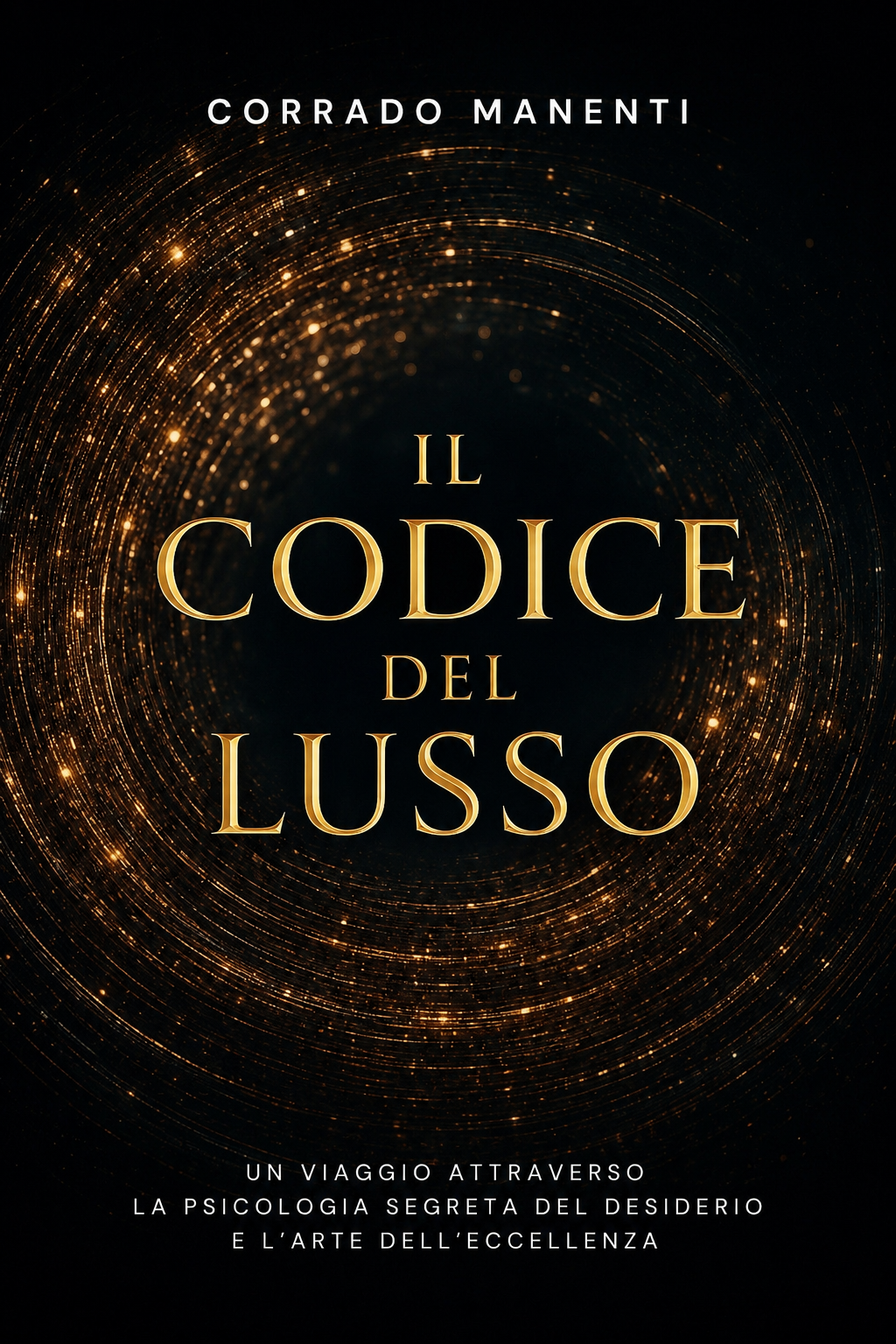
Il libro
Il Codice del Lusso
176 pagine di framework strategici per costruire un brand aspirazionale: Le 3 Valute del Lusso, il Manifesto del Marketing Aspirazionale, il Cliente Aspirazionale, il Rituale dell’Esperienza e il Pre-possesso, il Signal Stacking, gli Exit Barriers Emotivi. Il metodo che uso ogni giorno con i miei clienti, ora in un solo libro.
Presto ordinabile online — inserisci la tua email nella pagina risorse per ricevere l’annuncio in anteprima.
Consulenza gratuita sensorial branding
Facciamo l’audit sensoriale del tuo brand moda — gratis, 30 minuti
Se guidi una maison, un brand di accessori o una catena retail di alta gamma e vuoi capire quali dei cinque sensi stai lasciando al caso — a partire dal tatto e dal camerino — prenota una call gratuita di 30 minuti con me e il mio team.
Nessuna presentazione commerciale. Solo una conversazione onesta.