
Luxury fashion brands face unprecedented pressure in 2026 as consumer expectations shift toward meaning, minimalism, and personalized experiences. Traditional logo-heavy branding no longer resonates with affluent buyers seeking exclusivity through subtlety rather than ostentation. This guide reveals psychology-driven frameworks, AI personalization tactics, and experiential strategies that help marketing executives build authentic connections while protecting brand prestige. You’ll discover actionable steps to implement silent luxury principles, leverage predictive engagement metrics, and measure success through trust-based KPIs that drive sustainable growth in today’s competitive market.
Table of Contents
- Understanding The New Luxury Branding Frameworks For 2026
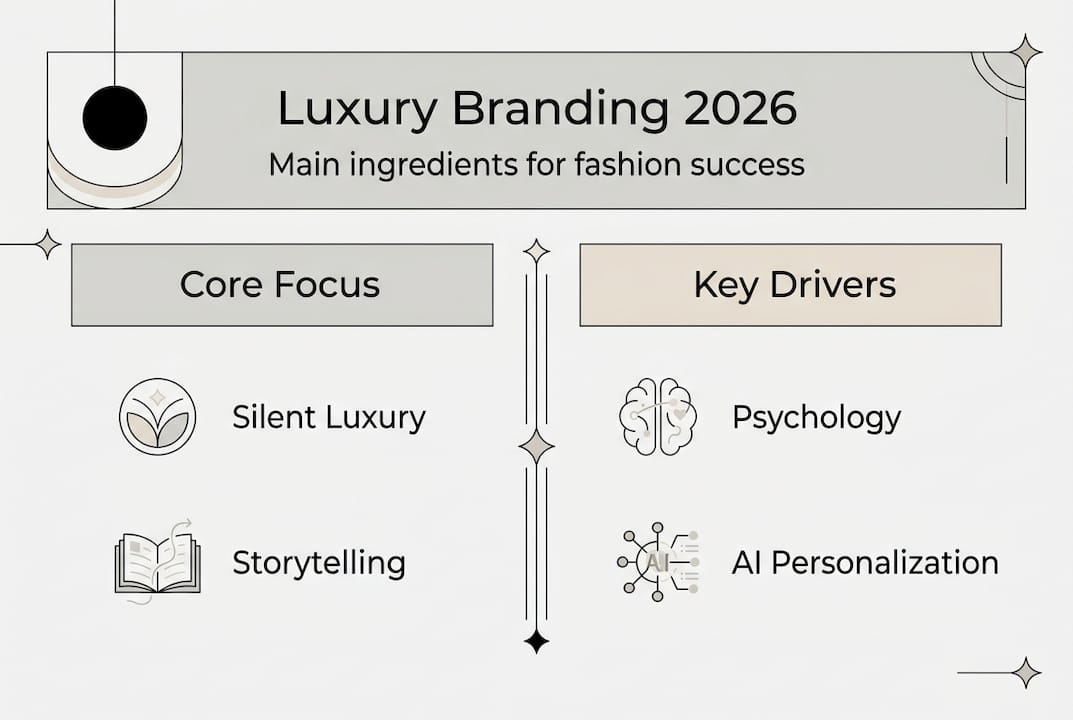
- Key Elements To Prepare: Silent Luxury, Psychology, And AI Personalization
- Step-By-Step Execution Of Innovative Branding Strategies In 2026
- Measuring Success And Adjusting Strategies For Sustained Growth
- Boost Your Luxury Brand Growth With Proven Tactics
Key takeaways
| Point | Details |
|---|---|
| Meaning-driven storytelling | Luxury brands must build narratives around cultural relevance and exclusivity rather than relying on slogans to create emotional connections. |
| Silent luxury commands premium | Minimalist branding with reduced logos signals upper-tier exclusivity and drives higher perceived value among sophisticated consumers. |
| AI personalization boosts trust | Predictive metrics and personalized video content increase engagement by 2.3 times while building the 68% trust factor critical for purchases. |
| Experiential focus drives growth | Luxury market shifts toward wellness and sustainability experiences with 5% growth prioritizing meaningful brand interactions over product features. |
| Metrics verify strategy impact | Brand equity scores, First-Fast Response rates, and engagement analytics enable dynamic strategy adjustments for sustained market relevance. |
Understanding the new luxury branding frameworks for 2026
Luxury branding has evolved beyond visual identity into strategic narratives that define what brands represent at their core. The meaning spine concept replaces traditional slogans by establishing a foundational story that connects emotionally with consumers through cultural relevance and shared values. This framework recognizes that modern affluent buyers seek brands that reflect their identity and aspirations rather than simply displaying wealth through conspicuous logos.
Luxury branding frameworks prioritize meaning spine over slogans, using storytelling, cultural relevance, and scarcity to build desire while protecting prestige. The fashion sector faces moderate growth projections of 2 to 4 percent, making strategic differentiation through innovative branding essential for market success. Brands that master this framework create lasting impressions that transcend seasonal trends and economic fluctuations.
Storytelling serves as the primary vehicle for transmitting brand meaning to consumers. Unlike promotional messaging, effective storytelling in luxury branding weaves narratives that position products within aspirational lifestyles and cultural moments. These stories trigger emotional responses that forge deeper connections than rational product benefits ever could. The psychological mechanism behind this approach taps into identity formation, where consumers see brand ownership as an extension of their personal narrative.
Scarcity tactics remain fundamental to luxury positioning but have grown more sophisticated in 2026. Rather than artificial limitations, brands now use strategic scarcity to signal exclusivity and protect prestige perception. This approach creates desire through psychological principles of loss aversion and social proof, where limited availability increases perceived value. The contrast with logo-heavy branding highlights a fundamental shift toward subtlety, where true luxury whispers rather than shouts.
Key framework elements include:
- Establishing a clear meaning spine that defines brand purpose beyond product attributes
- Crafting culturally resonant stories that connect emotionally with target consumers
- Implementing strategic scarcity to maintain exclusivity and prestige perception
- Balancing tradition with innovation to remain relevant without losing heritage value
- Creating brand experiences that reinforce narrative consistency across all touchpoints
This luxury brand storytelling guide framework positions brands for sustainable differentiation in markets where traditional competitive advantages have diminished. The psychological foundation ensures strategies resonate with how consumers actually make purchasing decisions rather than how brands assume they do.
Key elements to prepare: silent luxury, psychology, and AI personalization
Silent luxury represents a paradigm shift in how affluent consumers signal status and taste. This minimalist approach reduces or eliminates visible logos, relying instead on quality, craftsmanship, and insider knowledge to convey exclusivity. Silent luxury brands command higher prices despite lower search interest, appealing particularly to new wealth demographics that reject ostentatious displays. The psychological appeal lies in sophisticated signaling, where those in the know recognize value without overt branding.
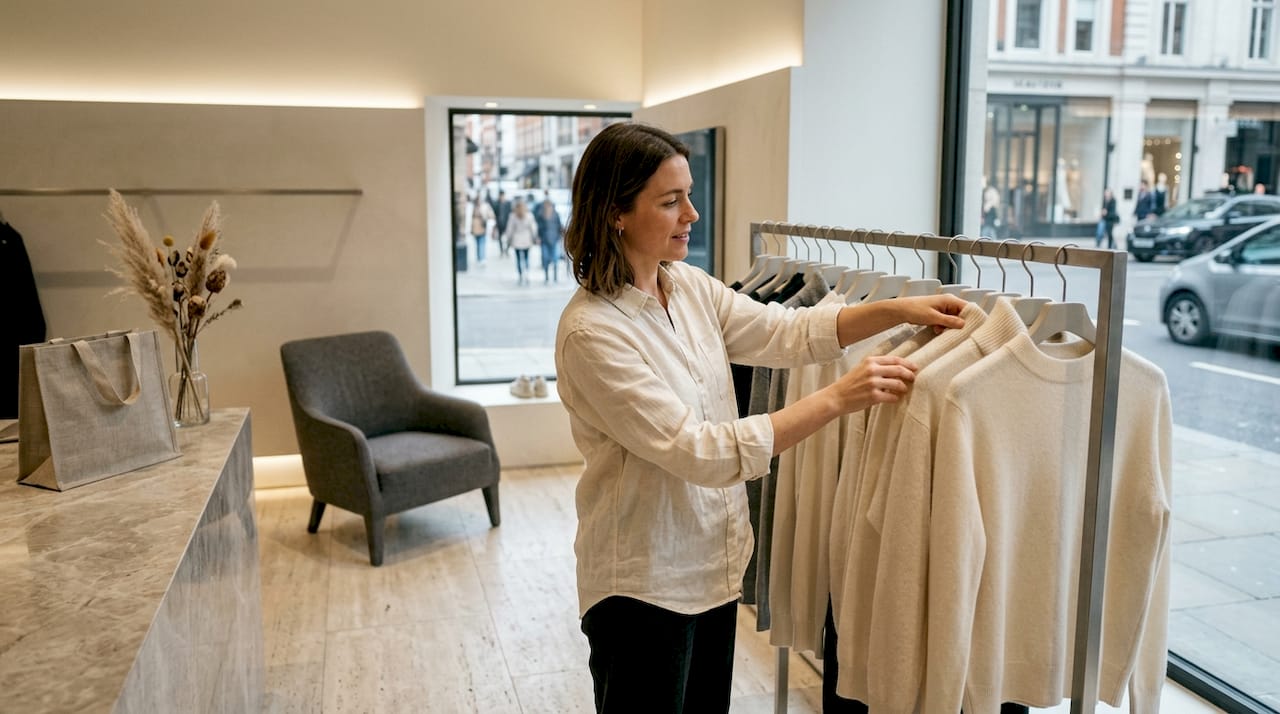
Preparing for silent luxury implementation requires brands to audit their current visual identity and product design. You must identify opportunities to reduce logo prominence while enhancing quality cues that communicate value to discerning buyers. This shift demands confidence in your brand’s intrinsic worth and a willingness to educate consumers about craftsmanship details that justify premium pricing. The transition can feel risky, but data shows minimalist branding actually increases perceived exclusivity among target luxury consumers.
Psychology-driven branding forms the foundation for all modern luxury marketing strategies. Understanding why consumers make purchasing decisions, not just what they buy, enables you to craft campaigns that trigger the right emotional responses. Trust emerges as the dominant purchase driver, with 68 percent of luxury buyers citing it as their primary consideration. This insight shifts focus from feature-based messaging to relationship-building tactics that demonstrate brand reliability and authenticity over time.
AI-driven personalization technologies have matured to the point where they deliver measurable engagement improvements. Video personalization increases 2.3 times with AI tools, creating tailored experiences that resonate with individual preferences. These technologies analyze consumer behavior patterns to predict which content, timing, and channels will generate optimal responses. Implementing AI personalization requires investment in data infrastructure and analytics capabilities, but the return comes through higher conversion rates and stronger customer loyalty.
Pro Tip: Start your AI personalization journey by focusing on email and video content where personalization delivers the highest ROI before expanding to other channels.
Preparing your digital infrastructure involves several critical steps:
- Establishing robust data collection systems that capture consumer behavior across touchpoints
- Implementing analytics platforms capable of processing behavioral data into actionable insights
- Training teams on interpreting AI-generated recommendations and adjusting strategies accordingly
- Creating content libraries flexible enough to support personalized variations at scale
- Testing personalization algorithms with small segments before full deployment
The combination of minimalism and technology creates a unique competitive advantage. While silent luxury appeals to consumer psychology around exclusivity, AI personalization ensures each interaction feels individually crafted. This dual approach addresses both the emotional drivers of luxury purchases and the practical expectation for relevant, timely brand communications. Brands that master this balance position themselves as both aspirational and attentive to individual needs.
Experiential marketing examples demonstrate how leading brands translate these preparation elements into memorable consumer interactions. The key lies in viewing preparation not as a one-time project but as an ongoing capability that evolves with consumer expectations and technological possibilities.
Step-by-step execution of innovative branding strategies in 2026
Executing meaning-driven storytelling begins with articulating your brand’s core narrative in a single, compelling meaning spine statement. This statement should capture what your brand stands for beyond product categories, connecting to broader cultural themes or consumer aspirations. Workshop this statement with key stakeholders until it feels authentic and differentiating. Once established, every piece of content, product launch, and brand experience should reinforce this central narrative without deviation.
Adopting silent luxury design requires a phased approach to minimize disruption while testing market response. Start by introducing limited edition products with minimal branding to gauge consumer reaction among your most loyal customers. Emphasize quality details like fabric composition, construction techniques, and heritage craftsmanship in product descriptions and sales training. Gradually reduce logo prominence across your main collection as you build confidence in the strategy and educate your customer base about the value of understated luxury.
Implementing AI tools for personalized engagement follows a structured process:
- Select an AI platform that integrates with your existing CMS and customer data systems
- Define personalization parameters based on behavioral data like browsing history, purchase patterns, and engagement metrics
- Create content variants for different consumer segments, focusing initially on video and email channels
- Launch pilot campaigns with control groups to measure performance against non-personalized content
- Analyze results using predictive metrics like First-Fast Response to identify high-performing variations
- Scale successful personalization strategies across additional channels and customer segments
- Continuously refine algorithms based on performance data and emerging consumer behavior patterns
Luxury market trends show a shift toward experiences with 5 percent growth, prioritizing sustainability, wellness, and AI personalization. Designing experiential retail events around these themes creates memorable brand interactions that strengthen emotional connections. Plan events that immerse consumers in your brand’s meaning spine through curated environments, expert-led workshops, or exclusive access to artisans and designers. These experiences should feel generous rather than transactional, building goodwill that translates to long-term loyalty.
Pro Tip: Document every experiential event with high-quality content that extends the experience’s value to those who couldn’t attend, multiplying your investment’s reach.
Tracking brand equity requires establishing baseline measurements before implementing new strategies. Use established frameworks that measure awareness, perceived quality, brand associations, and loyalty. Survey your target consumers quarterly to track changes in these metrics, correlating shifts with specific branding initiatives. This data provides the evidence needed to justify continued investment and identify which tactics deliver the strongest returns.
| Strategy Element | Execution Timeline | Key Success Indicator |
|---|---|---|
| Meaning spine development | 1-2 months | Stakeholder alignment and narrative clarity |
| Silent luxury rollout | 3-6 months phased | Customer acceptance rate and price maintenance |
| AI personalization pilot | 2-3 months | Engagement lift vs. control group |
| Experiential event series | Quarterly cadence | Attendance and post-event sentiment scores |
| Brand equity measurement | Ongoing quarterly | Trend direction in core equity metrics |
This effective storytelling guide provides additional frameworks for narrative development and execution. The execution phase demands patience and commitment to long-term brand building rather than short-term sales spikes. Consistency across all touchpoints reinforces your strategic positioning and builds the cumulative effect that defines successful luxury branding.
Fashion brand growth tactics complement these execution steps by addressing market expansion alongside brand strengthening. The most successful luxury brands in 2026 balance innovation with heritage, using new technologies and approaches while maintaining the core values that originally attracted their customer base.
Measuring success and adjusting strategies for sustained growth
Measuring branding strategy success requires a balanced scorecard that captures both leading and lagging indicators. Brand equity scores provide a comprehensive view of how consumers perceive your brand across multiple dimensions. These scores aggregate awareness, quality perception, loyalty metrics, and brand associations into a single trackable number. Regular measurement allows you to identify trends before they become problems and double down on initiatives that move the needle positively.
Consumer trust levels deserve particular attention given their outsized influence on purchase decisions. Predictive metrics like First-Fast Response drive 68 percent trust, a top factor for purchase decisions in luxury sectors with a focus on personalization. This metric measures how quickly and positively consumers respond to initial brand interactions, correlating strongly with eventual conversion. Track this metric across different channels and consumer segments to identify where your brand builds trust most effectively.
Engagement rates reveal how actively consumers interact with your brand content and experiences. Look beyond vanity metrics like follower counts to focus on meaningful interactions such as time spent with content, repeat visits, and referral behavior. These deeper engagement signals indicate genuine interest and relationship strength rather than passive awareness. Compare engagement rates before and after implementing new branding strategies to isolate their specific impact.
| Metric Category | Pre-Strategy Baseline | Post-Strategy Target | Measurement Frequency |
|---|---|---|---|
| Brand equity score | Current composite score | 15-20% improvement | Quarterly |
| Consumer trust level | Survey-based trust rating | 10-15 point increase | Bi-annually |
| Engagement rate | Current interaction percentage | 25-30% lift | Monthly |
| First-Fast Response | Initial response time/quality | 20% improvement | Weekly |
Maintaining a luxury branding checklist ensures consistent monitoring of all strategic elements. This checklist should cover narrative consistency, visual identity adherence, personalization performance, experiential event quality, and competitive positioning. Review this checklist monthly with your marketing team to catch any drift from strategic intentions before it becomes embedded in execution.
Adjusting strategies based on performance data requires a systematic approach to analysis and decision-making. Establish clear thresholds for when metrics trigger strategic reviews. For example, if brand equity scores decline for two consecutive quarters, initiate a deep dive into potential causes and corrective actions. This disciplined approach prevents knee-jerk reactions to normal fluctuations while ensuring genuine problems receive prompt attention.
Buyer behavior analysis provides the consumer insights needed to refine strategies intelligently. Regular analysis reveals emerging patterns in how your target audience discovers, evaluates, and purchases luxury goods. These insights might reveal that your AI personalization resonates strongly with one demographic but falls flat with another, enabling you to adjust algorithms and content accordingly. The goal is continuous improvement based on evidence rather than assumptions.
Key adjustment considerations include:
- Consumer feedback gathered through surveys, reviews, and direct interactions
- Market data showing competitive movements and category trends
- Emerging psychological insights about luxury consumer motivations
- Technology capabilities that enable new personalization or engagement tactics
- Economic factors that might shift consumer priorities or spending patterns
The most successful luxury brands treat measurement and adjustment as ongoing capabilities rather than periodic exercises. Build these practices into your team’s regular rhythms, creating a culture of data-informed decision-making. This approach ensures your branding strategies remain relevant as consumer expectations and market conditions evolve throughout 2026 and beyond.
Boost your luxury brand growth with proven tactics
Navigating the complex landscape of luxury branding in 2026 requires expertise that combines psychological insight with practical execution knowledge. The strategies outlined in this guide deliver results when implemented with precision and consistency, but many brands struggle with the nuances of meaning spine development, silent luxury positioning, and AI personalization integration. Expert guidance accelerates your progress while avoiding costly missteps that can damage brand equity.
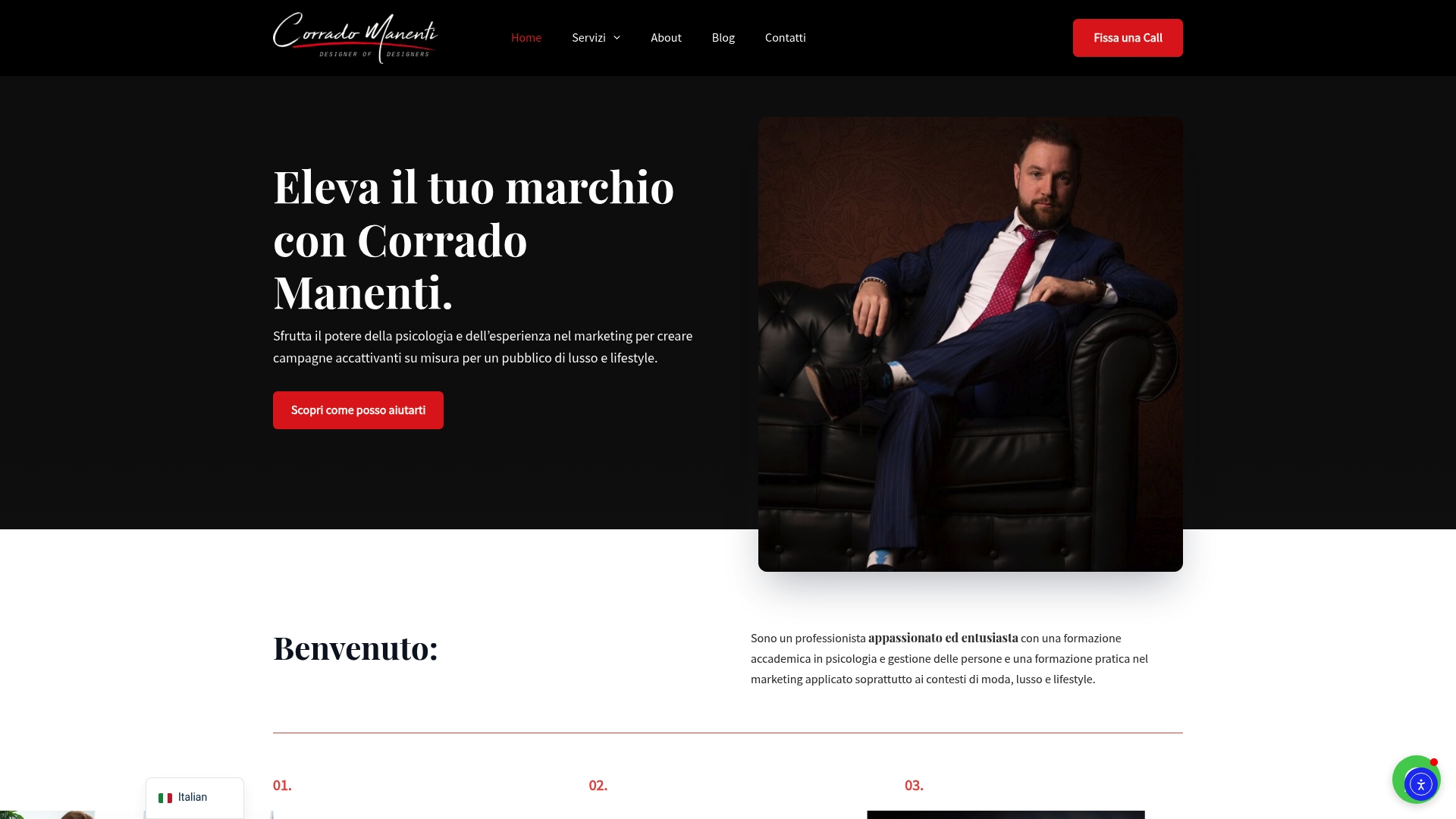
Corrado Manenti specializes in helping luxury fashion brands apply psychology-driven strategies that strengthen consumer engagement and market positioning. His approach integrates academic rigor with hands-on luxury sector experience, ensuring recommendations are both theoretically sound and practically executable. Whether you’re refining your brand narrative, implementing silent luxury principles, or building AI-powered personalization capabilities, his tailored guidance helps you achieve measurable results. Explore fashion brand growth tactics luxury market to discover how strategic branding drives sustainable competitive advantage. Learn how psychology in luxury branding creates authentic connections that convert browsers into loyal advocates. For brands considering a comprehensive refresh, review luxury rebranding steps that maintain heritage while embracing innovation.
Frequently asked questions
What is silent luxury and why does it matter in 2026?
Silent luxury uses minimal logos and understated design to convey exclusivity through quality and craftsmanship rather than overt branding. This approach appeals to sophisticated consumers, particularly new wealth demographics, who prefer subtle status signals over conspicuous displays. Silent luxury brands command price premiums because they position products as insider knowledge accessible only to those with refined taste and understanding of true value.
How can AI personalization enhance consumer engagement in luxury branding?
AI personalization tailors content and experiences to individual consumer preferences by analyzing behavioral data and predicting optimal messaging, timing, and channels. Personalized video content performs 2.3 times better than generic alternatives, while predictive metrics like First-Fast Response build the 68 percent trust factor that drives luxury purchases. This technology transforms generic marketing into relevant conversations that feel individually crafted for each consumer.
What metrics should luxury brands track to measure branding success in 2026?
Track brand equity scores that aggregate awareness, perceived quality, loyalty, and associations into a comprehensive measure of brand health. Monitor consumer trust levels through surveys and First-Fast Response metrics that predict purchase likelihood. Measure engagement rates that reveal genuine interaction depth rather than superficial awareness. Regular tracking of these metrics enables you to identify trends, correlate performance with specific initiatives, and adjust strategies based on evidence rather than assumptions.
How is storytelling evolving as a branding strategy in luxury fashion?
Storytelling now emphasizes meaning spine development over catchy slogans, creating foundational narratives that connect brands to cultural themes and consumer aspirations. This evolution recognizes that modern luxury buyers seek brands that reflect their identity and values rather than simply displaying wealth. Effective storytelling builds emotional connections that foster desire while protecting brand prestige through narratives of exclusivity, heritage, and aspirational lifestyle positioning that resonate across multiple touchpoints and consumer interactions.