Nearly 80 percent of American luxury shoppers say a memorable brand experience matters more than the product itself. In a world where every detail can shape loyalty, premium brands face intense pressure to deliver seamless, personalized encounters at every step. This guide reveals how to transform ordinary touchpoints into moments that leave a lasting impression for even the most discerning American clientele.
Table of Contents
- 1. Define Distinct Luxury Brand Touchpoints
- 2. Map Emotional Triggers and Pain Points
- 3. Personalize Experiences for HNW Clients
- 4. Curate Omnichannel Luxury Engagement
- 5. Deliver Seamless Digital and In-Person Service
- 6. Implement Feedback Loops for Continuous Improvement
- 7. Measure Success with Tailored Luxury KPIs
Quick Summary
| Key Message | Explanation |
|---|---|
| 1. Emphasize Brand Touchpoints | Identify and design key interactions that shape customer perceptions and emotions towards the luxury brand. |
| 2. Focus on Emotional Mapping | Understand and address emotional triggers to enhance customer loyalty and satisfaction. |
| 3. Personalize Client Experiences | Create bespoke interactions tailored to individual high net worth clients for meaningful engagement. |
| 4. Integrate Omnichannel Strategies | Ensure a seamless and consistent luxury experience across all digital and physical platforms. |
| 5. Measure Success Uniquely | Use emotional and experiential metrics tailored to capture the essence of luxury brand interactions. |
1. Define Distinct Luxury Brand Touchpoints
Luxury brands thrive on creating exceptional experiences that transcend mere product transactions. Brand touchpoints represent every interaction a potential customer has with your brand, from digital advertisements to in person encounters.
Understanding these touchpoints is critical because they collectively shape the perception and emotional connection consumers develop with a luxury brand. Each interaction is an opportunity to communicate your brand’s unique narrative and values.
Key Touchpoint Categories Include:
- Digital Touchpoints: Website design, social media presence, email communications
- Physical Touchpoints: Retail spaces, packaging, product design
- Human Touchpoints: Sales consultations, customer service interactions, brand representative behaviors
Successful luxury brands meticulously craft these touchpoints to create a seamless, premium experience. This means ensuring consistency in design, messaging, and quality across every potential customer interaction. For instance, a high end fashion brand might design its website with the same elegant minimalism found in its physical boutiques.
Strategic Touchpoint Design Principles:
- Maintain absolute visual and experiential consistency
- Personalize interactions based on customer segments
- Communicate brand heritage and unique positioning
- Invest in training staff to embody brand values
By deliberately mapping and designing these touchpoints, luxury brands transform ordinary interactions into memorable experiences that reinforce their premium positioning.
2. Map Emotional Triggers and Pain Points
Understanding the emotional landscape of your luxury clientele goes far beyond traditional market research. Consumer shopping experiences reveal that emotional triggers profoundly shape brand perception and customer loyalty.
Emotional mapping involves identifying the subtle psychological moments that transform a transaction into an unforgettable experience. Luxury brands must recognize that high net worth clients are not just purchasing products they are seeking emotional resonance and personalized validation.
Core Emotional Mapping Strategies:
- Anticipate Unspoken Expectations: Understand the psychological needs behind luxury purchases
- Recognize Emotional Vulnerabilities: Identify potential moments of customer discomfort or uncertainty
- Create Emotional Safety Nets: Design interactions that preemptively address client anxieties
Research indicates that in store emotional states dramatically influence service quality perceptions. A client who feels understood and respected is more likely to develop brand loyalty and make repeat purchases.
Practical Emotional Mapping Techniques:
- Conduct deep empathy interviews with target customer segments
- Create detailed customer journey maps highlighting emotional transitions
- Train staff to recognize and respond to subtle emotional cues
- Develop personalized service protocols addressing potential pain points
By systematically mapping emotional triggers luxury brands can transform transactional interactions into deeply meaningful experiences that resonate with clients personal narratives and aspirations.
3. Personalize Experiences for HNW Clients
Creating extraordinary experiences for high net worth (HNW) clients demands far more than standard customer service. Long-term brand engagement requires a deep understanding of individual preferences and psychological expectations.
True personalization transcends generic recommendations. It involves crafting bespoke interactions that make each client feel uniquely understood and valued. HNW individuals expect more than products they seek curated experiences that reflect their sophisticated lifestyle and personal narrative.
Personalization Strategies for Luxury Brands:
- Data-Driven Insights: Collect and analyze individual client preferences
- Predictive Personalization: Anticipate client needs before they articulate them
- Contextual Engagement: Design experiences tailored to specific client scenarios
- Cultural Sensitivity: Recognize nuanced preferences across different markets
Research demonstrates that contextual co-creation can dramatically enhance client engagement by transforming transactional interactions into meaningful experiences. This means moving beyond standardized service to creating immersive, individually crafted moments.
Practical Implementation Techniques:
- Develop comprehensive client profile databases
- Train staff in advanced emotional intelligence
- Create flexible service protocols that adapt to individual preferences
- Invest in technology that enables real-time personalization
Successful luxury brands understand that personalization is an art form. By treating each interaction as a unique opportunity to demonstrate exceptional understanding, you transform customers into lifelong brand advocates.
4. Curate Omnichannel Luxury Engagement
Omnichannel engagement represents the sophisticated art of creating seamless brand experiences across digital and physical platforms. Luxury consumption practices reveal that modern high-end consumers expect fluid interactions that transcend traditional channel boundaries.
The core of omnichannel luxury engagement lies in understanding that each touchpoint is an opportunity to deliver an exceptional narrative. This means creating a consistent brand experience whether a client is browsing your website, visiting a physical store, or interacting through mobile platforms.
Strategic Omnichannel Integration Principles:
- Unified Brand Messaging: Ensure consistent visual and communication styles across all channels
- Technological Synchronization: Integrate digital and physical experience databases
- Contextual Responsiveness: Adapt interactions based on client preferences and interaction history
- Seamless Data Transfer: Enable smooth transitions between digital and physical experiences
Luxury brand strategies emphasize the critical importance of creating a holistic ecosystem where each interaction feels personalized and interconnected. This requires breaking down traditional silos between marketing departments and creating a unified approach to client engagement.
Practical Implementation Techniques:
- Develop comprehensive client profile systems
- Create real time data synchronization across platforms
- Train staff to understand and leverage cross channel interactions
- Invest in advanced customer relationship management technologies
True omnichannel luxury engagement transforms fragmented interactions into a compelling, cohesive brand story that resonates with sophisticated clients across multiple platforms.
5. Deliver Seamless Digital and In-Person Service
Luxury brands must create an uninterrupted service experience that feels equally sophisticated whether a client interacts online or in physical spaces. Subjective shopping experiences reveal that consistency is the cornerstone of premium customer engagement.
Seamless service transcends mere technical integration. It represents a holistic approach where digital and physical interactions are so well synchronized that clients experience a fluid, almost magical brand journey. Every touchpoint should reflect the same level of excellence, attention to detail, and personalized care.
Service Synchronization Strategies:
- Unified Client Profiles: Integrate digital and physical interaction data
- Consistent Aesthetic Standards: Maintain identical design language across platforms
- Real Time Information Sharing: Enable staff to access complete client interaction history
- Personalization Protocols: Design adaptive service approaches for each client
Research demonstrates that customer emotional states significantly impact brand perception. A disjointed experience can rapidly erode the carefully constructed luxury brand image.
Practical Implementation Techniques:
- Develop comprehensive staff training programs
- Invest in advanced customer relationship management systems
- Create cross platform communication protocols
- Implement continuous feedback and adaptation mechanisms
True luxury is about creating an effortless experience where technology and human touch blend seamlessly, making every interaction feel uniquely tailored and extraordinary.
6. Implement Feedback Loops for Continuous Improvement
Feedback loops are the nervous system of exceptional luxury brand experiences, transforming customer insights into strategic refinements. Customer sentiment analysis reveals that proactive listening is far more than a passive data collection exercise.
Successful luxury brands understand that feedback is not merely about collecting information but about creating a dynamic dialogue with clients. This approach transforms customers from passive consumers into active collaborators in the brand’s continuous evolution.
Strategic Feedback Implementation Principles:
- Multilayered Feedback Channels: Create diverse input mechanisms
- Emotional Intelligence Mapping: Decode underlying sentiment beyond surface responses
- Rapid Iteration Protocols: Design quick implementation frameworks
- Transparent Communication: Share how client feedback drives actual changes
Emotional triggers in luxury retail demonstrate that understanding client perspectives goes beyond traditional survey methods. It requires a nuanced approach that captures both explicit and implicit customer experiences.
Practical Implementation Techniques:
- Develop AI powered sentiment analysis tools
- Create exclusive client advisory boards
- Design personalized follow up communication strategies
- Implement closed loop feedback systems with clear accountability
True luxury is not about perfection. It is about demonstrating a genuine commitment to understanding and exceeding client expectations through continuous, meaningful dialogue.
7. Measure Success with Tailored Luxury KPIs
Traditional metrics fall short when measuring success in the luxury market. Luxury consumption practices demand a nuanced approach that captures the intangible essence of premium brand experiences.
Key Performance Indicators (KPIs) for luxury brands must transcend quantitative measurements. They should reflect the emotional resonance, brand perception, and sophisticated engagement that define high end market interactions.
Advanced Luxury KPI Categories:
- Emotional Engagement Metrics: Measure client sentiment and brand attachment
- Experiential Value Indicators: Assess quality of personalized interactions
- Exclusivity Performance Indexes: Track brand perception and aspirational appeal
- Lifetime Value Complexity Measurements: Evaluate long term client relationships
Luxury brand strategies emphasize that success cannot be reduced to simple transactional data. The most meaningful metrics capture the intricate psychological and emotional dimensions of luxury consumption.
Practical Implementation Techniques:
- Develop sophisticated sentiment analysis frameworks
- Create multi dimensional scoring systems
- Implement advanced client profiling technologies
- Design adaptive measurement protocols that evolve with client expectations
True luxury measurement goes beyond numbers. It is about understanding the profound emotional narrative that transforms a transaction into an extraordinary experience.
Below is a comprehensive table summarizing the strategies and principles for enhancing luxury brand experiences as discussed in the article.
| Aspect | Strategies | Key Benefits/Outcomes |
|---|---|---|
| Distinct Touchpoints | Craft consistent, personalized, and heritage-driven interactions | Seamless, premium brand experience that reinforces positioning |
| Emotional Mapping | Anticipate needs, recognize vulnerabilities, create safety nets | Deep emotional resonance and enhanced customer loyalty |
| Personalization for HNW Clients | Use data insights, predictive personalization, cultural sensitivity | Unique, tailored experiences that build brand advocacy |
| Omnichannel Engagement | Ensure unified messaging and technological synchronization | Cohesive brand narrative that engages across all platforms |
| Seamless Service | Synchronize digital and physical interactions, maintain aesthetic standards | Fluid, exceptional client experiences that uphold luxury perception |
| Feedback Loops | Multilayered channels and rapid iteration | Continuous improvement and strengthened client relationships |
| Tailored KPIs | Use emotional and experiential metrics | Capture the nuanced essence of luxury brand success |
Elevate Your Luxury Brand With a Psychology-Driven Customer Journey
Luxury brands face the challenge of transforming every touchpoint into an exclusive and emotionally resonant experience. This article highlights crucial essentials like mapping emotional triggers and delivering seamless omnichannel engagement to meet high net worth clients’ sophisticated expectations. If you struggle to create personalized, psychology-based marketing strategies that truly connect with your clientele, it is time to refine your approach.
Corrado Manenti specializes in crafting bespoke marketing solutions tailored to the luxury and fashion sectors. His expertise merges deep psychological insight with precise branding tactics to ensure your customer journey reflects your brand’s premium values. Discover how to elevate your client engagement by exploring Marketing Fashion – Corrado Manenti and leverage cutting-edge techniques in Digital Positioning – Corrado Manenti to stay ahead in the digital luxury landscape.
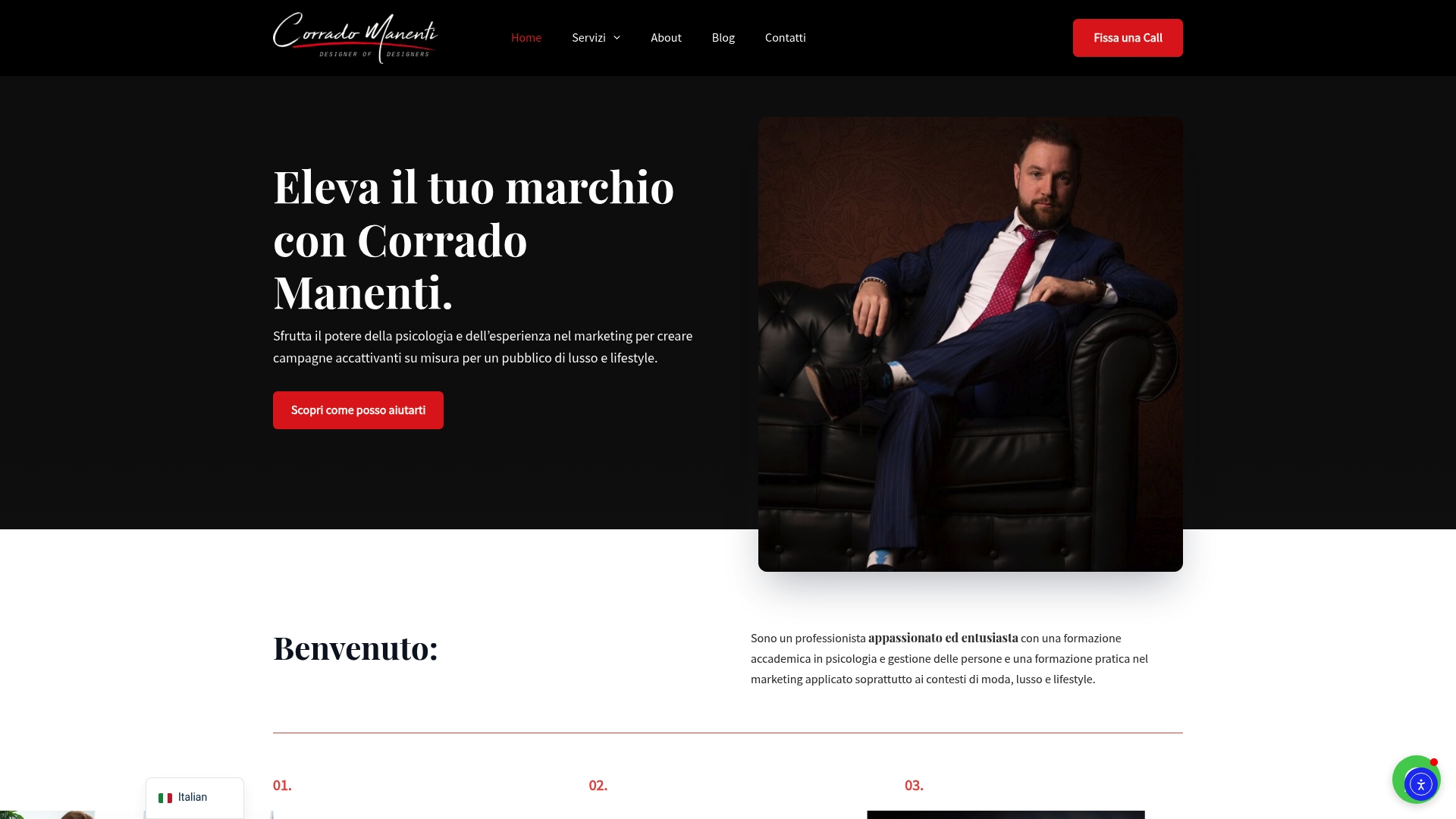
Take action now to transform ordinary interactions into memorable luxury experiences. Visit https://corradomanenti.it to connect with expert guidance that will enhance your brand’s emotional impact and lasting client relationships.
Frequently Asked Questions
What are the key luxury brand touchpoints I should identify?
Understanding key luxury brand touchpoints involves recognizing digital, physical, and human interactions. Map out areas like your website, retail environment, and customer service experiences to ensure every interaction upholds your brand’s standards.
How can I effectively map emotional triggers for luxury clients?
To map emotional triggers, conduct empathy interviews and create customer journey maps that highlight emotional transitions. Focus on understanding client desires and emotional pain points to design interactions that resonate with their luxury experience.
What strategies can I use to personalize experiences for high net worth clients?
Employ data-driven insights to gather client preferences and use predictive personalization to anticipate their needs. Implement personalized service protocols within 30 days to ensure each client feels uniquely valued and understood.
How do I create a seamless omnichannel luxury engagement?
Establish a unified brand messaging system to ensure consistent communication across digital and physical platforms. Integrate your databases to enable real-time data sharing, which helps streamline client interactions and enhances their overall experience.
What techniques can I implement for continuous improvement using feedback loops?
Utilize multilayered feedback channels and rapid iteration protocols to establish dynamic feedback systems. Regularly share how client feedback leads to changes, fostering a collaborative environment that evolves with client expectations within a quarterly review cycle.
What KPIs should I focus on to measure success in luxury branding?
Shift your focus toward emotional engagement metrics, experiential value indicators, and lifetime value complexity measurements. Develop these metrics within 90 days to evaluate the quality and emotional impact of client interactions more effectively.