


TL;DR:
- A seamless, fast, and visually cohesive digital presence is essential for luxury brand success.
- Prioritizing high-intent search and content-to-commerce strategies drives qualified traffic and conversions.
- Effective execution through disciplined ownership and ongoing reviews is crucial for implementing luxury marketing plans.
Luxury fashion marketing has never been more demanding. Consumer expectations shift faster than seasonal collections, digital channels multiply, and the margin for strategic error shrinks every quarter. Without a clear, repeatable framework, even the most talented brand teams waste budget on tactics that look polished but fail to convert. This checklist gives luxury brand managers and marketing directors a structured, evidence-backed path through the most critical areas of fashion marketing, from digital presence to checkout optimization. Work through each section and you will spot gaps, eliminate guesswork, and build campaigns that perform at the level your brand deserves.
Table of Contents
- Mastering digital presence: Frictionless websites and social discovery
- Intent-based search and content-to-commerce: Driving qualified traffic
- Leveraging first-party data and creator partnerships for authentic engagement
- Activating urgency, UGC, and streamlined checkout: Conversion boosters
- Why most fashion marketing checklists ignore execution—and how to fix it
- Elevate your luxury brand marketing with expert guidance
- Frequently asked questions
Key Takeaways
| Point | Details |
|---|---|
| Website experience matters | A frictionless, visually rich website drives discovery and engagement for luxury shoppers. |
| Intent targeting boosts results | Connecting content to commerce and targeting buyer intent yields higher qualified traffic and conversions. |
| Authenticity wins loyalty | First-party data and creator partnerships foster genuine engagement, trust, and repeat business. |
| Conversion drivers are essential | Urgency tactics, UGC, and streamlined checkout processes maximize sales from interested visitors. |
Mastering digital presence: Frictionless websites and social discovery
Your website is not just a catalog. For luxury buyers, it is the first physical-like experience they have with your brand before touching a product. If that experience feels slow, cluttered, or confusing, trust erodes instantly. Frictionless website and social discovery are foundational requirements for digital marketing success in fashion, not optional upgrades.
Start with speed. A luxury buyer who waits more than three seconds for a page to load does not wait. They leave. Mobile performance is equally non-negotiable because a significant share of high-intent luxury browsing now happens on smartphones. Your luxury digital strategy guide should address mobile-first design as a baseline, not an afterthought.
Beyond speed, your homepage must communicate brand identity within seconds. Rich product visuals, minimal copy that speaks to aspiration, and intuitive navigation are the pillars. Social platforms like Instagram and Pinterest now function as discovery engines, meaning your social content must be shoppable and consistent with the website experience. A buyer who discovers your brand on Instagram and lands on a disjointed website feels the disconnect immediately.
Use this checklist to audit your digital touchpoints:
- Homepage clarity: Does your brand story land in under five seconds?
- Navigation: Can a first-time visitor find any product category in two clicks or fewer?
- Product visuals: Are images high-resolution, styled consistently, and available from multiple angles?
- Mobile performance: Does the site load fully under three seconds on a mid-range smartphone?
- Checkout integration: Is the path from product page to purchase confirmation as short as possible?
- Social consistency: Do your Instagram, Pinterest, and TikTok feeds reflect the same visual language as your website?
Pro Tip: Run an unmoderated usability test with five real users who match your target buyer profile. Ask them to find a specific product and complete a purchase. You will uncover friction points your internal team has become blind to simply from familiarity.
Also review your fashion marketing articles regularly to stay current on emerging digital touchpoints that luxury buyers now expect. Digital presence is not a one-time build. It requires ongoing calibration.
Intent-based search and content-to-commerce: Driving qualified traffic
Once your digital touchpoints are solid, capturing qualified traffic becomes the priority. Not all traffic is equal. A visitor searching “buy designer shoes online” carries far more purchase intent than someone searching “what are designer shoes.” Luxury brands that fail to distinguish between these two types of intent waste significant ad spend and content resources.
Intent-based search and content-to-commerce strategies are what separate brands that rank from brands that convert. The goal is to create content that answers the exact questions your buyer asks at each stage of their journey, then link that content directly to product pages.
Here is a simplified comparison of search intent types and their typical conversion behavior for luxury brands:
| Search intent type | Example query | Typical conversion rate |
|---|---|---|
| Transactional | “buy luxury handbag online” | High (3-6%) |
| Commercial investigation | “best designer bags 2026” | Medium (1-3%) |
| Informational | “history of luxury leather goods” | Low (under 1%) |
| Navigational | “[Brand name] official site” | Very high (6%+) |
Your content strategy should prioritize transactional and commercial investigation queries because those buyers are already close to a decision. Informational content still has value for brand building and top-of-funnel awareness, but it should always include contextual links to relevant product or collection pages.
Key checklist actions for this section:
- Keyword mapping: Assign high-intent keywords to specific product or collection pages.
- Content briefs: Create editorial content that addresses buyer questions and links naturally to products.
- Internal linking: Every blog post or editorial piece should connect to at least one product or category page.
- Metadata optimization: Title tags and meta descriptions should reflect buyer language, not brand jargon.
Pro Tip: Pull your site search data and your top exit pages together. The terms buyers search on your site and the pages they abandon tell you exactly where your content-to-commerce connections are missing. This is faster than any keyword tool for spotting overlooked opportunities.
For a deeper look at applying these principles, the digital strategy for luxury framework and luxury digital marketing process pages provide structured guidance specific to high-end brands.
Leveraging first-party data and creator partnerships for authentic engagement
With strong traffic flowing, the next challenge is converting attention into genuine brand relationships. This is where first-party data and creator partnerships become your most powerful tools. First-party data and creator partnerships are central to successful luxury fashion marketing because they build trust in ways that paid advertising simply cannot replicate.

First-party data means information you collect directly from your audience with their consent. Email sign-ups, purchase history, event RSVPs, loyalty program interactions, and quiz completions all qualify. This data is more accurate, more privacy-compliant, and more actionable than anything purchased from a third-party provider. Use it to personalize communications, predict reorder behavior, and segment your audience by genuine purchase intent.
Creator partnerships add a layer of authenticity that polished brand content often lacks. Luxury buyers are sophisticated. They recognize scripted endorsements. The most effective creator relationships feel genuinely collaborative. Consider these partnership types for your checklist:
- Macro influencers: Broad reach, strong for awareness campaigns and new collection launches.
- Micro influencers: Smaller but highly engaged audiences, excellent for niche product categories.
- Stylists and editors: Carry editorial credibility that resonates with discerning luxury buyers.
- UGC creators: Produce authentic content that performs well in paid social without feeling like an ad.
- Brand ambassadors: Long-term relationships that build consistent brand narrative over time.
Here is a quick comparison of in-house storytelling versus creator-led content:
| Content type | Perceived authenticity | Reach potential | Cost efficiency |
|---|---|---|---|
| In-house brand content | Moderate | Owned channels only | High upfront cost |
| Creator-led content | High | Extended via creator audience | Variable, often better ROI |
“The brands winning in luxury today are not the loudest. They are the most trusted. Creator partnerships, when done with genuine alignment, transfer that trust directly to the brand.” — Corrado Manenti
For step-by-step guidance on building these relationships, the influencer partnership strategies resource covers the full process from outreach to performance measurement.
Activating urgency, UGC, and streamlined checkout: Conversion boosters
The final layer of your marketing checklist ensures that visitors who arrive engaged and informed actually complete a purchase. Urgency, UGC, and checkout simplification drive higher trust and conversion rates, and each element works best when combined with the others.
Urgency is not about manufacturing panic. For luxury brands, it is about communicating genuine scarcity and exclusivity. Limited edition releases, early access for loyal customers, and countdown timers on capsule collections all signal that the opportunity is real and finite. Buyers respond because scarcity aligns with the luxury promise itself.
UGC (user-generated content) adds social proof at the exact moment a buyer is deciding. Studies show that UGC increases conversion rates significantly, with some research pointing to lifts of 25% or more on product pages that display real customer content alongside brand imagery. Here is how to integrate UGC effectively:
- Collect actively: Use post-purchase emails and loyalty program incentives to encourage customers to share photos and reviews.
- Curate carefully: Select UGC that matches your brand’s visual standards. Not every submission belongs on a luxury product page.
- Display strategically: Place UGC near the add-to-cart button where purchase hesitation is highest.
- Repurpose across channels: Strong UGC can run as paid social creative, appear in email campaigns, and support editorial content.
- Acknowledge contributors: Tag or credit creators when you repurpose their content. This builds goodwill and encourages more submissions.
Checkout simplification is the final conversion lever. Review your luxury branding checklist to ensure your checkout flow includes guest checkout options, multiple payment methods (including digital wallets), a minimal number of form fields, and clear security indicators. Every additional step in checkout reduces completion rates.
Why most fashion marketing checklists ignore execution—and how to fix it
Here is the uncomfortable reality. Most luxury brands have access to excellent strategic frameworks. The gap is not knowledge. It is execution. Teams build detailed marketing plans, complete thorough audits, and then return to daily operations without ever implementing the findings systematically.
A checklist only creates value when it drives action. The brands that consistently outperform their peers are not necessarily the ones with the most sophisticated strategies. They are the ones with the most disciplined follow-through. They assign ownership to every checklist item, set deadlines, and review progress on a fixed schedule.
What I see repeatedly in luxury consulting is that the first audit is energizing. The second review, six months later, reveals that sixty percent of identified improvements were never actioned. Not because teams lacked capability, but because no one owned accountability.
Pro Tip: Schedule a quarterly implementation review with your core marketing team. Treat it with the same rigor as a financial review. Assign each checklist item an owner, a deadline, and a measurable outcome. The luxury marketing execution advice section of this site offers practical frameworks for building this accountability structure into your team’s workflow.
The checklist is the map. Execution is the journey. Without both, you are simply planning to plan.
Elevate your luxury brand marketing with expert guidance
Putting a comprehensive fashion marketing checklist into practice requires more than a list of actions. It requires strategic clarity, psychological insight into your buyers, and the operational discipline to follow through consistently.
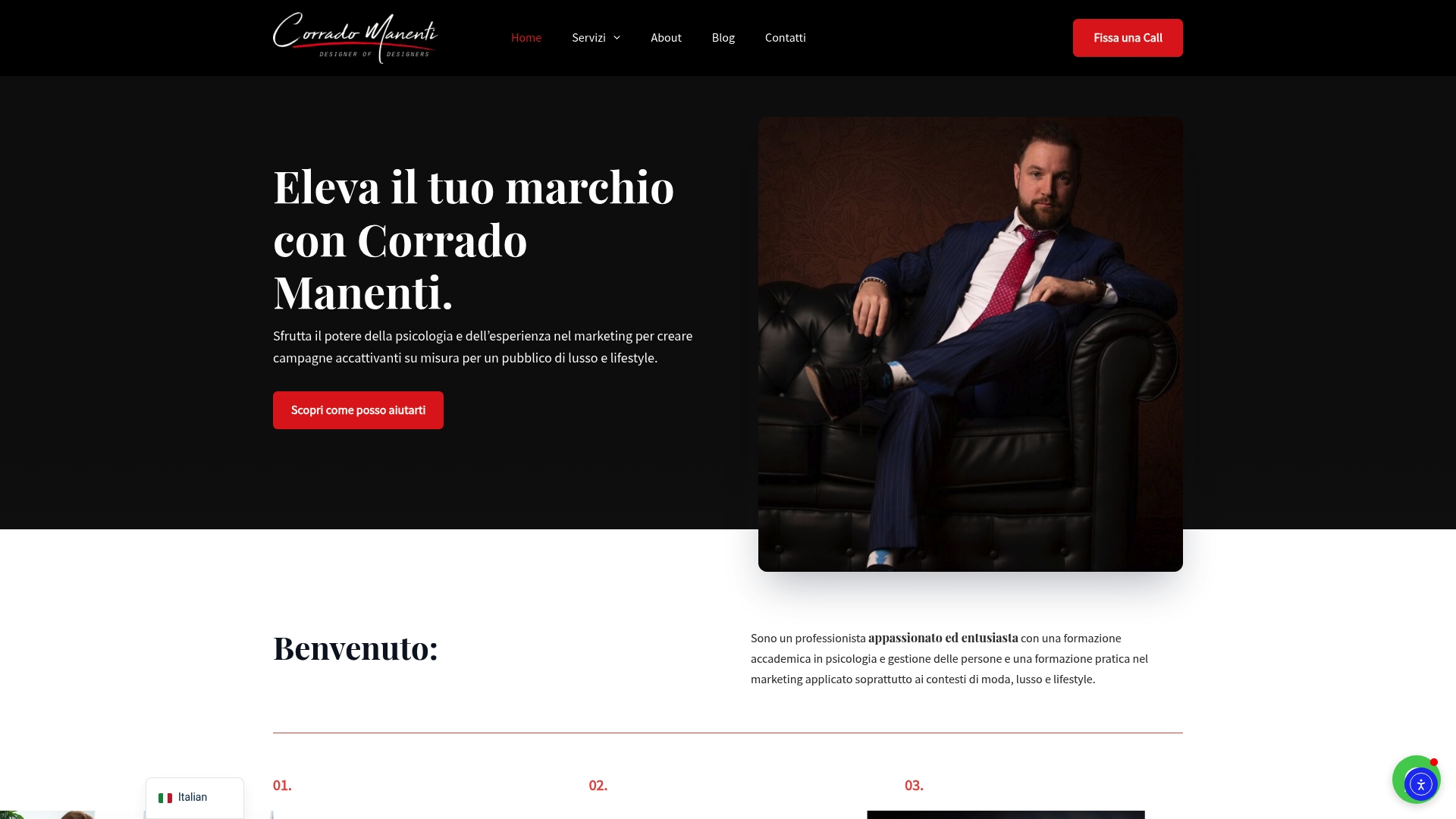
Corrado Manenti works directly with luxury brand managers and marketing directors to turn strategic frameworks into measurable results. Whether you need to sharpen your luxury brand growth tactics, better analyze luxury buyer behavior, or access a complete luxury branding checklist resource tailored to your brand’s stage, the expertise and tools are available. The next step is simply choosing to act on what you now know.
Frequently asked questions
What is the most important element in a fashion marketing checklist for luxury brands?
A frictionless digital presence is the foundation, because no other tactic converts when the core customer journey feels broken or slow.
How does first-party data benefit luxury brand marketing?
First-party data enables personalized, privacy-compliant engagement that builds long-term trust and increases repeat purchase rates without relying on third-party data sources.
What role does urgency play in converting luxury fashion shoppers?
Urgency tactics like limited editions and exclusive early access align with the scarcity principle that already defines luxury, motivating faster purchase decisions without cheapening the brand.
Should luxury brands use UGC as part of their marketing strategies?
Yes. UGC builds authenticity and social proof at the decision point, making it one of the highest-ROI content types available to luxury marketers when curated to match brand standards.