

Luxury marketing managers face intense pressure to differentiate their brands in a saturated market where premium experiences can make or break customer loyalty. The challenge lies in choosing the right strategies to curate experiences that resonate emotionally, reflect impeccable brand values, and leverage cutting-edge innovation. This article guides you through three core pillars—psychology-driven design, meticulous brand consistency, and digital engagement—to help you select and apply proven tactics that elevate brand prestige and drive measurable results.
Table of Contents
- How To Choose The Right Strategies For Premium Experience Curation
- Psychology-Driven Experience Design
- Detail-Oriented Brand Consistency
- Innovative Digital Engagement Strategies
- Curated Experience Tactics Across Touchpoints
- Measuring, Iterating, And Optimizing Premium Experiences
- Summary Comparison And Situational Recommendations
- Explore Advanced Luxury Branding Solutions
Key Takeaways
| Point | Details |
|---|---|
| Integrate consumer psychology | Personalize and emotionally engage luxury customers for deeper loyalty. |
| Ensure brand consistency | Every touchpoint must reflect detailed brand values to elevate perceived luxury. |
| Leverage digital innovations | AR, AI, and blockchain enhance exclusivity and boost engagement significantly. |
| Host exclusive experiences | Invitation-only events and experiential retail amplify prestige and revenue. |
| Measure and iterate continuously | Use real-time feedback and KPIs to refine and sustain premium experiences. |
How to Choose the Right Strategies for Premium Experience Curation
Selecting the right strategies to curate premium experiences requires evaluating criteria that align with your luxury brand’s goals. The five most critical criteria are consumer psychology integration, brand consistency, digital innovation capacity, measurement and iteration frameworks, and alignment with brand prestige objectives. These factors determine whether your chosen approach will authentically engage your target audience and sustain competitive advantage.
Consumer psychology integration ranks as the highest priority because understanding why customers make purchasing decisions allows you to craft experiences that speak directly to their emotional drivers. When you decode the motivations behind luxury purchases, you create personalized touchpoints that feel intuitive and deeply satisfying. This approach transforms transactions into meaningful interactions that foster long-term loyalty.
Brand consistency comes second because luxury consumers expect flawless execution across every interaction. A single inconsistency in messaging, aesthetics, or service quality can erode the perceived value of your brand. Meticulous attention to detail signals that your brand respects its customers and upholds the exclusivity they seek.
Digital innovation capacity is essential to complement physical experiences and meet evolving customer expectations. Technologies like augmented reality and artificial intelligence enable immersive, personalized journeys that feel both exclusive and forward-thinking. Brands that integrate digital tools seamlessly with traditional luxury touchpoints create holistic experiences that drive engagement and sales.
Measurement and iteration frameworks ensure that your strategies remain effective over time. Real-time feedback tools and key performance metrics allow you to identify what works, refine what doesn’t, and continuously optimize the customer journey. Without this systematic approach, even the best-designed experiences can stagnate.
Finally, alignment with brand prestige objectives ties everything together. Every strategy you select must reinforce your brand’s unique positioning and elevate its reputation. Whether you prioritize exclusivity, craftsmanship, or innovation, your experience curation tactics should amplify these core values and differentiate you from competitors.
Pro Tip: Audit your current touchpoints against these five criteria to identify gaps and prioritize quick wins that deliver the highest impact.
Psychology-Driven Experience Design
Applying consumer psychology principles to luxury experience design creates personalized, emotionally resonant interactions that deepen loyalty and strengthen brand connections. 85% of luxury consumers value personalized experiences as key loyalty drivers, making psychology-driven design a non-negotiable pillar for brands seeking to stand out.
Emotional storytelling is a powerful tool that transforms ordinary brand narratives into compelling journeys. When you craft stories that highlight heritage, craftsmanship, or customer success, you invite your audience to see themselves as part of your brand’s legacy. This approach can increase Net Promoter Score by 15 points because customers feel understood and valued. Stories that evoke pride, aspiration, or nostalgia create memorable experiences that customers share and revisit.
Multi-sensory branding amplifies emotional engagement by activating sight, sound, scent, touch, and even taste. Research shows that consistent multi-sensory elements raise emotional engagement by 40%, making customers more likely to form strong, positive associations with your brand. A signature fragrance in your boutique, a carefully curated soundtrack, or luxurious packaging textures all contribute to a cohesive sensory identity that reinforces exclusivity.
Personalization is the foundation of psychology-driven design. By analyzing customer data and behavioral patterns, you can tailor recommendations, communications, and services to individual preferences. This level of customization makes customers feel seen and appreciated, transforming generic interactions into bespoke experiences. Personalization extends beyond product recommendations to include tailored event invitations, exclusive previews, and one-on-one consultations that honor each customer’s unique tastes.
Understanding the luxury customer journey is critical for mapping emotional triggers at every stage. Pre-purchase anticipation, in-store discovery, post-purchase satisfaction, and long-term advocacy each require distinct psychological approaches. By designing experiences that address specific emotional needs at each phase, you create a seamless journey that feels effortless and rewarding.
Pro Tip: Focus on identifying and activating customer emotional triggers early in your experience mapping process to maximize impact and ensure every touchpoint reinforces desired feelings.
Detail-Oriented Brand Consistency
Meticulous brand consistency across all touchpoints is essential for elevating perceived luxury and reinforcing customer trust. Detail-oriented execution signals that your brand respects its heritage and values the discerning tastes of its clientele. Studies show that consistent multi-sensory branding creates 40% higher emotional engagement in luxury customers, proving that attention to detail directly impacts loyalty and lifetime value.
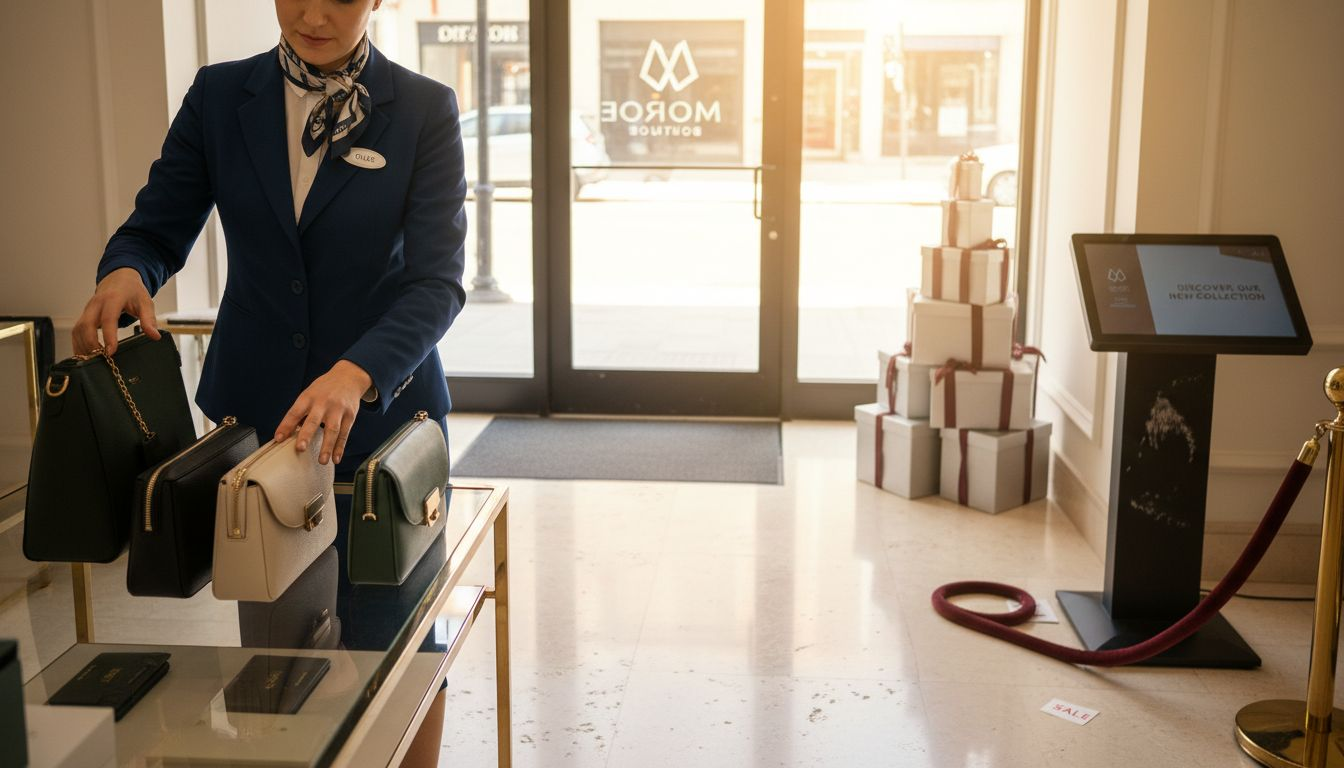
Every visual element, from typography and color palettes to packaging and store design, must align with your brand’s identity. Inconsistencies in these details confuse customers and dilute your brand’s premium positioning. When every touchpoint reflects the same level of craftsmanship and aesthetic precision, customers perceive your brand as more valuable and trustworthy. This consistency can boost perceived brand value by up to 30%.
Staff training is a critical component of brand consistency in luxury fashion. Top experience-curated brands invest 60% more in staff education because employees are the living embodiment of your brand values. Well-trained staff deliver service that feels personalized, knowledgeable, and genuinely attentive. They anticipate customer needs, communicate brand stories authentically, and handle every interaction with grace and professionalism.
Multi-sensory retail environments that maintain consistent sensory cues across locations create a recognizable brand atmosphere that customers associate with quality and exclusivity. A signature scent, a specific lighting style, or a distinct acoustic profile can increase customer lifetime value by 25%. These elements work together to create an immersive environment that feels both familiar and special, encouraging repeat visits and longer dwell times.
| Consistency Element | Impact on Perceived Value | Implementation Priority |
|---|---|---|
| Visual identity | +30% brand value perception | High |
| Staff training investment | +60% vs. competitors | High |
| Multi-sensory environment | +25% customer lifetime value | Medium |
| Packaging and presentation | +20% purchase intent | Medium |
Consistency extends to digital touchpoints as well. Your website, social media presence, email communications, and mobile app must all reflect the same attention to detail as your physical spaces. Luxury customers expect seamless transitions between online and offline experiences, and any disconnect can undermine trust. Unified messaging, consistent visual language, and cohesive service standards across channels reinforce your brand’s reliability and sophistication.
Pro Tip: Create a comprehensive brand guideline document that covers every sensory and visual element, then audit all touchpoints quarterly to ensure compliance and identify areas for refinement.
Innovative Digital Engagement Strategies
Cutting-edge digital technologies transform how luxury brands engage customers by creating immersive, personalized, and trustworthy experiences. AR/VR use increases customer satisfaction by 25%, AI-driven personalization lifts sales by 20%, and blockchain boosts product trust by 42%. These innovations complement physical experiences and meet the evolving expectations of tech-savvy luxury consumers.
Augmented reality and virtual reality enable customers to explore products and environments in unprecedented ways. Virtual showrooms allow customers to experience collections from anywhere in the world, while AR try-on features let them visualize products in their own spaces before purchasing. These technologies reduce purchase hesitation and increase confidence, leading to higher conversion rates and fewer returns. The immersive nature of AR and VR also creates memorable brand interactions that customers are more likely to share.
Artificial intelligence powers personalization at scale by analyzing customer data to predict preferences and recommend relevant products. AI chatbots provide instant, intelligent support that feels personal and attentive. Predictive analytics help you anticipate customer needs and deliver proactive service that exceeds expectations. This level of customization makes each customer feel valued and understood, strengthening loyalty and driving repeat purchases.
Blockchain technology enhances product authenticity and transparency, addressing growing concerns about counterfeits in luxury markets. By providing verifiable proof of origin, ownership history, and craftsmanship details, blockchain builds trust and reinforces the exclusivity of your products. Customers who know they’re purchasing genuine items feel more confident and satisfied, and this trust translates to stronger brand affinity.
Integrating digital and physical experiences requires a strategic approach that ensures seamless transitions between channels. Start by mapping the customer journey to identify moments where digital tools can enhance physical interactions. Use data from digital touchpoints to personalize in-store experiences, and vice versa. For example, customers who browse your website should receive tailored recommendations when they visit your boutique, creating a continuous, cohesive journey.
Steps to adopt and optimize digital innovations:
- Assess your current digital capabilities and identify gaps that impact customer experience.
- Prioritize technologies that align with your brand values and address specific customer pain points.
- Pilot new tools in limited settings to gather feedback and refine implementation before full rollout.
- Train staff to integrate digital tools naturally into customer interactions without overshadowing personal service.
- Monitor performance metrics continuously and iterate based on customer feedback and engagement data.
Pro Tip: Start with one digital innovation that addresses your most pressing customer need, perfect its integration, then expand to additional technologies to avoid overwhelming your team and customers.
Curated Experience Tactics Across Touchpoints
Translating strategy into actionable tactics elevates your brand by creating memorable, exclusive experiences that drive revenue and loyalty. Exclusive events boost brand prestige by 28%, and experiential retail generates 50% more revenue per visit, proving that curated tactics deliver measurable results.
Invitation-only events create a sense of exclusivity and privilege that resonates deeply with luxury consumers. By limiting access to select customers, you signal that your brand values quality relationships over mass appeal. These events provide opportunities for intimate brand storytelling, product previews, and personalized interactions that strengthen emotional connections. Customers who attend exclusive events feel like insiders, which increases their likelihood of becoming brand advocates.
Experiential luxury shopping transforms retail environments into destinations where customers engage with your brand on multiple levels. Interactive displays, personalized styling sessions, and hands-on product demonstrations make shopping an event rather than a transaction. This approach encourages customers to spend more time in your space, explore more products, and develop deeper connections with your brand. The result is higher revenue per visit and increased customer lifetime value.
Multi-sensory retail environments engage all five senses to create immersive brand experiences that feel cohesive and intentional. Signature scents, curated soundtracks, luxurious textures, visually stunning displays, and even complimentary refreshments all contribute to a holistic atmosphere that customers associate with your brand. These sensory cues make your retail spaces instantly recognizable and emotionally resonant, encouraging repeat visits and positive word-of-mouth.
Top curated tactics to implement:
- Private shopping appointments that offer undivided attention and tailored recommendations
- Limited-edition product launches exclusive to select customers or locations
- In-store workshops or masterclasses that educate customers about craftsmanship or styling
- Personalized gift services that include bespoke packaging and handwritten notes
- VIP lounges or dedicated spaces where top customers can relax and receive premium service
- Partnerships with complementary luxury brands to co-create unique experiences
Each tactic should align with your brand’s identity and reinforce the values that differentiate you from competitors. The goal is to create moments that customers remember and share, turning satisfied customers into passionate advocates who amplify your brand’s reach and reputation.
Measuring, Iterating, and Optimizing Premium Experiences
Systematic measurement and continuous iteration ensure that your premium experiences remain effective and competitive over time. Real-time feedback accelerates innovation by 35%, and continuous iteration sustains brand prestige and loyalty. Without rigorous tracking and optimization, even well-designed experiences can lose relevance.
Net Promoter Score measures customer willingness to recommend your brand, providing a clear indicator of satisfaction and loyalty. Tracking NPS over time reveals whether your experience strategies are strengthening or weakening customer relationships. Emotional engagement scores assess how deeply customers connect with your brand on an emotional level, which predicts long-term loyalty better than transactional metrics alone.
Revenue per visit and customer lifetime value quantify the financial impact of your experience strategies. By tracking these metrics alongside qualitative feedback, you gain a complete picture of what drives business results. Increases in these metrics signal that your experiences are resonating, while declines indicate areas that need refinement.
Real-time feedback tools such as post-visit surveys, mobile app reviews, and social media monitoring allow you to capture customer impressions while they’re fresh. This immediate insight helps you identify issues quickly and capitalize on positive moments. Responding promptly to feedback demonstrates that you value customer opinions and are committed to continuous improvement.
Steps to implement effective measurement and optimization:
- Define clear KPIs tied to business objectives such as loyalty, revenue growth, and brand perception.
- Deploy feedback collection tools at key touchpoints throughout the customer journey.
- Analyze data regularly to identify patterns, trends, and opportunities for improvement.
- Test changes in controlled settings before rolling them out broadly to minimize risk.
- Communicate insights and updates to your team to ensure everyone understands what’s working and why.
- Celebrate wins and learn from failures to build a culture of continuous improvement.
Common challenges and solutions:
- Challenge: Customers reluctant to provide feedback. Solution: Make feedback quick and easy, and offer incentives for participation.
- Challenge: Data overload making it hard to prioritize. Solution: Focus on metrics that directly tie to strategic goals.
- Challenge: Slow response to insights. Solution: Establish clear workflows and accountability for acting on feedback.
- Challenge: Inconsistent measurement across touchpoints. Solution: Standardize tools and processes to enable meaningful comparisons.
Pro Tip: Tie measurement directly to staff incentives so your team is motivated to deliver experiences that score well on key metrics, creating alignment between individual performance and strategic goals.
Summary Comparison and Situational Recommendations
Choosing the right premium experience strategy depends on your brand’s unique goals, resources, and customer expectations. This comparison helps you evaluate the three core pillars and determine which approach or combination best fits your situation.
| Strategy | Primary Impact | Key Benefits | Main Challenges | Best For |
|---|---|---|---|---|
| Psychology-Driven Design | +15 NPS, 40% engagement | Deep emotional connection, personalization | Requires customer data infrastructure | Brands prioritizing loyalty and advocacy |
| Detail-Oriented Consistency | +30% perceived value | Trust, premium positioning | High training and quality control costs | Brands with heritage or craftsmanship focus |
| Digital Innovation | +25% satisfaction, +20% sales | Scalability, modern appeal | Technology investment and integration | Brands targeting tech-savvy luxury consumers |
If your goal is to maximize loyalty and turn customers into passionate advocates, prioritize psychology-driven design. This approach creates the deepest emotional connections and is most effective when you have robust customer data and the capacity to personalize at scale. Brands with strong heritage or storytelling potential benefit most from this strategy.
For enhancing perceived value and reinforcing premium positioning, focus on detail-oriented brand consistency. This strategy works best for brands where craftsmanship, tradition, or meticulous quality are core differentiators. It requires significant investment in staff training and quality control but delivers unmatched trust and prestige.
To boost engagement and sales while appealing to modern luxury consumers, leverage digital innovation. This approach is ideal for brands seeking to stay ahead of technological trends and reach younger, tech-savvy demographics. It requires upfront technology investment but offers scalability and measurable results.
Most successful luxury brands integrate all three strategies to create comprehensive experiences that engage customers emotionally, maintain impeccable standards, and leverage cutting-edge tools. The curation strategies in luxury branding you choose should complement each other, with one serving as your primary focus and others providing supporting elements. Start with the strategy that addresses your most pressing challenge, then layer in additional approaches as your capabilities and resources grow.
Explore Advanced Luxury Branding Solutions
Transforming these insights into reality requires expertise, precision, and a deep understanding of luxury consumer psychology. Corrado Manenti offers specialized consulting services that help fashion and lifestyle brands implement fashion brand growth tactics tailored to your unique positioning and goals. His approach combines behavioral analysis, meticulous brand strategy, and digital innovation to curate premium experiences that drive measurable growth.
Whether you need to analyze buyer behavior to refine your customer journey or develop a comprehensive luxury brands digital strategy, expert guidance ensures you execute flawlessly and achieve results that elevate your brand’s prestige. Take action now to turn these strategies into competitive advantages that set your brand apart.
FAQ
What are premium experiences in luxury marketing?
Premium experiences combine personalized, emotionally engaging, and meticulously consistent interactions that elevate brand prestige. They distinguish luxury brands by creating memorable, exclusive customer journeys that foster deep loyalty and differentiate from competitors.
How does digital technology uniquely enhance luxury brand experiences?
Digital tools enable immersive, personalized, and trustworthy experiences that support exclusivity and increase customer satisfaction and sales. They integrate seamlessly with physical touchpoints to create a holistic luxury experience that meets modern consumer expectations.
What metrics best measure the success of premium luxury experiences?
Net Promoter Score, emotional engagement scores, revenue per visit, and customer lifetime value are key KPIs that reveal experience effectiveness. Real-time customer feedback accelerates iterative improvements and sustains brand loyalty by enabling quick responses to emerging needs.
How can experiential retail increase customer lifetime value?
Experiential retail engages multiple senses and emotions, making shopping memorable and strengthening customer-brand bonds. This engagement leads to up to 25% higher lifetime value and greater revenue per visit by transforming transactions into meaningful brand interactions.