
Standing out in the competitive luxury fashion market goes far beyond eye-catching designs and iconic logos. Consumers now expect every interaction with a brand to feel uniquely personal and meaningful. Meeting these evolving expectations can feel overwhelming without the right strategies in place.
The right personalized marketing approaches can turn curiosity into loyalty and fleeting interest into lasting relationships. By using smart data, behavioral insights, and exclusive experiences, you can deliver messaging that resonates deeply with modern buyers—from Millennials to discerning VIP clients.
Get ready to uncover actionable methods that luxury brands use to capture attention, delight customers, and stay ahead. These insights will show you how to harness data and psychology so your brand connects with the people who matter most.
Table of Contents
- 1. Understanding Data-Driven Personalization In Fashion
- 2. Behavioral Segmentation For Tailored Campaigns
- 3. Exclusive Experiences With VIP Targeting
- 4. Dynamic Content Customization Across Channels
- 5. Psychology-Based Messaging For Luxury Buyers
- 6. Real-Time Personalization Using AI Technology
- 7. Leveraging Feedback For Continuous Strategy Improvement
Quick Summary
| Key Message | Explanation |
|---|---|
| 1. Invest in Advanced Technologies | Leverage AI and machine learning for real-time personalization and enhanced customer experiences in luxury fashion marketing. |
| 2. Understand Consumer Behavior | Analyze detailed behavioral patterns to craft tailored marketing campaigns that resonate with diverse consumer motivations. |
| 3. Create Exclusive VIP Experiences | Offer hyper-personalized interactions for high-value clients to build emotional connections and brand loyalty. |
| 4. Implement Dynamic Content Customization | Utilize intelligent content that adapts to user preferences across multiple platforms for a seamless experience. |
| 5. Foster Continuous Strategy Improvement | Establish feedback mechanisms to integrate customer insights and enhance marketing strategies through ongoing adaptation. |
1. Understanding Data-Driven Personalization in Fashion
Data-driven personalization represents a transformative approach for luxury fashion brands to deliver unprecedented customer experiences. By leveraging advanced technologies and consumer insights, brands can create marketing strategies that feel uniquely tailored to individual preferences.
At its core, data-driven personalization utilizes sophisticated algorithms and consumer behavioral data to customize marketing interactions with remarkable precision. This method goes far beyond traditional demographic segmentation by analyzing nuanced consumer behavior patterns.
Key components of data-driven personalization include:
- Real-time consumer behavior tracking
- Advanced predictive analytics
- Machine learning algorithms
- Personalized content recommendation engines
- Dynamic pricing strategies
- Individualized product suggestions
Luxury brands that effectively implement data-driven personalization can increase customer engagement by up to 40% and conversion rates by 25%.
Consumer segments like Millennials and Generation Z particularly appreciate personalized experiences that reflect their individual style and values. By utilizing AI-powered technologies, fashion brands can create marketing approaches that feel intuitive and deeply personal.
Implementation requires a strategic approach involving:
- Robust data collection infrastructure
- Advanced analytical capabilities
- Privacy-compliant data management
- Continuous learning and adaptation mechanisms
- Seamless technological integration
Pro tip: Invest in advanced customer data platforms that enable real-time personalization while maintaining strict data privacy standards.
2. Behavioral Segmentation for Tailored Campaigns
Behavioral segmentation represents a sophisticated marketing strategy that enables luxury brands to develop hyper-targeted campaigns based on consumer psychological and behavioral patterns. By dissecting consumer motivations beyond traditional demographic classifications, brands can create more resonant and compelling marketing experiences.
Understanding consumer psychology in luxury marketing allows brands to craft strategies that address specific consumer needs and emotional triggers.
Key behavioral segmentation dimensions include:
- Purchase frequency and value
- Brand loyalty characteristics
- Motivation for luxury consumption
- Social status seeking behaviors
- Exclusivity perception
- Personal identity expression
Luxury consumers are not a monolithic group but a complex ecosystem of diverse psychological motivations and social aspirations.
Successful behavioral segmentation requires brands to analyze intricate consumer signals such as:
- Online browsing patterns
- Purchase history
- Engagement with marketing content
- Social media interactions
- Lifestyle preferences
By developing nuanced understanding of these behavioral indicators, luxury brands can create personalized marketing strategies that feel intuitive and deeply meaningful to individual consumers.
Pro tip: Implement advanced analytics platforms that can map complex consumer behavioral patterns and enable real-time personalization across multiple marketing channels.
3. Exclusive Experiences with VIP Targeting
VIP targeting represents the pinnacle of personalized marketing in luxury brand strategy, transforming standard customer interactions into extraordinary, memorable experiences. This approach goes beyond traditional marketing by creating deeply personalized engagement for high-value clients who demand exceptional treatment.
Immersive VIP experiences are designed to cultivate profound emotional connections with ultra-high-net-worth individuals through meticulously curated interactions.
Key elements of successful VIP targeting include:
- Absolute privacy and discretion
- Hyper-personalized communication
- Exclusive event invitations
- One-on-one consultations
- Tailored product previews
- Personalized lifestyle recommendations
The most successful luxury brands treat VIP clients not as customers but as cherished partners in an exclusive narrative.
Effective VIP targeting strategies require brands to:
- Develop comprehensive client profiles
- Create multi-sensory engagement experiences
- Provide unprecedented access and intimacy
- Deliver unexpected moments of delight
- Maintain consistent high-touch communication
Luxury brands can elevate VIP targeting by designing sophisticated experiential campaigns that transcend traditional marketing approaches and create lasting emotional resonance.
Pro tip: Invest in advanced CRM systems that enable granular tracking of VIP client preferences and allow for real-time personalization across all interaction points.
4. Dynamic Content Customization Across Channels
Dynamic content customization represents a cutting-edge approach to personalized marketing that allows luxury brands to deliver tailored experiences seamlessly across multiple digital platforms. By leveraging advanced technologies, brands can create intelligent content that adapts in real-time to individual consumer preferences and behaviors.
AI-driven content personalization enables brands to craft unique interactions that feel intimately designed for each individual consumer.
Key components of dynamic content customization include:
- Real-time content adaptation
- Machine learning algorithms
- Predictive consumer behavior analysis
- Cross-channel synchronization
- Personalized recommendation engines
- Contextual content delivery
True personalization transcends basic demographic segmentation and creates a narrative uniquely tailored to each customer’s journey.
Successful implementation requires brands to:
- Develop robust data collection infrastructures
- Invest in advanced analytics platforms
- Create flexible content architectures
- Maintain strict data privacy standards
- Continuously refine personalization algorithms
Luxury brands can elevate their digital marketing strategies by embracing intelligent content customization that feels both exclusive and deeply personal.
Pro tip: Implement machine learning models that can predict consumer preferences with high accuracy while maintaining transparency about data usage and personalization techniques.
5. Psychology-Based Messaging for Luxury Buyers
Psychology-based messaging represents a sophisticated approach to connecting with luxury consumers by understanding and leveraging their deepest emotional motivations and self-perceptions. This strategic communication method goes beyond traditional marketing by crafting narratives that resonate with consumers psychological desires for status, belonging, and personal identity.
Luxury brands can tap into psychological drivers of consumer behavior to create more meaningful brand connections.
Key psychological messaging strategies include:
- Emphasizing personal achievement
- Connecting with aspirational self-image
- Highlighting exclusive experiences
- Communicating social significance
- Addressing emotional needs
- Reinforcing individual uniqueness
Luxury buyers do not purchase products they purchase narratives that reflect their ideal self.
Effective psychological messaging requires brands to:
- Understand deeper consumer motivations
- Create emotionally resonant narratives
- Align messaging with consumer self-concept
- Demonstrate understanding of consumer values
- Communicate brand philosophy authentically
By analyzing electronic word-of-mouth marketing techniques, luxury brands can craft messaging that feels intensely personal and meaningful.
Pro tip: Develop a comprehensive psychological profile of your target luxury consumer that goes beyond demographics and explores their deepest emotional and aspirational drivers.
6. Real-Time Personalization Using AI Technology
Real-time personalization represents the pinnacle of AI-driven marketing technologies, enabling luxury brands to create instantaneous, hyper-relevant consumer experiences that adapt dynamically to individual user behaviors and preferences. This cutting-edge approach transforms traditional marketing by delivering precisely tailored interactions that feel uniquely crafted for each customer.
Luxury brands can leverage AI personalization architectures to revolutionize their customer engagement strategies.
Key components of real-time AI personalization include:
- Predictive behavior modeling
- Machine learning algorithms
- Instant content adaptation
- Dynamic recommendation engines
- Contextual interaction tracking
- Privacy-preserving data processing
Sophisticated AI technologies enable brands to understand and anticipate consumer desires before the consumer even recognizes them.
Successful implementation requires brands to:
- Develop robust data infrastructure
- Integrate advanced machine learning models
- Ensure ethical data usage
- Maintain transparent personalization techniques
- Continuously refine algorithmic approaches
Luxury brands can transform their marketing by analyzing real-time consumer interactions with unprecedented precision and depth.
Pro tip: Invest in AI technologies that offer granular personalization while maintaining strict data privacy standards and providing transparent opt-in mechanisms for consumers.
7. Leveraging Feedback for Continuous Strategy Improvement
Continuous strategy improvement represents a dynamic approach where luxury brands transform customer feedback into actionable insights that drive marketing innovation and customer experience refinement. By creating sophisticated feedback mechanisms, brands can adapt rapidly to evolving consumer preferences and market dynamics.
Luxury brands can implement digital feedback strategies that enable real-time strategic adaptation.
Key elements of effective feedback integration include:
- Multi-channel feedback collection
- Advanced data analytics
- Sentiment analysis technologies
- Rapid iteration frameworks
- Cross-functional insights sharing
- Customer experience mapping
Strategic improvement is not about perfection but about persistent, intelligent adaptation.
Successful feedback integration requires brands to:
- Design comprehensive feedback infrastructure
- Implement advanced analytical tools
- Create transparent communication channels
- Develop agile response mechanisms
- Prioritize continuous learning
By analyzing digital marketing strategies, luxury brands can uncover nuanced consumer insights that drive meaningful strategic transformations.
Pro tip: Establish a dedicated cross-functional team responsible for synthesizing customer feedback and translating insights into actionable marketing strategies.
Below is a comprehensive table summarizing the key strategies and components for implementing effective data-driven personalization in luxury brand marketing as discussed throughout the article.
| Category | Details | Benefits/Outcomes |
|---|---|---|
| Data-Driven Personalization | Leverages advanced algorithms and consumer behavior data for tailored marketing strategies. Utilizes technologies like real-time behavior tracking and predictive analytics. | Increased user engagement by 40%; conversion rates up 25%. |
| Behavioral Segmentation | Analyzes consumer motivations and behavior patterns beyond demographics, focusing on indicators like purchase history and lifestyle preferences. | Development of resonant and hyper-targeted campaigns. |
| VIP Targeting | Creates exclusive and personalized experiences for high-value clients, emphasizing privacy and individualized communication. | Enhanced emotional connections and elevated client loyalty. |
| Dynamic Content Customization | Implements AI-powered technologies for real-time content adaptation across channels, offering personalized recommendations and seamless cross-platform integration. | Creation of intuitive and deeply personal consumer interactions. |
| Psychology-Based Messaging | Crafting narratives that align with consumer aspirations, values, and identities, reflecting a luxurious image. | Establishes meaningful and resonant brand-customer bonds. |
| Real-Time Personalization | Employs machine learning for instantaneous consumer behavior analysis, enabling automated and relevant interactions. | Delivers hyper-relevant consumer experiences. |
| Feedback-Driven Improvement | Collects and analyzes customer feedback through digital and sentiment analysis tools to refine brand strategies consistently. | Adapts to preferences and maintains continuous improvement. |
By utilizing these strategies, luxury brands can enhance their customer engagement and achieve superior market differentiation through uniquely personalized experiences.
Elevate Your Luxury Brand with Precision Marketing Strategies
Navigating the complex world of personalized marketing for luxury brands requires a deep understanding of consumer psychology, behavioral segmentation, and cutting-edge AI personalization technologies. If your challenge is to create marketing campaigns that speak directly to your consumer’s desires and emotional triggers while maintaining exclusivity and elegance, you are not alone. Luxury brands need to deliver hyper-personalized, psychology-driven strategies that convert and engage at a higher level.
At Corrado Manenti, we specialize in crafting such tailored marketing solutions within the fashion and luxury sectors. Our expertise bridges the gap between insightful behavioral analysis and innovative digital strategy, offering you:
- Psychology-driven marketing approaches that uncover the why behind your consumer’s behaviors
- Meticulously curated luxury consulting to maintain brand integrity and exclusivity
- Digital and AI-powered solutions to enact real-time personalization across channels
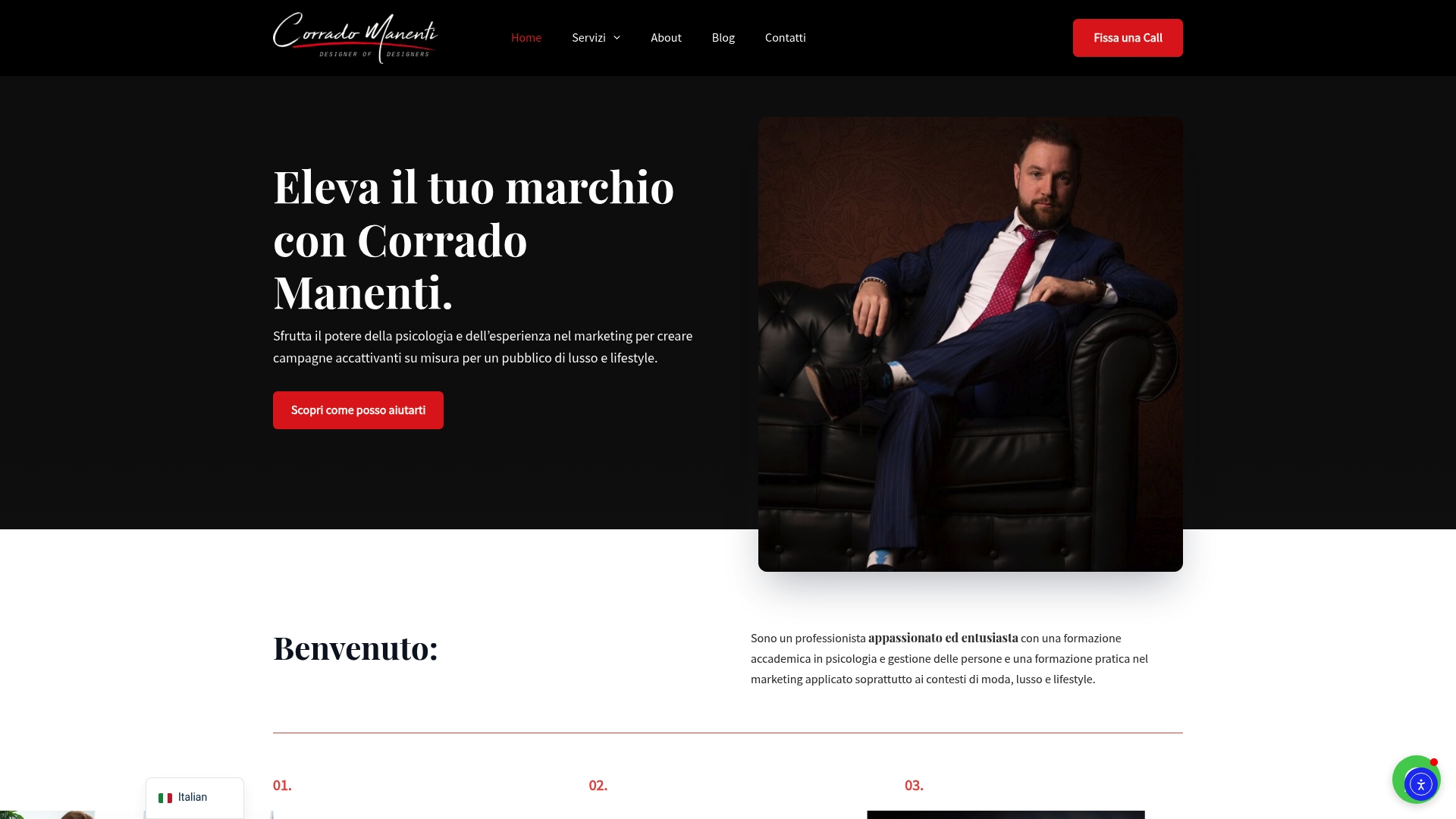
Ready to transform your brand’s marketing into an emotionally resonant and highly effective experience? Explore our specialized Marketing Fashion – Corrado Manenti offerings and discover how our tailored techniques can accelerate your growth. For deep brand building that aligns with your identity, delve into our Personal Branding – Corrado Manenti services. Take the first step today by visiting Corrado Manenti and partnering with a marketing expert dedicated to unlocking your luxury brand’s fullest potential.
Frequently Asked Questions
What is data-driven personalization in luxury marketing?
Data-driven personalization in luxury marketing is a method that uses consumer data and advanced technology to create unique shopping experiences tailored to individual preferences. To implement this, invest in customer data platforms to collect and analyze consumer insights effectively.
How can I implement behavioral segmentation for my luxury brand?
To implement behavioral segmentation, analyze consumer motivations and behaviors beyond basic demographics. Start by collecting data on purchase history and browsing patterns to develop targeted campaigns that resonate with your audience.
What are the key components of VIP targeting for luxury brands?
The key components of VIP targeting include hyper-personalized communication, exclusive events, and tailored recommendations. Focus on creating detailed client profiles to facilitate personalized interactions that make your high-value clients feel valued and appreciated.
How can I utilize dynamic content customization across marketing channels?
Dynamic content customization allows you to adapt marketing messages and visuals to individual consumer preferences in real-time. To implement this strategy, invest in analytics platforms that synchronize content across various channels, enhancing the personalization of the consumer experience.
What strategies can enhance psychology-based messaging in luxury marketing?
Enhancing psychology-based messaging involves crafting narratives that align with consumer aspirations, emotional needs, and personal identity. Begin by developing a comprehensive understanding of your target audience’s motivations and values to create compelling messages that resonate on a deeper level.
How can feedback be leveraged for continuous improvement in luxury marketing strategies?
Leveraging feedback involves creating channels for collecting customer insights and using that data to refine marketing strategies. Establish a systematic approach to gather feedback regularly and implement changes based on the insights received to keep your strategies relevant and effective.