
Nearly 80 percent of american consumers say that personal touches matter most when choosing luxury brands. This drive for exclusive, tailored service shapes not just buying decisions but long-term brand loyalty. Understanding luxury customer experience means seeing how emotional connection, cutting edge technology, and genuine attention to detail combine to form a standard that goes far beyond basic transactions and keeps high-end clients coming back.
Table of Contents
- Defining Luxury Customer Experience Principles
- Psychological Drivers Of Luxury Consumption
- Personalization And Emotional Engagement Strategies
- Technology, Innovation, And Omnichannel Approaches
- Risks And Common Pitfalls To Avoid
Key Takeaways
| Point | Details |
|---|---|
| Personalization is Essential | Luxury experiences must be tailored to individual client preferences for maximum emotional engagement and lasting impressions. |
| Emotional Connections Drive Loyalty | Creating memorable, emotionally resonant interactions is critical to fostering long-term relationships with high-end consumers. |
| Technology Enhances Experience | Leveraging advanced technologies can help brands deliver seamless and innovative luxury experiences across various platforms. |
| Navigating Risks is Crucial | Brands must be aware of potential pitfalls like inconsistent messaging and over-automation to maintain their luxury status and client trust. |
Defining Luxury Customer Experience Principles
Luxury customer experience represents a sophisticated approach to service that transcends traditional transactional interactions, focusing instead on creating memorable, personalized encounters that resonate deeply with high-end consumers. At its core, luxury customer experience is about crafting an emotional connection that goes far beyond the product itself, transforming each interaction into a narrative of exclusivity and individual attention.
The fundamental principles of luxury customer experience are built upon several critical dimensions. Personalization stands as the cornerstone, where brands demonstrate an intimate understanding of individual client preferences, anticipating needs before they are even articulated. This requires a nuanced approach that blends data-driven insights with genuine human connection. As luxury brand strategies research demonstrates, successful luxury experiences are characterized by their ability to create unique, tailored moments that make each client feel singularly important.
Key principles that define exceptional luxury customer experience include:
- Hyper-Personalization: Crafting experiences unique to each individual client
- Emotional Resonance: Creating interactions that generate profound emotional connections
- Seamless Consistency: Maintaining impeccable quality across every touchpoint
- Proactive Service: Anticipating client needs before they are expressed
- Sensory Engagement: Stimulating multiple sensory experiences during client interactions
Understanding these principles requires recognizing that luxury customer experience is not merely about delivering a service, but about constructing a comprehensive narrative that elevates the entire customer journey. It demands an unwavering commitment to excellence, where every detail is meticulously considered and every interaction is an opportunity to reinforce the brand’s unique value proposition.
Psychological Drivers of Luxury Consumption
Luxury consumption is far more complex than a simple transaction. It represents a profound psychological landscape where emotional, social, and personal motivations intersect to create powerful purchasing behaviors. Psychological research on luxury consumption reveals that individuals are driven by intricate tensions between internal desires and external social pressures, making luxury purchases a nuanced expression of identity and aspiration.
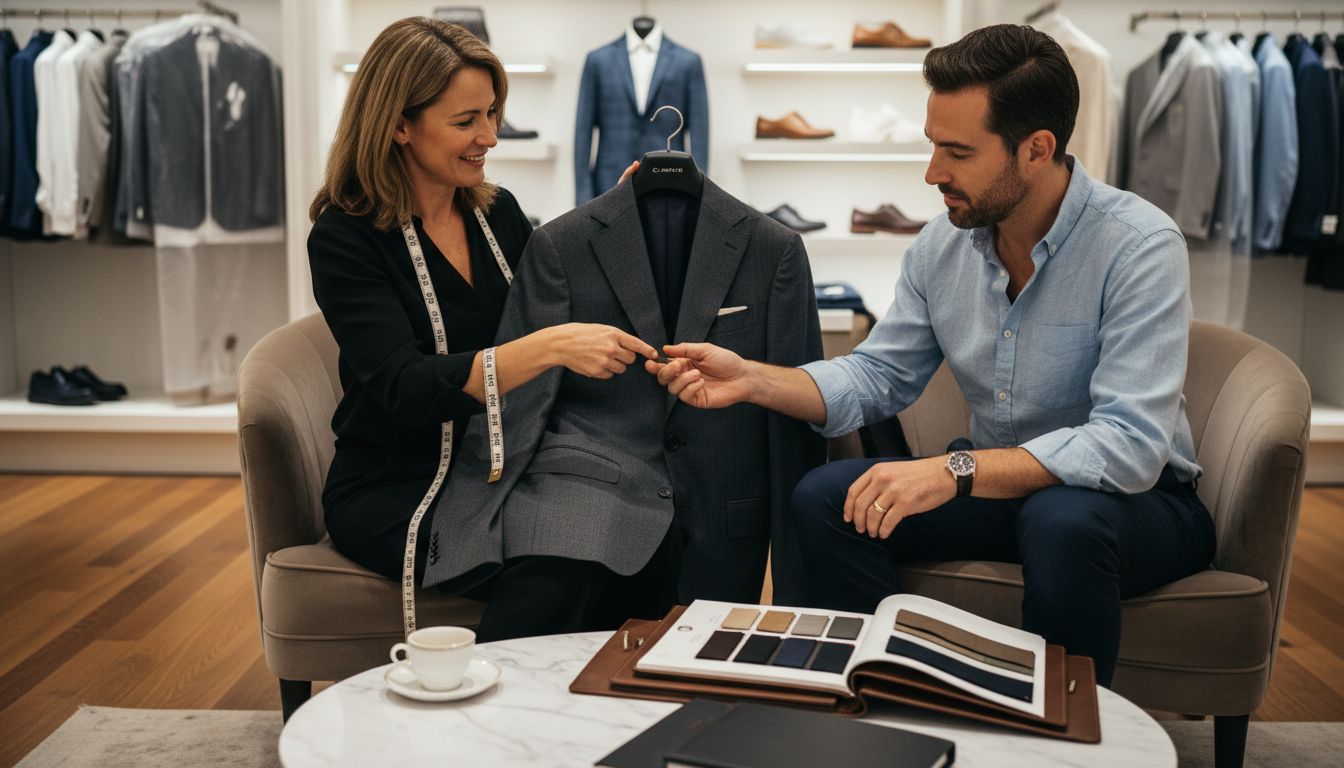
At the core of luxury consumption lie several critical psychological mechanisms. Status signaling emerges as a primary driver, where consumers use luxury products as symbolic markers of social positioning. Intriguingly, research examining subjective social class dynamics demonstrates that individuals navigate complex psychological territories when making luxury purchases, with status anxiety and social comparison playing significant roles in their decision-making processes.
The key psychological drivers of luxury consumption include:
- Self-Perception Enhancement: Using luxury items to construct and reinforce personal identity
- Social Validation: Seeking external recognition and respect through material possessions
- Emotional Compensation: Acquiring luxury goods as a method of psychological self-reward
- Experiential Fulfillment: Pursuing unique, memorable experiences beyond mere material acquisition
- Symbolic Communication: Leveraging luxury products as non-verbal statements of personal achievement
Understanding these psychological mechanisms requires recognizing that luxury consumption transcends economic utility. It is a deeply personal narrative where consumer behavior in luxury contexts intertwines individual psychology, social dynamics, and personal aspirations into a complex tapestry of meaningful consumption choices.
Personalization and Emotional Engagement Strategies
In the realm of luxury customer experience, personalization and emotional engagement represent the most sophisticated approaches to creating profound connections with high-end consumers. These strategies transcend traditional marketing techniques, transforming transactional interactions into deeply meaningful experiences that resonate on an intrinsic, emotional level.
The landscape of personalization is complex and multifaceted. Consumer motivations in luxury contexts reveal a nuanced ecosystem where emotional triggers like ego defense, hedonic benefits, and uniqueness play critical roles in shaping consumer interactions. Emotional intelligence becomes the cornerstone of effective personalization, requiring brands to develop an intuitive understanding of individual client desires, preferences, and psychological motivations.
Key strategies for personalization and emotional engagement include:
- Deep Data Utilization: Leveraging comprehensive client insights to craft tailored experiences
- Anticipatory Service: Proactively addressing client needs before explicit expression
- Narrative Construction: Creating personalized brand stories that align with individual client identities
- Sensory Customization: Designing experiences that engage multiple emotional and sensory dimensions
- Adaptive Communication: Modifying interaction styles to match individual client preferences
Ultimately, successful personalization in luxury contexts requires understanding the intricate psychology of high-end consumer behavior, transforming each interaction from a mere transaction into a profound, emotionally resonant journey that reflects the client’s deepest aspirations and self-perception.
Technology, Innovation, and Omnichannel Approaches
In the contemporary luxury landscape, technology and innovation have emerged as transformative forces reshaping customer experience strategies. Digital marketing research in luxury contexts reveals a complex ecosystem where technological integration goes beyond mere functionality, becoming a critical component of brand storytelling and emotional connection.
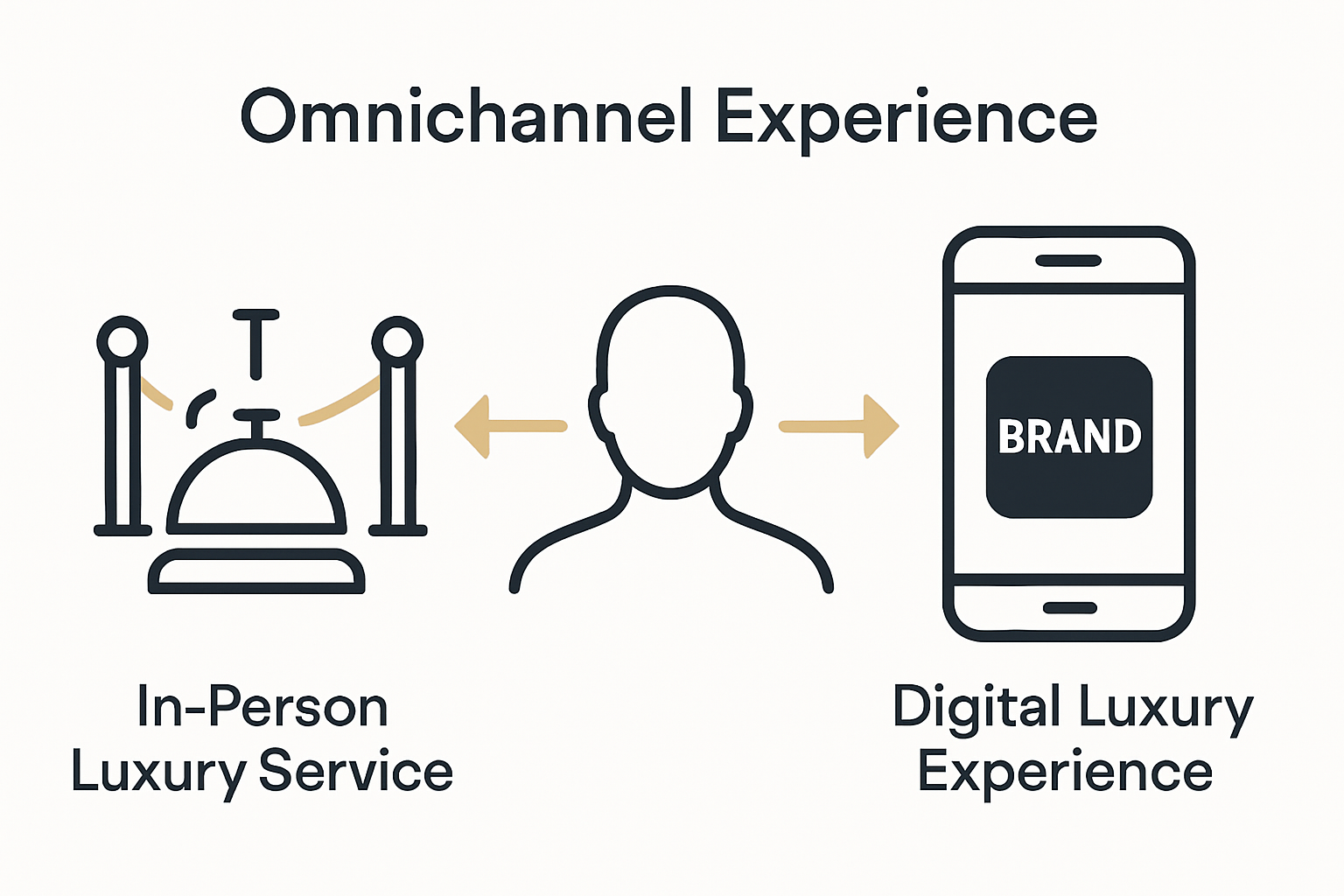
The omnichannel paradigm represents a sophisticated approach to delivering seamless, interconnected experiences across multiple touchpoints. Modern luxury brands are increasingly leveraging advanced technologies to create immersive, personalized journeys that transcend traditional linear interactions. Psychological insights into luxury consumption underscore the importance of understanding how technology can address the intricate tensions between individual aspirations and external expectations.
Key technological and innovation strategies include:
- Artificial Intelligence Personalization: Implementing machine learning to craft hyper-personalized experiences
- Augmented Reality Integration: Creating immersive digital interactions that blend physical and virtual realms
- Predictive Analytics: Anticipating client needs through sophisticated data interpretation
- Seamless Digital Ecosystem: Developing interconnected platforms that provide consistent brand experiences
- Real-Time Customer Insights: Utilizing advanced tracking and engagement technologies
Ultimately, innovative digital strategies for luxury brands demand a holistic approach that balances technological sophistication with the fundamental human desire for meaningful, emotionally resonant interactions.
Risks and Common Pitfalls to Avoid
Navigating the complex landscape of luxury customer experience requires a nuanced understanding of potential risks and strategic pitfalls that can undermine brand perception and client relationships. The luxury market demands an extraordinary level of precision, where even minor missteps can significantly erode hard-earned brand equity and client trust.
Emerging research on consumer behavior patterns reveals critical insights into how brands can inadvertently trigger negative consumer responses. The bandwagon effect and snob effect demonstrate that luxury consumers are extraordinarily sensitive to brand positioning, with potential risks emerging from inappropriate market strategies that misalign with client expectations and psychological motivations.
Common risks and potential pitfalls in luxury customer experience include:
- Inconsistent Brand Messaging: Diluting brand identity across different communication channels
- Over-Automation: Losing personal touch through excessive technological intervention
- Privacy Intrusion: Mishandling client data and personal information
- Inauthentic Personalization: Creating superficial experiences that feel manufactured
- Lack of Adaptive Strategies: Failing to evolve with changing client expectations
Successful luxury brands must understand the intricate nuances of digital strategy to navigate these complex challenges, maintaining an delicate balance between technological innovation and genuine human connection.
Elevate Your Luxury Customer Experience With Expert Insight
Mastering the art of luxury customer experience requires more than just delivering products. It means harnessing deep personalization and emotional engagement to connect with your clients on a profound level. If you struggle with creating seamless consistency or fear losing the human touch through over-automation, you are not alone. Many luxury brands face these challenges while trying to balance innovation and authentic connection.
At Marketing Fashion – Corrado Manenti, we understand these complexities through a psychology-driven approach that transforms customer journeys into emotionally resonant experiences. 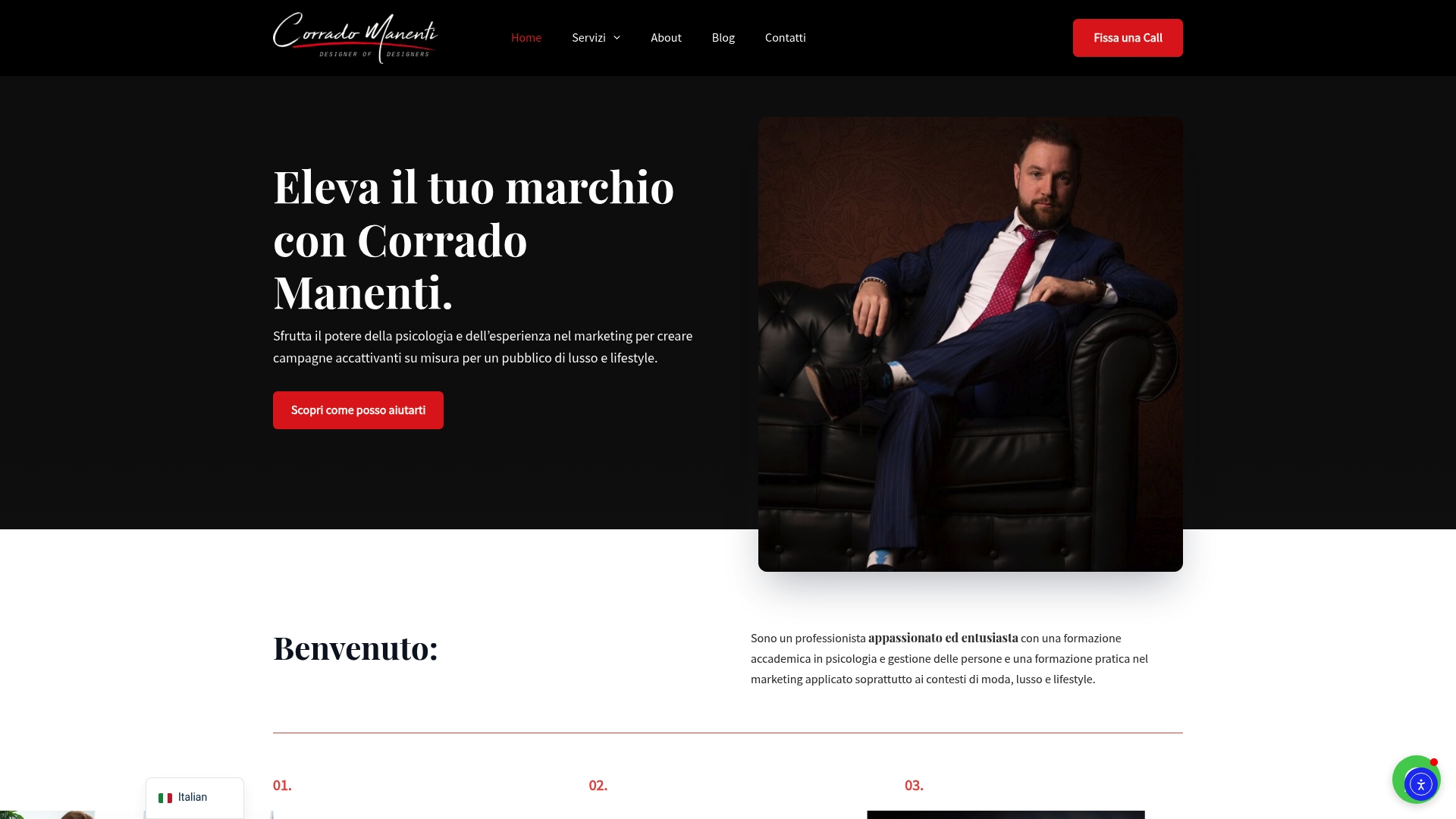
Take the next step in redefining your brand’s luxury appeal by partnering with a consultant who integrates psychological insights with cutting-edge digital strategies. Explore tailored solutions and detailed attention to every branding element to ensure your clients feel uniquely valued. Visit Corrado Manenti today and start crafting memorable luxury experiences that elevate your market position and keep you ahead of industry trends.
Frequently Asked Questions
What are the key principles of luxury customer experience?
The key principles of luxury customer experience include hyper-personalization, emotional resonance, seamless consistency, proactive service, and sensory engagement. These principles collectively aim to create memorable, exclusive interactions with high-end consumers.
How does personalization enhance the luxury customer experience?
Personalization enhances the luxury customer experience by tailoring interactions to individual preferences and needs. This includes utilizing deep data insights, anticipating client requests, and creating customized brand narratives that resonate emotionally with consumers.
What psychological factors drive luxury consumption?
Psychological factors that drive luxury consumption include self-perception enhancement, social validation, emotional compensation, experiential fulfillment, and symbolic communication. These factors reflect the complex motivations behind luxury purchases, blending personal identity with social dynamics.
What are some risks to avoid in luxury customer experience strategies?
Some risks to avoid include inconsistent brand messaging, over-automation leading to a loss of personal touch, privacy intrusion, inauthentic personalization, and a lack of adaptive strategies to evolving consumer expectations.
Recommended
- Customer Journey in Luxury: Complete Guide – Corrado Manenti
- Blog – Corrado Manenti
- Understanding Luxury Brand Experience Guide – Corrado Manenti
- The Essential Guide to Luxury Customer Experience – Corrado Manenti
- Understanding Luxury Fragrance Defined: A Deep Dive