
Every Marketing Director knows that premium consumers crave more than just exclusive products. In fiercely competitive markets like France, Italy, and the United States, emotional attachment and personalized rewards have become the new currency of loyalty. Today’s luxury loyalty marketing goes far beyond transactional perks by blending technology, storytelling, and curated experiences that nurture genuine brand advocacy. Discover innovative strategies proven to enhance customer retention and turn clients into dedicated ambassadors for your luxury brand.
Table of Contents
- Loyalty Marketing Defined For Luxury Brands
- Types Of Loyalty Programs In Fashion Sector
- How Loyalty Marketing Drives Customer Retention
- Key Elements Of An Effective Loyalty Strategy
- Common Mistakes And How To Avoid Them
Key Takeaways
| Point | Details |
|---|---|
| Luxury Loyalty Marketing Focuses on Emotional Connection | Successful luxury marketing prioritizes creating deep emotional relationships over mere transactional interactions. Brands should craft compelling narratives that resonate with customers’ identities. |
| Types of Loyalty Programs Must Align with Customer Values | Fashion brands should integrate diverse loyalty program types such as experiential rewards and sustainability-driven initiatives to foster long-term connections. |
| Data-Driven Personalization Enhances Retention | Utilizing customer insights for personalized experiences can significantly boost customer retention by creating emotional bonds that encourage loyalty. |
| Avoid Common Pitfalls in Loyalty Programs | Luxury brands must ensure program complexity is minimized and personalization is prioritized to enhance customer engagement and satisfaction. |
Loyalty Marketing Defined for Luxury Brands
Luxury brand loyalty marketing represents a sophisticated strategic approach that transcends traditional transactional relationships. At its core, this specialized marketing discipline focuses on creating deep emotional connections between high-end brands and their discerning clientele through personalized, psychologically nuanced engagement strategies.
The fundamental framework of luxury loyalty marketing involves understanding that premium consumers seek experiences, not just products. Luxury brand communication strategies demonstrate that emotional resonance drives brand attachment far more powerfully than price or functional attributes. This means luxury brands must craft narratives that speak directly to customers’ aspirational identities and psychological desires.
Key characteristics of effective luxury loyalty marketing include:
- Creating exclusive, personalized interactions
- Developing emotionally compelling brand storytelling
- Generating experiences that feel uniquely tailored
- Building trust through consistent premium engagement
- Maintaining an aspirational yet authentic brand persona
Research reveals that successful luxury loyalty programs integrate multiple sophisticated dimensions. Social media marketing strategies demonstrate how digital platforms can strengthen customer empowerment and create parasocial interactions that enhance brand perception and willingness to invest in premium offerings.
Pro tip: Design loyalty experiences that make customers feel like privileged insiders rather than mere consumers.
Types of Loyalty Programs in Fashion Sector
The fashion industry has developed sophisticated loyalty programs that go far beyond traditional point collection systems. These strategic initiatives are designed to create meaningful connections between brands and their most valuable customers, transforming transactional relationships into long-term brand partnerships.
Fashion loyalty programs demonstrate remarkable diversity in their approach, ranging from points-based systems to more innovative engagement strategies. Brands now recognize that modern consumers seek experiences that reflect their personal values and lifestyle aspirations, not just monetary rewards.
The primary types of loyalty programs in the fashion sector include:
- Points-Based Programs: Traditional reward systems where customers earn points for purchases
- Tier-Based Memberships: Exclusive levels offering escalating benefits
- Experiential Rewards: Access to special events, previews, or personalized styling sessions
- Sustainability-Driven Programs: Take-back loyalty initiatives that encourage circular fashion consumption
- Community Engagement Programs: Platforms that connect customers through shared brand passion
Successful luxury fashion loyalty programs integrate emotional connection with strategic incentives. They understand that high-end consumers are seeking more than discounts – they want to feel part of an exclusive ecosystem that understands and celebrates their individual identity.
Here’s how major types of fashion loyalty programs compare in their approach and customer impact:
| Program Type | Core Approach | Typical Benefits Offered | Customer Appeal |
|---|---|---|---|
| Points-Based | Reward for spending | Discounts, vouchers, product gifts | Motivates purchase frequency |
| Tier-Based Membership | Status levels for engagement | VIP events, priority support | Appeals to exclusivity |
| Experiential Rewards | Unique brand experiences | Private previews, styling sessions | Builds emotional connection |
| Sustainability-Driven | Promote ethical consumption | Recycling credits, eco rewards | Attracts conscious consumers |
| Community Engagement | Foster shared brand passion | Member forums, collaborative events | Strengthens brand community |
Pro tip: Design loyalty experiences that transform customers from passive buyers into active brand ambassadors.
How Loyalty Marketing Drives Customer Retention
Customer retention represents the critical heartbeat of sustainable business growth, particularly in luxury markets where relationships matter more than transactions. Loyalty marketing emerges as a sophisticated strategy that transforms casual buyers into committed brand advocates through strategic, psychologically informed engagement techniques.
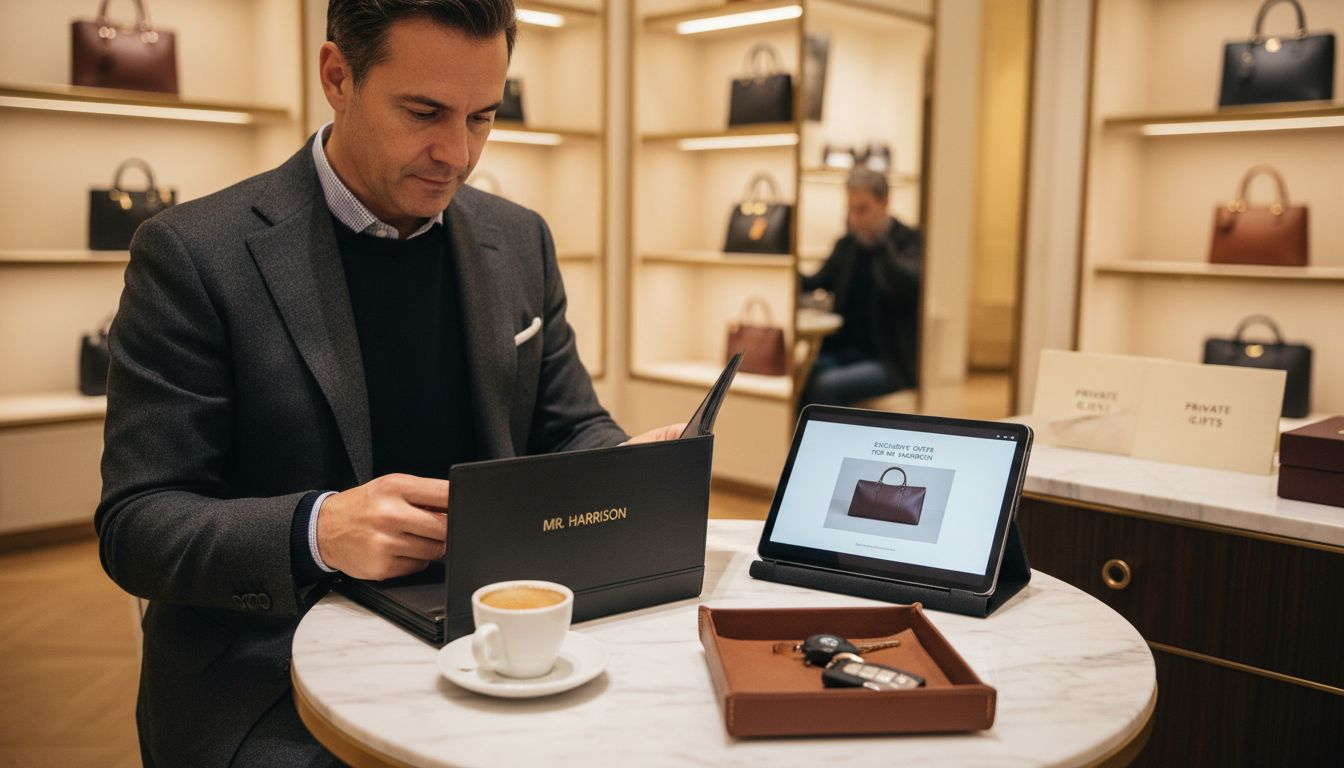
Personalization technologies have revolutionized how brands approach customer retention, enabling unprecedented levels of individualized communication and targeted experiences. Modern luxury brands understand that retention is not about repeated purchases, but about creating an emotional connection that transcends traditional consumer-brand boundaries.
Key mechanisms through which loyalty marketing drives customer retention include:
- Data-Driven Personalization: Using customer insights to craft tailored experiences
- Emotional Connection: Building relationships beyond transactional interactions
- Tiered Reward Structures: Creating escalating benefits that incentivize continued engagement
- Exclusive Access: Providing unique experiences that make customers feel valued
- Consistent Communication: Maintaining meaningful touchpoints between purchases
Loyalty program design plays a crucial role in strengthening customer relationships. By offering personalized rewards and creating meaningful engagement pathways, brands can transform traditional marketing approaches into powerful retention engines that generate long-term value.
Pro tip: Design loyalty experiences that make customers feel like exclusive insiders, not just transaction participants.
Key Elements of an Effective Loyalty Strategy
Luxury brand loyalty strategies represent sophisticated ecosystem designs that transcend traditional marketing approaches. Successful programs are meticulously crafted to create deep, meaningful connections that transform customers from transactional buyers into passionate brand advocates.
Sustainable customer loyalty depends on a complex interplay of strategic elements that go beyond simple reward mechanisms. Modern luxury brands must create multidimensional experiences that resonate with customers’ evolving expectations and personal values.
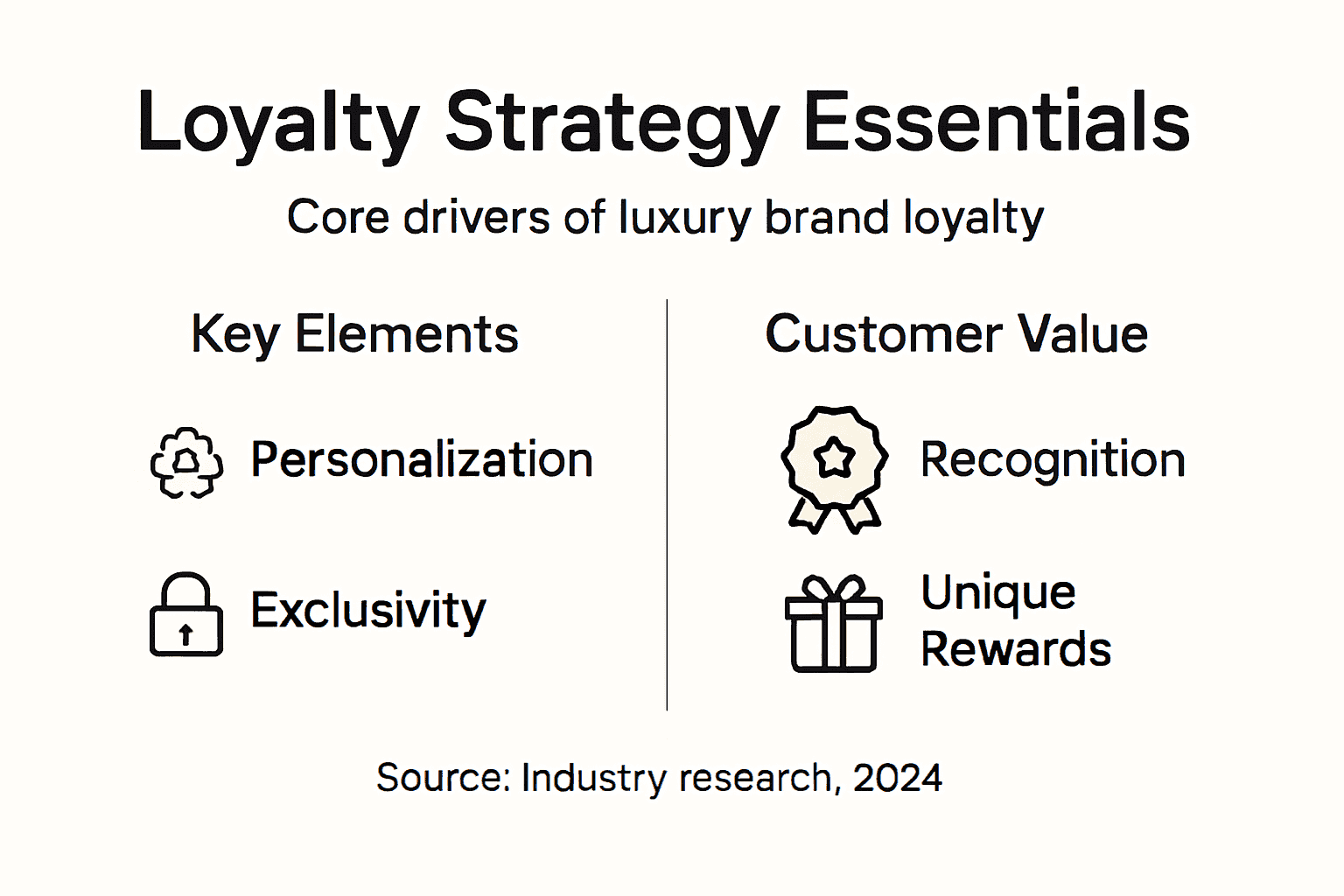
Critical elements of an effective loyalty strategy include:
- Service Quality: Delivering consistently exceptional experiences
- Brand Authenticity: Maintaining genuine, transparent brand communication
- Personalization: Tailoring interactions to individual customer preferences
- Emotional Engagement: Creating meaningful connections beyond transactions
- Technological Integration: Leveraging data and digital platforms
- Sustainable Practices: Demonstrating commitment to ethical and environmental values
Loyalty program design requires continuous evolution, adapting to changing consumer expectations and technological capabilities. Brands must view loyalty not as a static program, but as a dynamic relationship-building process that requires ongoing innovation and genuine customer understanding.
Pro tip: Transform loyalty programs from transactional rewards into meaningful storytelling platforms that reflect your brand’s unique identity.
Common Mistakes and How to Avoid Them
Luxury brand loyalty marketing is a nuanced discipline where strategic precision matters more than volume. Even well-intentioned programs can falter when fundamental principles are overlooked, potentially alienating the very customers brands seek to retain.
Loyalty program failures often stem from a handful of critical strategic missteps that undermine customer engagement and program effectiveness. Understanding these pitfalls is crucial for developing robust, customer-centric loyalty initiatives.
Common mistakes luxury brands must carefully avoid include:
- Insufficient Personalization: Creating generic rewards that fail to reflect individual customer preferences
- Complex Redemption Processes: Implementing overly complicated reward structures
- Unclear Communication: Failing to transparently explain program benefits
- Neglecting Customer Segmentation: Treating all customers with identical approaches
- Overlooking Data Insights: Not leveraging customer behavior analytics
- Inflexible Reward Structures: Designing rigid programs that don’t adapt to changing customer expectations
Loyalty marketing strategy requires continuous refinement and a genuine commitment to understanding customer dynamics. Successful programs maintain flexibility, prioritize customer experience, and remain authentically aligned with brand values.
Below is a summary of strategic errors often made in luxury loyalty programs and recommended solutions:
| Common Mistake | Business Impact | How to Resolve |
|---|---|---|
| Generic offers | Low engagement, poor retention | Use targeted personalization |
| Complicated redemption | Customer frustration, drop-out | Simplify reward processes |
| One-size-fits-all strategy | Weak emotional connection | Segment audience by preferences |
| Ignoring data analytics | Missed insights, flat results | Analyze and act on customer data |
| Rigid program structure | Poor adaptation to trends | Keep programs flexible |
Pro tip: Regularly audit your loyalty program from the customer’s perspective, treating it as a living strategy that requires constant evolution and genuine empathy.
Elevate Your Luxury Brand with Psychology-Driven Loyalty Marketing
Loyalty marketing for luxury brands requires an understanding that goes beyond simple rewards. If your challenge is to create deep emotional connections and authentic, personalized experiences that transform customers into passionate brand advocates, then specialized expertise is essential. This article highlights the need for strategies grounded in consumer psychology, tiered engagement, and exclusive, meaningful interactions.
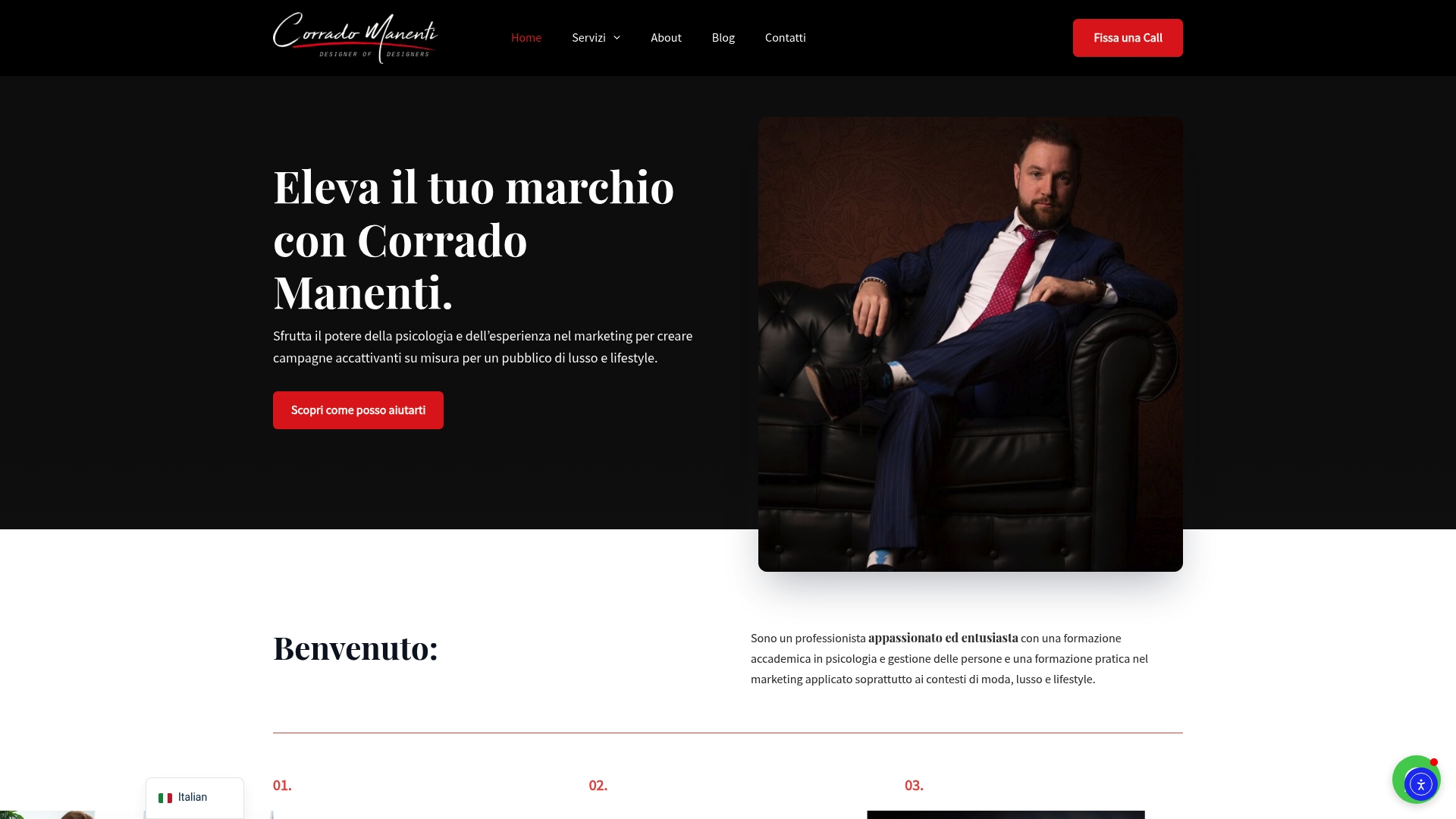
Discover how Corrado Manenti combines a unique academic background in psychology with luxury marketing expertise to craft loyalty programs that resonate on a personal level with your high-end clientele. Visit Marketing Fashion – Corrado Manenti to learn how his attention to detail and innovative digital strategies can help you design loyalty initiatives that foster emotional engagement and sustained customer retention. Ready to transform your brand’s loyalty marketing approach? Take the first step today at Corrado Manenti and create experiences that truly speak to your customers’ aspirations.
Frequently Asked Questions
What is luxury brand loyalty marketing?
Luxury brand loyalty marketing focuses on creating deep emotional connections between high-end brands and their customers through personalized engagement and experiences, rather than just transactional relationships.
How do loyalty programs in the fashion sector differ from traditional ones?
Fashion loyalty programs often include not just points-based rewards, but also tiered memberships, experiential rewards, sustainability-driven programs, and community engagement initiatives designed to create meaningful connections with customers.
What are key strategies for improving customer retention in luxury markets?
Customer retention in luxury markets is improved through personalized communication, emotional connections, tiered rewards, exclusive access to events, and consistent engagement strategies that keep customers connected to the brand.
What common mistakes should luxury brands avoid in their loyalty programs?
Common mistakes include insufficient personalization, complex redemption processes, unclear communication of benefits, neglecting customer segmentation, overlooking data analytics, and maintaining inflexible reward structures.