


Managing prestige in a world shaped by digital disruption is now at the heart of every strategy meeting at luxury fashion houses from Paris to Shanghai. Sophisticated consumers expect more than just products—they seek immersive digital experiences that feel both personal and exclusive. Defining a digital strategy is no longer about simply being online, it requires balancing technological innovation with the unmistakable aura of luxury, shaping how global brands build deep emotional engagement while maintaining their signature allure.
Table of Contents
- Defining Digital Strategy For Luxury Brands
- Key Challenges Luxury Brands Face Online
- Evolving Consumer Expectations And Behaviors
- Psychology-Driven Engagement In Luxury Marketing
- Balancing Exclusivity With Digital Accessibility
- Risks Of Digital Neglect For Premium Brands
Key Takeaways
| Point | Details |
|---|---|
| Embrace Digital Strategy | Luxury brands must create comprehensive digital strategies that enhance brand storytelling while ensuring exclusivity in their offerings. |
| Maintain Brand Exclusivity | The challenge lies in developing digital experiences that feel both accessible and rare, preserving the brand’s premium ethos. |
| Adapt to Consumer Expectations | Understanding evolving consumer preferences for personalized, authentic interactions is essential for maintaining relevance in the luxury market. |
| Integrate Technology Thoughtfully | Digital platforms should be seen as extensions of brand identity, not just sales channels, to strengthen consumer connections and loyalty. |
Defining Digital Strategy For Luxury Brands
Luxury brands face unprecedented challenges in the digital ecosystem, requiring sophisticated strategies that balance technological innovation with brand exclusivity. Digital marketing strategies have become critical tools for global market success, transforming how premium brands connect with sophisticated consumers.
A digital strategy for luxury brands represents far more than a website or social media presence. It involves creating immersive digital experiences that maintain brand prestige while leveraging technological platforms. These strategies must elegantly negotiate between accessibility and maintaining an aura of exceptional quality. Technology enables luxury brands to craft personalized narratives, engage global audiences, and provide seamless omnichannel interactions that reflect their premium positioning.
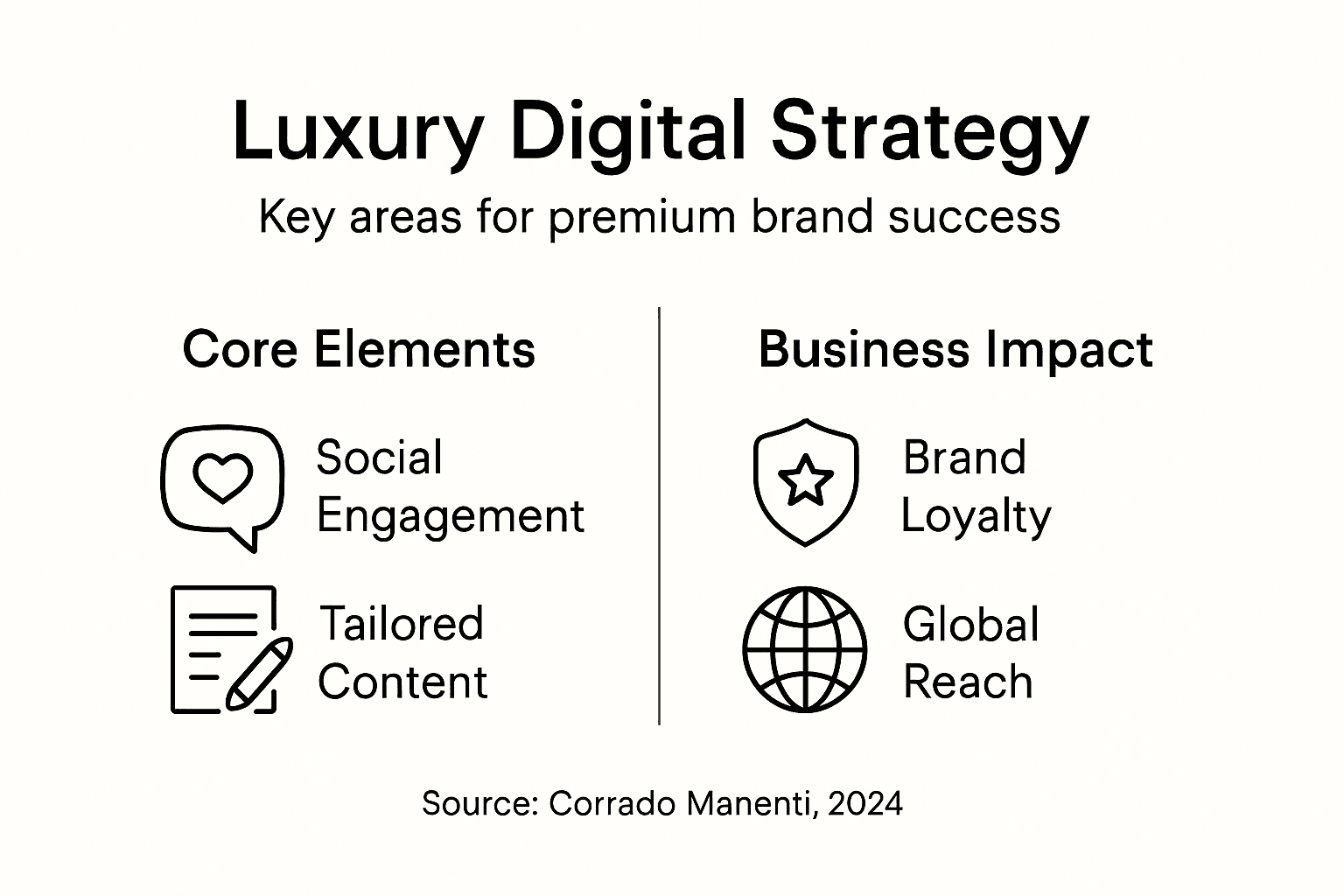
The core components of an effective digital strategy for luxury brands include strategic social media engagement, precision-targeted digital advertising, immersive virtual experiences, and data-driven consumer insights. Brands must develop sophisticated digital ecosystems that feel exclusive yet interactive. Technological adoption challenges require luxury brands to thoughtfully integrate digital channels without compromising their core identity and perceived value.
Here’s a summary of the essential components of an effective digital strategy for luxury brands:
| Component | Purpose | Business Impact |
|---|---|---|
| Strategic Social Media | Build brand presence and prestige | Engages wider audiences, drives loyalty |
| Precision Digital Ads | Target niche consumer segments | Increases brand awareness, boosts ROI |
| Immersive Virtual Events | Create memorable online experiences | Elevates exclusivity, deepens engagement |
| Consumer Data Insights | Analyze audience preferences | Enables personalization, informs strategy |
Pro tip: Develop a digital strategy that treats technology as an extension of your brand’s storytelling, not just a communication channel.
Key Challenges Luxury Brands Face Online
Luxury brands are navigating an increasingly complex digital landscape, confronting significant challenges that threaten their traditional business models. Digital market disruptions have fundamentally transformed how premium brands engage with consumers, forcing them to reimagine their strategic approaches.
One primary challenge is maintaining brand exclusivity while embracing digital channels. Traditional luxury brands have long relied on in-person experiences and limited distribution to create a sense of rarity and prestige. E-commerce platform hesitance remains prevalent, with some high-end brands like Chanel initially resisting online sales channels. This resistance stems from concerns about diluting brand perception and losing control over consumer interactions.
The generational shift presents another complex challenge. Younger consumers demand seamless digital experiences, personalized interactions, and transparency that conflict with luxury brands’ historical approach of mystique and distance. Brands must now balance technological accessibility with maintaining their premium positioning. This requires sophisticated digital strategies that preserve brand integrity while meeting evolving consumer expectations around convenience, instant communication, and immersive digital experiences.
Pro tip: Create digital experiences that feel exclusive and personalized, using technology to enhance rather than replace your brand’s unique narrative.
Evolving Consumer Expectations And Behaviors
Luxury consumers are undergoing a profound transformation, driven by technological advancement and shifting global demographics. Consumer expectations in emerging markets reveal a dramatic reimagining of what luxury means to different generations and cultural contexts.
Today’s luxury consumers seek more than just product acquisition. They demand authentic, emotionally resonant experiences that align with their personal values. Emotional connections and sustainability have become critical factors in purchasing decisions, with younger consumers particularly prioritizing brands that demonstrate ethical practices, social responsibility, and meaningful engagement beyond traditional transactional relationships.
The digital era has fundamentally reshaped consumer behavior, creating a more complex and nuanced relationship between luxury brands and their audiences. Global consumers now expect personalized interactions, transparent communication, and seamless digital experiences that reflect their individual identities. This shift requires luxury brands to develop sophisticated, adaptive strategies that balance technological innovation with the timeless essence of exclusivity and craftsmanship.
The table below compares traditional luxury brand approaches to those required in the digital era:
| Aspect | Traditional Approach | Digital Era Approach |
|---|---|---|
| Brand Experience | In-person, tactile luxury | Immersive virtual, omnichannel |
| Consumer Access | Restricted, invitation-only | Personalized, global reach |
| Communication | Limited, controlled | Transparent, instant, interactive |
| Brand Narrative | Mystique, exclusivity | Storytelling, authenticity |
Pro tip: Design digital experiences that tell a compelling brand story while offering personalized, meaningful connections that transcend traditional marketing approaches.
Psychology-Driven Engagement In Luxury Marketing
Luxury marketing transcends traditional product selling, diving deep into the intricate world of consumer psychology and emotional connection. Psychological motivations in luxury branding reveal that successful brands understand consumers seek more than material possessions—they crave experiences that validate their identity and social aspirations.
Consumer psychology in luxury marketing hinges on understanding powerful emotional triggers like exclusivity, social status, and personal identity. Brands that masterfully leverage these psychological insights can create powerful narratives that resonate beyond mere transactional interactions. Online word of mouth marketing demonstrates how sophisticated brands use dynamic content and personalized interactions to forge deep emotional connections, transforming consumers from passive buyers into passionate brand advocates.
The most effective luxury marketing strategies go beyond surface level engagement, using sophisticated psychological techniques that tap into consumers’ deepest desires and self-perception. By understanding the nuanced emotional landscape of their target audience, luxury brands can design marketing approaches that feel simultaneously personal and aspirational, creating experiences that speak directly to individual psychological needs and social dynamics.
Pro tip: Develop marketing strategies that make consumers feel understood, not just marketed to, by crafting narratives that reflect their individual identity and aspirational self.
Balancing Exclusivity With Digital Accessibility
Luxury brands navigate a complex digital landscape where maintaining prestige requires strategic technological engagement. Digital strategies for brand exclusivity reveal that digital platforms can actually enhance rather than diminish a brand’s unique positioning when approached thoughtfully.
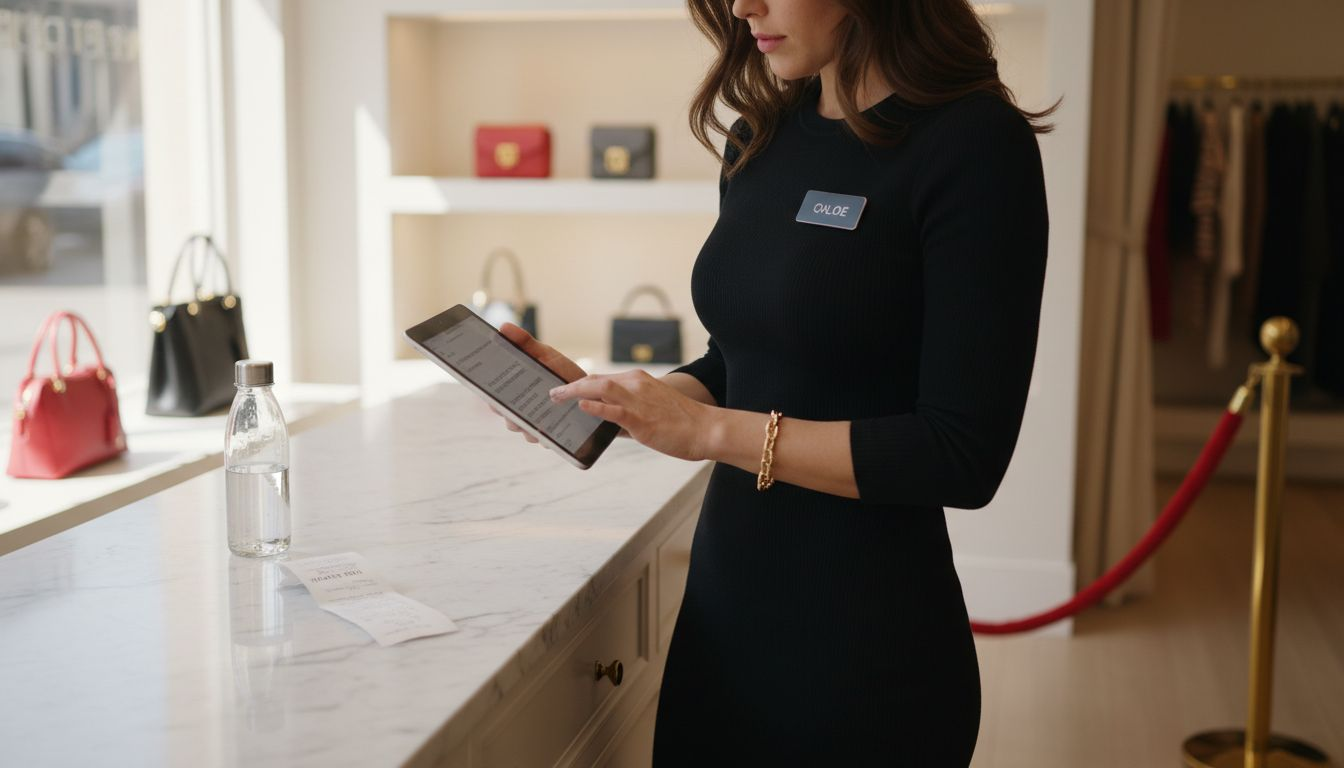
The core challenge lies in creating digital experiences that feel simultaneously accessible and rare. Strategic service encounters demonstrate that luxury brands can leverage techniques like controlled access, curated online communities, and personalized digital interactions to maintain their exclusive identity. By implementing sophisticated digital gates, invitation-only platforms, and highly tailored user experiences, brands can transform potential limitations into opportunities for deeper consumer connection.
Successful digital accessibility requires a nuanced approach that goes beyond simple online sales. Luxury brands must craft digital environments that feel like privileged spaces—where technology serves as a selective gateway rather than a mass-market channel. This means developing platforms that offer personalized recommendations, limited-edition digital content, and exclusive virtual experiences that mirror the selectivity of traditional luxury consumption.
Pro tip: Design digital touchpoints that feel like a private club, not a public marketplace, by creating layered access and personalized digital interactions.
Risks Of Digital Neglect For Premium Brands
Digital transformation is no longer optional for luxury brands—it’s an existential imperative. Digital marketing risks demonstrate that brands failing to adapt risk complete market irrelevance, losing entire generations of potential consumers who live and breathe digital experiences.
Premium brands face multifaceted risks beyond simple market visibility. Online competitive pressures can dramatically accelerate price erosion, weaken brand value, and create vulnerability in product positioning. Without strategic digital integration, luxury brands become increasingly disconnected from younger consumers who expect seamless, technology-driven interactions that reflect their sophisticated lifestyle and values.
The consequences of digital neglect extend far beyond missed sales opportunities. Brands that resist digital transformation compromise their ability to gather critical consumer insights, personalize marketing approaches, and maintain the kind of dynamic engagement that modern consumers demand. This passive approach transforms what could be a strategic advantage into a potentially terminal competitive disadvantage, leaving brands vulnerable to more agile, digitally native competitors who understand how to leverage technology as a core brand differentiator.
Pro tip: Treat digital strategy as an extension of your brand’s core identity, not a separate marketing channel, by integrating technology that genuinely enhances your brand experience.
Elevate Your Luxury Brand With a Winning Digital Strategy Today
Luxury brands face unique challenges in balancing exclusivity with digital accessibility. This article highlights how maintaining brand prestige while embracing innovative digital strategies is no longer optional but essential for survival. If you want to overcome barriers like e-commerce hesitance and evolving consumer expectations, it is critical to adopt a strategy grounded in psychology-driven marketing and cutting-edge digital positioning.
Unlock your brand’s full potential with expert guidance from Corrado Manenti. Discover how his deep understanding of consumer psychology and fashion marketing can help you craft immersive, personalized digital experiences that preserve exclusivity and engage new audiences. Visit Digital Positioning – Corrado Manenti and explore strategies tailored for premium brands. Learn more about his approach on Marketing Fashion – Corrado Manenti and take the first step now by visiting his main site at https://corradomanenti.it. Your brand’s future depends on digital strategy done right – begin today!
Frequently Asked Questions
Why do luxury brands need a digital strategy?
Luxury brands need a digital strategy to adapt to the changing consumer landscape, ensuring they can engage with sophisticated audiences, maintain brand exclusivity, and leverage technology for personalized experiences.
What are the key components of a digital strategy for luxury brands?
The key components include strategic social media engagement, precision-targeted digital advertising, immersive virtual experiences, and data-driven consumer insights to create exclusive yet interactive digital ecosystems.
How do consumer expectations impact luxury brands’ digital strategies?
Consumer expectations have evolved to demand authentic and personalized interactions. Luxury brands must meet these expectations by creating seamless digital experiences that align with their values and lifestyle.
What risks do luxury brands face if they neglect digital transformation?
If luxury brands neglect digital transformation, they risk losing relevance, compromising insights into consumer preferences, and becoming vulnerable to more agile competitors in the digital marketplace.