
More than 60 percent of high-net-worth consumers now expect luxury brands to recognize them as individuals, not just buyers. For European and American marketing directors, the challenge is clear. Traditional strategies no longer inspire loyalty from today’s discerning clients. This guide uncovers how emotional engagement, advanced personalization, and authentic experiences are redefining what luxury customer loyalty truly means in a world where exclusivity is everything.
Table of Contents
- Defining Luxury Customer Loyalty Today
- Types of Loyalty in Luxury Markets
- Key Drivers: Experience and Emotion
- Personalization Strategies for Retention
- Risks and Challenges for Luxury Brands
Key Takeaways
| Point | Details |
|---|---|
| Luxury Loyalty is Evolving | Modern luxury brands need to focus on emotional and experiential loyalty rather than just transactional relationships. |
| Personalization is Key | Tailoring experiences based on individual consumer preferences and identities is crucial for retaining high-net-worth customers. |
| Emotional Engagement Drives Retention | Establishing profound psychological connections through storytelling and meaningful interactions enhances brand loyalty. |
| Risks in Brand Positioning | Maintaining perceived exclusivity is essential as luxury brands face brand dilution and digital transformation challenges. |
Defining Luxury Customer Loyalty Today
Luxury customer loyalty represents far more than traditional transactional relationships. In contemporary markets, it has evolved into a complex psychological and emotional connection between brands and high-net-worth consumers. Contemporary luxury consumption research reveals that loyalty now hinges on creating profound, personalized experiences that transcend mere product purchase.
Modern luxury brands understand that emotional engagement is the core currency of customer retention. Consumers no longer simply seek products but demand immersive narratives that align with their personal identity and values. Brands must now craft experiences that make customers feel uniquely understood, respected, and emotionally connected. This shift requires moving beyond traditional metrics like repeat purchases toward understanding deeper psychological drivers of brand attachment.
The emerging paradigm of luxury loyalty is fundamentally experiential. Academic research from 2024 indicates that brand personification, unique customer experiences, and authentic storytelling are now essential components. Luxury consumers seek brands that can transform transactions into meaningful interactions, creating memorable moments that resonate on an individual level. This means developing strategies that go far beyond traditional loyalty programs and instead focus on building genuine, long-term emotional relationships.
Pro tip: Conduct periodic emotional engagement audits to understand how your brand connects with high-value customers beyond transactional interactions.
Types of Loyalty in Luxury Markets
Luxury market loyalty is not a monolithic concept but a nuanced spectrum of consumer engagement strategies. Global research on customer loyalty frameworks reveals three primary types of loyalty that luxury brands must understand and cultivate: transactional, emotional, and experiential.
Transactional Loyalty represents the most basic level of consumer commitment, primarily driven by financial incentives and rational decision-making. In this model, customers remain loyal because of consistent value propositions, competitive pricing, or structured reward programs. However, luxury brands increasingly recognize that transactional approaches fail to create deep, lasting connections with high-net-worth consumers who seek more profound brand interactions.
Emotional and experiential loyalty represent more sophisticated engagement strategies. These types go beyond simple economic exchanges, focusing on creating meaningful narratives and personalized experiences that resonate with consumers’ identities and aspirations. Emotional loyalty emerges when brands successfully forge deep psychological connections, making customers feel understood, valued, and emotionally invested in the brand’s story. Experiential loyalty takes this further by designing immersive interactions that transform purchasing from a transaction into a memorable journey.
Here’s a quick comparison of the core types of luxury customer loyalty and their business impacts:
| Loyalty Type | Main Driver | Business Impact |
|---|---|---|
| Transactional Loyalty | Financial incentives | Short-term retention, limited bond |
| Emotional Loyalty | Psychological connection | Deeper attachment, brand advocacy |
| Experiential Loyalty | Memorable experiences | Long-term loyalty, word of mouth |
Pro tip: Develop a multi-dimensional loyalty strategy that balances transactional benefits with emotionally compelling brand experiences to create truly sustainable customer relationships.
Key Drivers: Experience and Emotion
Systematic research on luxury customer experiences reveals that emotional and experiential connections have become paramount in driving customer loyalty. Modern luxury consumers are no longer satisfied with transactional interactions, instead seeking profound psychological engagement that transforms purchasing from a mere exchange into a meaningful personal experience.
The emotional landscape of luxury loyalty is complex and multidimensional. Emotional drivers emerge through personalized service, brand storytelling, and creating experiences that resonate deeply with individual consumer identities. These connections transcend traditional marketing approaches by establishing genuine relationships where consumers feel truly understood and valued. Strategic luxury brands recognize that emotion is not a peripheral factor but the central mechanism for building lasting customer relationships.
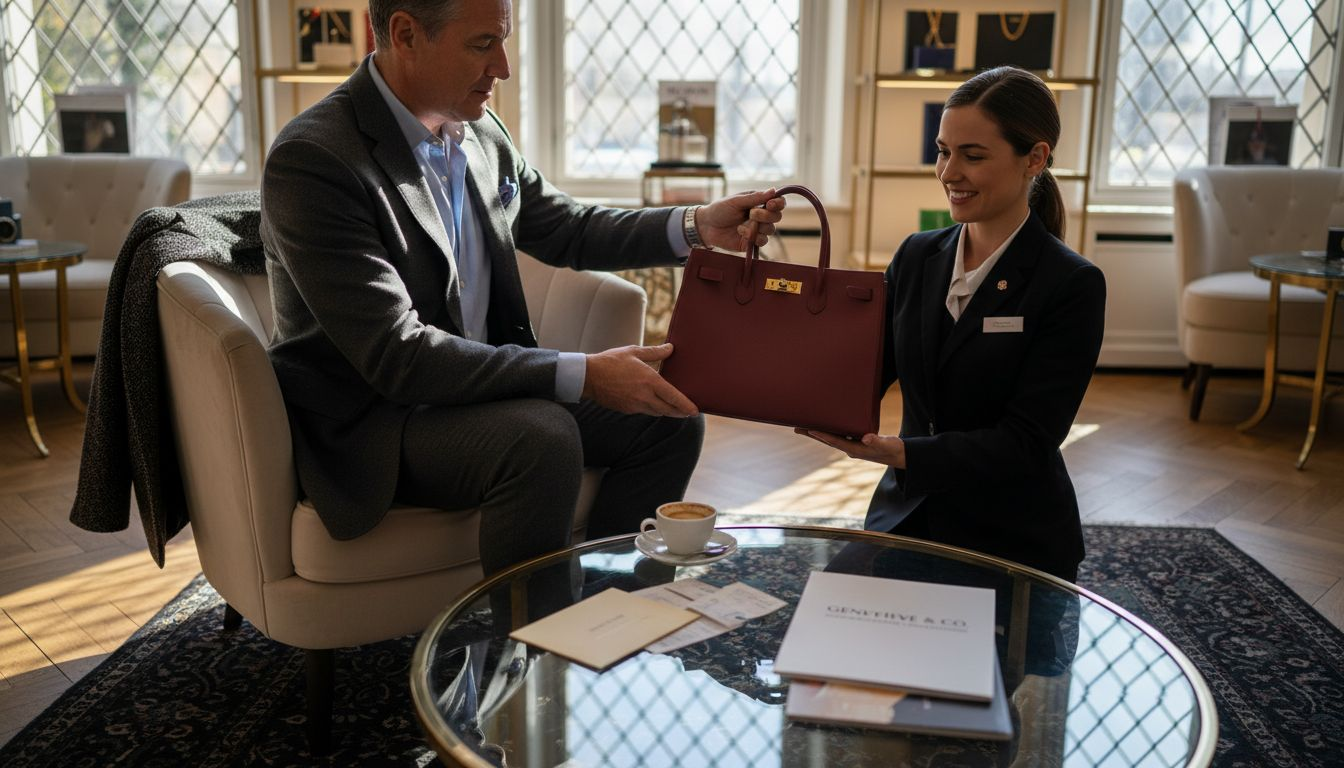
Understanding purchase motivation becomes critical in this context. Empirical research on luxury consumer behavior demonstrates that younger consumers especially are motivated by holistic experiences that provide symbolic and emotional significance. These experiences must be carefully curated to reflect the consumer’s aspirations, self-perception, and desire for unique, personalized interactions that elevate their sense of individual identity.
Pro tip: Design customer experiences that focus on creating emotional resonance by mapping each touchpoint to understand the psychological journey of your luxury consumers.
Personalization Strategies for Retention
Advanced personalization measurement frameworks reveal that luxury brands must move beyond generic customer segmentation toward deeply individualized engagement strategies. Modern high-net-worth consumers expect experiences that feel uniquely crafted for their specific preferences, motivations, and lifestyle aspirations.
Successful personalization requires a sophisticated, multi-dimensional approach. Data-driven personalization involves synthesizing multiple consumer touchpoints – including purchase history, digital interactions, lifestyle preferences, and behavioral patterns – to create nuanced customer profiles. This allows luxury brands to design targeted experiences that feel simultaneously exclusive and intimately relevant. Strategic personalization goes beyond surface-level customization, instead creating narratives and interactions that demonstrate profound understanding of each individual’s identity and emotional landscape.
Technology plays a crucial role in enabling advanced personalization. Machine learning algorithms, predictive analytics, and integrated customer relationship management systems allow brands to anticipate customer needs before they are explicitly expressed. By combining psychological insights with technological capabilities, luxury brands can craft experiences that feel simultaneously high-tech and deeply human, creating emotional connections that transcend traditional marketing approaches.
To clarify how personalization strategies benefit luxury brands, see this summary below:
| Personalization Approach | Description | Expected Result |
|---|---|---|
| Data-driven profiling | Uses purchase and behavior data | Offers relevant, exclusive services |
| Predictive analytics | Anticipates customer needs | Improves satisfaction and retention |
| Emotional narrative crafting | Builds personal brand stories | Enhances sense of individuality |
Pro tip: Develop a dynamic personalization framework that continuously learns and adapts to individual customer preferences, treating each interaction as an opportunity to deepen emotional engagement.
Risks and Challenges for Luxury Brands
Cross-national academic research on luxury brand strategies reveals a complex landscape of emerging challenges that threaten traditional luxury brand positioning. Digitalization, rapidly shifting consumer demographics, and evolving market dynamics have created unprecedented complexity for luxury brands seeking to maintain their competitive edge and customer loyalty.
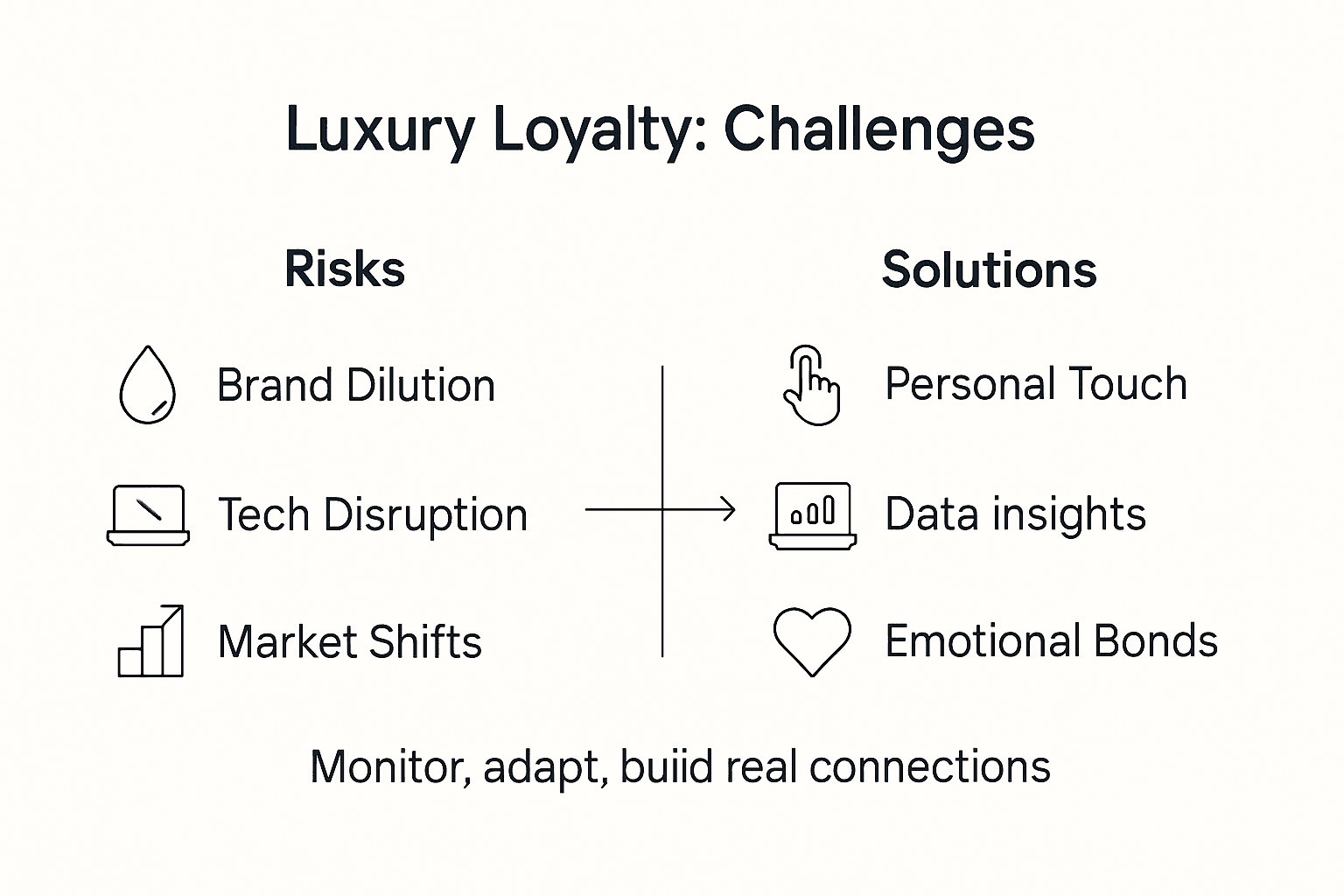
Brand dilution represents one of the most significant risks facing luxury markets today. As luxury becomes increasingly accessible, brands must navigate the delicate balance between expanding market reach and maintaining perceived exclusivity. Counterfeiting, pricing pressures, and the democratization of luxury consumption create substantial challenges for maintaining brand integrity. Strategic luxury brands must develop nuanced approaches that preserve their premium positioning while adapting to changing consumer expectations and technological disruptions.
Technology and digital transformation introduce both opportunities and substantial risks for luxury brands. The rise of digital platforms has fundamentally transformed consumer engagement, requiring brands to reimagine traditional relationship management strategies. Advanced data analytics, artificial intelligence, and personalization technologies offer powerful tools for understanding and engaging consumers, but they simultaneously increase the complexity of maintaining authentic, emotionally resonant brand experiences. Luxury brands must develop sophisticated technological capabilities while preserving the human touch that defines their premium positioning.
Pro tip: Develop a comprehensive risk management framework that continuously monitors market shifts, technological trends, and consumer sentiment to proactively adapt your luxury brand strategy.
Build Deep Emotional Connections That Drive Luxury Customer Loyalty
The article highlights a key challenge for luxury brands today: moving beyond transactional loyalty to create emotional and experiential connections that truly resonate with high-net-worth consumers. Achieving this requires a precise understanding of consumer psychology and personalized marketing that transforms each brand interaction into a meaningful, identity-affirming experience. If you want to master emotional engagement and build long-term loyalty through sophisticated personalization and innovative strategies, expert guidance is essential.
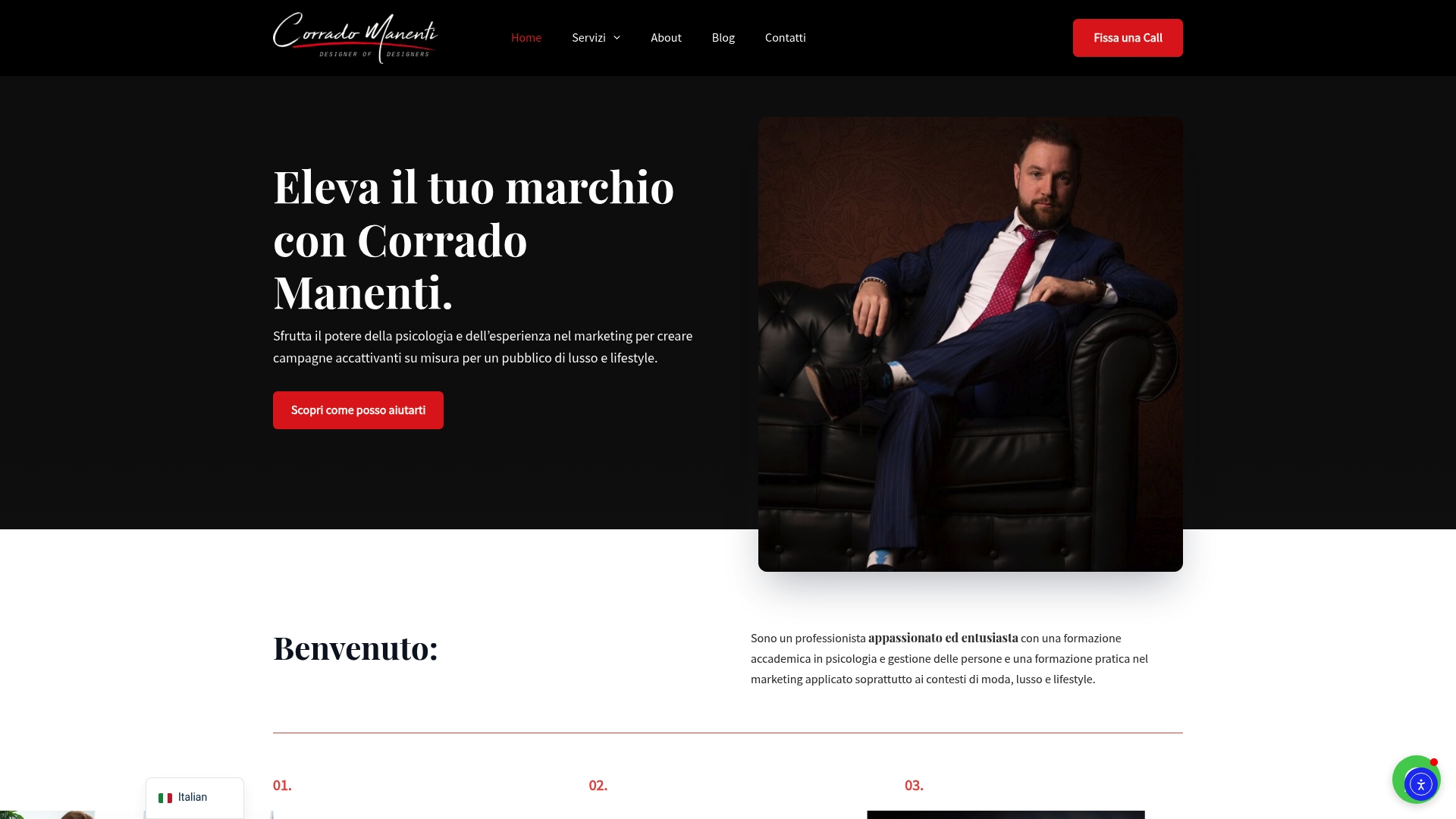
Explore how Corrado Manenti combines psychology-driven marketing with luxury sector expertise to craft detailed, tailor-made campaigns. Visit Marketing Fashion – Corrado Manenti to discover services designed for premium brands seeking to elevate their emotional connection with customers. Don’t wait to transform your loyalty approach. Access proven insights and innovative digital strategies now at Corrado Manenti and begin crafting unforgettable luxury experiences today.
Frequently Asked Questions
What is luxury customer loyalty?
Luxury customer loyalty goes beyond traditional transactional relationships, focusing instead on the emotional and psychological connections between luxury brands and their high-net-worth consumers.
How can luxury brands build emotional connections with customers?
Luxury brands can build emotional connections by creating personalized experiences, engaging storytelling, and by ensuring consumers feel understood and valued during every interaction.
What are the main types of loyalty in luxury markets?
The main types of loyalty in luxury markets include transactional loyalty, emotional loyalty, and experiential loyalty, each representing different levels of consumer engagement and connection with the brand.
Why is personalization important for luxury brands?
Personalization is crucial for luxury brands as it caters to high-net-worth consumers’ expectations for unique experiences that reflect their preferences and identities, ultimately driving customer retention and loyalty.
Recommended
- 7 Innovative Luxury Loyalty Program Ideas for Brands – Corrado Manenti
- 7 Inspiring Examples of Emotional Branding for Luxury Brands – Corrado Manenti
- 10 Luxury Customer Retention Tips for Success – Corrado Manenti
- How to Build Brand Loyalty in Luxury for Lasting Success – Corrado Manenti
- Top Italian Leather Gifts – Expert Comparison 2025 – San Rocco Italia