Nearly every major American and European luxury brand has seen its reputation shaped by high-profile media features. For marketing executives, understanding how media coverage drives consumer engagement is now a global priority as digital platforms upend traditional narratives. This article reveals how well-curated media strategies help luxury brands cultivate aspirational allure and resilient brand perception in a fast-evolving marketplace.
Table of Contents
- Defining Media Coverage In The Luxury Sector
- Types Of Media Outlets Influencing Luxury
- How Media Shapes Luxury Brand Perception
- Consumer Psychology And Desire Creation
- Risks Of Negative Coverage And Crisis Management
Key Takeaways
| Point | Details |
|---|---|
| Strategic Value of Media Coverage | Media coverage elevates luxury brands by providing third-party validation and nuanced storytelling, positioning them as cultural trendsetters rather than mere advertisers. |
| Diverse Media Landscape | A multi-channel approach incorporating both traditional and digital outlets is essential for effective luxury brand storytelling to diverse audience segments. |
| Psychological Engagement | Crafting narratives that resonate with consumer aspirations enhances brand attachment, transforming products into symbols of identity. |
| Crisis Management Vigilance | Proactive monitoring and transparent communication strategies are vital for mitigating risks of negative coverage and preserving brand integrity. |
Defining Media Coverage in the Luxury Sector
Media coverage represents a strategic communication mechanism through which luxury brands cultivate public perception, reputation, and narrative positioning. Unlike traditional marketing channels, media coverage transcends direct advertising by offering third-party validation and nuanced storytelling about a brand’s identity, heritage, and contemporary relevance.
In the luxury sector, media coverage operates through multiple sophisticated channels, including high-end print publications, digital platforms, influential fashion journals, and targeted digital media outlets. The evolving relationship between social media and luxury brands has fundamentally transformed how these narratives are constructed and consumed, enabling more dynamic and interactive brand storytelling mechanisms.
The strategic value of media coverage for luxury brands extends beyond simple visibility. It involves carefully curated narrative design that communicates brand philosophy, craftsmanship, innovation, and cultural significance. Sophisticated media coverage helps luxury brands transcend mere product presentation, positioning them as cultural architects and trendsetters within their respective domains. Luxury brands are adapting marketing strategies to leverage new media technologies that enable more personalized, immersive storytelling experiences.
Pro Tip: Strategic Media Approach: Develop a comprehensive media relations strategy that focuses on quality over quantity, targeting publications and platforms that align precisely with your brand’s aesthetic and target audience demographic.
Types of Media Outlets Influencing Luxury
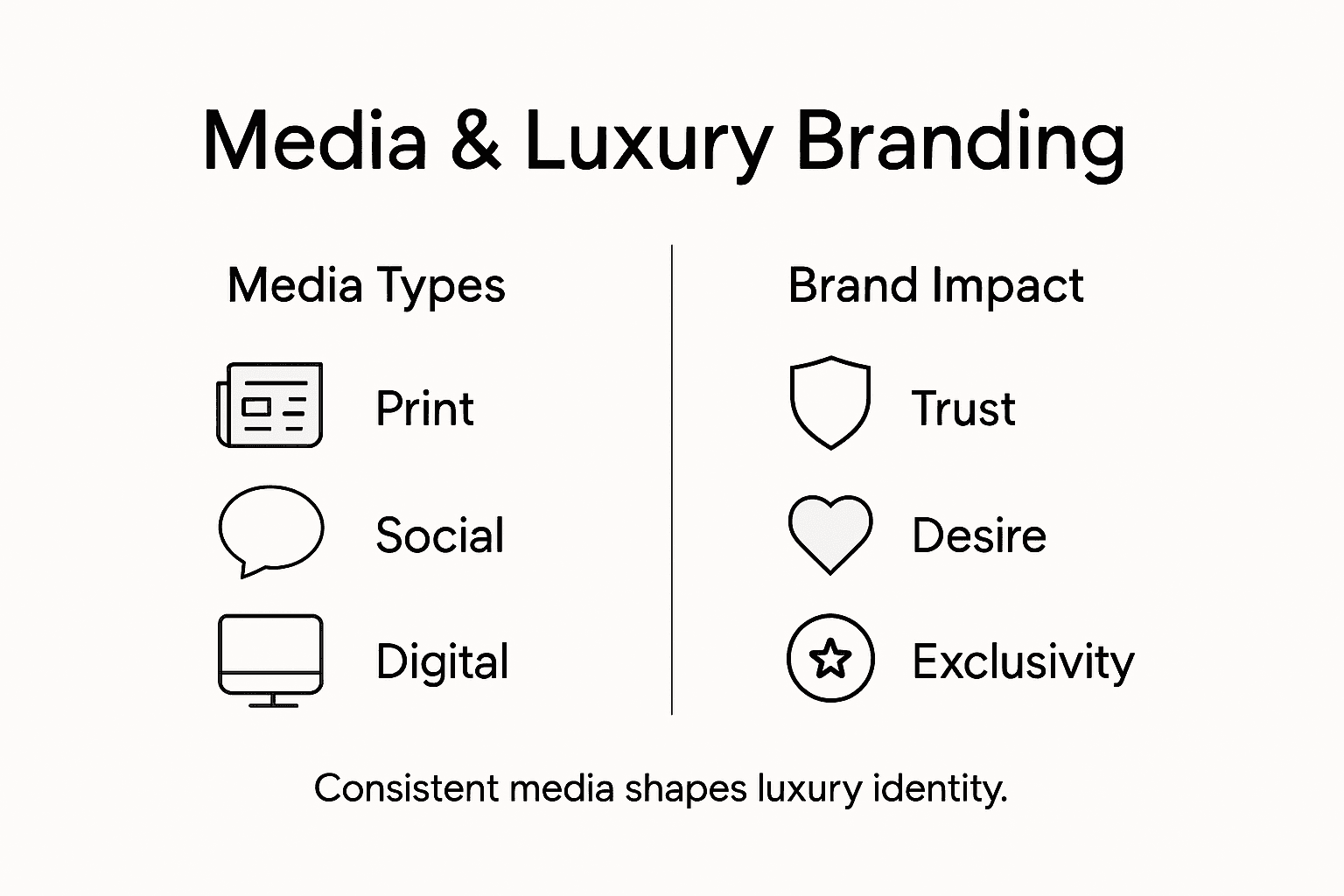
Luxury media outlets constitute a sophisticated ecosystem of communication channels that strategically shape brand perception and consumer engagement. These platforms range from traditional print publications to digital platforms, each playing a unique role in crafting and disseminating luxury brand narratives across global markets.
The WSJ Magazine represents a quintessential example of high-end lifestyle publication that goes beyond conventional marketing, offering in-depth narratives about luxury brands, design innovations, and cultural trends. Such specialized publications serve as critical intermediaries between luxury brands and discerning consumers, providing nuanced storytelling that elevates brand positioning beyond standard advertising approaches.
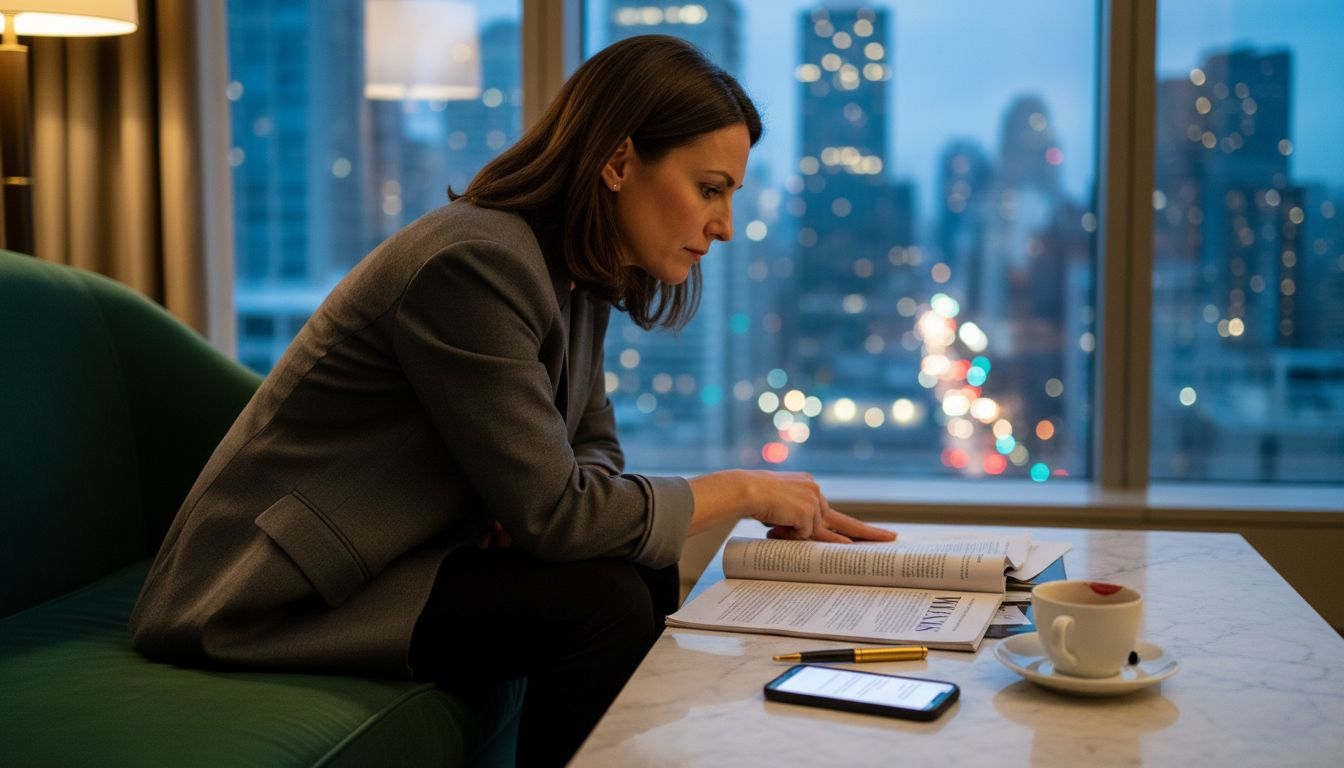
Regional luxury media outlets further diversify the landscape, with publications like Prestige Hong Kong demonstrating the importance of targeted, culturally specific luxury communication. These platforms not only showcase products but also contextualize luxury within specific cultural frameworks, enabling brands to communicate their unique value propositions to highly segmented audiences. Digital platforms, social media channels, fashion blogs, and exclusive online magazines have emerged as equally powerful media outlets, offering real-time, interactive engagement with luxury brand narratives.
The contemporary luxury media landscape includes multiple influential outlet types:
- Print magazines (Vogue, Elle, WSJ Magazine)
- Digital fashion platforms
- Lifestyle blogs and influencer channels
- Exclusive online publications
- Curated social media content
Pro Tip: Media Outlet Strategy: Develop a multi-channel media approach that balances traditional prestigious publications with dynamic digital platforms, ensuring comprehensive brand storytelling across different audience segments.
Here’s a summary of major luxury media outlet types and their unique benefits:
| Media Outlet Type | Typical Audiences | Unique Advantage |
|---|---|---|
| Print Magazines | Affluent, tradition-oriented | Enhanced credibility and prestige |
| Digital Fashion Platforms | Millennials, Gen Z | Instant reach, interactive format |
| Lifestyle Blogs | Trend-focused readers | Personal touch, real-time trends |
| Social Media Channels | Global, diverse demographics | Viral potential, audience engagement |
How Media Shapes Luxury Brand Perception
Media plays a transformative role in constructing and communicating luxury brand perception, functioning as a sophisticated narrative architect that goes far beyond traditional advertising. By strategically curating visual, emotional, and contextual storytelling, media channels shape how consumers intellectually and emotionally interpret luxury brand identities.
Luxury service brands increasingly utilize strategic mystery appeals on social media platforms to signal exclusive status and intrigue. These carefully constructed media narratives create psychological distance and desirability, positioning brands as aspirational entities that transcend mere product offerings. The deliberate cultivation of mystique through selective information sharing becomes a powerful perception management technique.
Localized celebrity endorsements in social media marketing demonstrate the nuanced approach to brand perception across different cultural contexts. By understanding regional psychological triggers and cultural expectations, luxury brands can tailor media representations that resonate authentically with specific market segments. This approach transforms media from a simple communication channel into a complex psychological interface that negotiates brand meaning and consumer identity.
Key mechanisms of media perception shaping include:
- Narrative storytelling
- Strategic information revelation
- Emotional engagement techniques
- Cultural context adaptation
- Visual symbolism and aesthetic curation
Pro Tip: Perception Engineering: Develop a media strategy that meticulously balances revelation and mystery, creating narrative depth that invites consumer imagination while maintaining an aura of exclusivity.
Consumer Psychology and Desire Creation
Consumer psychology in luxury branding represents a sophisticated interplay between emotional aspiration and strategic communication, where desire is meticulously engineered through carefully crafted psychological triggers and narrative experiences. Luxury brands do not merely sell products; they construct intricate emotional landscapes that transform material objects into symbols of personal identity and social positioning.
Social media platforms have revolutionized how fashion brands influence consumer behavior and desire creation, providing unprecedented opportunities for immersive storytelling and emotional engagement. These digital channels enable brands to construct narratives that transcend traditional marketing, creating interactive experiences that tap directly into consumers’ psychological motivations, aspirations, and deep-seated identity needs.
Different advertising approaches strategically manipulate brand attitudes and consumer perceptions, revealing the complex psychological mechanisms underlying desire generation. By understanding the nuanced emotional triggers that transform consumer interest into passionate brand attachment, luxury marketers can design communication strategies that resonate at a profoundly personal level. The process involves creating a delicate balance between accessibility and exclusivity, making consumers feel simultaneously understood and aspirationally positioned.
Key psychological mechanisms in desire creation include:
- Emotional storytelling
- Social signaling
- Identity projection
- Scarcity perception
- Experiential marketing
- Symbolic value communication
Pro Tip: Psychological Positioning: Design marketing narratives that connect with consumers’ core identity aspirations, transforming products from mere objects into powerful personal symbols and emotional experiences.
Risks of Negative Coverage and Crisis Management
Negative media coverage represents a critical vulnerability for luxury brands, capable of rapidly eroding carefully constructed brand perceptions and consumer trust. The delicate ecosystem of luxury branding demands extraordinary vigilance and proactive management strategies to mitigate potential reputational damage.
Sentiment analysis of consumer-generated content provides critical insights into potential risks for firms and celebrities in advertising campaigns, revealing the intricate ways negative narratives can quickly propagate across digital platforms. Modern luxury brands must develop sophisticated monitoring systems that can detect and respond to emerging negative sentiments with unprecedented speed and precision, transforming potential crises into opportunities for authentic communication.
The complex dynamics of marketing hype present significant risks to brand reputation, requiring strategic approaches to managing public perception. Luxury brands must balance the desire for attention with the need for genuine, credible storytelling. Overexposure or misaligned messaging can rapidly undermine the carefully constructed mystique that defines luxury brand positioning.
Key risks in media coverage include:
- Rapid reputation erosion
- Misaligned brand messaging
- Social media amplification of negative narratives
- Loss of consumer trust
- Damage to brand exclusivity
- Potential long-term perception shifts
Pro Tip: Crisis Prevention: Develop a comprehensive real-time media monitoring strategy with predefined response protocols, enabling swift and authentic communication that maintains brand integrity during potential reputation challenges.
The table below highlights the impact of negative media coverage challenges and recommended management strategies:
| Challenge | Risk to Brand | Best Management Strategy |
|---|---|---|
| Rapid reputation erosion | Loss of consumer loyalty | Timely, transparent communication |
| Social media amplification | Widespread negative buzz | Continuous monitoring, quick response |
| Misaligned brand messaging | Confused brand perception | Consistent storytelling, message control |
| Damage to brand exclusivity | Reduced desirability | Restore mystique, refine positioning |
Harness the Power of Media in Luxury Branding Success
Media coverage is a key challenge for luxury brands aiming to build a compelling and emotionally engaging presence that goes beyond simple advertising. The article highlights how strategic storytelling, emotional engagement, and cultural adaptation shape consumer perception and desire. If you struggle with balancing exclusivity and accessibility or managing your brand’s narrative across diverse media channels, you are not alone. Understanding consumer psychology and crafting narratives that evoke identity and aspiration are essential to elevate your luxury brand.
Discover expert guidance tailored for this demanding landscape with Marketing Fashion – Corrado Manenti.
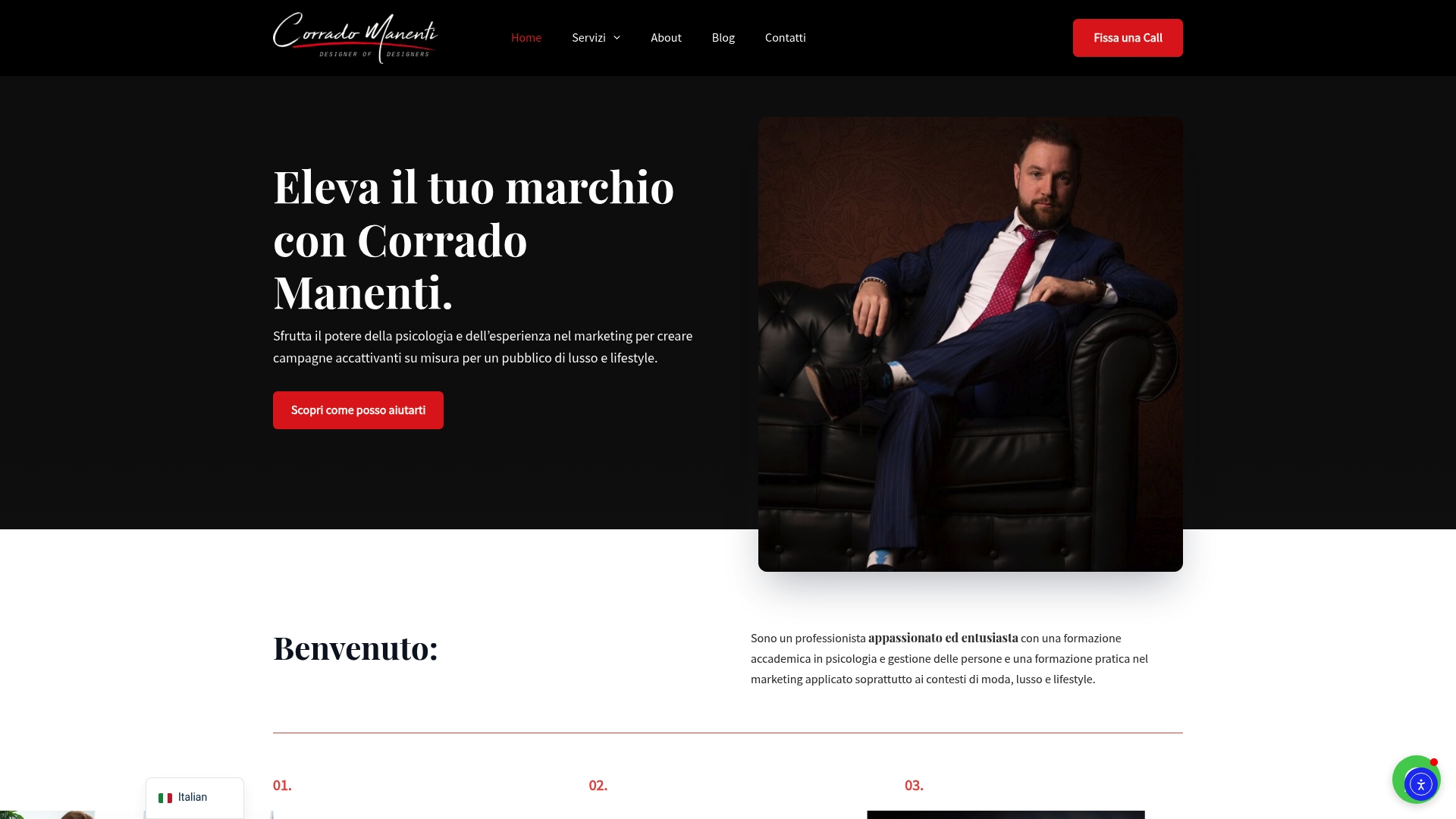
Take advantage of psychology-driven marketing strategies that go deeper than conventional media managing. Harness Corrado Manenti’s unique approach combining behavioral insights with innovative digital techniques to ensure your luxury brand stands out with curated media presence and crisis resilience. Explore practical solutions now at Corrado Manenti and start transforming your media exposure into lasting consumer desire and trust. Visit Marketing Fashion – Corrado Manenti to learn more and craft your brand’s future today.
Frequently Asked Questions
What is the importance of media coverage for luxury brands?
Media coverage is crucial for luxury brands as it offers third-party validation and sophisticated storytelling that help cultivate public perception, reputation, and narrative positioning beyond direct advertising.
How do different types of media outlets influence luxury branding?
Different media outlets, such as print magazines, digital platforms, and social media channels, shape luxury brand narratives by providing unique storytelling tailored to specific audience segments and cultural contexts.
What strategies can luxury brands employ to manage negative media coverage?
Luxury brands can manage negative coverage by developing real-time media monitoring strategies, maintaining transparent communication, and having predefined response protocols to protect their reputation and brand integrity.
How does media shape consumer perception of luxury brands?
Media shapes consumer perception through strategic narrative storytelling, emotional engagement techniques, and cultural adaptations, creating a sophisticated interface for negotiating brand meaning and consumer identity.