
Luxury fashion sales teams face a persistent challenge: converting affluent prospects who prioritize emotional connection over product features. Traditional sales approaches fall short when buyers seek identity validation and exclusivity. This guide delivers seven psychology-driven steps that transform how marketing managers and sales professionals engage high-end customers, leveraging emotional triggers, personalization, and storytelling to boost conversions and build lasting client relationships in competitive luxury markets.
Table of Contents
- Prerequisites: What You Need Before Starting
- Step 1: Understand Emotional Triggers Of Luxury Buyers
- Step 2: Leverage Scarcity And Exclusivity
- Step 3: Personalize Sales Approaches For Unique Client Profiles
- Step 4: Use Storytelling To Create Aspirational Brand Narratives
- Step 5: Build Trust And Authority Through Social Proof
- Step 6: Master Nonverbal Communication In Luxury Sales
- Step 7: Nurture Long-Term Relationships With High-Value Clients
- Troubleshooting Common Mistakes In Psychology-Driven Sales
- Expected Outcomes And Metrics For Psychology-Driven Sales
- Unlock Luxury Brand Growth With Psychology-Driven Sales
Key takeaways
| Point | Details |
|---|---|
| Psychology-driven sales leverage emotional and identity triggers unique to luxury buyers | Understanding esteem needs and aspirational motivations enables more effective targeting and messaging |
| Deep personalization based on client psychological profiling boosts conversions significantly | CRM-powered psychographic segmentation creates memorable experiences that drive purchasing decisions |
| Storytelling and social proof create lasting emotional connections with brand narratives | Authentic narratives and credible endorsements reinforce prestige and reduce buyer hesitation |
| Avoid common mistakes like overusing scarcity tactics and misprofiling client motivations | Balance authenticity carefully and invest in data quality to maintain trust and effectiveness |
| Track engagement lifts, conversion rates, and loyalty metrics to measure success | Monitor results over 3-6 months to verify impact and refine psychology-driven strategies |
Prerequisites: What you need before starting
Before implementing psychology-driven sales techniques, your team needs foundational knowledge and organizational readiness. Understanding consumer psychology and luxury market dynamics forms the bedrock of effective strategy. Without grasping how affluent buyers make decisions based on identity and esteem needs rather than utility, your sales efforts will miss the mark.
Access to detailed client data and robust CRM systems enables the psychological profiling and segmentation that powers personalization. You need tools that capture purchase history, preferences, engagement patterns, and psychographic indicators. Analyzing high-end consumer behavior requires systematic data collection and interpretation capabilities.
Training investments are critical for success:
- Sales communication skills focused on emotional intelligence and active listening
- Psychology-informed techniques for identifying buyer motivations and triggers
- Nonverbal communication mastery including body language and tone management
- Data analysis capabilities to interpret psychographic insights
Analytical tools must measure engagement metrics, conversion rates, and client lifetime value. You need systems that track how psychological interventions affect sales outcomes. Finally, establish a brand culture that genuinely values exclusivity, personalization, and ethical application of psychological insights.
Pro Tip: Start with a pilot program using your highest-value client segment to test psychology-driven approaches before scaling across your entire sales operation.
Step 1: Understand emotional triggers of luxury buyers
Luxury purchases satisfy buyers’ identity and esteem needs far more than functional requirements. Your clients aren’t buying a handbag or watch because they need one. They’re investing in how that item makes them feel about themselves and how others perceive them. This fundamental psychological truth reshapes every sales conversation.
Emotions outweigh product features in driving luxury sales decisions. A study of affluent buyers revealed that emotional triggers in luxury sales create stronger purchase intent than technical specifications or craftsmanship details. Your messaging must speak to aspirations, status, and self-expression.
Profile your buyer motivations across these categories:
- Status seekers who value visible brand recognition and social signaling
- Connoisseurs motivated by heritage, craftsmanship, and insider knowledge
- Aspirational buyers connecting purchases to identity transformation
- Experience collectors prioritizing exclusivity and memorable moments
Recognizing these emotional triggers allows for more relevant and persuasive sales communications. When you understand a client seeks status validation, emphasize limited availability and celebrity associations. For connoisseurs, dive deep into artisanal techniques and brand heritage. Tailor every interaction to the specific psychological drivers at play.
Start conversations by asking questions that reveal motivations rather than presenting product features. Listen for clues about what success, luxury, and exclusivity mean to each individual client. This diagnostic approach creates the foundation for all subsequent psychology-driven steps.
Step 2: Leverage scarcity and exclusivity
Limited editions and exclusivity elevate perceived product value by triggering fear of missing out and desire for distinction. When you position items as rare or available only to select clients, you tap into powerful psychological mechanisms that accelerate buying decisions. Scarcity makes luxury goods feel more precious and desirable.
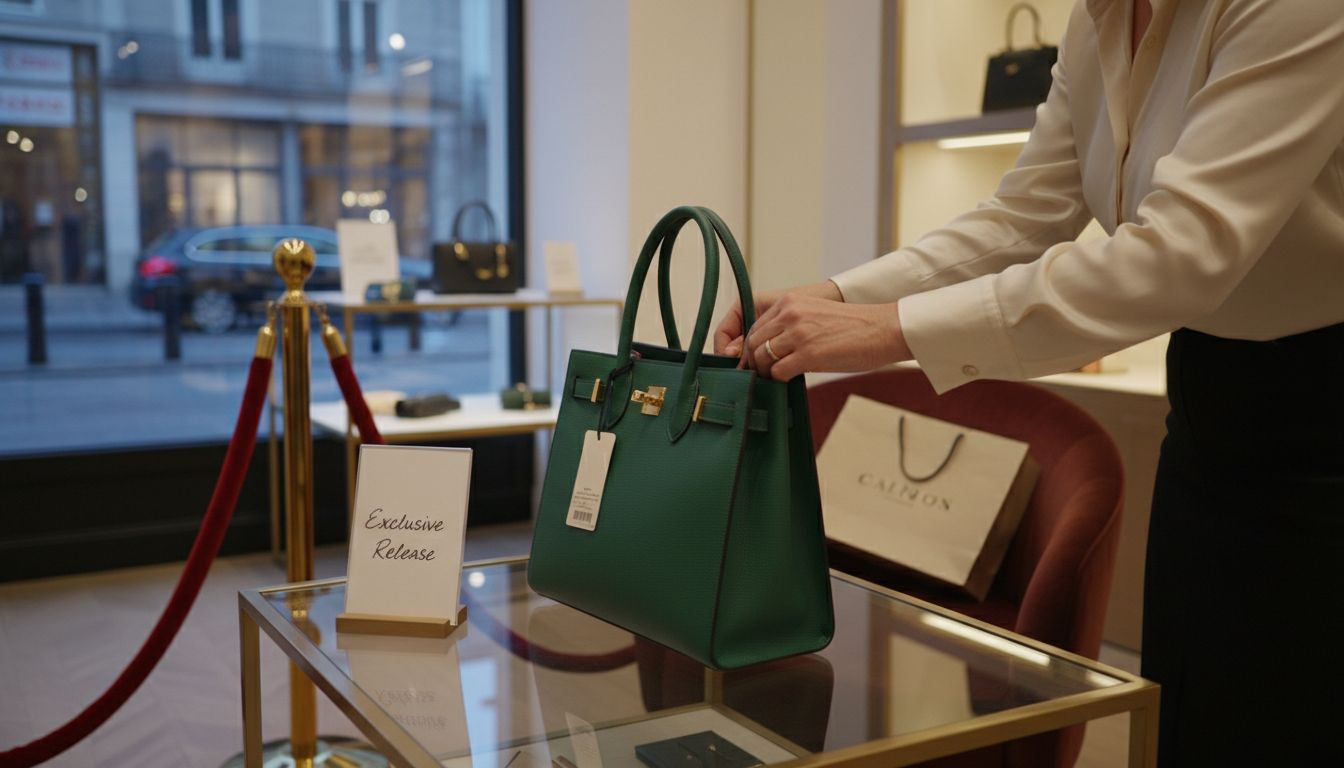
Creating urgency can boost desire and speed purchasing decisions when applied strategically. Announce limited production runs with specific numbers, offer early access to VIP clients before public releases, or create invitation-only shopping events. These tactics make clients feel privileged while heightening product appeal.
However, overusing scarcity risks eroding trust and brand prestige. If every product launch claims limited availability yet items remain in stock indefinitely, savvy luxury buyers recognize manipulation. Your brand loses credibility. Use scarcity truthfully and sparingly:
- Reserve scarcity tactics for genuinely limited items or collaborations
- Provide transparent information about production quantities and timelines
- Balance urgency with the timeless quality that defines luxury positioning
- Never create artificial shortages that contradict your brand’s authentic story
Balance transparency and authenticity to maintain consumer confidence. When clients trust your scarcity claims, the psychological impact multiplies. They appreciate insider access and feel genuinely fortunate to secure exclusive items.
Pro Tip: Create tiered access systems where your most loyal clients receive first opportunities for limited releases, reinforcing their special status while building authentic scarcity.
Step 3: Personalize sales approaches for unique client profiles
Use CRM and AI-powered tools to gather and analyze psychographic data that reveals individual client preferences, values, and buying motivations. Modern systems track browsing behavior, purchase patterns, engagement with content, and interaction history to build comprehensive psychological profiles. This data transforms generic outreach into deeply relevant conversations.
Segment clients based on psychological preferences for targeted outreach that resonates with specific motivations. Group clients by their primary emotional triggers, aesthetic preferences, lifestyle aspirations, and communication styles. Fashion industry consumer behavior analysis reveals distinct psychographic segments requiring different sales approaches.
Personalized offers and communication create memorable experiences that distinguish your brand from competitors. Reference past purchases to suggest complementary items, acknowledge client milestones with curated selections, and craft messages that speak to individual values. When clients feel understood at a psychological level, conversion barriers dissolve.
Deep personalization correlates strongly with conversion rate improvements. Luxury brands that implement psychology-driven personalization see up to 20% higher conversion rates and improved client satisfaction. The investment in psychographic profiling and tailored communication delivers measurable returns.
| Approach | Engagement Rate | Conversion Rate | Client Satisfaction |
|---|---|---|---|
| Traditional sales | 15-20% | 8-12% | 65-70% |
| Psychology-driven personalization | 35-45% | 18-25% | 85-92% |
Implement these personalization tactics:
- Send birthday or anniversary messages with exclusive offers matching client preferences
- Create personalized lookbooks featuring items aligned with past purchases and browsing
- Assign dedicated sales associates who analyze high-end consumer behavior for their client portfolio
- Use AI to predict next purchases and proactively suggest relevant items
Pro Tip: Combine purchase data with lifestyle information from social media and conversations to identify life events (promotions, moves, celebrations) that create natural moments for personalized outreach.
Step 4: Use storytelling to create aspirational brand narratives
Craft narratives that embody exclusivity, heritage, and sophistication to emotionally connect customers with your brand’s deeper meaning. Stories transform products from objects into symbols of lifestyle, values, and identity. When you tell the story of a craftsman’s decades perfecting a technique or the inspiration behind a collection, you create emotional resonance that specifications never achieve.
Turn products into symbols of lifestyle aspirations by positioning them within compelling narratives. A watch isn’t just a timepiece but a companion for achievement and adventure. A handbag represents confidence and sophistication in critical moments. Luxury brand storytelling connects functional items to aspirational identities.
Engage customers emotionally to build stronger brand loyalty that survives competitive pressures and market changes. Brands using storytelling report up to 25% increase in consumer engagement metrics and stronger brand loyalty. Stories create memories and meaning that rational product comparisons cannot displace.
Leverage storytelling consistently across touchpoints including in-store experiences, digital content, packaging, and sales conversations. Your brand narrative should feel cohesive whether clients encounter it on Instagram, in a boutique, or through personalized outreach.
Effective storytelling techniques:
- Share founder stories that highlight vision, values, and creative inspiration
- Document craftsmanship processes showing skill, time, and attention to detail
- Create customer narratives featuring real clients and their relationship with products
- Connect collections to cultural moments, artistic movements, or heritage traditions
Avoid these storytelling pitfalls:
- Generic luxury clichés that could apply to any brand
- Stories disconnected from authentic brand history and values
- Overly complex narratives that confuse rather than inspire
- Inconsistent storytelling across channels that undermines credibility
Effective storytelling in luxury requires authenticity, emotional resonance, and consistent execution. When stories feel genuine and aligned with client aspirations, they become powerful sales tools that distinguish your brand in crowded markets.
Step 5: Build trust and authority through social proof
Select endorsements from credible and aspirational figures who align with your brand values and target client psychographics. Celebrity and influencer partnerships work when the individual genuinely embodies your brand’s identity. Forced associations damage credibility. Choose ambassadors your clients admire and aspire to emulate.
Share authentic client testimonials highlighting product quality and service excellence to reduce purchase hesitation. Prospective buyers want reassurance from peers who’ve made similar investments. Feature testimonials that address common concerns about value, quality, and experience. Video testimonials carry particular weight in luxury markets.
Incorporate user-generated content carefully to maintain exclusivity while leveraging social proof. Repost client photos and stories that showcase products in aspirational contexts. Curate this content to ensure it reinforces rather than dilutes your luxury positioning. Not every customer photo merits sharing.
Social proof complements emotional triggers and storytelling by providing external validation for purchase decisions. When buyers see respected figures and satisfied clients endorsing your brand, psychological barriers lower. Trust builds faster.
Best practices for credible social proof:
- Feature testimonials from clients similar to your target prospects
- Use specific details rather than generic praise in testimonials
- Showcase endorsements across multiple formats (quotes, videos, case studies)
- Highlight media features and industry recognition to establish authority
- Create exclusive client communities where members share experiences
- Partner with cultural institutions or events that reinforce brand prestige
Avoid social proof mistakes that undermine luxury positioning. Excessive testimonials feel desperate rather than exclusive. Paid endorsements that lack authenticity trigger skepticism. Balance social proof with the selectivity that defines luxury brands.
Step 6: Master nonverbal communication in luxury sales
Nonverbal communication significantly affects buyer perceptions of trust, competence, and exclusivity during high-touch sales interactions. Your body language, tone, eye contact, and physical presence send powerful signals about brand prestige and sales professionalism. Inconsistent or poor nonverbal cues can sabotage even perfectly scripted conversations.
Training in nonverbal communication improves closing rates and client experience by ensuring every interaction reinforces luxury brand values. Sales teams need skills in reading client body language to identify comfort levels, interest signals, and hesitation. They must also control their own nonverbal signals to project confidence and attentiveness.
Consistent nonverbal messaging supports luxury brand image across all client touchpoints. When store environments, staff presentation, and interaction styles align with brand positioning, clients experience coherent luxury that justifies premium pricing.
Key nonverbal behaviors to master:
- Maintain appropriate eye contact that signals confidence without intimidation
- Use open body postures that convey approachability and attentiveness
- Control speaking pace and tone to project calm authority
- Mirror client energy levels subtly to build rapport
- Respect personal space preferences that vary across cultures
- Dress and groom to standards that match or exceed client expectations
Training recommendations for psychology-informed communication:
- Conduct role-playing exercises with video feedback on body language
- Study cultural differences in nonverbal communication for international clients
- Practice active listening techniques that use nonverbal acknowledgment
- Learn to identify buying signals and hesitation cues from client behavior
- Develop awareness of personal nonverbal habits that may undermine credibility
Invest in ongoing coaching rather than one-time training. Nonverbal communication skills require practice and refinement. Regular feedback sessions help teams maintain consistent excellence in client interactions.
Step 7: Nurture long-term relationships with high-value clients
Implement personalized follow-ups using CRM insights to stay connected with clients between purchases. Luxury sales succeed through relationships, not transactions. Regular contact that adds value without pressuring purchases builds loyalty. Share relevant content, invite clients to exclusive events, and acknowledge important dates.
Use data analytics to anticipate and meet evolving client needs before they articulate them. Purchase patterns and browsing behavior reveal emerging interests. Proactively suggest items that complement recent acquisitions or align with lifestyle changes. This anticipatory service demonstrates attentiveness that clients value.
Develop loyalty programs tailored to high-value clients that reward engagement and purchases with exclusive access and experiences. Traditional point systems feel transactional for luxury buyers. Create tiers offering early product access, private shopping appointments, personalized styling sessions, and invitations to brand events.
Focused nurturing significantly increases repeat sales and customer lifetime value. Luxury brands that systematically nurture clients increase repeat purchase rates by 25-30% compared to transactional approaches. The investment in relationship building delivers compounding returns.
Key retention tactics:
- Assign dedicated relationship managers to top-tier clients
- Create annual review meetings to discuss client preferences and upcoming needs
- Send personalized communications at least monthly with relevant content
- Offer complimentary services like alterations, cleaning, or maintenance
- Invite clients to provide input on product development or collection curation
Loyalty program features that resonate:
- Tiered membership based on purchase history and engagement
- Exclusive access to limited editions before public release
- Invitations to intimate brand experiences and cultural events
- Personalized shopping services including home visits
- Special pricing or bundling for loyal clients
Track relationship health metrics including engagement frequency, response rates, and purchase intervals. Identify at-risk relationships early and intervene with personalized outreach. Preventing client attrition costs far less than acquiring new luxury buyers.
Troubleshooting common mistakes in psychology-driven sales
Overuse of scarcity tactics may erode consumer trust when clients perceive manipulation rather than genuine exclusivity. Balance scarcity carefully with transparent communication about production realities. Reserve limited edition claims for truly restricted items. Maintain credibility by never creating artificial shortages that contradict your luxury positioning.
Inaccurate client profiling leads to irrelevant personalization that feels generic or misaligned with buyer motivations. Improve data quality through systematic collection across touchpoints. Train teams to gather psychographic insights during conversations. Regularly validate profile accuracy against actual purchase behavior and update segments as client preferences evolve.
Neglecting nonverbal communication training reduces closing success even when verbal messaging excels. Invest in ongoing skill development through role-playing, video feedback, and coaching. Cultural competency matters particularly for international luxury clients who interpret body language differently. Poor nonverbal skills can undermine trust and prestige.
Ignoring long-term client nurturing risks losing loyalty to competitors who invest in relationships. Establish systematic follow-up programs rather than relying on individual initiative. Use CRM automation to ensure no client falls through cracks between purchases. Budget for relationship-building activities including events and personalized services.
Common fixes:
- Audit scarcity claims quarterly to ensure authenticity and strategic use
- Implement data quality checks and regular profile updates in CRM systems
- Schedule monthly nonverbal communication training sessions for sales teams
- Create automated nurturing workflows triggered by purchase milestones and inactivity
- Review client feedback regularly to identify personalization misalignments
Critical note: Psychology-driven sales must prioritize ethics and authenticity. Manipulation damages brand integrity and client trust. Apply psychological insights to serve client needs genuinely, not to exploit vulnerabilities. Sustainable luxury success requires respecting client intelligence and building mutually beneficial relationships.
Expected outcomes and metrics for psychology-driven sales
Customer engagement should increase by 20-30% within three to six months of implementing psychology-driven approaches. Measure engagement through email open rates, event attendance, appointment bookings, and content interaction. Higher engagement indicates your personalization and storytelling resonate with client motivations.
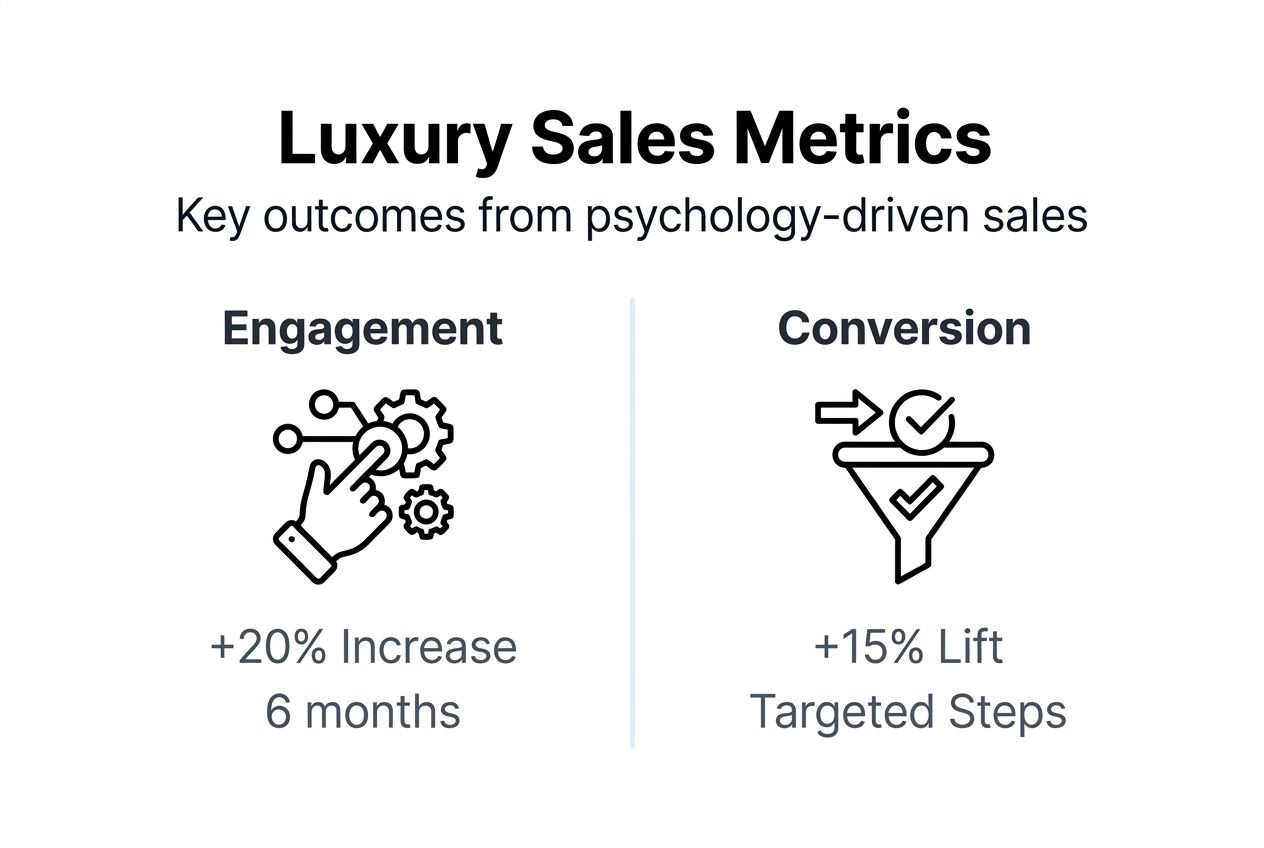
Conversion rates typically lift by 10-20% as psychological profiling and tailored communication reduce purchase barriers. Track conversion improvements across client segments to identify which psychographic profiles respond most strongly to specific techniques. Optimize approaches based on these insights.
Repeat purchase rates can grow by approximately 25% when nurturing programs and personalized follow-ups maintain client relationships. Monitor purchase frequency and intervals between transactions. Declining intervals indicate successful relationship building. Calculate customer lifetime value to quantify long-term impact.
Client satisfaction and brand loyalty scores should show measurable improvements as psychology-driven approaches create more relevant and memorable experiences. Use Net Promoter Score, satisfaction surveys, and loyalty metrics to track perception changes. Qualitative feedback reveals which specific elements clients value most.
| Metric | Baseline | 3-Month Target | 6-Month Target | Timeframe for Achievement |
|---|---|---|---|---|
| Customer engagement rate | 15-20% | 25-30% | 30-40% | 3-6 months |
| Conversion rate | 8-12% | 12-18% | 18-25% | 3-6 months |
| Repeat purchase rate | 20-25% | 30-35% | 40-50% | 6-12 months |
| Client satisfaction score | 70-75% | 80-85% | 85-92% | 3-6 months |
Expected results vary based on implementation quality and market conditions. Luxury brands with established client bases may see faster improvements than newer entrants. Consistent execution matters more than perfect initial implementation. Monitor metrics monthly and refine approaches based on performance data.
Set realistic expectations with leadership about investment requirements and timeline. Psychology-driven sales require upfront costs for training, tools, and data infrastructure. Returns compound over time as relationships deepen and word-of-mouth referrals increase. Track both short-term conversion lifts and long-term client lifetime value growth.
Unlock luxury brand growth with psychology-driven sales
Ready to transform how your luxury brand connects with affluent buyers? Corrado Manenti offers specialized consulting that helps fashion and lifestyle brands implement psychology-driven sales strategies proven to boost engagement and conversions. His approach combines deep consumer psychology expertise with luxury market insights.
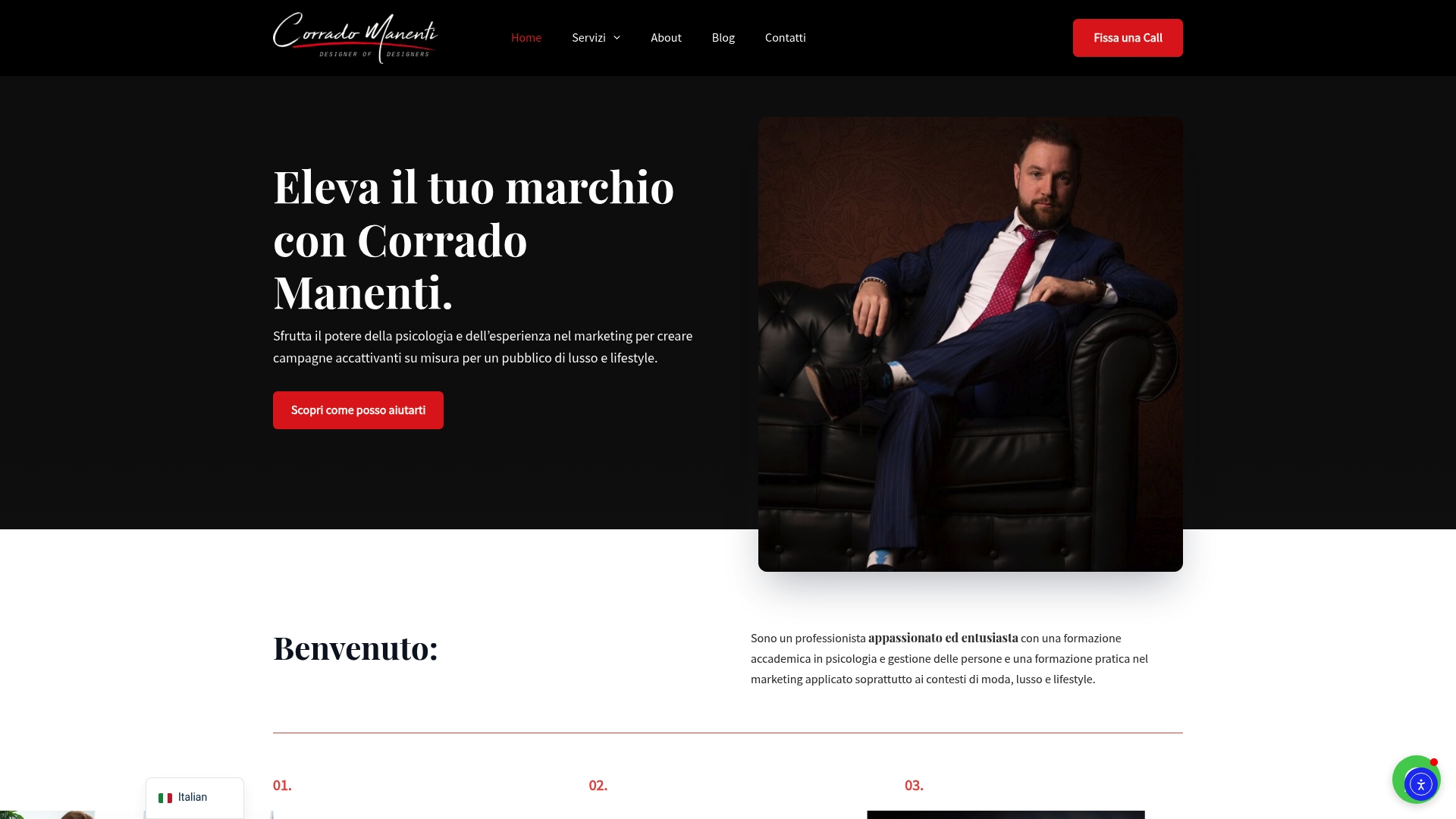
Discover fashion brand growth tactics tailored for competitive luxury markets. Learn to analyze buyer behavior with precision that powers personalization. Explore how psychology enhances luxury branding to create lasting client relationships. Corrado’s consulting services provide customized strategies, team training, and implementation support that turn psychological insights into measurable sales results for discerning luxury brands.
FAQ
What are psychology-driven sales steps in luxury fashion?
Psychology-driven sales steps combine emotional profiling, storytelling, scarcity tactics, deep personalization, and trust-building techniques to increase engagement and conversions. These approaches appeal specifically to luxury consumers’ identity needs and aspirational motivations rather than focusing on product features alone.
How can I measure the success of psychology-driven sales techniques?
Track engagement increases through email opens and event attendance, monitor conversion rate lifts from baseline, measure repeat purchase growth, and assess brand loyalty scores using Net Promoter Score surveys. Review results over 3-6 months to assess impact and adjust strategies based on performance data across different client segments.
What common mistakes should marketing teams avoid when applying psychology-driven sales?
Avoid excessive scarcity tactics that harm trust by ensuring claims are authentic and strategic. Prioritize data quality for accurate client profiling through systematic collection and regular validation. Provide ongoing training in nonverbal communication skills to support luxury positioning. Implement systematic client nurturing programs rather than relying on individual initiative to maintain relationships.
Why is personalization crucial in luxury psychology-driven sales?
Personalization creates memorable buyer experiences that distinguish your brand from competitors in crowded luxury markets. Deep client profiling using psychographic data aligns sales tactics precisely with individual buyer motivations and preferences. This tailored approach enhances conversion rates by 10-20% and significantly improves client satisfaction scores compared to generic outreach methods.