

Luxury brands often struggle to transform psychological theories into branding strategies that genuinely engage consumers. Understanding consumer psychology drives emotional loyalty far beyond superficial status symbols. This guide walks you through practical, psychology-driven methods to strengthen your luxury brand’s emotional resonance, increase consumer engagement, and build lasting loyalty in competitive markets.
Table of Contents
- Introduction To Psychology In Luxury Branding
- Prerequisites And Required Tools For Psychology-Driven Branding
- Step 1: Define Psychological Drivers Of Your Brand Identity
- Step 2: Build Emotional Connections Through Branding
- Step 3: Utilize Social Proof And Influencers
- Step 4: Apply Scarcity And Exclusivity Triggers
- Step 5: Personalize Experiences To Deepen Consumer Connection
- Common Mistakes And Troubleshooting In Psychology-Driven Luxury Branding
- Expected Outcomes And Benchmarks For Success
- Enhance Your Luxury Brand With Expert Psychology-Driven Strategies
Key takeaways
| Point | Details |
|---|---|
| Psychological drivers define luxury brand identity | Identity validation and emotional resonance form the foundation for meaningful brand connections. |
| Emotional storytelling boosts loyalty | Authentic narratives and sensory experiences create deeper consumer engagement and retention. |
| Social proof and exclusivity drive desire | Strategic use of testimonials, influencers, and scarcity triggers consumer trust and urgency. |
| Personalization strengthens bonds | AI-driven customization and tailored narratives align brand experiences with individual identities. |
| Avoid common mistakes | Overemphasis on logos or misuse of scarcity can erode trust and engagement. |
Introduction to psychology in luxury branding
Psychology transforms luxury branding from product-focused messaging into emotionally resonant experiences. Modern luxury consumers don’t just buy products. They seek identity affirmation and emotional connections that reflect their values and aspirations.
Luxury consumers seek identity and emotional connection, not just material status. When you integrate psychological principles into branding, you tap into subconscious motivations that drive purchasing decisions. This approach moves beyond craftsmanship or heritage alone, creating brands that consumers feel emotionally invested in.
Understanding psychological triggers allows you to position your brand as a partner in your consumer’s identity journey. You’re not selling a handbag or watch. You’re offering a sense of belonging, achievement, or self-expression. This shift elevates brand loyalty significantly because emotional bonds are harder to break than transactional relationships.
Key psychological elements in luxury branding include:
- Identity validation through brand alignment with consumer self-image
- Emotional resonance via storytelling and sensory experiences
- Social belonging through community and exclusivity signals
- Neurological pleasure triggers activated by brand interactions
Prerequisites and required tools for psychology-driven branding
Before implementing psychology-driven strategies, you need foundational knowledge and the right technological tools. Understanding basic consumer psychology principles helps you identify emotional triggers and behavioral patterns in your target audience.
Digital marketing platforms with AI personalization capabilities are essential. 66% of luxury brands are adopting AI-driven personalization to enhance consumer engagement in 2026. These tools analyze behavioral data, predict preferences, and automate tailored messaging at scale.
Measurement tools for tracking emotional engagement metrics are critical. Standard analytics show clicks and conversions, but psychology-driven branding requires sentiment analysis, loyalty scores, and emotional response tracking. You also need your brand’s heritage story and values clearly documented for adaptation into psychological narratives.
| Tool Category | Purpose | Example Platforms |
|---|---|---|
| AI Personalization | Tailored messaging and product recommendations | Dynamic Yield, Salesforce Einstein |
| Sentiment Analysis | Track emotional consumer responses | Brandwatch, Sprout Social |
| Behavioral Analytics | Identify purchase patterns and triggers | Google Analytics 4, Mixpanel |
| Consumer Research | Deep psychological profiling | Qualtrics, SurveyMonkey |
To analyze high-end consumer behavior luxury markets effectively, combine these tools with qualitative research methods like focus groups and one-on-one interviews. This blend gives you both data-driven insights and nuanced understanding of consumer motivations.
Key resources to gather:
- Consumer psychology training materials or consultants
- Brand heritage documentation and storytelling frameworks
- Technology stack for personalization and sentiment tracking
- Budget allocation for influencer partnerships and experiential marketing
Step 1: Define psychological drivers of your brand identity
Start by identifying the core psychological motivations your brand fulfills. What identity aspirations do your consumers have? Are they seeking status, belonging, self-actualization, or creative expression? Your brand must align with these deeper motivations, not just offer quality products.
Map your brand’s emotional and neurological triggers. Which feelings do you want consumers to experience when interacting with your brand? Excitement, serenity, confidence, or exclusivity? These emotional responses should connect directly to the identity aspirations you’ve identified.
Position your brand psychologically beyond price points and craftsmanship. While these matter, they’re table stakes in luxury. Your psychological positioning answers why consumers choose you over competitors with similar quality and pricing.
- Conduct consumer research to identify target audience identity goals and lifestyle fit
- Define 3-5 core emotional drivers your brand will consistently activate
- Map these drivers to specific brand touchpoints like packaging, retail environments, and digital experiences
- Document your psychological brand positioning in a clear framework for team alignment
- Test positioning with focus groups to validate emotional resonance
Understanding lifestyle branding essentials helps you position your brand as integral to your consumers’ desired lifestyles. This creates stickiness because your brand becomes part of their identity narrative, not just a purchase.
Your psychological drivers should inform every branding decision. From color palettes to copywriting tone, each element must reinforce the emotional experience you’re creating. Consistency across touchpoints strengthens the psychological impact and builds recognition.
Step 2: Build emotional connections through branding
Storytelling is your primary tool for creating emotional resonance. Share your brand’s origin story, craftsmanship journey, or designer’s inspiration in ways that evoke aspiration and belonging. Consumers remember stories far better than product specifications.
Leverage neurological pleasure triggers by designing brand experiences that activate reward centers in the brain. Beautiful packaging, satisfying unboxing rituals, and exclusive preview events create dopamine responses that consumers associate with your brand.

Create sensory marketing aligned with your brand identity. Luxury operates across all five senses. Signature scents in stores, tactile packaging materials, and even sonic branding in digital content deepen emotional imprints.
Emotional branding techniques include:
- Authentic founder or artisan stories that humanize the brand
- User-generated content showcasing real consumer experiences
- Immersive retail environments that tell visual and sensory stories
- Narrative-driven advertising that focuses on lifestyle transformation
Applying emotional branding fashion engagement strategies can significantly boost interaction rates. When consumers feel emotionally connected, they engage more deeply with content, share more frequently, and remain loyal longer.
Pro Tip: Map specific emotions to different stages of the customer journey. Initial discovery might evoke curiosity and excitement, while post-purchase should reinforce confidence and belonging.
The goal is making consumers feel something memorable every time they interact with your brand. Emotional memories create lasting associations that rational product comparisons cannot override.
Step 3: Utilize social proof and influencers
Social proof validates consumer decisions by showing that others, especially aspirational figures, choose your brand. Incorporate authentic customer testimonials and user-generated content across your marketing channels. Real stories resonate more than polished advertisements.
Partner with influencers whose personal brands align with your values and target audience. Authenticity matters. Consumers detect forced partnerships quickly. Choose influencers who genuinely fit your brand’s psychological positioning.
Campaigns using social proof report up to 30% higher conversion rates due to increased consumer trust. When potential buyers see others like them enjoying your brand, psychological barriers to purchase lower significantly.
Maintain consistency in social proof across all channels. Your website testimonials, Instagram stories, and retail displays should tell a cohesive narrative about who chooses your brand and why. Consistent social proof usage raises brand credibility perception by 20%.
Effective social proof strategies:
- Feature diverse customer testimonials highlighting different use cases and identity types
- Showcase influencer partnerships through behind-the-scenes content, not just product posts
- Display awards, press mentions, and industry recognition prominently
- Create brand ambassador programs with loyal customers who embody your values
“The most powerful social proof comes from communities, not celebrities. When consumers see a tribe they want to join, they’ll buy the membership card.”
Building social proof in luxury contexts requires balancing exclusivity with accessibility. You want consumers to see aspirational figures using your brand while still feeling the brand is attainable for them personally.
Step 4: Apply scarcity and exclusivity triggers
Scarcity creates urgency by tapping into fear of missing out. Implement limited edition collections, capsule releases, or time-bound offerings that signal rarity. This psychological trigger drives faster purchase decisions because consumers perceive higher value in scarce items.
Communicate exclusivity as a status marker. Access to your brand, whether through invite-only events or member programs, should feel like joining a selective community. This satisfies the human need for belonging to distinguished groups.
Limited edition releases can boost sales by up to 25% by leveraging consumer FOMO. However, balance is critical. Overuse of scarcity tactics leads to consumer fatigue and skepticism about artificial limitations.
65% of modern luxury consumers prefer brands that offer selective visibility over widespread advertising. They want to feel they’ve discovered something special, not that the brand is chasing mass appeal.
| Scarcity Tactic | Psychological Impact | Implementation Example |
|---|---|---|
| Limited Editions | FOMO and perceived value increase | Seasonal capsule collections with numbered items |
| Invite-Only Access | Status validation and exclusivity | Private shopping events for VIP customers |
| Waitlists | Desire amplification through anticipation | Pre-launch registration for new product lines |
| Membership Tiers | Belonging and achievement motivation | Loyalty programs with exclusive benefits |
Key scarcity principles:
- Communicate genuine limitations honestly to maintain trust
- Create different scarcity types for varied consumer segments
- Pair scarcity with personalization to avoid feeling manipulative
- Monitor consumer response to avoid oversaturation
Step 5: Personalize experiences to deepen consumer connection
Personalization validates individual identity by showing you understand each consumer’s unique preferences. Offer customizable product options, from monogramming to bespoke sizing, that let consumers co-create their brand experience.
Use AI-driven insights to tailor marketing messages based on browsing behavior, purchase history, and demographic data. Generic mass marketing feels impersonal. Personalized communication shows you recognize consumers as individuals, not transaction sources.
Craft narratives that align with individual consumer identities. A young professional climbing the career ladder needs different messaging than an established entrepreneur. Both may buy the same product, but their psychological motivations differ.
- Implement product customization options that give consumers creative control
- Deploy AI tools to segment audiences by psychological profile, not just demographics
- Create dynamic content that adapts messaging based on user behavior patterns
- Offer personalized shopping experiences both online and in physical retail
- Follow up with tailored post-purchase communication that reinforces identity alignment
To analyze high-end consumer behavior luxury segments effectively, combine quantitative data with qualitative insights. Numbers show what consumers do, but interviews reveal why they do it.
Pro Tip: Personalization works best when it feels anticipatory, not reactive. Use predictive analytics to offer relevant suggestions before consumers explicitly search for them.
Personalization deepens loyalty because consumers feel uniquely understood. This emotional validation creates switching costs beyond price or product. When your brand knows and reflects someone’s identity, leaving feels like losing part of themselves.
Common mistakes and troubleshooting in psychology-driven luxury branding
Many brands over-focus on logos and status symbols while neglecting emotional storytelling. Visual identity matters, but without emotional resonance, you’re just another luxury label competing on superficial differentiation.
Neglecting emotional engagement metrics is a critical error. If you only track sales and traffic, you miss whether consumers actually feel connected to your brand. Brands ignoring emotional engagement see up to 50% lower loyalty scores.
Balancing exclusivity is tricky. Too much scarcity alienates potential consumers and limits growth. Too little erodes the luxury positioning. Find the sweet spot where your brand feels aspirational but attainable for your target segment.
Inconsistent application of psychological principles across channels confuses consumers. Your Instagram might tell an emotional story while your website focuses purely on product specs. This disconnect weakens psychological impact.
Common pitfalls to avoid:
- Using psychology manipulatively rather than authentically, which consumers detect and resent
- Copying competitor psychological strategies without adapting to your unique brand identity
- Implementing personalization that feels invasive rather than helpful
- Failing to test and refine psychological messaging based on consumer feedback
Pro Tip: Conduct regular sentiment analysis and consumer interviews to catch emotional disconnects early. What you think your brand communicates psychologically may differ from what consumers actually feel.
When psychological branding isn’t working, audit your consistency. Are all touchpoints reinforcing the same emotional drivers? Is your team aligned on the psychological positioning? Often, the strategy is sound, but execution fragments the intended experience.
Expected outcomes and benchmarks for success
Psychology-driven luxury branding typically increases customer retention by 30-40% within 12-18 months. Emotionally connected consumers repurchase more frequently and require less marketing spend to retain.
Conversion rates often improve by approximately 25% when brands implement personalization and emotional storytelling effectively. Consumers move through purchase funnels faster when psychological barriers are addressed.
Emotional loyalty scores and brand credibility metrics rise measurably. Track Net Promoter Scores, brand love indices, and sentiment analysis results to quantify emotional impact beyond standard analytics.
Market positioning strengthens as consumer trust and identity alignment deepen. You’ll see increased word-of-mouth referrals and organic brand advocacy, which are invaluable in luxury markets where trust matters enormously.
| Metric | Expected Improvement | Timeline |
|---|---|---|
| Customer Retention Rate | 30-40% increase | 12-18 months |
| Conversion Rate | 20-25% increase | 6-12 months |
| Emotional Loyalty Score | 35-50% increase | 12-24 months |
| Organic Advocacy | 40-60% increase | 18-24 months |
Understanding fashion brand growth tactics luxury market strategies helps set realistic benchmarks. Psychology-driven branding is not a quick fix. It requires consistent application and refinement over time.
Success looks like consumers choosing your brand even when competitors offer similar quality at lower prices. It means customers recommend you without incentives and defend your brand in conversations. These behavioral indicators reveal true psychological connection.
Enhance your luxury brand with expert psychology-driven strategies
Transforming psychological insights into actionable luxury branding requires specialized expertise. Corrado Manenti offers tailored consulting that combines academic psychology knowledge with practical luxury market experience.
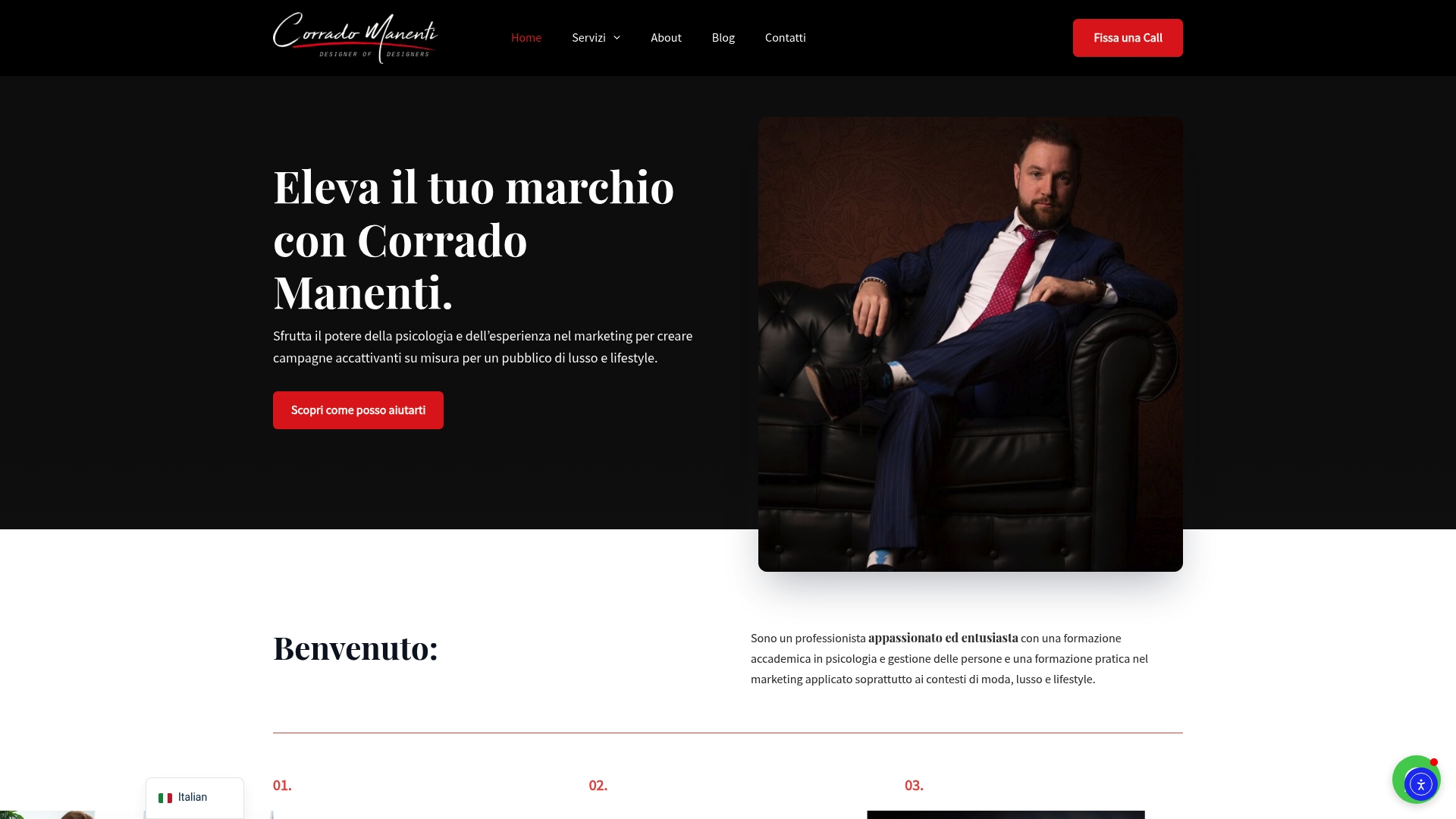
Explore proven fashion brand growth tactics luxury market approaches designed specifically for high-end brands. Access comprehensive lifestyle branding essentials that position your brand as integral to consumer identity. Learn to analyze high-end consumer behavior luxury segments with precision and depth. Expert guidance accelerates implementation, helping you avoid common pitfalls while maximizing emotional engagement and measurable growth.
FAQ
What are the core psychological principles to focus on in luxury branding?
Focus on identity validation, emotional resonance, social proof, scarcity, and personalization. These principles align your brand messaging with consumer subconscious motivations, creating deeper engagement than product features alone. Each principle taps into fundamental human needs for belonging, status, and self-expression.
How can luxury brands measure emotional engagement effectively?
Use consumer surveys focused on emotional loyalty metrics like Net Promoter Score and brand love indices. Leverage AI tools that analyze behavioral data and sentiment across social media and reviews. Track repeat purchase rates, referral frequency, and qualitative feedback from consumer interviews to gauge emotional connection depth.
What are common mistakes to avoid when using psychology in luxury branding?
Avoid overemphasizing logos and status symbols without building emotional storytelling around them. Don’t use inconsistent social proof across channels, which erodes credibility. Overusing scarcity tactics leads to consumer fatigue and skepticism. Always balance psychological triggers with authentic brand values to maintain trust.
Can personalization backfire in luxury branding?
Yes, poorly executed personalization feels intrusive or inauthentic. Consumers resent brands that use data manipulatively or make assumptions that miss the mark. Maintain strict privacy standards and give consumers control over their data. Tailor narratives genuinely based on real preferences, not stereotypes or overly aggressive targeting.
How long does it take to see results from psychology-driven branding?
Expect initial improvements in engagement metrics within 6 months, with substantial retention and loyalty gains appearing at 12-18 months. Psychology-driven branding builds cumulative effects over time as emotional connections deepen. Quick wins include improved conversion rates, while long-term benefits include sustained loyalty and organic advocacy.