

Bold narrative choices set luxury brands apart in ways data alone cannot explain. American research shows stories increase perceived value by up to 22 percent, making storytelling a defining advantage for European luxury brands. In a crowded luxury market, mastering storytelling turns exclusive heritage and craftsmanship into emotional connections that resonate. This article spotlights innovative approaches to narrative strategy that spark intrigue, enhance allure, and invite consumers to see themselves as part of your brand’s journey.
Table of Contents
- Storytelling In Luxury: Core Concepts
- Key Psychological Drivers Of Desire
- Types Of Stories In Luxury Marketing
- How Stories Shape Perceived Value
- Risks And Pitfalls Of Poor Storytelling
Key Takeaways
| Point | Details |
|---|---|
| Luxury storytelling is essential | It transforms products into symbols of aspiration and personal significance, enhancing consumer connections. |
| Psychological drivers shape consumer desire | Understanding motivations like uniqueness and social status helps brands craft more effective narratives. |
| Different story types convey brand identity | Origin stories, craftsmanship narratives, and heritage chronicles deepen emotional engagement and brand loyalty. |
| Avoiding storytelling pitfalls is crucial | Inconsistencies and misalignment with core values can erode brand equity and consumer trust significantly. |
Storytelling In Luxury: Core Concepts
Luxury brand storytelling transcends traditional marketing by creating immersive narratives that connect consumers with deeper emotional landscapes. At its core, storytelling in luxury is about crafting experiences that transform products from mere commodities into symbols of aspiration, identity, and personal significance. Brand identity construction in the luxury sector demonstrates how strategic narratives can profoundly influence consumer perceptions and emotional attachments.
The fundamental principles of luxury storytelling revolve around authenticity, heritage, and emotional resonance. Successful luxury brands do not simply sell products – they curate entire worlds, inviting consumers into exclusive narratives that reflect sophisticated lifestyles and personal values. These stories typically encompass three critical dimensions: brand origin, craftsmanship philosophy, and the unique cultural context that makes each luxury experience distinctive. Comprehensive brand marketing research confirms that consumers are increasingly seeking meaningful connections beyond transactional interactions.
Effective luxury storytelling requires a delicate balance between revealing enough to intrigue consumers while maintaining an air of exclusivity and mystery. Brands must strategically construct narratives that feel both personal and aspirational – allowing consumers to imagine themselves as part of a larger, more elevated experience. This involves carefully curating visual and narrative elements that communicate sophistication, expertise, and emotional depth without seeming contrived or overly manufactured.
Pro Tip – Narrative Strategy: Develop storytelling frameworks that highlight your brand’s unique heritage and craftsmanship, focusing on genuine human experiences that resonate emotionally rather than generic marketing language.
Key Psychological Drivers Of Desire
Luxury consumption represents a complex psychological landscape where desire transcends mere material acquisition. Cutting-edge research on luxury psychology reveals that consumers are driven by multifaceted motivations that blend personal aspirations with social dynamics. These psychological drivers include status signaling, emotional fulfillment, and the fundamental human need to distinguish oneself through carefully curated experiences and possessions.
The fundamental psychological mechanisms underlying luxury desire can be categorized into four primary dimensions. Recent empirical investigations into consumer motivation have identified these core drivers as uniqueness, material resources, arousal, and social status. Uniqueness represents the individual’s desire to stand out and express personal identity, while material resources reflect the tangible manifestation of economic achievement. Arousal connects to the emotional excitement of acquiring something extraordinary, and status represents the social recognition and perceived hierarchy associated with luxury consumption.
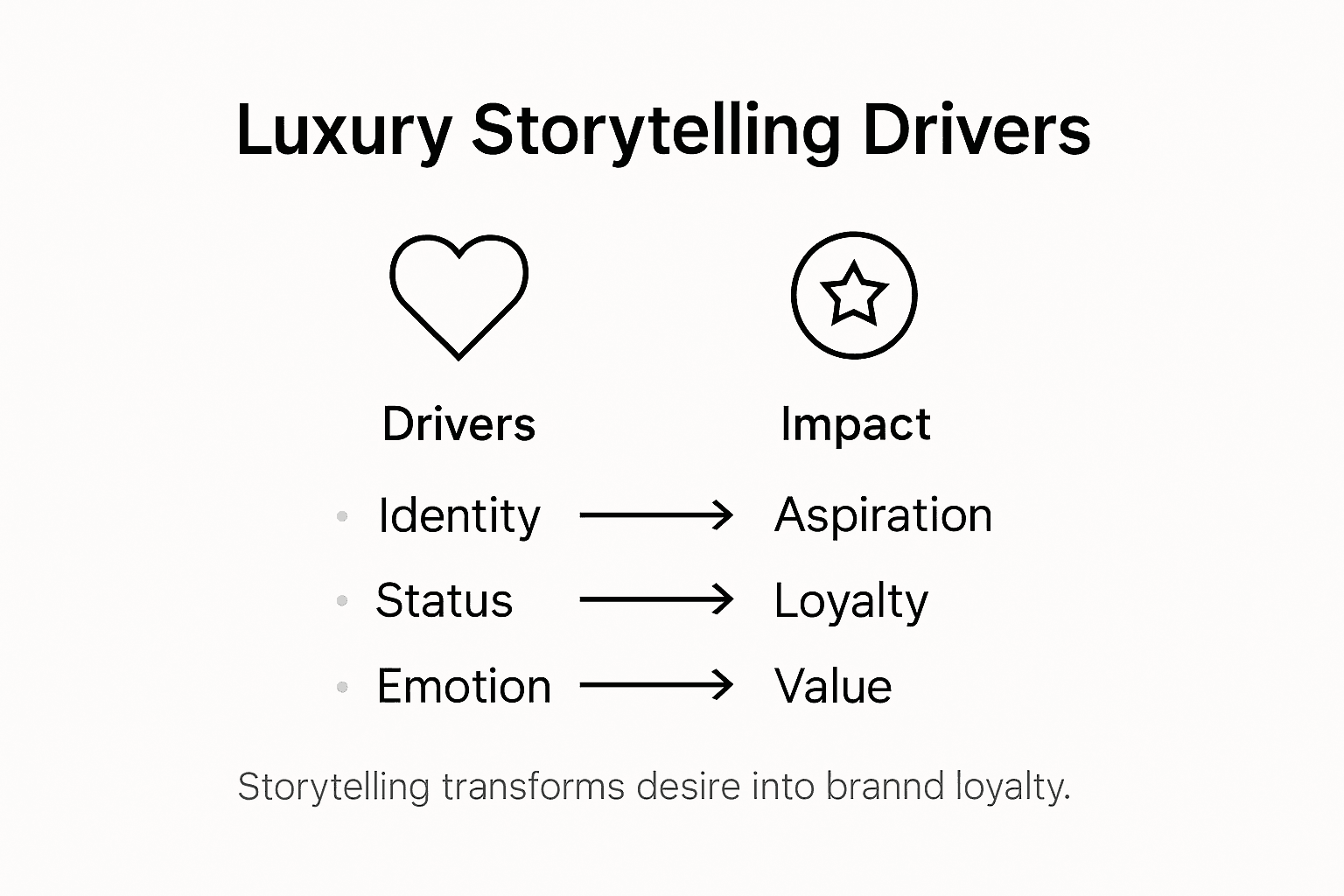
Understanding these psychological drivers requires recognizing the nuanced interplay between personal identity and social perception. Luxury brands successfully leverage these motivations by creating narratives that simultaneously address individual emotional needs and broader social aspirations. This involves crafting experiences that allow consumers to feel simultaneously exclusive and connected, transforming products from mere objects into powerful symbols of personal and social meaning.
Here’s a comparison of psychological drivers and their impact on luxury brand strategies:
| Psychological Driver | Key Motivation | Impact on Luxury Branding |
|---|---|---|
| Uniqueness | Personal identity | Promotes exclusive designs |
| Material Resources | Wealth display | Justifies premium pricing |
| Arousal | Emotional excitement | Enhances launch event appeal |
| Social Status | Recognition | Strengthens brand prestige |
Pro Tip – Psychological Insight: Develop brand storytelling strategies that address multiple psychological drivers simultaneously, creating a holistic narrative that speaks to both personal desires and social recognition.
Types Of Stories In Luxury Marketing
Comprehensive research on luxury brand communication reveals that luxury marketing relies on sophisticated narrative strategies that go far beyond traditional advertising. These narratives are carefully constructed to engage consumers through multiple storytelling archetypes, each designed to create deep emotional connections and reinforce brand identity. The primary story types in luxury marketing include origin stories, craftsmanship narratives, aspiration stories, and heritage chronicles.
Origin stories represent the foundational narrative of a luxury brand, tracing its roots and highlighting the unique vision of its creators. These narratives typically emphasize the founder’s passion, innovative spirit, and commitment to exceptional quality. Craftsmanship narratives delve into the intricate processes behind product creation, showcasing the skill, expertise, and dedication required to produce extraordinary items. Aspiration stories transform products into gateways of personal transformation, allowing consumers to imagine themselves inhabiting more elevated, sophisticated life experiences.
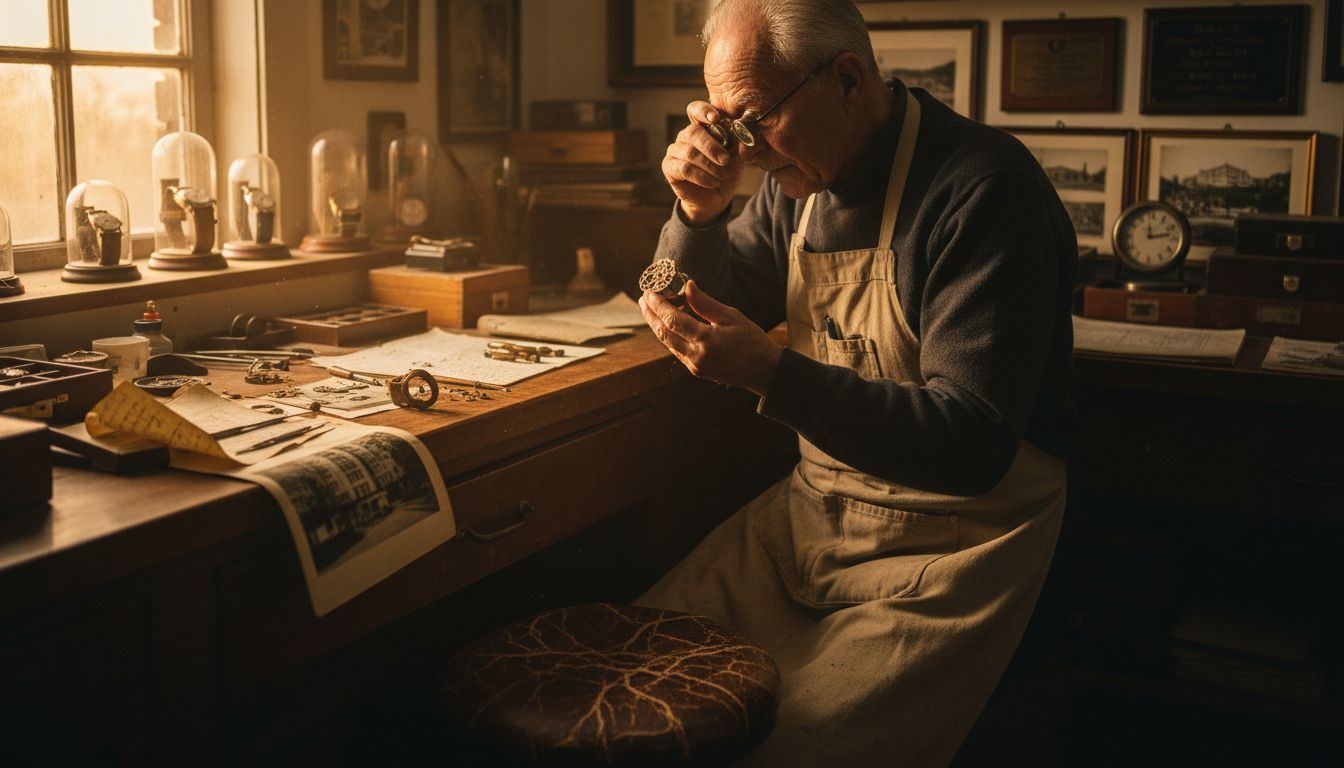
Heritage chronicles are particularly powerful in luxury marketing, connecting contemporary products with rich historical narratives. These stories create a sense of timelessness and authenticity, positioning luxury brands as custodians of cultural and artistic traditions. By weaving together personal, cultural, and artistic elements, luxury brands create multilayered narratives that transcend simple product descriptions. The most effective stories integrate emotional resonance, cultural significance, and personal aspiration into a compelling narrative ecosystem.
Below is a summary of luxury storytelling types and their strategic benefits:
| Story Type | Core Message | Strategic Benefit |
|---|---|---|
| Origin Story | Founder’s vision | Builds authenticity |
| Craftsmanship | Skilled creation | Highlights expertise |
| Aspiration | Elevating life | Inspires consumer dreams |
| Heritage Chronicle | Cultural legacy | Adds timeless value |
Pro Tip – Narrative Development: Develop storytelling frameworks that blend personal mythology, cultural heritage, and individual aspiration, creating narratives that feel both intimately personal and universally compelling.
How Stories Shape Perceived Value
Digital brand storytelling research reveals a profound mechanism by which narratives dramatically transform consumer perceptions of luxury product value. Stories are not mere decorative elements but powerful psychological instruments that fundamentally reshape how consumers interpret and evaluate luxury offerings. By contextualizing products within rich, emotionally resonant narratives, brands can elevate perceived value far beyond mere material attributes.
The process of value transformation occurs through several sophisticated psychological mechanisms. Narrative context creates layers of meaning that extend a product’s significance beyond its physical characteristics. When consumers encounter a story that connects a luxury item to heritage, craftsmanship, or personal aspiration, they begin to perceive the product as more than a simple commodity. This narrative-driven perception shift occurs through emotional engagement, which triggers deeper cognitive processing and assigns greater intrinsic worth to the branded experience.
Luxury brands strategically employ storytelling techniques that activate multiple value perception triggers. These include highlighting unique craftsmanship processes, revealing the human stories behind product creation, and connecting products to broader cultural or personal narratives. By demonstrating the intellectual, emotional, and cultural investments embedded in their offerings, luxury brands can justify premium pricing and create a sense of exclusivity that transcends traditional marketing approaches. The most successful narratives make consumers feel they are not simply purchasing an object, but investing in a rich, meaningful experience with profound personal significance.
Pro Tip – Value Narrative Strategy: Develop storytelling frameworks that reveal the complex human and creative processes behind your products, transforming them from mere commodities into meaningful cultural artifacts.
Risks And Pitfalls Of Poor Storytelling
Research on luxury brand narrative strategies reveals that ineffective storytelling can create significant risks for luxury brands, potentially undermining years of carefully cultivated brand equity. Poor storytelling represents more than a simple marketing misstep – it can fundamentally erode consumer trust, dilute brand identity, and compromise the perceived exclusivity that luxury brands depend upon for their market positioning.
The primary risks of inadequate storytelling manifest through several critical channels. Narrative inconsistency can destroy the carefully constructed mystique that luxury brands rely on, making products seem inauthentic or disconnected from their core brand promise. When stories fail to align with a brand’s established heritage, craftsmanship, or values, consumers quickly become skeptical. This disconnect can lead to rapid erosion of perceived value, transforming premium products into commodities that lack meaningful emotional resonance.
Digital platforms have amplified the consequences of poor storytelling, creating unprecedented transparency and immediate consumer feedback. Luxury brands must now navigate a complex landscape where narratives can be instantly scrutinized, challenged, and potentially dismantled by global audiences. Risks include potential misalignment between brand messaging and consumer expectations, cultural insensitivities, and narratives that appear forced or artificially manufactured. The most dangerous storytelling failures occur when brands attempt to construct narratives that feel disconnected from their authentic core, revealing a fundamental misunderstanding of their own identity and consumer relationship.
Pro Tip – Narrative Integrity: Develop rigorous internal storytelling review processes that consistently validate brand narratives against core brand values, cultural sensitivities, and authentic brand heritage.
Elevate Your Luxury Brand with Psychology-Driven Storytelling
The article “Why Storytelling Boosts Luxury Brand Appeal” highlights a core challenge luxury brands face: crafting authentic, emotionally resonant narratives that build exclusivity and deepen consumer connections. Achieving this requires a precise understanding of the psychological drivers behind desire such as uniqueness, social status, and emotional arousal. Without these insights, luxury storytelling risks feeling inauthentic or disconnected from brand heritage, undermining perceived value.
At Corrado Manenti, we specialize in transforming these challenges into opportunities through our Marketing Fashion consulting services. Our approach integrates psychology and applied marketing tactics tailored specifically for the luxury sector. We help brands develop storytelling frameworks that balance heritage, craftsmanship, and aspiration while triggering the emotional drivers essential for luxury consumer engagement.
Discover how you can create compelling, exclusive narratives that elevate your brand beyond products to meaningful cultural experiences. Take the next step now by visiting Corrado Manenti and explore how precision storytelling combined with innovative digital strategies can transform your luxury brand. For additional insights, browse our Marketing Fashion articles and elevate your brand’s story today.
Frequently Asked Questions
What is the significance of storytelling in luxury branding?
Storytelling in luxury branding creates immersive narratives that transform products from mere commodities into symbols of aspiration and identity, connecting consumers on deeper emotional levels.
How do psychological drivers influence luxury brand appeal?
Psychological drivers such as uniqueness, material resources, arousal, and social status play a critical role in shaping consumer desire for luxury products, influencing branding strategies to resonate with both personal and social motivations.
What types of stories are most effective in luxury marketing?
Effective story types in luxury marketing include origin stories, craftsmanship narratives, aspiration stories, and heritage chronicles, each designed to create deep emotional connections and reinforce brand identity.
How can poor storytelling impact a luxury brand’s reputation?
Poor storytelling risks eroding consumer trust, diluting brand identity, and compromising perceived exclusivity, potentially transforming premium products into ordinary commodities devoid of meaningful emotional connections.