


TL;DR:
- Effective storytelling creates emotional immersion through relatable characters and authentic narratives.
- Brands like Nike, Dove, Apple, and Patagonia use different story types to influence audience behavior and build loyalty.
Effective storytelling is defined as the craft of creating emotional immersion through relatable characters and authentic narrative arcs that shift audience beliefs and behavior. The best examples of storytelling share one trait: they make audiences feel something before they think anything. Brands like Nike, Dove, Apple, and Patagonia have built entire marketing systems around this principle. Research confirms that emotional narratives double engagement compared to traditional content. For content creators and marketers, understanding what separates great storytelling from average messaging is the difference between campaigns that convert and campaigns that disappear.
What makes the best examples of storytelling so persuasive?
The psychology behind great storytelling comes down to two mechanisms: narrative transportation and character identification. Narrative transportation is the state of cognitive and emotional absorption where a reader or viewer becomes so immersed in a story that they stop counterarguing. Their critical defenses drop. The story’s worldview fills the gap.

Character identification goes one step further. When audiences see themselves in a protagonist, they adopt that character’s attitudes and emotions as their own. Identification predicts persuasive impact more strongly than any other narrative feature, including how the story is told or from whose perspective it is narrated.
The practical implication is direct: build a character your audience recognizes, then put that character through a transformation your audience wants for themselves. This is the psychological pipeline that powers every top storytelling example covered below.
- Narrative transportation reduces counterarguing by absorbing the audience in the story world
- Character identification creates attitude shifts by making the protagonist’s experience feel personal
- Emotional framing amplifies both mechanisms, increasing visibility and interaction beyond plot complexity alone
Pro Tip: When writing a brand story, ask: “Would my customer recognize themselves in this character?” If the answer is no, rewrite the protagonist before you touch the plot.
Narrative voice matters, but less than most marketers assume. First-person versus third-person narration affects immersion levels, but identification with the character remains the strongest driver of attitude change. Spend more time on character depth than on stylistic choices.
Top brand storytelling examples: Nike, Dove, Apple, and more
The most cited brand storytelling examples fall into four categories: values stories, customer stories, product stories, and vision stories. Each serves a different purpose in the marketing funnel.
-
Nike: “Just Do It” (values story). Nike does not sell shoes. It sells the belief that every person is an athlete. The “Just Do It” campaign frames ordinary people as heroes overcoming personal limits. The brand’s stance is the story. This is a textbook values story that builds identity before it builds desire.
-
Dove: “Real Beauty” (customer story). Dove’s campaign put real women, not models, at the center of its narrative. The brand used authentic customer voices to challenge beauty industry standards. The result was a story audiences could see themselves in, which is exactly what character identification requires.
-
Apple: “Think Different” (vision story). Apple’s campaign celebrated rebels and misfits who changed the world. It was not about product specs. It was about who you become when you use Apple. Vision stories work at the top of the funnel by inspiring audiences before asking them to buy anything.
-
Patagonia: “Don’t Buy This Jacket” (values story). Patagonia ran a full-page ad telling customers not to buy their product unless they truly needed it. The brand’s environmental values were the entire message. That counterintuitive honesty built deeper loyalty than any promotional campaign could.
-
Google: “Year in Search” (vision story). Every year, Google compiles the most searched moments of the year into an emotional video. The story is not about Google’s product. It is about human curiosity, grief, hope, and resilience. Google becomes the silent witness to the human experience.
-
Airbnb: “Belong Anywhere” (values story). Airbnb’s storytelling centers on the idea that travel is about belonging, not accommodation. User-generated content and host stories make the brand feel personal and community-driven. Authentic user storytelling is the engine.
-
8×8: AI-scaled customer stories (customer story). Enterprise tech brand 8×8 used AI to scale authentic customer narratives across campaigns. The results were measurable: acquisition costs dropped 50%, pipeline grew 54%, and win rates increased 52%. This is the clearest proof that authentic customer storytelling produces direct business outcomes.
-
P&G: “Thank You, Mom” (customer story). Procter & Gamble’s Olympic campaign followed mothers supporting their children through years of athletic training. The product was barely visible. The emotional story of sacrifice and love did all the work.
-
Patagonia’s “Worn Wear” (product story). This campaign told the stories of individual garments: where they had been, who had worn them, what they had survived. Product stories work by making the object feel alive and meaningful rather than functional.
-
University of Murcia’s social media storytelling (customer story). A 2022 analysis of 6,096 posts showed that emotional digital storytelling doubled engagement and increased interactions by 80% compared to standard content. The finding applies directly to brand social media strategy.
How to choose the right storytelling type for your campaign
Matching story type to funnel role is the most practical framework for content creators. Each story type serves a specific marketing objective, and using the wrong type at the wrong stage wastes both budget and audience attention.
-
Values stories belong at the top of the funnel. They build brand stance and attract audiences who share your beliefs. Nike and Patagonia use values stories to create tribes, not just customers. Use this type when you want to define who your brand is before you explain what it sells.
-
Customer stories belong in the consideration and conversion stages. They build credibility through real voices and create identification. Dove and P&G both use customer stories to make large audiences feel personally seen. The key is authenticity: scripted testimonials do not produce the same identification effect as genuine narratives.
-
Product stories work best mid-funnel when audiences already know your brand but need a reason to choose your specific product. Patagonia’s “Worn Wear” campaign is the model. The story gives the product meaning beyond its function. Product storytelling for luxury brands follows the same logic at a higher emotional register.
-
Vision stories are for brand moments: launches, rebrands, and cultural campaigns. Apple’s “Think Different” and Google’s “Year in Search” both use vision stories to connect the brand to something larger than commerce. These stories inspire rather than persuade.
Pro Tip: Map your story type to your campaign objective before writing a single word. A vision story running in a retargeting campaign will confuse your audience. A product story at the awareness stage will bore them.
The power of storytelling in brand engagement compounds over time. A longitudinal study tracking social media storytelling over three years found that sustained engagement uplift occurs only when emotional and authentic narratives are used consistently, not as one-off campaigns.
Comparing storytelling examples: formats, metrics, and what they teach you
The table below compares notable storytelling examples by story type, format, engagement outcome, and the key feature that made each one work.
| Marke | Story type | Format | Engagement outcome | Key feature |
|---|---|---|---|---|
| Nike | Values | Video, social | Long-term brand loyalty | Protagonist is the customer, not the product |
| Dove | Customer | Video, print | Viral reach, cultural shift | Real women replace models |
| Apple | Vision | Video | Top-of-funnel brand affinity | Aspiration over specification |
| 8×8 | Customer | Video, digital | 50% lower acquisition cost | AI-scaled authentic voices |
| Patagonia | Values + Product | Print, digital | Deep loyalty, press coverage | Counterintuitive honesty |
| Vision | Video | Annual cultural moment | Human emotion, brand as witness | |
| University of Murcia | Customer | Social media | 80% interaction increase | Emotional framing over plot complexity |
The pattern across all top storytelling examples is consistent. Emotional framing outperforms informational content. Authentic voices outperform scripted ones. And persuasive storytelling methods that prioritize character identification over narrative technique produce the strongest attitude shifts.
Format matters less than emotional truth. The 8×8 case proves that even in enterprise B2B marketing, human-centered stories with real customer voices outperform polished corporate content. The University of Murcia data confirms the same principle holds on social media. Measure your storytelling results over weeks and across platforms, not just by immediate view counts.
Key Takeaways
The most effective storytelling combines emotional immersion, authentic character identification, and a story type matched precisely to the campaign’s funnel stage.
| Point | Details |
|---|---|
| Identification drives persuasion | Build a protagonist your audience recognizes before you craft the plot. |
| Match story type to funnel stage | Values stories build brand stance; customer stories convert; product stories differentiate. |
| Emotional framing beats complexity | Emotional narratives doubled engagement versus standard content in a 6,096-post study. |
| Authentic voices scale | 8×8 cut acquisition costs 50% by scaling real customer stories with AI. |
| Measure over time | Sustained engagement uplift requires consistent emotional storytelling, not one-off campaigns. |
What I’ve learned about storytelling that most articles won’t tell you
Most marketers treat storytelling as a creative exercise. I treat it as a psychological one. After years of working with fashion and luxury brands, the single biggest mistake I see is brands that tell their own story instead of the customer’s story. Nike does not say “we make great shoes.” Nike says “you are an athlete.” That shift in protagonist is everything.
The second mistake is confusing authenticity with rawness. Authentic storytelling does not mean unpolished. It means emotionally true. Patagonia’s “Don’t Buy This Jacket” was meticulously crafted. It felt honest because the brand’s values were genuinely behind it. Audiences detect the difference between performed authenticity and real conviction within seconds.
The third thing I would tell any content creator or marketer is to stop measuring storytelling by immediate views. The University of Murcia’s three-year study showed that sustained storytelling impact only becomes visible over time. If you kill a storytelling campaign after two weeks because the numbers look flat, you are measuring the wrong thing at the wrong moment.
The brands that win with storytelling, Nike, Dove, Patagonia, Apple, are not the ones with the biggest budgets. They are the ones with the clearest point of view about who their customer is and what that customer wants to become. Build that clarity first. The story follows naturally.
— Corrado
Storytelling strategy for luxury and fashion brands
Storytelling is the primary driver of emotional loyalty in luxury fashion, where price alone never closes the sale. The brands that dominate their categories do so because they have mastered the art of making customers feel something before they ask them to buy anything.
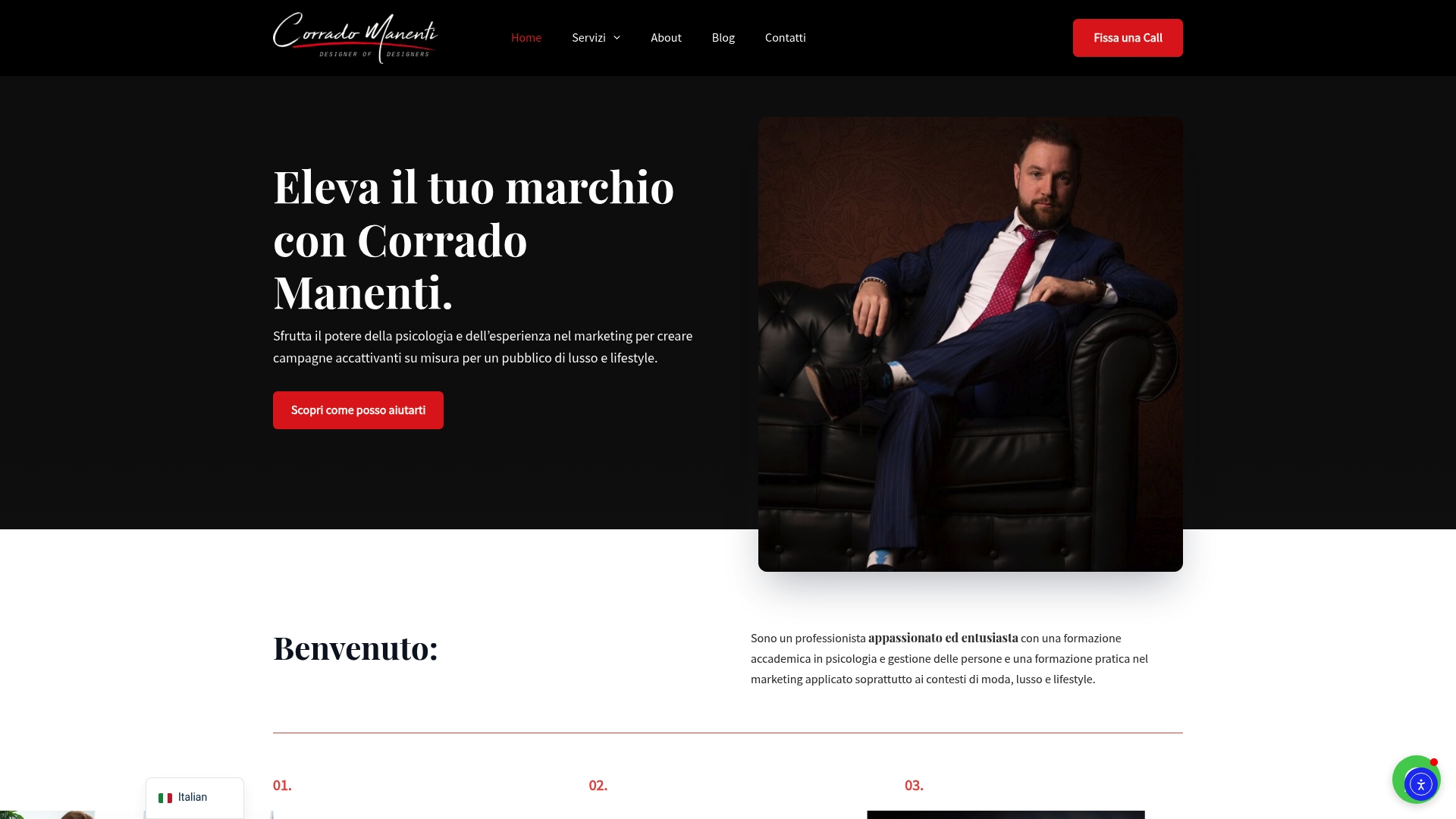
Corradomanenti works with fashion and luxury brands to build storytelling strategies grounded in consumer psychology, not creative guesswork. From identifying the right story type for each campaign stage to analyzing buyer behavior that shapes narrative decisions, the work is precise and results-oriented. If you want to see how these principles apply to your brand, the luxury fashion growth tactics page is the right starting point. You can also explore how buyer behavior analysis shapes the stories that actually convert.
FAQ
What are the best examples of storytelling in marketing?
Nike’s “Just Do It,” Dove’s “Real Beauty,” Apple’s “Think Different,” and 8×8’s AI-scaled customer stories are among the strongest examples. Each uses emotional immersion and character identification to shift audience attitudes and drive measurable results.
Why does character identification matter more than narrative voice?
Research on climate change narratives shows that identification predicts persuasion more strongly than whether a story is told in first or third person. Audiences adopt the attitudes of characters they recognize as versions of themselves.
What are the four main storytelling types in marketing?
The four types are values stories, customer stories, product stories, and vision stories. Each matches a different funnel stage and serves a distinct objective, from building brand identity to driving conversion.
How do you measure the impact of storytelling campaigns?
Measure storytelling performance over weeks and across multiple platforms against a baseline of standard content. A longitudinal study found that sustained engagement uplift only appears when emotional narratives are used consistently over time, not in short bursts.
Can storytelling work in B2B marketing?
Yes. 8×8’s campaign proves it directly. By scaling authentic customer stories with AI, the brand cut acquisition costs by 50% and grew its pipeline by 54%, demonstrating that human-centered narratives outperform corporate content even in enterprise markets.