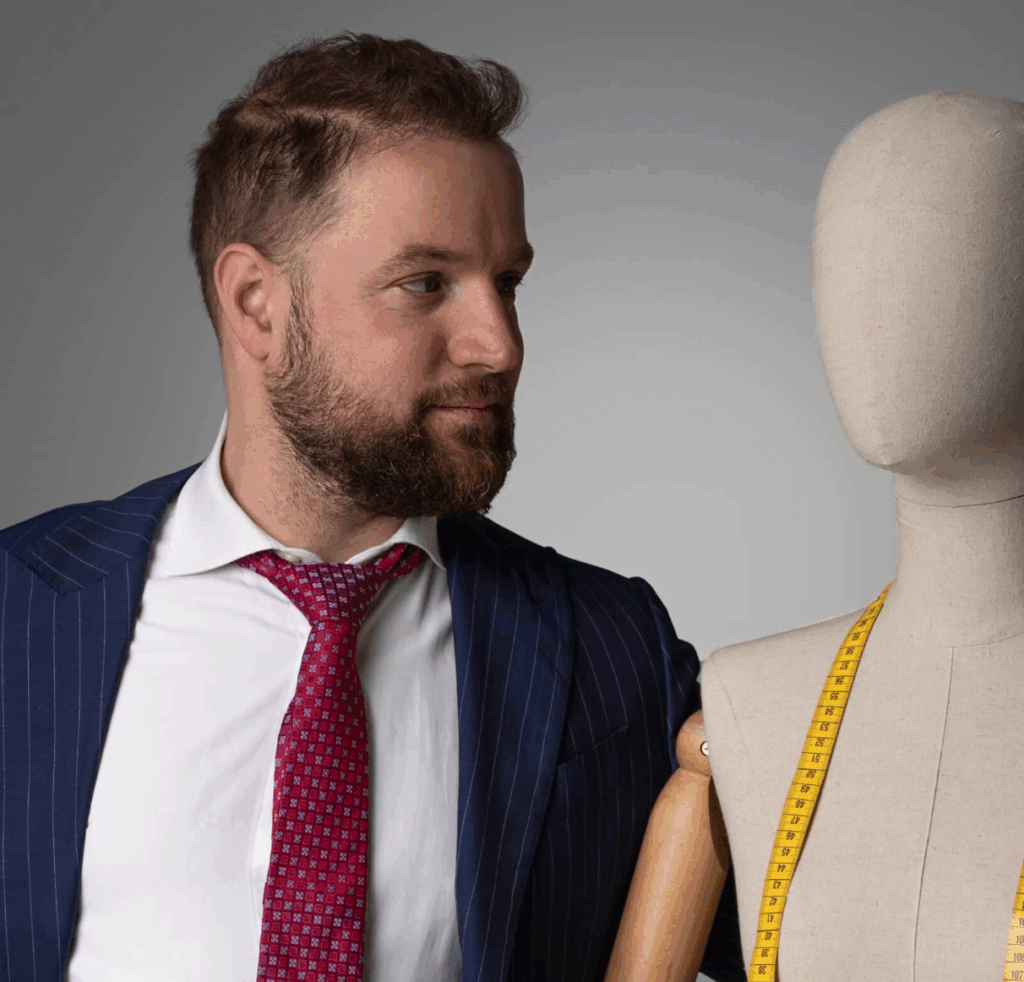


Brand heritage nel luxury: come la Storia diventa Valuta di scambio (guida 2026)
L’heritage nel luxury non è “avere una storia lunga”. È una delle 3 Valute del Lusso — la Storia come valuta di scambio. Ti spiego come funziona e come costruirla anche se il tuo brand è emergente.
Nel 1837, in una piccola bottega di sellaio di Faubourg Saint-Honoré a Parigi, Thierry Hermès inizia a produrre finimenti per cavalli e carrozze dell’aristocrazia europea. Non lo sa, ma sta scrivendo il primo capitolo di quella che quasi due secoli dopo sarà la maison più desiderata del pianeta. Nel 2026, ogni Kelly che esce dagli atelier Hermès porta dentro di sé quel 1837 — non come dato storico secco, ma come valuta di scambio. Il cliente che paga 15.000-50.000 euro per una Kelly non sta comprando pelle e cuciture. Sta comprando 189 anni di storia cristallizzata in un oggetto.
Nel mio libro Il Codice del Lusso ho codificato questa dinamica nel framework delle 3 Valute del Lusso: Tempo, Storia, Trasformazione. Il brand luxury non vende prodotti — scambia con il cliente queste tre valute intangibili. E la Storia è probabilmente la valuta più difficile da costruire, ma anche la più duratura. In questa guida ti spiego come funziona operativamente l’heritage nel luxury e come si costruisce anche se il tuo brand ha meno di 20 anni.
Aggiornato · Edizione 2026
Guida riscritta in italiano con i framework proprietari del libro Il Codice del Lusso: le 3 Valute del Lusso (Tempo, Storia, Trasformazione, cap 1), i Custodi dell’Eccellenza (cap 5, Ultimo Miglio della Maestria, Human Premium), il Coefficiente di Permanenza (tempo produzione / tempo rilevanza).
In breve: l’heritage nel luxury in cinque leggi
| Principio | Cosa significa nella pratica |
|---|---|
| La Storia è una delle 3 Valute del Lusso | Non è un accessorio narrativo. È moneta di scambio reale — insieme a Tempo e Trasformazione. |
| Heritage vera vs heritage costruita | Un brand di 20 anni può costruire heritage credibile — se lo fa con onestà e coerenza. Un brand di 200 anni può distruggerlo se lo tratta male. |
| Human Premium | Nel 2026 dell’AI, l’heritage vale ancora di più perché è ciò che l’algoritmo non può replicare. I Custodi dell’Eccellenza (cap 5) sono l’asset più difendibile. |
| Coefficiente di Permanenza | Rapporto tempo produzione / tempo rilevanza. Fast fashion: 1:10. Alta moda con heritage: 100:10.000. Cambia radicalmente l’equazione economica del brand. |
| L’heritage racconta, non si dichiara | Un brand che dice “abbiamo 100 anni di storia” ha perso. Un brand che mostra l’heritage attraverso dettagli operativi vince. Show, don’t tell. |
La Storia è la valuta più elegante del luxury perché non si può falsificare né accelerare. Puoi comprare cashmere, puoi ingaggiare maestri artigiani, puoi replicare tecnica. Ma non puoi comprare il 1837. Ecco perché nel luxury i brand con heritage vera hanno un margine competitivo che nessun capitale può colmare.
— Corrado Manenti, Il Codice del Lusso
Perché l’heritage conta più che mai nel 2026
Nel 2026, in piena era dell’AI generativa, l’heritage nel luxury vale ancora di più che nel 2016. Il motivo è controintuitivo ma potente: l’AI può replicare tutto tranne la storia autentica. Un algoritmo può generare fotografie fashion perfette, testi di brand storytelling pulitissimi, packaging visivamente competitivi. Ma nessun algoritmo può fabbricare 189 anni di continuità produttiva, cinque generazioni di maestri artigiani, un archivio storico di clienti aristocratici, un edificio in Faubourg Saint-Honoré. L’heritage è l’unico terreno luxury che l’AI non può contaminare.
Questo genera un fenomeno interessante che ho documentato nel mio lavoro consulenziale del 2024-2026: i brand luxury con vera heritage stanno guadagnando premium accelerato rispetto ai brand emergenti equivalenti. Hermès, Loro Piana, Kiton, Patek Philippe hanno visto crescere il proprio premium relativo perché i clienti sofisticati cercano proprio ciò che l’AI non può replicare. Nel Codice del Lusso ho collegato questo fenomeno al concetto proprietario di Human Premium (cap 5): quando la tecnologia replica tutto, l’unico vero lusso è ciò che solo gli umani possono fare — e la storia è l’accumulo massimo di lavoro umano nel tempo.
Come l’heritage guida engagement emotivo e pricing power
La Storia come valuta genera pricing power attraverso tre meccanismi psicologici precisi che si sommano:
- Signal Stacking: la storia è un segnale culturale che si somma agli altri (economico, sociale, estetico). Un brand con heritage manda 4 segnali dove uno senza ne manda 3 — moltiplica l’impatto neurologico
- Anticipazione dopaminergica: l’attesa di appartenere a un club con storia lunga attiva più dopamina dell’attesa di appartenere a un club nuovo. Il cervello premia la continuità
- Coefficiente di Permanenza attivo: il cliente sa (anche senza articolarlo) che l’oggetto con heritage manterrà valore emotivo nel tempo — investe in un ricordo con “assicurazione” contro l’obsolescenza culturale
La combinazione dei tre meccanismi spiega perché una Rolex Datejust del 2026 costa €7.400 mentre un orologio meccanico automatico giapponese di qualità comparabile costa €1.500. La differenza non è nella meccanica — è nel Coefficiente di Permanenza. La Rolex è progettata per durare 40+ anni non solo tecnicamente ma culturalmente; il concorrente non ha la heritage per garantire lo stesso.
Come attivare l’heritage: strategie pratiche
Le cinque strategie operative che uso con i clienti per attivare (non “dichiarare”) l’heritage del loro brand:
- Mostra dettagli specifici, non slogan generici. Non “abbiamo 100 anni di storia” — ma “il registro degli ordini del 1912 è nell’archivio”. Non “artigianalità tramandata” — ma “Giuseppe apprende da suo padre Salvatore dal 1968, e adesso insegna a suo figlio Marco”. Details vince slogan.
- Rendi visitabile la heritage. Se il tuo brand ha un archivio, l’atelier storico, un luogo di produzione carico di storia — apri (in modo controllato) ai clienti VIP. Un client tour di 90 minuti vale più di 100 email di marketing.
- Racconta le persone, non solo l’azienda (principio 3 Manifesto). L’heritage è fatta di volti — il fondatore, i primi clienti, gli artigiani storici, il direttore creativo attuale. Nomi propri e volti identificabili — non “il nostro team”.
- Usa oggetti fisici come proof. Un vecchio catalogo del 1953, uno strumento del sarto originale, una fotografia sfocata del 1970. Questi oggetti sono il proof tangibile della continuità — molto più forti di narrative digitali.
- Accoglienza informativa attiva. Quando un cliente entra in boutique/hotel/ristorante, chiedi con tatto se è la sua prima volta o se è già cliente. È come offrire un bicchiere d’acqua o di champagne di benvenuto — cura, non invasione. Sapere se il cliente è “nuovo” o “storico” permette di attivare l’heritage nel modo giusto: al nuovo racconti la storia in 3 minuti, allo storico riconosci “il ritorno” (il cliente storico vuole essere visto per la sua fedeltà). Non chiedere è mancanza di cura, non discrezione.
Come costruire heritage se il tuo brand è emergente
Il paradosso: se il tuo brand ha 5 anni, sembra impossibile parlare di heritage. In realtà si può costruire heritage anticipata, che diventa autentica se sostenuta nel tempo. Tre strategie che ho usato con clienti emergenti:
- Heritage del fondatore come ponte: se il tuo brand nasce nel 2020 ma il fondatore ha 20 anni di esperienza precedente nel settore, l’heritage del fondatore è heritage del brand. Non nascondere la biografia precedente — mostrala.
- Heritage del contesto come cornice: il tuo brand nasce a Milano, in un settore con tradizione secolare (moda, orologeria, gioielleria). Non hai la storia del brand, ma hai la storia del luogo/settore in cui operi. Racconta il contesto senza appropriartelo.
- Heritage del processo come materia: se produci con tecniche tradizionali (anche se il brand è nuovo), la tecnica ha heritage anche se il brand no. Il tuo cashmere è lavorato con macchine degli anni ’60? Racconta le macchine. Il tuo laboratorio applica una tecnica sartoriale del 1920? Racconta la tecnica.
La regola generale: l’heritage costruita onestamente su fondatore, contesto o processo è credibile. L’heritage inventata (falso storicismo, aneddoti costruiti, “since 19XX” senza vera continuità) è distruttiva se scoperta — e viene sempre scoperta da un cliente sofisticato o da un giornalista curioso entro 2-3 anni.
Errori tipici del posizionamento heritage
- Heritage dichiarata senza mostrata: brand che dicono “150 anni di storia” senza mai renderla tangibile. Slogan vuoto — nessun cliente sofisticato lo compra.
- Heritage falsa scoperta: brand che si “inventano” origini più prestigiose. Distruzione irreversibile una volta scoperta.
- Heritage congelata nel passato: brand che raccontano solo il passato senza connetterlo al presente vivo. Diventano musei, non brand attivi.
- Heritage usata come scusa per non innovare: brand che si trincerano dietro “abbiamo sempre fatto così” e restano fermi. La heritage vera dialoga con il presente — non lo blocca.
- Heritage svalutata da estensioni categoriali sconnesse: brand con heritage forte in una categoria che espande in altre senza narrativa coerente. L’estensione diluisce l’heritage originaria.
Approfondisci i framework connessi
- Le 3 Valute del Lusso — Tempo, Storia, Trasformazione: come la Storia è moneta di scambio nel luxury.
- Il Manifesto del Marketing Aspirazionale — Narrativa Autentica (principio 1) e Celebrazione delle Persone Dietro le Quinte (principio 3), entrambi radicati nell’heritage.
- Il Cliente Aspirazionale — chi apprezza di più l’heritage come valuta di scambio nel rituale biografico.
- L’Equazione del Valore Percepito — la Storia è uno dei tre moltiplicatori centrali della formula.
- La psicologia del consumatore luxury — perché il cervello premia la continuità storica con più dopamina.
Domande frequenti sull’heritage nel luxury
Cos’è l’heritage nel luxury?
L’heritage nel luxury non è “avere una storia lunga”. Nel mio framework proprietario è una delle 3 Valute del Lusso — la Storia come moneta di scambio tra brand e cliente (insieme a Tempo e Trasformazione). Il cliente non compra un prodotto: scambia denaro per accedere alla Storia cristallizzata nell’oggetto. Hermès dal 1837, Patek dal 1839, Rolex dal 1905 — l’heritage è la ragione strutturale per cui questi brand possono caricare premium del 500-1500%.
Perché l’heritage vale di più nell’era dell’AI?
Perché l’AI può replicare tutto tranne la storia autentica. Un algoritmo genera fotografie perfette, testi pulitissimi, packaging visivamente competitivi — ma nessun algoritmo può fabbricare 189 anni di continuità produttiva, cinque generazioni di maestri, un archivio storico reale. Nel 2026 l’heritage è l’unico terreno luxury che l’AI non contamina. Nel Codice del Lusso lo collego al concetto proprietario di Human Premium: quando la tecnologia replica tutto, l’unico vero lusso è ciò che solo gli umani possono fare — e la storia è l’accumulo massimo di lavoro umano nel tempo.
Si può costruire heritage se il brand è emergente?
Sì, in tre modi onesti. (1) Heritage del fondatore come ponte: se il fondatore ha 20 anni di esperienza precedente nel settore, la sua biografia è heritage del brand. (2) Heritage del contesto come cornice: il tuo brand nasce a Milano, in un settore con tradizione secolare — racconta il contesto senza appropriartelo. (3) Heritage del processo come materia: se produci con tecniche tradizionali, la tecnica ha heritage anche se il brand no. La regola: heritage costruita onestamente su fondatore/contesto/processo è credibile. Heritage inventata (falso storicismo, aneddoti costruiti) è distruttiva quando scoperta.
Come attivare praticamente l’heritage del brand?
Cinque strategie operative: (1) mostra dettagli specifici, non slogan generici — nomi propri, date precise, oggetti fisici visibili; (2) rendi visitabile la heritage — apri (in modo controllato) archivio, atelier, luoghi di produzione ai clienti VIP; (3) racconta le persone, non solo l’azienda — fondatore, artigiani, direttore creativo con volti identificabili; (4) usa oggetti fisici come proof — vecchi cataloghi, strumenti storici, fotografie sfocate degli anni ’70; (5) accoglienza informativa attiva — chiedi con tatto se è la prima volta o cliente storico, così puoi attivare l’heritage nel modo giusto.
Cos’è il Coefficiente di Permanenza?
Framework proprietario del capitolo 1 del libro Il Codice del Lusso. Descrive il rapporto tra tempo di produzione dell’oggetto e tempo di rilevanza culturale/economica dell’oggetto stesso. Fast fashion: rapporto 1:10 (un giorno di produzione = 10 giorni di rilevanza). Alta moda con heritage: rapporto 100:10.000 (100 ore di produzione = 10.000 ore di rilevanza culturale = 4 anni). Il Coefficiente di Permanenza spiega matematicamente perché l’heritage è la valuta più efficiente del luxury: più alta è l’heritage, più alto è il coefficiente, più economicamente sostenibile è il brand a lungo termine.

Sull’autore
Corrado Manenti — Consulente marketing luxury
Consulente di marketing luxury e lifestyle, autore del libro Il Codice del Lusso. Da oltre 10 anni aiuta imprenditori, brand emergenti e ristoratori a costruire progetti che vendono a prezzi premium senza scontare la propria identità.
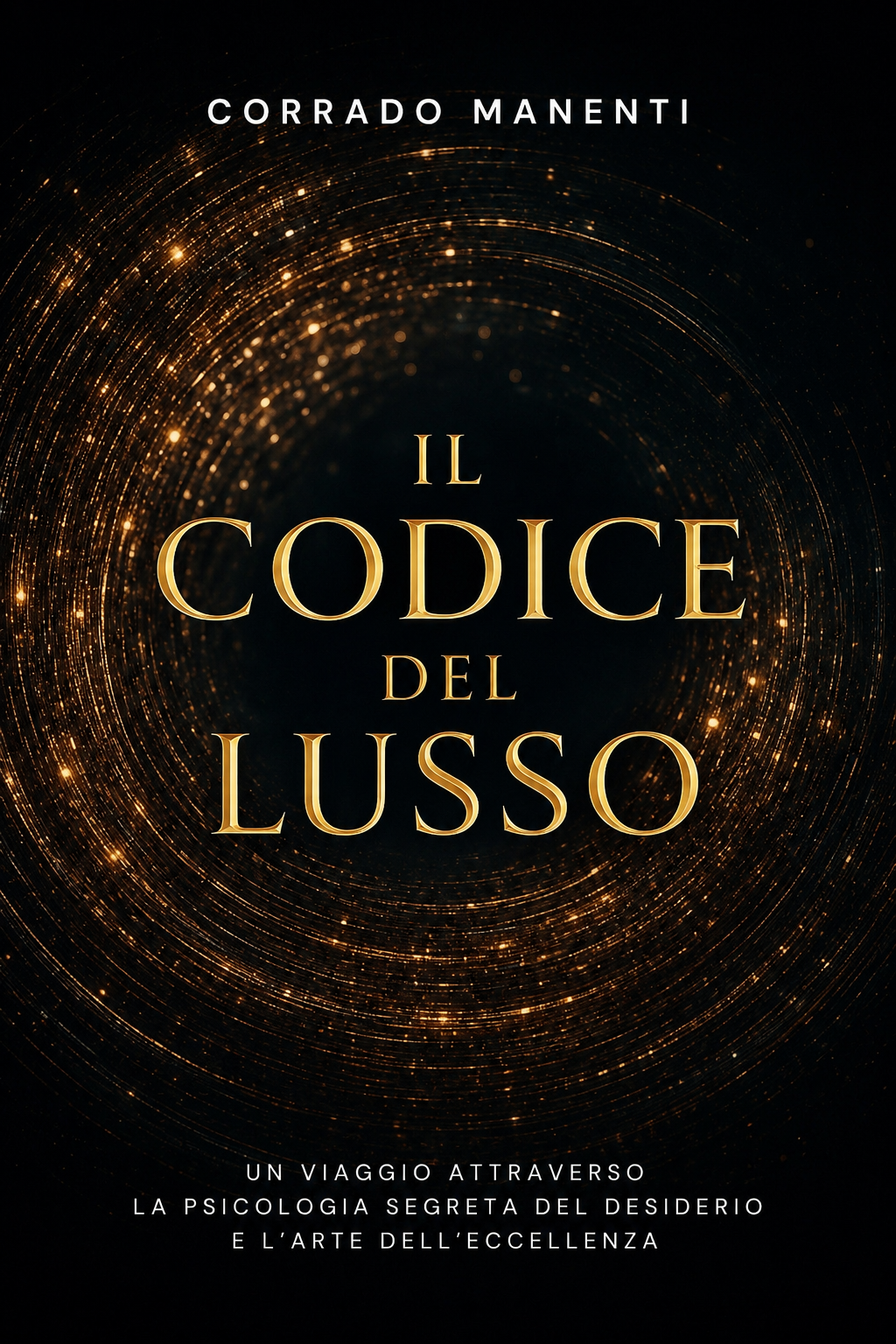
Il libro
Il Codice del Lusso
176 pagine di framework strategici per costruire un brand aspirazionale: Le 3 Valute del Lusso, il Manifesto del Marketing Aspirazionale, il Cliente Aspirazionale, il Coefficiente di Permanenza, l’Human Premium, l’Equazione del Valore Percepito. Il metodo che uso ogni giorno con i miei clienti, ora in un solo libro.
Presto ordinabile online — inserisci la tua email nella pagina risorse per ricevere l’annuncio in anteprima.
Consulenza gratuita
Valorizziamo l’heritage del tuo brand — gratis, 30 minuti
Se hai un brand con storia (anche breve) e non sai come attivarla come Valuta luxury, prenota una call gratuita di 30 minuti con me e il mio team. Faremo un rapido audit sul potenziale heritage del tuo brand e ti diremo dove ci sono opportunità concrete di valorizzazione.
Nessuna presentazione commerciale. Solo una conversazione onesta su cosa serve al tuo brand per crescere.