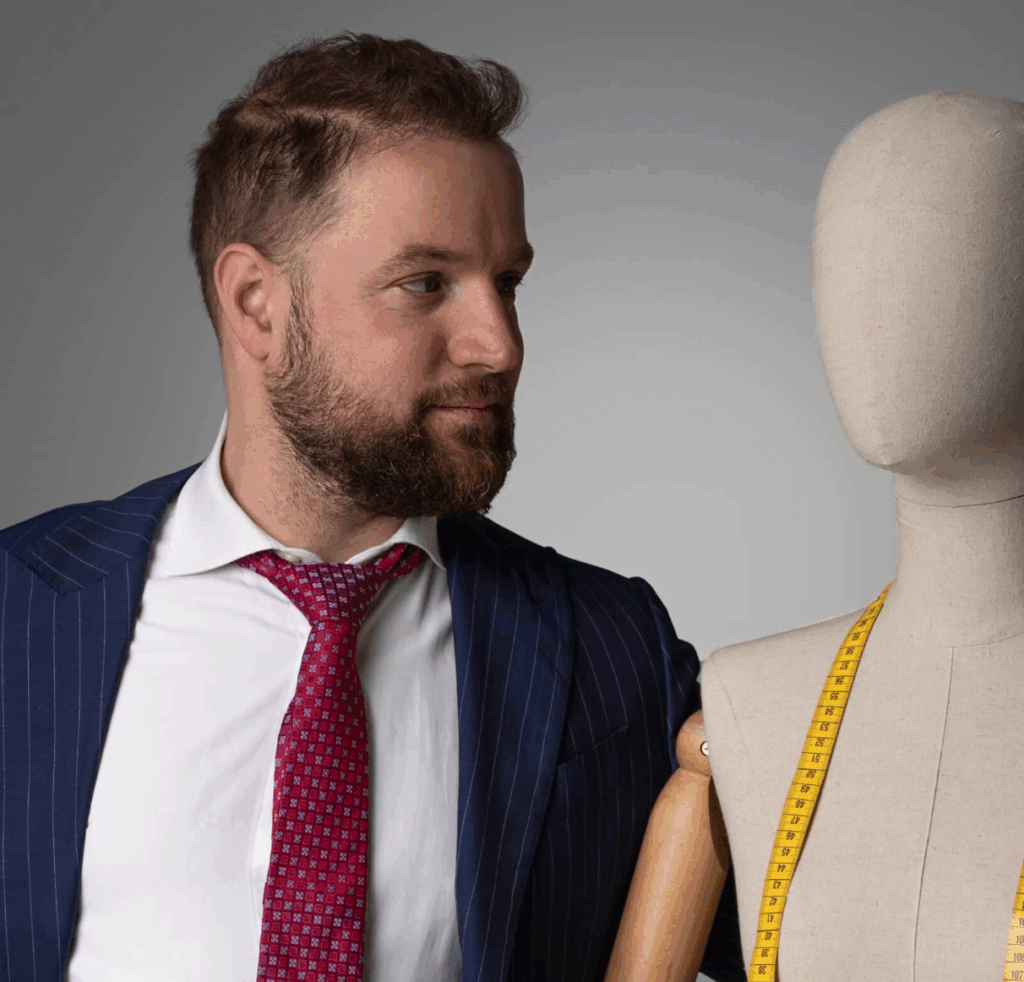


More than 70 percent of discerning luxury clients now expect the same level of digital sophistication from brands as they do from top American boutiques and hotels. With luxury rapidly shifting online, even established European icons face new challenges to keep exclusivity and emotional connection alive on every platform. This introduction reveals how digital luxury is reshaping consumer engagement, offering insights to help European marketing directors set their brands apart in an increasingly competitive world.
Table of Contents
- What Digital Luxury Really Means Today
- Types of Digital Luxury Experiences
- Unique Features of Digital Luxury Environments
- Psychological Foundations Behind Digital Luxury
- Personalization, Exclusivity, and Brand Storytelling
- Risks, Pitfalls, and Key Mistakes to Avoid
Key Takeaways
| Point | Details |
|---|---|
| Digital Luxury Transformation | Luxury brands must create immersive, personalized experiences that blend technology with emotional storytelling. |
| Importance of Personalization | High-end experiences should feel intimate and tailored, using advanced technologies to connect with consumers effectively. |
| Risks in Digital Implementation | Brands must avoid brand dilution, inconsistent messaging, and over-automation to preserve consumer trust and emotional engagement. |
| Strategic Focus | Digital strategies should enhance core brand identity while leveraging innovations to foster authentic connections with customers. |
What Digital Luxury Really Means Today
Digital luxury represents a profound transformation in how premium brands engage customers, transcending traditional boundaries of exclusivity and accessibility. The luxury industry’s digital adaptation demonstrates a strategic evolution where technological innovation meets sophisticated consumer expectations. Modern digital luxury is not simply about online transactions, but creating immersive, personalized experiences that honor brand heritage while embracing cutting-edge technological capabilities.
This paradigm shift requires luxury brands to reimagine their digital presence through multiple sophisticated dimensions. High-end digital experiences now blend emotional storytelling with seamless technological interactions, allowing brands to connect with global audiences while maintaining an aura of exclusivity. Interactive platforms, augmented reality experiences, and personalized digital consultations have become critical tools for engaging discerning consumers who demand both authenticity and innovation.
Understanding digital luxury means recognizing it as a complex ecosystem where technology enhances rather than replaces traditional luxury values. Brands must craft digital strategies that maintain their core identity while providing unprecedented levels of engagement. This involves developing sophisticated digital touchpoints that feel intimate, personalized, and aligned with the brand’s unique narrative. From virtual runway shows to customized digital styling sessions, luxury brands are creating experiences that are simultaneously global and deeply personal.
Here is a comparison of traditional luxury experiences versus digital luxury experiences:
| Aspect | Traditional Luxury | Digital Luxury |
|---|---|---|
| Consumer Engagement | In-person, exclusive events | Global, immersive platforms |
| Personalization | VIP services, custom goods | AI-driven, adaptive touchpoints |
| Brand Storytelling | Face-to-face, heritage focus | Multimedia, interactive stories |
| Accessibility | Limited by location | Accessible anytime, anywhere |
Pro tip: Invest in technology that creates genuine emotional connections, not just transactional interfaces, to truly elevate your digital luxury strategy.
Types of Digital Luxury Experiences
Luxury brands are pioneering innovative digital experiences that transcend traditional online interactions. Understanding luxury brand experiences reveals a sophisticated landscape of digital engagement strategies that cater to discerning global consumers. These experiences are characterized by their ability to blend technological innovation with emotional storytelling, creating immersive and personalized touchpoints.
The primary types of digital luxury experiences encompass several sophisticated dimensions:
- Virtual Consultations: Personalized digital interactions with brand experts
- Augmented Reality Showrooms: Immersive product visualization and customization platforms
- Interactive Digital Experiences: Curated digital environments that tell brand stories
- Personalized Digital Services: Tailored recommendations and exclusive digital interactions
Each digital experience is meticulously designed to maintain the brand’s core essence while leveraging technological capabilities. High-end brands are transforming digital platforms into extensions of their physical luxury environments, creating seamless interactions that feel intimate and exclusive. From virtual runway shows to AI-driven styling sessions, these digital experiences provide unprecedented access while preserving the mystique and sophistication associated with luxury brands.
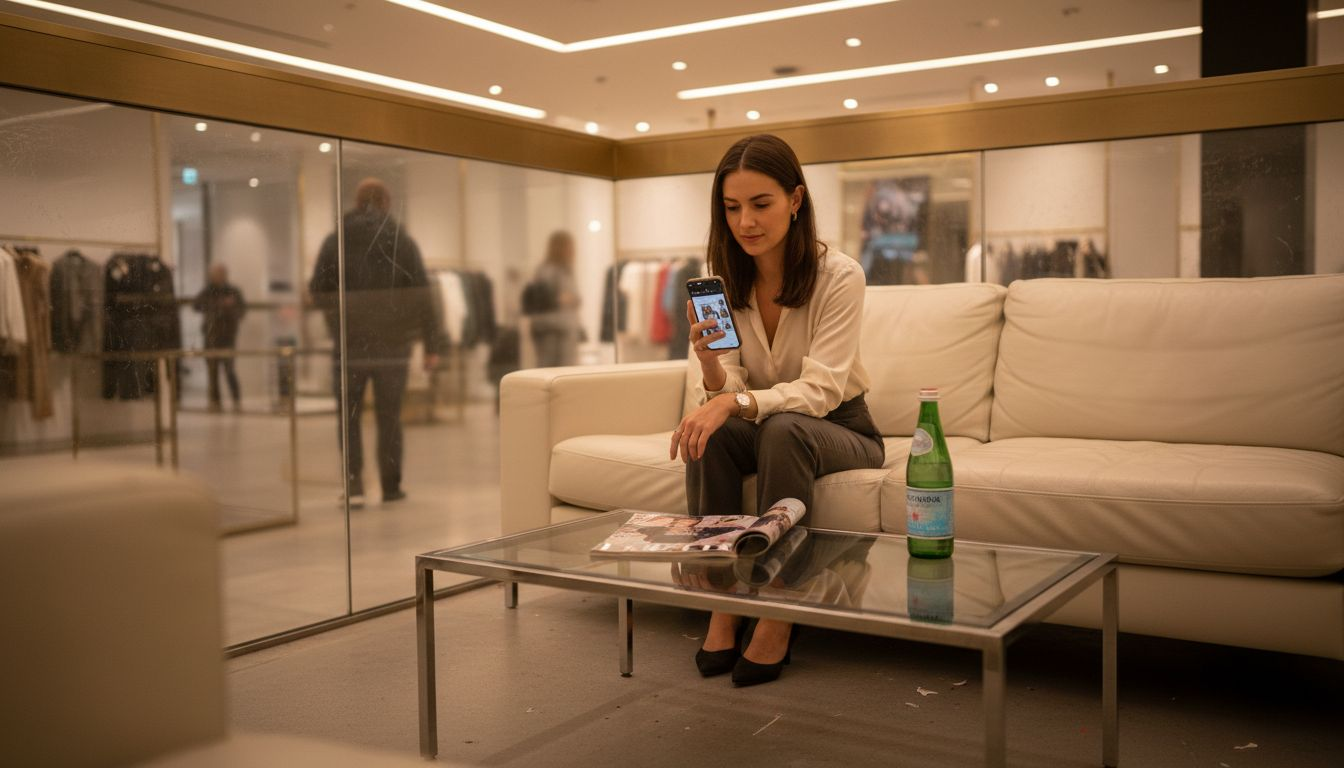
Pro tip: Design digital experiences that feel like exclusive, personal conversations rather than generic online transactions.
Unique Features of Digital Luxury Environments
Digital luxury environments represent a sophisticated fusion of technological innovation and brand storytelling, creating immersive experiences that transcend traditional digital interactions. Systematic exploration of digital luxury features reveals a complex ecosystem where authenticity, personalization, and technological integration converge to redefine luxury consumer engagement.
The unique characteristics of these digital environments are multifaceted and strategically designed:
- Hyper-Personalization: Tailored experiences that adapt to individual consumer preferences
- Immersive Technologies: Advanced implementations of augmented and virtual reality
- Authentic Digital Storytelling: Narratives that preserve brand heritage while embracing technological innovation
- Social Proof Mechanisms: Strategic use of influencer collaborations and digital testimonials
These digital environments are meticulously crafted to maintain the exclusivity and emotional resonance traditionally associated with luxury brands. By leveraging cutting-edge technologies, luxury brands create digital spaces that are not merely transactional platforms but sophisticated ecosystems of brand experience. The goal is to generate emotional connections that mirror the intimacy of in-person luxury interactions, using digital tools to enhance rather than replace human connection.
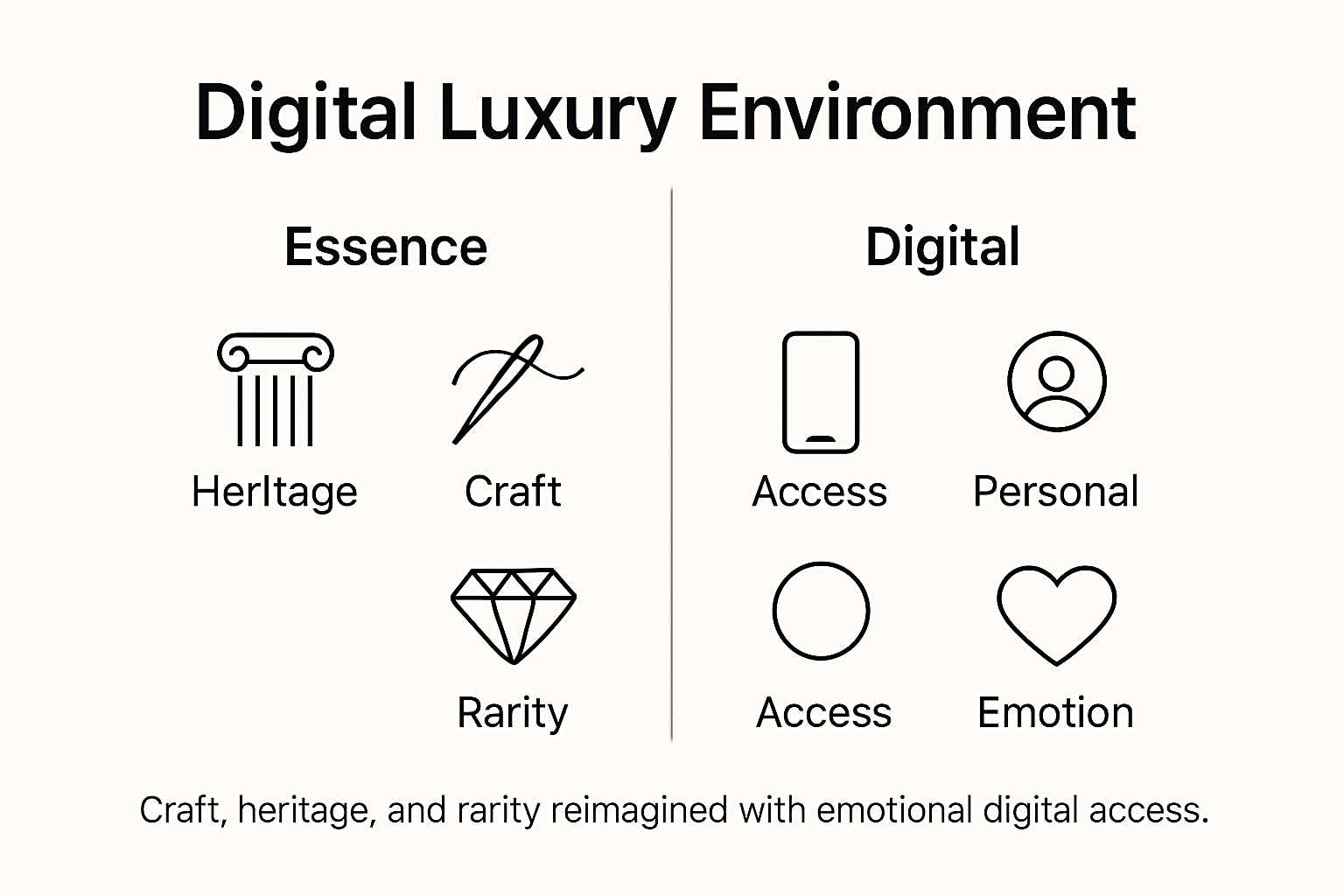
Pro tip: Invest in technologies that create emotional depth, not just visual complexity, to transform digital interactions into meaningful brand experiences.
Psychological Foundations Behind Digital Luxury
Luxury brands are increasingly recognizing the profound psychological dimensions that drive digital consumer engagement. Understanding psychology in luxury branding reveals that digital experiences must transcend mere transactional interactions, instead tapping into deeper emotional and aspirational motivations that define luxury consumption.
The psychological foundations of digital luxury are rooted in several key cognitive and emotional mechanisms:
- Status Signaling: Digital platforms as extensions of personal identity and social positioning
- Emotional Storytelling: Creating narrative experiences that resonate with consumer self-image
- Exclusivity Perception: Maintaining a sense of rarity and privileged access in digital contexts
- Sensory Compensation: Designing digital interactions that simulate tactile and emotional luxury experiences
These psychological principles demonstrate that digital luxury is not about technological complexity, but about crafting experiences that speak directly to consumers’ intrinsic desires for recognition, belonging, and personal transformation. Sophisticated digital environments must carefully balance technological innovation with deep emotional intelligence, creating interactions that feel simultaneously personal and aspirational. By understanding the underlying psychological drivers, luxury brands can create digital experiences that are not just seen, but truly felt.
Pro tip: Design digital experiences that evoke emotional responses by understanding the psychological narrative behind luxury consumption.
Personalization, Exclusivity, and Brand Storytelling
Digital luxury represents a sophisticated intersection of technology and emotional narrative, where understanding luxury brand storytelling becomes critical to creating meaningful consumer connections. Brands must craft digital experiences that are simultaneously personal, exclusive, and emotionally resonant, transforming traditional marketing approaches into immersive journeys of brand discovery.
The strategic components of this digital luxury approach include:
- Hyper-Personalization: Tailoring experiences to individual consumer preferences
- Narrative Depth: Creating rich, multilayered brand stories that transcend traditional marketing
- Exclusive Access: Generating a sense of privileged interaction
- Emotional Mapping: Designing digital touchpoints that evoke specific psychological responses
Successful digital luxury strategies recognize that personalization extends far beyond simple data collection. These experiences must feel intimate and curated, as though each interaction has been meticulously designed for a single, discerning consumer. By blending technological sophistication with emotional intelligence, luxury brands can create digital environments that feel simultaneously global and deeply personal, maintaining their core brand essence while embracing innovative engagement techniques.
Pro tip: Develop digital experiences that feel like personalized conversations, not automated interactions, to truly capture luxury consumer expectations.
Risks, Pitfalls, and Key Mistakes to Avoid
Digital luxury strategies are fraught with potential missteps that can rapidly erode brand perception and consumer trust. Comprehensive digital luxury transformation challenges reveal critical pitfalls luxury brands must strategically navigate to maintain their premium positioning in increasingly complex digital landscapes.
Key risks in digital luxury implementation include:
- Brand Dilution: Losing distinctive identity through generic digital experiences
- Technological Misalignment: Implementing technologies that do not authentically reflect brand values
- Inconsistent Messaging: Creating disconnected narratives across digital platforms
- Over-Automation: Replacing emotional connections with impersonal digital interactions
- Privacy Intrusion: Mishandling personalization data and consumer trust
Successful digital luxury requires an intricate balance between technological innovation and emotional authenticity. Brands must approach digital transformation as a nuanced journey of preserving core brand essence while strategically embracing new engagement technologies. This demands continuous monitoring, adaptive strategies, and a deep understanding of how digital tools can enhance rather than replace the fundamental emotional experience of luxury.
Below is a summary of key risks that digital luxury brands must proactively manage:
| Risk Category | Description | Brand Impact |
|---|---|---|
| Brand Dilution | Loss of distinctiveness online | Weaker consumer loyalty |
| Tech Misalignment | Inappropriate tech adoption | Reduced brand credibility |
| Privacy Intrusion | Mishandling consumer data | Loss of trust, legal risks |
| Over-Automation | Lack of human touch | Lower emotional engagement |
Pro tip: Continuously audit your digital experiences to ensure they maintain the emotional depth and exclusivity inherent to your brand’s core identity.
Elevate Your Digital Luxury Strategy with Expert Guidance
Defining digital luxury means mastering the art of emotional storytelling and hyper-personalization while maintaining brand exclusivity. If you find yourself challenged by balancing authenticity with innovative digital engagement or worried about over-automation diluting your brand’s essence, you are not alone. Understanding the psychology behind luxury consumer behavior and crafting immersive, exclusive digital experiences is crucial for success in today’s market.
Discover tailored solutions that integrate psychology-driven marketing with cutting-edge digital positioning.
Unlock your luxury brand’s full potential by partnering with a specialist who blends psychology, fashion marketing, and innovation. Explore how Corrado Manenti’s expertise can transform your brand into a beacon of digital luxury with captivating, emotionally resonant campaigns. Start enhancing your brand experience now with Marketing Fashion and Digital Positioning strategies designed for discerning luxury markets. Visit Corrado Manenti to take the first step toward an unmatched digital luxury presence.
Frequently Asked Questions
What is digital luxury?
Digital luxury refers to the transformation of premium brands’ engagement with customers through technology, offering personalized, immersive experiences while maintaining exclusivity and brand heritage.
How do luxury brands personalize digital experiences?
Luxury brands utilize advanced technologies, such as artificial intelligence, to create hyper-personalized digital touchpoints that adapt to individual consumer preferences and provide tailored recommendations.
What role does storytelling play in digital luxury?
Storytelling in digital luxury involves crafting rich, emotional narratives that resonate with consumers, enhancing their connection to the brand while utilizing multimedia and interactive elements across digital platforms.
What are some common risks associated with implementing digital luxury strategies?
Key risks include brand dilution through generic experiences, technological misalignment, inconsistent messaging, over-automation of interactions, and potential privacy intrusions with consumer data.