
Most luxury brands in Europe are now realizing that the traditional american focus on product scarcity is no longer enough to stand out. As consumer desires evolve, experiential luxury has become the driving force behind meaningful brand engagement and memorable customer journeys. With more than 60 percent of luxury shoppers seeking unique emotional connections, this shift demands fresh thinking. Understanding what defines experiential luxury will help you craft strategies that foster lasting loyalty in a crowded market.
Table of Contents
- Defining Experiential Luxury And Its Meaning
- Key Types And Applications In Fashion
- Emotional And Psychological Impact On Consumers
- Personalization And Storytelling In Luxury Experiences
- Risks, Costs, And Common Challenges For Brands
- Alternatives And Why Experience Prevails
Key Takeaways
| Point | Details |
|---|---|
| Experiential Luxury Focus | Luxury brands are shifting from product-centric models to creating meaningful, immersive experiences that resonate emotionally with consumers. |
| Personalization and Storytelling | Hyper-personalized narratives are crucial in luxury marketing, transforming customer interactions into deeply personal journeys. |
| Psychological Impact | Experiential luxury enhances emotional connections, fulfilling psychological needs for recognition, belonging, and self-expression. |
| Market Resilience | Experience-driven luxury strategies outperform traditional models by fostering deep consumer loyalty through memorable interactions. |
Defining Experiential Luxury and Its Meaning
Luxury experiences represent a transformative approach to brand engagement that transcends traditional product consumption. Luxury marketing has evolved from merely selling physical items to creating profound emotional connections with consumers. This paradigm shift means luxury brands now focus on crafting immersive narratives that speak directly to individual consumer desires and psychological needs.
At its core, experiential luxury is about generating meaningful interactions that transform consumer perceptions. Rather than simply purchasing an object, consumers seek transformative moments that provide personal significance. These experiences engage multiple sensory dimensions, creating lasting memories that extend far beyond transactional exchanges. The hospitality sector exemplifies this trend, with luxury lodgings increasingly offering immersive cultural programs that connect guests with authentic, personalized encounters.
The strategic importance of experiential luxury lies in its ability to differentiate brands in an increasingly saturated market. By prioritizing emotional resonance over material possession, luxury brands can create deeper, more sustainable consumer relationships. This approach requires meticulous attention to detail, personalization, and a nuanced understanding of individual consumer aspirations. Successful experiential luxury strategies transform products from mere commodities into meaningful life experiences that reflect personal identity and values.
Pro tip: Design luxury experiences that tell a compelling narrative, focusing on emotional depth rather than superficial extravagance.
Key Types and Applications in Fashion
Luxury fashion has transformed experiential marketing into a sophisticated strategy for building deeper consumer connections. Personalized luxury experiences now encompass a range of exclusive interactions that go far beyond traditional retail encounters. These experiences are carefully designed to create social distinction and emotional resonance, targeting consumers who seek more than just material purchases.
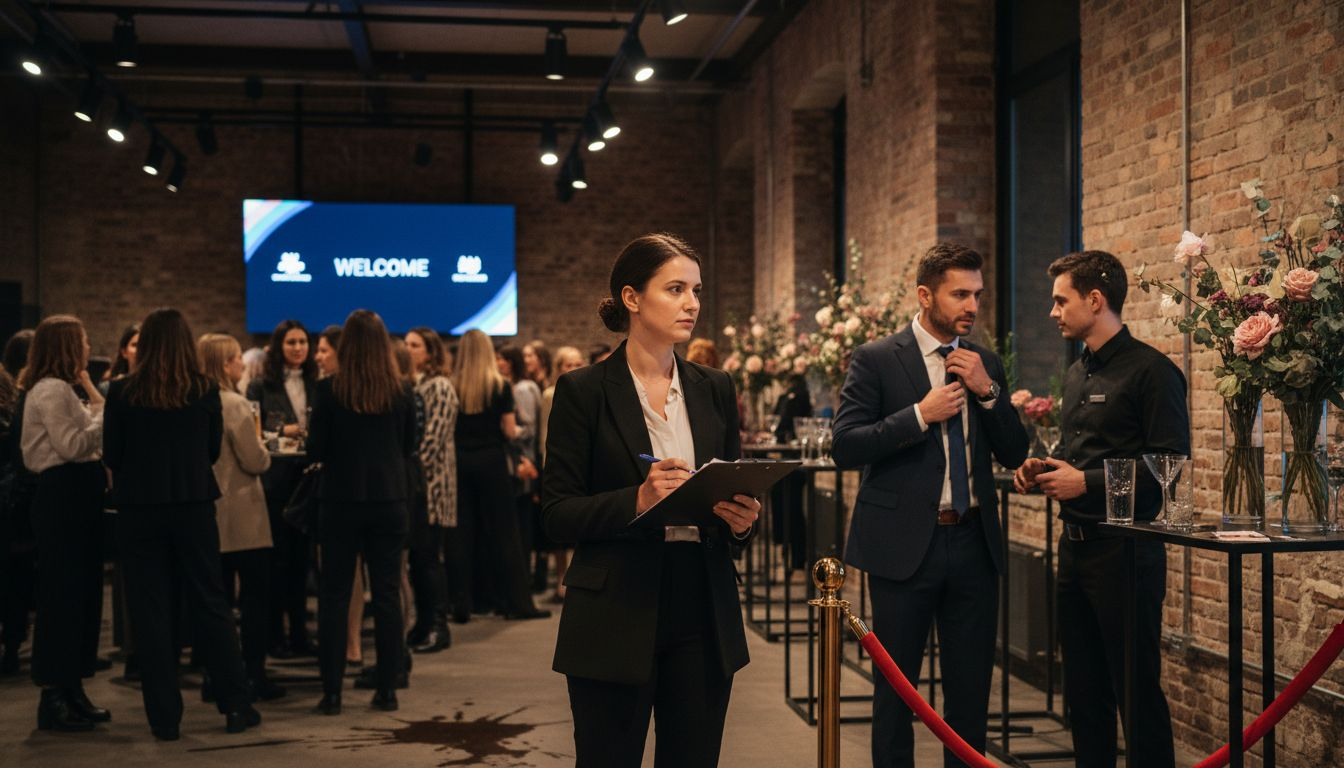
The most compelling applications of experiential luxury in fashion emerge through several key approaches. Invitation-only events, one-on-one personal styling appointments, and exclusive preview experiences represent sophisticated techniques for engaging high-end consumers. Interactive marketing campaigns have become particularly effective, especially among younger demographics, who value immersive brand interactions that tell a compelling narrative.
Technical innovations have further expanded the landscape of experiential luxury. Pop-up stores, sensory engagement installations, and digitally enhanced brand experiences allow fashion houses to create multidimensional encounters that transcend traditional shopping. These strategies transform consumer interactions from transactional moments into memorable journeys that connect deeply with individual identity and personal aspirations. By prioritizing emotional engagement over mere product display, luxury fashion brands can cultivate lasting loyalty and meaningful relationships.
Pro tip: Design experiential marketing strategies that tell a unique brand story, focusing on creating emotional connections rather than simply showcasing products.
Emotional and Psychological Impact on Consumers
Experiential luxury profoundly transforms consumer psychology by creating deep emotional connections that transcend traditional transactional relationships. These experiences activate complex cognitive and emotional responses, generating unique personal narratives that consumers attach to luxury brands. Unlike standard product interactions, luxury experiences tap into fundamental psychological needs for recognition, belonging, and self-expression.
The multidimensional nature of luxury value perception involves intricate psychological mechanisms. Emotional value emerges as a critical driver, influencing consumer attitudes through affective responses that enhance brand attachment and loyalty. Consumers seek experiences that signal social status, boost self-esteem, and fulfill deeper identity needs. Luxury value perception encompasses functional, social, and emotional dimensions, each contributing to a complex psychological engagement that goes beyond mere product ownership.
Psychological research reveals that experiential luxury creates powerful memory traces and emotional imprints. These experiences activate sensory and cognitive processes that generate lasting impressions, transforming brand interactions into meaningful personal stories. By addressing fundamental human desires for uniqueness, recognition, and emotional connection, luxury brands can create profound psychological resonance that differentiates them in an increasingly competitive marketplace. The emotional engagement becomes a sophisticated dialogue between consumer identity and brand narrative.
Pro tip: Design luxury experiences that authentically address consumers’ psychological needs, focusing on creating emotional narratives rather than superficial interactions.
Personalization and Storytelling in Luxury Experiences
Luxury brands are revolutionizing consumer engagement through hyper-personalized storytelling strategies that transform traditional marketing approaches. These sophisticated narratives go beyond simple product presentation, creating immersive experiences that speak directly to individual consumer identities. Each interaction becomes a carefully crafted journey that connects emotionally, turning brand encounters into deeply personal and memorable moments.
The art of personalization in luxury experiences involves intricate layers of technological and psychological insights. Artificial intelligence enables brands to develop nuanced understanding of individual consumer preferences, allowing for unprecedented levels of customization. By leveraging data-driven approaches, luxury brands can design experiences that feel uniquely tailored, anticipating customer desires before they are fully articulated. This approach transforms marketing from a one-size-fits-all model to a highly individualized dialogue that resonates on an emotional level.
Successful storytelling in luxury experiences requires a delicate balance between technological precision and authentic human connection. Brands must create narratives that feel simultaneously exclusive and inclusive, personal yet aspirational. The most effective luxury storytelling goes beyond product features, instead weaving complex emotional narratives that reflect consumers’ deepest identity aspirations. These stories become vehicles for self-expression, allowing consumers to see themselves as protagonists in a larger, more meaningful brand experience.
Pro tip: Develop luxury brand narratives that are technologically sophisticated yet emotionally authentic, focusing on creating personal connections that transcend traditional marketing boundaries.
Risks, Costs, and Common Challenges for Brands
Luxury brands confront increasingly complex challenges in maintaining their market position, with critical strategic risks emerging from technological disruption and evolving consumer expectations. These challenges demand sophisticated navigation between preserving brand heritage and embracing innovative approaches. The delicate balance requires brands to maintain exclusivity while simultaneously addressing broader market accessibility and technological integration.
Digital transformation introduces profound operational complexities for luxury brands. Technology-driven market challenges now encompass multiple dimensions beyond traditional marketing concerns. Data security, technological agility, and maintaining authentic brand identity have become critical strategic imperatives. Brands must develop robust digital strategies that protect their reputation while creating meaningful consumer connections, all without compromising the core values that define their luxury positioning.
The most significant risks emerge from potential brand equity dilution. Mismanaged innovation can alienate core consumer segments, particularly when technological approaches feel disconnected from the brand’s historical narrative. Successful luxury brands must create seamless experiences that feel simultaneously cutting-edge and authentically rooted in their established brand identity. This requires extensive consumer research, technological investment, and a nuanced understanding of brand perception across different market segments.
Below are key challenges faced by luxury brands in the digital age:
| Challenge | Impact on Brands | Strategic Response |
|---|---|---|
| Data security | Threatens consumer trust | Invest in cybersecurity measures |
| Brand authenticity | Risk of perception loss | Align technology to brand values |
| Innovation management | Potential core audience alienation | Conduct in-depth market research |
| Operational complexity | Increased costs and resources | Implement agile digital solutions |
Pro tip: Develop a comprehensive digital strategy that preserves brand heritage while embracing technological innovation, focusing on maintaining emotional authenticity throughout digital transformations.
Alternatives and Why Experience Prevails
Experiential luxury continues demonstrating remarkable market resilience, consistently outperforming traditional product-based luxury segments. Unlike conventional luxury goods, experiential offerings create deeper emotional connections that transcend transactional interactions. Consumers increasingly seek meaningful moments and transformative experiences that reflect personal values and aspirations, moving decisively beyond simple material acquisition.
The competitive landscape reveals compelling advantages for experience-driven luxury strategies. Luxury hospitality and experiential categories demonstrate unprecedented growth potential, offering brands more adaptive and emotionally resonant engagement models. These experiences provide nuanced opportunities for connection that static product offerings cannot replicate. Gourmet dining, exclusive travel experiences, and immersive cultural encounters represent sophisticated alternatives that speak directly to consumers’ desire for personalized, meaningful interactions.
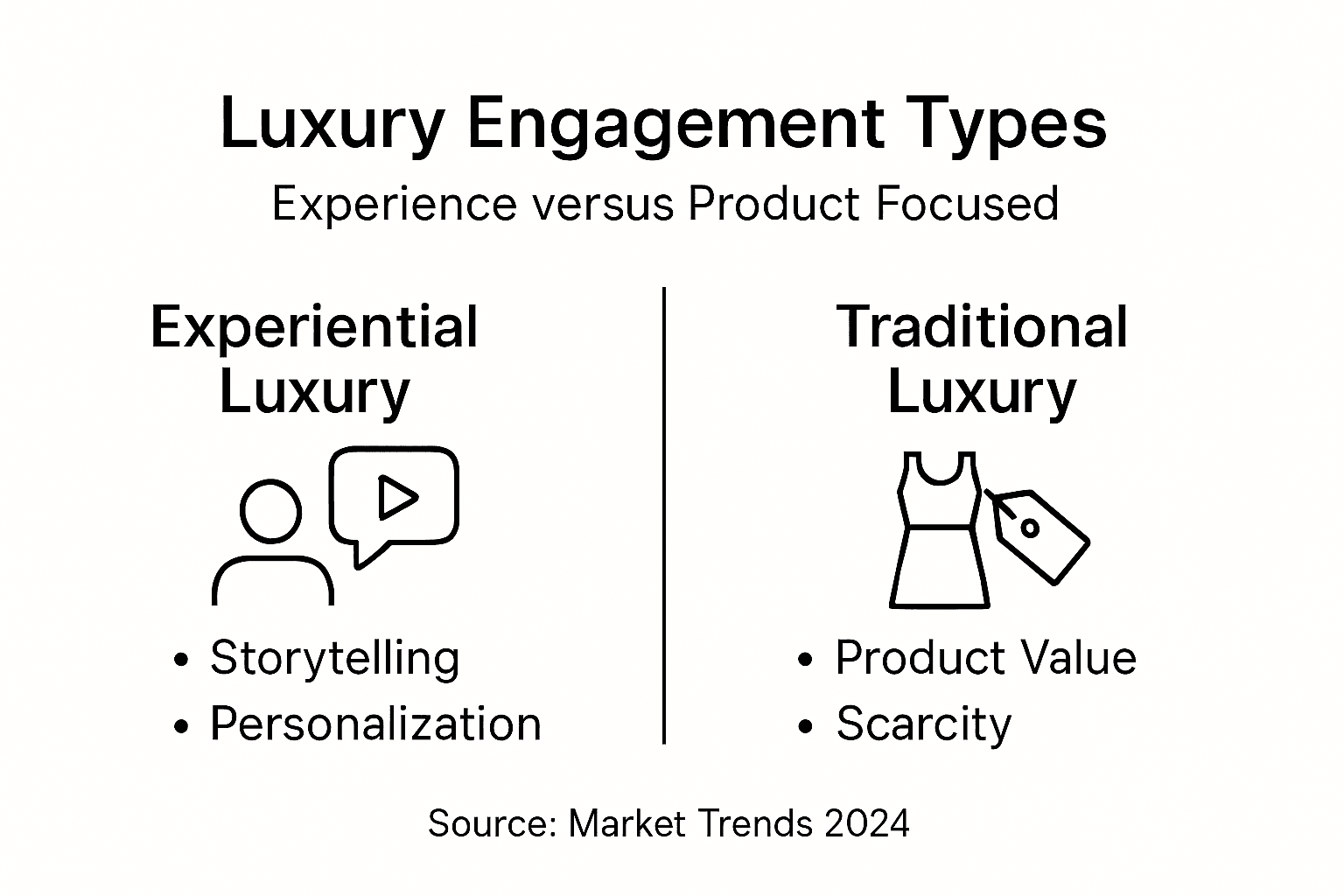
Traditional luxury alternatives fundamentally differ in their approach to consumer engagement. While product-centric models rely on material scarcity and brand prestige, experiential luxury creates value through emotional investment and personal narrative. This shift represents a profound reimagining of luxury consumption, where the memory and emotional significance of an experience become more valuable than the physical object itself. Brands that understand and leverage this psychological transformation can create more sustainable, deeply loyal consumer relationships.
Here is a summary of how experiential luxury differs from traditional luxury models:
| Aspect | Experiential Luxury | Traditional Luxury |
|---|---|---|
| Value Proposition | Emotional connection, personal meaning | Material prestige, exclusivity |
| Consumer Motivation | Desire for memories and transformation | Seeking rare or iconic items |
| Brand Strategy | Narrative-driven, personalization | Product-centric, heritage focus |
| Market Impact | Fosters deep loyalty and identity | Creates status through scarcity |
Pro tip: Design luxury experiences that prioritize emotional depth and personal transformation over mere transactional value, creating memorable moments that consumers will cherish and share.
Unlock the Power of Experiential Luxury with Expert Marketing Strategies
Experiential luxury thrives on deep emotional engagement and personalization to captivate consumers beyond traditional transactions. If you are looking to transform your brand’s interactions into meaningful, psychology-driven experiences that resonate emotionally and build lasting loyalty, understanding the nuances of consumer psychology and storytelling is essential. This article highlights the challenges and opportunities luxury brands face in creating authentic emotional connections that elevate their market position.
Take the next step by exploring expert approaches designed specifically for the fashion and luxury sectors. At Corrado Manenti, you will find marketing consultancy rooted in psychological insights combined with detailed brand curation and forward-thinking digital strategies to help you master experiential luxury marketing. Discover how innovative storytelling and emotional resonance can redefine your customer relationships in Marketing Fashion – Corrado Manenti. Begin your journey to powerful luxury marketing solutions today by visiting our main website and unlocking the full potential of your luxury brand.
Frequently Asked Questions
What is experiential luxury?
Experiential luxury refers to a transformative approach in luxury marketing where brands create meaningful interactions and emotional connections with consumers, focusing on immersive experiences rather than just selling products.
How do luxury brands create emotional engagement?
Luxury brands create emotional engagement by designing personalized and narrative-driven experiences that resonate with consumers’ identities and aspirations, making them feel recognized, valued, and connected to the brand.
Why is personalization important in experiential luxury?
Personalization is crucial in experiential luxury because it allows brands to tailor experiences to individual consumer preferences, enhancing emotional connections and ensuring that each encounter feels unique and meaningful.
How does experiential luxury differ from traditional luxury?
Experiential luxury prioritizes emotional connection and personal transformation over material prestige and product scarcity, fostering deeper loyalty and more meaningful consumer relationships than traditional luxury models.
Recommended
- Understanding Luxury Brand Experience Guide – Corrado Manenti
- How to Design Experiential Campaigns for Luxury Brands – Corrado Manenti
- Understanding Psychology in Luxury Branding – Corrado Manenti
- 7 Advantages of Experiential Branding for Luxury Marketing – Corrado Manenti
- Πλεονεκτήματα επαγγελματικού makeup: Κατανόηση και Σημασία – MakeUp Closet