

Over 60 percent of luxury buyers—including the discerning American market—say emotional connection is the main reason for brand loyalty. For marketing directors at top fashion houses, standing out in a sea of established global names is a pressing challenge. This guide reveals actionable strategies that blend cutting-edge consumer psychology, brand heritage, and digital innovation so your brand can forge stronger bonds with high-net-worth clients and redefine exclusivity in every market.
Table of Contents
- Understand Consumer Psychology For Deeper Connections
- Emphasize Unique Brand Storytelling And Heritage
- Curate Exceptional Customer Experiences
- Leverage Digital Innovation For Modern Appeal
- Create Limited Edition Or Exclusive Products
- Build Strategic Partnerships And Collaborations
- Maintain Consistency Across All Brand Touchpoints
Quick Summary
| Takeaway | Explanation |
|---|---|
| 1. Understand Consumer Psychology | Luxury brands succeed by knowing emotional drivers like prestige and identity alignment. |
| 2. Emphasize Authentic Brand Storytelling | Heritage storytelling creates deep emotional connections that differentiate brands in the market. |
| 3. Create Exceptional Customer Experiences | Personalization and anticipation enhance customer engagement beyond product transactions. |
| 4. Leverage Digital Innovation | Use cutting-edge technology to create immersive and personalized luxury experiences. |
| 5. Maintain Brand Consistency | Aligned messaging and quality across all touchpoints build consumer trust and reinforce brand identity. |
1. Understand Consumer Psychology for Deeper Connections
Luxury brands succeed by creating emotional connections that transcend mere product transactions. At the core of this success lies a profound understanding of consumer psychology, which reveals how high-end customers make purchasing decisions based on complex emotional and cognitive motivations.
Psychological research demonstrates that luxury consumers are driven by more than functional needs. Emotional bonds shape brand loyalty through intricate psychological mechanisms involving brand uniqueness, hedonistic experiences, and symbolic representation.
Key psychological drivers include perceived prestige, emotional resonance, and personal identity alignment. Consumers don’t just buy luxury products they buy stories, experiences, and representations of their aspirational selves. By mapping these psychological dimensions, brands can design marketing strategies that speak directly to consumers’ deeper desires and self-conceptualizations.
Successful luxury brands craft narratives that transform products into powerful psychological symbols. They understand that purchasing decisions are emotional journeys where rational considerations blend with personal fantasies, status signaling, and self-enhancement goals.
Pro tip: Conduct in-depth consumer research using psychological profiling techniques to uncover the nuanced emotional triggers that drive your target audience’s luxury purchasing behaviors.
2. Emphasize Unique Brand Storytelling and Heritage
Luxury brands possess a remarkable power to transform historical narratives into compelling marketing strategies through authentic storytelling. Heritage storytelling creates emotional connections that go far beyond traditional advertising approaches.
Brand heritage represents more than historical facts. It encompasses a rich tapestry of traditions, craftsmanship, and values that define a luxury brand’s unique identity. By weaving compelling narratives that highlight their origins, brands can differentiate themselves in a crowded marketplace and create deeper connections with discerning consumers.
Authentic storytelling involves showcasing the brand’s journey, highlighting pivotal moments, legendary founders, and the meticulous processes that have defined its reputation. Iconic luxury brands like Hermès and Rolex excel at embedding their historical legacy into every customer touchpoint, transforming product experiences into immersive narratives of excellence and tradition.
Successful heritage storytelling requires a delicate balance between honoring historical roots and maintaining contemporary relevance. Brands must craft narratives that resonate with modern consumers while preserving the timeless essence of their legacy. This involves presenting historical achievements through innovative digital platforms, interactive experiences, and multimedia storytelling techniques.
Key elements of effective heritage storytelling include transparency, emotional resonance, and a genuine commitment to the brand’s core values. By sharing behind the scenes insights into craftsmanship, design philosophy, and cultural significance, luxury brands can create powerful emotional connections that transcend traditional marketing approaches.
Pro tip: Develop a comprehensive brand archive that systematically documents your brand’s historical milestones, allowing for rich storytelling content that can be strategically deployed across multiple marketing channels.
3. Curate Exceptional Customer Experiences
Luxury brands are no longer defined solely by their products but by the immersive experiences they create. Personalized brand interactions generate emotional connections that transform traditional consumer relationships into extraordinary journeys.
Exceptional customer experiences transcend transactional interactions. They are intricate, multisensory encounters that engage customers on emotional and symbolic levels. Modern luxury consumers expect more than excellent products they seek meaningful, personalized engagement that reflects their unique identity and aspirations.
Creating these experiences requires a holistic approach that integrates digital innovation, personalized communication, and sensory design. Advanced technologies like artificial intelligence enable brands to deliver hyper personalized interactions, anticipating customer needs and crafting bespoke experiences that feel intimate and exclusive.
Successful luxury brands understand that every touchpoint is an opportunity to communicate value. From the initial digital interaction to in store encounters, each moment should reflect the brand’s unique narrative and commitment to exceptional quality. This means training sales associates to be storytellers, designing store environments that stimulate multiple senses, and developing digital platforms that feel like personalized concierge services.
Key elements of exceptional customer experiences include:
Personalization: Tailoring interactions to individual customer preferences
Emotional Resonance: Creating experiences that evoke powerful feelings
Seamless Omnichannel Integration: Ensuring consistent quality across digital and physical platforms
Anticipatory Service: Proactively meeting unexpressed customer needs
Pro tip: Develop a comprehensive customer journey mapping process that identifies and eliminates friction points while creating moments of unexpected delight and personalization.
4. Leverage Digital Innovation for Modern Appeal
Luxury brands are entering a transformative era where digital innovation becomes a critical differentiator. Digital technologies reshape luxury marketing by creating immersive experiences that balance technological innovation with brand heritage.
Modern digital strategies go beyond traditional marketing approaches. They integrate cutting edge technologies like artificial intelligence, virtual reality, and advanced data analytics to create personalized consumer experiences that feel simultaneously exclusive and accessible. Brands that successfully navigate this digital landscape can maintain their prestigious image while appealing to tech savvy global consumers.
Key digital innovation strategies include:
Immersive Digital Experiences
• Virtual showrooms and product demonstrations
• Interactive brand storytelling platforms
• AI powered personalization engines
• Augmented reality product visualization
Successful implementation requires a nuanced approach that preserves the brand’s core identity. Digital innovations should enhance rather than replace the luxury brand experience. This means using technology to create deeper emotional connections, provide unprecedented customization, and offer seamless omnichannel interactions.
Technology enables luxury brands to gather sophisticated consumer insights, allowing for hyper personalized marketing strategies. Advanced analytics can help brands anticipate customer preferences, design targeted experiences, and create more meaningful engagement models that respect individual consumer desires.
Pro tip: Develop a digital innovation roadmap that integrates emerging technologies strategically while maintaining your brand’s unique aesthetic and emotional resonance.
5. Create Limited Edition or Exclusive Products
Luxury brands harness the psychological power of scarcity to elevate product desirability and consumer perception. Limited editions transform product value by creating an exclusive narrative that drives consumer excitement and strategic brand positioning.
The art of limited edition products relies on sophisticated psychological principles. Commodity theory suggests that restricting availability increases perceived value, triggering a complex emotional response where consumers view rare items as more prestigious and worth pursuing. This strategy goes beyond simple marketing tactic it represents a nuanced approach to brand storytelling and consumer engagement.
Successful limited edition strategies incorporate multiple dimensions of exclusivity:
Quantitative Scarcity
• Restricting total production numbers
• Numbered product series
• Time limited production windows
Qualitative Exclusivity
• Unique design elements
• Collaborative artist collections
• Personalization options
• Premium packaging experiences
Brands must carefully calibrate their approach. While limited editions can dramatically increase perceived value, strategic deployment requires understanding consumer context and cultural nuances. The goal is creating genuine excitement without appearing manipulative.
Designing limited editions demands meticulous attention to detail. Each product should feel like a collector item that tells a compelling story about the brand’s creativity, craftsmanship, and vision.
Pro tip: Develop a comprehensive limited edition strategy that balances rarity with brand authenticity, ensuring each exclusive release feels meaningful and aligned with your core brand identity.
6. Build Strategic Partnerships and Collaborations
Luxury brands unlock extraordinary potential through carefully curated strategic partnerships that transcend traditional marketing approaches. Brand collaborations generate multidimensional value by creating innovative experiences that resonate deeply with sophisticated consumer expectations.
Strategic collaborations represent more than transactional marketing they are sophisticated cultural dialogues that communicate brand identity, creativity, and aspirational positioning. Successful partnerships require meticulous alignment of brand values, aesthetic sensibilities, and strategic objectives.
Key Collaboration Dimensions
• Artistic Partnerships
• Cross Industry Innovations
• Cultural Exchange Initiatives
• Technology Integration Projects
Successful luxury brand collaborations typically involve:
Artistic Integrity
• Preserving each brand unique identity
• Creating meaningful narrative experiences
• Generating genuine cultural value
Strategic Considerations
• Alignment of brand positioning
• Complementary audience demographics
• Shared aesthetic and philosophical principles
• Potential for mutual brand enhancement
Research indicates that luxury collaboration strategies require nuanced brand matching where perceived luxury levels and identity compatibility are critical. The most compelling partnerships emerge when brands can create something extraordinary that neither could accomplish independently.
Collaborations offer luxury brands opportunities to:
• Expand audience reach
• Demonstrate creative flexibility
• Generate innovative product experiences
• Signal cultural relevance and dynamism
Pro tip: Develop a rigorous partnership evaluation framework that assesses potential collaborations across multiple dimensions including brand alignment, creative potential, audience resonance, and long term strategic value.
7. Maintain Consistency Across All Brand Touchpoints
Luxury brands thrive on delivering seamless, predictable experiences that reinforce their exceptional reputation. Brand consistency builds consumer trust through meticulously synchronized communication and visual identity across every possible interaction.
Consistency is not merely about repeating visual elements it represents a comprehensive strategy of aligning brand values, messaging, aesthetic principles, and emotional experiences. Every touchpoint whether digital, physical, or interpersonal must communicate a unified narrative that reflects the brand’s core identity and promise.
Key Consistency Elements
• Visual Identity
• Communication Tone
• Customer Service Standards
• Product Quality
• Digital and Physical Experience Design
Successful brand consistency requires a holistic approach that encompasses multiple dimensions:
Strategic Alignment
• Develop comprehensive brand guidelines
• Create cross functional communication protocols
• Implement rigorous quality control mechanisms
• Train all brand representatives thoroughly
Luxury brands must ensure that every interaction reinforces their unique positioning. This means maintaining exceptional standards whether a customer is browsing a website, visiting a physical store, engaging with customer service, or experiencing product packaging.
Advanced consistency strategies involve:
• Creating centralized brand management systems
• Developing detailed interaction protocols
• Implementing regular brand experience audits
• Establishing continuous training programs
Pro tip: Develop a comprehensive brand consistency matrix that maps every potential customer interaction point and defines precise guidelines for maintaining your brand’s unique identity and quality standards.
Below is a comprehensive table summarizing the main strategies and key insights presented in the article about enhancing luxury brand consumer engagement through psychology, storytelling, and innovation.
| Topic | Description | Key Takeaways |
|---|---|---|
| Understand Consumer Psychology | Exploring emotional and cognitive influences on purchasing behaviors to build stronger brand connections. | Focus on emotional resonance, personal identity, and perceived prestige to deepen consumer loyalty. |
| Brand Storytelling and Heritage | Utilizing historical narratives and craftsmanship to create authentic stories that align with the brand’s values. | Highlight pivotal moments and integrate legacy with modern relevance. |
| Exceptional Customer Experiences | Creating immersive, multisensory interactions that resonate with luxury consumers on a deeply personal level. | Implement personalization, emotional resonance, and omnichannel strategies for improved experiences. |
| Digital Innovation Strategies | Leveraging advanced technologies to merge brand heritage with modern consumer preferences. | Include AI, virtual reality, and personalization engines to amplify brand visibility and appeal. |
| Limited Edition Products | Employing scarcity to raise product desirability and uniqueness. | Highlight qualitative exclusivity, unique designs, and strategic deployment of releases. |
| Strategic Partnerships | Engaging in collaborations that complement and enhance brand identity and appeal. | Align with shared aesthetics, audience demographics, and creative potential. |
| Brand Consistency | Ensuring uniformity in brand presentation and customer interactions across various touchpoints. | Develop comprehensive guidelines and quality control mechanisms to maintain trust and reputation. |
Elevate Your Luxury Brand with Psychology-Driven Marketing and Digital Innovation
Understanding your consumers’ deepest desires and crafting authentic, emotionally resonant experiences is essential to standing out in the competitive luxury market. This article highlights key strategies like leveraging consumer psychology, creating unique brand storytelling, digital innovation, and exclusive limited editions — all vital for differentiating your luxury brand. Many luxury brands struggle with maintaining consistency across touchpoints while delivering personalized experiences that truly reflect their heritage and prestige.
Are you ready to transform your brand with expert strategies rooted in psychology and innovation? Explore tailored solutions with a specialist in Marketing Fashion and Digital Positioning to ensure your brand not only meets but exceeds the expectations of discerning luxury customers.
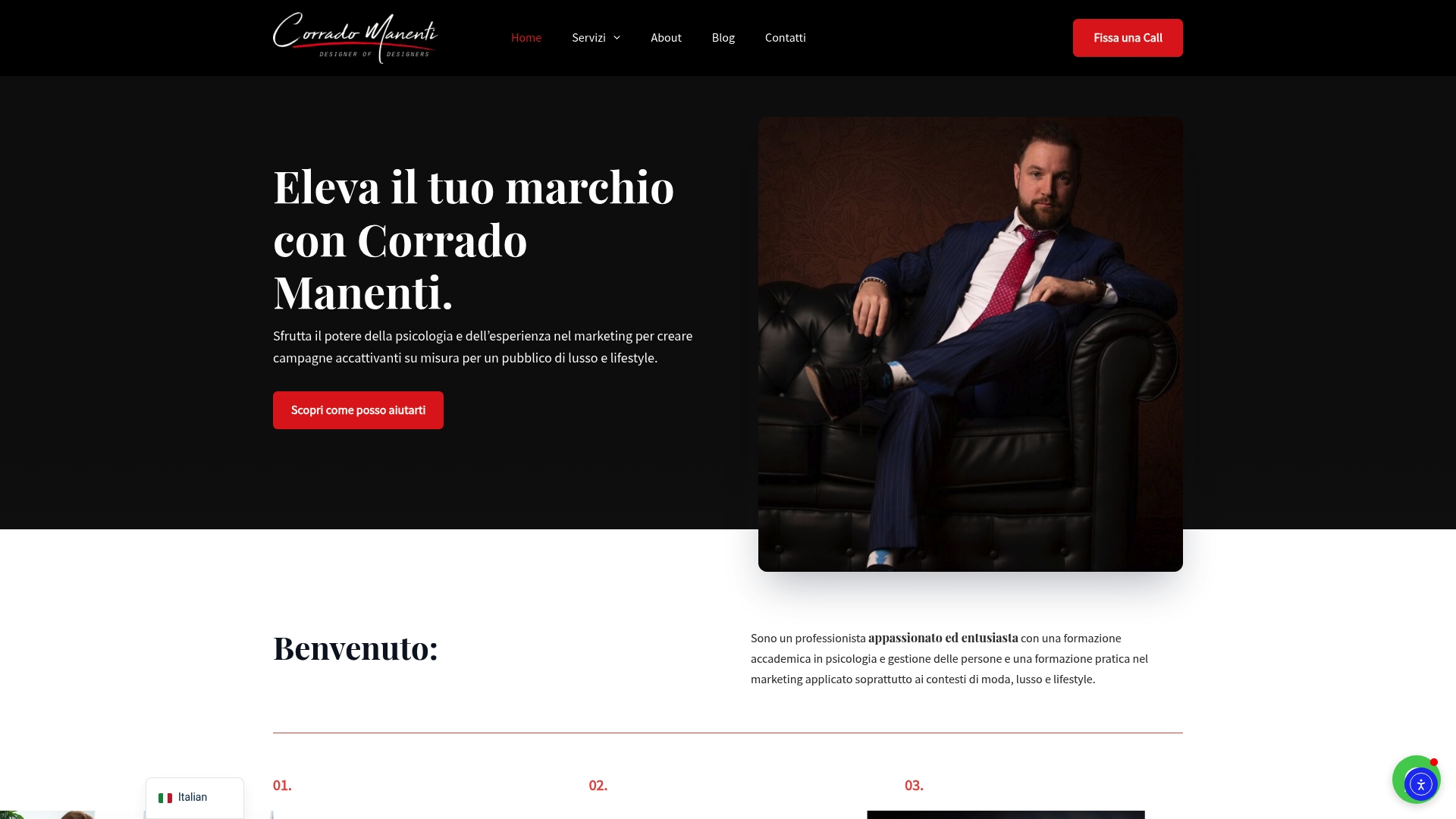
Discover how Corrado Manenti’s unique approach combining psychological insights and cutting-edge digital strategies can help you craft compelling brand narratives and exceptional customer journeys. Visit Corrado Manenti today to start elevating your luxury brand presence with precision and passion.
Frequently Asked Questions
How can understanding consumer psychology help my luxury brand?
Understanding consumer psychology allows luxury brands to forge emotional connections with consumers, enhancing brand loyalty. Conduct in-depth research using psychological profiling techniques to identify the emotional triggers that influence purchasing decisions.
What is effective storytelling in the context of luxury brands?
Effective storytelling involves creating narratives that highlight a brand’s heritage and craft, transforming products into symbols of luxury and tradition. Begin by documenting your brand’s historical milestones and integrate these stories into your marketing strategy to enrich customer experiences.
What are key elements to curate exceptional customer experiences in luxury branding?
Key elements include personalization, emotional resonance, and seamless integration across channels. Focus on tailoring experiences to individual preferences, ensuring each touchpoint reflects your brand’s identity.
How can digital innovation differentiate my luxury brand?
Digital innovation can create immersive experiences that enhance customer engagement while maintaining brand heritage. Develop a digital strategy that incorporates technologies like augmented reality or AI to offer personalized and exclusive experiences.
What strategies can I implement to create limited edition products?
You can create limited edition products by restricting production numbers and incorporating unique design features that tell a compelling story. Establish a clear plan to balance scarcity with brand authenticity, ensuring each release feels significant and aligned with your brand identity.
How can I maintain consistency across all brand touchpoints?
Maintaining consistency involves aligning your brand’s visual identity, messaging, and customer service across all interactions. Create detailed brand guidelines and ensure that all team members are trained to uphold these standards in every customer encounter.