


Luxury brands rely on tradition to set themselves apart, and the American market is no exception. More than sixty percent of American consumers say heritage and authenticity influence their perception of a brand’s value. In the world of high-end products, tradition signals trusted craftsmanship, links to meaningful stories, and unique cultural roots. This deep connection helps brands become more than a name—turning ordinary objects into prized symbols of identity and excellence.
Table of Contents
- Tradition In Luxury Brands: Core Definition
- Cultural Heritage And Brand Storytelling
- Balancing Authenticity And Innovation
- Tradition’s Impact On Consumer Trust
- Tradition’s Role In Global Market Positioning
Key Takeaways
| Point | Details |
|---|---|
| Tradition as a Strategic Asset | Tradition in luxury branding goes beyond history; it builds emotional connections and communicates brand essence. |
| Balancing Heritage and Innovation | Luxury brands must harmonize traditional craftsmanship with contemporary practices to maintain relevance. |
| Cultural Storytelling | Effective brand storytelling utilizes cultural heritage to create immersive consumer experiences and emotional ties. |
| Global Market Positioning | Heritage serves as a powerful tool for luxury brands to connect across diverse markets, enhancing global appeal. |
Tradition in Luxury Brands: Core Definition
In the intricate world of luxury branding, tradition represents far more than historical continuity – it is a strategic asset that defines brand essence and creates profound consumer connections. Luxury brand heritage serves as a foundational element that transcends mere product manufacturing, transforming commercial offerings into narratives of cultural significance and timeless craftsmanship.
Traditional luxury brands distinguish themselves through an unwavering commitment to authenticity, excellence, and generational knowledge transfer. Rooted in meticulous craftsmanship, these brands embody a sophisticated understanding that true luxury emerges from deep cultural traditions rather than temporary trends. Exclusivity and heritage become intertwined, creating a powerful narrative that elevates products beyond mere commodities to symbols of refined cultural identity.

The core definition of tradition in luxury brands encompasses several critical dimensions: preservation of artisanal techniques, maintenance of rigorous quality standards, storytelling through generational expertise, and the ability to evolve while maintaining historical integrity. This delicate balance between innovation and historical reverence allows luxury brands to communicate their unique value proposition, transforming products into experiential artifacts that carry emotional and cultural significance.
Pro Tip: Authentic Heritage Strategy: Invest in documenting and preserving your brand’s unique craftsmanship techniques, creating a living archive that demonstrates your commitment to traditional excellence while providing transparent storytelling for discerning consumers.
Here’s a comparison of key elements that define tradition in luxury branding and their strategic business impacts:
| Key Element | Description | Strategic Brand Impact |
|---|---|---|
| Artisanal Technique | Mastery passed through generations | Ensures unmistakable brand distinction |
| Storytelling Tradition | Narratives of heritage and cultural depth | Fosters lasting emotional connections |
| Quality Standard | Rigorous attention to materials and process | Bolsters consumer trust and reliability |
| Innovation with Heritage | Modern expressions of classic values | Keeps brand relevant and aspirational |
Cultural Heritage and Brand Storytelling
In the luxury sector, brand storytelling transcends traditional marketing, emerging as a sophisticated mechanism for communicating cultural legacy and emotional depth. Digital narrative techniques have revolutionized how luxury brands preserve and transmit their historical narratives, creating immersive experiences that connect consumers with the brand’s profound cultural roots.
Cultural heritage serves as the foundational narrative infrastructure for luxury brands, transforming product offerings into rich, contextual experiences. Through carefully crafted storytelling, brands communicate intricate layers of meaning that extend far beyond aesthetic appeal. Narrative transportation strategies enable brands to create emotional pathways that invite consumers into their unique historical ecosystems, bridging generations of craftsmanship and innovation.
Successful brand storytelling in luxury markets requires a delicate balance between authenticity, historical accuracy, and contemporary relevance. This approach demands meticulous archival research, thoughtful narrative construction, and strategic multimedia integration. By weaving personal histories, artisanal techniques, and cultural significance into coherent stories, luxury brands create powerful emotional connections that elevate their offerings from mere products to cultural artifacts with profound symbolic value.
Pro Tip: Strategic Heritage Communication: Develop a comprehensive digital archive that systematically documents your brand’s historical journey, enabling transparent and engaging storytelling that resonates with discerning consumers seeking genuine cultural connections.
Balancing Authenticity and Innovation
Luxury brands navigate a complex strategic landscape where preserving heritage and embracing contemporary evolution become simultaneous imperatives. Sustainable heritage transformation represents a critical approach where iconic brands like Hermès and Gucci demonstrate that authenticity need not be static, but can be dynamically reinterpreted through innovative practices.
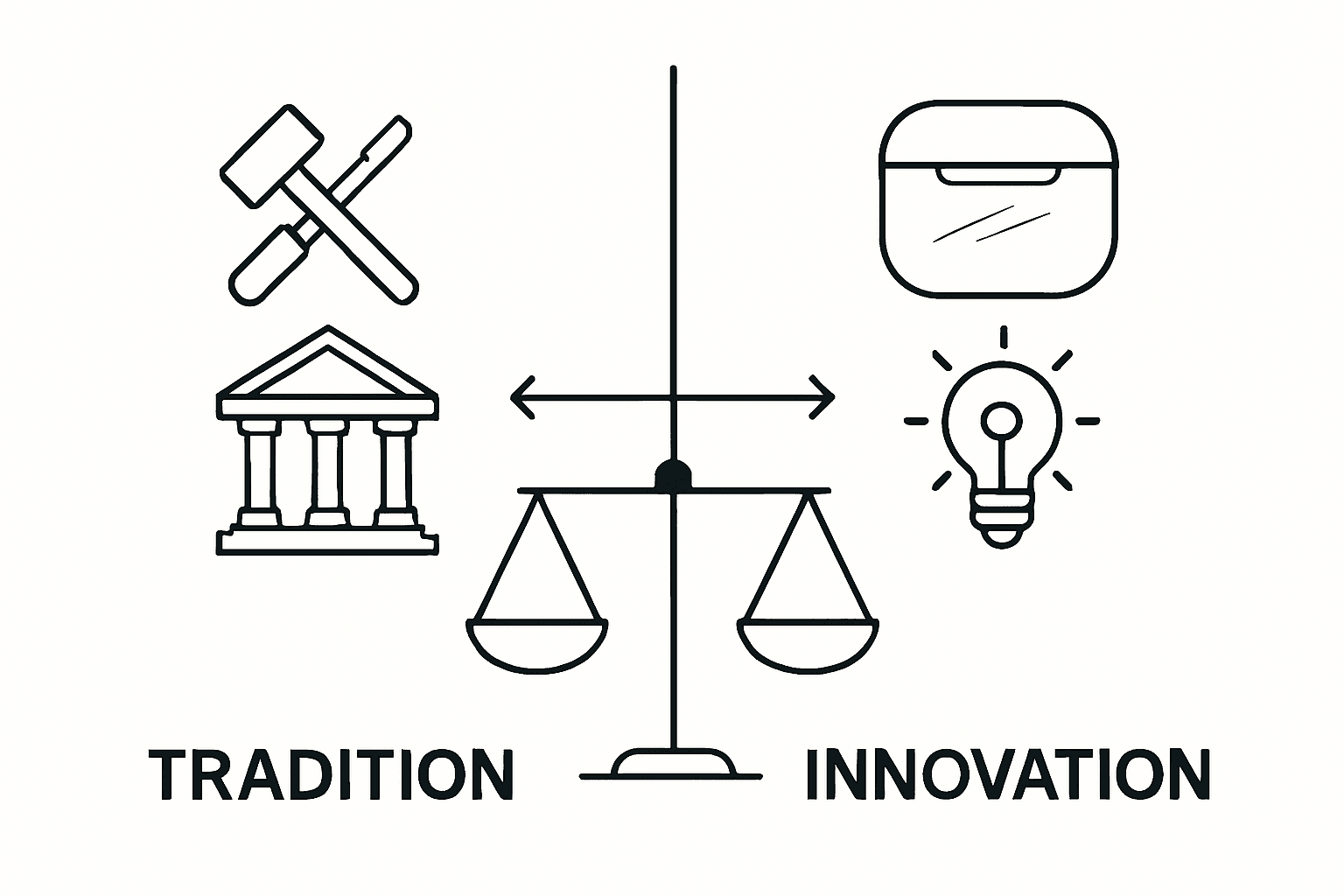
The delicate equilibrium between tradition and modernization requires sophisticated narrative argumentation strategies. Heritage communication techniques enable luxury brands to construct compelling stories that honor historical craftsmanship while simultaneously signaling contemporary relevance. This nuanced approach allows brands to communicate continuity without becoming antiquated, presenting their legacy as a living, breathing narrative that evolves with changing consumer expectations.
Successful brand innovation in luxury contexts demands a deep understanding of core identity principles. Brands must meticulously analyze their foundational values, identifying elements that can be respectfully reimagined without compromising their essential character. This process involves careful curation of design elements, production techniques, and storytelling approaches that simultaneously reference historical roots and signal forward-thinking perspectives.
Pro Tip: Strategic Heritage Modernization: Develop a systematic approach to innovation that treats traditional techniques as a creative foundation, not a constraint, enabling continuous reinvention while maintaining authentic brand DNA.
Tradition’s Impact on Consumer Trust
In the intricate landscape of luxury branding, tradition serves as a fundamental mechanism for building and sustaining consumer trust. Heritage store sacralization represents a sophisticated strategy where brands transform historical elements into powerful trust-building narratives, creating deep psychological connections that transcend typical consumer-brand relationships.
The profound impact of traditional storytelling emerges through carefully constructed narrative transportation techniques that invite consumers into a brand’s unique historical ecosystem. By presenting authentic, emotionally resonant stories rooted in generational expertise, luxury brands communicate reliability, consistency, and exceptional craftsmanship. These narratives function as sophisticated trust signals, demonstrating a brand’s commitment to maintaining excellence across generations.
Consumer trust in luxury contexts is not merely transactional but deeply emotional and symbolic. Brands that successfully leverage tradition understand that trust is built through transparent communication of core values, consistent quality, and a demonstrable respect for historical craftsmanship. This approach requires brands to meticulously curate their historical narrative, presenting tradition not as a static museum piece, but as a dynamic, evolving testament to enduring quality and innovation.
Pro Tip: Trust Narrative Development: Create a comprehensive brand heritage documentation system that systematically captures and communicates your brand’s historical journey, enabling authentic storytelling that builds genuine consumer confidence.
Tradition’s Role in Global Market Positioning
Luxury brands strategically employ heritage as a sophisticated global positioning tool that transcends geographical boundaries and cultural differences. Strategic heritage integration enables iconic brands like Hermès and Gucci to construct compelling narratives that resonate simultaneously across diverse international markets, transforming cultural tradition into a universal language of prestige and excellence.
Digital storytelling techniques have revolutionized how luxury brands communicate their traditional roots, allowing them to craft nuanced global narratives that maintain cultural authenticity while appealing to a worldwide audience. These sophisticated communication strategies enable brands to present their heritage as a dynamic, evolving concept that bridges local craftsmanship with global aspirational desires, creating a powerful emotional connection that transcends regional boundaries.
Successful global market positioning through tradition requires a delicate balance between preserving core cultural identity and creating universally appealing narratives. Luxury brands must develop sophisticated storytelling approaches that highlight their unique heritage while simultaneously demonstrating global relevance. This involves carefully curating historical elements that communicate timeless quality, exceptional craftsmanship, and a deep respect for cultural expertise, positioning tradition not as a limiting factor but as a powerful differentiator in the competitive global luxury marketplace.
Pro Tip: Global Heritage Narrative Strategy: Develop a flexible storytelling framework that allows your brand’s traditional elements to be interpreted through multiple cultural lenses, enabling authentic global communication while maintaining your core brand identity.
Below is a summary of how luxury brands use tradition for global positioning:
| Approach | Example Practice | Outcome in Global Markets |
|---|---|---|
| Heritage Adaptation | Culturally tailored storytelling | Appeals to diverse international tastes |
| Unified Digital Narrative | Consistent heritage messaging | Builds universal brand recognition |
| Dynamic Tradition Presentation | Modernizing historic elements | Balances tradition and global relevance |
Harness Tradition to Elevate Your Luxury Brand’s Identity
The article highlights the powerful role of tradition as a differentiator and a trust builder in luxury branding. If you are facing challenges in preserving your brand’s authentic heritage while innovating to stay relevant, you are not alone. Key pain points include maintaining artisanal quality, crafting emotionally resonant stories, and balancing heritage with modern appeal. Corrado Manenti specializes in navigating these complexities through a blend of psychology-driven marketing and deep expertise in luxury fashion. He understands how to translate traditional values into compelling narratives that connect with discerning consumers longing for cultural depth and authenticity.
Unlock the full potential of your luxury brand with strategies that honor your historic roots and speak directly to your audience’s emotional desires. Explore expert insights and tailored solutions in Marketing Fashion – Corrado Manenti and partner with a consultant who integrates psychological understanding with market innovation. Visit Corrado Manenti today to start transforming your tradition into a powerful global advantage and secure your place in the luxury market now.
Frequently Asked Questions
What role does tradition play in luxury branding?
Tradition serves as a strategic asset that defines brand essence, creating deep consumer connections through authenticity, craftsmanship, and heritage storytelling.
How can luxury brands balance tradition and modern innovation?
Luxury brands can balance tradition and modern innovation by reinterpreting historical elements creatively while ensuring that their core values and craftsmanship are maintained.
Why is storytelling important for luxury brands?
Storytelling is essential for luxury brands as it communicates their cultural heritage, fosters emotional connections, and elevates products from mere commodities to culturally significant artifacts.
How does tradition contribute to consumer trust in luxury brands?
Tradition builds consumer trust by showcasing continuous quality, authenticity, and a commitment to craftsmanship, creating emotional bonds that extend beyond transactional relationships.