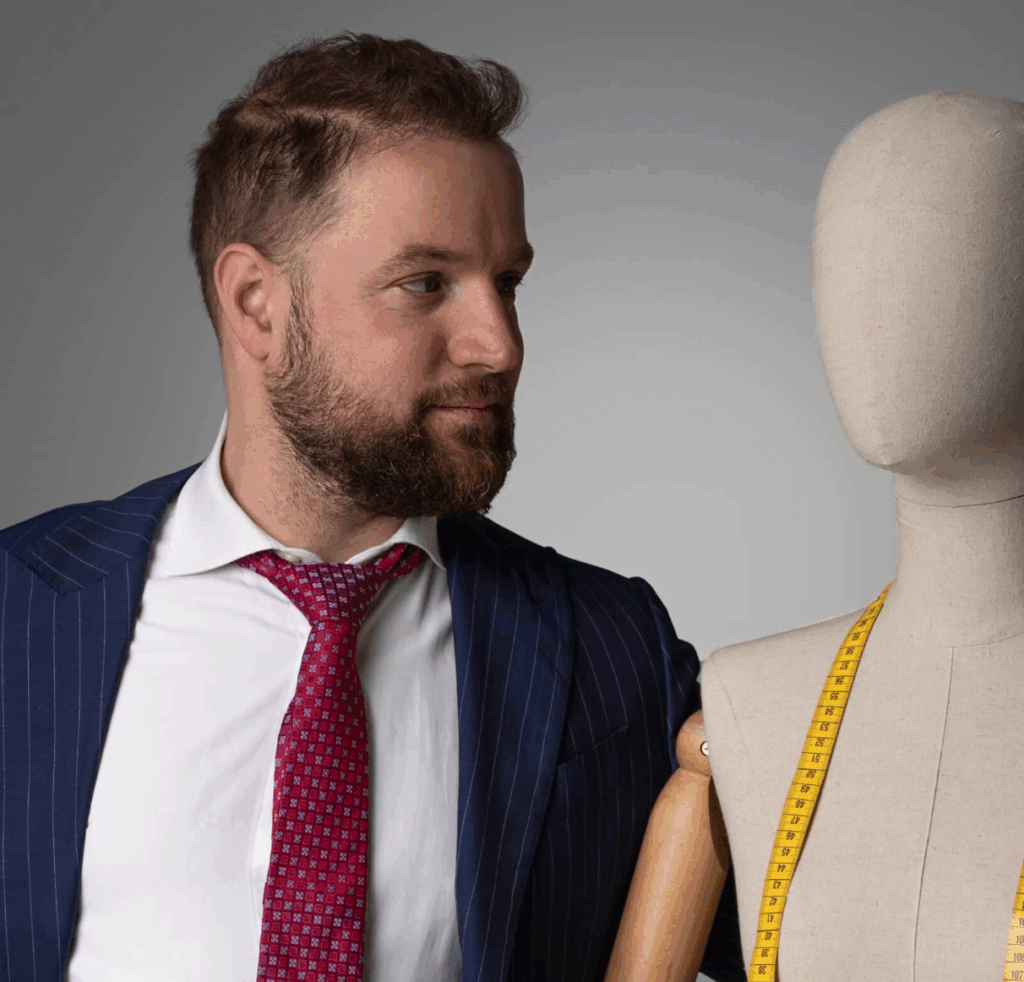


Defining niche audiences in luxury fashion means navigating a world where exclusivity extends far beyond basic demographics. Marketing directors often discover that these specialized consumers are shaped by distinct psychological triggers and cultural motivations rather than by simple data points. When luxury brands truly grasp these nuanced behaviors across markets like France, the USA, and emerging countries, they build marketing strategies that resonate deeply and set their brand apart from the mainstream crowd.
Table of Contents
- Defining Niche Audiences In Luxury Fashion
- Types Of Niche Segments And Distinctions
- Consumer Psychology In Niche Targeting
- Benefits For Brand Growth And Positioning
- Risks And Common Missteps To Avoid
- Real-World Case Studies And Key Insights
Key Takeaways
| Point | Details |
|---|---|
| Understand Niche Targeting | Identify niche luxury audiences by analyzing their psychographics and sociocultural motivations. |
| Create Emotional Connections | Develop deep emotional connections through authenticity and alignment with consumer values. |
| Adapt Marketing Strategies | Employ dynamic segmentation models to accommodate evolving consumer behaviors and technological shifts. |
| Avoid Common Pitfalls | Prevent over-segmentation and misalignment with niche expectations to maintain brand integrity. |
Defining Niche Audiences in Luxury Fashion
Niche audiences in luxury fashion represent highly specialized consumer segments characterized by unique psychological profiles, consumption behaviors, and distinctive preferences that differentiate them from mainstream fashion consumers. These targeted groups are not simply defined by demographic data, but by complex sociocultural motivations and intricate purchasing patterns.
Research reveals that niche luxury fashion audiences are fundamentally driven by more nuanced factors than traditional market segmentation suggests. Demonstrative consumption behaviors indicate these consumers seek brands that offer not just products, but exclusive narratives and prestigious social signaling opportunities. They are less motivated by mass appeal and more attracted to brands that understand their specific cultural context, personal identity, and aspirational lifestyle.
The strategic identification of niche audiences requires a multi-dimensional approach. Marketing professionals must analyze complex intersections between psychographics, sociocultural backgrounds, and individual consumer motivations. This involves deep research into consumer subcultures, understanding emerging lifestyle trends, and recognizing how luxury fashion interacts with personal identity formation. Systematic market strategies demonstrate that successful niche targeting goes beyond traditional demographic categorizations.
Pro tip: Develop detailed consumer personas that capture psychological nuances, not just surface-level demographic information, to effectively target luxury fashion niche audiences.
Types of Niche Segments and Distinctions
Luxury fashion niche segments are far more complex than traditional market categorizations, representing intricate consumer groups defined by sophisticated psychological and behavioral characteristics. These segments transcend simple demographic divisions, instead emerging from nuanced combinations of cultural preferences, lifestyle aspirations, and unique consumption patterns.
Distribution strategies for luxury brands reveal several distinct niche segments that marketing professionals must understand. These include technologically progressive consumers who seek immersive digital experiences, culturally conscious buyers prioritizing sustainability and ethical production, global nomads interested in transcultural design, and hyper-personalization seekers demanding bespoke product experiences.
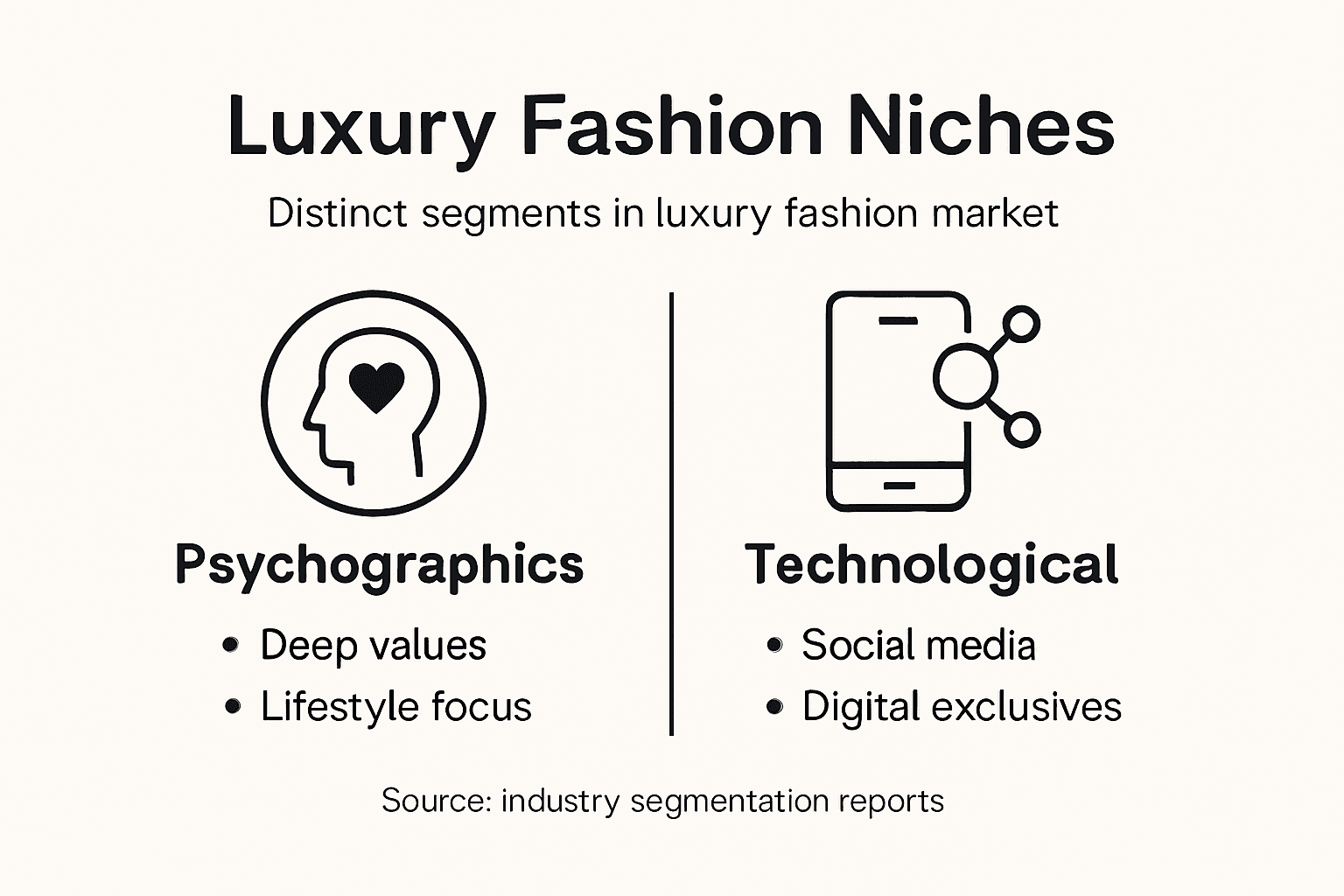
Modern luxury fashion niche segmentation also incorporates emerging technological platforms and experiential dimensions. Metaverse retail strategies demonstrate how brands are creating unique audience segments based on digital engagement levels, technological sophistication, and virtual interaction preferences. Some consumers are deeply invested in digital fashion ecosystems, while others maintain traditional luxury consumption patterns, creating a multi-layered segmentation landscape that requires nuanced marketing approaches.
Here’s a summary of key luxury fashion niche segments and their defining characteristics:
| Niche Segment | Defining Traits | Main Motivations |
|---|---|---|
| Technologically Progressive | Embrace digital platforms, metaverse use | Seek innovation, exclusivity |
| Culturally Conscious | Value sustainability, ethics | Desire authenticity, values |
| Global Nomads | Draw from cross-cultural influences | Find novelty, uniqueness |
| Hyper-Personalization Seekers | Demand bespoke, tailored experiences | Express identity, prestige |
Pro tip: Develop dynamic segmentation models that can rapidly adapt to emerging consumer behaviors and technological shifts in luxury fashion markets.
Consumer Psychology in Niche Targeting
Consumer psychology in luxury fashion niche targeting represents a sophisticated intersection of emotional triggers, symbolic motivations, and deeply personal identity expressions. These psychological mechanisms go far beyond traditional purchasing behaviors, revealing complex decision-making processes that are rooted in individual aspirations, social positioning, and self-perception.
Psychological frameworks in luxury consumption demonstrate that niche luxury consumers are fundamentally driven by emotional and symbolic needs that transcend mere product acquisition. Status signaling, cultural identity, and personal narrative construction become critical psychological motivators. Consumers in these segments are not simply buying products but investing in experiences that validate their self-concept, reinforce social standing, and communicate intricate personal stories through carefully curated fashion choices.
The evolving landscape of luxury consumer psychology requires marketing professionals to develop increasingly nuanced understanding of psychological segmentation. Luxury consumer relationships are now characterized by deep emotional connections, where brands must demonstrate an authentic understanding of individual consumer motivations, cultural contexts, and personal transformation narratives. This demands a shift from demographic targeting to psychographic profiling that captures the subtle, intricate emotional landscapes of niche luxury consumers.
Pro tip: Develop comprehensive psychological personas that map emotional triggers, cultural influences, and identity aspirations to create truly resonant luxury marketing strategies.
Benefits for Brand Growth and Positioning
Targeting niche audiences in luxury fashion represents a strategic approach that transforms brand positioning from generic market presence to highly differentiated, emotionally resonant market leadership. By focusing on specialized consumer segments, luxury brands can create profound connections that transcend traditional transactional relationships, establishing deeper brand equity and sustainable competitive advantage.
Niche market strategies demonstrate significant benefits for brand growth, including enhanced consumer loyalty, more efficient resource allocation, and the ability to command premium pricing through elevated perceived value. These strategies enable brands to develop razor-sharp positioning that speaks directly to specific consumer aspirations, rather than attempting broad, diluted market appeal that fails to create meaningful engagement.
Luxury brands that successfully navigate niche targeting create powerful narrative landscapes where consumers see themselves reflected. Marketing strategies for luxury brands underscore the importance of authenticity and emotional connection, revealing that niche audiences value brands that understand their unique cultural context, lifestyle preferences, and personal identity expressions. This approach transforms marketing from product promotion to lifestyle curation, where brands become trusted partners in consumers’ personal narratives.
Pro tip: Conduct deep psychological research to map the intricate emotional landscapes of your target niche, creating brand positioning that feels personally crafted for each specific audience segment.
Risks and Common Missteps to Avoid
Navigating niche audience targeting in luxury fashion requires exceptional strategic precision. While the potential rewards are significant, marketing professionals must recognize the substantial risks that can rapidly undermine brand positioning and consumer trust if approached without meticulous planning and deep consumer understanding.
Niche market strategy risks reveal critical pitfalls that can devastate luxury brand positioning. These include over-segmentation, which fragments brand identity, misjudging consumer psychological needs, and potentially diluting the core brand’s exclusivity. Brands that fail to maintain a nuanced understanding of their target niche risk creating disconnected messaging that appears inauthentic and damages hard-earned brand credibility.
The landscape of luxury niche targeting is further complicated by evolving consumer expectations and values. Luxury brand communication challenges highlight the critical importance of aligning brand narrative with emerging consumer priorities, particularly around sustainability, social responsibility, and authentic representation. Misalignment in these areas can trigger substantial reputational risks, potentially alienating the very niche audiences brands seek to attract and retain.
The following table highlights benefits and risks of niche targeting in luxury fashion:
| Benefit | Description | Risk | Description |
|---|---|---|---|
| Enhanced Customer Loyalty | Strong emotional brand connection | Over-segmentation | Fragmented, confusing brand identity |
| Premium Pricing Potential | Ability to command higher prices | Misjudging Niche Motives | Products do not resonate with audience |
| Efficient Resource Allocation | Focused marketing efforts | Dilution of Exclusivity | Loss of perceived luxury, wider appeal |
| Authentic Brand Positioning | Deeper alignment with values | Reputational Damage | Failing to meet niche expectations |
Pro tip: Conduct extensive qualitative research and create detailed psychological personas that capture the nuanced motivations of your target niche before launching any specialized marketing initiative.
Real-World Case Studies and Key Insights
Luxury fashion brands that successfully target niche audiences demonstrate extraordinary strategic sophistication, transforming market challenges into opportunities for deep consumer connection and brand elevation. These real-world examples showcase how precise psychological understanding and strategic positioning can unlock transformative growth potential across diverse global markets.
Analyzing luxury market strategies reveals compelling case studies of brands that have masterfully navigated niche audience targeting. Some luxury brands have developed hyper-specialized product lines addressing specific consumer subcultures, such as sustainable luxury for environmentally conscious professionals, digital-first experiences for tech-savvy younger consumers, and culturally nuanced collections that speak directly to specific geographic and demographic intersections.
The most successful niche targeting strategies go beyond traditional segmentation, creating immersive brand experiences that feel deeply personal and authentically aligned with consumers’ evolving identities. These approaches require continuous research, adaptive marketing frameworks, and a willingness to deconstruct conventional luxury marketing paradigms. Brands that achieve this delicate balance can create powerful emotional resonance that transcends traditional transactional relationships, establishing themselves as more than products but as integral components of their consumers’ self-narrative and lifestyle expression.
Pro tip: Develop dynamic consumer personas that are continuously updated through qualitative and quantitative research, ensuring your niche targeting remains fluid and responsive to emerging cultural shifts.
Unlock the Power of Niche Audience Targeting in Luxury Fashion
Luxury fashion brands face the critical challenge of deeply understanding the complex psychological motivations that drive niche consumer segments. This article reveals how strategic targeting transcends demographics to embrace emotional triggers, cultural values, and personalized identity expression. Brands that misread these subtle signals risk diluted exclusivity and fractured brand positioning. To overcome these pain points, you need marketing strategies that resonate authentically with your unique audience and adapt dynamically to emerging luxury trends.
Corrado Manenti specializes in precisely this intersection of psychology and luxury market expertise. His Psychology-Driven Marketing approach uncovers the “why” behind consumer behavior, enabling brands to build authentic connections and create emotionally resonant narratives. With a meticulous focus on detail and innovation, his Fashion and Luxury Consulting ensures your brand remains consistent and perfectly aligned with the identity of your niche audience. Embrace innovation that keeps your brand ahead through cutting-edge digital strategies.
Elevate your brand now by partnering with a consultant who understands the intricate emotional landscape behind luxury consumption.
Discover how targeted, psychology-based marketing can transform your niche positioning and foster lifelong loyalty.
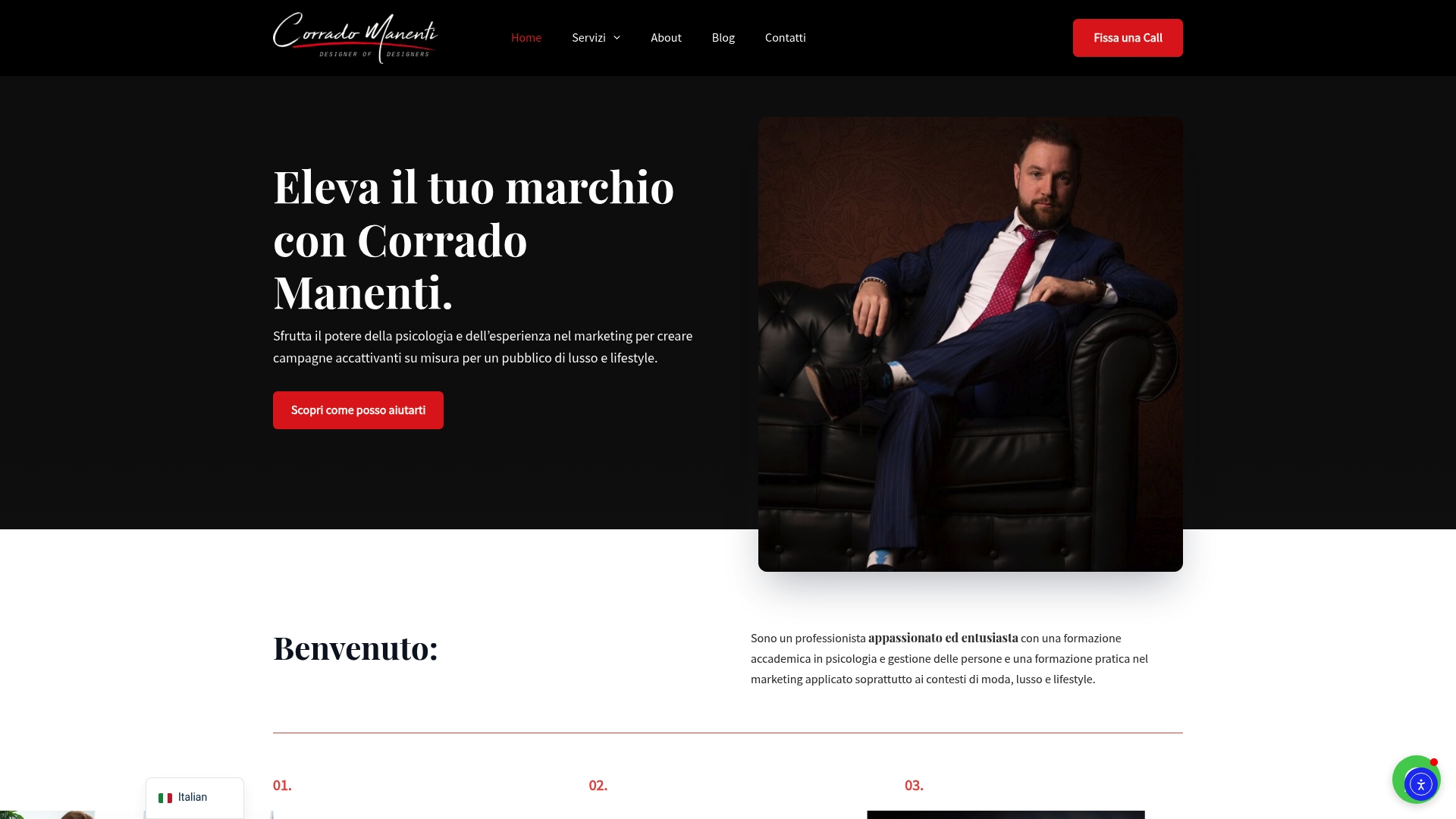
Connect with Corrado Manenti today at corradomanenti.it to start tailoring your marketing strategy with precision and heart.
Frequently Asked Questions
What are niche audiences in luxury fashion?
Niche audiences in luxury fashion refer to specialized consumer segments distinguished by unique psychological profiles, consumption behaviors, and cultural preferences that set them apart from mainstream consumers.
Why is it important to target niche audiences in luxury fashion?
Targeting niche audiences allows luxury brands to create emotionally resonant connections, enhance customer loyalty, and establish a more differentiated brand identity, ultimately leading to more sustainable competitive advantages.
How can brands effectively identify their niche audiences?
Brands can identify niche audiences by analyzing psychographic data, researching consumer subcultures, and understanding the cultural contexts and motivations that influence purchasing behavior, rather than relying solely on demographic profiles.
What are some common risks associated with niche targeting in luxury fashion?
Common risks include over-segmentation, which can fragment brand identity, misjudging consumer psychological needs, and failing to align brand narratives with evolving consumer values, which can cause reputational damage and weaken consumer trust.