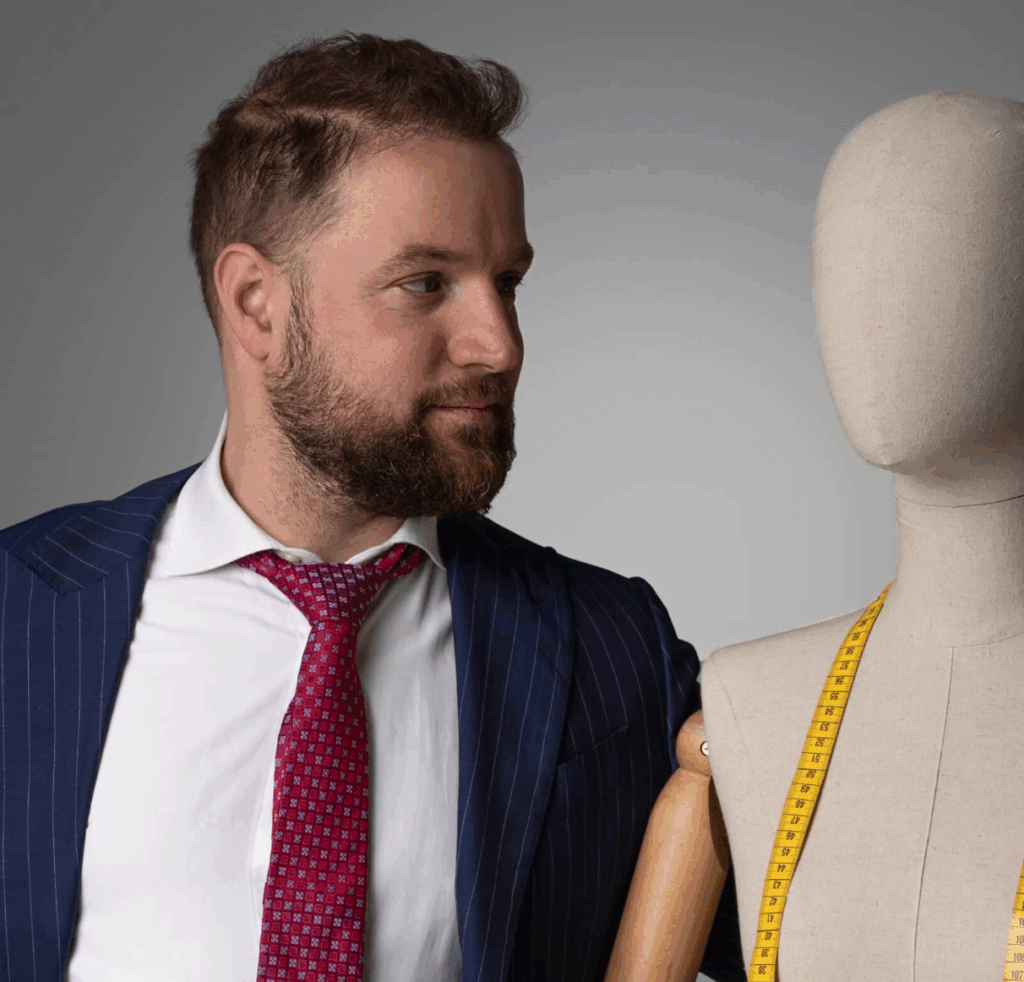


What distinguishes a European luxury brand from the rest isn’t just the quality of materials or the pedigree of heritage. The real difference lies in the unique composition of client trust, which is built on layers of exclusivity, emotional connection, and unwavering brand consistency. For marketing and sales executives, mastering these elements is vital, as the emotional bonds formed with high-value clients shape not only perceived value but also long-term loyalty and business growth.
Table of Contents
- Defining Trust Within Luxury Sales
- Psychological Drivers Behind Client Trust
- Emotional Bonds and Value Perception
- Brand Reputation, Authenticity, and Experience
- Pitfalls and Risks in Undermining Trust
- Strategies to Strengthen Trust and Loyalty
Key Takeaways
| Point | Details |
|---|---|
| Trust in Luxury Sales | Trust in luxury is built on psychological factors like exclusivity and heritage, not just product reliability. Brands must understand clients’ identities and aspirations to foster trust. |
| Psychological Drivers | Emotional aspirations and social status significantly influence luxury purchase decisions, where clients prioritize self-expression and belonging over functional benefits. |
| Authenticity and Reputation | Authenticity is crucial; brands must align their practices with promises, as any inconsistency can severely damage reputation and trust. |
| Emotional Value | Emotional bonds create perceived value that outweighs functional attributes, making it essential for brands to cultivate these connections to justify premium pricing. |
Defining Trust Within Luxury Sales
Trust in luxury sales operates on a fundamentally different level than trust in mainstream markets. When a European luxury executive speaks about trust with a high-net-worth client, they’re not simply discussing product reliability or customer service efficiency. Instead, they’re navigating a complex psychological contract built on exclusivity, heritage, perceived value, and personal connection. The research on brand experience and luxury trust dynamics reveals that luxury consumers construct trust through multiple layers of brand attributes and consumer-brand interactions that extend far beyond transactional relationships.
At its core, trust in luxury represents the client’s confidence that your brand will deliver on an unspoken promise: that ownership reflects their identity, values, and aspirations. This is distinctly different from conventional consumer trust. A buyer selecting a luxury handbag or timepiece isn’t primarily worried about whether the product will function as intended, though that matters. They’re asking deeper questions: “Does this brand understand who I am? Will this purchase reinforce my social position? Is this investment genuinely exclusive, or am I buying what thousands of others already own?” Trust in luxury markets hinges significantly on brand prestige and heritage rather than on transparency factors alone, indicating a unique composition compared to other market segments. Your brand’s legacy, the stories it tells, and how consistently it reinforces its positioning matter more than operational disclosure.
Several specific elements define trust within luxury sales contexts:
- Authenticity and heritage: Your brand’s origin story, craftsmanship credentials, and historical consistency shape how clients evaluate trustworthiness. A client selecting Italian or French luxury goods carries inherited confidence in those regions’ reputations.
- Exclusivity and scarcity: Trust deepens when clients believe they’re accessing something genuinely limited. Mass availability destroys luxury trust immediately.
- Personal relationship depth: Unlike standardized service models, luxury trust develops through individual attention, understanding client preferences across years, and remembering personal details that signal genuine investment in the relationship.
- Consistency across touchpoints: From your physical boutique environment to digital communications to packaging, every interaction must reinforce the same brand promise. Inconsistency shatters trust faster than any single failure.
- Discretion and privacy: Luxury clients expect their purchases and preferences to remain confidential. Breaches of privacy violate the fundamental trust contract.
The distinction matters strategically. In luxury fashion, trust isn’t earned through customer satisfaction scores or response time metrics. It’s earned through demonstrating that you understand your client’s world, respect their discernment, and consistently deliver experiences that validate their choice to invest in your brand rather than competitors. When a client returns to purchase from you again, they’re not just buying a product. They’re confirming their trust that you remain worthy of their loyalty.
Here’s a summary of how luxury trust strategies differ from mainstream approaches:
| Aspect | Luxury Market Approach | Mainstream Market Approach |
|---|---|---|
| Trust Foundation | Identity & legacy-driven | Product reliability & service |
| Relationship Depth | Highly personalized, long-term | Standardized, transactional |
| Value Emphasis | Emotional & social prestige | Functional benefits & price |
| Privacy Expectations | High discretion and exclusivity | Standard privacy policies |
Pro tip: Document your brand’s heritage story with specific details about craftsmanship methods, founding principles, and key milestones. When discussing your brand with clients, reference these concrete elements rather than generic luxury positioning statements, as specificity builds credibility and differentiates your trust positioning from competitors using similar messaging.
Psychological Drivers Behind Client Trust
Why does a client choose to spend 15,000 euros on a luxury timepiece from your brand rather than a competitor offering technically superior specifications at half the price? The answer lies in psychological drivers that operate beneath conscious awareness. Your luxury clients aren’t making purely rational purchasing decisions based on product features. They’re driven by emotional, contextual, and sensory motivations that create the foundation for trust. Understanding these drivers transforms how you build client relationships from transactional interactions into psychological partnerships.
The primary psychological driver is self-expression through ownership. Luxury purchases communicate identity to both the client and their social circle. When a European executive selects your brand, they’re essentially saying, “This is who I am. This reflects my values, sophistication, and discernment.” This self-expression becomes the basis for trust because clients believe your brand understands their aspirational self. They trust you because purchasing from you validates the identity they’re cultivating. Emotional and sensory connections with luxury brands form the psychological foundation where clients seek meaningful, personalized experiences rather than generic products. When you recognize and reflect back this identity through your sales approach, packaging, communications, and service personalization, you signal that you genuinely understand who they are.
Status and social positioning operate as a second critical driver. Your clients exist within hierarchical social structures where visible consumption signals rank, achievement, and belonging to specific groups. Owning your brand places them within a particular stratum. Trust develops when clients believe your brand maintains the exclusivity and prestige associated with their social position. This is why a client might distrust your brand suddenly if you oversaturate the market or lower barriers to entry. Mass availability communicates that the brand no longer performs its status function effectively. Conversely, maintaining scarcity, selective distribution, and premium pricing reinforces the psychological trust that your brand remains worthy of their investment.
Exclusivity and belonging to an elite group creates a third powerful driver. Humans have an innate need to belong to communities that reflect their values and aspirations. Luxury customers want to feel part of something exclusive and special. When you create client communities, host private events, or offer member-only experiences, you’re tapping into this deep psychological need. Trust flourishes when clients feel they belong to a select group that truly appreciates what your brand represents. This belonging becomes intertwined with their identity, making them fiercely loyal because leaving your brand feels like rejecting part of themselves.
The final driver involves emotional aspiration and self-actualization. Luxury clients often purchase not just for what they have, but for who they’re becoming. They buy into the narrative that your brand represents their potential future self. Trust forms around the belief that your brand will support this aspirational journey. A client selecting luxury fashion isn’t simply buying clothes; they’re investing in becoming the kind of person who wears such clothes with confidence and grace. Your role is to reinforce this narrative consistently through every interaction, reminding them that you’re a partner in their journey toward their ideal self.
Integrating These Drivers into Sales Strategy
These psychological drivers aren’t separate motivations. They interweave. The executive who purchases your luxury accessory experiences self-expression, status elevation, exclusive belonging, and aspirational alignment simultaneously. Your sales strategy must address all four dimensions. A generic presentation about product features fails because it ignores the psychological reality of luxury consumption. Instead, conversations should explore the client’s identity, acknowledge the statement they’re making through this purchase, recognize the exclusive community they’re joining, and reinforce how this acquisition represents their aspirational progress.
Pro tip: Map your client’s psychological profile before the sales conversation by researching their career trajectory, social circles, and previous purchases. Use this intelligence to frame your product around their identity evolution rather than product specifications, creating a sense that you truly understand their psychological motivations and aspirations.
Emotional Bonds and Value Perception
A client doesn’t perceive value the way an accountant reads a balance sheet. When your luxury customer evaluates whether a purchase justifies its price, they’re running a complex emotional calculation that weighs far more than material cost or functional superiority. The emotional bond between client and brand becomes the primary determinant of perceived value. Without this bond, even exceptional products feel overpriced. With it, clients gladly pay premiums that would seem irrational to outsiders. This disconnect between objective pricing and perceived value reveals a fundamental truth about luxury sales: emotions shape value perception more powerfully than specifications or materials ever could.
The relationship between emotional bonds and value perception operates through three interconnected channels. First, perceived rarity and exclusivity directly impact emotional value in luxury goods, making clients feel that ownership carries intrinsic worth beyond functional benefits. When clients believe they’re accessing something genuinely rare, their emotional investment deepens immediately. They’re not simply buying a product; they’re acquiring a scarce asset that reflects their discerning taste. This emotional gratification becomes part of the perceived value equation. A limited edition handbag from an Italian designer commands premium pricing not because the leather performs better than mass produced alternatives, but because owning something exclusive triggers emotional satisfaction that functional value alone cannot explain.
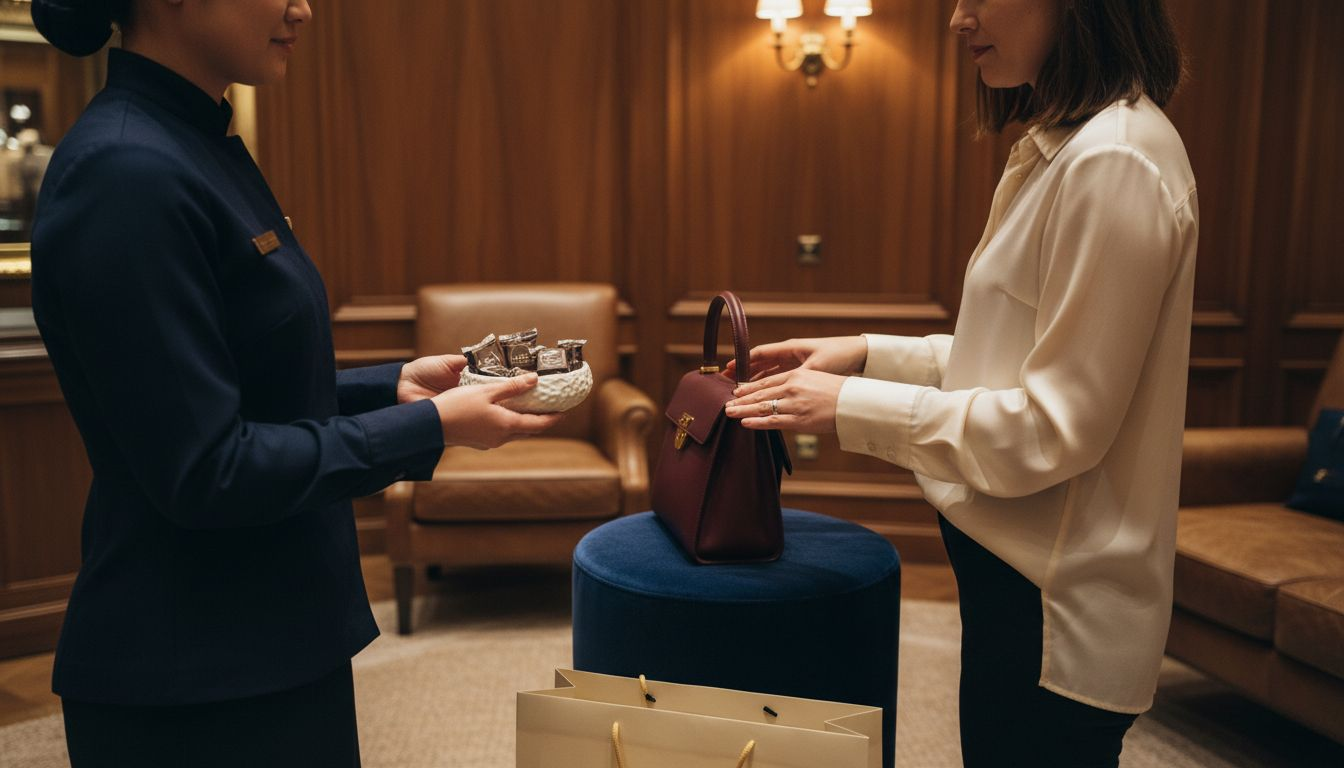
Second, emotional bonds transform how clients interpret all subsequent brand interactions. Once a strong emotional connection exists, clients develop what psychologists call “confirmation bias” toward your brand. They notice the exceptional details you’ve invested in, overlook minor imperfections, and interpret ambiguous situations charitably. A client with weak emotional bonds might view a delayed delivery as incompetence. A client with strong emotional bonds interprets the same delay as the brand being meticulous about quality control. The emotional bond reframes their entire value perception. This is why building emotional connections early creates compounding returns. Each positive interaction reinforces the bond and elevates perceived value, while weak bonds mean every interaction faces skeptical scrutiny.
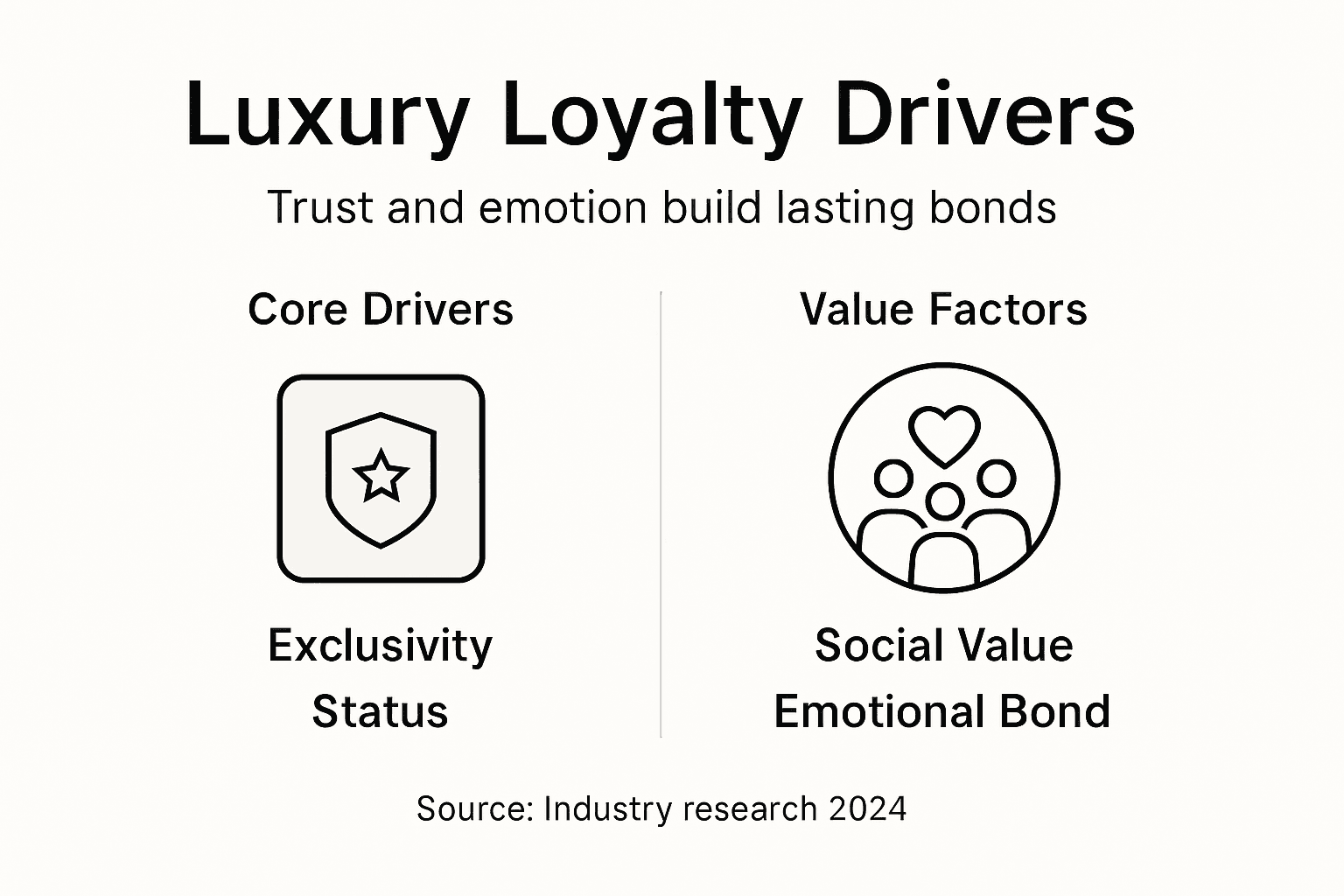
Third, multiple value dimensions including functional, social, and emotional factors influence consumer loyalty outcomes, revealing that emotional value perception sits alongside but ultimately dominates other value types in luxury markets. Luxury consumers evaluate functional value, certainly, but they prioritize emotional and social value substantially higher. A technically superior competitor’s product might score better on specifications, but your brand wins on emotional resonance and social positioning. The key insight: luxury clients willingly sacrifice functional optimization for emotional satisfaction. They’d rather own a timepiece that makes them feel powerful and understood than one that keeps marginally better time.
Creating Measurable Emotional Value
Building emotional bonds requires deliberate strategy, not wishful thinking. Consider these specific approaches that luxury brands leverage successfully:
- Personalized storytelling: Share the origin story behind each piece, connecting the item to the client’s aspirations rather than manufacturing specifications
- Sensory experiences: Engage all senses during client interactions, from the texture of packaging to the scent of your boutique, creating memorable imprints that trigger emotional recall
- Consistency over time: Every interaction must reinforce the same emotional narrative, building compound trust and deepening the bond with each touchpoint
- Recognition and validation: Acknowledge the client’s taste and discernment explicitly, making them feel that purchasing from you validates their identity and status
- Community creation: Facilitate connections between like minded clients who share similar values and aspirations through your brand
The moment you understand that perceived value flows primarily from emotional bonds rather than product attributes, your entire approach shifts. You stop competing on features and start competing on the emotional experience you create. This reframing transforms sales conversations from transactional negotiations into relationship building opportunities where trust and emotional connection become the actual products you’re selling.
For reference, here are business impacts of trust-building strategies in luxury sales:
| Strategy | Business Impact | Typical Measurement |
|---|---|---|
| Story-based Heritage | Differentiates from competitors | Brand affinity scores |
| Client Personalization | Increases loyalty & retention | Repeat purchase rate |
| Consistent Experience | Protects brand reputation | Consistency audits |
| Emotional Value Focus | Allows price premiums | Perceived value surveys |
Pro tip: Document the emotional value proposition unique to each client segment within your luxury portfolio, then train your sales team to articulate this emotional value first before discussing functional benefits, ensuring that trust building conversations address the emotional dimensions that actually drive perceived value and purchasing decisions.
Brand Reputation, Authenticity, and Experience
Your brand reputation exists in a constant state of evaluation. Every interaction a client has with your brand either reinforces or erodes their confidence in you. In luxury markets, this reputation evaluation happens with particular intensity because the stakes feel higher. Your clients have invested significant capital and personal identity into their relationship with your brand. They’re hyper-aware of any signal suggesting that your brand is inauthentic, inconsistent, or delivering an experience below their expectations. One misstep doesn’t simply result in a lost sale. It can permanently damage the reputation you’ve spent years building.
Authenticity forms the foundation beneath reputation in luxury markets. Brand experience significantly enhances brand authenticity and fully mediates brand equity in new luxury fashion brands, meaning that without authentic experiences, even strong brand positioning fails to build lasting equity. Authenticity means your brand does what it promises consistently, across every touchpoint. It means your communication aligns with your actual practices. It means your heritage claims are factually accurate. It means your price positioning reflects genuinely differentiated value rather than marketing inflation. Luxury clients are sophisticated enough to detect inauthenticity quickly. They’ve encountered dozens of brands attempting to manufacture prestige through clever marketing. They can distinguish between brands that are authentically committed to their stated values and brands performing authenticity as a marketing strategy.
Consider how authenticity operates in practice. A European luxury fashion brand claiming commitment to sustainable practices must demonstrate this through verifiable supply chain practices, not merely through website messaging. A heritage brand asserting centuries of craftsmanship must employ traditional techniques in their production, not simply reference them in advertising. A luxury jeweler positioning themselves around ethical sourcing must trace their materials and compensate producers fairly, not simply declare ethical commitment without evidence. Brand authenticity built on consistency, transparency, and alignment with core values is critical for cultivating consumer trust, and this authenticity fosters the emotional connections and loyalty that distinguish luxury brands from competitors.
Experience becomes the medium through which authenticity is communicated and reputation is built. Every client interaction tells a story about your brand’s authenticity. Your boutique environment signals whether you genuinely prioritize craftsmanship and quality or whether you’re cutting corners to maximize margins. Your sales consultant’s knowledge of your products’ creation process reveals whether your team truly understands and respects what they’re selling or whether they’re simply executing a script. Your response to a client complaint demonstrates whether you actually stand behind your products or whether you view client dissatisfaction as an acceptable cost of business. Your packaging experience, your after-sales service, your willingness to make exceptions for valued clients all communicate whether your stated values are real or performative.
Three Pillars Supporting Reputation Through Authenticity
Building and maintaining brand reputation requires deliberate attention to these interconnected elements:
- Consistency across channels: Your brand must present the same values, quality standards, and client experience whether clients interact with you in a physical boutique, through digital channels, via customer service, or through word-of-mouth referrals
- Transparent communication about limitations: Authenticity includes acknowledging what your brand doesn’t do or can’t offer, rather than overpromising and underdelivering
- Personal accountability: Leadership visibility and willingness to engage directly with clients signals that your brand stands behind its commitments rather than hiding behind corporate structures
- Deliberate experience design: From the moment a prospect considers your brand through the lifetime relationship with your clients, every touchpoint should reflect your authentic values and commitment to excellence
The relationship between reputation, authenticity, and experience creates a self reinforcing cycle. Strong reputation attracts high value clients who pay close attention to authenticity. These clients reward authentic brands with loyalty and referrals, which further strengthens reputation. Conversely, damaged reputation undermines future authenticity efforts because clients approach your brand with skepticism, interpreting ambiguous situations negatively rather than charitably.
Pro tip: Conduct a thorough authenticity audit across all client touchpoints by documenting every claim your brand makes about its values, heritage, and commitments, then verify that your actual practices align with these claims, addressing any gaps before they become reputation risks that damage client trust.
Pitfalls and Risks in Undermining Trust
Trust operates like a bank account. You make deposits through consistent positive experiences, and you make withdrawals through every mistake, inconsistency, or unmet expectation. The problem: withdrawals cost significantly more than deposits. A single trust breach can erase months of relationship building. In luxury markets, where clients have elevated expectations and scrutinize every interaction, the risk of trust erosion intensifies dramatically. The luxury sector is currently experiencing a significant erosion of client trust attributed to inconsistent brand experiences and unmet expectations, creating a trust deficit that threatens brand desirability and customer loyalty across the industry. This isn’t a minor issue. It’s a systemic challenge that demands immediate attention from marketing and sales executives.
The most dangerous pitfall involves creating inconsistent experiences across your brand touchpoints. Imagine a client receives exceptional personalized service in your flagship boutique in Milan, then attempts to purchase online and encounters a generic, impersonal transaction process. Or they experience white glove service during their initial purchase but receive indifferent treatment when seeking after-sales support. These inconsistencies don’t simply disappoint clients. They actively damage trust because they suggest your brand prioritizes certain interactions while deprioritizing others. This signals that your stated commitment to excellence applies selectively rather than universally. Luxury clients interpret this as evidence that you don’t genuinely believe in your brand’s positioning. Once this doubt takes root, they become skeptical interpreters of all future interactions.
Another critical pitfall stems from overpromising and underdelivering. When your marketing communications create expectations your operations cannot meet, you’re essentially guaranteeing trust damage. Perhaps your brand promises “exclusive personalized consultations” but your sales team lacks sufficient training or time allocation to deliver genuinely personalized experiences. Maybe you advertise “artisanal handcrafted production” while actually relying on mass production techniques for certain products. Perhaps you claim heritage dating back centuries while recent ownership changes contradict that narrative. Macroeconomic pressures and growing complexity in consumer behavior create risks including price sensitivity and market polarization that threaten sustaining trust and loyalty, but these external pressures amplify the damage when your internal operations fail to align with your external promises. Clients evaluate your brand claims against their lived experience. When the gap appears too large, trust collapses.
Specific Trust Undermining Behaviors
Recognize these patterns that actively erode client trust:
- Delayed or evasive communication: When clients reach out with concerns and receive slow responses or vague answers, they conclude your brand doesn’t prioritize their satisfaction
- Price inconsistency: Offering different prices to different clients without clear justification creates perceived unfairness and suggests your brand exploits information asymmetries
- Quality deterioration without transparency: When clients notice that new products differ from established quality standards, your silence about why communicates indifference rather than integrity
- Social media messaging misalignment: Promoting values online that your actual practices contradict creates the appearance of calculated manipulation rather than authentic commitment
- Selective relationship investment: Treating high-value clients exceptionally while neglecting emerging relationships signals that your brand values money over people
- Failure to honor commitments: Missing promised delivery dates, failing to follow up on agreements, or backing out of commitments demonstrates that your word carries no weight
The recovery path from trust damage requires more than apologies. It demands systematic change in the operations and behaviors that created the damage originally. A client who experienced poor service doesn’t trust your brand again simply because you say you’re sorry. They need to experience consistent excellence repeatedly before their trust rebuilds. This is why preventing trust damage matters more than attempting recovery. Building trust takes time. Restoring trust takes exponentially longer.
Critical Warning Signs of Emerging Trust Problems
Monitor these indicators that suggest your brand is accumulating trust damage:
- Increasing customer complaints about inconsistency
- Higher return rates or cancellation requests without clear product defects
- Declining repeat purchase rates among previously loyal clients
- Negative word-of-mouth mentions in client communities or social channels
- Sales resistance where clients express hesitation despite strong initial interest
- Reduced client lifetime value as repeat purchase frequency declines
Pro tip: Implement a quarterly trust audit that surveys recent clients about their perception of consistency across touchpoints, analyzes complaint patterns for systemic issues rather than isolated incidents, and tracks repeat purchase rates as your primary trust health metric, addressing emerging trust damage before it compounds into widespread brand reputation loss.
Strategies to Strengthen Trust and Loyalty
Strengthening trust and loyalty requires deliberate strategy that integrates psychology, operations, and customer experience design. This isn’t about implementing isolated tactics. It’s about creating a coordinated ecosystem where every element reinforces your commitment to client relationships. Your marketing executives understand that European luxury consumers have become increasingly selective about where they invest their capital and identity. They’re evaluating brands with heightened scrutiny, comparing not just products but the entire trust infrastructure surrounding each brand. To compete effectively, you need strategies that address trust systematically across all touchpoints.
The foundation of any trust and loyalty strategy involves hyper personalization grounded in genuine understanding. Digital marketing strategies tailored to luxury fashion brands strengthen trust and loyalty by enhancing consumer engagement and personalizing experiences while maintaining brand exclusivity. This goes far beyond using clients’ names in emails. True personalization requires understanding their aesthetic preferences, their purchasing journey patterns, their life milestones, and their aspirational identity. Your sales team should know that a particular client prefers minimalist designs over ornate pieces, that they purchase most heavily in spring, that they’re planning a significant life event within the year, and that they value sustainability credentials. This intelligence transforms interactions from generic presentations into conversations that feel tailored and deeply relevant. When clients feel genuinely understood, trust deepens because they conclude that your brand cares about who they are rather than simply extracting transaction value.
The second critical strategy involves consistent experience orchestration across all channels. Many luxury brands fail here by creating exceptional in-person experiences while delivering mediocre digital interactions, or vice versa. Your clients expect that the brand promise they experience in your boutique translates seamlessly to your website, your social media presence, your customer service interactions, and your after-sales support. Brand personification and unique customer experiences delivered through high-quality service and staff trained in exceptional in-store interactions cultivate lasting trust and loyalty. This means investing in staff training that goes beyond product knowledge. Your consultants need training in understanding client psychology, recognizing emotional needs, and responding with genuine empathy rather than executing scripts. They need authority to make exceptions and bend policies when situations warrant, signaling that your brand prioritizes relationship health over rigid rule enforcement.
Key Strategies for Trust and Loyalty Development
Implement these specific approaches to strengthen the trust infrastructure:
- Exclusive access programming: Create member-only events, early access to new collections, or private consultations that make clients feel part of an elite community, reinforcing their choice to invest in your brand
- Transparency about processes: Share behind-the-scenes insights into your production methods, material sourcing, and craftsmanship techniques, building confidence that your pricing reflects genuine value creation
- Proactive communication: Reach out to clients before problems arise, not just after, sharing relevant insights about product care, new arrivals that match their preferences, or industry developments that affect their purchases
- Loyalty recognition: Acknowledge long-term clients through personalized gestures that feel meaningful rather than transactional, such as invitations to private viewings or acknowledgment of significant loyalty anniversaries
- Quality consistency guarantees: Stand behind your products with transparent warranties and hassle-free resolution processes that demonstrate confidence in what you’re selling
- Value education: Help clients understand why your pricing positions as it does, explaining the specific investments in materials, craftsmanship, and heritage that justify premium positioning
Integration with Loyalty Programs
Traditional point-based loyalty programs fail in luxury markets because they reduce the relationship to transactional mechanics. Instead, your loyalty approach should create psychological investment in your brand community. Clients should feel they’re not simply earning points but gaining access to an increasingly exclusive experience as their relationship deepens. The best luxury loyalty architectures offer benefits that can’t be purchased, such as personal styling consultations with brand experts, invitations to private brand events, or first access to limited releases.
Trust grows when clients perceive that your loyalty program values their relationship over their spending volume. A client who purchases infrequently but demonstrates deep emotional investment in your brand should receive recognition equivalent to or exceeding what higher-volume purchasers receive. This signals that your brand measures loyalty by commitment and engagement rather than purely by transaction volume.
Pro tip: Map your client lifecycle touchpoints and identify where trust erosion currently occurs, then assign accountability for delivering consistent experiences at each stage, implementing monthly tracking metrics that measure client perception of consistency across channels rather than relying on transaction volume as your primary loyalty indicator.
Build Enduring Trust to Elevate Your Luxury Brand Loyalty
Trust lies at the heart of luxury sales success. This article highlights how inconsistency, lack of authenticity, and weak emotional connection create barriers that erode client loyalty. If you strive to transform transactional sales into lasting psychological partnerships, you must embrace marketing strategies rooted in deep consumer psychology and meticulous brand experience design. Your luxury clients seek not only exclusive products but also emotional validation and authentic belonging.
Discover how Corrado Manenti’s expertise in Marketing Moda empowers luxury brands to build trust through hyper personalization, consistent storytelling, and experience orchestration. Act now to differentiate your brand by aligning every touchpoint with your clients’ psychological motivations. Visit Corrado Manenti and explore tailored consulting solutions that fuse psychology and fashion marketing to foster unshakable client loyalty. Let us help you secure your brand’s emotional value and reputation for excellence.
Frequently Asked Questions
What are the key drivers of trust in luxury sales?
Key drivers include authenticity and heritage, exclusivity and scarcity, personal relationship depth, consistency across touchpoints, and discretion regarding customer privacy. These factors collectively shape the client’s perception of trust in luxury brands.
How does emotional connection influence customer loyalty in luxury markets?
Emotional connections create a bond between the client and the brand, enhancing perceived value. When clients feel understood and valued, they are more likely to exhibit loyalty, willing to pay a premium for experiences that resonate with their emotions and aspirations.
Why is authenticity important for maintaining brand reputation in luxury sales?
Authenticity is crucial because luxury clients are highly discerning. A brand must consistently deliver on its promises and align its communications with actual practices to establish and maintain trust. Inauthenticity can lead to a quick erosion of trust and reputation.
How can luxury brands systematically strengthen trust with their clients?
Luxury brands can strengthen trust through hyper-personalization, consistent experience across all channels, exclusive access programming, proactive communication, and recognition of client loyalty. These strategies create an ecosystem of trust that enhances customer relationships.
Recommended
- Understanding the Role of Trust in Luxury Marketing – Corrado Manenti
- Complete Guide to Brand Trust in Luxury Markets – Corrado Manenti
- Complete Guide to Brand Trust in Luxury Markets – Corrado Manenti
- Understanding the Role of Trust in Luxury Marketing – Corrado Manenti
- Luxe comfortabele BH kopen: prijzen, kwaliteit & pasvorm vergeleken – Philotes