
Traditional ideas about luxury no longer set brands apart in Paris, Milan, or New York. Today’s high-net-worth consumers crave more than material goods— they seek personalized, emotional, and sensory connections with their favorite houses. This evolution signals an urgent need for luxury fashion executives to rethink engagement strategies and create moments that go beyond transactions. Understanding how experiential luxury now defines brand value will reveal new paths to customer loyalty and powerful emotional resonance.
Table of Contents
- Defining Experiential Luxury In Modern Contexts
- Types Of Experiential Luxury Experiences
- Core Elements That Differentiate Experiential Luxury
- Benefits For Brands And High-End Consumers
- Common Pitfalls And How To Avoid Them
Key Takeaways
| Point | Details |
|---|---|
| Shift from Transactional to Experiential Luxury | Luxury brands must focus on creating personalized, emotional connections rather than just selling products. |
| Understanding Consumer Motivations | Identify which experiential luxury categories align with your brand and consumer desires to enhance engagement. |
| Core Elements of Experiential Luxury | Emphasize personalization, emotional connection, and authenticity to create memorable experiences that resonate with consumers. |
| Avoid Common Pitfalls | Ensure genuine experiences and alignment with consumer expectations to avoid damaging brand reputation and wasting resources. |
Defining Experiential Luxury in Modern Contexts
Experiential luxury is fundamentally different from what most luxury marketing executives learned in business school. It’s not about selling a product wrapped in premium packaging or charging an elevated price for material goods. Instead, experiential luxury focuses on creating personalized, emotional, and sensory connections that transform how consumers perceive and interact with luxury brands. This shift represents one of the most significant transformations in the luxury sector over the past decade, yet many brands still haven’t fully adapted their strategies to capitalize on it.
The core of this transformation centers on what luxury experiences represent: moving beyond transactional relationships toward creating meaningful, unforgettable moments that consumers actively seek out and share. Think about the difference between selling a bottle of perfume and inviting a consumer into a private atelier where a master perfumer creates a custom fragrance just for them. One is a product purchase. The other is an experience that becomes part of their identity. Luxury consumers now distinguish between brands that merely offer premium goods and brands that craft symbolic and experiential value. The pandemic accelerated this shift dramatically. Consumers who couldn’t travel to flagship stores discovered that hospitality experiences, private dining events, and curated online interactions often delivered more lasting satisfaction than the products themselves.
What makes this particularly relevant for your brand is how contemporary luxury has diversified beyond the traditional markers of exclusivity and rarity. Consumers today seek experiences offering authenticity, personalization, and genuine sensory engagement. This evolution means luxury no longer operates within a single framework. A consumer might value the exclusivity of a private shopping experience one day and the accessibility of a well-designed online personalization tool the next. Yet both deliver that essential quality of luxury: something extra that goes beyond ordinary interactions. Your brand’s challenge is recognizing that experiential luxury isn’t about complexity or cost. It’s about intentionality. Every touchpoint, whether digital or physical, must reflect a deep understanding of why your consumer craves the experience and what emotional outcome they’re actually seeking.
Consider how this manifests in practice. When a luxury fashion house creates an invitation-only event featuring behind-the-scenes access to design studios, early previews of collections, or mentorship from master craftspeople, they’re not simply selling inventory. They’re creating moments that reinforce the consumer’s sense of belonging to an exclusive community. These experiences become conversations consumers have with their peers, content they share on their platforms, and reasons they maintain loyalty across seasons. The strategic insight here is that luxury consumer behavior has shifted toward valuing access, personalization, and meaning over pure ownership. The most sophisticated luxury brands now measure success not just by conversion rates but by the depth of emotional engagement and the frequency with which customers return to experience the brand again.
Pro tip: Begin auditing your current customer touchpoints by asking one question for each: does this moment create an emotional memory or just process a transaction? The ones that don’t generate genuine emotion are your immediate candidates for experiential redesign.
Types of Experiential Luxury Experiences
Experiential luxury isn’t a single thing. It’s a spectrum of carefully crafted moments that appeal to different consumer desires, life stages, and emotional needs. Understanding the categories helps you identify which experiences align with your brand’s positioning and where your customers actually want to invest their time and money. The most successful luxury brands don’t try to offer everything. Instead, they master one or two specific experience types and execute them with obsessive precision.
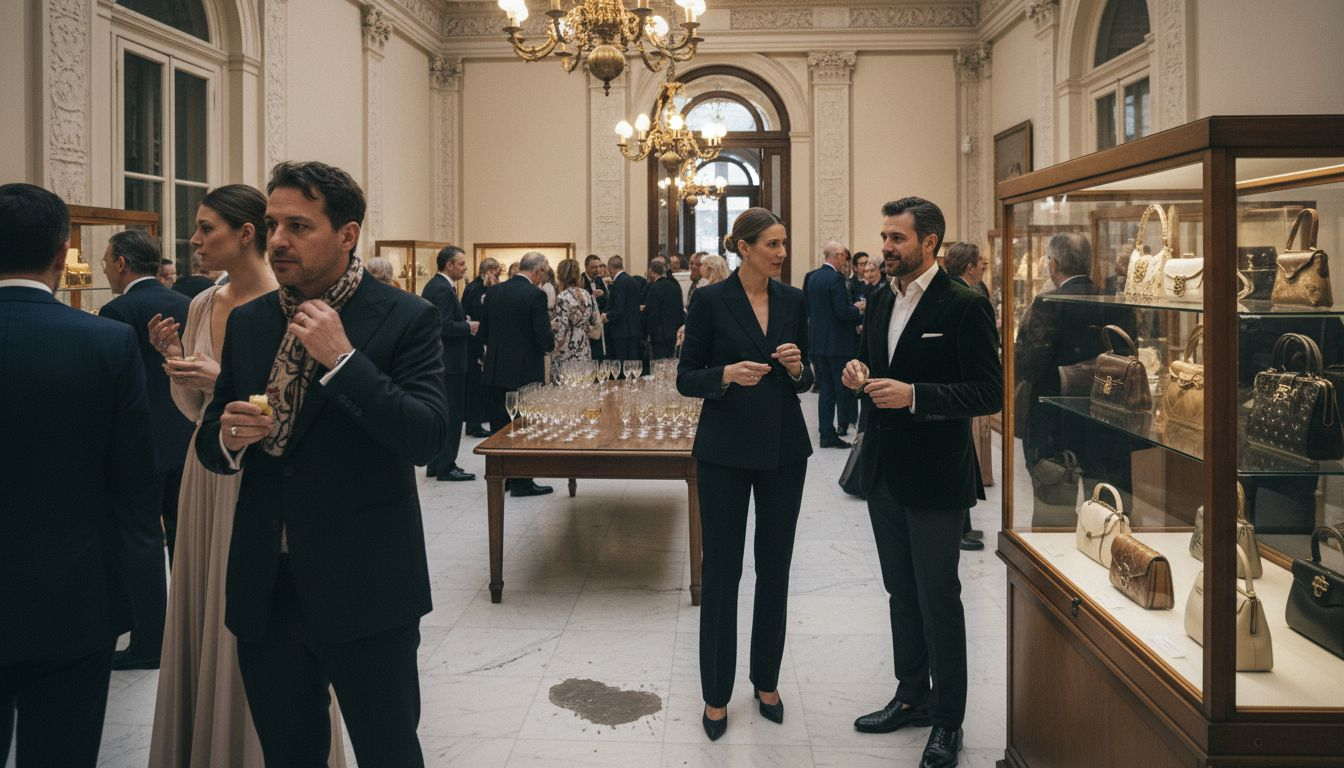
One major category centers on cultural and local immersion, where consumers seek authentic connections to places, people, and traditions. This goes far beyond standard tourist activities. A luxury brand might arrange private access to artisan workshops in Italy, exclusive viewings of fashion heritage museums with curator-led discussions, or curated meetings with master craftspeople in their native environments. Another category focuses on exclusive access experiences, where the value comes from gaining entry to something most people cannot experience. This includes private previews of collections before public launch, invitation-only salon events in brand headquarters, or behind-the-scenes access to design studios where creative decisions happen in real time. The psychological appeal here is straightforward: exclusivity reinforces status and belonging. What makes this distinct is that experiential luxury in resort settings demonstrates how luxury brands can layer multiple experience types together—combining cultural activities, evening entertainment, and highly personalized services to create memorable stays that far exceed room quality alone.
A third category encompasses sensory-rich engagements that prioritize how experiences make consumers feel rather than what they accomplish. These might include mixology masterclasses where a renowned bartender teaches techniques while discussing flavor philosophy, guided meditation and wellness experiences in curated natural settings, or private performances of live music arranged exclusively for a small group of valued clients. Then there are transformative moments, the experiences that genuinely change how someone sees themselves or the world. These are rarer and more ambitious—think private mentorship with design icons, hands-on workshops where consumers create limited edition items with master artisans, or immersive cultural programs that fundamentally expand their understanding of craftsmanship. The research shows that customized itineraries fostering emotional engagement particularly resonate with luxury consumers who increasingly prioritize personalized, meaningful interactions over standard luxury amenities.
For luxury fashion houses specifically, consider how these categories manifest in your context. Romance packages combine exclusivity with intimate moments. Private dining experiences with brand founders or designers blend cultural immersion with sensory richness. Limited-edition creation workshops—where clients design or customize pieces with artisans—deliver transformative value by making consumers active participants in the creative process. The key insight for your strategy: don’t assume all your high-value clients want the same experience. Some crave exclusive access because it feeds their need for status. Others want authentic cultural immersion because it satisfies their desire for meaning. Still others pursue transformative experiences because they’re seeking personal growth. Mapping your customer segments to these experience types ensures your investments create genuine resonance rather than superficial appeal.
Here’s how different experiential luxury categories serve various consumer motivations:
| Experience Category | Main Consumer Motivation | Example Engagement |
|---|---|---|
| Cultural & Local Immersion | Authenticity, Learning | Private artisan workshops |
| Exclusive Access | Status, Belonging | Invitation-only collection preview |
| Sensory-Rich Engagement | Pleasure, Emotion | Mixology or wellness events |
| Transformative Moments | Personal Growth, Identity | Mentorship with designers |
Pro tip: Audit your current experiences by categorizing each one: is it cultural immersion, exclusive access, sensory engagement, or transformative? If you’re heavily skewed toward one type, you’re missing opportunities to engage different customer motivations and expand your experiential portfolio.
Core Elements That Differentiate Experiential Luxury
What separates a forgettable event from an experience that consumers talk about for years? The answer lies in five core elements that work together like a perfectly calibrated luxury watch. These elements aren’t new individually, but their combination and intentional execution transform standard offerings into genuinely differentiated experiential luxury. For marketing executives managing luxury fashion houses, understanding these elements means the difference between spending marketing budgets on activities nobody remembers and creating moments that permanently reshape how consumers perceive your brand.
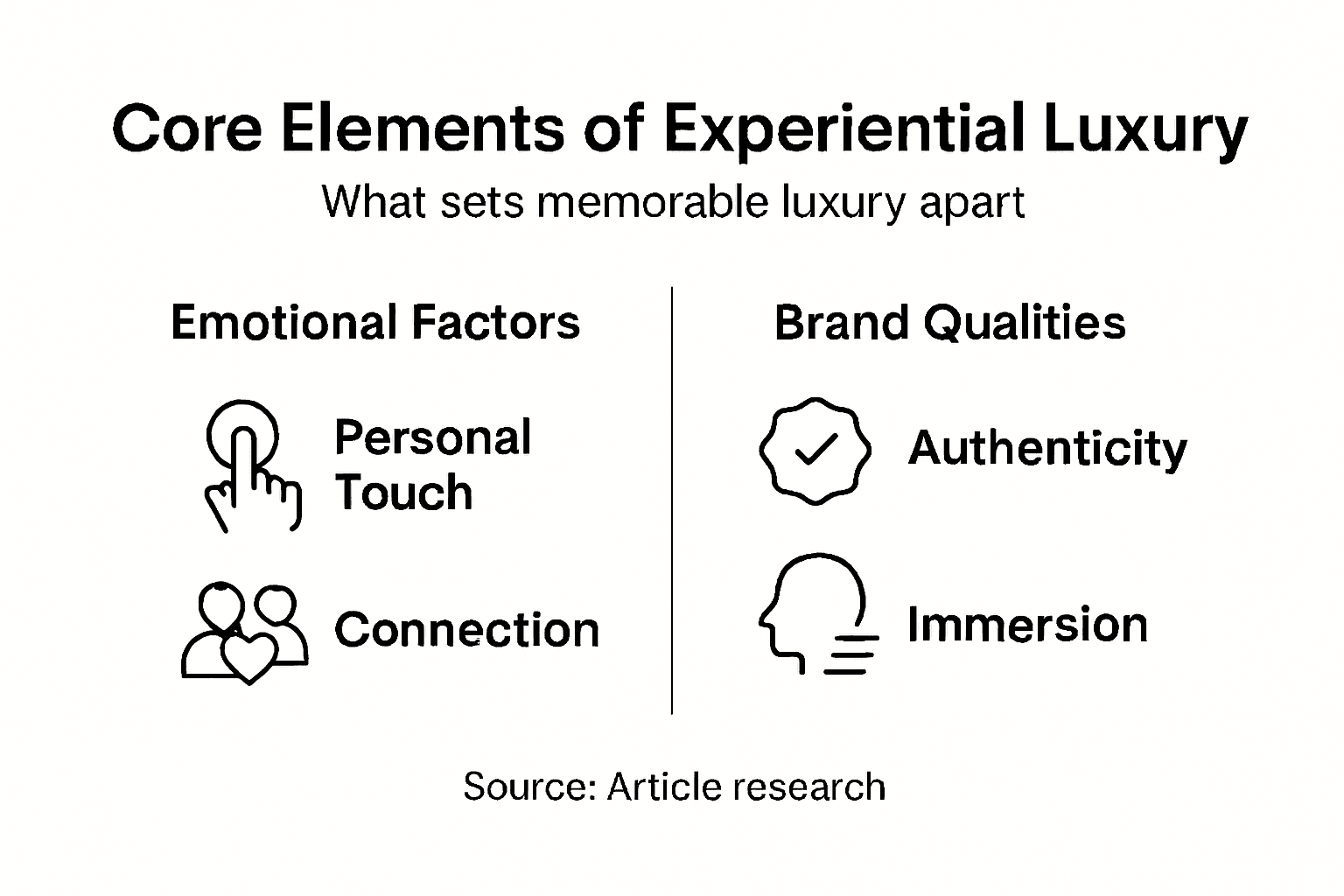
The first element is personalization taken to its logical extreme. This isn’t about addressing someone by their first name in an email. True personalization in experiential luxury means understanding the specific desires, preferences, and even unspoken aspirations of individual consumers, then crafting moments that feel designed exclusively for them. A consumer’s first experience might be a private styling session where a designer doesn’t just show them new collections but discusses their lifestyle, aesthetic philosophy, and personal goals for the year ahead. This becomes the foundation for every subsequent interaction. The second element is emotional connection, which luxury experiences build through strategic engagement between the brand and consumer. This means moving beyond transactional politeness toward genuine human moments. When a master craftsperson shares the story of why they chose a particular technique, or a designer reveals the personal inspiration behind a collection, consumers don’t just acquire information. They develop affinity for the humans behind the brand. The third core element is memorability, the quality that ensures the experience sticks in consciousness long after it ends. Memorability comes from sensory richness, unexpected moments, and strategic novelty. A private dinner isn’t simply good food and conversation. It’s unexpected performances, surprise guests, or the discovery of ingredients sourced from a heritage location connected to your brand’s history.
Authenticity represents the fourth element and it’s where many luxury brands stumble. Consumers today immediately detect when an experience feels manufactured or performative. Authenticity means the experience reflects genuine brand values and real craft. If your brand celebrates sustainability, the experience should visibly embody that commitment rather than simply mention it in marketing copy. If your heritage is rooted in Florentine craftsmanship, the experience should unfold in Florence with actual artisans, not through a glossy video presentation at a hotel conference room. The fifth element is storytelling, which transforms individual moments into a cohesive narrative that reinforces your brand identity. Each experience component should connect logically to something that came before and foreshadow what comes next. When personalization, engagement, creativity, and storytelling work together, they create the emotional relationships that define luxury in the modern context. The experience becomes part of the consumer’s personal story.
Practically speaking, these elements manifest differently depending on your brand positioning. A heritage fashion house might layer personalization through multi-year relationships where experiences become increasingly exclusive as a customer demonstrates loyalty. A contemporary luxury brand might prioritize creativity and novelty, designing completely novel experiences that nobody could predict. A brand emphasizing craftsmanship should weight authenticity and storytelling heavily, ensuring experiences occur in actual production environments with real makers. The mistake many executives make is trying to hit all five elements equally in every experience. That’s impossible and dilutes execution. Instead, identify which two or three elements align with your brand’s core psychology, then obsess over executing those with precision. A consumer who experiences profound authenticity and storytelling will overlook a less polished dining environment. But a consumer promised exclusive access who finds the experience feels inauthentic will immediately distrust your brand.
Pro tip: Before designing your next experiential campaign, rate each of the five elements: personalization, emotional connection, memorability, authenticity, and storytelling on a scale of one to five. Identify which two or three you’re naturally strongest at, then design your experience to emphasize those while ensuring the others don’t actively undermine them.
Benefits for Brands and High-End Consumers
The business case for experiential luxury isn’t sentimental. It’s measurable, defensible, and directly impacts your bottom line. When you invest in creating authentic experiences for your highest-value customers, you’re not being generous. You’re being strategic. The benefits flow in multiple directions simultaneously: toward your brand through loyalty and differentiation, toward your consumers through genuine satisfaction and belonging, and toward your business through increased lifetime value and organic word-of-mouth that traditional advertising simply cannot replicate.
For luxury brands specifically, experiential marketing creates a competitive moat that’s surprisingly difficult for competitors to copy. When a consumer has experienced a private atelier consultation with your design team, attended an intimate dinner where your creative director shared the story behind a collection, or spent time learning heritage craftsmanship directly from master artisans, that relationship transcends normal brand loyalty. You’ve moved from “customer” to “insider.” The business impact manifests clearly: these consumers spend more per transaction, maintain longer relationships with your brand, and most importantly, become vocal advocates. Experiential marketing fosters emotional connections that promote brand loyalty and differentiation in ways that even the most sophisticated digital marketing cannot match. A consumer who felt genuinely seen and valued during an experience becomes someone who naturally recommends your brand to their network. That recommendation carries weight precisely because it comes from authentic personal experience rather than paid advertising.
The tangible benefits for your brand extend beyond loyalty metrics. Experiential moments generate content that consumers willingly create and share. A private event becomes stories told at dinner parties, photos shared on social platforms, and word-of-mouth recommendations delivered with genuine enthusiasm. This organic reach is invaluable because it carries implicit endorsement. When a high-net-worth consumer tells their peers about an exclusive experience with your brand, the message credibility far exceeds what any advertisement could achieve. Additionally, these experiences provide unmatched opportunities to showcase your actual craftsmanship and quality standards. A consumer can read marketing copy about heritage techniques all day. But when they watch those techniques performed live by someone who has practiced them for twenty years, something shifts in their understanding. They grasp what justifies premium pricing. They see the real difference between your brand and mass-market alternatives. For high-end consumers themselves, the benefits are equally compelling. Experiential luxury delivers exclusivity and personal relevance simultaneously. These consumers are fatigued by generic luxury marketing. They want to feel recognized as individuals rather than as check amounts. An experience designed specifically around their preferences, lifestyle, and aspirations delivers exactly that. It answers a deeper psychological need: the assurance that they matter not just as purchasers but as people. This deeper satisfaction translates directly into increased purchase frequency and higher average transaction values. Research shows that consumers who feel personally valued by a brand don’t just maintain loyalty. They expand their engagement, exploring additional product categories and services within the brand ecosystem. They also demonstrate remarkable patience with price points because they’ve come to value the relationship itself, not just the products.
The competitive advantage compounds over time. A luxury fashion house with a deep, experience-based relationship with its top 500 customers has built something valuable that money alone cannot replicate. Those customers have invested emotional energy in the brand. They have stories to tell. They have insider knowledge. They feel like collaborators in the brand’s evolution rather than passive consumers of its output. That distinction matters enormously when a competitor emerges offering similar products at similar price points. Your customers’ choice becomes obvious because it’s not really about the product anymore. It’s about the relationship and the identity that relationship affirms.
Use this table to distinguish the brand benefits of successful experiential luxury:
| Benefit Type | How It Helps Brands | Consumer Impact |
|---|---|---|
| Loyalty & Advocacy | Increases repeat visits | Consumers recommend brand |
| Differentiation | Harder to copy by rivals | Customers feel unique |
| Emotional Engagement | Boosts lifetime value | Deeper personal connection |
| Content Generation | Organic marketing reach | Personal stories shared |
Pro tip: Track which of your experiences generate the most unprompted consumer advocacy by monitoring mentions, recommendations, and referrals for three months after each event. Double down on the experience elements that correlate with highest advocacy, then replicate that formula across your experiential portfolio.
Common Pitfalls and How to Avoid Them
Most experiential luxury initiatives fail not because the concept is wrong, but because execution reveals fundamental misunderstandings about what your audience actually values. Luxury brands spend substantial budgets on experiences that miss the mark entirely, damaging brand reputation in the process. The gap between what you think luxury consumers want and what they actually seek often determines whether your investment becomes a competitive advantage or an embarrassing waste of resources. Understanding the common pitfalls before you launch saves time, money, and credibility.
The most dangerous pitfall is inauthenticity masquerading as exclusivity. You cannot fake genuine craftsmanship or meaningful personalization. When a brand creates an experience designed primarily for Instagram photos rather than actual value, consumers detect the artificiality immediately. They’ve been marketed to their entire lives. They recognize hollow gestures. A private event featuring imported materials rather than actual connection to your brand’s heritage, or a “personalized” experience that’s actually templated for every attendee, communicates contempt for their intelligence. Similarly, failing to deliver authentic, personalized experiences creates the opposite of brand loyalty. Younger luxury consumers particularly demand genuine, meaningful offers that leverage actual data and genuine insight about their preferences. The solution requires uncomfortable honesty: if you cannot authentically deliver personalization because you lack the data infrastructure or the design capability, admit it. Build the capability first. Better to launch one genuinely personalized experience than ten generic ones wearing a personalization costume.
The second major pitfall is misalignment with your actual audience. You design an experience based on internal assumptions about luxury consumers rather than rigorous research about your specific customer segment. Perhaps your brand assumes all high-value customers want exclusive access to senior leadership, but your data reveals they actually crave technical education from master craftspeople. Maybe you invest in high-end dining experiences when your audience primarily values wellness and nature immersion. Misalignment with audience priorities and unclear goals represents a critical failure point that wastes resources and disengages customers. Before designing a single experience, conduct qualitative research directly with your target segment. Ask them what would genuinely change how they see your brand. Listen more than you talk. The third pitfall involves inadequate logistical planning. You design an intellectually brilliant experience and then execute it with operational sloppiness. Poor logistics destroy the emotional impact of even the best concepts. A consumer who waited an hour in the wrong location, encountered staff confusion, or experienced technical failures during a key moment will focus on those failures rather than the experience’s intention. Every detail matters in luxury contexts. Meticulous project management, testing through pilot programs, and contingency planning for everything from weather to technical issues separate successful experiential campaigns from forgettable ones.
Another subtle but costly mistake is failing to integrate physical and digital touchpoints strategically. An invitation-only event is powerful, but if consumers cannot easily share the experience afterward, you lose the amplification benefits. Conversely, over-optimizing for digital sharability can make the in-person experience feel staged and inauthentic. The integration must serve the experience, not the other way around. A consumer should feel comfortable documenting moments they genuinely want to share, but the experience shouldn’t be designed for the camera. Finally, many brands lack clear metrics for success, making it impossible to improve over time. You need SMART objectives established before launch. Not vanity metrics like attendance numbers, but meaningful measures: Did attendees increase their purchase frequency? Do they cite the experience when recommending your brand? Are they willing to pay premium prices? Did they expand into new product categories? These metrics reveal whether your investment actually changed customer behavior or simply created a pleasant memory that had no business impact.
Pro tip: Before launching any experiential campaign, conduct a “authenticity audit” by asking your team one question for each element: could a competitor create this exact same experience with similar quality and budget? If yes, the experience lacks differentiation and shouldn’t move forward without substantial redesign.
Elevate Your Brand with Experiential Luxury Marketing
Understanding experiential luxury means recognizing your audience craves emotional connection, personalization, and authentic engagement rather than just premium products. If your luxury fashion house struggles to translate these insights into experiences that truly resonate, you are not alone. Common challenges include creating meaningful touchpoints that build loyalty and designing events that generate genuine advocacy instead of superficial attention. The key is a psychology-driven strategy that aligns with what modern luxury consumers seek: memorable moments that speak to identity and belonging.
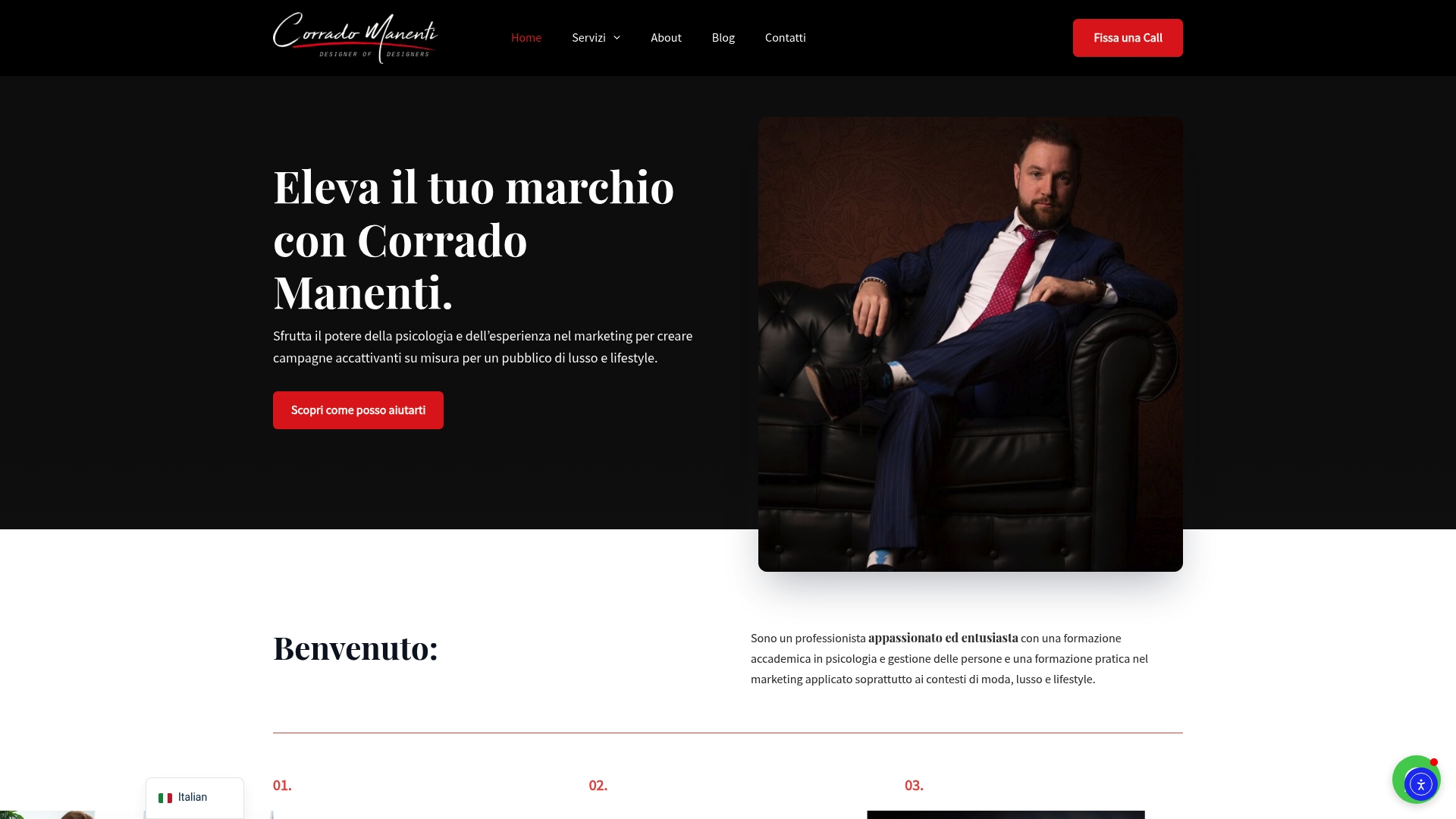
Discover how Corrado Manenti’s expertise in Marketing Moda transforms these challenges into compelling opportunities. Using a precision approach rooted in consumer psychology and luxury market insights, Corrado helps brands craft experiences that create lasting emotional impact and differentiate from competitors. Don’t wait for your competitors to outpace you with experiential innovation. Visit https://corradomanenti.it today and start turning your luxury offerings into unforgettable journeys. Explore how to leverage storytelling and personalization to connect deeply with your most valued clients and build loyalty that cannot be bought.
Frequently Asked Questions
What is experiential luxury?
Experiential luxury focuses on creating personalized, emotional, and sensory connections between consumers and luxury brands, moving beyond just selling high-end products to fostering meaningful experiences.
Why is experiential luxury important for brands?
Experiential luxury is crucial for brands as it fosters deep emotional connections with consumers, leading to increased loyalty, differentiation from competitors, and higher lifetime value through authentic engagement.
What types of experiences fall under experiential luxury?
Experiential luxury includes various types such as cultural immersion, exclusive access events, sensory-rich engagements, and transformative moments that cater to different consumer desires and emotional needs.
How can brands effectively measure the success of experiential luxury initiatives?
Brands can measure the success of experiential luxury by tracking customer engagement metrics, such as repeat visits, brand recommendations, and changes in purchase behavior, ensuring they align with predefined SMART objectives.
Recommended
- Why Experiential Luxury Drives Emotional Engagement – Corrado Manenti
- Understanding Luxury Brand Experience Guide – Corrado Manenti
- How to Design Experiential Campaigns for Luxury Brands – Corrado Manenti
- 7 Insights into Luxury Consumer Behavior Lists – Corrado Manenti
- Eco-Luxury: Redefining Sustainable Beauty