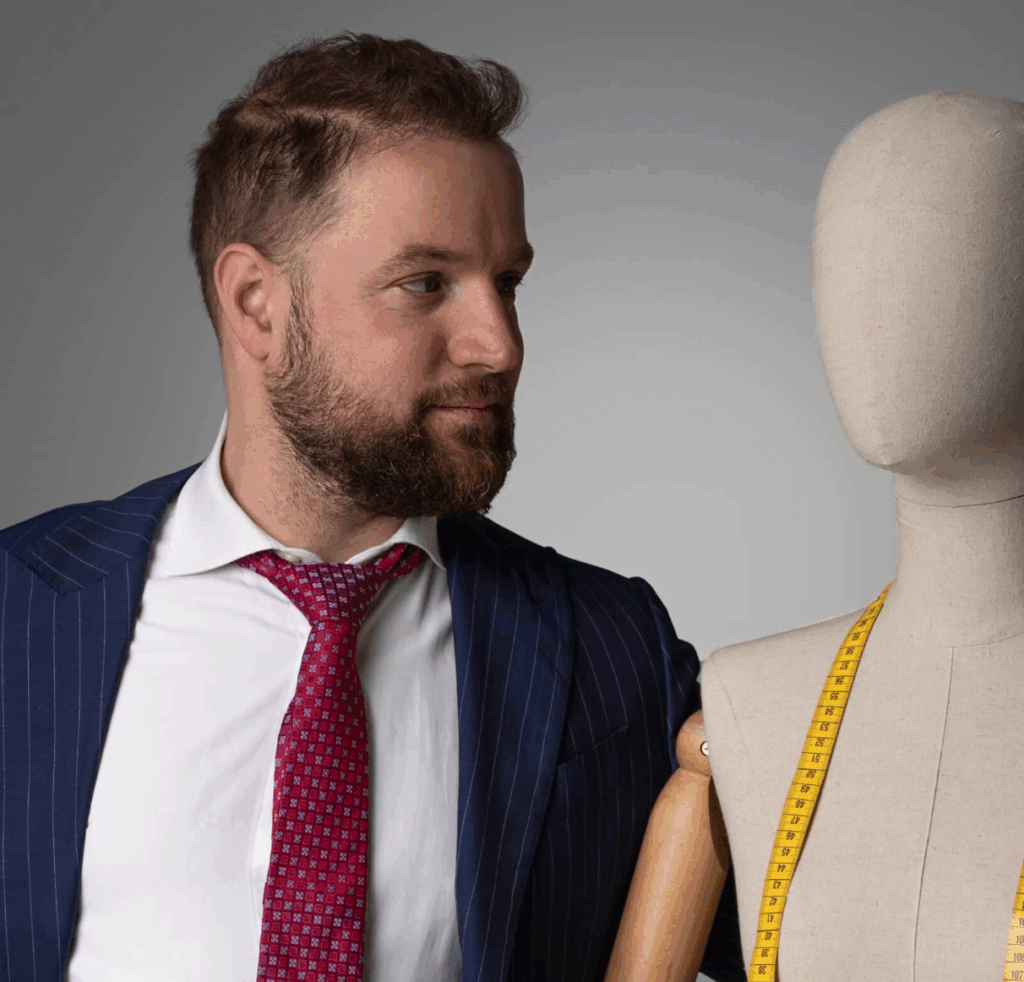


Esclusività nella moda di lusso: le 4 forme e il nodo della sostenibilità
Nella moda l’esclusività ha un problema che negli altri settori del lusso non esiste: deve essere vista. Un orologio si può nascondere sotto la manica, un cappotto no — e questo cambia tutto.
Un Patek Calatrava sotto il polsino resta invisibile a chiunque, e al suo proprietario va benissimo così. Un capo, invece, è addosso: si vede, viene fotografato, viene riconosciuto o non riconosciuto. La moda è l’unico settore del lusso in cui il prodotto è per forza un atto pubblico.
Da qui discende la tensione che nessun altro comparto deve gestire: l’esclusività nella moda deve essere leggibile a distanza per funzionare come segnale, e insieme abbastanza discreta da non diventare volgare. È un equilibrio sottile, e i brand che lo perdono se ne accorgono anni dopo.
Sono Corrado Manenti, consulente marketing luxury e lifestyle. In questa guida analizzo come funziona l’esclusività nella moda di lusso: le quattro forme che assume nel fashion, il conflitto con la sostenibilità che il settore non ha ancora risolto, e come si ottiene davvero l’accesso ai prodotti riservati. Con i framework del libro Il Codice del Lusso.
Aggiornato · Edizione 2026
Riscritta in italiano per il verticale moda, complementare all’articolo generale sull’esclusività nel lusso (le quattro leve del Velvet Rope e la curva di sovraesposizione) e a quello sui brand che limitano la produzione. Framework dal libro Il Codice del Lusso: la Psicologia del Velvet Rope, la Doppia Elica del Desiderio, la Luxury Maturity Curve, il Signal Stacking e il Cliente Aspirazionale.
In breve: l’esclusività nella moda in cinque leggi
| Principio | Cosa significa nella pratica |
|---|---|
| Nella moda il prodotto è pubblico | Il capo si indossa, quindi il segnale è sempre acceso. Non esiste esclusività invisibile come nell’orologeria. |
| Il segnale va tarato sulla fase del cliente | Chi è all’inizio vuole essere riconosciuto, chi è maturo vuole essere riconosciuto solo dai pari. |
| La stagionalità è nemica dell’esclusività | Un prodotto che scade ogni sei mesi contraddice il discorso sulla durata. È il conflitto strutturale del settore. |
| Sostenibilità ed esclusività non sono in conflitto | Lo sono solo se l’esclusività è artificiale. Produrre poco è già la scelta più sostenibile che esista. |
| L’accesso si merita, non si compra | Nei brand seri la lista non si scavalca col denaro: si costruisce con la relazione nel tempo. |
La moda è l’unico settore del lusso in cui l’esclusività deve essere vista per esistere e discreta per durare. I brand che risolvono questa tensione costruiscono decenni; quelli che la ignorano costruiscono una stagione molto buona e poi pagano.
— Corrado Manenti, Il Codice del Lusso
Cosa rende diversa l’esclusività nella moda
Tre differenze strutturali rispetto agli altri comparti del lusso, e ognuna ha conseguenze operative.
- Il prodotto è indossato, quindi visibile. Il segnale è pubblico e continuo, e non è disattivabile. In gioielleria o orologeria il possesso può restare privato; nella moda no.
- Il ciclo è stagionale. Due o più collezioni l’anno confliggono con qualsiasi discorso sulla permanenza. È il motivo per cui il Coefficiente di Permanenza — il rapporto fra tempo di produzione e tempo di rilevanza che descrivo nel capitolo 1 — è strutturalmente più basso nella moda che nell’orologeria, e va difeso con scelte esplicite.
- La contraffazione è di massa. Nessun altro settore ha un mercato del falso paragonabile. E la contraffazione non è un complimento: è la prova che il segno ha smesso di essere un codice ed è diventato un simbolo generico.
Le quattro forme dell’esclusività nel fashion
| Forma | Come si manifesta | Durata | Rischio |
|---|---|---|---|
| Di prodotto | Edizioni limitate, capsule, numerazione | Bassa | Attira rivenditori; si logora in fretta |
| Di accesso | Appuntamento, invito, lista, sale privata | Alta | Percepita come arroganza se manca una ragione visibile |
| Di lavorazione | Tecniche che pochi sanno eseguire, su misura | Altissima | Non scalabile: è un vincolo, non una leva |
| Di codice | Segni leggibili solo da chi conosce (trama, taglio, proporzione) | Altissima | Invisibile a chi non ha i codici: rallenta l’ingresso di nuovi clienti |
Le ultime due sono le sole che nella moda reggono nel tempo, e non a caso sono anche le uniche che il denaro da solo non compra. L’esclusività di codice in particolare è quella che serve entrambi i lati della Doppia Elica del Desiderio: chi riconosce la trama appartiene a un gruppo, e proprio perché pochi la riconoscono si distingue dagli altri.
La visibilità cambia di segno lungo la Maturity Curve
Nel capitolo 6 del libro descrivo la Luxury Maturity Curve, il percorso in tre fasi del consumatore di lusso, e nella moda è più visibile che in qualsiasi altro settore perché si legge letteralmente addosso alle persone.
| L’Annuncio (0-3 anni) | La Curatela (3-7) | La Trascendenza (7+) | |
|---|---|---|---|
| Cosa cerca | Essere riconosciuto da tutti | Capire e distinguere | Essere riconosciuto dai pari |
| Segno preferito | Logo evidente, best-seller | Lavorazione, provenienza | Nessun segno visibile |
| Esclusività che funziona | Di prodotto | Di lavorazione | Di accesso e di codice |
| Cosa lo allontana | Codici incomprensibili | Logo grande | Qualsiasi cosa riconoscibile a distanza |
Il punto operativo: un brand non può servire tutte e tre le fasi con lo stesso segnale. La soluzione non è il compromesso — un logo medio non accontenta nessuno — ma l’architettura di linea: prodotti d’ingresso con segno leggibile e linee alte con segno di codice, tenute distinte anche nella distribuzione.
Il conflitto che il settore non ha risolto: esclusività e sostenibilità
È la domanda che ricevo più spesso e che nel dibattito viene quasi sempre posta male. Non c’è nessun conflitto fra esclusività e sostenibilità — c’è un conflitto fra sostenibilità e volume, e l’esclusività autentica è dalla parte della sostenibilità, non contro.
Il ragionamento, in tre passaggi:
- Produrre poco è sostenibile per definizione. Un brand che limita la produzione per capacità artigiana o materia prima consuma meno risorse di uno che produce a volume. La scarsità strutturale è una pratica ambientale, anche quando non viene raccontata come tale.
- Il vero nemico ambientale della moda è la stagionalità, non l’esclusività. Un capo pensato per durare vent’anni e riparabile ha un impatto per anno d’uso incomparabilmente più basso di uno pensato per una stagione — è di nuovo il Coefficiente di Permanenza, letto in chiave ambientale.
- Il conflitto nasce solo con l’esclusività artificiale. Le edizioni limitate create per stimolare acquisti d’impulso aggiungono produzione senza aggiungere durata: lì sostenibilità ed esclusività si contraddicono davvero, perché quella non è esclusività — è una tecnica di vendita.
La posizione difendibile, per un brand che deve rispondere su entrambi i fronti: produciamo poco perché non possiamo produrre di più e perché non vogliamo, e ciò che produciamo dura e si ripara. È una frase che tiene insieme le due cose senza retorica, ma solo se i fatti la sostengono — riparazione reale, ricambi disponibili, capi che tornano in laboratorio.
Il banco di prova è il test di irreversibilità: se l’impegno ambientale può essere sospeso a fine anno fiscale senza conseguenze operative, non è un impegno ma una campagna. E il cliente della moda di lusso, che è mediamente il più informato del settore su questi temi, distingue le due cose con precisione.
Come si ottiene davvero l’accesso ai prodotti riservati
È una domanda che i clienti si pongono e a cui i brand non rispondono quasi mai in modo chiaro, alimentando mitologie. La risposta onesta, per come funziona nei brand seri:
- La relazione conta più della spesa. Un cliente conosciuto, con una storia d’acquisto coerente e un rapporto con una persona specifica del negozio, precede un cliente nuovo con più disponibilità economica. Non è snobismo: è gestione del rischio: chi conosci non rivende.
- La coerenza degli acquisti pesa. Chi compra in modo coerente con il proprio guardaroba comunica che userà il pezzo. Chi compra solo i modelli più richiesti comunica l’opposto.
- Il tempo non si compra. Nei brand seri la lista non si scavalca con un sovrapprezzo, perché il sovrapprezzo attirerebbe proprio chi il brand vuole tenere fuori.
- La geografia conta più di quanto si pensi. L’allocazione fra boutique dipende dallo storico del punto vendita, non solo dal cliente.
- Chiedere apertamente funziona meglio che insistere. Dire al proprio referente cosa si cerca e per quale occasione mette il negozio in condizione di aiutare davvero.
Il rovescio della medaglia riguarda il brand: una lista gestita male produce più danno di nessuna lista. Se il criterio non è leggibile, il cliente lo interpreta come arbitrio — e l’arbitrio percepito è il modo più rapido di trasformare la Psicologia del Velvet Rope in risentimento.
Il Cliente Aspirazionale davanti alla corda di velluto
Il Cliente Aspirazionale è il framework che ho codificato per la seconda delle tre modalità di consumo luxury: chi non entra nel lusso per abitudine ma per un’occasione che segna un passaggio della propria vita, e pianifica per accedervi un sacrificio che non ripeterà — l’abito del matrimonio, il capo comprato con la prima liquidazione.
La distinzione etica è il cuore del framework: il consumo d’impulso si finanzia col debito e lascia vergogna, e va disinnescato; il consumo rituale si finanzia col risparmio accumulato in mesi o anni e lascia gratitudine, ed eleva chi lo compie.
Nella moda questo cliente incontra la corda di velluto nel momento più delicato: entra in boutique senza conoscere i codici, temendo di non essere all’altezza, per un acquisto che non ripeterà. La corda va usata per elevarlo, non per ricordargli che è fuori. Concretamente significa non farlo sentire osservato, non fargli percepire una gerarchia di attenzione fra clienti presenti, e dargli i criteri di scelta che non possiede — la Sofisticazione Progressiva.
Lo strumento è l’Accoglienza Informativa: chiedere con tatto è servizio, non invasione. Come si offre un bicchiere d’acqua o un calice di benvenuto prima di dire “posso aiutarla?”, allo stesso modo si chiede, dopo aver accolto e mentre si accompagna: “posso chiederle se è un’occasione particolare o ha qualche esigenza, così la serviamo al meglio?”. Se la risposta è “è per il mio matrimonio”, tutta la gestione dell’esclusività cambia di segno: da barriera diventa cura.
Gli errori che erodono l’esclusività nella moda
- ❌ Estendere il segno riconoscibile a tutte le categorie: è la dinamica che ha quasi affondato Burberry a inizio anni Duemila, quando il check era ovunque e contraffatto ovunque.
- ❌ Edizioni limitate ripetute: la limitatezza dichiarata e poi replicata insegna al mercato che le parole del brand non contano.
- ❌ Liste con criteri non leggibili: l’arbitrio percepito trasforma il privilegio in risentimento.
- ❌ Outlet sovrapposto alla linea principale: stesso prodotto a due prezzi in due mondi diversi. Se i saldi sono un vincolo di settore, serve separazione narrativa e di codice prodotto.
- ❌ Rivendicare sostenibilità aumentando i volumi: è la contraddizione più visibile del settore, ed è quella su cui il pubblico è meno indulgente.
Cosa misurare
- ❌ Sell-out delle capsule: dice solo che hai prodotto poco, non che l’esclusività è solida.
- ❌ Reach e menzioni: misurano una visibilità che oltre la soglia lavora contro.
- ✅ Rapporto fra prezzo del second-hand e listino: la verifica pubblica della desiderabilità, e non la controlli tu.
- ✅ Incidenza del segno molto riconoscibile sul totale dell’assortimento: da trattare come soglia di rischio, non come obiettivo.
- ✅ Quota di acquisti destinati alla rivendita: se cresce, l’esclusività sta attirando i clienti sbagliati.
- ✅ Tasso di clienti riconosciuti per nome al secondo ingresso: misura l’esclusività relazionale, l’unica che migliora con l’uso.
- ✅ Utilizzo del servizio di riparazione: tiene insieme durata, sostenibilità e relazione in un solo numero.
- ✅ Ritorno alla soglia biografica successiva: il Cliente Aspirazionale che alla prossima occasione della vita torna da te.
Approfondisci i framework connessi
- Esclusività nel lusso — le quattro leve del Velvet Rope e la curva di sovraesposizione.
- Quali brand limitano la produzione — i sette casi e i meccanismi industriali.
- Sensory branding nella moda — il tatto come senso proprietario del fashion.
- Il Cliente Aspirazionale — chi incontra la corda di velluto nel momento più delicato.
- Psicologia del consumatore di lusso — la Doppia Elica e la Luxury Maturity Curve.
Servizi correlati: Consulenza Strategica · Instore Experience Design
Domande frequenti sull’esclusività nella moda di lusso
Che ruolo ha l’esclusività nella moda di lusso?
Nella moda l’esclusività ha un vincolo che negli altri comparti non esiste: il prodotto è indossato, quindi il segnale è pubblico e continuo. Un orologio può restare invisibile sotto il polsino, un capo no. Da qui la tensione da governare: l’esclusività deve essere leggibile a distanza per funzionare come segnale e insieme abbastanza discreta da non diventare volgare. Si aggiungono altre due differenze strutturali: il ciclo stagionale, che confligge con qualsiasi discorso sulla permanenza, e la contraffazione di massa — che non è un complimento ma la prova che il segno ha smesso di essere un codice ed è diventato un simbolo generico.
Quali sono i tipi di esclusività nel fashion?
Quattro, con durate molto diverse. Di prodotto (edizioni limitate, capsule, numerazione): durata bassa, attira rivenditori e si logora in fretta. Di accesso (appuntamento, invito, lista, sale privata): durata alta, ma va data una ragione visibile o viene letta come arroganza. Di lavorazione (tecniche che pochi sanno eseguire, su misura): durata altissima, non scalabile perché è un vincolo e non una leva. Di codice (segni leggibili solo da chi conosce — trama, taglio, proporzione): durata altissima. Le ultime due sono le sole che reggono nel tempo, e non a caso sono anche le uniche che il denaro da solo non compra.
Come si concilia l’esclusività con la sostenibilità?
Il conflitto è posto male: non c’è conflitto fra esclusività e sostenibilità, c’è conflitto fra sostenibilità e volume. Primo: produrre poco è sostenibile per definizione — un brand che limita la produzione per capacità artigiana o materia prima consuma meno risorse di uno che produce a volume. Secondo: il vero nemico ambientale della moda è la stagionalità, non l’esclusività, perché un capo pensato per durare vent’anni e riparabile ha un impatto per anno d’uso incomparabilmente più basso. Terzo: il conflitto nasce solo con l’esclusività artificiale, le edizioni limitate create per stimolare impulso, che aggiungono produzione senza aggiungere durata. La posizione difendibile: produciamo poco perché non possiamo e non vogliamo produrre di più, e ciò che produciamo dura e si ripara — ma solo se i fatti la sostengono.
Come si ottiene l’accesso ai prodotti più esclusivi di un brand?
Nei brand seri conta la relazione più della spesa: un cliente conosciuto, con una storia d’acquisto coerente e un rapporto con una persona specifica del negozio, precede un cliente nuovo con più disponibilità — non è snobismo ma gestione del rischio, perché chi conosci non rivende. Pesa anche la coerenza degli acquisti: chi compra in linea con il proprio guardaroba comunica che userà il pezzo. Il tempo non si compra: la lista non si scavalca con un sovrapprezzo, perché il sovrapprezzo attirerebbe proprio chi il brand vuole tenere fuori. Conta la geografia, perché l’allocazione dipende anche dallo storico della boutique. E chiedere apertamente al proprio referente cosa si cerca, e per quale occasione, funziona meglio che insistere.
Quali errori erodono l’esclusività di un brand di moda?
Cinque. Estendere il segno riconoscibile a tutte le categorie di prodotto — la dinamica che ha quasi affondato Burberry a inizio anni Duemila. Ripetere le edizioni limitate: la limitatezza dichiarata e poi replicata insegna al mercato che le parole del brand non contano. Gestire liste con criteri non leggibili, perché l’arbitrio percepito trasforma il privilegio in risentimento. Sovrapporre l’outlet alla linea principale con lo stesso prodotto a due prezzi. E rivendicare sostenibilità mentre si aumentano i volumi, che è la contraddizione più visibile del settore e quella su cui il pubblico è meno indulgente.

Sull’autore
Corrado Manenti — Consulente marketing luxury
Consulente di marketing luxury e lifestyle, autore del libro Il Codice del Lusso. Laureato in psicologia clinica. Da oltre 10 anni lavora con maison della moda e brand di accessori sull’equilibrio più difficile del settore: un’esclusività che si deve vedere per funzionare e restare discreta per durare.
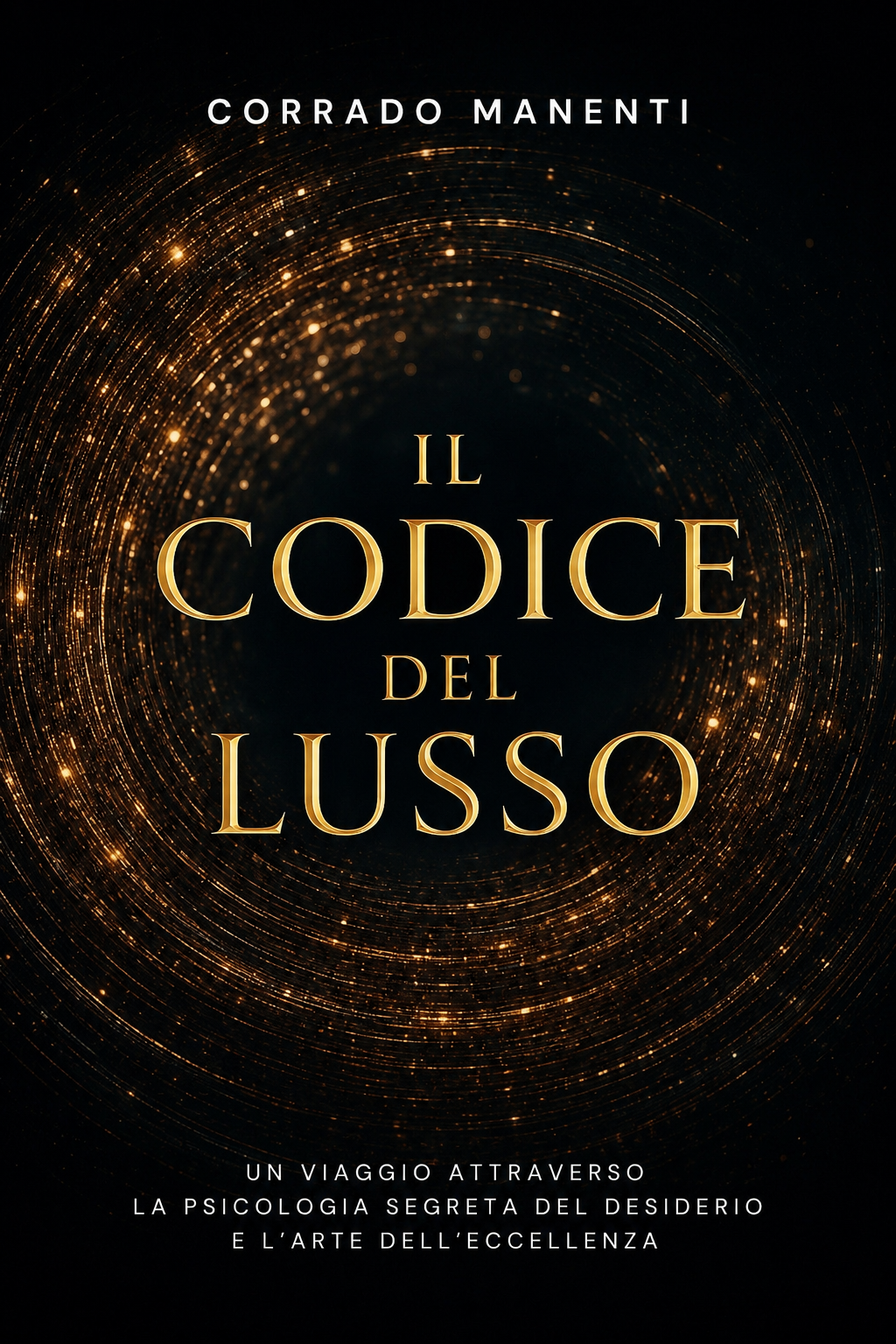
Il libro
Il Codice del Lusso
176 pagine di framework strategici per costruire un brand aspirazionale: la Psicologia del Velvet Rope, la Doppia Elica del Desiderio, la Luxury Maturity Curve, Le Tre Valute del Lusso, il Coefficiente di Permanenza, il Cliente Aspirazionale, il Signal Stacking, la Sofisticazione Progressiva. Il metodo che uso ogni giorno con i miei clienti, ora in un solo libro.
Presto ordinabile online — inserisci la tua email nella pagina risorse per ricevere l’annuncio in anteprima.
Consulenza gratuita brand strategy
Verifichiamo l’equilibrio della tua esclusività — gratis, 30 minuti
Se il tuo brand di moda cresce sul segno più riconoscibile e ti stai chiedendo fino a quando conviene, prenota una call gratuita di 30 minuti con me e il mio team: guardiamo insieme la soglia e i segnali che la anticipano.
Nessuna presentazione commerciale. Solo una conversazione onesta.