


Luxury consumers today face a crisis of confidence. Rising prices rarely match craftsmanship quality, leaving buyers questioning whether they’re paying for heritage or hype. Craftsmanship offers the tangible proof of value that discerning consumers demand, transforming skepticism into trust and fleeting transactions into lasting loyalty. This article reveals why artisanal excellence is no longer optional for luxury brands seeking authentic differentiation in 2026.
Table of Contents
- How Craftsmanship Restores Value And Trust In Luxury Markets
- Craftsmanship As The Ultimate Differentiator In A Crowded Luxury Market
- How Top Luxury Brands Apply Craftsmanship In Marketing And Product Strategies
- Integrating Craftsmanship For Sustained Luxury Brand Growth And Consumer Loyalty
- Drive Your Luxury Brand’s Growth With Expert Craftsmanship Strategies
- Frequently Asked Questions
Key takeaways
| Point | Details |
|---|---|
| Craftsmanship justifies premium pricing | Artisanal skill provides tangible proof of quality and durability that consumers can verify |
| Heritage and human expertise create market differentiation | Traditional techniques and master artisans distinguish brands from mass market competitors |
| Production transparency builds consumer trust | Sharing artisan stories and processes meets modern demands for authenticity |
| Limited handcrafted output drives exclusivity | Scarcity from handmade production enhances desirability and protects brand equity |
| Emotional connections strengthen brand loyalty | Craftsmanship narratives deepen consumer relationships beyond transactional exchanges |
How craftsmanship restores value and trust in luxury markets
Consumer backlash against luxury brands has reached critical levels. Buyers increasingly question whether prices correspond with craftsmanship, particularly as vintage pieces often demonstrate superior construction to current offerings. The issue runs deeper than perception: declining construction standards since the 2000s reveal simplified finishing techniques and reduced material quality alongside price increases.
Craftsmanship functions as the antidote to this crisis. When luxury brands prioritize artisanal excellence, they offer consumers verifiable proof of quality. The difference between a machine-stitched seam and hand-sewn construction becomes a tangible marker of value that justifies premium positioning.
Transparency amplifies craftsmanship’s impact. Modern consumers, especially younger buyers, demand insight into production processes and material sourcing. Why authenticity matters for luxury brands extends beyond marketing claims to demonstrable proof through artisan storytelling and workshop access.
Pro Tip: Document your production process with behind-the-scenes content featuring individual artisans by name. Personal stories create emotional resonance that generic “handmade” claims cannot match.
Brands that neglect craftsmanship face existential risks. Consumer loyalty evaporates when quality fails to meet expectations, regardless of heritage or prestige. The equation is straightforward: craftsmanship builds trust, trust enables premium pricing, and premium pricing funds the artisanal excellence that sustains the cycle. Breaking this chain damages brand equity permanently.
“The luxury consumer of 2026 purchases meaning, not merchandise. Craftsmanship transforms objects into heirlooms.”
Transparency in luxury brands creates competitive advantages by meeting consumer expectations for honesty. When brands reveal the hours invested in each piece, the expertise required for specific techniques, and the origin of materials, they differentiate authentic luxury from manufactured scarcity.
Consider these transparency elements:
- Time investment per piece with specific hour counts
- Artisan credentials and years of training
- Material sourcing with geographic and quality specifications
- Production volume limitations based on workshop capacity
- Quality control standards with rejection rate disclosure
Craftsmanship as the ultimate differentiator in a crowded luxury market
Heritage brands experience renewed focus on craftsmanship as consumers prioritize authenticity over trend-driven products. Artisanal roots provide differentiation that marketing alone cannot replicate. When competitors chase seasonal trends, craft-focused brands anchor their identity in timeless technique.
Limited production creates powerful market dynamics. Scarcity from handcrafted production enhances desirability through genuine constraints rather than artificial manipulation. Workshop capacity, artisan availability, and material sourcing naturally limit output, creating exclusivity that consumers recognize as authentic.
Brand storytelling transforms craftsmanship from process to promise. When you share the journey from raw material to finished piece, highlighting individual artisans and their specialized skills, you build emotional connections that transcend transactional relationships. These narratives answer the fundamental question luxury consumers ask: why does this cost more?
Younger consumers demand both craft and transparency. They expect brands to justify premium pricing with verifiable quality while aligning with ethical sourcing and sustainability values. Craftsmanship satisfies both requirements when communicated effectively.
Maintaining artisanal excellence protects pricing power. Brands cannot sustain premium positioning without demonstrable quality advantages. Premium positioning for luxury brands requires continuous investment in skill development, workshop infrastructure, and material quality.
Pro Tip: Create a craftsmanship certification program that trains and recognizes artisans internally. Publicize graduation ceremonies and profile individual craftspeople to humanize your production process.
Craftsmanship impact on brand metrics
| Metric | Craft-Focused Brands | Mass Production Brands |
|---|---|---|
| Customer retention rate | 68-75% | 32-45% |
| Price premium sustainability | High (15-40% over competitors) | Low (5-10% erosion over time) |
| Resale value retention | 70-85% of original price | 30-50% of original price |
| Brand equity growth | Steady annual increases | Volatile, trend dependent |
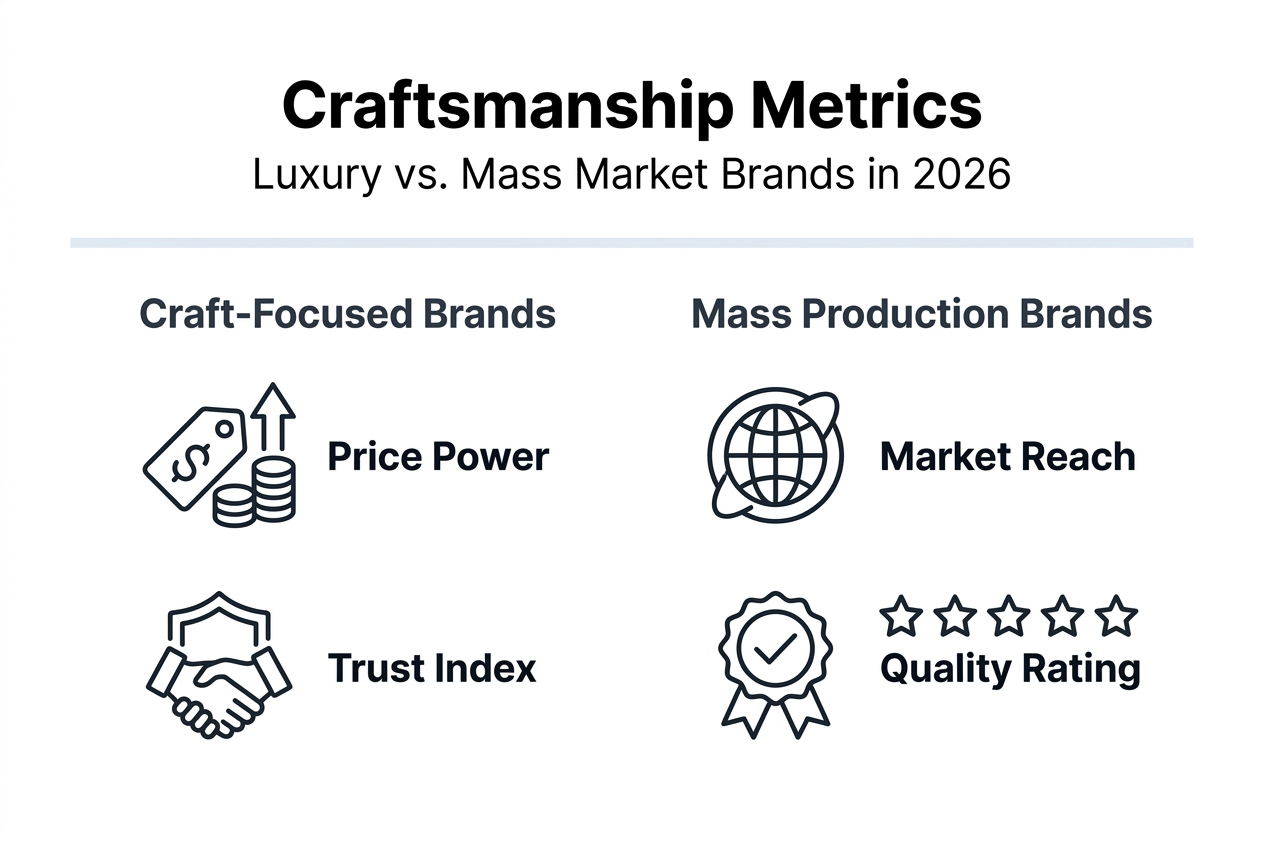
The craftsmanship advantage compounds over time. Each piece that exceeds expectations creates an advocate. Each artisan story shared builds brand mythology. Each production constraint honored reinforces scarcity value.
Consider implementing these differentiation strategies:
- Establish minimum production times that cannot be compressed
- Limit annual output by workshop capacity, not demand
- Retire techniques or materials that compromise quality standards
- Feature artisan signatures or marks on finished pieces
- Create waiting lists that reflect genuine production constraints
How top luxury brands apply craftsmanship in marketing and product strategies
Rolex demonstrates craftsmanship’s strategic power through controlled production and heritage storytelling. The brand leverages craftsmanship and capability proof to build credibility while maintaining scarcity that sustains prestige. Volume control isn’t artificial limitation but reflection of quality standards that require time and expertise.
Hermès exemplifies profit potential from artisanal focus. The brand maintains 40% margins through handcrafted goods and production scarcity, proving craftsmanship delivers financial returns alongside brand equity. Their waiting lists reflect genuine workshop capacity constraints, creating desirability that marketing budgets cannot replicate.
Both brands excel at heritage-led storytelling. They don’t simply claim quality; they document processes, profile artisans, and invite consumers into workshops through selective access. This transparency builds trust while maintaining mystique through thoughtful disclosure rather than complete revelation.
Sponsorship strategies reinforce craftsmanship positioning. Rolex supports precision-demanding activities like sailing and exploration, connecting product attributes to real-world performance. Hermès sponsors equestrian events that echo their saddlery heritage, maintaining cultural connections to artisanal roots.
Pro Tip: Align sponsorships with activities that mirror your craftsmanship values. Support endeavors requiring skill mastery, precision, and dedication to excellence.
Brand craftsmanship comparison
| Element | Rolex Approach | Hermès Approach |
|---|---|---|
| Production philosophy | Volume control for quality maintenance | Handmade exclusivity with artisan signatures |
| Storytelling focus | Precision, testing, and capability proof | Heritage, artisan skills, and material excellence |
| Scarcity method | Controlled distribution and waitlists | Workshop capacity limitations |
| Consumer engagement | Sponsorships demonstrating precision | Atelier visits and artisan spotlights |
| Price justification | Testing rigor and performance validation | Handcraft hours and material provenance |
Craftsmanship narratives strengthen emotional engagement beyond rational purchase justification. When consumers understand the expertise required for specific techniques, they appreciate both the product and the tradition it represents. Storytelling in luxury elevates prestige by connecting contemporary purchases to historical legacy.
Key applications for your brand:
- Document production timelines with specific hour investments per piece
- Create artisan profiles highlighting years of training and specialization
- Show quality control processes including rejection criteria
- Reveal material sourcing journeys from origin to workshop
- Share technique preservation efforts and apprenticeship programs
Integrating craftsmanship for sustained luxury brand growth and consumer loyalty
Luxury executives must prioritize product quality over production volume. This fundamental decision shapes everything from workshop investment to marketing narratives. Artisanal skill development requires time and resources, but 78% of luxury buyers pay more for demonstrable craftsmanship, validating the investment.
Storytelling transforms craftsmanship from production detail to brand essence. Highlight individual artisans, document their training journeys, and showcase specialized techniques. These narratives create emotional connections that generic luxury claims cannot achieve.
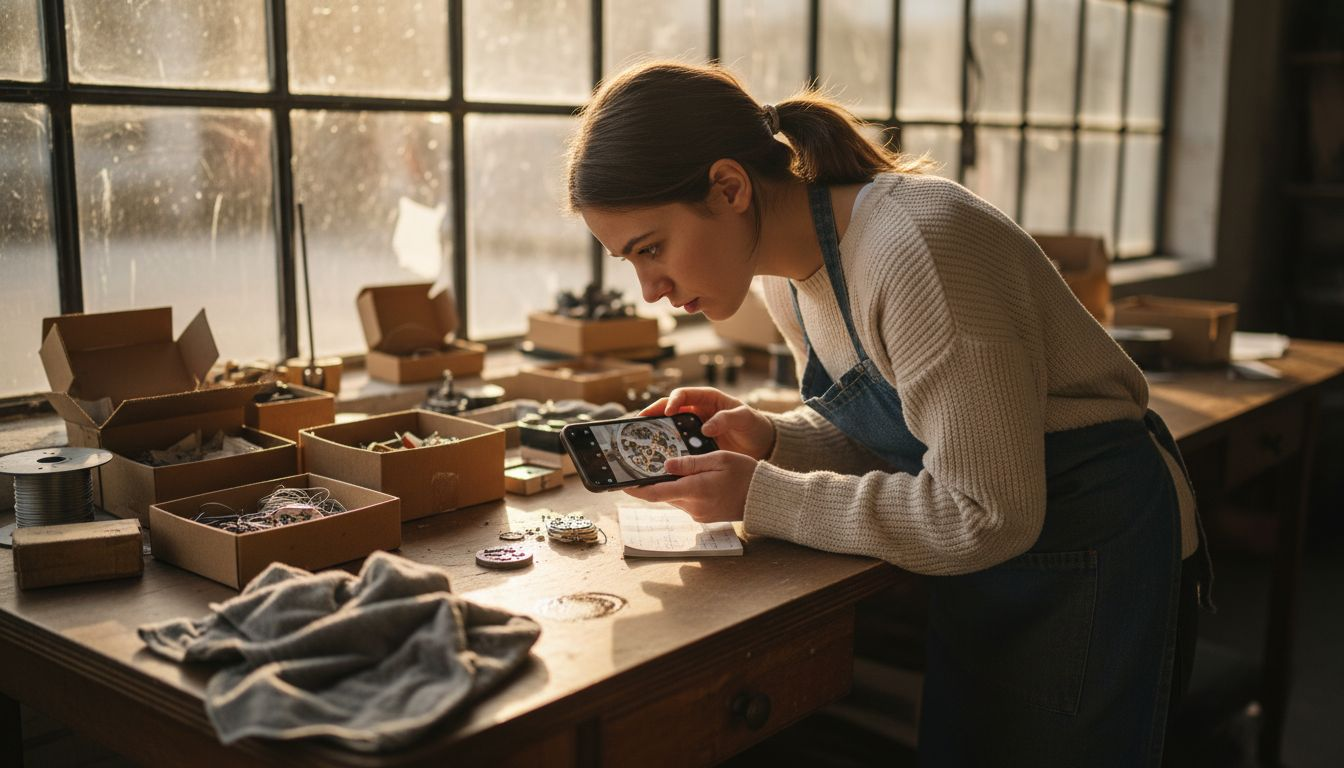
Production transparency builds consumer trust in an era of skepticism. Brands emphasizing transparency and artisanal narratives meet growing consumer demands for authenticity. Share workshop locations, reveal production volumes, and explain quality standards with specific metrics.
Limited editions and made-to-order services leverage craftsmanship for exclusivity. These approaches align production capacity with artisanal constraints while creating premium offerings that justify higher prices. Customization demonstrates craft flexibility while maintaining quality standards.
Innovation within craft traditions engages diverse consumers. Younger buyers appreciate heritage but expect contemporary relevance. Balance traditional techniques with modern design sensibilities, sustainable practices, and digital engagement strategies.
Pro Tip: Create a craftsmanship council of master artisans who approve innovations before implementation. This ensures changes respect tradition while embracing evolution.
Your luxury branding checklist should include craftsmanship verification at every touchpoint. From product development to marketing campaigns, ensure artisanal excellence remains visible and verifiable.
Implementation priorities:
- Audit current production for quality improvement opportunities
- Invest in artisan training and skill development programs
- Document production processes for storytelling content
- Establish quality standards that may reduce output
- Create transparency initiatives revealing production realities
Consider these tactical approaches:
- Workshop tours for select customers and media
- Artisan takeovers of brand social channels
- Behind-the-scenes video series documenting production
- Annual craftsmanship reports detailing investments and outcomes
- Apprenticeship programs publicized as heritage preservation
Fashion brand growth tactics for luxury markets must integrate craftsmanship as core strategy, not supplementary messaging. Your competitive advantage emerges from artisanal authenticity that competitors cannot replicate quickly or cheaply.
Drive your luxury brand’s growth with expert craftsmanship strategies
Transforming craftsmanship from production detail to strategic advantage requires specialized expertise. Corrado Manenti offers psychology-driven strategies that connect artisanal excellence with consumer behavior insights, creating marketing that resonates emotionally while delivering measurable results.
Our approach combines deep understanding of luxury brand growth tactics with practical implementation across brand positioning, storytelling, and consumer engagement. We help you identify the craftsmanship elements that differentiate your brand, then develop narratives that communicate value authentically.
Services include brand positioning audits, buyer behavior analysis focused on craftsmanship perception, and transparency strategies that build trust. Clients achieve elevated brand identity, stronger consumer loyalty, and premium pricing sustainability through artisanal excellence.
The luxury market of 2026 demands authentic differentiation. Contact us to transform your brand with craftsmanship strategies that create lasting competitive advantages and deepen consumer relationships.
Frequently asked questions
Why is craftsmanship more important than ever in luxury branding?
Craftsmanship provides tangible proof of quality that justifies premium pricing in an era of consumer skepticism. It creates emotional connections through artisan stories and heritage narratives that transform transactions into relationships. Consumers facing quality concerns increasingly demand verifiable excellence that only genuine craftsmanship delivers.
How does craftsmanship counter consumer skepticism about luxury pricing?
Craftsmanship offers verifiable quality markers that consumers can assess and appreciate. When brands transparently share production processes, material sourcing, and artisan expertise, they provide evidence that justifies higher prices. This transparency transforms abstract value claims into concrete quality demonstrations that rebuild trust.
What role does scarcity play in craftsmanship-led luxury strategy?
Scarcity from limited handcrafted production drives desirability through genuine constraints rather than artificial manipulation. Workshop capacity, artisan availability, and quality standards naturally limit output, creating exclusivity consumers recognize as authentic. This scarcity maintains brand prestige, supports premium pricing, and enhances resale value over time.
How can luxury brands balance tradition with modern consumer expectations?
Combine traditional techniques with contemporary design that respects heritage while embracing evolution. Transparency about production meets modern demands for authenticity, while sustainability initiatives align with younger consumer values. Limited editions and customization services demonstrate craft flexibility without compromising quality standards.
How can transparency enhance the perception of craftsmanship?
Transparency meets consumer demands for honesty while differentiating genuine craftsmanship from mass production. Sharing artisan stories, production timelines, and quality standards enriches brand narratives with authentic detail. This openness builds trust and allows consumers to appreciate the expertise and effort justifying premium positioning.