
Luxury fashion and hospitality brands face mounting pressure to select guest engagement tactics that genuinely enhance loyalty while preserving brand exclusivity. With customer expectations at unprecedented heights, choosing the wrong approach can dilute your premium positioning or fail to deliver measurable results. This article outlines proven criteria for evaluating tactics and presents the most effective strategies backed by 2026 case studies and expert insights. You’ll discover how personalization, omnichannel integration, and AI-empowered staff create memorable experiences that transform guests into devoted brand advocates.
Table of Contents
- Evaluating Guest Engagement Tactics: Criteria For Luxury Brands
- Personalized Offers And Real-Time Product Recommendations
- Omnichannel Integration And Seamless Guest Experience
- Emotional Labor And Staff Empowerment With Ai
- Explore Expert Strategies To Elevate Your Luxury Brand’s Guest Engagement
- Frequently Asked Questions About Guest Engagement Tactics For Luxury Brands
Key takeaways
| Point | Details |
|---|---|
| Evaluation criteria | Tactics must balance personalization, exclusivity, and seamless omnichannel integration to meet luxury standards. |
| Personalization power | Weekly customized offers and real-time product recommendations significantly increase engagement and conversion rates. |
| Omnichannel necessity | Unified experiences across physical and digital channels elevate guest satisfaction and strengthen brand loyalty. |
| Human-AI synergy | Combining employee emotional labor with AI insights creates authentic luxury service that drives lasting connections. |
| Data-driven impact | Strategic use of guest data redefines acquisition and retention in luxury retail and hospitality sectors. |
Evaluating guest engagement tactics: criteria for luxury brands
Before implementing any guest engagement tactic, you need a clear framework to assess whether it aligns with your luxury brand standards. The right criteria separate tactics that elevate your brand from those that might compromise your positioning.
Start with personalization that respects brand equity. Your tactics should deliver individualized experiences without making guests feel their data is being exploited. Digital transformation is essential in hospitality, yet it must enhance rather than replace the human touch that defines luxury service.
Emotional engagement forms the second pillar. Creating memorable experiences requires respect and genuine care in every interaction. Tactics that trigger authentic emotional responses build deeper connections than purely transactional approaches.
Consider these essential criteria when evaluating tactics:
- Seamless omnichannel experience that eliminates friction between online and offline touchpoints
- Digital empowerment of staff to deliver personalized service without overwhelming guests
- Balance between technological efficiency and human emotional labor
- Respect for brand exclusivity while maximizing customer willingness to pay
- Measurable impact on loyalty metrics and lifetime value
Pro Tip: Test each tactic with a small segment of your most loyal guests first. Their feedback reveals whether the approach enhances or diminishes their perception of your brand’s luxury positioning.
The most successful luxury brands recognize that technology should amplify human connection, not replace it. Your personalization strategies for premium brands must feel intuitive and effortless to guests while delivering the sophistication they expect from your brand.
Personalized offers and real-time product recommendations
Personalization transforms generic marketing into meaningful conversations with individual guests. When executed properly, it demonstrates that you understand not just what guests buy, but why they choose your brand.
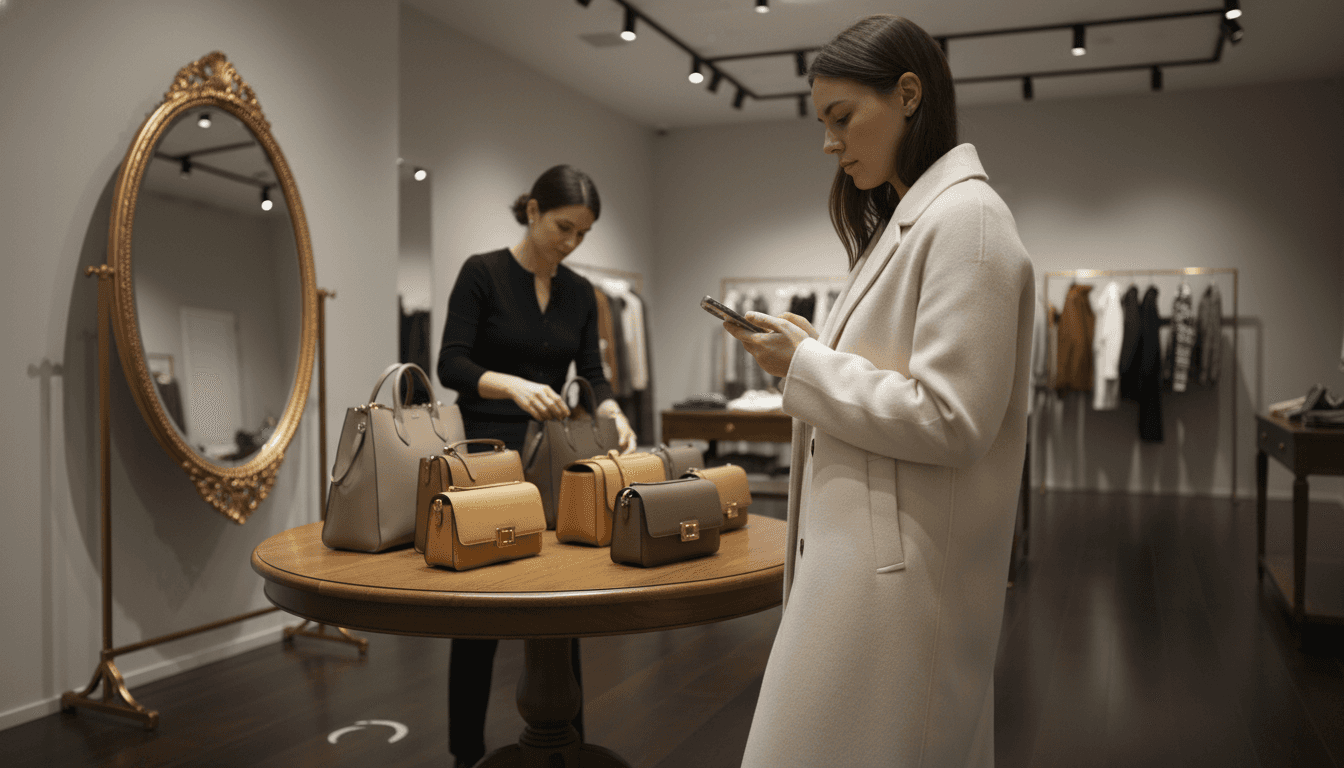
Personalized weekly offers increased sign-ups and repeated visits for luxury fashion retailers who implemented this tactic in 2025. The strategy works because it creates anticipation and rewards engagement without feeling pushy or discount-driven.
Markdown personalization elevates this approach further. Instead of generic coupon codes that cheapen your brand, you deliver exclusive pricing to individual guests based on their preferences and purchase history. This maintains the perception of exclusivity while incentivizing action.
Real-time recommendations match preferences and willingness to pay, enabling precision upselling that feels helpful rather than aggressive. When a guest browses cashmere sweaters, your system can surface complementary scarves or suggest higher-end alternatives based on their demonstrated price sensitivity.
Key implementation elements include:
- Behavioral tracking that respects privacy while capturing meaningful preference signals
- Dynamic pricing algorithms that adjust offers without appearing arbitrary or unfair
- Timing optimization to present recommendations when guests are most receptive
- Visual presentation that maintains your brand’s aesthetic standards across all channels
Pro Tip: Limit personalized offers to once weekly maximum. Over-communication dilutes the exclusivity factor that makes luxury guests feel special, even if the data suggests they’d respond to more frequent contact.
The psychology behind effective personalized offers and product recommendations centers on making guests feel understood without feeling surveilled. You’re demonstrating attentiveness, not data mining. This subtle distinction determines whether personalization enhances or erodes trust in your brand.
Omnichannel integration and seamless guest experience
Luxury guests expect your brand to recognize them regardless of whether they’re shopping online, visiting your flagship store, or browsing your mobile app. Fragmented experiences signal operational weakness and diminish the premium perception you’ve worked to build.
POS integration enabled seamless offer redemption across online and physical locations, creating a unified luxury experience. When a guest receives a personalized offer via email, they should be able to redeem it in-store without explaining their digital interaction to staff.
Eliminating friction between channels requires more than technical integration. Your brand messaging, visual identity, and service standards must remain consistent whether guests interact with you through their phone at midnight or visit your boutique at noon.
Consider how different channels serve distinct purposes in the luxury journey:
| Channel | Integration Benefits | Potential Friction Points |
|---|---|---|
| Online | 24/7 access, detailed product information, personalized browsing history | Lacks tactile experience, delayed gratification, shipping concerns |
| In-store | Sensory engagement, immediate possession, personal styling consultation | Limited inventory visibility, time constraints, geographic restrictions |
| Mobile app | Location-based offers, instant communication, loyalty program access | Screen size limitations, notification fatigue, app maintenance requirements |
The most sophisticated luxury brands use each channel to complement the others. Your mobile app might alert guests when items they’ve browsed online arrive in nearby stores. Your in-store staff can access digital browsing history to prepare personalized selections before VIP appointments.
Your omnichannel integration and guest experience strategy should make channel transitions invisible. Guests shouldn’t need to repeat preferences or re-authenticate their identity as they move between touchpoints. This seamlessness signals operational excellence and respect for their time.
Emotional labor and staff empowerment with AI
Technology enables personalization at scale, but human connection creates the emotional resonance that defines luxury hospitality. Your staff’s ability to read subtle cues and respond with genuine warmth cannot be automated, yet AI can amplify these distinctly human capabilities.
Employees trained to observe emotional cues significantly enhance satisfaction and perceived luxury. When your team notices a guest’s hesitation or excitement, they can adjust their approach in real time. This emotional labor requires training, empowerment, and organizational support.
AI tools reveal patterns your staff might otherwise miss. A guest who always visits on Tuesday afternoons, prefers minimal interaction while browsing, but responds warmly to product knowledge questions presents a clear service blueprint. AI empowers staff by revealing preferences not otherwise visible, enabling more personalized service from the first interaction.
Effective implementation requires:
- Real-time access to guest preference data through mobile devices or discreet terminals
- Training programs that teach emotional intelligence alongside technical system use
- Permission for staff to override algorithms when human judgment suggests a better approach
- Recognition systems that reward exceptional emotional labor, not just sales metrics
“The best AI applications don’t replace human intuition; they provide staff with insights that make their natural hospitality instincts more effective and personalized.”
Your staff empowerment and emotional labor strategy should position technology as a tool that frees employees to focus on relationship building rather than administrative tasks. When staff spend less time searching for inventory or processing transactions, they invest more energy in creating memorable moments.
The synergy between human warmth and technological precision creates experiences that feel both effortlessly personalized and authentically caring. Guests recognize when service comes from genuine attentiveness rather than scripted protocols, and this authenticity drives the emotional connections that transform customers into brand advocates.
Explore expert strategies to elevate your luxury brand’s guest engagement
Implementing these tactics requires more than understanding the concepts. You need a strategic framework tailored to your specific brand positioning, guest demographics, and operational capabilities.
Discover how psychology-driven approaches transform guest engagement into lasting loyalty. Our fashion brand growth tactics luxury market guide reveals advanced strategies that leading brands use to maintain exclusivity while scaling personalization.
Explore proven personalization strategies for premium brands that balance technological sophistication with the human touch your guests expect. Learn how to implement AI-powered insights without sacrificing the authentic connections that define luxury service.
Your brand’s alignment across all touchpoints determines whether guests perceive consistency or confusion. Our brand alignment luxury fashion framework ensures every engagement tactic reinforces rather than dilutes your premium positioning.
Frequently asked questions about guest engagement tactics for luxury brands
What makes guest engagement tactics effective for luxury brands?
Effective tactics balance personalization with exclusivity, using data to enhance rather than replace human connection. They must deliver seamless experiences across all channels while respecting the premium positioning that justifies luxury pricing.
How do personalized offers differ from traditional discounting?
Personalized offers target individual preferences and purchase history without generic coupon codes that cheapen brand perception. They create a sense of exclusive access rather than mass promotion, maintaining luxury positioning while incentivizing action.
Why is omnichannel integration critical for luxury guest experience?
Luxury guests expect your brand to recognize them across all touchpoints without requiring them to repeat preferences or re-authenticate. Fragmented experiences signal operational weakness and diminish the premium perception you’ve invested in building.
How does AI support rather than replace emotional labor in luxury service?
AI reveals guest preference patterns and behavioral insights that empower staff to deliver more personalized service from the first interaction. Technology handles data analysis while employees focus on creating the authentic emotional connections that define luxury hospitality.
What metrics should luxury brands track to measure engagement tactic success?
Focus on lifetime value, repeat purchase frequency, and net promoter scores rather than short-term conversion rates. Luxury loyalty builds gradually through consistent positive experiences, so your metrics should reflect long-term relationship quality over immediate transactions.