Most American luxury consumers recognize that storytelling has become the most powerful tool in high fashion. With over 60 percent of luxury shoppers drawn to brands with strong narratives, visual campaigns now shape how people connect with iconic labels. Exploring these sophisticated marketing strategies reveals how world-class fashion houses use immersive visuals, influential personalities, and exclusive experiences to capture attention and set industry standards.
Table of Contents
- Storytelling Through High-Impact Visual Campaigns
- Influencer Collaborations for Prestigious Brand Image
- Exclusive Events and Experiential Marketing
- Personalized Digital Marketing Using Consumer Insights
- Omnichannel Retail Experiences for HNW Clients
- Limited Edition Drops and Scarcity Tactics
- Cross-Industry Partnerships to Enhance Brand Prestige
Summary
| Key Insight | Clarification |
|---|---|
| 1. Emotional Resonance Enhances Brand Connection | Craft visuals that evoke genuine emotions to deepen the audience’s connection to the brand. |
| 2. Influencer Alignment is Crucial | Choose influencers whose values align authentically with the brand for impactful partnerships instead of just publicity. |
| 3. Experiences Matter More Than Products | Design exclusive events that immerse consumers in the brand narrative, leading to deeper engagement. |
| 4. Personalization Drives Engagement | Utilize consumer insights for tailored marketing strategies that resonate individually with each customer. |
| 5. Scarcity Creates Demand | Use limited edition drops to generate excitement and urgency, enhancing the perceived value of products. |
1. Storytelling Through High-Impact Visual Campaigns
Luxury fashion brands understand that compelling visual storytelling transcends traditional advertising by creating immersive narratives that resonate deeply with audiences. Visual storytelling represents a powerful strategy for connecting emotional experiences with brand identity.
Successful visual campaigns transform mere product presentations into rich, multilayered experiences that communicate brand ethos beyond superficial aesthetics. These campaigns strategically leverage imagery, cinematography, and artistic direction to craft narratives that capture audience imagination.
Key Elements of Effective Visual Storytelling:
- Emotional Resonance: Creating visuals that trigger genuine emotional responses
- Narrative Complexity: Developing multilayered visual stories with depth and intrigue
- Cultural Relevance: Ensuring campaign imagery reflects contemporary social contexts
Implementing high-impact visual storytelling requires meticulous planning and profound understanding of brand identity. Luxury brands must carefully curate relationships with content creators who can authentically represent their narrative.
Practical implementation involves selecting photographers, directors, and models who can translate brand vision into compelling visual language. The goal is not simply showcasing products but creating aspirational worlds that invite viewers to imagine themselves within the brand’s unique ecosystem.
Worldclass fashion houses like Chanel and Gucci demonstrate this approach by producing visual campaigns that feel more like cinematic experiences than traditional advertisements. Their imagery tells stories of heritage, innovation, and personal transformation rather than merely displaying clothing.
By investing in sophisticated visual narratives, luxury brands elevate themselves from mere product sellers to cultural storytellers who shape aesthetic conversations and emotional landscapes.
2. Influencer Collaborations for Prestigious Brand Image
Luxury fashion brands are increasingly recognizing the transformative power of strategic influencer partnerships in building and maintaining brand prestige. International luxury brands are strategically leveraging influencer marketing to shape consumer perceptions and enhance brand image.
Influencer collaborations go far beyond simple product promotions they represent sophisticated narrative building that connects brands with sophisticated audiences through carefully curated personalities who embody brand values.
Strategic Influencer Collaboration Principles:
- Authentic Alignment: Selecting influencers who genuinely reflect brand ethos
- Quality Over Quantity: Prioritizing meaningful engagements with select high credibility personalities
- Long Term Relationships: Developing sustained partnerships rather than transactional interactions
Luxury brands must meticulously evaluate content creators to ensure they can authentically represent complex brand narratives.
Successful influencer strategies involve deep understanding of the influencer ecosystem. Top tier luxury brands seek personalities who are not just social media celebrities but cultural thought leaders respected for their aesthetic judgment and personal brand.
Implementation requires rigorous selection processes where brands assess potential collaborators based on factors like audience demographics cultural relevance artistic sensibility and alignment with brand positioning. The goal is creating symbiotic relationships where both brand and influencer mutually elevate each other.
Worldclass fashion houses demonstrate this approach by transforming influencer partnerships from mere advertising into cultural conversations that extend brand narrative beyond traditional marketing boundaries.
3. Exclusive Events and Experiential Marketing
Luxury fashion brands understand that marketing transcends traditional advertising transforming consumer interactions into immersive narrative experiences. Exclusive events represent strategic opportunities for brands to elevate their desirability through curated experiential encounters.
Experiential marketing creates multisensory brand environments where consumers do not just observe products but actively participate in brand storytelling. These carefully orchestrated experiences go beyond simple product showcases they are sophisticated cultural moments that communicate brand identity.
Key Strategic Elements of Experiential Marketing:
- Sensory Engagement: Creating multidimensional brand interactions
- Narrative Depth: Transforming product presentations into storytelling experiences
- Exclusive Access: Generating perceived value through limited participation
Luxury brands must meticulously design event experiences that align with their core brand positioning and consumer expectations.
Successful experiential marketing requires understanding that modern consumers seek meaningful connections rather than passive consumption. Top tier luxury brands craft events that feel like privileged invitations into an exclusive world where aesthetic and emotional experiences converge.
Implementation involves creating immersive environments that stimulate multiple senses. This might include private runway shows architectural installations avant garde performance art or intimate product reveal experiences that make attendees feel like insider participants rather than external observers.
Worldclass fashion houses demonstrate this approach by transforming product launches into cultural moments that generate global conversations and reinforce brand mystique through carefully curated experiential interactions.
4. Personalized Digital Marketing Using Consumer Insights
Luxury brands are revolutionizing digital marketing by transforming consumer data into nuanced personalized experiences that transcend traditional targeting strategies. Advanced digital marketing strategies enable brands to create deeply tailored interactions that resonate with individual consumer preferences.
Personalized digital marketing represents a sophisticated approach to consumer engagement where data analytics and psychological insights converge to create hyper relevant brand interactions. This strategy moves beyond demographic segmentation into understanding individual consumer motivations psychological triggers and lifestyle aspirations.
Core Elements of Personalized Digital Marketing:
- Predictive Analytics: Anticipating consumer desires before explicit expression
- Contextual Relevance: Tailoring content to individual consumer journeys
- Emotional Intelligence: Understanding underlying consumer motivation patterns
Luxury brands can leverage consumer insights to develop marketing strategies that transform transactional relationships into meaningful brand connections.
Successful implementation requires sophisticated data integration platforms that combine behavioral analytics psychological profiling and real time personalization technologies. Top tier luxury brands are investing in machine learning algorithms that can decode complex consumer signals and generate uniquely tailored digital experiences.
Practical application involves creating dynamic digital ecosystems where every touchpoint adapts to individual consumer preferences. This might include personalized product recommendations adaptive website experiences customized email communications and targeted social media interactions that feel intuitive and authentic.
Worldclass fashion houses demonstrate this approach by transforming digital interactions from generic broadcasts into intimate conversations that make each consumer feel individually understood and valued.
5. Omnichannel Retail Experiences for HNW Clients
Luxury brands are reimagining retail experiences by creating seamless interconnected journeys that transcend traditional transactional boundaries. Sophisticated omnichannel strategies enable high net worth clients to experience brand interactions as fluid comprehensive ecosystems.
Omnichannel retail represents a holistic approach where digital and physical brand touchpoints merge into unified personalized experiences. This strategy goes beyond simple multichannel marketing by creating intelligent interconnected interactions that adapt to individual client preferences in real time.
Key Components of Omnichannel Luxury Experiences:
- Technological Integration: Synchronizing online and offline brand interactions
- Personalized Communication: Maintaining consistent messaging across platforms
- Seamless Transition: Enabling smooth client journeys between digital and physical spaces
Luxury brands can transform client relationships by developing comprehensive omnichannel strategies that anticipate and exceed sophisticated consumer expectations.
Successful implementation requires advanced technological infrastructure that allows real time data synchronization and personalized experience customization. Top tier luxury brands are investing in artificial intelligence and machine learning technologies that can create predictive intelligent retail environments.
Practical application involves creating ecosystem where a client can start a product exploration online schedule a personalized in store consultation receive tailored recommendations and complete purchases through multiple channels without friction.
Worldclass fashion houses demonstrate this approach by developing integrated platforms where every interaction feels like a continuation of a personalized luxury conversation.
6. Limited Edition Drops and Scarcity Tactics
Luxury brands are mastering the art of creating intense consumer desire through strategically designed limited edition product releases. Scarcity tactics transform product launches into cultural events that generate unprecedented market excitement.
Limited edition drops represent a sophisticated marketing approach that leverages psychological principles of exclusivity and urgency. By deliberately constraining product availability luxury brands create a powerful perception of extraordinary value that transcends traditional supply and demand economics.
Strategic Elements of Limited Edition Drops:
- Psychological Positioning: Creating perceived exclusivity
- Controlled Availability: Generating immediate consumer action
- Brand Storytelling: Developing unique narrative contexts for product releases
Luxury brands can strategically design scarcity tactics that transform product releases into coveted cultural moments.
Successful implementation requires precise timing advanced digital infrastructure and deep understanding of consumer psychology. Top tier luxury brands are developing sophisticated digital platforms that can manage complex product release strategies while maintaining brand mystique.
Practical application involves creating multilayered release strategies that combine digital anticipation physical product limitation and exclusive consumer experiences. This might include cryptic digital teasers limited production numbers invitation only purchasing and personalized client communication.
Worldclass fashion houses demonstrate this approach by turning product drops into global cultural events that generate massive consumer engagement and reinforce brand prestige through carefully orchestrated scarcity narratives.
7. Cross-Industry Partnerships to Enhance Brand Prestige
Luxury brands are expanding their strategic horizons by creating innovative cross industry partnerships that transcend traditional marketing boundaries. Co-branding represents a sophisticated approach to elevating brand prestige through strategic collaborative experiences.
Cross industry partnerships allow luxury brands to create unique narratives that position themselves beyond conventional product categories. These collaborations are not mere marketing tactics but sophisticated cultural dialogues that redefine brand perception and consumer expectations.
Strategic Elements of Cross Industry Partnerships:
- Cultural Relevance: Creating meaningful connections across different domains
- Innovation Signaling: Demonstrating brand adaptability and creative vision
- Expanded Consumer Reach: Accessing new audience segments through strategic collaborations
Luxury brands can strategically design cross industry partnerships that generate unprecedented brand visibility and consumer intrigue.
Successful implementation requires deep understanding of brand synergy potential advanced negotiation skills and creative vision. Top tier luxury brands are developing collaborative strategies that transform traditional partnership models into immersive cultural experiences.
Practical application involves identifying potential partners with complementary brand narratives and shared aesthetic sensibilities. This might include technology companies artistic collectives architectural firms or innovative startups that can provide unique perspectives and expand brand storytelling capabilities.
Worldclass fashion houses demonstrate this approach by creating collaborations that are not simply transactional but represent profound cultural statements that redefine luxury brand interactions.
Below is a comprehensive table summarizing the storytelling, influencer strategies, and marketing techniques used by luxury fashion brands as discussed in the article.
| Topic | Description | Key Considerations |
|---|---|---|
| Storytelling Through Visual Campaigns | Luxury fashion brands use visual storytelling to create immersive, emotional connections with audiences. | Focus on emotional resonance, narrative complexity, and cultural relevance. |
| Influencer Collaborations | Strategic partnerships with influencers enhance brand prestige and connect with targeted audiences. | Ensure authentic alignment, prioritize quality, and aim for long-term relationships. |
| Experiential Marketing | Brands offer exclusive events that create immersive, sensory-rich brand experiences. | Emphasize sensory engagement, narrative depth, and exclusive access. |
| Personalized Digital Marketing | Brands use data-driven strategies to create tailored consumer interactions. | Leverage predictive analytics, contextual relevance, and emotional intelligence. |
| Omnichannel Retail Experiences | Seamless integration of online and offline experiences for high net worth clients. | Focus on technological integration, personalized communication, and seamless transitions. |
| Limited Edition Drops | Scarcity tactics create exclusive, high-demand product releases. | Position products psychologically, control availability, and enhance storytelling. |
| Cross-Industry Partnerships | Strategic collaborations expand brand narratives and consumer reach. | Prioritize cultural relevance, innovation signaling, and expanded reach. |
Elevate Your Luxury Fashion Brand with Psychology-Driven Marketing
The article highlights how luxury brands face the critical challenge of crafting deeply emotional and authentic connections through storytelling, influencer collaborations, and exclusive experiences. If your goal is to master these sophisticated marketing strategies and create immersive brand narratives that resonate with high-end audiences, a psychology-driven approach is essential. Understanding not just what your clients think but why they make purchasing decisions allows you to design campaigns that evoke strong emotional responses and build lasting prestige.
Corrado Manenti offers specialized expertise in Marketing Moda combining deep consumer psychology insights with proven luxury marketing techniques. 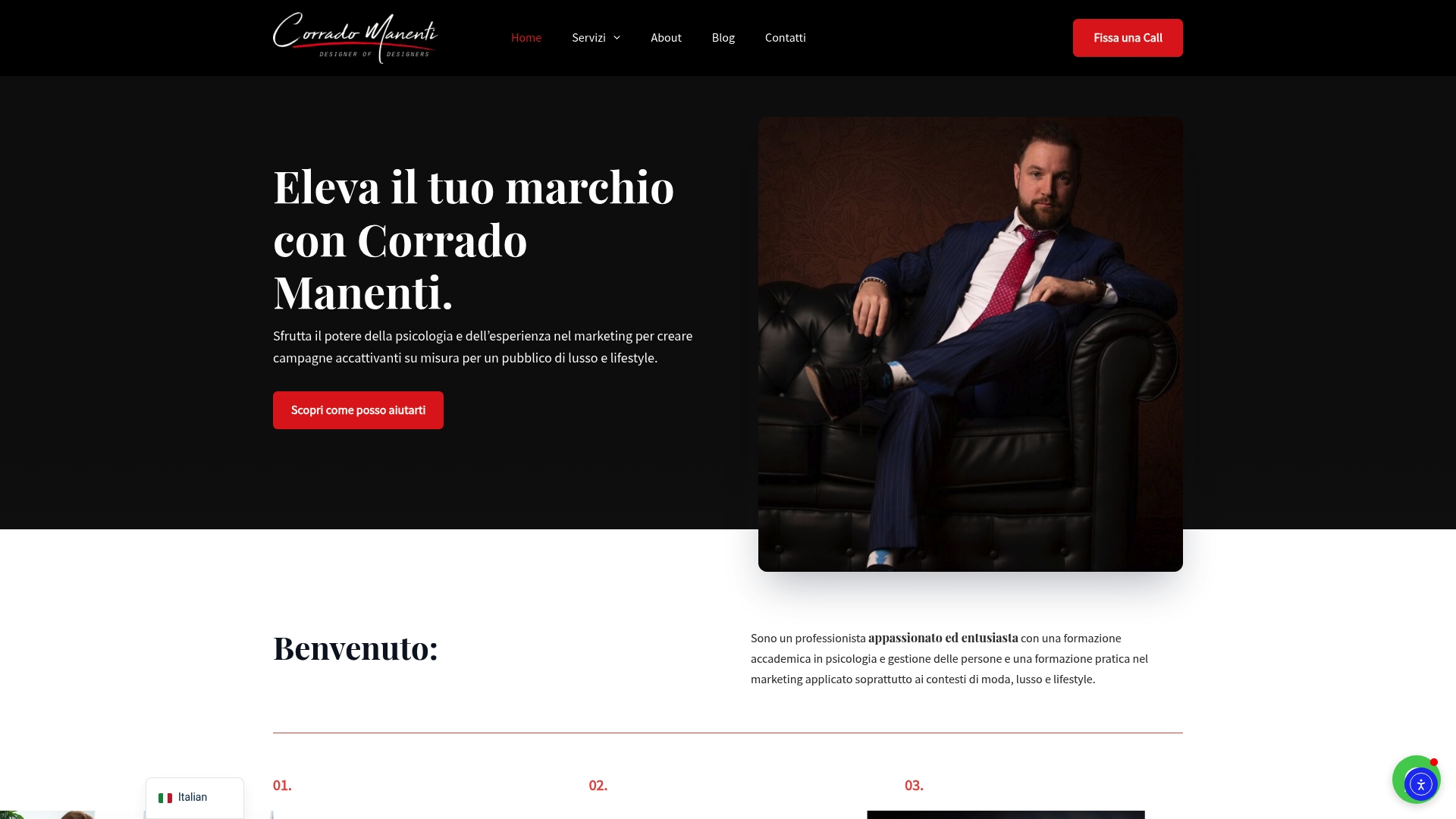
Discover how to transform your brand story into a culturally compelling experience and leverage innovation to stay ahead in the competitive luxury fashion landscape. Act now to partner with a consultant who ensures every element of your branding and experiential marketing aligns perfectly with your premium image. Learn more about our tailored solutions on Corrado Manenti or explore opportunities for new ventures via Moda Start up. Start your journey to outstanding luxury marketing today.
Frequently Asked Questions
What are high-impact visual campaigns in luxury fashion marketing?
High-impact visual campaigns are marketing strategies that use compelling imagery and storytelling to engage audiences deeply. These campaigns go beyond product placement by creating immersive narratives that resonate with consumers’ emotions. Craft your visual campaigns to include strong emotional elements and complex narratives for a more profound impact.
How can luxury brands effectively collaborate with influencers?
Luxury brands should seek influencers who align closely with their brand ethos and possess high credibility. Prioritize long-term partnerships over one-time promotions for better authenticity. Start by thoroughly researching potential influencers to ensure they share similar aesthetic values and audience demographics.
What are the benefits of experiential marketing for luxury brands?
Experiential marketing offers luxury brands the chance to create memorable, multisensory experiences that encourage consumer engagement and foster brand loyalty. By designing exclusive events, brands can elevate their desirability and create meaningful interactions with their customers. Plan your next event to focus on sensory engagement and storytelling to maximize impact.
How does personalized digital marketing work for luxury brands?
Personalized digital marketing involves using consumer data to tailor brand interactions to individual preferences and behaviors. This approach can enhance consumer engagement and satisfaction significantly. Implement a data analytics system to track consumer interactions and create customized marketing content tailored to their preferences.
What role do limited edition drops play in luxury brand marketing?
Limited edition drops create a sense of urgency and exclusivity that can drive consumer desire and increase brand prestige. These carefully timed product releases turn shopping into an event, generating excitement among consumers. Consider launching limited editions at key moments or events to maximize impact.
How can luxury brands benefit from cross-industry partnerships?
Cross-industry partnerships allow luxury brands to expand their reach and appeal by collaborating with brands from different sectors. These partnerships can create innovative experiences and redefine consumer perceptions of luxury. Identify potential partners with complementary values and work on joint marketing initiatives to enhance your brand’s cultural relevance.