


Figuring out future market trends can feel overwhelming when consumer habits keep changing and new technologies appear almost overnight. Competing brands are racing to understand what will matter most in 2025, but real insight requires more than guesswork and surface-level observation.
The good news is you can use advanced research methods to uncover the motivations, behaviors, and forecasts that will define tomorrow’s marketplace. By tapping into proven strategies and tools, you’ll gain the confidence to anticipate shifts that could transform your business outcomes.
Get ready to discover actionable steps that help you analyze global trends, leverage artificial intelligence, and monitor emerging influencers. Each tip in this list brings you closer to mastering the art of trend forecasting and staying one step ahead.
Table of Contents
- 1. Analyze Consumer Behavior Trends
- 2. Leverage Data and AI Tools Effectively
- 3. Monitor Fashion and Lifestyle Influencers
- 4. Integrate Global Market Insights
- 5. Apply Psychology-Based Segmentation
- 6. Test and Validate Forecast Prototypes
- 7. Prepare for Fast Market Adaptation
Quick Summary
| Key Message | Explanation |
|---|---|
| 1. Monitor Consumer Behavior Trends | Understanding shifts in consumer behavior is crucial; brands must analyze emotional and digital patterns for better engagement. |
| 2. Utilize AI for Predictive Analytics | Invest in AI tools to enhance data analysis capabilities and uncover real-time consumer insights efficiently. |
| 3. Evaluate Influencer Impact | Analyze the authenticity and engagement of influencers to build meaningful connections with target consumers. |
| 4. Integrate Global Insights | Develop systems to create actionable intelligence from global market trends and emerging consumer dynamics. |
| 5. Implement Agile Market Adaptation | Foster flexibility and quick responsiveness within organizations to stay competitive in a rapidly changing market. |
1. Analyze Consumer Behavior Trends
Decoding consumer behavior is a strategic imperative for brands aiming to navigate the complex market landscape of 2025. Understanding the nuanced shifts in consumer psychology requires a multifaceted approach that goes beyond traditional demographic analysis.
Since the global pandemic, consumer behavior has undergone dramatic transformations. Consumer sentiment patterns reveal unexpected trade-offs across spending categories, where consumers simultaneously trade down in some areas while splurging in others. This complexity demands a sophisticated understanding of emerging motivational patterns.
To effectively analyze consumer behavior trends, brands must leverage both quantitative and qualitative research methodologies. Digital connectivity, economic fluctuations, and sustainability consciousness now play critical roles in shaping purchasing decisions. Tracking these intersecting influences requires advanced analytical frameworks that can capture subtle behavioral nuances.
Key dimensions of consumer behavior analysis in 2025 include:
Digital Interaction Mapping
• Tracking online engagement patterns
• Understanding social media influence
• Analyzing digital consumption habits
Emotional Value Assessment
• Identifying underlying psychological drivers
• Evaluating emotional connections with brands
• Understanding value perception beyond price
Brands that develop agile, data-driven approaches to consumer behavior research will gain significant competitive advantages. By continuously monitoring and interpreting consumer signals, organizations can design more resonant products, experiences, and marketing strategies.
Pro tip: Implement a quarterly consumer behavior audit that combines quantitative data analysis with qualitative consumer interviews to maintain real-time insights into emerging trends.
2. Leverage Data and AI Tools Effectively
In the rapidly evolving landscape of trend forecasting, artificial intelligence has emerged as a transformative force for strategic decision-making. Modern businesses must embrace AI-powered predictive analytics to stay competitive and anticipate market shifts with unprecedented precision.
Artificial intelligence tools are revolutionizing how organizations collect, analyze, and interpret complex data streams. Advanced AI platforms can process massive datasets exponentially faster than traditional research methods, enabling businesses to uncover nuanced consumer insights and emerging trends in real time.
Key AI Tool Categories for Trend Forecasting:
• Research and Literature Analysis Tools
• Predictive Analytics Platforms
• Consumer Sentiment Tracking Systems
• Machine Learning Trend Prediction Models
Specialized research tools like Scite.ai, Dimensions, and Semantic Scholar now offer intelligent capabilities that streamline complex analytical processes. These platforms enable researchers to map emerging topics, track citations, and generate predictive models with remarkable accuracy.
Successful implementation requires a strategic approach. Organizations should invest in training teams to understand AI tool functionalities, integrate these technologies into existing workflows, and develop robust data governance frameworks that ensure ethical and effective usage.
Pro tip: Allocate 10% of your annual research budget specifically for experimenting with and training teams on emerging AI research and trend forecasting tools.
3. Monitor Fashion and Lifestyle Influencers
Influencer tracking has become a critical strategy for brands seeking to understand emerging consumer trends and behavioral shifts. Fashion influencer impact transcends traditional marketing, particularly among younger demographics who seek authentic and relatable content experiences.
Understanding influencer dynamics requires a nuanced approach that goes beyond surface level metrics. Modern brands must analyze not just follower count, but the complex interplay of credibility, expertise, and perceived authenticity that drives consumer engagement.
Key Influencer Monitoring Dimensions:
• Content Authenticity
• Audience Engagement Rates
• Demographic Alignment
• Narrative and Storytelling Approach
• Brand Values Compatibility
Successful influencer monitoring involves developing sophisticated tracking mechanisms that capture qualitative and quantitative insights. This means looking beyond raw numbers and understanding the subtle psychological triggers that transform casual followers into committed brand advocates.
Generation Z consumers particularly value influencers who demonstrate genuine expertise, transparent communication, and alignment with broader social values. Brands must therefore develop robust frameworks for identifying and analyzing influencers who can create meaningful connections with target audiences.
Advanced monitoring strategies should incorporate machine learning algorithms and social listening tools that can provide real time insights into emerging trends, sentiment shifts, and potential brand partnership opportunities.
Pro tip: Create a dynamic influencer scorecard that evaluates potential partnerships across multiple dimensions including authenticity, engagement quality, and alignment with brand values.
4. Integrate Global Market Insights
In the complex landscape of 2025 market intelligence, businesses must develop sophisticated approaches to understanding global consumer dynamics. Forecasting has transformed into a dynamic intelligence framework that demands comprehensive and adaptive strategic thinking.
Global market insights are no longer about collecting data they are about creating actionable intelligence that anticipates market shifts before they occur. Modern organizations need integrated approaches that combine macroeconomic modeling, primary research, and competitive benchmarking to develop predictive strategies.
Critical Components of Global Market Intelligence:
• Macroeconomic Trend Analysis
• Cross Cultural Consumer Behavior Research
• Regional Economic Indicator Tracking
• International Competitive Landscape Assessment
• Emerging Market Opportunity Mapping
Successful global market integration requires breaking down traditional research silos and creating holistic intelligence frameworks. This means developing systems that can rapidly synthesize information from diverse sources economic reports, cultural studies, technological innovation tracking, and consumer sentiment analysis.
Advanced organizations are investing in interdisciplinary research teams that can interpret complex global signals. These teams combine data scientists, cultural anthropologists, economists, and industry specialists to create nuanced market understanding that goes beyond traditional demographic segmentation.
Companies must also develop robust ethical frameworks for global data collection, ensuring that insights are gathered transparently and with respect for local cultural contexts. This approach not only mitigates legal risks but also builds trust with potential consumer markets.
Pro tip: Create a quarterly global insights summit where cross functional teams share research findings, challenging assumptions and generating integrated market intelligence strategies.
5. Apply Psychology-Based Segmentation
Psychographic segmentation represents a sophisticated approach to understanding consumer behavior that transcends traditional demographic analysis. Computational linguistics enables deeper consumer insights by revealing the complex psychological motivations driving purchasing decisions.
Traditional market segmentation relies on surface level characteristics like age, income, and location. In contrast, psychology-based segmentation explores the underlying psychological traits that truly influence consumer behavior including values, lifestyle preferences, attitudes, and intrinsic motivations.
Key Psychological Segmentation Dimensions:
• Motivational Profiling
• Value System Mapping
• Emotional Drivers Analysis
• Lifestyle Orientation Classification
• Attitudinal Behavioral Patterns
Advanced organizations are now using sophisticated computational models that integrate Self-Determination Theory to create nuanced consumer profiles. These profiles go beyond simple categorization and provide actionable insights into how different consumer groups make decisions, perceive value, and engage with brands.
Effective psychology-based segmentation requires a multidisciplinary approach combining data science, cognitive psychology, and advanced analytical techniques. Marketers must develop frameworks that can capture the subtle psychological nuances that drive consumer behavior.
By understanding the deeper psychological drivers behind consumer choices, brands can create more personalized, resonant marketing strategies that speak directly to individual motivational patterns rather than relying on broad demographic generalizations.
Pro tip: Develop a quarterly psychological segmentation review process that reassesses consumer motivation profiles using advanced computational linguistics and machine learning techniques.
6. Test and Validate Forecast Prototypes
Validating forecast prototypes is a critical strategic process that transforms theoretical predictions into actionable intelligence. Machine learning techniques enable precise prototype validation by providing advanced predictive modeling capabilities.
Prototype testing goes far beyond simple hypothesis verification. It represents a sophisticated approach to understanding potential market responses, technological feasibility, and strategic alignment before substantial resources are committed to full scale development.
Core Prototype Validation Dimensions:
• Conceptual Feasibility Assessment
• Market Responsiveness Modeling
• Technical Performance Evaluation
• Economic Viability Projection
• Risk Mitigation Strategy
Successful prototype validation requires a multidimensional approach that combines quantitative metrics with qualitative insights. Organizations must develop robust frameworks that can rapidly iterate and refine potential concepts, reducing time to market and minimizing potential strategic missteps.
Advanced organizations are now implementing sophisticated validation protocols that leverage computational modeling, scenario simulation, and dynamic feedback mechanisms. These approaches allow teams to test multiple potential outcomes and understand complex interaction effects before making significant investment decisions.
The validation process should incorporate diverse perspectives including market researchers, technical experts, consumer psychologists, and strategic planners. This interdisciplinary approach ensures a comprehensive evaluation that goes beyond traditional linear assessment methodologies.
Pro tip: Develop a standardized prototype validation scorecard that objectively rates potential concepts across multiple strategic dimensions, enabling consistent and transparent decision making.
7. Prepare for Fast Market Adaptation
Market adaptation is no longer a strategic option but a survival imperative for organizations navigating the complex business landscape of 2025. Artificial intelligence enables rapid organizational responsiveness by providing unprecedented insights and predictive capabilities.
The most successful organizations will be those that can transform market intelligence into actionable strategies with unprecedented speed and precision. This requires developing organizational infrastructures that are inherently flexible, technologically integrated, and psychologically prepared for continuous transformation.
Critical Adaptation Capabilities:
• Real Time Market Intelligence Systems
• Agile Strategic Planning Frameworks
• Technological Infrastructure Flexibility
• Cross Functional Collaborative Mechanisms
• Continuous Learning and Skill Development
Effective market adaptation demands more than technological tools. It requires cultivating an organizational culture that embraces uncertainty, values rapid experimentation, and views change as an opportunity rather than a threat.
Companies must invest in developing adaptive leadership skills that can navigate complex and unpredictable market conditions. This means training leaders to think systemically, make decisions with incomplete information, and rapidly recalibrate strategies based on emerging signals.
Advanced organizations are creating dedicated innovation units that operate with startup like agility while maintaining the resource advantages of established enterprises. These units serve as organizational shock absorbers capable of rapidly testing and implementing new approaches.
Pro tip: Implement quarterly scenario planning workshops that challenge existing assumptions and develop multiple potential strategic responses to emerging market shifts.
Below is a comprehensive table summarizing key strategies and insights discussed throughout the article on analyzing consumer behavior trends and strategic implementation for businesses in 2025.
| Strategy/Insight | Core Components | Benefits |
|---|---|---|
| Analyze Consumer Behavior Trends | Embrace quantitative and qualitative research; track digital connectivity, economic influences, and sustainability concerns. | Allows for a nuanced understanding of consumer motivations leading to well-aligned offerings. |
| Leverage Data and AI Tools | Employ advanced AI systems; integrate predictive analytics, consumer sentiment tracking, and machine learning models. | Enables real-time trend identification and strategic decision-making. |
| Monitor Influencer Dynamics | Focus on content authenticity, engagement rates, and audience alignment; employ machine learning tools for monitoring. | Facilitates influential partnerships, increased reach, and improved brand resonance. |
| Integrate Global Market Insights | Combine macroeconomic analysis, cultural studies, and competitor benchmarking into actionable intelligence. | Aids in identifying emerging opportunities and tailoring strategies to localized needs. |
| Apply Psychology-Based Segmentation | Utilize psychographic analysis, including motivational profiling and lifestyle classification. | Promotes personalized marketing strategies resonating on an emotional level with diverse audiences. |
| Validate Forecast Prototypes | Apply multifaceted testing approaches, involving conceptual feasibility and economic viability. | Minimizes risks, reduces developmental costs, and ensures strategic accuracy. |
| Adapt Quickly to Market Changes | Build agile frameworks, invest in flexible technological infrastructure, and cultivate a readiness for continuous transformation. | Enhances organizational resilience, quicker responsiveness to market shifts, and sustained competitiveness. |
Endeavors in these areas can provide significant advantages by aligning organizational strategies with evolving consumer expectations and market conditions.
Elevate Your Trend Forecasting with Psychology-Driven Marketing in Fashion
Staying ahead in the dynamic world of trend forecasting demands deep insights into consumer psychology, digital innovation, and authentic storytelling. The “7 Expert Steps for Trend Forecasting Guide 2025 Success” highlights challenges like understanding emotional drivers and leveraging AI tools for market adaptation. If you want to convert these complex insights into actionable marketing strategies that connect on a human level, specialized expertise is essential.
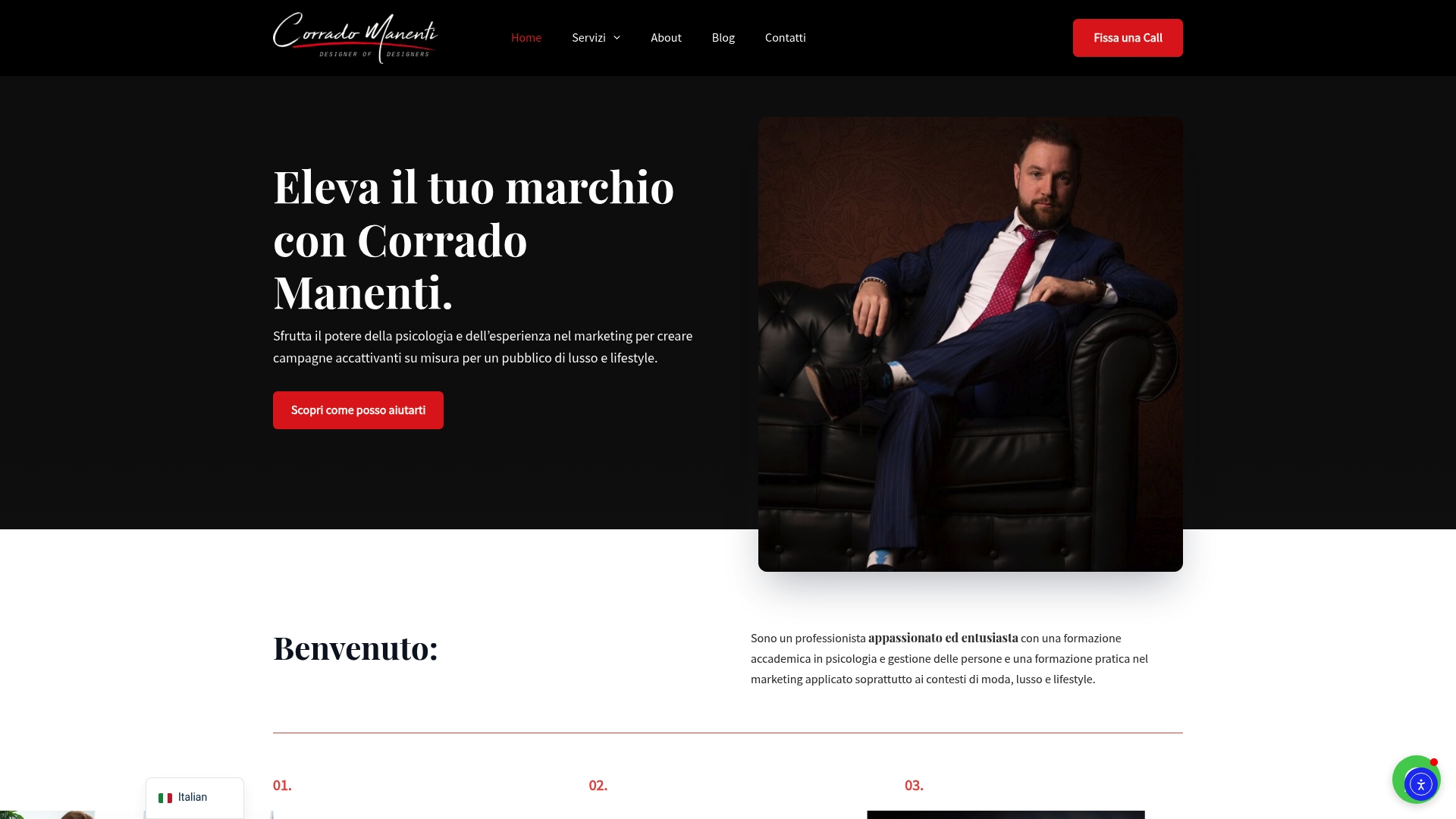
Discover how Corrado Manenti’s unique blend of psychology and marketing can empower your brand to interpret consumer motivations and create campaigns that resonate deeply in the luxury and fashion sectors. Explore strategies in our Marketing Moda and get inspired by real-world applications in Moda en píldoras. Take the first step to future-proof your brand today by visiting Corrado Manenti and unlocking your brand’s full potential with data-informed, psychology-led trend forecasting.
Frequently Asked Questions
How can I analyze consumer behavior trends effectively for 2025?
To analyze consumer behavior trends effectively, utilize both quantitative and qualitative research methods to capture nuanced shifts. Start by implementing a quarterly consumer behavior audit that combines data analytics with consumer interviews for ongoing insights.
What AI tools should I leverage for trend forecasting in 2025?
Focus on utilizing predictive analytics platforms, consumer sentiment tracking systems, and machine learning models. Allocate a portion of your research budget, like 10%, specifically for training teams on these AI tools and testing their functionalities.
How can I monitor fashion and lifestyle influencers for consumer trend insights?
To monitor influencers effectively, evaluate their content authenticity, audience engagement rates, and alignment with your brand values. Create a dynamic influencer scorecard that measures these factors to help identify potential brand advocates.
What components are critical in integrating global market insights?
Key components include macroeconomic trend analysis, regional economic indicator tracking, and competitive landscape assessment. Establish a quarterly global insights summit for cross-functional teams to share findings and refine your market strategies accordingly.
How can I test and validate forecast prototypes to ensure success?
Utilize a multidimensional approach that combines quantitative data with qualitative insights to evaluate potential concepts. Develop a standardized prototype validation scorecard that rates concepts across various strategic dimensions to guide your decision-making process.