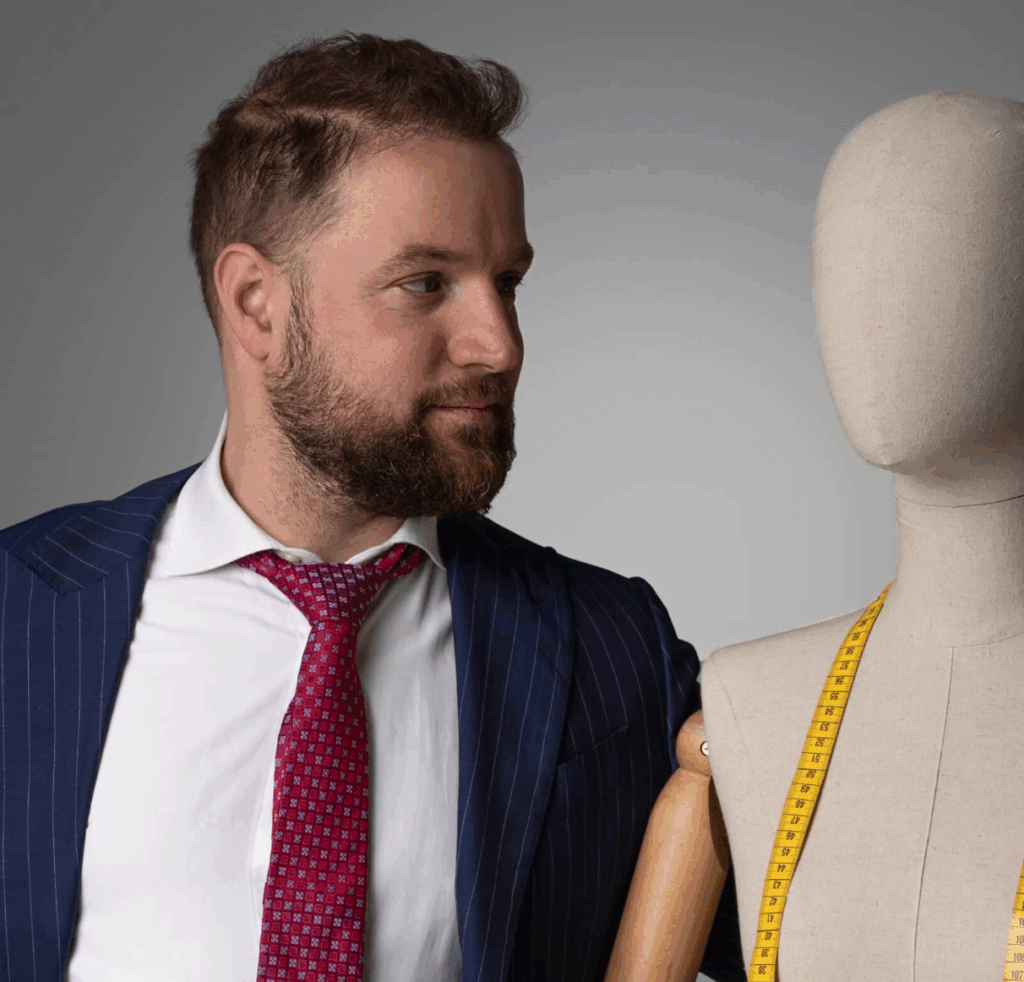


Quasi tutte le mappe del customer journey che vedo hanno lo stesso difetto: descrivono i canali che l’azienda possiede, non il percorso che il cliente compie. Sono organigrammi travestiti da mappe.
Il formato tipico è una riga orizzontale con cinque caselle — awareness, consideration, purchase, retention, advocacy — e sotto, per ogni casella, i canali attivi. È ordinato, è condivisibile, e non serve a niente: perché nessun cliente ha mai attraversato quelle cinque caselle in quell’ordine.
Una mappa utile parte dall’altra parte. Non da cosa fa l’azienda, ma da cosa succede nella testa e nella giornata di una persona fra il momento in cui il desiderio nasce e quello in cui l’oggetto entra nella sua vita.
Sono Corrado Manenti, consulente marketing luxury e lifestyle. In questa guida do il metodo operativo per mappare il percorso del cliente nella moda di alta gamma: cosa raccogliere, come costruirla, i cinque errori che la rendono inutile e come si usa dopo. Con i framework del libro Il Codice del Lusso.
Aggiornato · Edizione 2026
Riscritta in italiano come metodo di mappatura per il verticale moda, complementare all’articolo sulla customer experience nel lusso, che descrive il ciclo di vita del ricordo in quattro fasi. Framework dal libro Il Codice del Lusso: il Pre-possesso, l’Arte del Rallentamento Strategico, la Luxury Maturity Curve, gli Exit Barriers Emotivi, l’Accoglienza Informativa e il Cliente Aspirazionale.
In breve: la mappatura nella moda in cinque leggi
| Principio | Cosa significa nella pratica |
|---|---|
| Si mappa il cliente, non i canali | Una mappa che elenca i touchpoint aziendali è un organigramma, non un percorso. |
| Il tempo va misurato, non ipotizzato | Giorni fra i contatti, numero di visite reali. Quasi sempre è molto più lungo di quanto si crede. |
| Le emozioni vanno sulla mappa | Senza la riga emotiva la mappa non spiega perché il cliente si ferma. |
| Il percorso non finisce con l’acquisto | Nella moda il capo resta addosso per anni: la parte più lunga viene dopo. |
| Una mappa che non produce decisioni è decorazione | Ogni riga deve rispondere a: cosa cambiamo lunedì? |
La domanda che smaschera una mappa inutile è sempre la stessa: quante di queste caselle le abbiamo osservate e quante le abbiamo immaginate? Nella maggior parte dei casi la risposta è che l’intera mappa è stata costruita in sala riunioni.
— Corrado Manenti, Il Codice del Lusso
Perché le mappe standard non funzionano nella moda
Il modello a cinque fasi lineari nasce nel marketing di prodotti a bassa implicazione e ripetitivi. Nella moda di alta gamma si scontra con quattro caratteristiche che lo rendono inservibile.
- Il percorso non è lineare. Il cliente entra, esce, torna dopo tre settimane, guarda online, chiede a qualcuno, torna in negozio. Una mappa lineare non descrive nulla di tutto questo.
- La decisione matura su più visite. Trattare la prima visita come un tentativo fallito di vendita distorce sia la lettura sia le metriche.
- Il prodotto resta. Un capo dura anni: la fase post-acquisto è la più lunga del percorso ed è quella dove si decide se ci sarà un secondo acquisto.
- Il senso proprietario è il tatto. Buona parte di ciò che determina la decisione avviene in silenzio, in trenta secondi, in un camerino — e non lascia traccia in nessun sistema.
Il metodo: cosa raccogliere prima di disegnare
La mappa si costruisce sui dati, e i dati necessari sono quattro. Nessuno richiede strumenti nuovi.
- Il tempo reale. Giorni fra primo contatto e acquisto, numero di visite, numero di contatti intermedi. Si ricava chiedendolo in cassa — «è la prima volta che passa da noi?» — e annotandolo per un mese. Quasi sempre il risultato sorprende chi lo raccoglie.
- Le occasioni. Quanti acquisti sono legati a un’occasione specifica, e quale. Si ottiene con l’Accoglienza Informativa, di cui parlo più avanti, e cambia la lettura di tutto il resto.
- I punti di abbandono. Dove si fermano, in negozio e online. In negozio si osserva; online si legge nei dati. La domanda giusta non è quanti abbandonano ma a che punto della sequenza emotiva.
- Le parole dei clienti. Sei domande, tre a clienti e tre a personale, poste separatamente. La più utile: «se dovessi convincere un amico a comprare da noi, cosa gli diresti?». Il metodo completo è nell’articolo sul brand alignment.
Le righe che la mappa deve avere
Una mappa utile ha una colonna per ogni fase reale del percorso e sei righe. Le prime due ci sono sempre; le altre quattro quasi mai, ed è per questo che le mappe non producono decisioni.
| Riga | Cosa contiene | Perché serve |
|---|---|---|
| Azioni del cliente | Cosa fa concretamente | È la base, ma da sola descrive senza spiegare |
| Punti di contatto | Dove incontra il brand | Serve a capire chi è responsabile di cosa |
| Emozione dominante | Desiderio, proiezione, paura, giustificazione | Spiega perché si ferma dove si ferma |
| Tempo trascorso | Giorni reali fra una fase e l’altra | Rivela dove il processo si blocca davvero |
| Chi decide | Il cliente da solo, con un partner, con un consulente | Nella moda l’accompagnatore pesa più di quanto si creda |
| Cosa cambiamo lunedì | Una decisione operativa per fase | Se questa riga è vuota, la mappa è decorazione |
La riga delle emozioni merita attenzione, perché è quella che trasforma la mappa da descrittiva a operativa. Nella moda la sequenza è riconoscibile: desiderio (contatto sensoriale), proiezione (il camerino, dove avviene il Pre-possesso), paura di sbagliare, giustificazione. La sviluppo in dettaglio nell’articolo sulle quattro emozioni della decisione.
Le fasi reali nella moda di alta gamma
| Fase | Durata tipica | Punto critico | Cosa la blocca |
|---|---|---|---|
| Innesco | Mesi | Un’occasione o un cambiamento di vita | Nulla: non è governabile dal brand |
| Esplorazione | Settimane | Confronto visivo e tattile | Registrazione obbligatoria, personale che incalza |
| Prova | Minuti | Il camerino: è qui il Pre-possesso | Camerino mal progettato, interruzioni, fretta |
| Esitazione | Giorni o settimane | Paura di sbagliare | Assenza di criteri, pressione commerciale |
| Acquisto | Minuti | Il momento del totale | Nessuna giustificazione disponibile |
| Convivenza | Anni | L’uso reale e la cura | Nessun servizio, nessun contatto |
| Ritorno | Mesi o anni | La soglia successiva | Il brand non si è fatto ricordare |
Due osservazioni su questa tabella. La prima: le fasi più lunghe sono la prima e le ultime due, cioè quelle su cui quasi nessun brand investe. La seconda: la fase di prova dura minuti e determina il resto — è il rapporto impatto/durata più sbilanciato dell’intero percorso, e nella maggior parte delle boutique il camerino è l’ambiente meno curato.
I cinque errori che rendono inutile una mappa
- Mappare i canali invece del cliente. Si ottiene un organigramma. Il test: se la mappa cambierebbe riorganizzando i reparti, non è una mappa del cliente.
- Costruirla in sala riunioni. Ogni casella non osservata è un’ipotesi. Vanno segnate come tali, e verificate prima di prendere decisioni.
- Ignorare il tempo. Una mappa senza durate reali non dice dove il processo si blocca. È il dato più facile da raccogliere e il più spesso assente.
- Fermarsi all’acquisto. Nella moda la fase più lunga viene dopo, ed è quella dove si costruiscono gli Exit Barriers Emotivi — il legame per cui andarsene significa perdere una relazione, non cambiare fornitore.
- Una mappa sola per tutti. Un cliente nella fase dell’Annuncio della Luxury Maturity Curve e uno nella Trascendenza compiono percorsi diversi. Servono almeno due mappe, e una terza per chi compra una volta sola.
La mappa del Cliente Aspirazionale è un’altra mappa
Il Cliente Aspirazionale è il framework che ho codificato per la seconda delle tre modalità di consumo luxury: chi non entra nel lusso per abitudine ma per un’occasione che segna un passaggio della propria vita, e pianifica per accedervi un sacrificio che non ripeterà — l’abito del matrimonio, il capo comprato con la prima liquidazione.
Il suo percorso non è una variante di quello ordinario: è un percorso diverso, e va mappato a parte.
- L’innesco è una data, non un desiderio generico. Sa esattamente quando gli servirà, e spesso da mesi.
- L’esplorazione dura molto di più ed è in gran parte silenziosa: guarda, si informa, non chiede. Molte visite senza contatto sono sue.
- La fase di esitazione è dominata dalla paura, non dal prezzo, perché non possiede i codici e non potrà rimediare.
- La giustificazione gli serve davvero, e deve essere biografica — l’occasione — non utilitaria.
- La convivenza è il momento in cui il brand si gioca i vent’anni successivi: quel capo verrà indossato in occasioni che verranno raccontate.
La distinzione etica è il cuore del framework: il consumo d’impulso si finanzia col debito e lascia vergogna, e va disinnescato; il consumo rituale si finanzia col risparmio accumulato in mesi o anni e lascia gratitudine, ed eleva chi lo compie. Sulla mappa questo si traduce in una regola: nelle fasi di esitazione e acquisto non si accelera, perché accelerare sposta il cliente dalla seconda categoria alla prima.
Lo strumento per riconoscerlo, dato che nessun dato lo segnala, è l’Accoglienza Informativa: chiedere con tatto è servizio, non invasione. Come si offre un bicchiere d’acqua o un calice di benvenuto prima di dire “posso aiutarla?”, allo stesso modo si chiede, dopo aver accolto e mentre si accompagna: “posso chiederle se è un’occasione particolare o ha qualche esigenza, così la serviamo al meglio?”. È anche il modo più semplice di popolare la riga delle occasioni sulla mappa.
Come si usa la mappa dopo averla fatta
Una mappa serve a prendere tre tipi di decisione, e se non ne produce nessuna è stata un esercizio.
- Dove togliere attrito amministrativo: moduli, passaggi, attese non spiegate. Sono i punti in cui il cliente si ferma senza motivo.
- Dove aggiungere attrito cerimoniale: tempo, presenza umana, rallentamento. Sono i punti in cui il cliente ha bisogno di più tempo, non di meno — ed è l’Arte del Rallentamento Strategico. È la decisione più controintuitiva e la più redditizia.
- Dove riempire il vuoto: le fasi lunghe e non presidiate, cioè l’esitazione e la convivenza. In genere non serve un progetto: serve un contatto umano programmato.
Regola pratica: ogni fase della mappa deve avere un responsabile con un nome. Le fasi senza proprietario sono esattamente quelle dove il cliente si perde, ed è quasi sempre l’esitazione — che non appartiene né al marketing né alla vendita.
Cosa misurare
- ❌ Conversion rate della singola visita: nella moda la decisione matura su più visite. Ottimizzarlo spinge ad accelerare, cioè a rompere il percorso.
- ❌ Numero di touchpoint attivati: misura l’attività dell’azienda, non l’esperienza del cliente.
- ✅ Giorni fra primo contatto e acquisto e numero di visite: la base di qualsiasi mappa seria, e si raccoglie in un mese.
- ✅ Tasso di prova in camerino e capi provati per sessione: il proxy del Pre-possesso.
- ✅ Percentuale di occasioni rilevate in accoglienza: popola la mappa e distingue i percorsi.
- ✅ Punti di abbandono per fase emotiva, non per pagina o per reparto.
- ✅ Utilizzo del servizio di cura e riparazione: misura la fase di convivenza, la più lunga e la meno presidiata.
- ✅ Ritorno alla soglia biografica successiva: la verifica finale del percorso, a tre-cinque anni.
Approfondisci i framework connessi
- Customer experience nel lusso — il ciclo di vita del ricordo in quattro fasi, il quadro in cui la mappa si colloca.
- Le 4 emozioni della decisione — la riga emotiva della mappa, in dettaglio.
- Brand alignment — le sei domande per raccogliere le parole dei clienti.
- Sensory branding nella moda — il camerino come stanza del Pre-possesso.
- Il Cliente Aspirazionale — chi richiede una mappa a parte.
Servizi correlati: Instore Experience Design · Consulenza Strategica
Domande frequenti sulla mappatura del customer journey nella moda
Come si mappa il customer journey di un brand di moda?
Raccogliendo quattro dati prima di disegnare qualsiasi cosa. Il tempo reale: giorni fra primo contatto e acquisto, numero di visite e di contatti intermedi — si ricava chiedendolo in cassa per un mese, e quasi sempre il risultato sorprende. Le occasioni: quanti acquisti sono legati a un’occasione specifica, dato che si ottiene con l’Accoglienza Informativa. I punti di abbandono, con la domanda giusta che non è quanti abbandonano ma a che punto della sequenza emotiva. E le parole dei clienti, raccolte con sei domande poste separatamente a clienti e personale. Solo dopo si disegna.
Quali sono gli errori più gravi nella mappatura del journey?
Cinque. Mappare i canali invece del cliente: si ottiene un organigramma, e il test è semplice — se la mappa cambierebbe riorganizzando i reparti, non è una mappa del cliente. Costruirla in sala riunioni: ogni casella non osservata è un’ipotesi e va segnata come tale. Ignorare il tempo, che è il dato più facile da raccogliere e il più spesso assente. Fermarsi all’acquisto, quando nella moda la fase più lunga viene dopo ed è dove si costruiscono gli Exit Barriers Emotivi. E usare una mappa sola per tutti: un cliente nella fase dell’Annuncio e uno nella Trascendenza compiono percorsi diversi, e chi compra una volta sola ne compie un terzo.
Quali righe deve avere una mappa del customer journey utile?
Sei. Le prime due — azioni del cliente e punti di contatto — ci sono sempre ma da sole descrivono senza spiegare. Le altre quattro quasi mai, ed è per questo che le mappe non producono decisioni: l’emozione dominante (desiderio, proiezione, paura, giustificazione), che spiega perché il cliente si ferma dove si ferma; il tempo trascorso in giorni reali fra una fase e l’altra; chi decide, perché nella moda l’accompagnatore pesa più di quanto si creda; e cosa cambiamo lunedì, una decisione operativa per fase — se questa riga è vuota, la mappa è decorazione.
Quali sono le fasi reali del percorso d’acquisto nella moda di lusso?
Sette, e non sono lineari. Innesco (mesi, non governabile dal brand), esplorazione (settimane, bloccata da registrazioni obbligatorie e personale che incalza), prova (minuti, ed è qui il Pre-possesso: rapporto impatto/durata più sbilanciato dell’intero percorso), esitazione (giorni o settimane, dominata dalla paura di sbagliare), acquisto (minuti, bloccato dall’assenza di una giustificazione disponibile), convivenza (anni), ritorno (mesi o anni). Le fasi più lunghe sono la prima e le ultime due, cioè quelle su cui quasi nessun brand investe.
A cosa serve concretamente una mappa del customer journey?
A prendere tre tipi di decisione, e se non ne produce nessuna è stata un esercizio. Dove togliere attrito amministrativo: moduli, passaggi, attese non spiegate, cioè i punti dove il cliente si ferma senza motivo. Dove aggiungere attrito cerimoniale: tempo, presenza umana, rallentamento — è l’Arte del Rallentamento Strategico, la decisione più controintuitiva e la più redditizia. Dove riempire il vuoto: le fasi lunghe e non presidiate, cioè esitazione e convivenza, dove in genere non serve un progetto ma un contatto umano programmato. Regola pratica: ogni fase deve avere un responsabile con un nome, perché le fasi senza proprietario sono quelle in cui il cliente si perde.

Sull’autore
Corrado Manenti — Consulente marketing luxury
Consulente di marketing luxury e lifestyle, autore del libro Il Codice del Lusso. Laureato in psicologia clinica. Da oltre 10 anni costruisce mappe del percorso cliente per maison e retail di alta gamma partendo da un principio: ogni casella non osservata è un’ipotesi, e va segnata come tale.
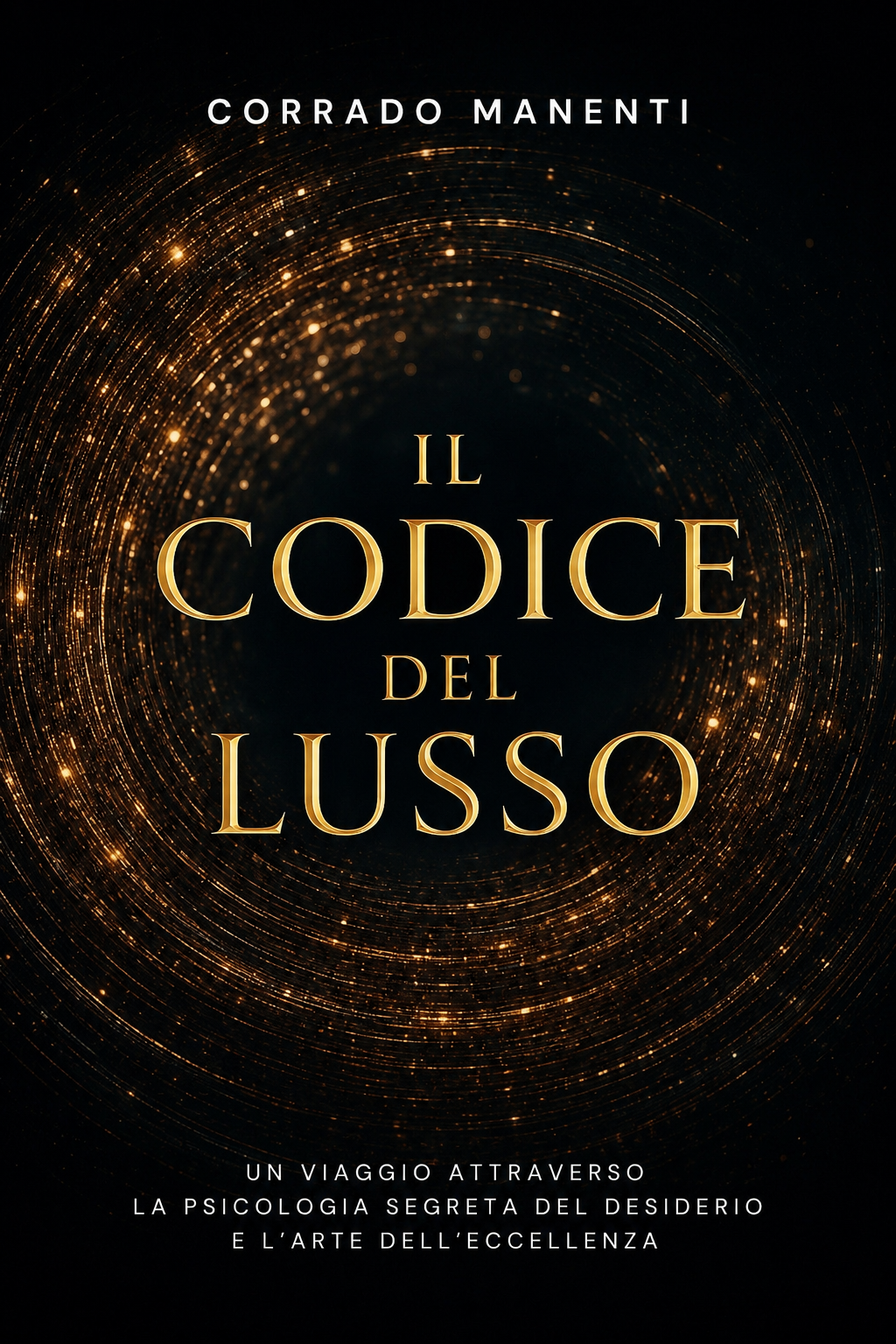
Il libro
Il Codice del Lusso
176 pagine di framework strategici per costruire un brand aspirazionale: il Rituale dell’Esperienza e il Pre-possesso, l’Arte del Rallentamento Strategico, la Luxury Maturity Curve, gli Exit Barriers Emotivi, Le Tre Valute del Lusso, il Cliente Aspirazionale, l’Accoglienza Informativa. Il metodo che uso ogni giorno con i miei clienti, ora in un solo libro.
Presto ordinabile online — inserisci la tua email nella pagina risorse per ricevere l’annuncio in anteprima.
Consulenza gratuita customer journey
Verifichiamo quante caselle della tua mappa sono osservate — gratis, 30 minuti
Se hai una mappa del customer journey che nessuno usa per prendere decisioni, prenota una call gratuita di 30 minuti con me e il mio team: partiamo dal tempo reale, che è il dato più facile da raccogliere e quasi sempre manca.
Nessuna presentazione commerciale. Solo una conversazione onesta.