
Most American luxury consumers do not just buy a product, they buy into a story. In the modern marketplace, storytelling has become a powerful driver of brand loyalty—over 60 percent of shoppers are influenced by well-crafted brand narratives. As luxury brands compete for attention, the ability to build emotional worlds matters more than ever. Discover how sophisticated storytelling redefines American luxury, turning simple purchases into meaningful connections.
Table of Contents
- Defining Storytelling In Luxury
- Heritage‑Driven Narratives And Exclusivity
- Craftsmanship And Emotional Engagement
- Immersive Experiences And Brand Worlds
- Digital Innovation And Storytelling Evolution
Key Takeaways
| Point | Details |
|---|---|
| Luxury Storytelling | It transforms brand interactions into immersive emotional experiences through authentic narratives that resonate with consumers. |
| Heritage Narratives | They create a sense of timeless authenticity and exclusivity, connecting contemporary products to rich historical stories. |
| Craftsmanship Stories | These narratives highlight the human skill and dedication behind products, fostering emotional connections between consumers and brands. |
| Digital Innovation | Leveraging technology allows brands to create dynamic storytelling experiences that engage consumers on multiple levels and adapt in real time. |
Defining storytelling in luxury
Storytelling in luxury transcends traditional marketing narratives, representing a sophisticated psychological strategy designed to transform brand interactions into immersive emotional experiences. More than mere communication, luxury storytelling creates an intricate emotional landscape where brands weave compelling narratives that resonate deeply with discerning consumers.
At its core, luxury storytelling is about crafting narrative transportation – a concept powerfully explored in marketing research that demonstrates how strategic storytelling can profoundly enhance consumer engagement. Narrative transportation in luxury brand advertising reveals how compelling stories can fundamentally alter brand perception, creating an almost magical connection between consumer and brand.
The architectural framework of luxury storytelling involves several nuanced elements. These include authenticity, emotional depth, heritage representation, and an almost cinematic ability to transform product experiences into meaningful personal journeys. Brands that master this art do not simply sell products – they curate experiences, invoke aspirational emotions, and construct intricate worlds that consumers wish to inhabit.
Understanding luxury storytelling requires recognizing its psychological complexity. It is not about fabricating fictional scenarios but about revealing genuine brand essence through carefully constructed narratives that speak to individual desires, cultural contexts, and personal aspirations.
Pro Tip: Storytelling Precision: Develop narratives that are authentic, emotionally resonant, and meticulously aligned with your brand’s unique heritage and values – treating each story as a delicate piece of art rather than a marketing instrument.
Heritage‑driven narratives and exclusivity
Luxury brands have long understood that heritage is more than a historical footnote – it is a powerful narrative weapon that transforms products into mythical artifacts with deep emotional significance. These brands do not merely sell items. They craft experiences steeped in generational stories, artisanal traditions, and meticulous craftsmanship that elevate consumer perception from transactional to almost reverential.
The architecture of heritage-driven storytelling relies on several sophisticated psychological mechanisms. By connecting contemporary products to rich historical narratives, luxury brands create a sense of timeless authenticity that transcends momentary trends. This approach speaks to consumers’ fundamental desire to be part of something larger than themselves – a lineage of excellence, innovation, and cultural significance.
Exclusivity emerges naturally from these heritage narratives. When a brand can demonstrate unbroken lines of expertise – whether through family traditions, historical milestones, or generational skills – it establishes a unique positioning that cannot be easily replicated. The narrative becomes a form of intellectual property, transforming ordinary products into collectible cultural symbols that represent far more than mere material possessions.
Successful heritage storytelling requires an intricate balance between historical reverence and contemporary relevance. Brands must demonstrate how their foundational principles continuously evolve while maintaining core values. This delicate choreography allows luxury entities to appear simultaneously timeless and innovative, creating a magnetic narrative pull that attracts discerning consumers.
Pro Tip: Heritage Authentication: Meticulously document and strategically communicate your brand’s unique historical journey, ensuring each narrative thread connects authentically to your current product offerings and future vision.
Craftsmanship and emotional engagement
Craftsmanship in luxury storytelling represents far more than technical skill – it is a profound narrative language that transforms material objects into deeply personal emotional experiences. Self-referencing narratives about craftsmanship reveal how consumers develop intricate psychological connections with products that transcend mere functionality.
The emotional architecture of craftsmanship storytelling involves creating intimate narratives that expose the human intelligence, passion, and extraordinary skill behind each creation. These stories invite consumers into a world where every stitch, curve, and detail represents a deliberate artistic choice. By revealing the complex processes and individual expertise behind luxury products, brands convert manufacturing into a form of storytelling that resonates on a deeply personal level.
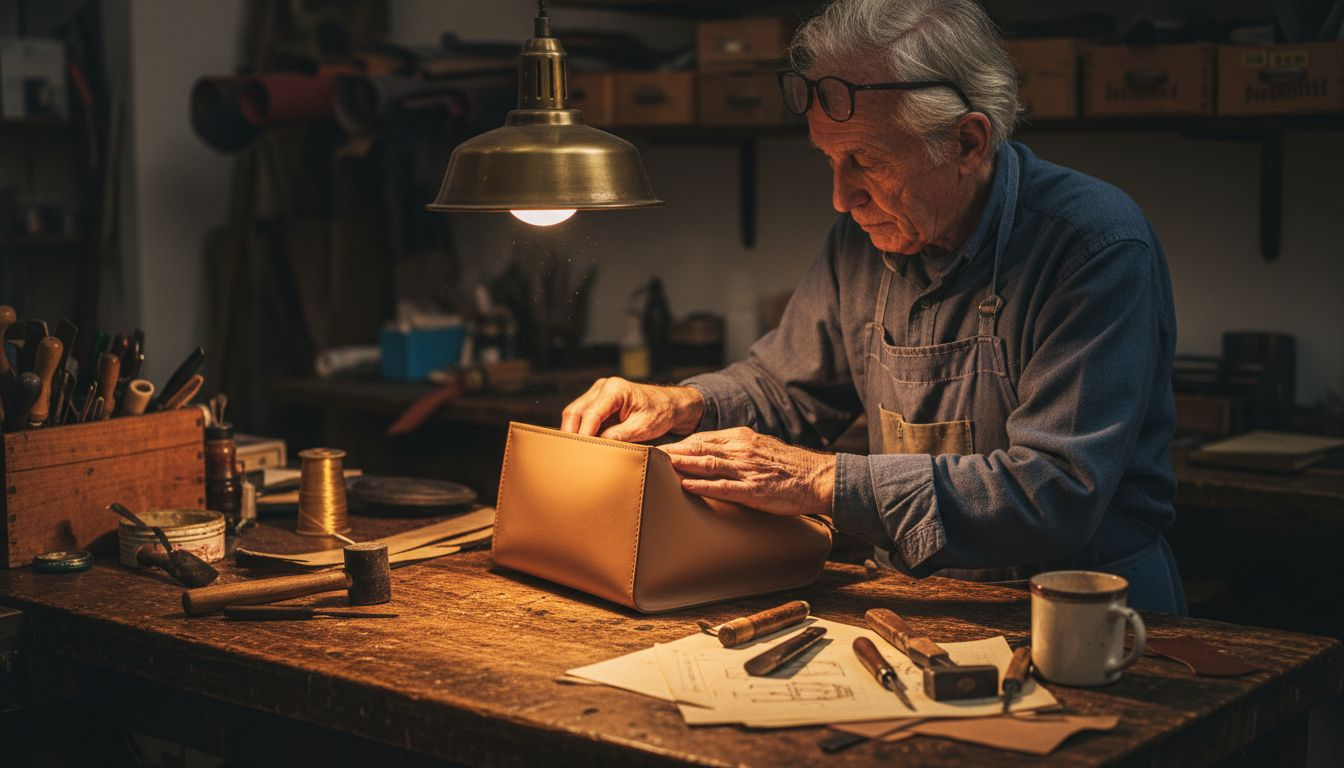
Artisanal storytelling techniques demonstrate how luxury brands can elevate craftsmanship from technical skill to an aspirational experience. This approach goes beyond showcasing technical proficiency – it creates a compelling narrative that positions each product as a unique artistic expression, crafted with extraordinary care and individual attention.
Emotional engagement emerges when consumers understand the human story behind a product. They are no longer purchasing an object, but participating in a narrative of creativity, dedication, and exceptional skill. The most successful luxury brands transform craftsmanship into a form of storytelling that makes consumers feel connected to something greater than themselves – a tradition of excellence, creativity, and human potential.
Pro Tip: Craftsmanship Storytelling: Develop immersive narratives that reveal the human stories, individual skills, and passionate dedication behind your products, allowing consumers to connect emotionally with the extraordinary journey of creation.
Immersive experiences and brand worlds
Luxury brands have evolved beyond traditional marketing, transforming consumer interactions into multidimensional narrative universes that transcend physical product boundaries. Transmedia storytelling strategies reveal how sophisticated brands like Christian Dior create intricate brand worlds that invite consumers into immersive, emotionally resonant experiences.
The architectural complexity of these immersive experiences involves carefully constructed sensory and emotional touchpoints. Narrative-transportation storylines demonstrate how luxury brands can motivate consumer engagement by creating rich, interconnected storytelling environments that extend far beyond conventional advertising approaches. These brand worlds are not mere marketing techniques but sophisticated psychological landscapes that transform consumer perception.
Successful immersive experiences require a holistic approach that integrates multiple sensory and emotional channels. Brands must craft narratives that feel simultaneously exclusive and accessible, creating invisible boundaries that make consumers feel simultaneously invited and privileged. This delicate balance transforms product interaction from transactional to deeply personal, turning each engagement into a momentary journey through the brand’s unique universe.
The most compelling brand worlds generate an almost magnetic psychological pull. They do not simply showcase products but create entire ecosystems of meaning, where every detail – from visual aesthetics to narrative tone – communicates a consistent, emotionally resonant message. Consumers are no longer passive recipients but active participants in an unfolding brand narrative.
Pro Tip: Narrative Ecosystem Design: Develop a comprehensive, multisensory brand world that connects emotional touchpoints across different consumer interactions, ensuring each experience feels interconnected yet uniquely engaging.
Digital innovation and storytelling evolution
Digital technologies have fundamentally transformed luxury storytelling, creating unprecedented opportunities for brands to craft immersive narrative experiences that transcend traditional marketing boundaries. Digital innovation in luxury branding has enabled brands to develop sophisticated storytelling strategies that captivate and convert audiences with remarkable precision.
The evolution of digital storytelling involves sophisticated technological integration that allows luxury brands to create multi-dimensional narrative experiences. Generational perspectives on digital storytelling reveal how emerging technologies are reshaping consumer perceptions, transforming brand interactions from passive consumption to active engagement. Interactive platforms, augmented reality, and personalized digital experiences now serve as critical storytelling vehicles that connect brands with increasingly discerning consumers.

Modern luxury storytelling requires a nuanced understanding of digital ecosystem dynamics. Brands must now craft narratives that are simultaneously global and hyper-personalized, leveraging data analytics, machine learning, and sophisticated content strategies to create truly dynamic storytelling experiences. This approach demands a radical reimagining of brand communication – moving from linear narratives to interconnected, adaptive storytelling frameworks that respond to individual consumer preferences in real time.
The most innovative luxury brands are now treating digital platforms as living, breathing narrative environments. These are not simply marketing channels but complex ecosystems where brand stories unfold through intricate, multilayered experiences that engage consumers across multiple sensory and emotional dimensions. Technology becomes the invisible architecture that transforms storytelling from a monologue into a dynamic, interactive conversation.
Pro Tip: Digital Narrative Engineering: Develop adaptive storytelling strategies that leverage emerging technologies, allowing your brand narrative to dynamically evolve based on real-time consumer interactions and emerging digital trends.
The table below highlights how digital storytelling methods transform luxury brand communication:
| Digital Tool | Storytelling Enhancement | Example Use Case |
|---|---|---|
| Augmented Reality (AR) | Enables experiential product previews | Interactive virtual try-ons |
| Personalized Content | Adjusts stories for user preference | Tailored email campaigns |
| Social Media Campaigns | Spreads narratives to wide audiences | Instagram brand stories |
| Data Analytics | Informs dynamic story adaptation | Real-time web content changes |
Here’s a summary contrasting the pillars of luxury storytelling and their effects on brand perception:
| Storytelling Pillar | Distinct Focus | Consumer Impact |
|---|---|---|
| Heritage Narratives | Emphasizing lineage and tradition | Builds authenticity, fosters exclusivity |
| Craftsmanship Stories | Showcasing human skill and passion | Creates emotional attachment, highlights artistry |
| Immersive Brand Worlds | Engaging multiple senses and channels | Enhances engagement, deepens loyalty |
| Digital Innovation | Leveraging technology for interaction | Customizes experience, broadens reach |
Elevate Your Luxury Brand Through Expert Storytelling and Strategic Marketing
Luxury storytelling demands authentic narratives that connect emotionally while reflecting deep heritage and impeccable craftsmanship. The challenge lies in crafting immersive brand worlds and digital experiences that transform ordinary transactions into meaningful journeys. If you want your fashion or luxury brand to resonate with discerning consumers and stand out through psychology-driven marketing, precision and innovation are key
Explore how specialized storytelling strategies can unlock powerful emotional engagement and create lasting prestige for your brand by visiting our Marketing Fashion – Corrado Manenti insights.
Take the step now to amplify your brand’s narrative with Corrado Manenti’s industry-leading consulting focused on authentic heritage, craftsmanship storytelling, and cutting-edge digital innovation. Visit Corrado Manenti to discover how to captivate your audience through nuanced psychological marketing tailored specifically for luxury and fashion sectors. Unlock your brand’s true potential today.
Frequently Asked Questions
What is storytelling in luxury branding?
Storytelling in luxury branding encompasses sophisticated narratives that transform brand interactions into immersive emotional experiences, allowing consumers to forge deep connections with the brand.
How does heritage influence luxury storytelling?
Heritage adds a layer of authenticity and emotional significance to luxury brands, linking contemporary products to rich historical narratives and transforming them into coveted cultural artifacts.
Why is craftsmanship important in luxury storytelling?
Craftsmanship showcases the skill and passion behind a product, transforming it into a deeply personal experience for consumers and fostering emotional engagement with the brand.
How has digital innovation changed luxury storytelling?
Digital innovation allows luxury brands to create immersive narrative experiences through interactive technologies, enabling dynamic storytelling that engages consumers across multiple sensory channels.
Recommended
- Understanding Why Brand Storytelling Works in Luxury – Corrado Manenti
- Complete Guide to the Role of Brand Storytelling – Corrado Manenti
- Understanding Luxury Brand Storytelling Guide – Corrado Manenti
- Complete Guide to Lifestyle Brand Storytelling – Corrado Manenti
- 7 avantages d’un safari de luxe à connaître pour voyager mieux – Namibia Luxury Safaris | Book Your 2025/2026 Adventure Today
- 法国里维埃拉的极致奢华理念 – Living on the Côte d’Azur