

Every American luxury brand that thrives in the European market knows true distinction comes from tailored client experiences. With high-net-worth clients expecting brands to predict their desires, detailed insights are vital for building lasting loyalty. Over 80 percent of luxury buyers now expect communications and service as unique as their personal style. Discover why leading brands are investing in CRM innovation to turn every touchpoint into an exceptional moment.
Table of Contents
- 1. Personalized Client Profiles For Detailed Insights
- 2. Advanced Segmentation For Tailored Experiences
- 3. Omnichannel Communication Integration
- 4. Behavioral Analytics To Predict Client Preferences
- 5. Real-Time Data Synchronization Across Teams
- 6. Automated VIP Event Management Tools
- 7. Secure Data Protection And Privacy Controls
Quick Summary
| Key Message | Explanation |
|---|---|
| 1. Create Detailed Client Profiles | Luxury brands should develop client profiles capturing behavioral insights and preferences for personalized experiences. |
| 2. Employ Advanced Segmentation Techniques | Utilize sophisticated algorithms to segment clients based on complex behaviors, allowing tailored marketing strategies. |
| 3. Integrate Omnichannel Communication | Ensure seamless communication across platforms for a consistent and personalized client experience. |
| 4. Utilize Behavioral Analytics | Use predictive analytics to anticipate client behaviors, enhancing the personalization of experiences. |
| 5. Implement Strong Data Protection Measures | Establish advanced security frameworks to protect sensitive client data, fostering trust in your brand. |
1. Personalized Client Profiles for Detailed Insights
Luxury brands demand sophisticated customer relationship management that goes far beyond basic contact information. Modern high end brands require dynamic client profiles that capture nuanced behavioral insights and predictive preferences.
Advanced CRM systems now leverage AI-enhanced customer segmentation to transform raw data into actionable intelligence. This approach enables brands to understand not just what clients purchase, but why they make specific purchasing decisions.
Personalized client profiles should incorporate multiple dimensions of customer data including purchase history, lifestyle preferences, communication styles, and aspirational indicators. By mapping these complex attributes, luxury brands can create hyper targeted experiences that feel individually crafted for each client.
The most effective profiles integrate quantitative metrics with qualitative insights. This means tracking not only transaction values, but also understanding emotional drivers behind purchasing behaviors. Sentiment analysis and predictive modeling allow brands to anticipate client needs before they are explicitly expressed.
Key profile components should include:
• Comprehensive purchase tracking
• Communication preference mapping
• Lifestyle and aspiration indicators
• Predictive behavior modeling
• Personalized engagement triggers
By developing multidimensional client profiles, luxury brands transform transactional interactions into deeply personalized relationships that foster long term loyalty and meaningful connections.
Pro tip: Invest in CRM technologies that offer real time adaptive learning and can dynamically update client profiles based on the most recent interaction data.
2. Advanced Segmentation for Tailored Experiences
In the world of luxury marketing, one size definitively does not fit all. Advanced customer segmentation transforms how high end brands understand and engage with their diverse client base.
Modern luxury brands leverage sophisticated machine learning algorithms to create intricate customer segments that go beyond traditional demographic classifications. These advanced techniques analyze complex behavioral patterns, purchasing histories, and lifestyle indicators to develop nuanced client profiles.
Effective segmentation allows brands to craft experiences that feel personally designed for each client group. Instead of broad marketing approaches, luxury brands can now develop microsegments that reflect incredibly specific client characteristics such as lifestyle preferences, aspirational indicators, and consumption patterns.
Key segmentation dimensions include:
• Behavioral purchasing patterns
• Income and wealth indicators
• Lifestyle and cultural preferences
• Digital engagement metrics
• Emotional purchasing drivers
By implementing advanced clustering techniques, luxury brands transform raw customer data into actionable insights. These sophisticated approaches enable marketing teams to predict client needs, customize communication strategies, and design targeted experiences that resonate on a deeply personal level.
Pro tip: Regularly update your segmentation models using machine learning algorithms to ensure your client insights remain current and dynamically responsive to changing consumer behaviors.
3. Omnichannel Communication Integration
Luxury brands must communicate seamlessly across every client touchpoint creating a unified and consistent experience. Modern CRM systems transform how high end brands connect with clients by consolidating interaction data globally.
Omnichannel communication represents more than simple multi platform presence. It means creating a holistic customer journey where interactions flow smoothly between digital and physical environments. Whether a client explores products online, communicates via mobile app, or visits a physical store, their experience remains consistently personalized and high touch.
Successful omnichannel integration requires sophisticated technological infrastructure that enables:
• Real time data synchronization
• Consistent messaging across platforms
• Unified customer profile tracking
• Seamless transition between communication channels
• Personalized interaction history
By bridging digital and physical interactions, luxury brands can create emotionally intelligent customer experiences. This approach transforms transactional interactions into meaningful relationships that feel individually crafted for each client.
Key technological capabilities include customer data platforms that aggregate information from websites, mobile applications, in store systems, and customer service channels. These platforms create a comprehensive view of client preferences and behaviors.
Pro tip: Invest in CRM technologies with robust API integrations that allow real time data sharing across all communication platforms to maintain a truly unified customer experience.
4. Behavioral Analytics to Predict Client Preferences
In luxury marketing, understanding client behavior is not just an advantage it is a necessity. Advanced behavioral analytics transform raw customer data into powerful predictive insights that enable brands to anticipate client desires before they are even expressed.
Modern luxury CRM systems leverage machine learning models to forecast customer behavior with remarkable precision. These sophisticated algorithms analyze complex patterns in purchasing history, interaction frequencies, browsing behaviors, and lifestyle indicators to create nuanced predictive profiles.
Behavioral analytics goes far beyond simple demographic segmentation. By understanding the emotional and psychological drivers behind client preferences, luxury brands can craft experiences that feel deeply personal and anticipatory.
Key analytical dimensions include:
• Purchase frequency and value
• Product interaction patterns
• Digital engagement metrics
• Emotional response tracking
• Lifestyle aspiration indicators
The most advanced systems use predictive analytics to personalize client experiences in real time. This means recommendations, communication strategies, and engagement approaches dynamically adapt based on evolving client behaviors.
Pro tip: Implement machine learning models that continuously update client profiles based on the most recent interaction data to maintain predictive accuracy and relevance.
5. Real-Time Data Synchronization Across Teams
Luxury brands operate in a complex ecosystem where seamless communication can make or break client relationships. Real-time data synchronization transforms how global teams collaborate and deliver exceptional client experiences.
Modern CRM platforms eliminate traditional information silos by creating a unified data environment where customer interactions are instantly shared across departments. This means a conversation with a client in Paris can immediately inform a sales strategy in New York or a customer service approach in Tokyo.
Effective data synchronization requires sophisticated technological infrastructure that enables:
• Instant profile updates
• Cross departmental information sharing
• Unified customer interaction history
• Automated communication triggers
• Global team coordination
AI technologies support real-time data integration by automatically capturing and distributing critical client information. This approach ensures that every team member has access to the most current and comprehensive client insights.
The goal is not just sharing data but creating a holistic understanding of each client that transcends traditional organizational boundaries. By breaking down communication barriers, luxury brands can deliver truly personalized and consistent experiences.
Pro tip: Implement cloud-based CRM solutions with robust API integrations that allow automatic data synchronization and provide granular access controls for different team members.
6. Automated VIP Event Management Tools
Exclusive events represent the heartbeat of luxury brand engagement strategies. Automated VIP event management tools transform how luxury brands curate and execute high touch client experiences.
Modern CRM platforms offer sophisticated event coordination capabilities that go far beyond traditional invitation management. These tools enable brands to design personalized event experiences that feel meticulously crafted for individual clients while maintaining operational efficiency.
Comprehensive VIP event management systems typically include:
• Personalized invitation generation
• Guest preference tracking
• Automated RSVP management
• Real time attendance monitoring
• Post event engagement workflows
Global event coordination tools allow luxury brands to seamlessly manage exclusive experiences across different regions. This means a client in Milan can receive the same level of personalized attention as a client in New York.
The most advanced systems integrate predictive analytics to recommend optimal event experiences based on individual client profiles. This ensures that each invitation and interaction feels uniquely tailored and deeply meaningful.
Pro tip: Configure your event management tools to capture granular client interaction data during events to continuously refine future personalization strategies.
7. Secure Data Protection and Privacy Controls
In an era of increasing digital complexity, protecting client data is not just a technical requirement but a fundamental trust mechanism for luxury brands. Data protection and privacy controls represent the foundation of ethical customer relationship management.
Luxury brands handle extraordinarily sensitive information about high net worth individuals. This demands sophisticated security frameworks that go beyond standard industry protocols. Comprehensive privacy controls ensure that client data remains confidential while enabling personalized experiences.
Key components of robust data protection include:
• Advanced encryption technologies
• Granular access management
• Compliance with global privacy regulations
• Real time security monitoring
• Transparent data usage policies
Effective data protection is not about restricting information but creating a secure environment where clients feel their personal details are respected and protected. Luxury brands must demonstrate that their technological sophistication extends to ethical data management.
Modern CRM systems integrate multiple layers of security including biometric authentication, end to end encryption, and adaptive access controls. These technologies ensure that only authorized personnel can access specific levels of client information.
Pro tip: Implement a zero trust security model where every data access request is authenticated and validated regardless of its origin within your organization.
This table summarizes the strategies and technologies employed by luxury brands to enhance customer relationship management and deliver personalized client experiences, as outlined in the article.
| Topic | Description | Key Considerations |
|---|---|---|
| Personalized Client Profiles | Dynamic profiles incorporating behavioral insights and preferences to tailor interactions. | Incorporates qualitative and quantitative data for predictive accuracy. |
| Advanced Segmentation | Machine learning-driven segmentation allows for fine-tuned client grouping. | Enables micro-targeting based on lifestyle and behavior insights. |
| Omnichannel Integration | Ensures seamless communication across digital and physical touchpoints. | Supports synchronized, personalized experiences regardless of platform. |
| Behavioral Analytics | Analyzes behavioral patterns to predict and anticipate client needs. | Encourages proactive and emotionally attuned brand engagement. |
| Realtime Data Synchronization | Enhances coordination and client understanding within team operations. | Promotes unified and responsive interactions globally. |
| Automated VIP Event Management | Streamlined tools for hosting exclusive, client-specific luxury events. | Utilizes personalized data for meticulous and memorable experiences. |
| Data Protection and Privacy | Safeguards sensitive information through advanced security protocols. | Builds trust and ensures compliance with global privacy standards. |
Elevate Your Luxury Brand with Psychology-Driven CRM Strategies
Luxury brands face complex challenges when it comes to building personalized client relationships that truly resonate. The article highlights critical pain points such as the need for multidimensional client profiles, real-time data synchronization, and behavioral analytics to forecast preferences before they are expressed. These elements are key to transforming standard transactions into emotionally rich connections that foster loyalty.
At Corrado Manenti, we specialize in merging the deep insights of consumer psychology with advanced marketing techniques tailored for the luxury and fashion sectors. Our approach tackles the exact issues outlined in the article by developing highly personalized marketing strategies that go beyond traditional segmentation and communication methods. Explore how our Marketing de la mode solutions help your brand harness behavioral data and deliver meticulously crafted experiences that meet your clients’ unique aspirations.
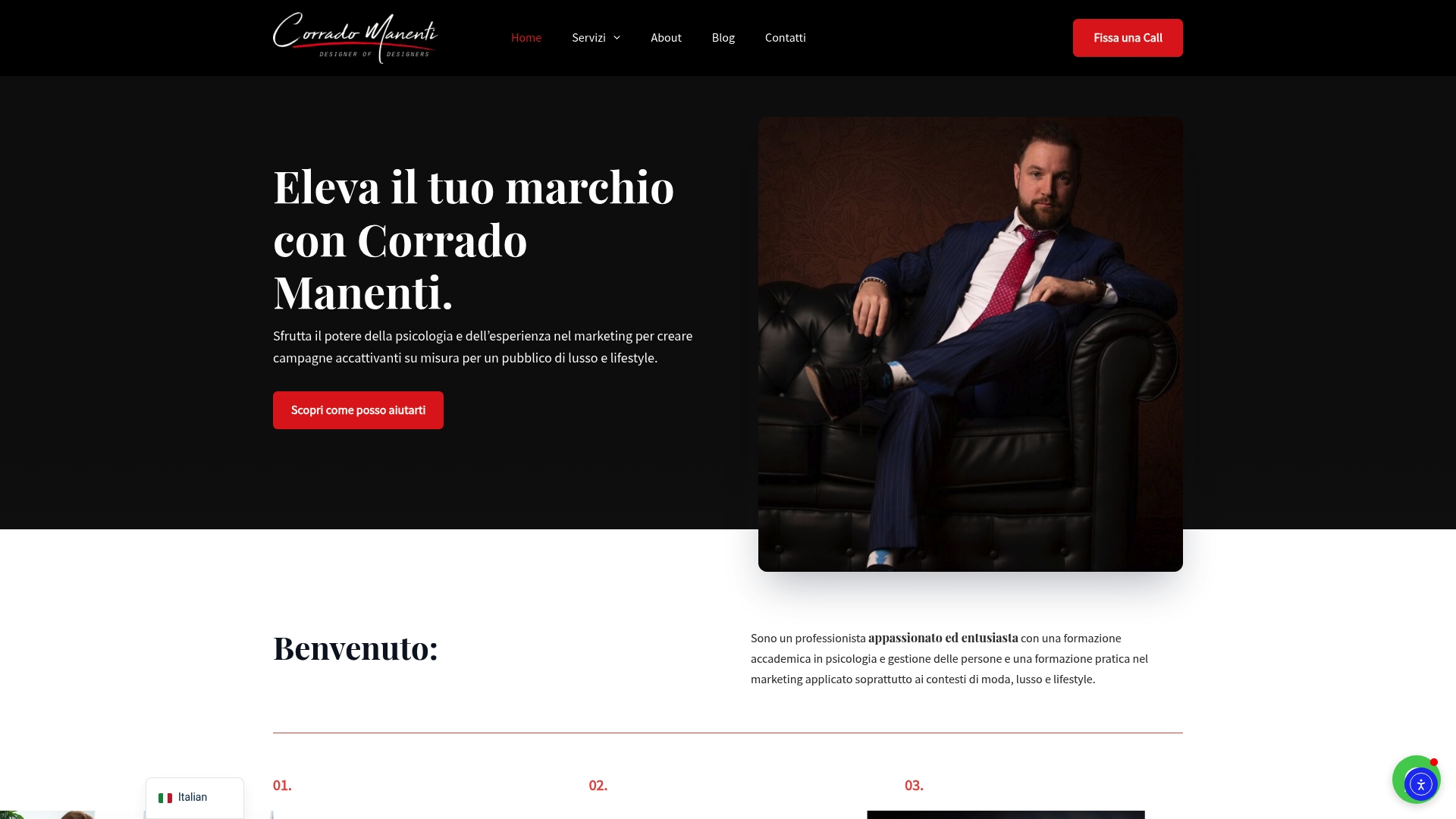
Ready to transform your luxury CRM capabilities into a strategic advantage that delights clients at every touchpoint? Discover the power of psychology-driven marketing tailored for high-end brands by partnering with Corrado Manenti. Visit our website to learn more and take the next step toward elevating your brand’s personalization and engagement today.
Frequently Asked Questions
What are the key features of a luxury CRM for high-end brands?
Luxury CRMs should include personalized client profiles, advanced segmentation, omnichannel communication integration, and real-time data synchronization. To enhance client relationships, focus on implementing these features in your CRM system within your next software upgrade cycle.
How can advanced segmentation improve customer engagement for luxury brands?
Advanced segmentation allows luxury brands to analyze complex behavioral patterns and tailor marketing strategies accordingly. Start segmenting your customer base into microsegments to create more personalized experiences that resonate with specific client groups.
Why is real-time data synchronization important in a luxury CRM?
Real-time data synchronization ensures that all teams have immediate access to the most current client information, breaking down information silos. Implement this feature to enhance collaboration and enable timely responses to client inquiries, improving overall client satisfaction.
How do predictive analytics in CRM help luxury brands anticipate client needs?
Predictive analytics analyze customer behaviors to forecast preferences, enabling luxury brands to craft highly personalized experiences. Use this data to enhance your marketing efforts, ensuring recommendations align with client expectations and are delivered at the right moment.
What steps can luxury brands take to enhance data protection within their CRM?
Luxury brands should implement comprehensive data protection measures like advanced encryption, access management, and compliance with privacy regulations. Begin by auditing your current data protection practices and integrate modern security technologies to safeguard client information effectively.
How do automated VIP event management tools benefit luxury brands?
Automated VIP event management tools streamline the planning and execution of exclusive events, making it easier for brands to create unique experiences. Start using these tools to coordinate invitations, track guest preferences, and monitor attendance seamlessly, enhancing the overall guest experience.
Recommended
- Blog – Corrado Manenti
- 8 Powerful Luxury Sector Marketing Examples for Success – Corrado Manenti
- 7 High-End Content Marketing Ideas for Luxury Brands – Corrado Manenti
- What is Data-Driven Luxury Marketing? Understanding Its Impact – Corrado Manenti
- Contact Management Software: Complete Guide for 2025 – Optio Station: Best Project Management App for Prioritization