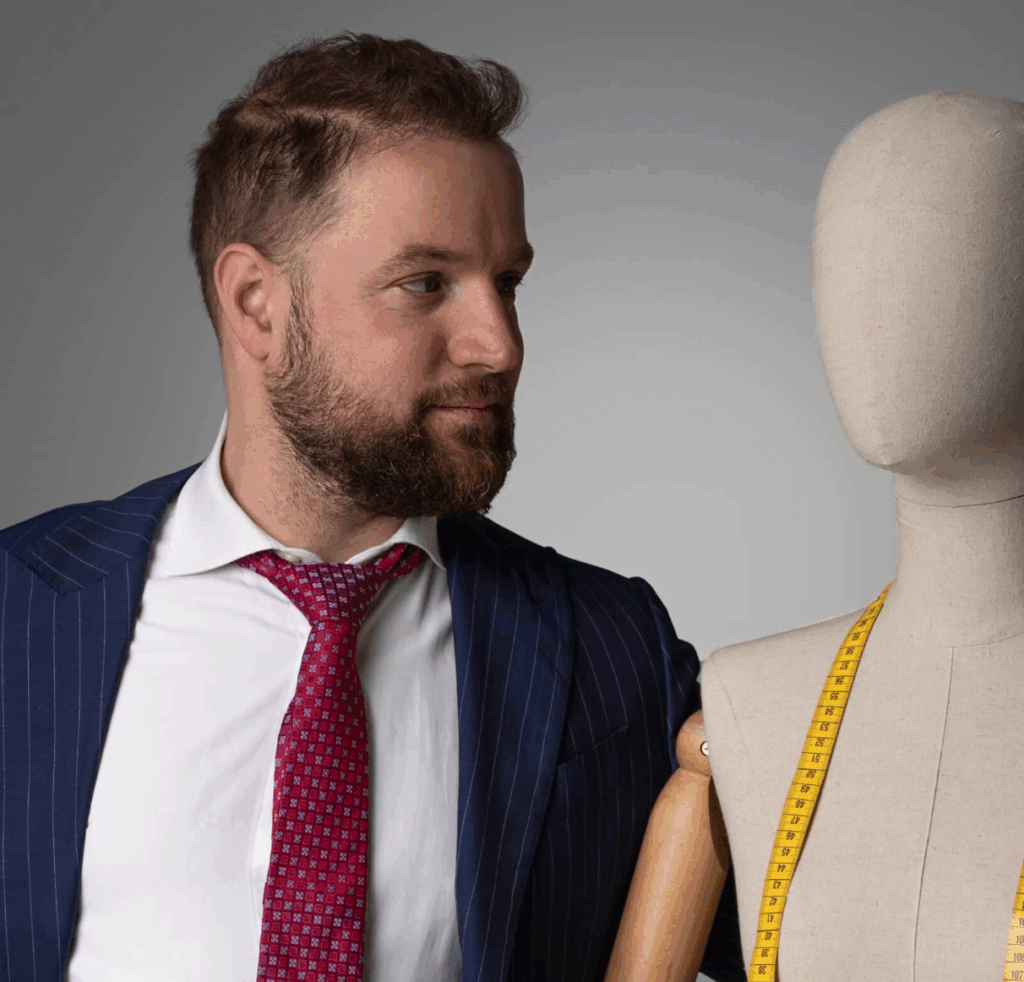


Bold claims and heritage stories alone no longer satisfy discerning luxury consumers across European, American, and Asian markets. The modern buyer wants more than elegant narratives—they expect tangible proof that your brand embodies genuine values. Authenticity is now a strategic business advantage, shaping how customers view legitimacy and fostering emotional trust that drives long-term loyalty. Discover actionable insights for bridging the gap between your brand’s story and the real-life connections that matter most.
Table of Contents
- Defining Authenticity In Modern Luxury
- How Authenticity Drives Consumer Trust
- The Emotional Value Of Genuine Luxury
- Evolving Expectations Of Luxury Consumers
- Key Risks Of Inauthentic Brand Positioning
- Building Lasting Advantage Through Authenticity
Key Takeaways
| Point | Details |
|---|---|
| Authenticity as a Strategic Imperative | Modern luxury brands must demonstrate genuine value alignment with consumers, affecting purchasing decisions and brand loyalty. |
| Building Trust Through Consistency | Authenticity fosters consumer trust, which develops gradually through transparent operations and consistent messaging. |
| Emotional Value of Luxury | Genuine luxury provides emotional satisfaction, driving repeat purchases and brand advocacy beyond functional benefits. |
| Risk of Inauthenticity | Brands that fail to maintain authentic positioning risk losing credibility, consumer trust, and ultimately market share. |
Defining Authenticity in Modern Luxury
Authenticity in modern luxury operates on a fundamentally different level than it did a decade ago. It’s no longer about heritage claims or historical narratives alone. Today’s luxury consumers demand tangible proof that a brand stands for something real, something genuine that transcends the product itself.
The concept centers on genuine value alignment between brand and consumer. When a luxury marketing manager talks about authenticity, they’re addressing how consumers perceive whether a brand truly embodies the values it claims to represent. This perception directly influences purchasing decisions and brand loyalty, making it a strategic business imperative rather than a nice-to-have marketing angle.
Research reveals that determinants of brand authenticity significantly impact brand preference and competitive positioning. Consumers evaluate luxury brands across multiple dimensions: transparency in operations, consistency between messaging and actions, ethical practices, heritage authenticity, and alignment with stated values. These aren’t separate elements—they form an interconnected framework that determines whether consumers view your brand as credible.
What makes this particularly challenging for established fashion houses is the expectation of accountability. Luxury consumers increasingly expect brands to prove their claims through transparent supply chain practices, genuine craftsmanship documentation, and honest communication about origins and production methods. The days of relying solely on brand mythology have shifted toward requiring substantiated authenticity.
Distinguishing authentic from performative requires understanding that true authenticity is neither easily faked nor quickly abandoned. A brand cannot suddenly become authentic through a campaign or initiative. Rather, authenticity reflects the cumulative alignment of what a brand genuinely does, how it operates, and what values guide those operations. When firms create authentic brands, they identify and leverage genuine sources of authenticity rather than constructing artificial narratives.
For your brand, this means examining whether your stated positioning aligns with operational reality. Are your sustainability claims backed by measurable actions? Does your craftsmanship narrative reflect actual production practices? This alignment gap between what you claim and what you do is where most brands lose authenticity in consumer perception.
Pro tip: Audit your brand’s core authenticity claims against actual operations this quarter—identify three specific areas where you can strengthen the alignment between your brand narrative and demonstrable practices, then document and communicate these changes transparently to stakeholders.
How Authenticity Drives Consumer Trust
Trust doesn’t appear overnight in luxury markets. It builds incrementally through consistent demonstration of authenticity. When your brand proves it stands behind what it claims, consumers reciprocate with loyalty that transcends price sensitivity and competitive pressures.
The connection between authenticity and trust operates through a psychological mechanism: consumers trust what feels genuine. Brand authenticity significantly influences consumer preferences by establishing a credible brand image that consumers can rely on. This credibility becomes the foundation upon which trust develops and strengthens over time.
Authenticity drives trust by reducing consumer skepticism. When a luxury brand demonstrates alignment with its core values through transparent operations, consistent messaging, and honest communication, customers perceive lower risk in their purchasing decisions. They’re not just buying a product; they’re buying confidence in the brand’s integrity. This psychological shift transforms casual buyers into advocates who actively promote your brand to their networks.
The emotional dimension matters as much as the transactional one. Authentic brands foster genuine emotional connections by proving they care about values beyond profit. A luxury fashion house that demonstrates commitment to ethical sourcing, fair labor practices, or environmental responsibility isn’t just checking boxes. Consumers recognize when these commitments reflect actual operations rather than marketing theater.
Authenticity involves alignment with core values, transparency, consistency, and integrity. These four elements create a trust framework that operates independently of price or market trends. A consumer who trusts your brand’s authenticity remains loyal even when competitors offer similar products at lower prices because the relationship transcends economics.
Here is a summary of the core pillars of luxury brand authenticity and their business impact:
| Authenticity Pillar | Description | Impact on Brand |
|---|---|---|
| Values Alignment | Brand actions reflect stated values | Builds customer loyalty and trust |
| Transparency | Open, honest communication and disclosures | Reduces consumer skepticism |
| Consistency | Uniform message and operations across touchpoints | Strengthens brand credibility |
| Integrity | True adherence to ethical standards | Enhances long-term brand reputation |
For your organization, this means understanding that trust becomes your competitive moat. Two brands may offer similar quality and aesthetics, but the one perceived as more authentic captures disproportionate market share and commands premium positioning. This isn’t theory; it’s how luxury markets actually function when authenticity becomes the differentiator.
Pro tip: Map your brand’s actual operations against the four authenticity pillars (values alignment, transparency, consistency, integrity) and identify specific, measurable ways to communicate proof of each element to your target audience through your marketing channels.
The Emotional Value of Genuine Luxury
Luxury doesn’t sell features. It sells feelings. The emotional experience a consumer derives from owning a genuine luxury item transcends functional benefits entirely. This psychological reality is what separates authentic luxury from commoditized products masquerading as premium.
When consumers purchase genuine luxury, they’re acquiring emotional satisfaction alongside physical goods. Perceived natural rarity strongly predicts emotional value because authenticity signals something real that cannot be easily replicated. This emotional resonance becomes the primary driver of repeat purchases and brand advocacy within luxury markets.

The emotional dimension operates through distinct psychological channels. Consumers experience hedonistic pleasure from using an authentic luxury item, social elevation from the prestige it conveys, and symbolic meaning aligned with their personal identity. These emotional layers create attachment that survives price comparisons and market disruptions.
Genuine luxury brands understand that emotional qualities such as hedonism, brand prestige, and symbolism drive brand love and customer loyalty. A customer attached through authentic emotional connection doesn’t simply remain loyal during promotions. They actively defend the brand against criticism and recommend it unprompted because the relationship satisfies psychological needs beyond material consumption.
This emotional value explains why counterfeit luxury fails regardless of visual similarity. Consumers who discover they purchased a fake don’t simply lose a product. They experience genuine emotional betrayal because the authenticity they believed in was fraudulent. The emotional investment was real even though the item wasn’t.
For your brand, this means recognizing that emotional branding in luxury contexts requires genuine alignment between your brand’s story and customer experience. The emotion must be earned through consistent delivery of what you promise, not manufactured through clever advertising.
Pro tip: Identify the three core emotional drivers your brand delivers (hedonism, prestige, symbolism, or others) and audit whether your customer experience consistently reinforces these emotions at every touchpoint from discovery through post-purchase engagement.
Evolving Expectations of Luxury Consumers
Luxury consumers today are fundamentally different from those of a decade ago. Their expectations have shifted dramatically, driven by economic uncertainty, generational values, and unprecedented access to information about brands. Understanding these changes isn’t optional for maintaining market relevance—it’s survival.
The 2024 luxury market shows unmistakable patterns: shifting consumer behaviors include declining discretionary spending and reduced brand advocacy, particularly among younger demographics. Generation Z increasingly questions whether luxury purchases align with their values around sustainability and ethical production. These aren’t minor preferences. They’re deal-breakers that determine whether a brand survives the next market cycle.
Modern luxury consumers demand transparency as a baseline expectation, not a differentiator. They research supply chains, investigate labor practices, and verify environmental claims before purchasing. A luxury brand that cannot substantiate its authenticity claims faces immediate skepticism and potential brand damage through social channels.
Personalization has moved from premium offering to minimum expectation. Consumers expect luxury brands to understand their preferences, communicate in their preferred channels, and deliver customized experiences. Generic mass luxury no longer registers as luxury at all in their perception.
The shrinking luxury customer base means quality over quantity determines success. Rather than chasing volume, your strategy must focus on understanding luxury consumer behavior patterns and delivering exceptional value to those who align with your brand’s authentic positioning. One truly loyal customer generates more lifetime value and advocacy than ten transactional buyers.
This environment rewards brands that commit to genuine authenticity. Consumers can detect performative positioning instantly. Your brand either stands for something real that resonates with modern values, or it competes on price like any commodity.
Pro tip: Conduct quarterly research directly with your core customer segment to identify emerging expectation shifts before they impact sales, then prioritize changes that genuinely align with your brand’s authentic mission rather than chasing every trend.
Key Risks of Inauthentic Brand Positioning
Inauthentic brand positioning isn’t just undesirable. It’s actively dangerous to your business. When consumers detect misalignment between what you claim and what you actually deliver, the damage extends far beyond a single lost sale. You lose credibility in ways that take years to rebuild.
Consumers now evaluate luxury brands against an authenticity standard that didn’t exist fifteen years ago. Brands that fail to maintain authentic positioning risk consumer skepticism and loss of trust because authenticity has become the baseline expectation rather than a competitive advantage. Without it, every other claim your brand makes gets questioned.
Inauthentic positioning particularly damages luxury brands because luxury customers tend to have stronger self-brand connections. Consumers with strong self-brand connections are particularly sensitive to inauthentic brand cues, meaning they notice inconsistencies faster than casual shoppers. One customer who feels deceived becomes an active detractor, sharing their experience across social networks with exponential reach.
Here is a comparison of how authenticity vs performative branding affects luxury consumer relationships:
| Branding Approach | Consumer Response | Long-term Effects |
|---|---|---|
| Authentic | Emotional engagement, advocacy | Loyalty, premium pricing power |
| Performative | Distrust, skepticism | Negative word-of-mouth, declining sales |
The financial consequences are severe. A luxury brand caught making false sustainability claims or misrepresenting craftsmanship faces immediate backlash that impacts both sales and brand valuation. The cost of regaining trust after inauthenticity becomes public often exceeds the short-term profits gained through deceptive positioning.
Overly prominent branding attempts also backfire. When a brand pushes visibility too hard without substance behind it, consumers perceive desperation rather than confidence. This perception undermines the prestige position luxury brands depend on, directly reducing purchase intention among the customers most valuable to your business.
The reputational damage extends internally too. Employees recognize when their employer’s public positioning conflicts with actual operations. This disconnect creates cynicism that manifests in poor customer service, diminishing the experiential element that justifies premium pricing.
Pro tip: Conduct a positioning audit comparing every brand claim to operational reality, then eliminate or substantiate anything that cannot withstand consumer investigation, rather than hoping inauthentic elements remain undetected.
Building Lasting Advantage Through Authenticity
Authenticity isn’t a temporary marketing tactic. It’s the foundation of sustainable competitive advantage in luxury markets. Brands that commit to genuine authenticity create moats that competitors cannot easily replicate because authenticity requires consistency over years, not quarters.
The connection between authenticity and lasting advantage operates through brand loyalty mechanisms that transcend price sensitivity. Brand authenticity through its impact on brand image and preference offers luxury brands a sustainable competitive advantage by fostering long-term consumer relationships. These relationships compound over time as satisfied customers become advocates who attract similar-minded consumers.
Authenticity builds what researchers call brand love, which creates emotional bonds that survive market volatility. Emotional and prestige-related brand qualities jointly shape brand love, meaning authentic brands that deliver genuine prestige generate deeper customer attachment than those relying on manufactured exclusivity. A customer who loves your brand becomes a permanent asset rather than a transactional buyer.
The economic advantage compounds through multiple channels. Authentic brands command premium pricing because consumers willingly pay more for what they perceive as genuine. They also generate superior lifetime value and lower customer acquisition costs because word-of-mouth becomes your primary marketing engine.
Competitors cannot quickly replicate authenticity because it requires operational alignment, employee buy-in, and years of consistent delivery. A competitor can copy your design language within months. They cannot copy your authentic commitment to craftsmanship or your genuine values integration without fundamentally restructuring their business.
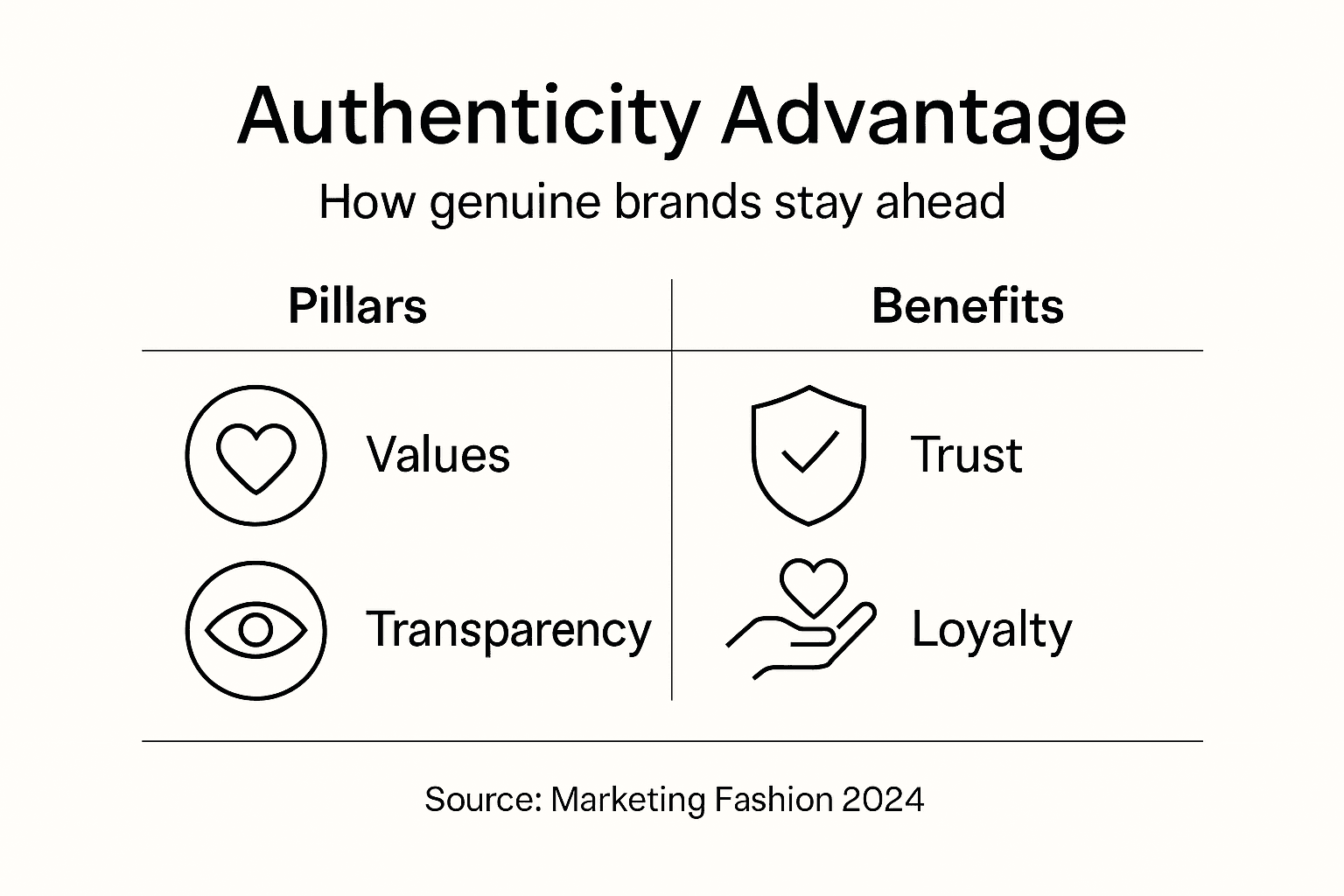
This advantage becomes more valuable as markets mature. When most competitors offer similar quality and aesthetics, authenticity becomes the primary differentiator. Brands that invested in building genuine authenticity early capture disproportionate market share because consumers have fewer authentic alternatives to choose from.
Pro tip: Document and systematize your brand’s authentic differentiators into operational processes and employee training so authenticity becomes embedded in how your organization functions, not dependent on individual champions who might leave.
Elevate Your Luxury Brand with Genuine Authenticity
Authenticity is no longer optional for luxury brands. The challenge lies in aligning your brand’s core values with transparent operations and consistent messaging to build trust and emotional connections that convert customers into lifelong advocates. If your luxury brand struggles to demonstrate real authenticity beyond marketing claims, you risk losing credibility, customer loyalty, and market share.
Discover tailored strategies that integrate consumer psychology and luxury market expertise to help you achieve genuine authenticity and lasting competitive advantage. Corrado Manenti specializes in crafting detail-oriented and psychology-driven marketing solutions designed specifically for high-end fashion and luxury brands.
Explore expert insights on Marketing de la mode and learn how to transform your brand’s promise into proven operational excellence.
Ready to strengthen your brand’s authenticity and connect emotionally with your customers? Visit Corrado Manenti today and take the first step toward elevating your luxury brand with strategic consulting that delivers real results. For deeper insights, browse practical resources in the Marketing de la mode category and start building trust that lasts.
Frequently Asked Questions
What is brand authenticity in the context of luxury brands?
Brand authenticity refers to the genuine value alignment between a luxury brand and its consumers, encompassing transparency in operations, consistency in messaging and actions, ethical practices, and a commitment to stated values.
How does authenticity influence consumer trust in luxury brands?
Authenticity builds consumer trust by reducing skepticism. When luxury brands demonstrate alignment between their core values and actual operations, consumers feel more confident in their purchasing decisions, fostering loyalty and emotional connections.
Why is emotional value important for luxury brands?
Emotional value separates genuine luxury from commoditized products. Authentic luxury items provide consumers with emotions such as hedonism, prestige, and personal symbolism, creating lasting attachments that transcend mere transactional relationships.
What are the risks of inauthentic brand positioning?
Inauthentic brand positioning can lead to consumer skepticism, loss of trust, and reputational damage. When consumers perceive misalignment between a brand’s claims and its actual practices, it can lead to negative word-of-mouth and a decrease in sales.