

The reality for many European luxury fashion marketing teams is a constant tension between tradition and the demand for digital innovation. The fear that moving online will harm brand exclusivity lingers, yet research confirms that a thoughtful digital luxury strategy actually strengthens prestige and customer engagement. This introduction reveals how controlled use of technology, personalized storytelling, and selective channel choices can protect what makes your brand truly valuable while attracting high-net-worth consumers.
Table of Contents
- Defining Digital Luxury Strategy and Common Myths
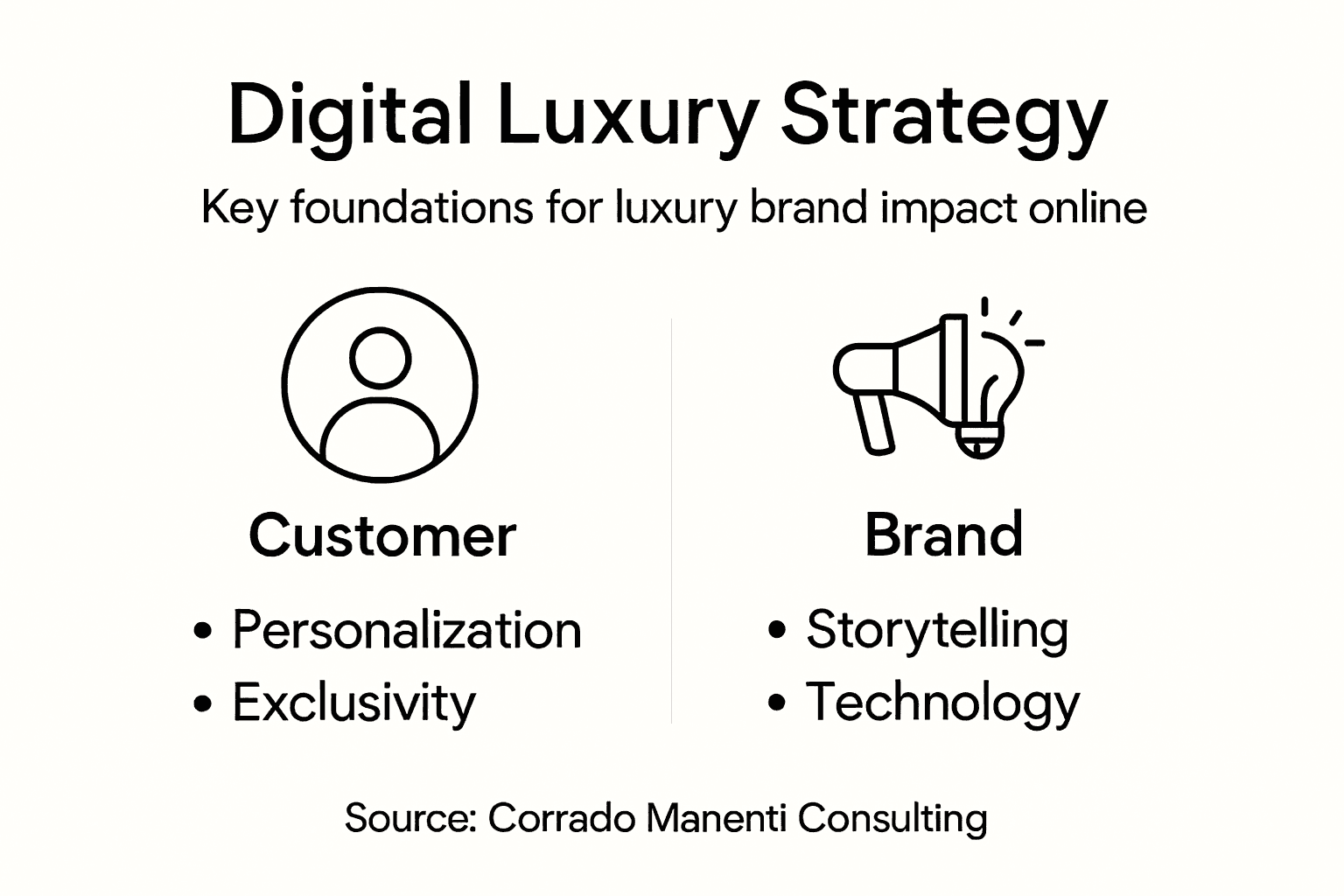
- Key Components of Digital Luxury Approaches
- Psychology and Behavior of Affluent Consumers
- Omnichannel Experiences and Storytelling Tactics
- Risks, Pitfalls, and Mistakes to Avoid
Key Takeaways
| Point | Details |
|---|---|
| Digital Luxury Strategy Enhances Exclusivity | A well-executed digital strategy can deepen emotional connections and maintain brand exclusivity, using controlled digital touchpoints. |
| Targeted Digital Presence is Essential | Focus on specific platforms where affluent consumers engage instead of spreading resources too thin across all channels. |
| Personalization is Non-Negotiable | High-net-worth consumers expect tailored experiences that reflect their preferences and aspirations, enhancing their emotional connection with the brand. |
| Seamless Omnichannel Experiences are Crucial | Ensure every customer touchpoint reinforces a cohesive brand narrative and quality, blending online and offline interactions smoothly. |
Defining Digital Luxury Strategy and Common Myths
Digital luxury strategy isn’t about abandoning exclusivity for reach. It’s about using digital channels strategically to enhance the luxury experience while protecting what makes your brand valuable.
At its core, digital luxury strategy means integrating technology, psychology, and brand identity to engage high-net-worth consumers authentically. This isn’t a new concept for tech brands, but luxury fashion executives often approach it with understandable caution.
What Digital Luxury Strategy Actually Is
Your digital strategy should serve three purposes simultaneously:
- Deepen emotional connections with existing customers through personalized experiences
- Expand reach to qualified prospects who match your brand’s values and spending capacity
- Protect and amplify your brand’s exclusivity through controlled digital touchpoints
Think of it like a VIP lounge. Physical exclusivity mattered when that was your only option. Digital strategy is about creating equally exclusive VIP experiences online—curated access, personalized service, and seamless integration across channels.
The Biggest Myths Holding You Back
Research shows that digital transformation in luxury sectors has become essential for competitiveness, yet myths persist. Here are the ones sabotaging your growth:
Myth 1: Digital presence dilutes exclusivity. False. A strategic digital presence actually strengthens exclusivity when executed correctly. Limited edition drops, invitation-only digital previews, and membership-based content maintain scarcity while expanding your audience.
Myth 2: Luxury customers don’t engage with digital. Your high-net-worth consumers absolutely do. They’re scrolling Instagram, reading reviews, and researching online before purchasing. They’re just expecting seamless, personalized experiences that match your offline excellence.
Myth 3: You need to be everywhere. Wrong. Luxury brands succeed by being precisely where their customers are, not where everyone is. This means targeted presence on 2-3 platforms your audience actually uses, executed flawlessly.
Myth 4: Digital innovation contradicts luxury values. Actually, careful management of digital innovation uphold symbolic and experiential brand aspects. Technology becomes invisible when it enhances the experience rather than overshadowing it.
Here’s how luxury digital strategy myths compare to the facts:
| Common Myth | Reality | Strategic Implication |
|---|---|---|
| Digital lowers exclusivity | Digital can enhance exclusivity | Use controlled, curated access |
| Affluent avoid digital channels | Affluent engage on select platforms | Prioritize seamless premium experiences |
| Brands must be everywhere | Presence should be selective | Focus on top 2-3 relevant channels |
| Tech weakens brand values | Tech can reinforce values | Integrate innovation subtly, not overtly |
The Strategic Foundation
Your digital luxury strategy rests on understanding psychology first, channels second. What drives your customer’s purchase decision? Status recognition? Heritage appreciation? Community belonging?
Once you understand the emotional motivation, digital channels become tools to reinforce those feelings. An Instagram post about your brand’s archive resonates differently than a discount announcement—both use the same platform, but one preserves luxury positioning.
Digital luxury strategy succeeds when customers feel privileged to access your brand online, not when they feel marketed to.
Pro tip: Audit your current digital presence by asking: does each touchpoint reinforce exclusivity and premium positioning, or does it look like every other brand’s marketing? If you can’t distinguish your digital experience from mid-market competitors, your strategy needs rebuilding.
Key Components of Digital Luxury Approaches
Successful digital luxury strategies don’t just happen. They’re built on specific components that work together to create premium experiences online while maintaining brand exclusivity.
Think of these components as the infrastructure supporting your luxury brand’s digital presence. Each one serves a distinct purpose, but they only deliver results when integrated strategically.
Personalized Customer Engagement
Personalization is non-negotiable in luxury digital marketing. Your customers expect experiences tailored to their preferences, purchase history, and aspirations.

High-net-worth consumers notice when you know them. They don’t want generic messaging or mass-market recommendations. They want to feel individually valued.
This means:
- Using data to understand individual preferences and behavioral patterns
- Creating customized product recommendations based on past purchases
- Tailoring content to match each customer’s luxury interests and lifestyle
- Delivering one-to-one communication across email, messaging, and digital platforms
Storytelling and Emotional Connection
Storytelling and exclusivity in digital interaction form the foundation of luxury brand authority. Your narrative should emphasize heritage, craftsmanship, and the values your brand embodies.
Don’t sell products. Sell the story behind them. A handbag isn’t leather and stitching—it’s decades of artisanal tradition, the hands that created it, the exclusivity of limited production.
Effective luxury storytelling includes:
- Brand heritage narratives that establish credibility and prestige
- Behind-the-scenes content showing craftsmanship and production
- Customer testimonials from recognizable, aspirational figures
- Content celebrating the brand’s cultural impact and values
Controlled Digital Exclusivity
Maintaining exclusivity online requires intentional gatekeeping. Not everyone gets access to everything.
Exclusive access via invitation campaigns and tiered content distribution ensures your digital presence remains aspirational rather than accessible.
This translates into practical strategies:
- Limited early access to new collections for VIP members
- Password-protected digital showrooms or exclusive online shopping experiences
- Invitation-only events, product launches, or previews
- Tiered content where premium followers see curated material others don’t
Technology Integration and Data Strategy
Artificial intelligence, virtual reality, and analytics drive modern luxury marketing. These technologies should enhance the experience, not overshadow it.
Your data strategy determines which customers to reach and how to personalize for them. Advanced analytics reveal patterns in luxury purchasing behavior that drive better decision-making.
The most powerful digital luxury strategies balance human touch with technological sophistication, creating seamless experiences that feel personal, not automated.
Pro tip: Map your key customer touchpoints across digital channels, then audit whether each one reinforces premium positioning or feels transactional. If a customer’s first interaction with your brand is a discount notification, you’ve already compromised positioning before they experience your core value.
Psychology and Behavior of Affluent Consumers
Your luxury customers aren’t driven by the same motivations as mass-market shoppers. Understanding what actually moves them to purchase requires looking beyond price and features into deeper psychological and social dynamics.
Affluent consumers operate in a different psychological framework. They’ve moved past functional necessity into the territory of meaning, status, and self-expression. This distinction changes everything about how you communicate with them.
Beyond Functional Value
Luxury purchases serve purposes that have nothing to do with the product’s practical function. A customer buying a premium watch doesn’t need it to tell time—they need what it says about who they are.
Affluent consumer motivations extend far beyond functional quality, including social status signaling, self-expression, and emotional aspiration. Your marketing must speak to these psychological drivers, not product specifications.
What actually drives luxury purchases:
Here’s a quick reference for key luxury customer motivations and recommended engagement tactics:
| Motivation | Digital Engagement Tactic | Example Outcome |
|---|---|---|
| Status signaling | Invitation-only events | Elevated perceived exclusivity |
| Self-expression | Personalized content | Stronger customer-brand bond |
| Heritage appreciation | Behind-the-scenes stories | Increased brand trust |
| Community belonging | Private online groups | Enhanced peer validation |
| Emotional fulfillment | Immersive VR experiences | Memorably positive interactions |
- Self-expression and identity reinforcement
- Social status signaling within relevant peer groups
- Exclusivity and belonging to aspirational communities
- Emotional gratification and psychological fulfillment
- Heritage appreciation and cultural alignment
The Psychology of Desire
The desire for luxury stems from biological, socio-psychological, and structural factors that create complex motivations. Your customer’s purchase decision involves both internal psychological drives and external social pressures.
There’s a tension here worth understanding. Luxury consumers want to feel they’re choosing for themselves, yet they’re heavily influenced by social recognition. Your strategy must acknowledge both needs simultaneously.
This tension manifests as:
- Individual self-perception versus social image management
- Authentic self-expression versus status demonstration
- Personal aspiration versus peer group influence
- Emotional satisfaction versus symbolic value
Social Status and Peer Influence
High-net-worth consumers are acutely aware of how their choices signal status within their circles. This doesn’t mean they’re insecure—rather, they understand that luxury is a language of social communication.
Social media amplifies this dynamic dramatically. Your affluent customers see peers displaying acquisitions, receiving validation through engagement, and participating in status hierarchies. Your digital strategy must account for this visibility and validation-seeking behavior.
The Role of Emotional Connection
Affluent consumers purchase experiences and memories, not objects. A luxury handbag becomes valuable because of the feeling it generates—confidence, belonging, admiration.
Successful luxury marketing addresses the emotional truth behind the purchase, not the physical product itself.
Your brand story, heritage narrative, and values alignment matter more than feature lists. Customers buy into your brand’s meaning and what association with it says about their identity and taste.
Pro tip: Create detailed psychological profiles of your target customer segments, identifying whether they’re primarily motivated by status signaling, self-expression, exclusivity, or emotional aspiration. Then tailor each campaign’s messaging and channel strategy to address their specific psychological driver rather than using generic luxury appeals.
Omnichannel Experiences and Storytelling Tactics
Your customers don’t think in channels. They flow seamlessly between Instagram, your website, your physical store, and email without considering which “channel” they’re using. Your strategy needs to reflect this reality.
Omnichannel means every touchpoint reinforces the same brand narrative, maintains consistent quality, and recognizes the customer’s individual journey regardless of where they engage.
Creating Seamless Omnichannel Integration
High-quality service continuity across channels supports enhanced brand equity and customer satisfaction through strategic digital engagement. This requires integration, not just presence across multiple platforms.
Seamless omnichannel means:
- A customer researches on Instagram, browses on your website, and completes the purchase in-store—all recognizing their preferences
- Your brand story stays consistent whether experienced through a social media post or a physical boutique visit
- Service quality matches across digital and physical touchpoints
- Customer data and interaction history inform personalized experiences across channels
The Power of Narrative-Based Content
Storytelling in luxury digital marketing shifts from traditional advertising to immersive narrative-based content that enhances brand sustainability and emotional connection.
Don’t broadcast features across channels. Tell stories that resonate emotionally, then distribute those stories strategically. A narrative about your artisan’s 30-year craft tradition works on Instagram, in email sequences, and as in-store displays.
Effective storytelling tactics include:
- Heritage narratives that establish credibility and cultural significance
- Creator and artisan stories that humanize your brand
- Customer transformation stories showing how your products enhance lives
- Behind-the-scenes content revealing process and values alignment
- Seasonal narratives that create timely, relevant engagement
Strategic Storytelling Across Platforms
Your core story adapts to each channel without losing its essence. The story stays the same; the format changes.
Consider how a single narrative about your brand’s sustainability commitment translates across platforms. On TikTok, it’s a dynamic 60-second behind-the-scenes video. On your website, it’s a detailed article with photography. In-store, it’s a beautifully designed display. Via email, it’s a personalized message to engaged customers.
The narrative maintains integrity while speaking each channel’s language.
Building Customer Journey Integration
Understand where your customers encounter your brand and what triggers movement between touchpoints. Do they discover you through social media, research on your website, and purchase in-store?
Map this intentionally. Each touchpoint should advance the narrative and move customers closer to engagement without feeling transactional or disconnected from previous interactions.
Omnichannel excellence happens when customers feel like they’re experiencing one cohesive brand journey, not multiple disconnected marketing efforts.
This requires your teams communicating across channels, sharing customer insights, and coordinating campaign timing and messaging.
Pro tip: Audit your customer journey by mapping which channels your target audience uses in what sequence. Then ensure your storytelling narrative flows naturally across those specific touchpoints—if your customers don’t use Pinterest, don’t invest there just because other luxury brands do. Focus on the channels where your audience actually moves.
Risks, Pitfalls, and Mistakes to Avoid
Digital transformation offers enormous opportunity for luxury brands, but the execution mistakes can irreversibly damage your positioning. Understanding what goes wrong helps you navigate the transition intelligently.
Many luxury executives rush into digital without a coherent strategy, then wonder why their brand feels diluted and their customers confused. The problem isn’t digital itself—it’s careless implementation.
Diluting Exclusivity Through Poor Channel Strategy
Your biggest risk is being everywhere. When you launch on every platform, participate in every trend, and make your brand accessible without friction, you destroy the scarcity that makes luxury desirable.
Luxury brands face challenges maintaining exclusivity online, especially when digital presence becomes indiscriminate. Strategic channel selection means choosing platforms where your specific customers congregate and executing flawlessly there, not spreading resources thinly across channels that don’t reach your audience.
Common exclusivity mistakes:
- Launching on every social media platform instead of dominating 2-3 strategically
- Offering unlimited digital inventory instead of maintaining scarcity
- Making your brand accessible to everyone digitally after building prestige through physical exclusivity
- Using discount-driven sales tactics that contradict premium positioning
- Participating in trending content that doesn’t align with brand values
Loss of Brand Control and Inconsistency
Uncoordinated digital efforts erode brand equity rapidly. When your website tells one story, Instagram another, email a third, and your customer service team operates independently, customers experience confusion instead of connection.
Uncoordinated digital efforts threaten brand control and consumer trust. Your brand’s voice, visual identity, and value proposition must remain consistent across every touchpoint.
This consistency breakdown happens when:
- Different departments manage channels without shared brand guidelines
- Your content calendar lacks strategic coherence
- Customer service interactions don’t reflect brand positioning
- Visual identity varies significantly across platforms
- Messaging about price, exclusivity, or values contradicts itself
Data Security and Customer Privacy Failures
Luxury customers expect their data treated with the same exclusivity and care you provide their purchases. Data breaches don’t just create legal liability—they demolish trust with your most valuable customers.
Implement security from the beginning, not as an afterthought. Your digital infrastructure should reflect the same premium standards you demand in product development.
Inadequate Customer Experience and Technical Execution
Poor digital customer experience management undermines transformation efforts. A luxury brand’s online store that’s slow, difficult to navigate, or lacks personalization damages your brand more than no online presence would.
Your digital experience must match your physical boutique’s service quality. Slow checkout, impersonal recommendations, and clunky interfaces contradict luxury positioning.
The costliest mistake is launching digital half-heartedly, with inadequate resources or commitment, then blaming the channel instead of your execution.
Half measures damage your brand. Full commitment strengthens it.
Pro tip: Before launching any digital initiative, ask: Does this reinforce or dilute our exclusivity? Does this align with our brand positioning? Do we have the resources to execute this excellently? If you answer “no” to any question, redesign the initiative or don’t launch it.
Elevate Your Digital Luxury Strategy with Expert Insight
Navigating the complex challenges of digital luxury strategy requires more than just presence online. The article highlights the critical need to balance exclusivity with reach while deeply understanding affluent consumer psychology. Key pain points like maintaining controlled digital exclusivity, leveraging psychology-driven marketing, and executing seamless omnichannel experiences are essential to avoid diluting your premium brand. Corrado Manenti’s unique approach integrates these concepts to create powerful marketing strategies that connect emotionally with high-net-worth consumers while preserving your brand’s prestige.
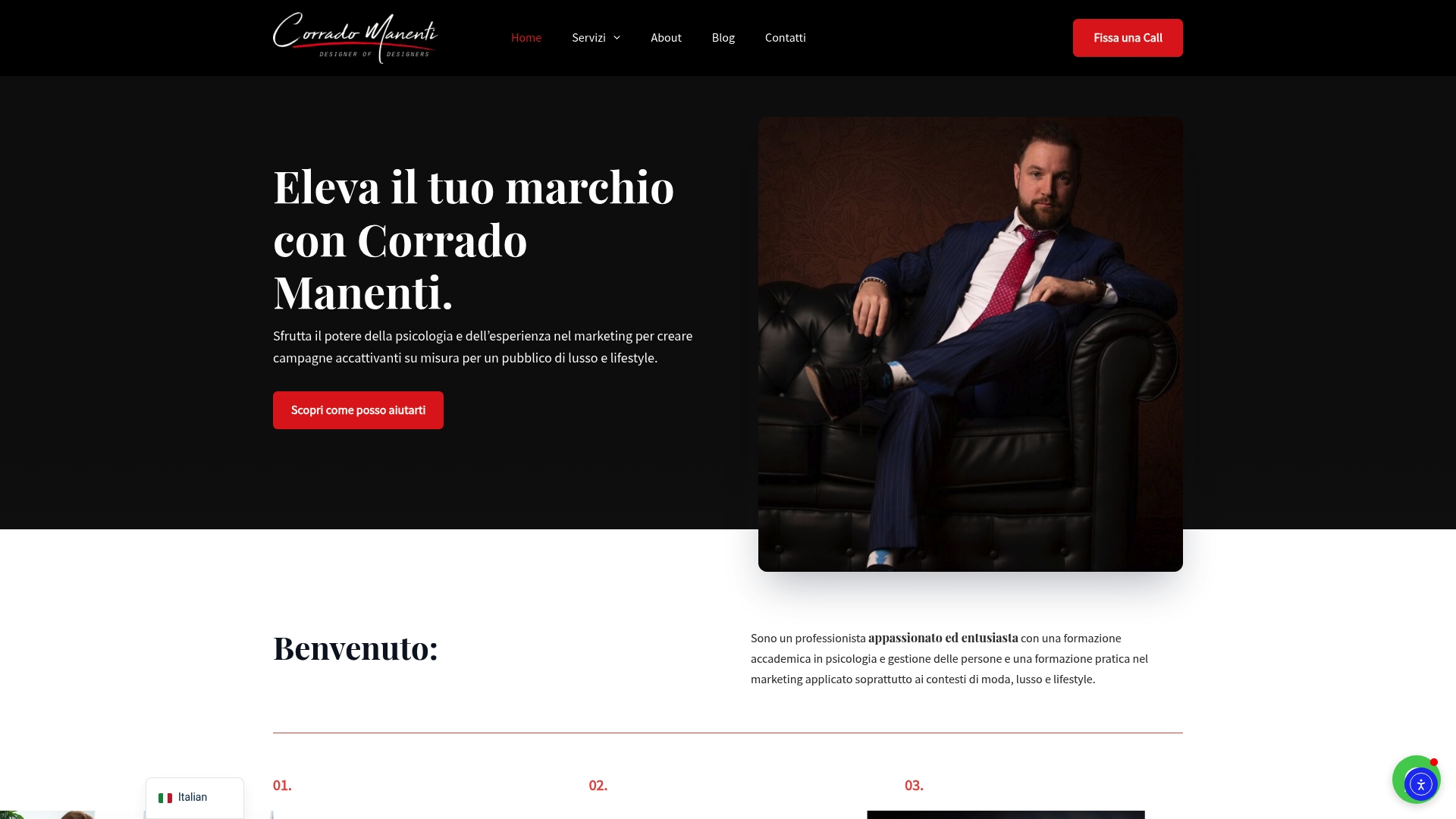
Discover how Corrado Manenti’s fashion and luxury consulting expertise can transform your digital presence into an exclusive, emotionally engaging experience. Visit Corrado Manenti’s Website to explore tailored marketing strategies that blend psychology and innovation. Don’t let myth and poor execution dilute your brand—act now to position your luxury brand at the forefront of digital innovation and exclusivity. Learn more about Psychology-Driven Marketing and Innovation and Digital Strategies to start your transformation today.
Frequently Asked Questions
What is a digital luxury strategy?
A digital luxury strategy is the integration of technology, psychology, and brand identity to engage high-net-worth consumers while protecting and enhancing a luxury brand’s exclusivity.
How can personalization improve the luxury customer experience?
Personalization in luxury marketing helps create tailored experiences based on customer preferences and purchase history, making customers feel valued and more connected to the brand.
What are the key components of an effective digital luxury strategy?
Key components include personalized customer engagement, storytelling that builds emotional connections, controlled digital exclusivity, and a robust technology integration and data strategy.
How do affluent consumers differ in their purchasing motivations?
Affluent consumers are motivated by social status signaling, self-expression, emotional fulfillment, and a sense of belonging, which shapes how luxury brands should communicate and engage with them.