
Luxury fashion executives face a pivotal challenge: luxury customers are 60% more likely to make repeat purchases when brands forge emotional connections. Yet most marketing strategies still focus on product features and price points. This article reveals how psychology-driven emotional branding transforms casual buyers into devoted brand advocates. You’ll discover neuroscience-backed techniques, implementation frameworks, and real-world case studies proving that emotional resonance drives measurable ROI in saturated luxury markets.
Table of Contents
- Introduction To Emotional Branding In Luxury Fashion
- Psychological Mechanisms Driving Emotional Connection
- Techniques For Creating Emotional Branding In Luxury Fashion
- Common Misconceptions About Emotional Branding
- Framework To Implement Emotional Branding Strategies
- Case Studies And Real-world Applications In Luxury Fashion
- Conclusion: Building Lasting Emotional Connections For Luxury Brand Growth
- Enhance Your Luxury Brand With Proven Emotional Branding Strategies
Key Takeaways
| Point | Details |
|---|---|
| Emotional branding transcends storytelling | Subconscious sensory cues activate brain regions tied to loyalty and decision-making. |
| Digital innovation amplifies engagement | AR and AI-driven personalization boost emotional connection metrics by up to 50%. |
| Authenticity prevents skepticism | Genuine emotional appeals build trust while manufactured narratives erode consumer confidence. |
| Psychology-driven frameworks deliver ROI | Combining neuroscience tools with traditional KPIs creates measurable business outcomes. |
| Integration of narrative, sensory, and digital | Luxury brands must orchestrate all three elements to maximize emotional impact. |
Introduction to Emotional Branding in Luxury Fashion
Emotional branding in luxury fashion represents a strategic shift from product-centric marketing to creating deep psychological connections with consumers. Unlike traditional approaches that emphasize craftsmanship or exclusivity alone, emotional branding taps into aspirations, identity, and subconscious desires. This distinction matters because luxury markets have reached saturation. When competitors offer similar quality and heritage, emotional resonance becomes the differentiator.
The luxury sector faces a critical gap. Many brands still rely on heritage storytelling or celebrity endorsements without understanding the underlying psychology. Consumers no longer respond to surface-level messaging. They crave authentic connections that reflect their values and aspirations. Emotional branding significantly outperforms price and product features in driving repeat purchases and building lifetime loyalty.
Consider these foundational elements:
- Emotional triggers activate purchasing decisions before rational evaluation begins
- Brand loyalty stems from identity alignment rather than product satisfaction alone
- Emotional connections create premium pricing power that transcends market fluctuations
- Repeat purchase behavior correlates directly with emotional bond strength
The business case is clear. Brands that master emotional branding command higher margins, greater customer lifetime value, and resilience during economic uncertainty. The question isn’t whether to invest in emotional branding but how to implement it effectively.
Psychological Mechanisms Driving Emotional Connection
Neuroscience reveals why emotional branding works at a biological level. When consumers encounter emotionally resonant brand experiences, their limbic system activates before the prefrontal cortex processes rational information. This means emotions drive purchasing decisions, then logic justifies them afterward. The amygdala processes emotional stimuli in milliseconds while rational evaluation takes significantly longer.
Subconscious visual and sensory cues impact emotion by up to 45%, creating powerful associations consumers can’t articulate. Scent triggers memory recall with 65% accuracy compared to 50% for visual cues alone. Tactile experiences activate somatosensory regions that connect physical sensations with emotional states. These mechanisms explain why luxury boutiques invest heavily in ambient design.
Key psychological drivers include:
- Mirror neurons create empathy when consumers witness aspirational brand narratives
- Dopamine release during positive brand interactions reinforces loyalty patterns
- Memory consolidation links emotional experiences with brand recall
- Social identity theory drives affiliation with brands that reflect self-concept
Understanding psychology in luxury branding enables executives to design experiences that leverage these mechanisms intentionally. Brain imaging studies show luxury brand exposure activates reward centers similar to social acceptance. This biological response explains why consumers develop attachment to brands that validate their identity.
“The most powerful brand experiences bypass conscious evaluation entirely, creating emotional associations that feel instinctive rather than manufactured.” – Consumer Neuroscience Research
This scientific foundation transforms emotional branding from artistic intuition into strategic precision. By mapping psychological mechanisms to brand touchpoints, luxury marketers create predictable emotional outcomes.
Techniques for Creating Emotional Branding in Luxury Fashion
Successful emotional branding requires orchestrating multiple sensory and narrative elements. Each technique targets specific psychological triggers while maintaining brand authenticity.
-
Aspirational storytelling that mirrors consumer identity. Create narratives showing the transformation consumers desire rather than product features. Gucci’s campaigns position the brand as a catalyst for self-expression rather than focusing on leather quality.
-
Multisensory brand experiences. Sensory branding in luxury fashion integrates signature scents, tactile packaging, and acoustic branding. Hermès stores use specific lighting temperatures and subtle fragrances that trigger relaxation and openness.
-
Digital personalization through AR and AI. Digital innovations such as AR and personalized AI-driven content increase emotional engagement by up to 50% among luxury consumers. Virtual try-on experiences create ownership feelings before purchase.
-
Exclusive community building. Private events and membership tiers foster belonging. Brunello Cucinelli creates intimate gatherings that position the brand as a philosophical lifestyle rather than clothing.
-
User-generated emotional narratives. Encourage customers to share personal stories connected to brand experiences. This social proof amplifies emotional resonance through authentic peer testimony.
Pro Tip: Test emotional impact before full campaign launch using biometric tools like eye tracking and galvanic skin response. These measurements reveal subconscious reactions traditional focus groups miss.
The key is integration. Storytelling alone falls flat without sensory reinforcement. Digital innovation feels hollow without authentic narrative. Luxury brands must weave these elements into a cohesive emotional journey across every touchpoint.
Common Misconceptions About Emotional Branding
Several myths prevent executives from implementing emotional branding effectively. Clearing these misconceptions accelerates strategic progress.
-
Myth: Storytelling equals emotional branding. Reality shows sensory cues and subconscious triggers drive emotion more powerfully than narrative alone. A compelling story without sensory reinforcement creates cognitive engagement but not emotional attachment.
-
Myth: Emotional branding can’t be measured. Modern tools like neuroscience testing, sentiment analysis, and emotional analytics provide quantifiable metrics. Net Promoter Score correlates directly with emotional bond strength.
-
Myth: Any emotional response drives sales. Negative emotions like anxiety or guilt create short-term urgency but erode brand loyalty. Sustainable emotional branding builds positive associations like aspiration, belonging, and validation.
-
Myth: Emotional branding works identically across demographics. Cultural context shapes emotional triggers dramatically. Asian luxury consumers prioritize heritage and craftsmanship while Western markets emphasize individual expression.
Authenticity represents the critical success factor many brands overlook. Consumers detect manufactured emotional appeals instantly, triggering skepticism that damages trust permanently. The solution requires aligning emotional messaging with genuine brand values and operational reality. A sustainability narrative collapses when supply chain practices contradict public messaging.
Pro Tip: Audit existing brand touchpoints for emotional consistency. Inconsistent emotional signals confuse consumers and dilute impact. Every interaction should reinforce the same core emotional promise.
The brands that succeed view emotional branding as strategic infrastructure rather than campaign tactics. This perspective shift enables authentic, measurable, and sustainable emotional connections.
Framework to Implement Emotional Branding Strategies
Executives need structured approaches to integrate emotional branding systematically. This psychology-driven framework delivers measurable results.
-
Consumer emotional profiling. Map your audience’s subconscious desires, identity aspirations, and emotional pain points. Use depth interviews and implicit association tests rather than surface-level surveys.
-
Emotional territory definition. Identify which emotions align with brand heritage and market position. Luxury brands typically own aspiration, belonging, validation, or transcendence.
-
Multisensory integration across touchpoints. Design consistent sensory signatures for digital platforms, retail environments, packaging, and customer service. Blog resources on emotional branding implementation provide tactical guidance.
-
Digital amplification through personalization. Deploy AI tools that adapt messaging to individual emotional states. Use behavioral data to time communications when consumers are most receptive.
-
Psychology team integration. Embed consumer psychologists in creative and strategy teams. Their expertise prevents emotional missteps and amplifies resonance.
-
Measurement infrastructure. Establish KPIs blending traditional metrics with emotional analytics. Track the role of emotions in luxury buying decisions through purchase correlation analysis.
| Implementation Phase | Key Activities | Success Metrics |
|---|---|---|
| Foundation | Emotional profiling, territory selection | Segment clarity, alignment score |
| Design | Sensory signature creation, narrative development | Consistency rating, recall testing |
| Activation | Omnichannel rollout, training | Touchpoint coverage, staff competency |
| Optimization | A/B testing, neuroscience validation | Engagement lift, conversion improvement |
Balancing emotional appeal with brand authenticity requires rigorous alignment checks. Every emotional claim must connect to verifiable brand actions. Aspirational messaging about craftsmanship demands supply chain transparency. Environmental narratives need operational proof.
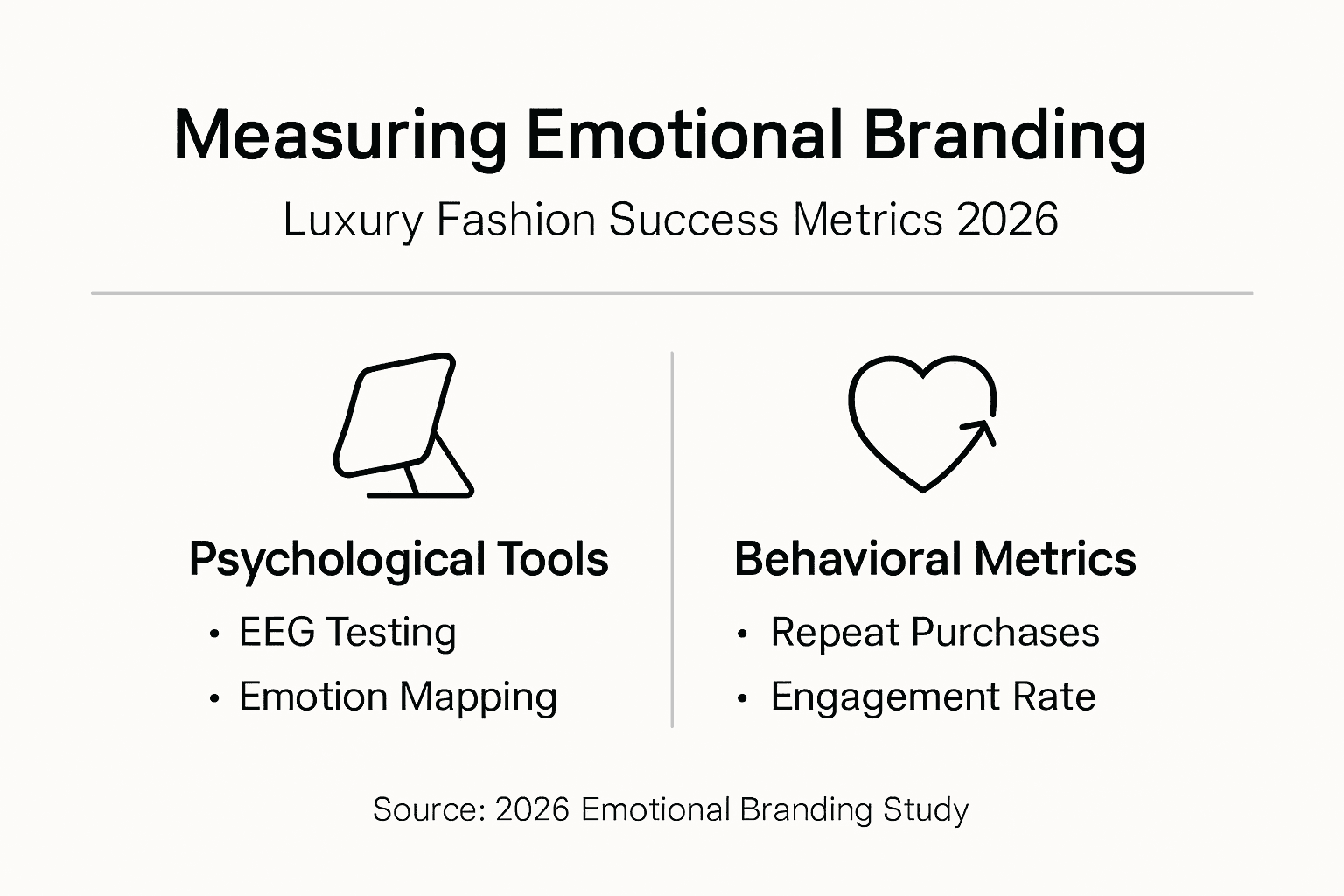
Measurement combines neuroscience tools like EEG testing during campaign exposure with behavioral metrics like repeat purchase rates and Net Promoter Score changes. This dual approach captures both subconscious impact and business outcomes. Executives should expect 6-12 months before emotional branding investments show full ROI as neural pathways require repeated exposure to solidify.
Case Studies and Real-world Applications in Luxury Fashion
Real-world evidence demonstrates emotional branding’s transformative power when executed strategically.
Gucci’s #GucciGram campaign invited artists to reinterpret brand iconography, creating emotional ownership among creative communities. The campaign generated 47% higher engagement than product-focused content and lifted purchase intent by 23% among target demographics. By positioning consumers as co-creators rather than passive buyers, Gucci triggered belonging and validation emotions.
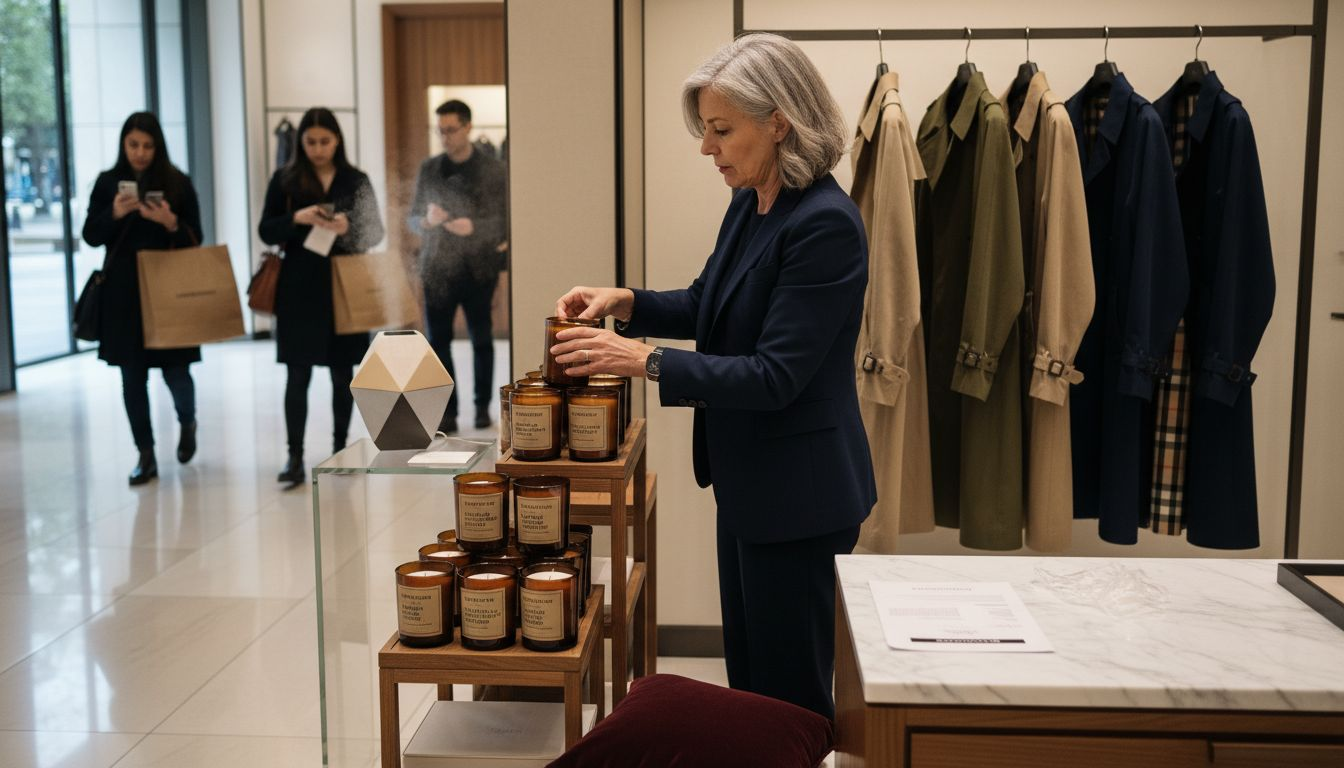
Sensory branding initiatives show measurable retail impact. Burberry’s flagship stores use signature scents that increase average dwell time by 18% and boost conversion rates by 12%. The scent triggers nostalgia and comfort, lowering psychological purchase barriers. When tested without the signature fragrance, the same stores saw these metrics decline significantly.
Digital innovation campaigns accelerate emotional engagement. Dior’s AR mirror technology lets consumers visualize products in personal contexts, creating ownership feelings before purchase. This emotional preview increased online conversion by 31% and reduced return rates by 19%. The technology bridges digital convenience with emotional certainty traditionally requiring physical retail.
| Brand Initiative | Emotional Trigger | Measurable Outcome |
|---|---|---|
| Gucci #GucciGram | Belonging, co-creation | 47% engagement increase, 23% intent lift |
| Burberry sensory design | Nostalgia, comfort | 18% longer dwell, 12% conversion boost |
| Dior AR mirrors | Ownership, certainty | 31% conversion increase, 19% fewer returns |
| Valentino community events | Exclusivity, validation | 28% repeat purchase improvement |
Valentino’s invitation-only events create artificial scarcity that triggers exclusivity emotions. Attendees show 28% higher repeat purchase rates than general customers, demonstrating how belonging drives loyalty. The events cost significantly less than traditional advertising while generating superior lifetime value.
These cases share common patterns. They target specific emotions aligned with brand positioning. They integrate multiple sensory channels. They measure impact rigorously. Most importantly, they maintain authenticity by connecting emotional promises to genuine brand capabilities and values.
Conclusion: Building Lasting Emotional Connections for Luxury Brand Growth
Emotional branding represents the competitive advantage luxury fashion brands need in saturated markets. When product quality and heritage become table stakes, psychological connections determine winners. The brands that master emotional resonance command premium pricing, customer loyalty, and market resilience that product features alone cannot deliver.
Success requires moving beyond storytelling to orchestrate sensory experiences, digital innovation, and authentic narratives into cohesive emotional journeys. Psychology provides the roadmap, neuroscience offers measurement tools, and strategic frameworks enable systematic implementation. The investment pays dividends through measurable improvements in engagement, conversion, and lifetime value.
Authenticity remains non-negotiable. Consumers detect manufactured emotions instantly, and skepticism damages brands permanently. The solution lies in aligning emotional strategies with genuine values and operational reality. This alignment transforms emotional branding from marketing tactic into strategic identity.
The opportunity is clear. Luxury executives who embrace psychology-driven emotional branding will define the next era of fashion marketing. Those who cling to product-centric approaches risk irrelevance as emotionally intelligent competitors capture market share and consumer hearts.
Enhance Your Luxury Brand with Proven Emotional Branding Strategies
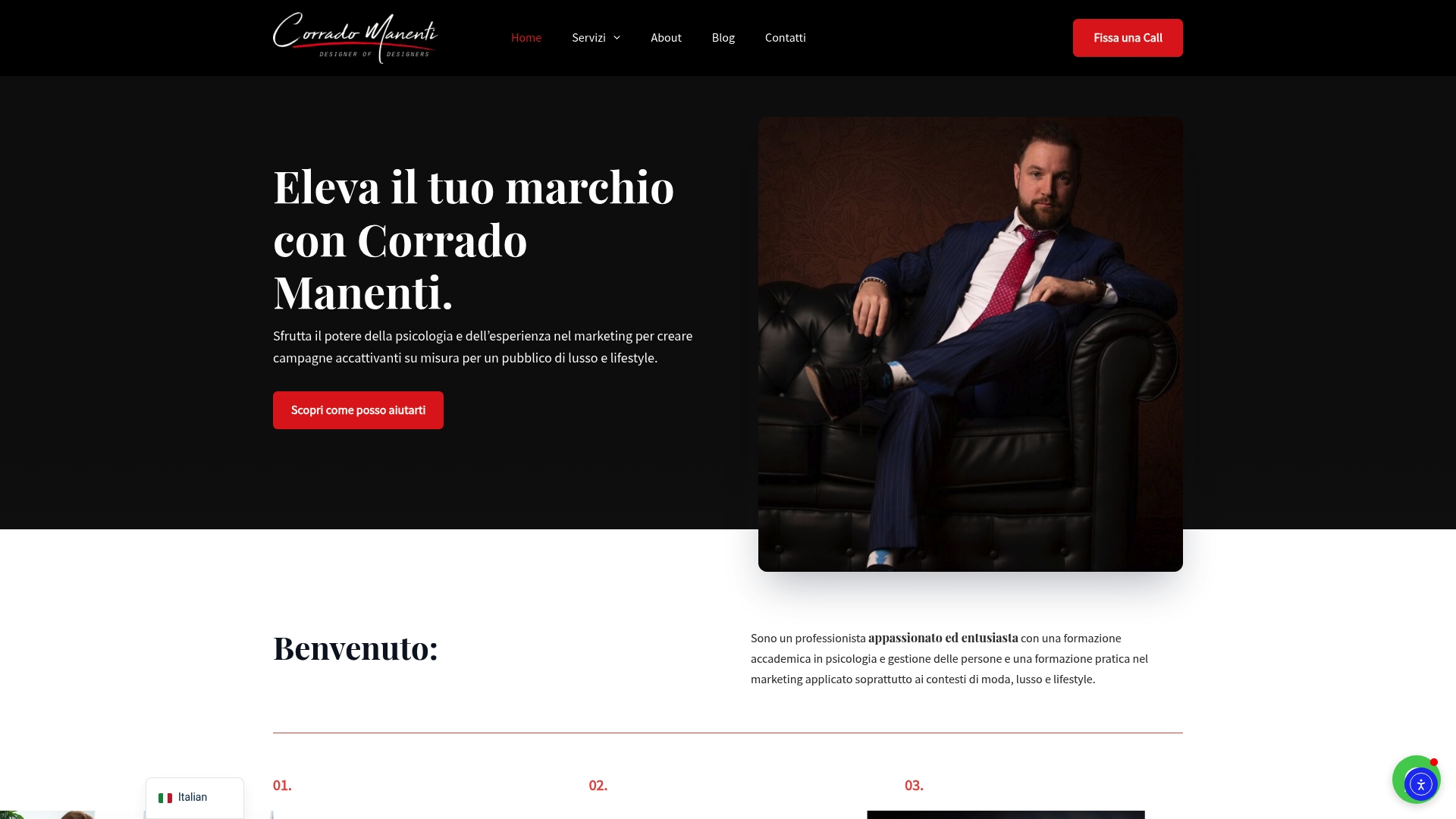
Transforming emotional insights into measurable business growth requires specialized expertise. Corrado Manenti combines psychology background with luxury fashion experience to help brands forge authentic emotional connections that drive loyalty and revenue. His approach integrates neuroscience, sensory design, and digital innovation into cohesive strategies tailored to your brand’s unique positioning.
Whether you’re launching new emotional initiatives or optimizing existing campaigns, psychology-driven consulting accelerates results while avoiding costly missteps. Discover fashion brand growth tactics designed specifically for luxury markets. Expert guidance ensures your emotional branding investments deliver maximum ROI while maintaining the authenticity luxury consumers demand.
Frequently Asked Questions
What is unique about emotional branding in luxury fashion compared to other sectors?
Luxury relies more heavily on deep, authentic emotional connections and sensory cues than mass market sectors. The premium pricing model depends on psychological value rather than functional superiority. Luxury consumers seek identity validation and belonging, making emotional resonance essential for justifying price premiums and building exclusivity perceptions.
How can luxury brands measure the ROI of emotional branding effectively?
Use Net Promoter Score changes and consumer neuroscience tools like EEG testing to quantify emotional impact. Combine these with traditional KPIs including repeat purchase rates, customer lifetime value, and conversion improvements. Track the role of emotions in luxury buying decisions through correlation analysis between emotional engagement scores and revenue metrics. This dual approach captures both subconscious impact and business outcomes.
What common mistakes should executives avoid when applying emotional branding?
Don’t neglect sensory and subconscious cues by focusing exclusively on storytelling. Ensure all emotional appeals align with verifiable brand authenticity to prevent consumer skepticism. Measure continuously using both neuroscience and behavioral metrics to avoid wasted investment in ineffective tactics. Most critically, maintain consistency across every touchpoint since inconsistent emotional signals confuse consumers and dilute impact permanently.