


Luxury brands face a defining challenge in 2026: innovate boldly to capture market share while preserving the heritage and exclusivity that justify premium pricing. Technology advances rapidly, consumer expectations shift toward transparency and sustainability, and competitors experiment with AI, blockchain, and smart materials. This article explores cutting-edge examples from leading fashion houses that successfully blend technology, artisan craftsmanship, and sustainable practices. You’ll gain actionable insights to enhance your competitive edge through innovation that honors your brand’s essence.
Table of Contents
- Criteria For Evaluating Fashion Innovation In Luxury Brands
- Tech Craftsmanship Fusion: Paolina Russo’s NFC-Chipped Collection
- Aura Blockchain Consortium: Pioneering Traceability And Sustainability
- Harnessing AI For Luxury Fashion Trend Forecasting And Personalization: Prada’s Approach
- Comparing Innovations: Technology Integration, Sustainability, And Customer Engagement
- Discover Expert Fashion Brand Growth Tactics For Luxury Market Success
Key takeaways
| Point | Details |
|---|---|
| Technology meets tradition | NFC-chipped garments fuse advanced tech with artisan embroidery to create interactive luxury experiences. |
| Blockchain drives transparency | Aura Blockchain Consortium provides immutable product histories, winning industry awards for advancing sustainable luxury practices. |
| AI augments creativity | Prada leverages AI-powered trend forecasting to analyze consumer data while preserving nuanced brand identity. |
| Artisan collaborations strengthen value | Partnerships with local craftspeople enhance product uniqueness and support sustainable luxury brand value. |
Criteria for evaluating fashion innovation in luxury brands
Before adopting any innovation, you need a robust evaluation framework. Technology alone doesn’t guarantee success in luxury markets where brand identity and customer perception dictate profitability. The most effective innovations balance multiple priorities simultaneously.
Consider these essential criteria when assessing innovation opportunities:
- Technology and storytelling integration: Innovation must enhance, not overshadow, your brand narrative and the craftsmanship that defines luxury positioning.
- Sustainability and traceability: Modern luxury consumers expect verifiable environmental and social responsibility embedded in products and operations.
- Customer experience and exclusivity: New technologies should deepen personalization and brand connection while maintaining the scarcity and prestige that justify premium pricing.
- Scalability and brand identity alignment: Solutions must scale across product lines and markets without diluting the distinctive character that differentiates your brand from competitors.
These criteria serve as guardrails for innovation decisions. A blockchain solution might offer perfect traceability but fail if it doesn’t integrate seamlessly with your existing customer journey. An AI system could forecast trends brilliantly yet damage brand perception if it produces generic content that feels mass-market rather than exclusive.
Tech craftsmanship fusion: Paolina Russo’s NFC-chipped collection
Paolina Russo demonstrates how microchip technology can enhance rather than replace traditional luxury craftsmanship. The brand embedded NFC chips in its FW26 collection to create direct digital connections between garments and consumers. Each piece tells its own story through embedded data accessible via smartphone tap.
The innovation goes deeper than novelty. Paolina Russo partnered with Maison Anaychay, bringing authentic Peruvian artisan embroidery and crochet techniques into every garment. This collaboration supports local craftspeople economically while preserving centuries-old textile traditions. The NFC technology doesn’t compete with this artistry but amplifies it, allowing consumers to explore the cultural heritage and maker stories behind each stitch.
Key benefits of this tech-craftsmanship fusion include:
- Enhanced product storytelling: NFC chips unlock rich media content about materials, artisans, and production processes that traditional labels can’t convey.
- Direct consumer connection: Brands bypass retail intermediaries to engage customers through exclusive content, events, and resale authentication.
- New revenue opportunities: Interactive experiences drive repeat engagement and create upsell pathways through limited digital content or services.
- Sustainable practice support: Transparent artisan partnerships and verifiable sustainable luxury brand value resonate with conscious consumers.
Pro Tip: Start small with NFC integration by microchipping a limited capsule collection. Test consumer response and refine the digital experience before scaling across your entire product range.
The Paolina Russo example proves that technology and tradition aren’t opposing forces. When thoughtfully integrated, digital innovation can deepen appreciation for handcrafted excellence while creating modern engagement channels that younger luxury consumers expect.
Aura Blockchain Consortium: pioneering traceability and sustainability
Blockchain technology addresses luxury fashion’s most pressing transparency challenges. The Aura Blockchain Consortium unites major luxury groups including LVMH, Prada, and OTB to provide a shared platform for product authentication and lifecycle tracking. This collaborative approach recently earned the Groundbreaker Award at CNMI Sustainable Fashion Awards, recognizing its impact on industry sustainability practices.

Aura functions as a digital labeling system that embeds a product’s complete life story in an immutable blockchain record. Consumers access verified information about materials sourcing, manufacturing locations, environmental impact metrics, and ownership history. This transparency builds trust in an era where greenwashing damages brand credibility faster than any marketing campaign can repair it.
The technology delivers measurable advantages over traditional labeling approaches:
| Feature | Blockchain Solution | Traditional Labeling |
|---|---|---|
| Traceability | Complete supply chain visibility from raw material to resale | Limited to final manufacturing location |
| Security | Immutable records prevent counterfeiting and fraud | Easy to replicate or falsify |
| Consumer Trust | Independently verifiable sustainability claims | Relies on brand reputation alone |
| Data Richness | Unlimited multimedia content and lifecycle updates | Static printed information only |
Pro Tip: Implement blockchain labeling for your highest-value product lines first. The technology investment pays off most where authentication concerns and sustainability credentials deliver maximum competitive advantage.
Blockchain adoption positions brands at the forefront of sustainable luxury brand value while addressing practical challenges like counterfeiting and resale authentication. The collaborative industry approach through Aura also reduces individual implementation costs and establishes shared technical standards that benefit all participants. For executives evaluating transparency solutions, blockchain offers the most comprehensive path to verifiable role of sustainability in luxury markets.
Harnessing AI for luxury fashion trend forecasting and personalization: Prada’s approach
Artificial intelligence transforms how luxury brands predict trends and personalize consumer experiences, but only when deployed with careful attention to brand identity preservation. Prada exemplifies strategic AI integration, leveraging machine learning for design insights while maintaining the human creativity and editorial judgment that define luxury positioning.
The brand’s AI systems analyze vast data sources including social media sentiment, online fashion forums, runway show reactions, and point-of-sale performance. This multi-channel analysis identifies emerging trends months before they reach mainstream consciousness. Equally important, Prada implements a continuous feedback loop that monitors consumer reactions and sales performance, refining predictions based on real-world market response rather than algorithmic assumptions alone.
Key applications of AI in Prada’s luxury innovation strategy include:
- Trend forecasting: Pattern recognition across global fashion conversations reveals nascent aesthetic movements and color preferences before competitors identify them.
- Personalized marketing: Customer data analysis enables hyper-targeted campaigns that speak to individual style preferences without feeling invasive or algorithmic.
- Product design insights: AI identifies which design elements resonate most strongly with target segments, informing creative decisions while preserving designer vision.
- Inventory optimization: Predictive analytics reduce overproduction waste by aligning manufacturing volumes with anticipated demand patterns.
The critical challenge lies in balancing AI efficiency with luxury’s essential human touch. AI’s inability to understand tone and nuance can seriously undermine brand identity when systems generate content or recommendations that feel generic rather than exclusive. Prada navigates this risk by using AI as a decision support tool rather than a replacement for creative leadership.
Pro Tip: Establish clear guidelines for which decisions AI can inform versus those requiring human judgment. Use algorithms to analyze buyer behavior patterns, but reserve brand voice and creative direction for experienced professionals who understand your luxury positioning.
The Prada case demonstrates that AI adoption doesn’t mean sacrificing the artistry and exclusivity that justify luxury pricing. When properly implemented, artificial intelligence amplifies human creativity by revealing insights that would remain hidden in manual analysis. This positions brands to stay ahead of luxury marketing trends while maintaining the distinctive character that prevents commoditization.
Comparing innovations: technology integration, sustainability, and customer engagement
Each innovation path offers distinct advantages and trade-offs. Understanding how NFC technology, blockchain systems, and AI platforms perform across key criteria helps you select solutions aligned with your brand identity and strategic priorities. The comparison below synthesizes insights from the featured examples into an actionable decision framework.
| Innovation Type | Craftsmanship Integration | Sustainability Impact | Customer Experience | Scalability | Exclusivity Preservation |
|---|---|---|---|---|---|
| NFC Microchips | High – enhances artisan storytelling | Medium – supports transparent sourcing | High – creates interactive brand experiences | Medium – requires chip integration per item | High – maintains product uniqueness |
| Blockchain Labels | Medium – focuses on verification over craft | High – enables verifiable sustainability claims | Medium – builds trust through transparency | High – applies across entire product range | Medium – democratizes authentication |
| AI Analytics | Low – supports design but doesn’t enhance making | Low – optimizes inventory to reduce waste | High – enables hyper-personalization | Very High – scales infinitely with data | Risk – can undermine uniqueness if misused |
This comparison reveals no single “best” innovation. NFC technology excels when your brand story centers on artisan partnerships and you want to deepen role of exclusivity in fashion positioning. Blockchain delivers maximum impact if sustainability credentials and authentication constitute your primary competitive differentiators. AI provides the broadest scalability but requires the most careful guardrails to prevent diluting luxury perception.
Many leading brands adopt multiple innovations simultaneously, creating complementary systems rather than choosing a single path. You might implement blockchain for supply chain transparency while using AI to personalize how you communicate those sustainability credentials to different customer segments. The key is ensuring each technology serves your brand strategy rather than pursuing innovation for its own sake.
Consider your current market position and competitive pressures. If counterfeiting threatens brand integrity, blockchain authentication delivers immediate value. If you’re losing younger consumers to more digitally-native luxury brands, NFC-enabled experiences create differentiation. If trend forecasting lags competitors, AI analytics close that gap. Match innovation investments to your specific strategic gaps rather than following industry trends blindly. This disciplined approach maximizes return while protecting the sustainable luxury brand value you’ve built through decades of careful brand stewardship.
Discover expert fashion brand growth tactics for luxury market success
The innovations explored here represent just the beginning of what’s possible when you strategically blend technology with luxury brand building. Translating these insights into competitive advantage requires deep expertise in both fashion market dynamics and consumer psychology. That’s where specialized guidance makes the difference between innovation that strengthens your brand and technology adoption that dilutes it.
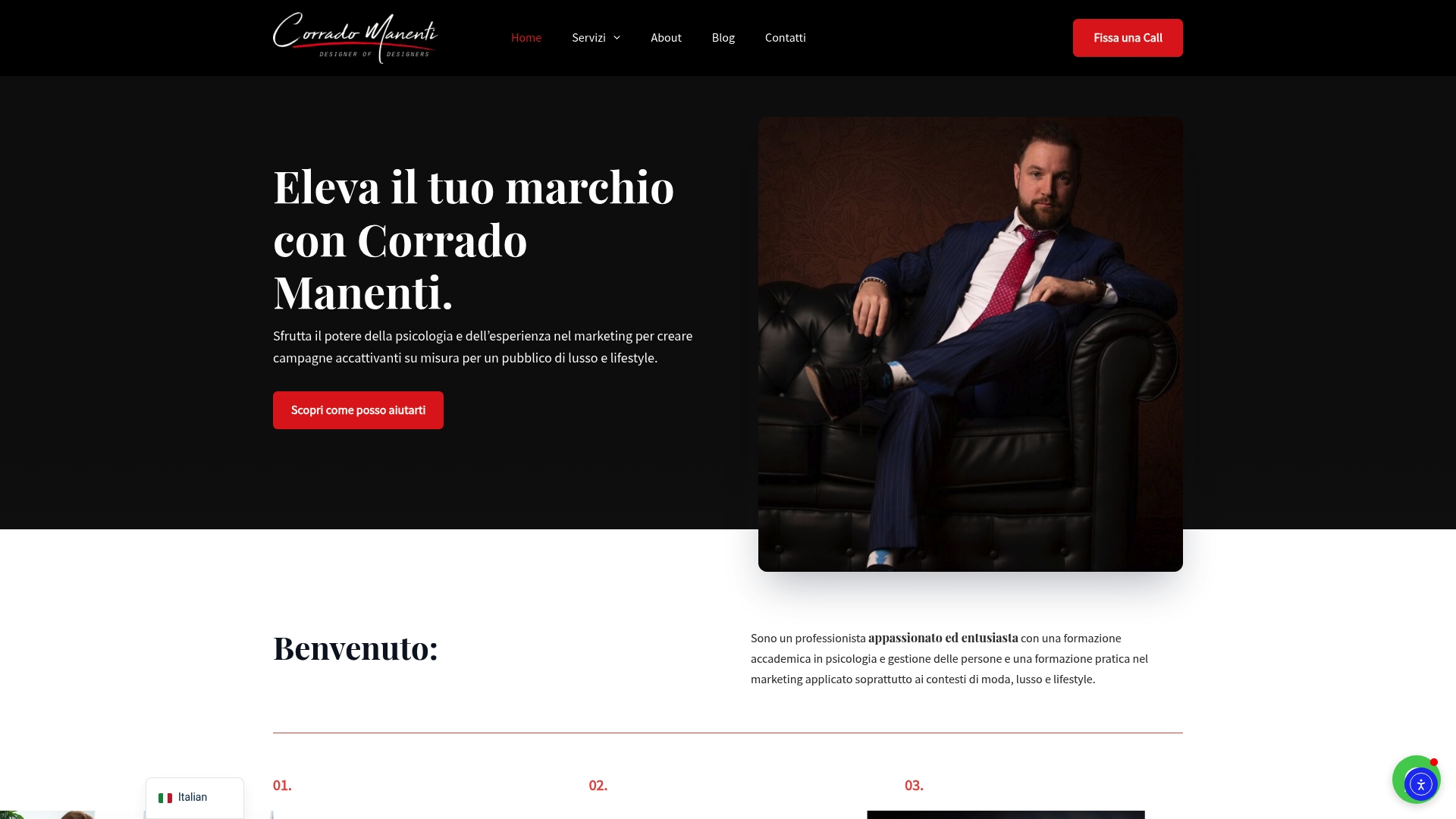
Explore proven fashion brand growth tactics for luxury markets refined through years of high-end brand consulting. Learn advanced frameworks to analyze buyer behavior in luxury brands and apply psychological principles that drive purchase decisions in premium categories. Discover how psychology shapes luxury branding and engagement to create lasting competitive advantages. Transform innovation from technical implementation into strategic brand elevation.
FAQ
What are common challenges luxury brands face when adopting AI in fashion?
Luxury brands struggle with AI’s inability to replicate nuanced tone and exclusivity that define premium positioning. Balancing algorithmic efficiency with authentic storytelling remains the primary challenge, as generic AI-generated content can quickly undermine decades of careful brand cultivation.
How does blockchain technology enhance sustainability in luxury fashion?
Blockchain embeds immutable product histories including materials sourcing, manufacturing locations, and environmental impact data. This verifiable transparency builds consumer trust and supports luxury’s essential shift toward responsible practices without relying solely on brand reputation.
What role do artisan collaborations play in modern luxury innovation?
Artisan partnerships provide access to unique traditional crafts while supporting sustainable economic development. These collaborations preserve exclusivity through one-of-a-kind techniques that mass production cannot replicate, enriching product stories that justify premium pricing.
Can small luxury brands compete with major houses in technology adoption?
Smaller brands often move faster than large luxury groups constrained by legacy systems and organizational complexity. Focus innovation investments on areas where technology amplifies your specific differentiators rather than trying to match conglomerates across all platforms simultaneously.