
Every luxury fashion brand faces the challenge of maintaining exclusivity while connecting meaningfully with a new wave of global consumers. As social media personalities redefine how brands communicate, the importance of influencer marketing in luxury is growing fast. Brands now depend on influencers as critical intermediaries who translate sophisticated narratives into relatable visual stories. Discover how these strategies create authentic engagement, drive sales, and keep your brand relevant in a world driven by digital connections.
Table of Contents
- Defining Influencer Marketing In Luxury Fashion
- Different Influencer Types And Their Roles
- Core Strategies For Effective Campaigns
- Measuring ROI And Brand Impact
- Risks, Challenges, And Ethical Concerns
- Comparing Alternatives To Influencer Marketing
Key Takeaways
| Point | Details |
|---|---|
| Influencer Authenticity is Key | Brands should prioritize influencers who genuinely align with their values and aesthetic over merely focusing on follower counts. |
| Diverse Influencer Types Offer Unique Benefits | Different types of influencers, from nano to celebrity, have distinct impacts on luxury campaigns that brands should strategically leverage. |
| Campaigns Must Focus on Storytelling | Successful luxury influencer marketing relies on narrative alignment, emotional connection, and curated experiences that resonate with consumers. |
| Measuring ROI Requires Nuanced Approaches | Brands need to adopt advanced analytics that capture both quantitative and qualitative metrics to accurately assess campaign effectiveness and brand perception. |
Defining Influencer Marketing in Luxury Fashion
Influencer marketing in luxury fashion represents a strategic digital communication approach where social media personalities leverage their credibility and audience reach to promote high-end fashion brands. Evolving social media influencer roles have fundamentally transformed how luxury brands connect with potential consumers, particularly younger demographics seeking authentic brand experiences.
At its core, influencer marketing involves partnering with individuals who possess significant social media following and demonstrated expertise within specific fashion niches. These influencers function as critical intermediaries between luxury brands and target audiences, translating complex brand narratives into relatable, visually compelling content. Their power stems from several key characteristics:
- Authentic personal branding
- Established audience trust
- Sophisticated content creation skills
- Targeted demographic alignment
- Ability to humanize luxury brand experiences
The luxury fashion sector has strategically embraced influencer marketing as a sophisticated mechanism for maintaining brand relevance while expanding reach. Digital platforms like Instagram have become particularly crucial, enabling influencers to create immersive visual narratives that showcase luxury products within aspirational lifestyle contexts.
Modern luxury influencer marketing transcends traditional advertising by focusing on storytelling, emotional connection, and curated experiences. Unlike mass-market approaches, luxury influencer strategies prioritize selective partnerships with personalities who genuinely embody brand values and aesthetic sensibilities.
Pro tip: Select influencers who demonstrate genuine alignment with your brand’s core values and aesthetic rather than pursuing mere follower count.
Different Influencer Types and Their Roles
Luxury fashion marketing has evolved to recognize multiple influencer categories, each playing a unique strategic role in brand communication. Influencer categories in fashion marketing reveal a nuanced ecosystem of digital brand ambassadors with distinct characteristics and audience engagement capabilities.
The primary influencer types in luxury fashion can be categorized based on their follower count and content approach:
- Nano-Influencers (1,000-10,000 followers)
- Highest engagement rates
- Extremely niche, specialized audiences
- Maximum perceived authenticity
- Micro-Influencers (10,000-50,000 followers)
- Strong community connections
- Targeted demographic alignment
- High trust and credibility
- Macro-Influencers (50,000-500,000 followers)
- Broader reach
- More professional content production
- Enhanced brand visibility
- Celebrity Influencers (500,000+ followers)
- Massive global reach
- Significant brand recognition potential
- Premium partnership opportunities
Each influencer type offers unique advantages for luxury brands, with micro-influencers increasingly becoming the preferred choice for targeted, authentic marketing campaigns. These digital personalities serve as critical bridges between brands and consumers, translating complex luxury narratives into relatable, visually compelling content.
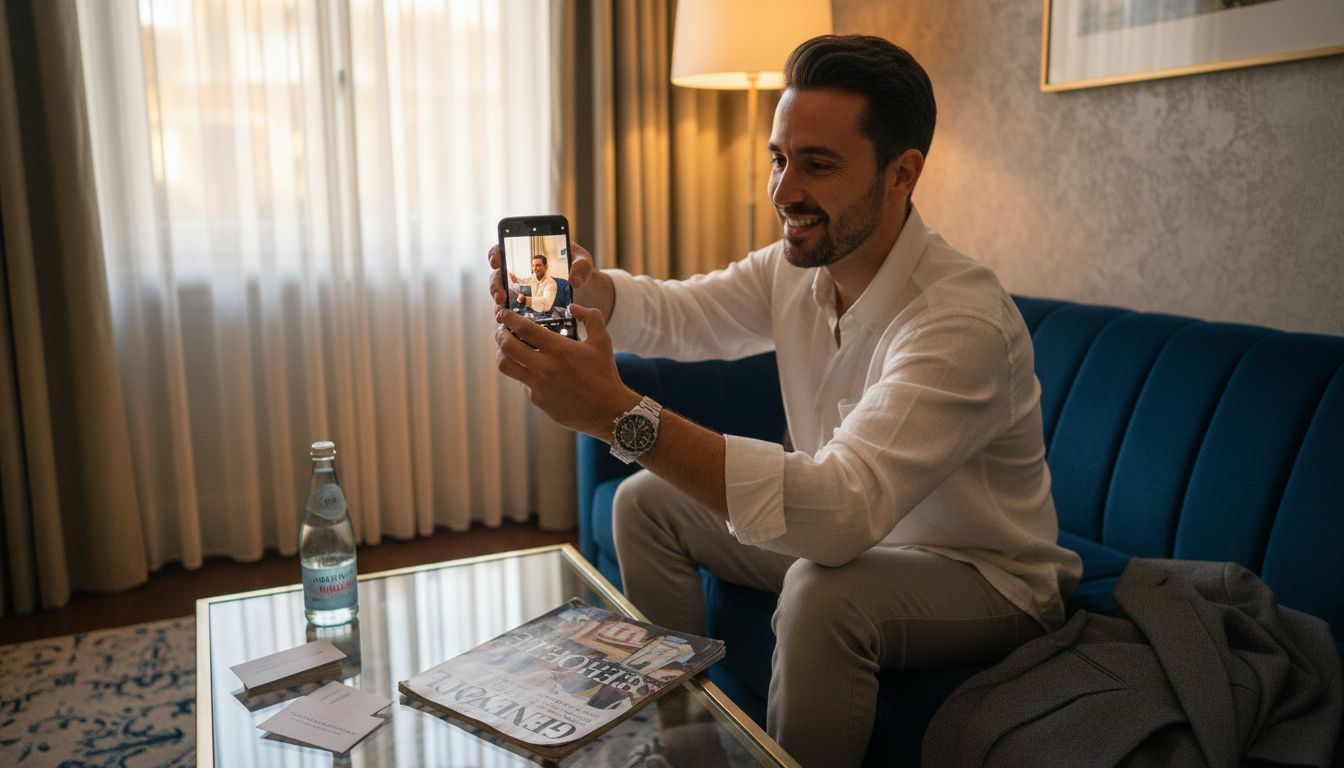
Here is a summary of influencer types and their potential impact on luxury fashion campaigns:
| Influencer Type | Typical Reach | Potential Impact | Best Use Case |
|---|---|---|---|
| Nano-Influencer | 1,000-10,000 | High engagement rates | Niche launches and exclusives |
| Micro-Influencer | 10,000-50,000 | Strong audience trust | Targeted awareness boosts |
| Macro-Influencer | 50,000-500,000 | Broad visibility | Brand expansion campaigns |
| Celebrity Influencer | 500,000+ | Major global visibility | Prestige and global launches |
Strategic selection depends on specific brand objectives, target demographic, and desired communication outcomes. Luxury brands must carefully assess an influencer’s alignment with their aesthetic, values, and brand positioning beyond mere follower metrics.
Pro tip: Prioritize influencer authenticity and audience quality over raw follower numbers when designing luxury marketing partnerships.
Core Strategies for Effective Campaigns
Successful influencer marketing in luxury fashion requires a multifaceted approach that transcends traditional advertising methods. Digital marketing strategies in luxury brands demonstrate that strategic campaign development is crucial for meaningful consumer engagement.
Key strategic components for effective luxury influencer campaigns include:
- Narrative Alignment
- Develop coherent brand storytelling
- Ensure authentic content representation
- Maintain consistent brand aesthetic
- Platform Selection
- Choose platforms matching target demographic
- Prioritize visual-driven platforms
- Consider audience engagement metrics
- Content Collaboration
- Co-create compelling visual narratives
- Allow creative freedom within brand guidelines
- Develop unique, platform-specific content strategies
Luxury brands must approach influencer partnerships as strategic collaborations rather than transactional marketing efforts. This means deeply understanding each influencer’s unique audience, aesthetic sensibilities, and potential for genuine brand alignment.
Successful campaigns require meticulous planning, including clear communication of brand expectations, comprehensive briefing processes, and ongoing performance evaluation. Brands should establish precise metrics for measuring campaign effectiveness beyond traditional engagement rates, focusing on qualitative impact and brand perception.
Pro tip: Develop comprehensive influencer partnership agreements that clearly outline creative expectations while preserving the influencer’s authentic voice and creative integrity.
Measuring ROI and Brand Impact
Measuring the effectiveness of influencer marketing in luxury fashion requires sophisticated analytical approaches that transcend traditional performance metrics. Predictive metrics for influencer marketing effectiveness reveal the complexity of accurately assessing campaign impact.
Key performance indicators for luxury influencer campaigns include:
- Quantitative Metrics
- Engagement rate
- Conversion rate
- Sales attribution
- Follower growth
- Website traffic
- Qualitative Metrics
- Brand sentiment analysis
- Audience perception shifts
- Content authenticity
- Brand alignment
- Long-term brand reputation
Unlike traditional marketing channels, influencer campaigns require nuanced evaluation techniques that blend digital analytics with brand perception measurements. Luxury brands must develop comprehensive tracking mechanisms that capture both immediate transactional outcomes and long-term brand equity implications.
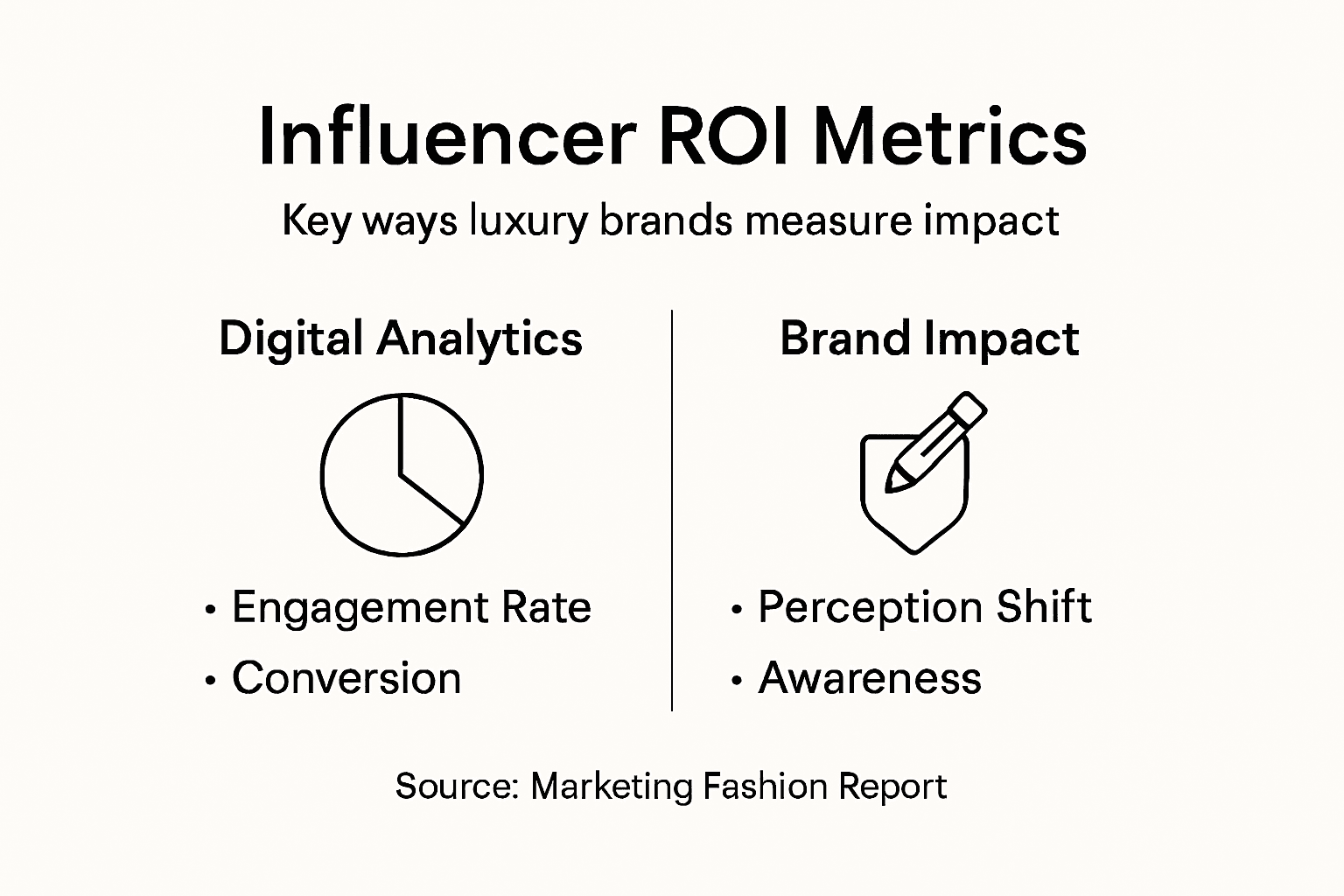
Successful ROI measurement demands a holistic approach combining advanced digital analytics, consumer behavior insights, and strategic brand positioning assessment. This means moving beyond surface-level engagement metrics to understand deeper consumer interaction patterns and emotional resonance generated through influencer partnerships.
Pro tip: Implement multi-dimensional tracking systems that evaluate influencer campaigns across financial, perceptual, and strategic performance dimensions.
Risks, Challenges, and Ethical Concerns
The landscape of influencer marketing in luxury fashion is fraught with complex ethical challenges that demand sophisticated navigation. Ethical challenges in influencer marketing reveal the intricate balance between brand promotion and maintaining consumer trust.
Key ethical risks and challenges include:
- Transparency Concerns
- Undisclosed sponsorship agreements
- Misleading content representations
- Lack of clear advertising disclaimers
- Authenticity Risks
- Potential for inauthentic brand alignments
- Over-commercialization of influencer content
- Erosion of genuine audience connections
- Regulatory Compliance
- Complex international advertising regulations
- Platform-specific disclosure requirements
- Potential legal repercussions for non-compliance
Luxury brands face heightened scrutiny due to their premium positioning, requiring an elevated approach to ethical influencer partnerships. The potential for reputation damage is significantly higher when influencer collaborations deviate from brand values or appear disingenuous.
Strategic risk mitigation involves developing comprehensive partnership guidelines, implementing rigorous vetting processes, and creating transparent communication protocols that protect both brand integrity and influencer creativity. This approach demands continuous monitoring and adaptive strategies that respond to evolving digital marketing landscapes.
Pro tip: Develop a comprehensive ethical framework that includes mandatory transparency guidelines, detailed content review processes, and clear performance expectations for influencer partnerships.
Comparing Alternatives to Influencer Marketing
Luxury fashion brands must strategically evaluate marketing approaches beyond traditional influencer partnerships. Digital marketing strategy alternatives reveal multiple sophisticated channels for maintaining brand prestige and consumer engagement.
Key alternative marketing strategies include:
- Content Marketing
- Long-form brand storytelling
- Editorial-style brand narratives
- Curated multimedia experiences
- Experiential Marketing
- Exclusive brand events
- Immersive digital experiences
- Interactive consumer engagement
- Traditional Advertising
- High-end print media campaigns
- Runway show sponsorships
- Strategic media placements
- Community Engagement
- Targeted digital communities
- Exclusive member programs
- Direct consumer interaction platforms
Each alternative marketing approach offers unique advantages that complement or potentially replace influencer strategies. Successful luxury brands recognize the importance of diversifying marketing channels to maintain brand exclusivity while reaching sophisticated consumer segments.
Compare the main marketing strategies luxury brands may use:
| Approach | Consumer Connection Type | Brand Control Level | Cost Range |
|---|---|---|---|
| Influencer Marketing | Emotional and social | Moderate | Medium to high |
| Content Marketing | Informative and aspirational | High | Moderate |
| Experiential | Immersive and memorable | High | High |
| Traditional Ads | Mass exposure | Maximum | Very high |
The most effective marketing strategies integrate multiple approaches, creating a comprehensive ecosystem that balances digital innovation with traditional brand communication techniques. This holistic approach ensures sustained brand relevance and consumer connection across diverse demographic segments.
Pro tip: Develop a multi-channel marketing strategy that leverages both digital and traditional platforms to create a comprehensive brand narrative.
Unlock the True Power of Influencer Marketing in Luxury Fashion
Are you struggling to create influencer campaigns that genuinely connect with your audience and elevate your luxury brand? This article highlights the crucial challenges of authenticity, alignment, and strategic storytelling that can make or break your marketing efforts. If you want to master psychology-driven marketing and tailor influencer partnerships that resonate emotionally while maintaining your brand’s prestige, expert guidance is essential.
Explore personalized solutions at Marketing Fashion – Corrado Manenti where strategy meets deep consumer insight. Understand the delicate balance of influencer impact with Fashion VS Influencer – Corrado Manenti and leverage tested methods that respect luxury standards. Visit Corrado Manenti today to transform your influencer marketing approach into a nuanced, effective driver of brand growth and audience engagement. Act now to secure a marketing strategy built on psychology, innovation, and meticulous brand care.
Frequently Asked Questions
What is influencer marketing in luxury fashion?
Influencer marketing in luxury fashion involves partnering with social media personalities who promote high-end fashion brands to their followers, leveraging their credibility and audience reach.
How do different types of influencers impact luxury fashion marketing?
Different types of influencers—nano, micro, macro, and celebrity—each offer unique advantages, such as engagement rates, community trust, and broad visibility. Micro-influencers are often preferred for their targeted and authentic campaigns.
What are some effective strategies for influencer marketing in luxury brands?
Effective strategies include aligning brand narratives with influencer content, selecting the right digital platforms, and collaborating closely on content creation to ensure authentic representation of the brand.
How can luxury brands measure the ROI of their influencer marketing campaigns?
Luxury brands can measure ROI through quantitative metrics like engagement rate and conversion rate, as well as qualitative metrics such as brand sentiment analysis and audience perception shifts.
Recommended
- Complete Guide to Influencers in Luxury Marketing – Corrado Manenti
- Influencer Partnerships Luxury Step by Step for Fashion Brands – Corrado Manenti
- 7 Powerful Examples of Fashion Marketing for Luxury Brands – Corrado Manenti
- 7 High-End Influencer Marketing Examples for Luxury Brands – Corrado Manenti
- blog | siift | Vibe Marketing: What It Is and Why It Matters
- Agentie SEO pentru magazine online fashion – Agentie SEO Bucuresti – Optimizare Garantata
- Are Viral Marketing Campaigns Here to Stay? | MB Web