
More than 60 percent of American luxury consumers say they choose brands that reflect their personal values and lifestyle. For many buyers, a product alone no longer satisfies the desire for uniqueness or status. Instead, luxury brands are mastering lifestyle marketing to create emotional connections that resonate far beyond a sale. Explore how these strategies shape identity, spark aspiration, and redefine what it means to buy luxury in the American market.
Table of Contents
- Defining Lifestyle Marketing in Luxury Sectors
- Psychology-Driven Strategies for Premium Audiences
- Digital Innovation and Consumer Engagement Trends
- Role of Experiential Branding and Storytelling
- Common Mistakes in Luxury Lifestyle Campaigns
Key Takeaways
| Point | Details |
|---|---|
| Lifestyle Marketing Emphasis | Luxury brands must create immersive experiences that resonate with consumer identities, going beyond simple product promotion. |
| Understanding Consumer Psychology | A deep understanding of the psychological motivations of premium audiences is essential to craft compelling narratives that drive emotional connections. |
| Digital Innovation Integration | Leveraging digital technologies, such as augmented reality and social media storytelling, is crucial for modern luxury brand engagement and consumer interaction. |
| Avoiding Common Pitfalls | Luxury brands should maintain authenticity and avoid brand dilution by ensuring that every marketing initiative aligns with their core values and heritage. |
Defining Lifestyle Marketing in Luxury Sectors
Lifestyle marketing transcends traditional product promotion, representing a sophisticated strategic approach where luxury brands craft immersive narratives that connect deeply with consumer identities and aspirational experiences. Emerging luxury brands recognize that modern consumers seek more than just products – they desire holistic experiences that reflect their personal aesthetic and values.
At its core, lifestyle marketing in luxury sectors involves creating comprehensive brand ecosystems that extend far beyond transactional relationships. McKinsey’s research highlights that building an authentic lifestyle image requires strategic alignment with core brand values, carefully developing narratives that resonate with target consumer segments. Consumer behaviors in luxury markets demonstrate that successful lifestyle marketing hinges on understanding nuanced demographic lifestyles and crafting precise, emotionally resonant positioning.
The strategic framework for luxury lifestyle marketing involves several critical dimensions: developing a compelling brand narrative, curating experiences that reflect consumer aspirations, maintaining exceptional quality across all touchpoints, and creating a sense of exclusivity. Luxury brands must meticulously choreograph every interaction to reinforce their unique positioning, transforming products from mere commodities into powerful symbols of personal identity and social distinction.
Pro Tip – Lifestyle Brand Development: Focus on creating an immersive brand universe that goes beyond product features, telling a compelling story that allows consumers to emotionally invest in your brand’s unique worldview and vision.
Here’s a comparison of traditional luxury marketing and lifestyle marketing approaches:
| Aspect | Traditional Luxury Marketing | Lifestyle Marketing in Luxury Sectors |
|---|---|---|
| Focus | Product features and heritage | Consumer identity and aspirations |
| Consumer Engagement | Transactional relationships | Immersive, ongoing experiences |
| Emotional Connection | Limited, product-centered | Deep, brand-aligned emotional bonds |
| Brand Value Delivery | Exclusivity via tangible goods | Holistic lifestyle integration |
Psychology-Driven Strategies for Premium Audiences
Psychology-driven marketing for luxury brands requires a nuanced understanding of consumer motivations, aspirations, and emotional triggers. Luxury consumer behavior insights reveal that premium audiences are not simply purchasing products, but investing in narratives that reflect their personal identity, social status, and deeper psychological needs.
Successful luxury marketing strategies leverage sophisticated psychological principles to create deep emotional connections. This approach goes beyond traditional demographic segmentation, focusing instead on understanding the complex psychological profiles of high-end consumers. Brands must decode the underlying motivations that drive purchasing decisions in premium markets – whether those are desires for exclusivity, self-expression, social recognition, or personal achievement.
The core psychological strategies for engaging premium audiences involve several critical dimensions. First, brands must develop a profound understanding of status signaling and how luxury purchases serve as symbolic representations of personal success. Second, they need to create experiences that tap into emotional resonance, allowing consumers to feel uniquely understood and valued. Third, luxury brands must craft narratives that align with consumers’ idealized self-image, providing a sense of belonging to an exclusive, aspirational world.
Pro Tip – Psychological Positioning: Develop a deep empathy map for your target audience, understanding not just their demographic characteristics, but their underlying emotional drivers, unspoken desires, and psychological motivations that transform a product from a mere purchase into a meaningful personal statement.
Digital Innovation and Consumer Engagement Trends
Digital innovation has fundamentally transformed luxury brand engagement, creating unprecedented opportunities for immersive consumer experiences. Digital strategies for luxury brands are no longer optional but essential for maintaining relevance in a rapidly evolving marketplace where technology and consumer expectations continuously intersect.
Authentic storytelling through digital channels has become a critical component of modern luxury marketing. Brands must leverage social media, interactive mobile applications, and sophisticated digital platforms to create meaningful connections that transcend traditional transactional relationships. This approach requires a nuanced understanding of how digital technologies can be strategically deployed to communicate brand narratives, showcase heritage, and create emotionally resonant experiences.
The most innovative luxury brands are pioneering advanced digital engagement strategies that blur the lines between physical and digital experiences. Emerging technologies like augmented reality, personalized virtual consultations, and immersive digital showrooms are transforming how premium consumers interact with luxury brands. These technologies enable unprecedented levels of customization, allowing brands to create highly personalized experiences that speak directly to individual consumer preferences and aspirational lifestyles.
Pro Tip – Digital Engagement Innovation: Continuously experiment with emerging digital technologies, but always ensure that technological innovation remains authentic to your brand’s core identity and does not compromise the fundamental emotional connection with your audience.
The table below summarizes major digital innovations transforming luxury consumer engagement:
| Digital Innovation | Description | Potential Impact |
|---|---|---|
| Augmented Reality | Virtual product try-ons and showrooms | Personalized immersive experience |
| Virtual Consultations | One-on-one digital brand advisory | Enhanced personal connection |
| Social Media Storytelling | Brand narratives via engaging online content | Stronger emotional resonance |
| Interactive Mobile Apps | Customized apps with loyalty features | Increased engagement and retention |
Role of Experiential Branding and Storytelling
Experiential branding represents a transformative approach to luxury marketing that transcends traditional product-centric strategies. Brand storytelling techniques enable luxury brands to create immersive narratives that connect deeply with consumers’ aspirational identities and emotional landscapes.
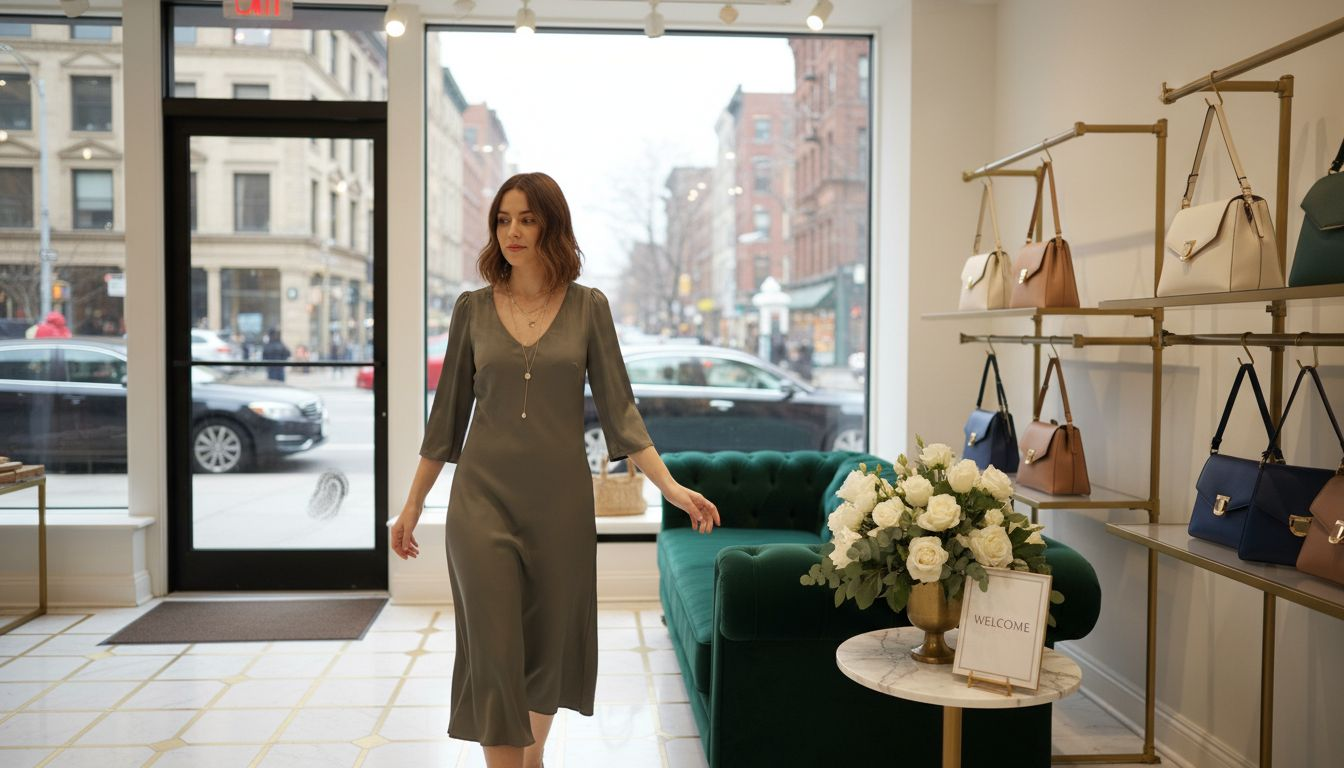
Holistic luxury experiences that extend beyond product boundaries have become fundamental to modern brand engagement. Successful experiential storytelling involves crafting complex narratives that seamlessly integrate brand heritage, consumer psychology, and emotional resonance. These narratives transform luxury offerings from mere commodities into powerful symbolic representations of personal identity, lifestyle, and individual achievement.
The most sophisticated luxury brands understand that experiential branding is an intricate art form requiring meticulous narrative construction. This involves creating multi-dimensional storytelling ecosystems that engage consumers across multiple touchpoints – from digital platforms and immersive physical experiences to personalized interactions that feel simultaneously exclusive and intimately understood. Such approaches require brands to develop deep anthropological insights into consumer motivations, cultural contexts, and evolving lifestyle aspirations.
Pro Tip – Narrative Authenticity: Develop storytelling strategies that are consistently true to your brand’s core identity, ensuring every narrative element feels genuine and organically connected to your brand’s unique heritage and values.
Common Mistakes in Luxury Lifestyle Campaigns
Luxury lifestyle marketing requires extraordinary precision and strategic insight, with numerous potential pitfalls that can rapidly erode brand credibility. Experiential campaign design demands meticulous attention to maintaining brand authenticity while avoiding common strategic errors that undermine luxury positioning.
Brand dilution through hasty category expansion represents one of the most significant risks for luxury brands. Marketers frequently make the mistake of attempting to broaden their market reach without carefully preserving their core brand essence. This typically manifests through inconsistent messaging, inappropriate collaborations, or product lines that deviate dramatically from the brand’s established identity and heritage.
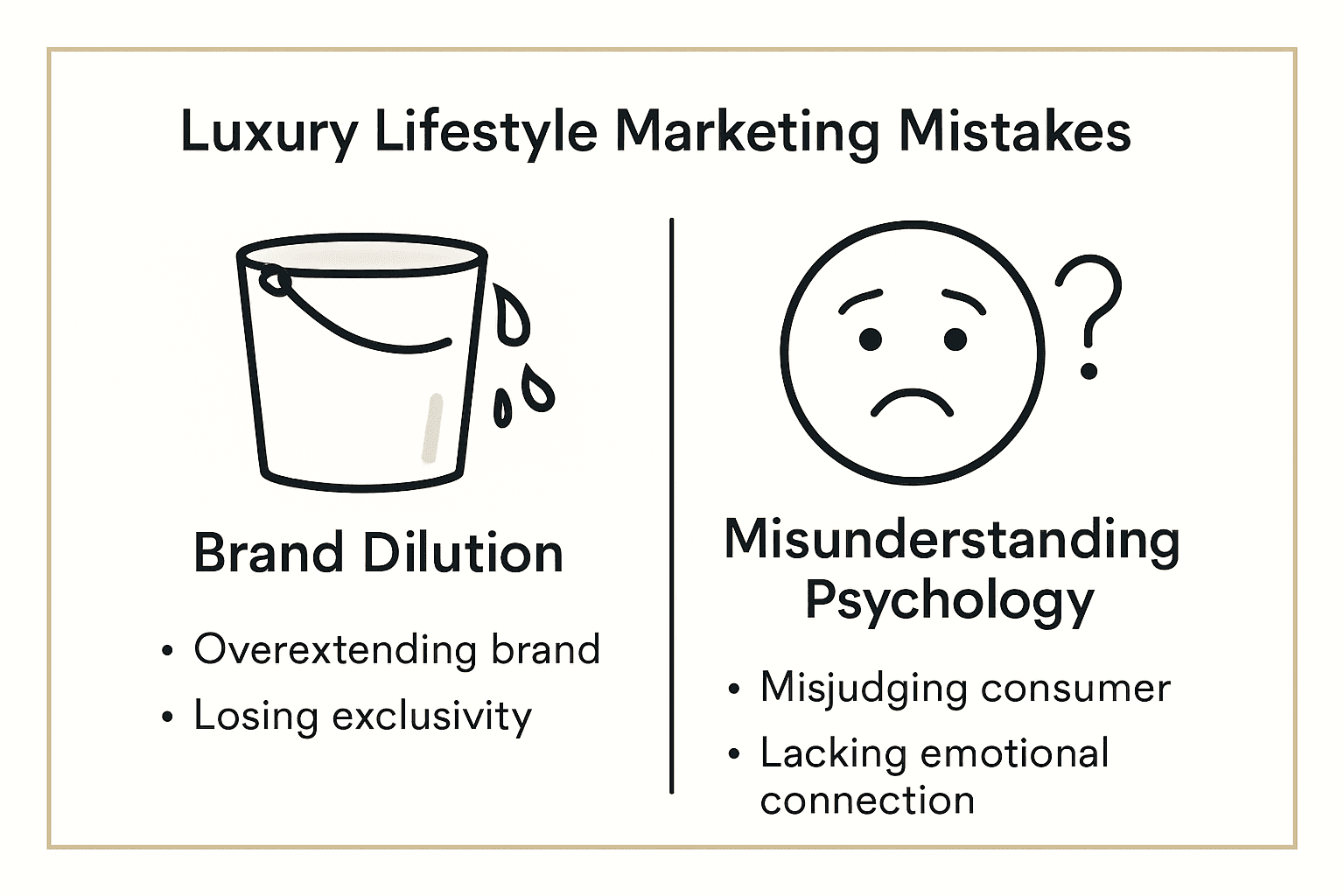
Another critical mistake involves misunderstanding the sophisticated psychological motivations of luxury consumers. Many campaigns fail by oversimplifying consumer desires, relying on generic aspirational imagery, or creating narratives that lack genuine emotional depth. Successful luxury lifestyle marketing requires nuanced storytelling that speaks to complex individual identities, personal achievements, and deep-seated psychological needs beyond surface-level aesthetic preferences.
Pro Tip – Strategic Authenticity: Continuously audit your marketing initiatives against your brand’s fundamental values, ensuring every campaign element reinforces your unique brand narrative and resonates authentically with your most discerning consumers.
Elevate Your Luxury Brand with Psychology-Driven Lifestyle Marketing
Lifestyle marketing for luxury brands demands a rare blend of emotional insight and strategic innovation. This article highlights crucial challenges such as creating authentic brand narratives and leveraging consumer psychology to build deep, lasting connections. If you are striving to transform your luxury brand experience beyond traditional marketing tactics and want to authentically engage premium audiences while maintaining exclusivity and emotional resonance, you are in the right place.
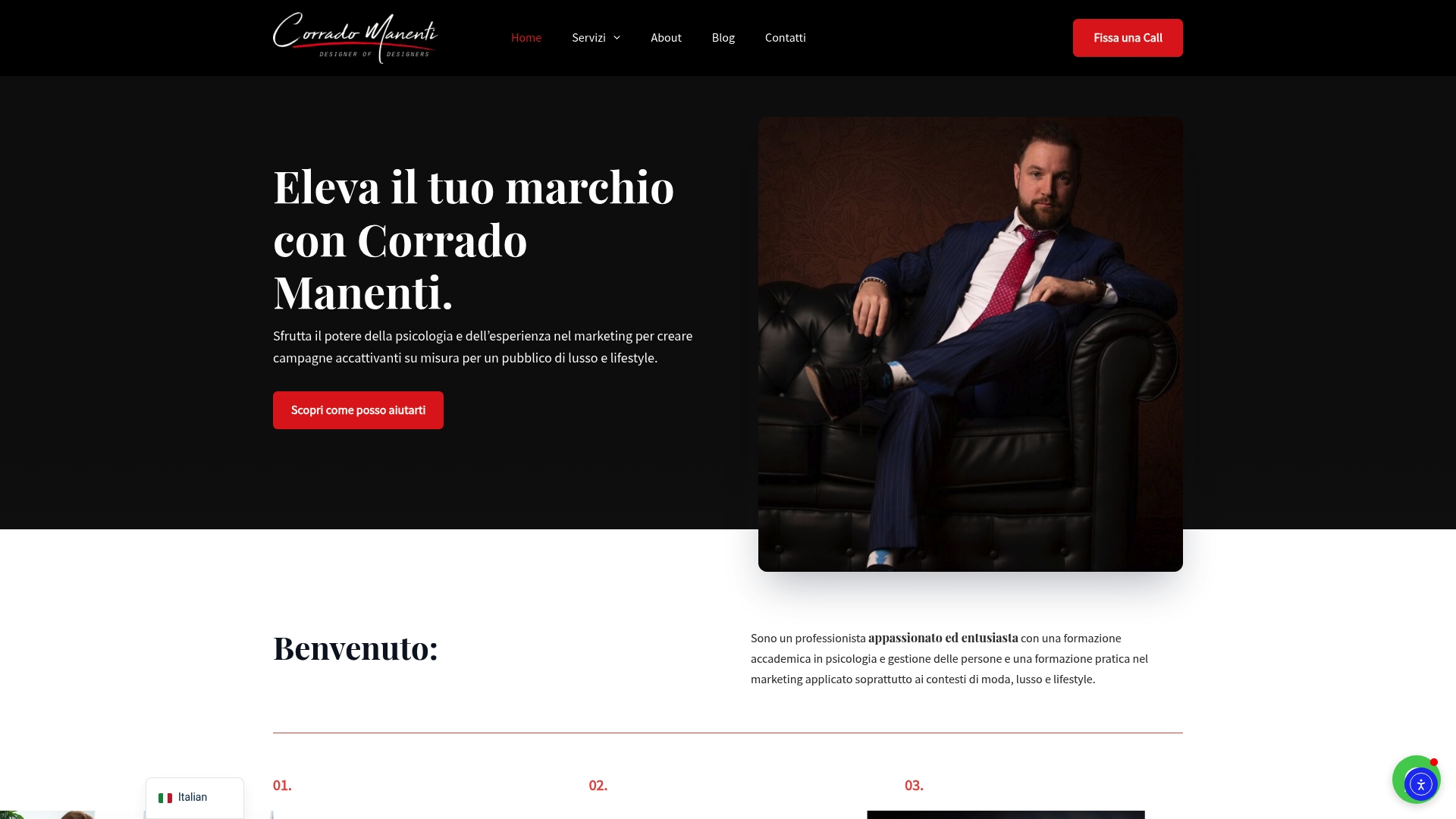
Discover how Corrado Manenti combines a strong academic background in psychology with hands-on expertise in luxury marketing to craft personalized strategies that resonate with your customers’ deepest aspirations. Explore tailored solutions in Marketing de la mode that elevate your brand presence with innovative digital strategies and authentic storytelling. Act now to partner with a consultant who ensures every detail aligns perfectly with your brand’s unique identity. Visit Corrado Manenti today and start creating immersive lifestyle experiences that captivate your audience and maximize your brand’s potential.
Frequently Asked Questions
What is lifestyle marketing in luxury sectors?
Lifestyle marketing in luxury sectors is a strategic approach that goes beyond traditional product promotion, focusing on creating immersive narratives that resonate with consumer identities and aspirations. It emphasizes holistic experiences that align with consumers’ personal values.
How does psychological understanding influence luxury marketing strategies?
Psychological understanding influences luxury marketing by deciphering the motivations and emotional triggers of premium audiences. Successful strategies tap into desires for exclusivity, self-expression, and social recognition, allowing brands to create deep emotional connections with consumers.
What are the key components of digital innovation in luxury branding?
Key components of digital innovation in luxury branding include augmented reality for virtual try-ons, personalized virtual consultations, and engaging social media storytelling. These technologies enhance consumer experiences and create tailored interactions that reinforce brand narratives.
What mistakes should luxury brands avoid in lifestyle marketing campaigns?
Luxury brands should avoid mistakes such as brand dilution through hasty category expansion, generic aspirational imagery, and superficial storytelling. Maintaining brand authenticity and a deep understanding of consumer motivations are crucial to successful lifestyle marketing.