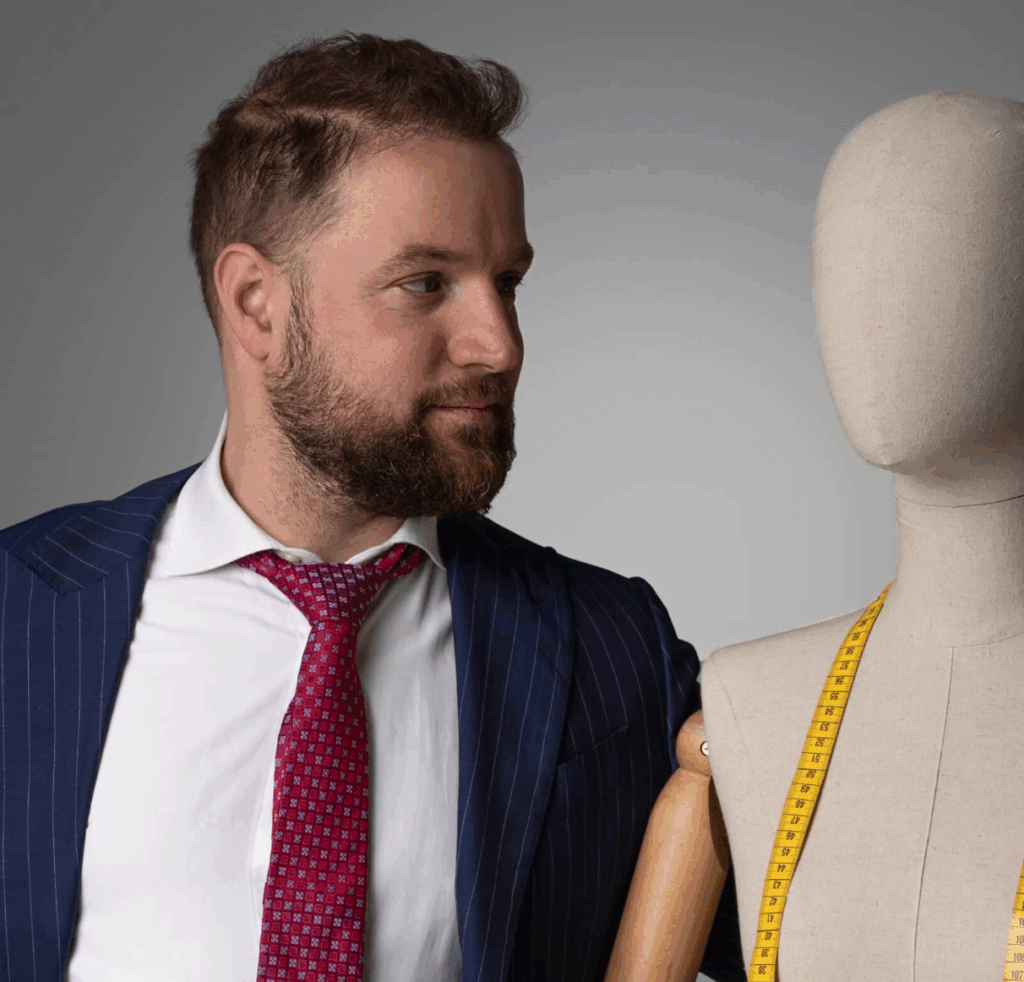

Most American luxury clients now expect brands to understand their desires before a single word is spoken. In a world where over 80 percent of high-net-worth consumers crave recognition as unique individuals, personalization is no longer a trend but the true mark of exclusivity. Readers will discover how cutting-edge strategies and emotional intelligence help fashion brands forge meaningful, lasting connections with their most discerning global clientele.
Table of Contents
- Defining Personalization In Luxury Marketing
- Types Of Personalized Luxury Experiences
- How Data And Psychology Drive Bespoke Service
- Building Emotional Connections And Client Loyalty
- Risks, Costs, And Common Pitfalls In Luxury Personalization
- Balancing Technology With Human Touch
Key Takeaways
| Point | Details |
|---|---|
| Emotional Engagement is Crucial | Building emotional connections enhances client loyalty and transforms interactions into meaningful experiences. |
| Leverage Advanced Technologies | Utilizing AI and predictive analytics enables hyper-personalized experiences that resonate deeply with clients. |
| Balance Technology with Human Touch | Integrating human interactions with technological insights ensures personalization feels authentic and bespoke. |
| Mindful Customization is Essential | Brands must navigate the balance between personalization and maintaining exclusivity to protect brand integrity. |
Defining Personalization in Luxury Marketing
Personalization in luxury marketing represents a sophisticated strategy of creating tailored experiences that transcend traditional consumer engagement. Beyond generic marketing approaches, it involves crafting individualized interactions that make high-net-worth clients feel uniquely understood and valued. The core principle revolves around transforming standard transactions into meaningful, emotionally resonant connections.
Modern luxury personalization goes far beyond simple demographic segmentation. Advanced predictive analytics enable hyper-personalized experiences that anticipate individual preferences with remarkable precision. This approach combines technological sophistication with emotional intelligence, allowing brands to create deeply individualized interactions across digital and physical touchpoints. The goal is not merely selling a product but curating an exclusive journey that feels meticulously crafted for each specific client.
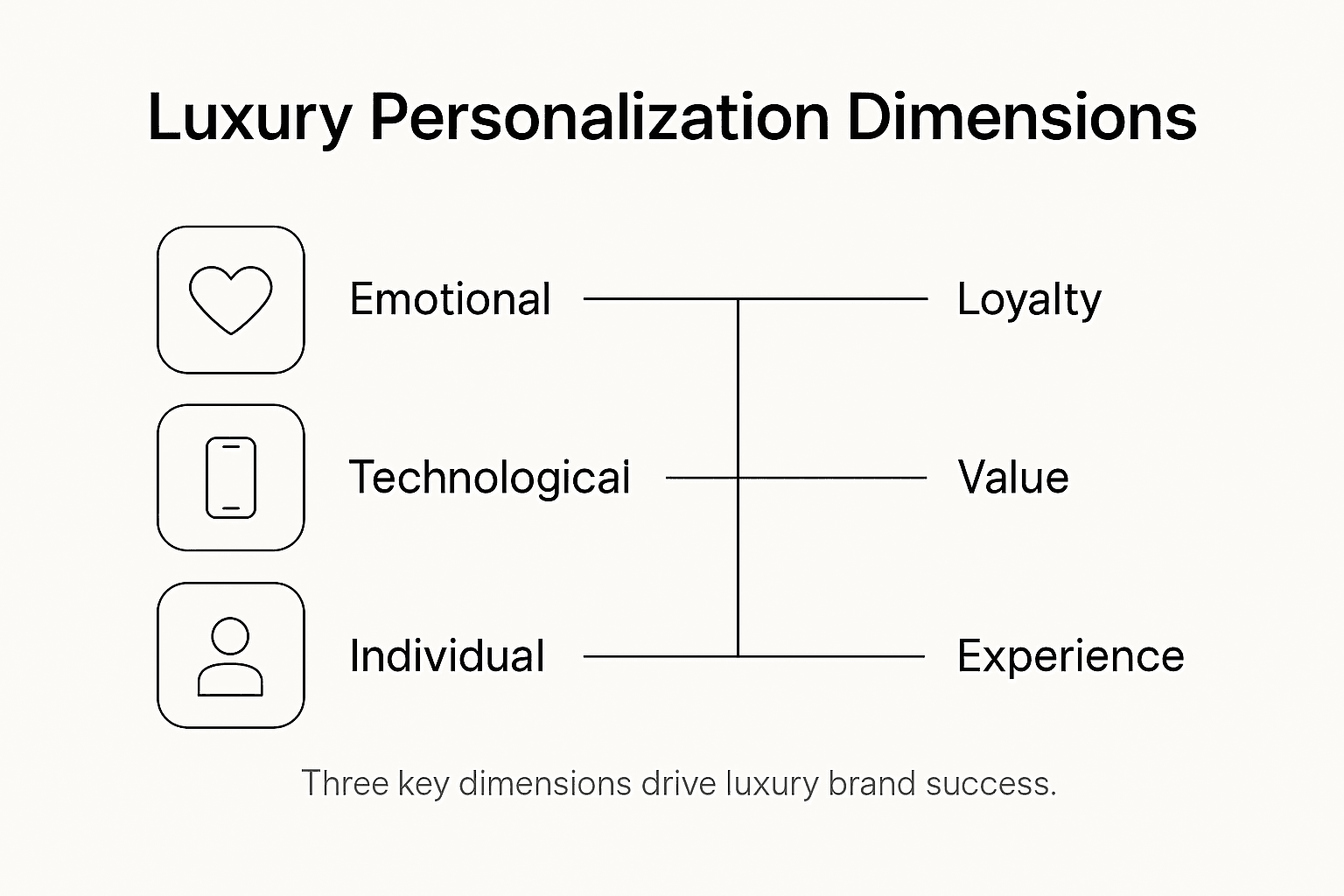
At its essence, luxury personalization involves three critical dimensions: emotional connection, technological precision, and brand-specific customization. Brands must leverage data intelligently while maintaining an authentic, human-centric approach that respects individual privacy and preference. This means using technology not as a replacement for human interaction, but as an enhancement that makes interactions more meaningful, seamless, and genuinely personalized.
Here is a summary of the key dimensions involved in luxury personalization:
| Dimension | Description | Business Impact |
|---|---|---|
| Emotional Connection | Builds trust and loyalty through empathy | Increases retention, advocacy |
| Technological Precision | Uses AI and analytics for deep insights | Drives higher conversion rates |
| Brand-Specific Customization | Reflects unique brand heritage | Differentiates brand, maintains status |
Pro Tip: Invest in customer data platforms that integrate behavioral, transactional, and emotional insights to create truly nuanced personalization strategies.
Types of Personalized Luxury Experiences
Luxury personalization represents a nuanced spectrum of tailored experiences that transform consumer interactions from transactional to deeply emotional. Personalized experiences range across multiple sophisticated dimensions, encompassing everything from product customization to exclusive service environments that make clients feel uniquely valued.
These personalized experiences can be categorized into several key types. Physical Product Customization involves creating bespoke products tailored to individual preferences, such as custom-fitted clothing, personalized jewelry design, or made-to-order accessories. Digital Personalization leverages advanced data analytics to curate individualized digital interactions, including targeted recommendations, personalized email communications, and adaptive website experiences that dynamically adjust based on client behavior and preferences.
The following table compares digital vs. physical personalization approaches in luxury marketing:
| Approach | Key Techniques | Typical Outcomes |
|---|---|---|
| Digital Personalization | AI-driven recommendations, data analytics | Real-time tailored experiences |
| Physical Customization | Custom fittings, bespoke design | Unique products, client exclusivity |
The most advanced luxury personalization strategies integrate physical and digital touchpoints seamlessly. This might include private virtual consultations with brand specialists, personalized shopping experiences that combine online and offline interactions, and curated content that reflects an individual client’s specific lifestyle, aesthetic preferences, and past purchasing history. Such holistic approaches transform luxury experiences from generic transactions into intimate, memorable journeys that resonate deeply with high-net-worth individuals.
Pro Tip: Develop a comprehensive customer data platform that captures not just transactional data, but emotional and behavioral insights to create truly personalized luxury experiences.
How Data and Psychology Drive Bespoke Service
Modern luxury brands are revolutionizing personalized experiences by integrating advanced data analytics with deep psychological insights. Sophisticated AI technologies like machine learning and natural language processing enable real-time predictive personalization that goes beyond traditional marketing approaches, creating experiences that feel intimately tailored to individual clients.
Psychological mechanisms play a crucial role in understanding consumer behavior and emotional needs. Emotional Intelligence Analytics help brands decode the underlying motivations behind purchasing decisions, allowing them to craft services that not only meet functional requirements but also resonate with clients’ deeper sense of self. Customization in luxury products directly influences subjective well-being by connecting with consumers’ identity and personal authenticity, transforming transactions into meaningful personal experiences.
The intersection of data and psychology enables luxury brands to develop remarkably precise targeting strategies. By analyzing behavioral patterns, emotional triggers, and personal preferences, brands can create nuanced service models that anticipate client needs before they are explicitly expressed. This predictive approach allows for hyper-personalized interactions that make clients feel genuinely understood, respected, and valued as unique individuals.
Pro Tip: Develop a multidisciplinary team combining data scientists, psychologists, and marketing experts to create truly sophisticated personalization strategies.
Building Emotional Connections and Client Loyalty
Personalization in luxury marketing transcends transactional interactions by creating profound emotional connections that transform customers into deeply loyal brand advocates. By meticulously understanding and reflecting each client’s unique identity, preferences, and lifestyle, luxury brands can craft experiences that resonate far beyond simple product exchanges.
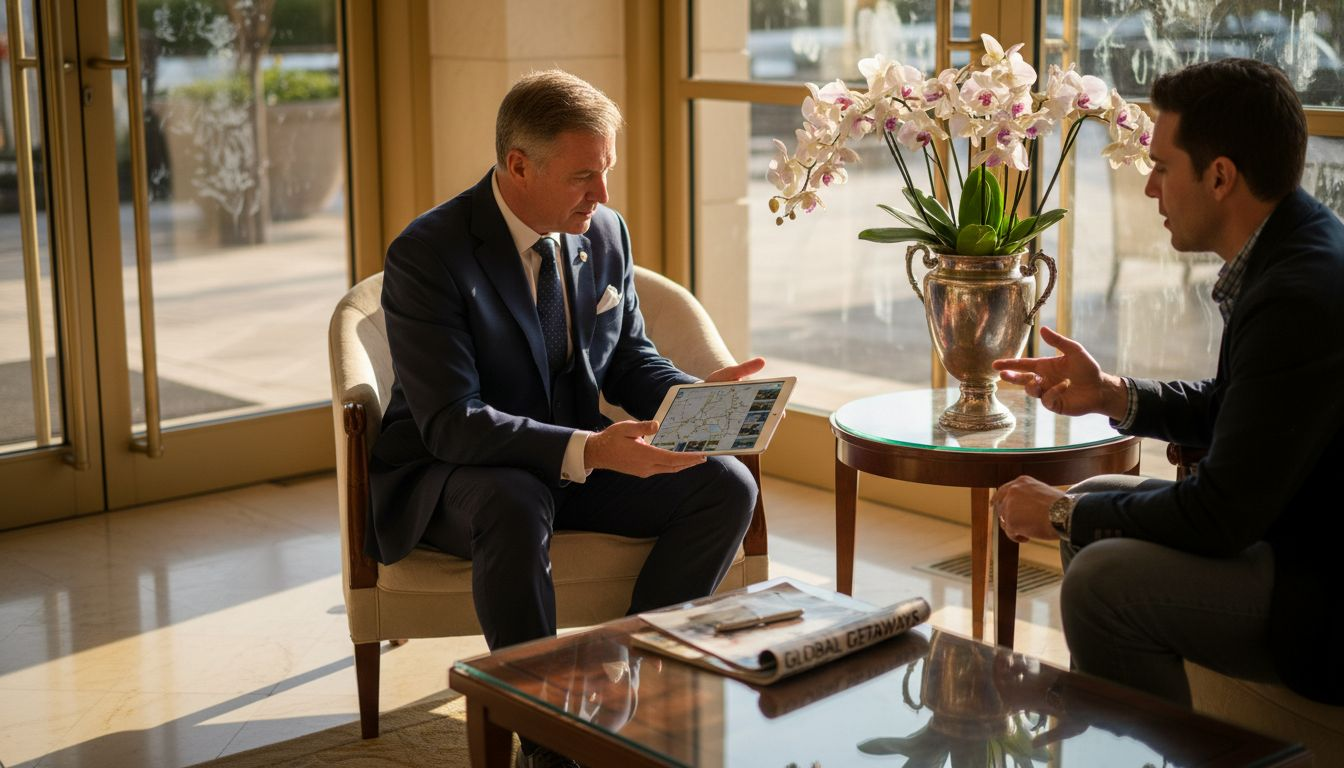
Emotional Resonance Strategies involve developing multilayered engagement approaches that make clients feel genuinely understood and valued. This means moving beyond demographic data to comprehend the intricate psychological landscape of high-net-worth individuals. Luxury brands must create narratives and experiences that align with clients’ self-perception, aspirational identities, and deeper emotional needs, effectively turning each interaction into a meaningful personal journey.
The future of luxury marketing depends on crafting bespoke experiences that engage customers at a profound emotional level, transforming traditional client relationships into dynamic, evolving partnerships. By consistently demonstrating an understanding of individual desires and consistently exceeding expectations, brands can create a sense of exclusivity and belonging that goes well beyond traditional customer loyalty models. This approach requires continuous adaptation, deep empathy, and a commitment to understanding the evolving emotional landscape of each unique client.
Pro Tip: Implement a comprehensive client profiling system that captures not just transactional history, but emotional preferences, lifestyle aspirations, and personal narratives.
Risks, Costs, and Common Pitfalls in Luxury Personalization
Luxury brand personalization involves complex strategic challenges that can potentially compromise brand integrity if not implemented with exceptional precision and thoughtfulness. The delicate balance between customization and maintaining brand exclusivity requires a nuanced approach that respects both consumer desires and brand heritage.
Strategic Personalization Risks encompass multiple critical dimensions. Excessive consumer control can inadvertently dilute design equity and undermine the carefully cultivated aesthetic that defines luxury brands. When personalization becomes too granular, it risks transforming exclusive products into commoditized experiences, potentially eroding the aspirational status and mystique that luxury consumers inherently seek.
Financial considerations represent another significant challenge in personalization strategies. Implementing sophisticated data analytics, artificial intelligence, and custom design capabilities requires substantial technological infrastructure and specialized talent. Brands must carefully evaluate the return on investment, ensuring that personalization efforts generate sufficient additional revenue to justify the considerable operational and technological expenses associated with these advanced customization approaches.
Pro Tip: Establish clear personalization boundaries that allow meaningful customization while preserving the brand’s core design philosophy and aesthetic integrity.
Balancing Technology With Human Touch
Luxury personalization demands a sophisticated integration of advanced digital technologies with authentic human interactions that preserves the emotional core of high-end brand experiences. The goal is not to replace human expertise with algorithms, but to enhance and amplify the nuanced, personalized service that luxury clients expect and value.
Technological Augmentation Strategies require a delicate approach that uses data and artificial intelligence as supportive tools rather than primary engagement mechanisms. Successful luxury brands strategically blend AI-driven recommendations with expert human consultation, creating a symbiotic relationship where technology provides insights and human specialists translate those insights into truly meaningful, empathetic interactions. This approach allows for unprecedented personalization while maintaining the warmth, sophistication, and individual attention that define luxury service.
The most effective personalization models recognize technology as an enabler, not a replacement, for human connection. Sophisticated data platforms can provide deep insights into client preferences, anticipate needs, and create personalized communication frameworks. However, the final interpretation, emotional resonance, and tailored recommendation must still come from skilled human professionals who understand the nuanced psychology of luxury clientele. This ensures that personalization feels genuinely bespoke rather than mechanically generated.
Pro Tip: Train your human specialists to leverage technological insights as conversation starters, not replacement interactions, focusing on using data to deepen emotional understanding.
Elevate Your Luxury Brand With Psychology-Driven Personalization
Personalization matters for luxury brands because it transforms ordinary interactions into powerful emotional connections that build lasting loyalty. The article highlights key challenges like balancing brand exclusivity with meaningful customization and combining technology with human touch to create those bespoke experiences your high-end clients expect. Achieving this calls for a strategic approach that integrates emotional intelligence, sophisticated marketing techniques, and a deep understanding of consumer psychology.
Unlock your brand’s full potential through expert guidance in Marketing de la mode and personalized strategies rooted in psychology.
Discover how Corrado Manenti’s unique blend of psychology and luxury marketing can help you design emotionally resonant campaigns that captivate your audience and enhance customer loyalty today. Visit https://corradomanenti.it to learn more and start crafting truly bespoke luxury experiences that set your brand apart.
Frequently Asked Questions
Why is personalization important in luxury marketing?
Personalization is essential in luxury marketing as it helps create unique, emotionally resonant experiences for high-net-worth clients. This tailored approach enhances customer satisfaction, loyalty, and retention by making clients feel valued and understood.
How does technology enhance personalization in luxury brands?
Technology enhances personalization through advanced data analytics, AI, and machine learning, allowing brands to anticipate individual preferences and deliver hyper-personalized experiences across digital and physical touchpoints. This integration creates seamless engagements that resonate with clients.
What are the risks associated with luxury brand personalization?
The risks include diluting brand integrity and exclusivity if customization becomes excessive. Additionally, significant financial investments in technology and strategy are necessary, making it crucial for brands to balance personalization efforts with their core identity and heritage.
How can luxury brands balance technological innovation with personal touch?
Luxury brands can balance this by using technology as a supportive tool rather than a replacement for human interaction. Skilled human professionals should interpret data insights and engage clients in empathetic ways, ensuring that personalized experiences maintain warmth and sophistication.
Recommended
- 7 Essential Branding Trends in 2025 for Luxury Leaders – Corrado Manenti
- 7 Insights into Luxury Consumer Behavior Lists – Corrado Manenti
- Understanding Brand Differentiation in Luxury Markets – Corrado Manenti
- Understanding the Role of Detail in Luxury Branding – Corrado Manenti
- Rol van Branding: Complete Gids voor Ondernemers – Ondernemers Plaza Online