

Most american consumers connect more deeply with brands that tell an authentic story than with those that only list features. In sales, storytelling goes far beyond simple persuasion, shaping trust and emotional bonds in ways statistics alone cannot achieve. Understanding the psychology and strategies behind these narratives reveals how successful brands inspire loyalty, spark desire, and turn ordinary transactions into memorable experiences.
Table of Contents
- Defining Storytelling In Sales Contexts
- Psychological Triggers Behind Storytelling Impact
- Types Of Stories That Influence Buyer Behavior
- Proven Brand Strategies In Fashion And Luxury
- Common Storytelling Pitfalls And How To Avoid Them
Key Takeaways
| Point | Details |
|---|---|
| Storytelling Transforms Sales | Effective storytelling shifts sales from mere transactions to meaningful emotional connections that resonate with customers. |
| Psychological Mechanisms Enhance Engagement | Narratives activate emotional and cognitive processes, strengthening customer connections and driving purchasing behavior. |
| Effective Story Elements | Successful stories in luxury branding incorporate authenticity, emotional depth, and a consistent brand voice across channels. |
| Avoiding Common Pitfalls | Brands must ensure narratives maintain authenticity and prioritize customer perspectives to prevent being perceived as manipulative. |
Defining Storytelling in Sales Contexts
Storytelling in sales transcends traditional pitch techniques, transforming communication from transactional exchanges to powerful emotional connections. Narrative strategies represent a sophisticated approach where brands communicate value through compelling human experiences rather than mere product specifications.
At its core, storytelling involves crafting narratives that resonate with customers’ perspectives by understanding their unique worldviews and emotional landscapes. Skilled luxury brand professionals recognize that effective stories center on the customer’s journey, aspirations, and transformative potential rather than product features. The narrative becomes a bridge connecting brand offerings with individual customer desires.
Successful storytelling in sales contexts requires several strategic elements:
- Authenticity in narrative construction
- Deep understanding of target audience psychology
- Emotional resonance that transcends rational decision making
- Personalization of brand messaging
- Consistent narrative across multiple engagement channels
Understanding storytelling as a sophisticated communication tool means recognizing its capacity to articulate emotional aspects alongside factual content. Luxury brands particularly excel when they craft narratives that invite customers into immersive experiences, transforming sales interactions from transactional moments into meaningful emotional journeys.
Psychological Triggers Behind Storytelling Impact
Neurological responses play a critical role in transforming storytelling from a communication technique into a powerful psychological mechanism that drives human decision making. When brands craft narratives strategically, they tap into fundamental cognitive and emotional processes that transcend traditional marketing approaches.
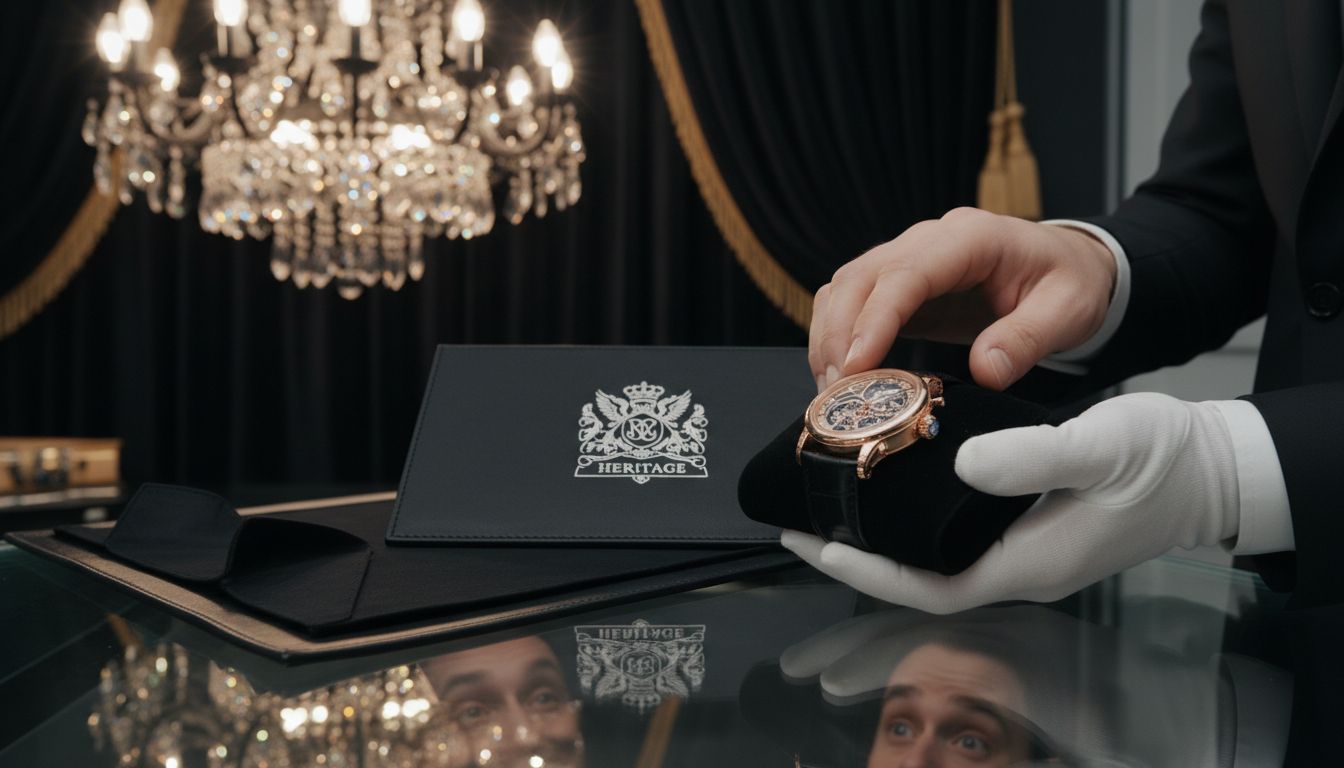
Storytelling leverages sophisticated psychological mechanisms such as empathy, identification, and narrative transportation. These mechanisms activate specific brain regions associated with motivation, semantic processing, and social cognition, enabling brands to create profound emotional connections that go far beyond rational product presentations. By engaging audiences through immersive narratives, luxury brands can stimulate deep psychological triggers that influence perception and purchasing behavior.
The neurological impact of storytelling is remarkably complex. When individuals hear a compelling story, both hemispheres of their brain become activated, processing information as if they were experiencing the narrative firsthand. This dual-hemisphere engagement leads to:
- Enhanced emotional resonance
- Increased memory retention
- More profound experiential connections
- Improved creative interpretation
- Stronger psychological investment
Psychological storytelling in luxury contexts works by transforming product experiences into personal journeys. Instead of presenting features and specifications, successful narratives create emotional landscapes where customers can imagine themselves transformed, elevated, and connected to something greater than a simple transaction. The most powerful stories don’t just describe products they invite customers to become part of an aspirational narrative that speaks directly to their deepest desires and self-perception.
Types of Stories that Influence Buyer Behavior
Narrative archetypes are powerful psychological tools that transform ordinary sales interactions into compelling emotional journeys. Luxury brands must strategically design stories that resonate deeply with their target audience’s aspirations, values, and inner narratives.
Strategic storytelling in sales involves crafting narratives that seamlessly connect factual information with emotional experiences. These narratives go beyond traditional product descriptions by creating memorable characters and event sequences that engage customers on multiple psychological levels. The most effective stories in luxury contexts combine four critical elements: engagement, emotion, logical progression, and authentic representation.
Several key narrative types prove particularly effective in influencing buyer behavior:
- Transformation Stories: Highlighting personal evolution through product experience
- Heritage Narratives: Connecting current offerings with brand legacy and craftsmanship
- Aspirational Journeys: Depicting customers achieving elevated life experiences
- Collaborative Impact: Showcasing brand’s commitment to social responsibility
- Personal Challenge Narratives: Demonstrating product’s role in overcoming obstacles
Starting a presentation with a strategically constructed story can dramatically increase audience interest and comprehension. In the luxury market, these narratives are not merely communication tools but sophisticated psychological mechanisms that reshape perceptions, trigger emotional responses, and ultimately guide purchasing decisions. The most powerful stories invite customers to imagine themselves as the protagonist in an unfolding narrative of personal transformation and excellence.
Proven Brand Strategies in Fashion and Luxury
Brand positioning in luxury markets demands sophisticated storytelling approaches that transcend traditional marketing techniques. Successful luxury brands recognize that their narrative must be more than a simple product description, but a comprehensive emotional ecosystem that invites customers into an exclusive world.
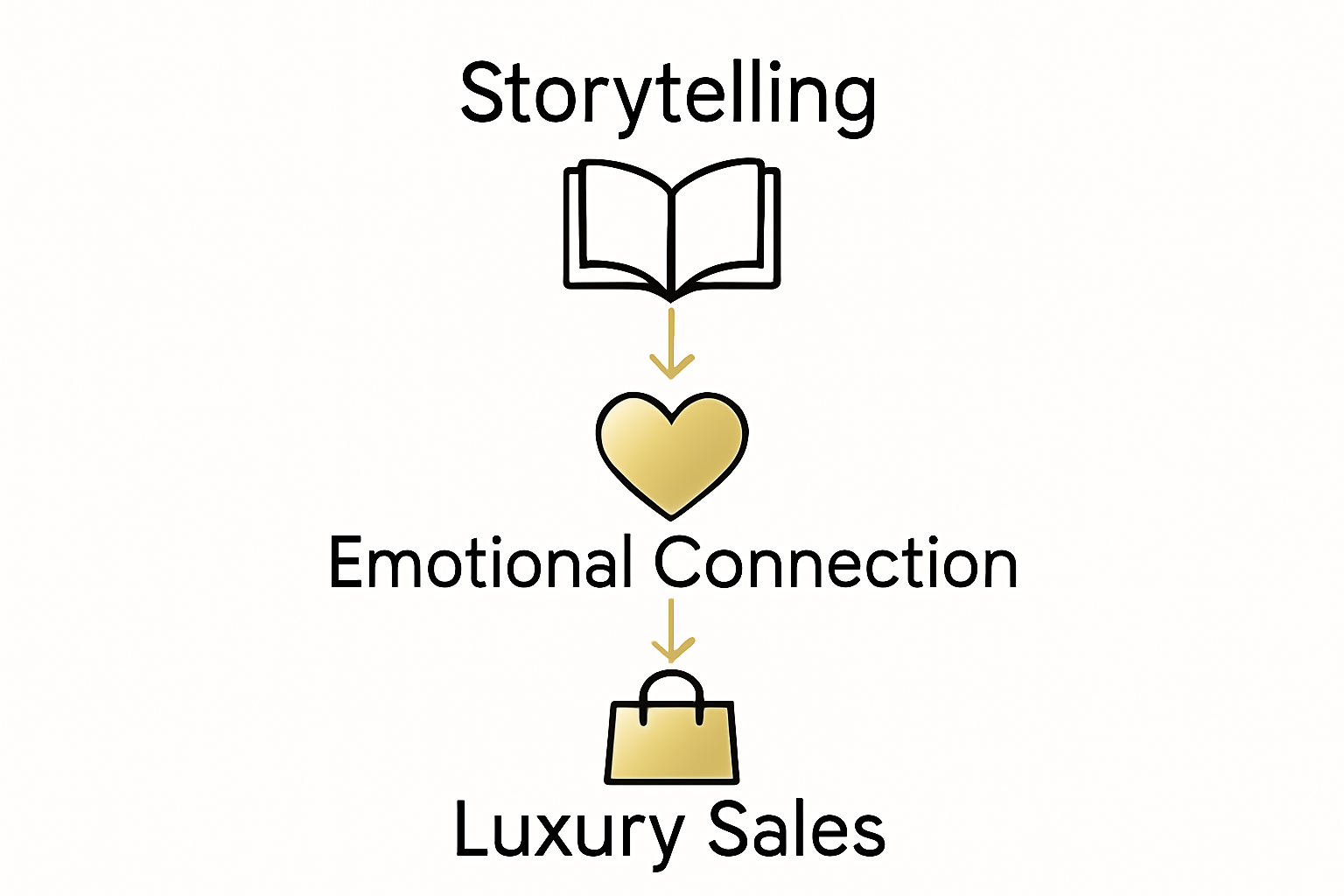
Luxury brands utilize storytelling to highlight their core values, creating powerful emotional connections that extend far beyond mere transactional relationships. By meticulously crafting narratives that communicate their vision, heritage, and unique mission, these brands attract customers who deeply resonate with their underlying philosophical principles. The most effective strategies focus on articulating brand purpose through compelling, authentic stories that reveal the deeper meaning behind each product.
Key strategic approaches for luxury brand storytelling include:
- Heritage Narrative: Emphasizing historical craftsmanship and generational expertise
- Artisan Spotlight: Showcasing individual creators and their exceptional skills
- Sustainability Journey: Demonstrating commitment to ethical production
- Cultural Connection: Linking brand identity with broader social and cultural movements
- Personal Transformation: Positioning products as catalysts for individual growth
Effective storytelling creates a combined reality that unites audiences through shared experiences and emotional resonance. In the luxury sector, this means developing narratives that are simultaneously entertaining, realistic, informative, and meticulously organized. The most powerful brand stories invite customers to see themselves not just as consumers, but as participants in an exclusive, meaningful narrative that transcends traditional marketing boundaries.
Common Storytelling Pitfalls and How to Avoid Them
Narrative authenticity represents the critical foundation of effective storytelling in luxury brand communications. Brands must navigate a complex landscape of emotional engagement, avoiding strategies that could potentially undermine their carefully constructed narrative.
If customers perceive storytelling as a manipulative persuasive tactic, the entire communication strategy risks complete failure. Luxury brands must craft narratives that feel genuine, transparent, and deeply aligned with their core values. This means moving beyond superficial marketing techniques and creating stories that reflect true brand essence and customer aspirations.
Common storytelling pitfalls luxury brands must strategically avoid include:
- Inauthentic Narratives: Stories that feel contrived or disconnected from brand reality
- Overly Promotional Language: Messaging that sounds like traditional sales pitches
- Lack of Emotional Depth: Narratives that fail to create meaningful connections
- Inconsistent Brand Voice: Stories that deviate from established brand personality
- Neglecting Customer Perspective: Narratives that center on brand achievements instead of customer experiences
Not all sales professionals are naturally skilled storytellers, which creates significant challenges in narrative development. Successful luxury brands invest in comprehensive storytelling training, ensuring that every team member can authentically communicate brand narratives. The goal is to transform storytelling from a potential risk into a sophisticated art form that resonates deeply with discerning customers, creating emotional connections that transcend traditional marketing approaches.
Elevate Your Luxury Brand with Psychology-Driven Storytelling
Mastering storytelling in luxury sales means connecting with customers on a deeply emotional level while staying authentic and aligned with your brand’s core values. This guide highlights common challenges like avoiding inauthentic narratives and creating personalized stories that resonate with sophisticated buyers. Understanding these critical pain points enables your brand to craft transformative stories that drive engagement and loyalty.
Leverage Corrado Manenti’s unique expertise in Digital Positioning – Corrado Manenti to implement psychology-driven marketing strategies tailored for luxury brands. His approach integrates behavioral insights with meticulous brand management to help you create compelling narratives that captivate your audience and elevate your market presence.
Ready to transform your storytelling and amplify sales results Today explore personalized consulting solutions at Corrado Manenti. Start crafting authentic stories that connect emotionally and set your luxury brand apart now.
Frequently Asked Questions
What is the importance of storytelling in luxury sales?
Storytelling in luxury sales is crucial as it transforms traditional pitches into emotional connections, allowing brands to communicate value through relatable human experiences rather than just product features.
How can luxury brands ensure authenticity in their storytelling?
Luxury brands can ensure authenticity by crafting narratives that reflect true brand essence, align with core values, and resonate with customer aspirations, making them feel genuine and transparent.
What types of stories are most effective for influencing buyer behavior in luxury markets?
Transformation stories, heritage narratives, aspirational journeys, collaborative impact stories, and personal challenge narratives are particularly effective in influencing buyer behavior by connecting emotionally with customers.
What are common pitfalls to avoid in luxury brand storytelling?
Common pitfalls include inauthentic narratives, overly promotional language, lack of emotional depth, inconsistent brand voice, and neglecting the customer perspective. Avoiding these helps maintain effective communication with customers.
Recommended
- Complete Guide to the Role of Brand Storytelling – Corrado Manenti
- Understanding Luxury Brand Storytelling Guide – Corrado Manenti
- Understanding Why Brand Storytelling Works in Luxury – Corrado Manenti
- Understanding Luxury Brand Storytelling Guide – Corrado Manenti
- Créer un storytelling percutant pour engager votre audience