
TL;DR:
- Authentic heritage storytelling and consistent brand values drive loyalty and influence high-end purchase decisions.
- Technology like AI and AR should enhance genuine brand narratives and be measured with relevant metrics.
- Experiential campaigns deepen emotional connections, boosting long-term loyalty and brand equity.
Luxury fashion is one of the most competitive content arenas on the planet. Standing out requires more than polished visuals and a recognizable logo. It demands a precise blend of psychological insight, authentic storytelling, and smart technology use. While AI and AR are reshaping personalization, the brands that consistently win consumer loyalty are those that keep heritage and authenticity at their core. In this article, we’ll walk through five evidence-backed content marketing strategies built specifically for luxury fashion marketers who want to drive deeper engagement and measurable sales growth.
Table of Contents
- Define your brand’s authentic story and heritage
- Leverage technology: AI, AR, and virtual try-ons
- Create experiential campaigns for deeper engagement
- Maximize consumer engagement through curated storytelling and social strategies
- Rethinking luxury fashion content marketing: What most brands overlook
- Unlock luxury brand growth with tailored strategies
- Frequently asked questions
Key Takeaways
| Point | Details |
|---|---|
| Authentic storytelling wins | Genuine brand narratives build lasting consumer loyalty in luxury fashion. |
| Tech enhances personalization | AI and AR create immersive, personalized buying experiences without sacrificing heritage. |
| Experiences drive engagement | Experiential campaigns foster emotional bonds and elevate brand perception. |
| Strategic storytelling boosts sales | Segmented and curated stories paired with targeted social media amplify engagement and conversions. |
| Track value beyond sales | Use tools like the LYST Index to measure intangible results from content strategies. |
Define your brand’s authentic story and heritage
Every luxury house has a founding myth, a guiding philosophy, or a signature craft. The problem is that many brands let these stories gather dust in the archive instead of weaving them into every content touchpoint. Brand heritage and authenticity are not soft marketing values. They are measurable drivers of consumer loyalty that directly influence purchase decisions at the highest price points.
An impactful heritage narrative typically includes three core elements:
- The founder’s original vision: Why was the brand created, and what obsession drove it?
- Defining craft or material: What does the brand do better than anyone else, and how long has it done it?
- A legacy moment: A historical event, collaboration, or creation that crystallized the brand’s identity in culture.
Knowing these elements is just the starting point. The real challenge is translating them into modern content that feels relevant rather than nostalgic. Think of how Loro Piana consistently frames its vicuña fiber sourcing not as a product feature but as a decades-long relationship with Andean communities. That context transforms a material into a symbol of guardianship, and guardianship is deeply compelling to high-net-worth consumers.
“Authenticity in luxury fashion is not about telling consumers what you’ve made. It’s about showing them what you believe, proven by what you’ve done.”
To put this into practice, start by auditing your current content library against your heritage pillars. Ask which pieces would still make sense if your logo were removed. If the content falls apart without the logo, it isn’t carrying the brand story. It’s just carrying the brand mark. Once you identify the gaps, build a content calendar specifically designed to fill them with archival materials, founder perspectives, and craft documentation.
Building those luxury storytelling strategies into your editorial planning from the outset ensures that every campaign reinforces brand identity rather than temporarily borrowing from it.
Pro Tip: Interview your atelier craftspeople or archivists on video and distribute short clips across owned and paid channels. Audiences respond powerfully to the human behind the craft, especially in categories where most competitors show only the finished product.
Leverage technology: AI, AR, and virtual try-ons
Once your brand story is established, modern technology can amplify engagement at scale without diluting the premium experience. The key word is amplify, not replace. AI and AR for personalization and virtual try-ons are genuinely transforming how luxury consumers interact with fashion content, but they must operate in service of your authentic narrative.
Here’s a structured approach to implementing technology in your content marketing:
- Start with behavioral data. AI can segment your audience by browsing patterns, purchase history, and content interaction. Use these segments to personalize editorial recommendations, lookbook flows, and email sequences rather than sending generic campaigns.
- Introduce AR at high-intent moments. Virtual try-on technology works best when placed at decision points, such as the product detail page or a digital lookbook. Luxury brands like Gucci and Burberry have used AR effectively to let consumers visualize accessories in their own environment, reducing purchase hesitation without cheapening the experience.
- Document the technology as a craft. Position the AI or AR experience itself as a form of innovation heritage. Show your audience the engineering and creative process behind it.
- Test and measure with the right metrics. Standard click-through rates won’t capture the full picture. Track time-on-experience, virtual try-on completion rates, and downstream conversion from AR-engaged sessions.
Speaking of metrics, one of the most insightful tools for luxury brands is the LYST Index, which ranks brands based on search momentum, social buzz, and consumer intent signals. This gives you a way to measure intangible value, things like cultural relevance and aspiration, alongside hard sales data. It’s worth integrating LYST data into your quarterly performance reviews.

For practical inspiration, explore these high-end content ideas that blend technology with brand storytelling in luxury contexts. You can also find broader strategic thinking on the luxury brand blog insights to stay current on how the sector is evolving.
Pro Tip: Before investing in any new technology platform, ask one question: does this make our brand story more accessible, or does it just make our content look more modern? If the answer is the latter, hold off.
Create experiential campaigns for deeper engagement
Technology opens the door, but immersive experiences solidify brand loyalty. Experiential branding increases emotional connection and long-term loyalty in ways that no digital campaign alone can replicate. This is especially true in luxury fashion, where the buying decision is rarely purely rational.
| Format | Strengths | Best use case |
|---|---|---|
| Physical pop-up | Tactile brand immersion, word-of-mouth | New collection launches, city-specific activations |
| Digital AR activation | Scalable reach, shareable content | Global campaigns, seasonal releases |
| Limited invite event | Exclusivity, high-value relationship building | VIP client retention, press and influencer engagement |
| Hybrid experience | Combines reach with depth | Flagship store integrations with digital extensions |
The most effective experiential campaigns share three qualities. First, they are designed around a single emotional idea rather than a list of product features. Second, they invite participation rather than observation. Third, they leave consumers with something to share, whether that’s a physical memento, a personalized digital artifact, or simply a story worth telling.
Consider what Chanel does with its Métiers d’Art shows held in locations deeply connected to its heritage. These aren’t just fashion events. They are multi-sensory content engines that generate months of organic editorial coverage and social conversation.
- Design the experience around an emotional truth, not a product launch calendar
- Build in shareable moments that don’t feel staged
- Follow up with personalized digital content for attendees
- Measure emotional impact through post-event sentiment analysis and content amplification rates
“The most powerful luxury experiences don’t feel like marketing. They feel like invitations into a world the consumer has always wanted to inhabit.”
See how leading houses have executed this through real fashion marketing examples and explore broader campaign analysis on the content marketing blog.
Maximize consumer engagement through curated storytelling and social strategies
Experiential campaigns provide touchpoints. Now it’s time to amplify them through storytelling and digital channels. Curated storytelling means selecting, sequencing, and personalizing content so it resonates with specific audience segments rather than broadcasting the same message to everyone.
Luxury consumers don’t behave as a monolith. A 30-year-old first-time buyer has fundamentally different motivations than a 55-year-old long-term client. Your content strategy should reflect this.
| Audience segment | Primary motivation | Most effective content type |
|---|---|---|
| Aspiring luxury buyer | Status and identity | Editorial visuals, brand history content |
| Established loyalist | Exclusivity and craft | Behind-the-scenes, limited access content |
| Gift buyer | Confidence and prestige | Curation guides, product storytelling |
| Cultural consumer | Meaning and artistry | Collaborations, artist features |
For channel selection, the luxury market has developed clear preferences. Instagram remains the visual flagship for heritage and lifestyle content. TikTok is increasingly important for reaching younger audiences who respond to transparency and craft documentation. Pinterest drives high-intent discovery, particularly for accessories and interiors-adjacent categories.
Here’s a focused execution checklist for your social strategy:
- Assign each platform a content role, not just a content schedule.
- Build campaign narratives that unfold over multiple posts rather than delivering everything in one.
- Use comment engagement and saved post rates as early indicators of resonance before investing in paid amplification.
- Pair organic storytelling with targeted paid content to extend reach to lookalike segments.
Storytelling combined with strategic social sharing demonstrably drives both brand equity and direct sales, particularly when the narrative is consistent across channels. Explore how to sharpen this approach through luxury prestige storytelling frameworks, and consider how social media optimization principles from adjacent premium sectors can translate into fashion contexts.
Rethinking luxury fashion content marketing: What most brands overlook
Here is the uncomfortable truth most agencies won’t tell their luxury clients: copying the most viral digital campaign of the season is one of the fastest ways to erode brand equity. When a heritage house chases a trend because a challenger brand made it work, it sends one clear signal to consumers: we don’t trust our own identity.
The brands that sustain prestige over decades are those that treat every content decision as a brand values audit. Technology and innovation are powerful, but only when they serve a clear brand philosophy. Tracking intangible value alongside sales metrics is not optional. It’s how you catch brand drift before it becomes brand damage.
The most durable campaigns we’ve seen combine heritage roots with one contemporary creative choice, not five. Restraint is a luxury brand’s greatest creative asset. If your content plan for the next quarter has more trend responses than original brand-rooted ideas, revisit it. The luxury content marketing insights available today make it easier than ever to benchmark your strategy against what’s actually working at the top of the market.
Unlock luxury brand growth with tailored strategies
These strategies only deliver results when they’re built on a deep understanding of your specific brand psychology and consumer base. That’s where Corrado Manenti’s consulting work makes a real difference.
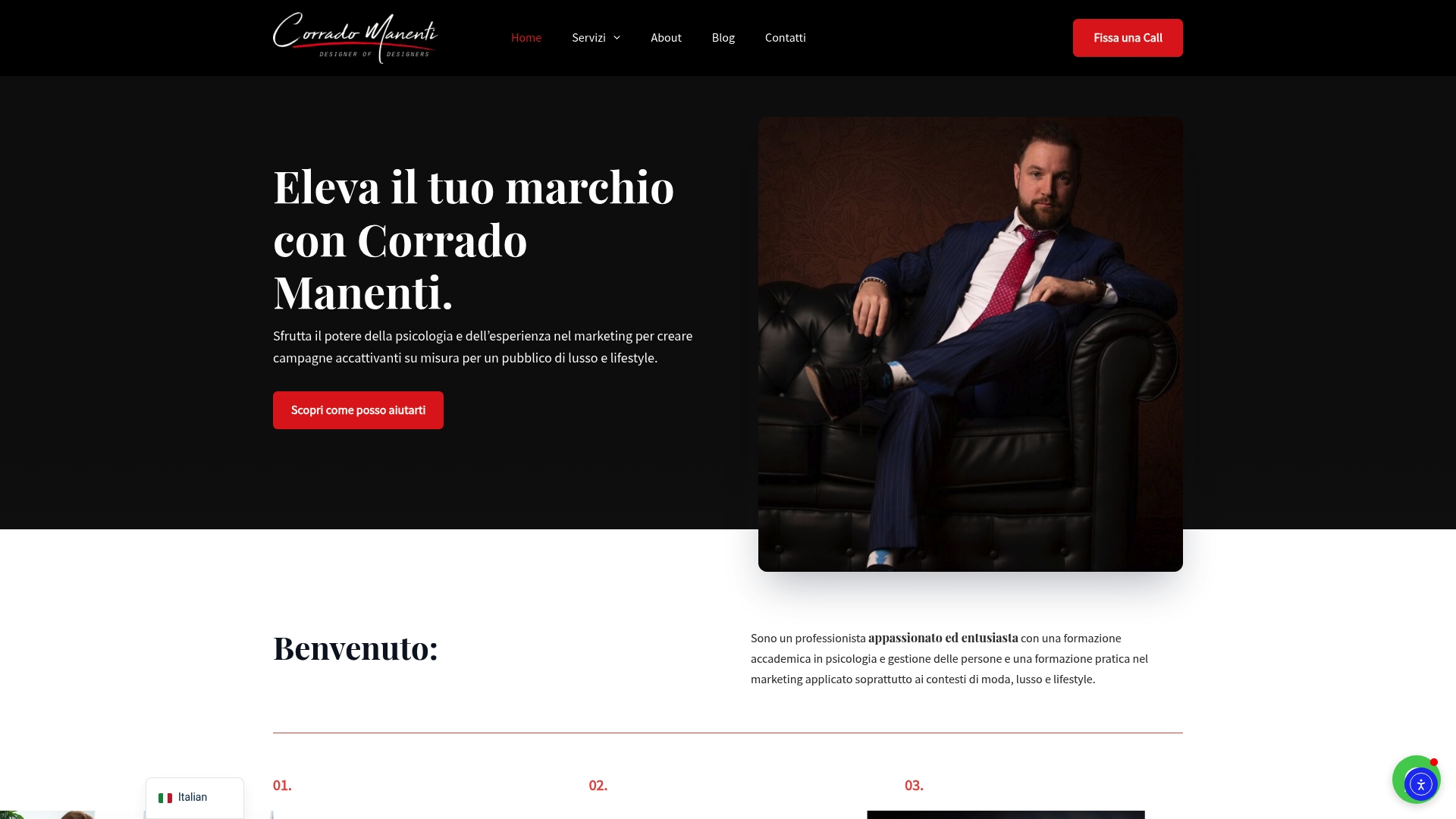
Corrado Manenti combines applied psychology with hands-on luxury marketing experience to help fashion brands sharpen their content strategy, deepen consumer engagement, and protect their brand equity as they scale. Whether you need to refine your heritage narrative, build a more targeted social content calendar, or design experiential campaigns that convert, tailored expertise matters. Explore the growth tactics for luxury brands built for this market, discover actionable ways of improving brand engagement, or understand why storytelling for fashion brands is the most reliable driver of long-term sales.
Frequently asked questions
Why is heritage storytelling important for luxury fashion brands?
Brand heritage and authenticity build genuine emotional connections with consumers, which differentiates luxury houses from mass-market competitors and sustains loyalty across generations.
How can luxury brands measure the effectiveness of AI and AR campaigns?
Brands should track intangible value via LYST Index alongside direct sales metrics to capture the full impact of AI and AR on brand relevance and consumer intent.
What makes experiential marketing especially effective in luxury fashion?
Experiential branding increases emotional connection in ways that digital-only campaigns cannot. This emotional depth translates into stronger long-term loyalty and measurably higher brand equity.
How should luxury brands balance technology and authenticity?
Technology should personalize and enhance experiences without overshadowing the brand’s authentic identity. Every tech-driven touchpoint must reflect the same values and voice as the brand’s heritage content.
What are the most impactful storytelling strategies for luxury brands?
Curated, segment-specific narratives paired with strategic social sharing consistently drive measurable engagement and sales while building the kind of brand equity that sustains long-term prestige.