


TL;DR:
- Small brands can create a premium perception through exclusive qualification filters, sensory branding, and operational consistency.
- These strategies foster perceived value and trust without relying on scale or heavy advertising investment.
Small brand premium perception tactics are deliberate strategies that elevate perceived value beyond product cost by engineering exclusivity, sensory experience, and consistent brand signals. Price is the result of premium perception, not its cause. Grey Goose vodka demonstrates this precisely: it maintains an 80% profit margin versus the industry average of 30%, built entirely on brand world-building and aesthetic signaling rather than superior ingredients. For emerging luxury brand managers, the practical implication is clear. You do not need scale to command premium pricing. You need discipline, authenticity, and the right perception management tools applied consistently.
1. Small brand premium perception tactics start with qualification filters
The most powerful and least used tactic in small brand positioning is the qualification filter. Instead of selling to anyone who visits your site, you restrict access and invite only compatible clients. Qualification-based selling shifts the sales funnel from persuasion to control, protecting brand equity and improving pricing confidence.
The mechanics are straightforward. Replace open checkout flows with application forms, manual intake reviews, or invitation-only access windows. This signals that your brand selects its clients rather than chasing them. The psychological effect on prospects is immediate: they perceive the brand as more valuable because access is not automatic.
- Use a refined inquiry form that asks about project scope, budget range, and timeline before any consultation
- Gate your pricing page behind a short qualification step
- Publish a clear “Who we work with” statement on your homepage
- Limit intake windows to specific months tied to real capacity
Pro Tip: Never use a qualification filter as a gimmick. Clients who apply and are declined must feel respected, not rejected. A warm, specific decline message reinforces your brand’s standards rather than damaging them.
2. Sensory branding cues that create immediate premium impressions

The brain processes sensory signals like weight, texture, and visual pacing before it reads a single word of copy. This means your packaging, website layout, and typography communicate quality before your message does. Brands that rely on text-heavy explanations to justify premium pricing consistently underperform those that invest in sensory architecture.
Visual restraint is the foundation. White space is not empty space. It is a signal of confidence. A crowded layout tells the viewer you are trying too hard. A calm, focused layout tells them you already know your worth. Typography rhythm, cohesive color usage, and consistent material weight across touchpoints all set premium perception before the customer consciously evaluates your offer.
- Choose one primary typeface and use it with deliberate sizing hierarchy
- Limit your brand palette to three colors maximum and apply them without exception
- Use matte or soft-touch finishes on physical packaging rather than high-gloss
- Slow down your website’s scroll pacing and reduce the number of elements per screen
Pro Tip: Test your brand materials by removing all text. If the remaining visuals still feel premium, your sensory architecture is working. If they feel generic, the copy is doing too much of the heavy lifting.
Corradomanenti’s work on sensory branding in luxury fashion explores exactly how texture, weight, and visual restraint influence buyer perception at a subconscious level.
3. Storytelling and cultural context that normalize premium positioning
Premium brands do not advertise. They appear. The difference between a brand that feels aspirational and one that feels desperate is almost always the quality of its cultural integration. Hollywood Branded advises moving away from loud, explicit messaging toward lifestyle integration that lets the product exist naturally inside aspirational narratives.
The practical version of this for small brands does not require a film budget. It requires editorial discipline. Your brand should appear in contexts that already carry the associations you want. A feature in an architecture magazine, a collaboration with a respected ceramicist, or a behind-the-scenes video shot in a beautiful workspace all place your brand inside a story the audience already values.
- Avoid explaining your product’s value in every post. Show it in context instead.
- Partner with creators whose aesthetic already matches your brand world
- Use visual storytelling techniques to let imagery carry the narrative weight
- Resist the urge to add a call-to-action to every piece of content
Brands undermine premium perception when they treat entertainment placements like traditional ads. True success comes from subtle, intrinsic use within aspirational narratives, where the brand feels discovered rather than pushed.
4. Operational excellence as the foundation of lasting premium perception
Ruthless consistency across all touchpoints forces the market to conclude a brand is worth more. This is not a marketing claim. It is a behavioral outcome. When every interaction, from the first email response to the final delivery, meets the same standard, clients stop questioning the price and start defending it to others.
Operational scarcity reinforces this further. Waitlists, limited production runs, and custom intake windows tied to real capacity build authentic desirability. The key word is “real.” Fake scarcity is immediately detectable and destroys trust faster than any discount.
Discounting is the single fastest way to erase premium positioning. Constant discounting destroys premium perception and compresses margins over time. Instead, use tiered offerings that give clients a choice between access levels, each with its own clear value framing.
| Approach | Effect on premium perception |
|---|---|
| Consistent pricing with tiered access | Reinforces value and protects margin |
| Seasonal discounting | Signals desperation and erodes trust |
| Waitlist with real capacity limits | Builds desirability and social proof |
| Open, always-available inventory | Reduces urgency and perceived exclusivity |
Brand consistency in luxury is not a design principle. It is a business system that compounds over time, building the kind of trust that justifies premium pricing without explanation.
5. Digital experience cues that protect your premium narrative
A poorly designed digital interface breaks the premium narrative even when your physical brand assets are strong. Digital experience cues such as calm pacing, focused user flows, and smooth microinteractions contribute directly to premium perception online. A slow-loading page, a cluttered mobile layout, or an inconsistent font choice all signal the same thing: lack of care.
The standard to hold yourself to is simple. Every digital touchpoint should feel as considered as your best physical asset. If your packaging is beautiful but your email footer is a mess, you are leaking premium value at every send.
- Audit every automated email for visual consistency with your brand palette
- Remove any pop-up that interrupts the browsing experience within the first 30 seconds
- Use high-resolution imagery with consistent lighting and color grading across all channels
- Ensure your mobile site loads in under three seconds and mirrors the calm of your desktop experience
Pro Tip: Microinteractions, the small animations that confirm a button click or a form submission, are invisible when done well and jarring when done poorly. Invest in getting them right. They are the digital equivalent of a well-weighted door handle.
6. Practical implementation for emerging luxury brand managers
Emerging brands often assume premium perception requires a large budget. The highest-impact tactics are almost entirely about discipline and decision-making, not spend. The power of storytelling in building brand engagement costs nothing beyond editorial clarity and consistency of voice.
Start with a brand audit that identifies your three weakest sensory touchpoints. Fix those before adding anything new. Adding more content, more channels, or more products before your existing touchpoints are consistent will dilute your positioning, not strengthen it.
- Reduce the number of active channels to the ones you can maintain at the highest standard
- Write a one-page brand standards document covering typography, color, tone of voice, and photography style
- Review your intake or purchase process from the client’s perspective once per quarter
- Set a firm policy against discounting and communicate it internally before you are tempted to break it
Small brands win by embracing calm confidence, reducing brand noise, and ensuring precision in every interaction. The brands that try to be everywhere for everyone never feel premium. The brands that do fewer things with complete conviction always do.
Pro Tip: Build a “brand leak” checklist. List every touchpoint where your brand could fall below its own standard, from invoice templates to hold music. Review it quarterly. The brands that feel effortlessly premium are the ones that work hardest on the details no one notices until they are wrong.
Key Takeaways
Premium perception for small brands is built through qualification filters, sensory discipline, and operational consistency applied without exception across every client touchpoint.
| Point | Details |
|---|---|
| Qualification filters create exclusivity | Replace open sales funnels with application-based intake to protect brand equity and pricing power. |
| Sensory cues precede language | Visual restraint, typography, and material weight set premium perception before any copy is read. |
| Storytelling replaces advertising | Embed your brand in aspirational contexts rather than explaining its value through direct messaging. |
| Operational consistency forces value conclusions | Uniform standards across every touchpoint make premium pricing feel obvious, not negotiable. |
| Discounting destroys premium status | Tiered offerings and firm pricing policies protect margin and reinforce long-term brand trust. |
Why most small brands get premium perception backwards
The brands I work with most often arrive with the same misconception: that premium perception is something you add on top of a product. A better logo. A fancier font. A more expensive photoshoot. These things matter, but they are finishing touches on a system that has to be built from the inside out.
What actually creates premium perception is the experience of being selected. When a client feels that your brand chose them as much as they chose you, the dynamic shifts entirely. They stop comparing your price to alternatives and start defending it to others. That shift is the result of qualification filters, consistent operational standards, and a brand world that feels complete and coherent at every point of contact.
The small brands I have seen grow fastest in the luxury space share one trait: they reduced before they expanded. They cut channels, tightened their intake process, and stopped trying to appeal to everyone. The result was a brand that felt more exclusive, more considered, and more worth the price. Agility is the real advantage of a small brand. You can enforce standards that a large organization cannot, because you control every touchpoint directly.
Premium perception is not a marketing campaign. It is a business system. Build it with the same rigor you would apply to your pricing model or your supply chain, and the market will draw its own conclusions.
— Corrado
How Corradomanenti can help you build premium brand positioning
Building premium perception requires more than good instincts. It requires a structured approach grounded in consumer psychology and luxury market expertise.
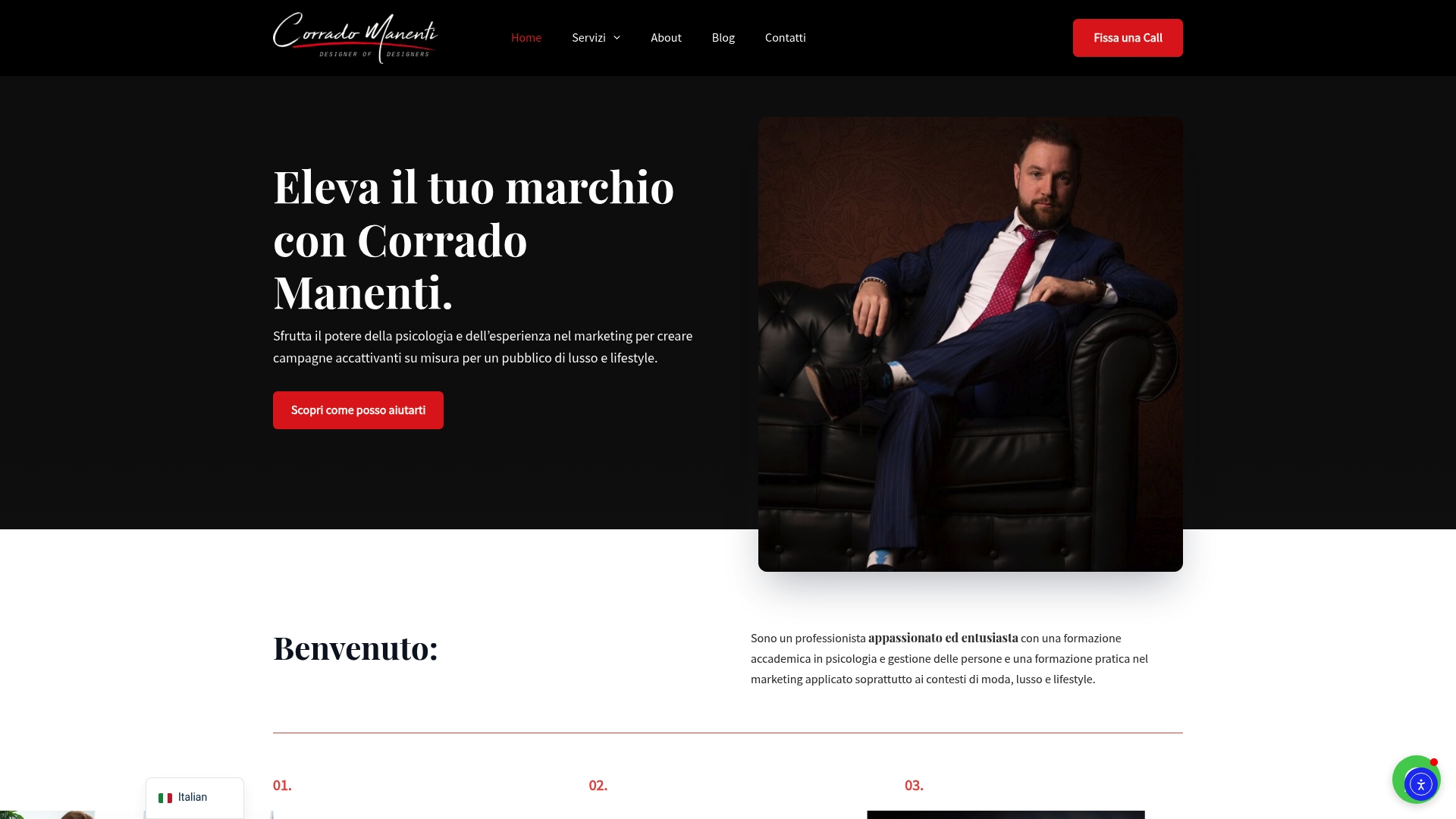
Corradomanenti works with emerging luxury brand managers to implement the exact tactics covered here, from qualification systems and sensory audits to operational consistency frameworks. His fashion brand growth tactics are built specifically for brands competing on desirability rather than scale. If you are ready to move from reactive marketing to a deliberate premium positioning system, his consulting practice offers the depth and specificity that generic marketing advice never provides.
FAQ
What are small brand premium perception tactics?
Small brand premium perception tactics are deliberate strategies that elevate how a brand is perceived relative to its price, using exclusivity, sensory cues, and consistent brand experience rather than scale or advertising spend.
How does a qualification filter improve premium perception?
A qualification filter restricts access to your brand through application forms or manual intake reviews, signaling that you select your clients. This shifts the dynamic from persuasion to control and protects brand equity.
Why does discounting hurt premium brand positioning?
Constant discounting signals that your original price was inflated, which destroys trust and compresses margins over time. Premium brands use tiered offerings instead to preserve integrity and maximize lifetime client value.
How important are sensory cues in luxury branding?
Sensory cues are foundational. The brain processes visual and tactile signals before reading any copy, meaning white space, typography, and material weight set premium perception before your message is even considered.
Can a small brand compete on premium perception without a large budget?
Yes. The highest-impact tactics, including qualification filters, editorial storytelling, and operational consistency, require discipline and decision-making rather than significant financial investment.