

La decisione di comprare un oggetto di lusso non è un momento: è una sequenza di quattro emozioni che si succedono in un ordine prevedibile. Chi le conosce sa esattamente cosa fare e cosa non fare in ciascuna.
Nel 2008 Hilke Plassmann e i suoi colleghi di Stanford e Caltech misero dei volontari in uno scanner fMRI e diedero loro da assaggiare quello che credevano fossero vini diversi. Era sempre lo stesso vino: cambiava solo il prezzo dichiarato. La corteccia orbitofrontale mediale — l’area che codifica il piacere effettivo — mostrava circa il 50% di attivazione in più quando i soggetti bevevano il vino “da novanta dollari”.
Non credevano di provare più piacere. Lo provavano. E questo dice una cosa precisa su cosa succede nella testa di chi sta per comprare: l’emozione non accompagna la decisione, la costruisce.
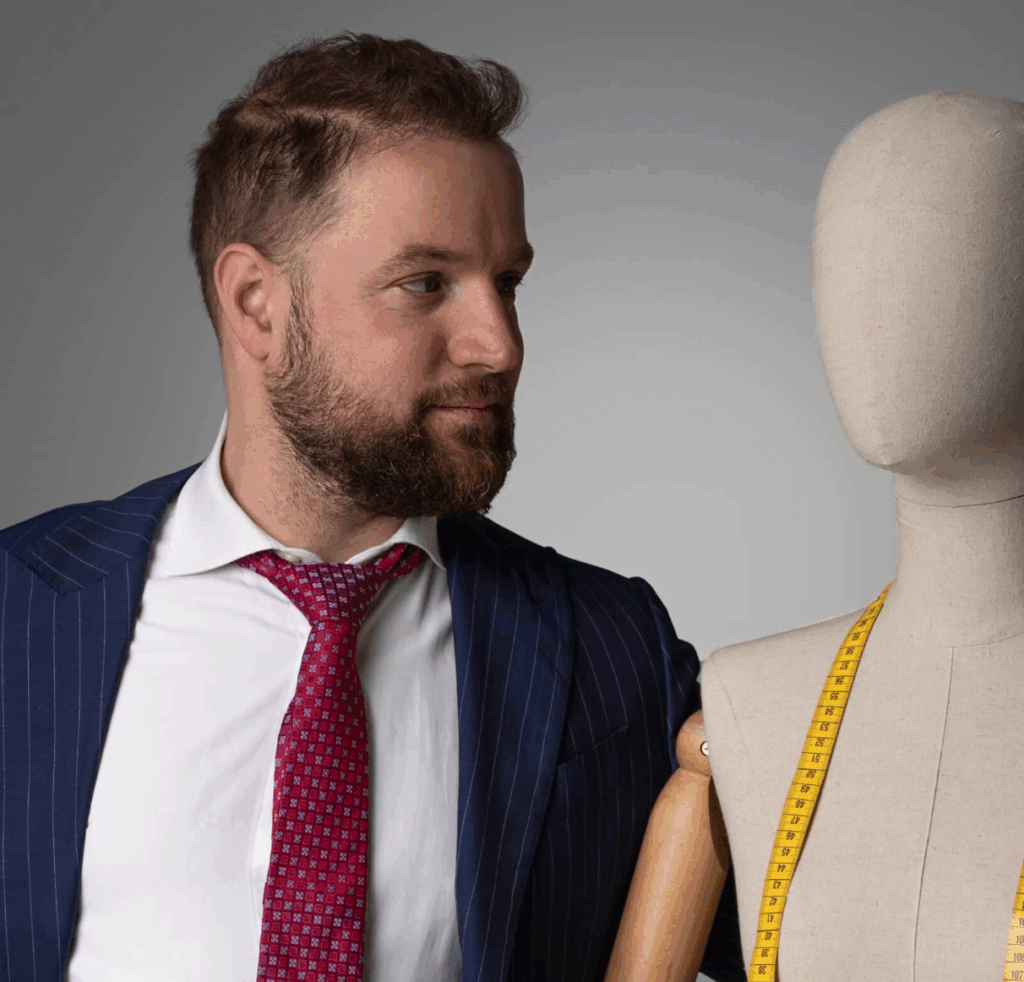
Sono Corrado Manenti, consulente marketing luxury e lifestyle. In questa guida non parlo di emotional branding come strategia — quello è il tema di un altro articolo — ma di ciò che accade nei minuti e nei secondi della decisione: quali emozioni si attivano, in quale ordine, e cosa deve fare chi ha il cliente davanti. Con i framework del libro Il Codice del Lusso.
Updated · 2026 Edition
Riscritta in italiano concentrandosi sul momento della decisione invece che sulla strategia emotiva di lungo periodo. Framework dal libro Il Codice del Lusso: il Pre-possesso e il Rituale dell’Esperienza (cap. 4), l’Arte del Rallentamento Strategico, la Doppia Elica del Desiderio, la Sofisticazione Progressiva, l’Accoglienza Informativa e The Aspirational Customer.
In breve: la decisione emotiva nel lusso in cinque leggi
| Principle | What it means in practice |
|---|---|
| L’emozione costruisce la decisione | Non l’accompagna: l’aspettativa premium produce piacere reale, misurabile nel cervello. |
| Le emozioni arrivano in sequenza | Desiderio, proiezione, paura, giustificazione. Ognuna richiede una risposta diversa. |
| La paura di sbagliare è il vero ostacolo | Non il prezzo. E si scioglie con criteri, non con rassicurazioni. |
| Il silenzio è uno strumento | Nei momenti di proiezione parlare interrompe il processo che stai cercando di produrre. |
| Ogni accelerazione sposta l’emozione | La fretta trasforma il desiderio in impulso, e l’impulso in rimpianto. |
Siamo macchine di significato che usano la razionalità come decorazione. Nel momento della decisione il cliente non sta valutando: sta immaginando la propria vita con quell’oggetto dentro, e ogni parola che gli rivolgi o interrompe quell’immagine o la rinforza.
— Corrado Manenti, Il Codice del Lusso
La sequenza delle quattro emozioni
Osservando decine di processi d’acquisto in boutique, showroom e sale d’attesa, ho visto ripetersi sempre lo stesso ordine. Non è una teoria: è la sequenza che si può riconoscere guardando le persone.
| Fase | Emozione dominante | Cosa fa il cliente | Cosa deve fare chi lo serve |
|---|---|---|---|
| 1 · Desiderio | Attrazione | Guarda, si avvicina, tocca | Facilitare il contatto, non parlare |
| 2 · Proiezione | Immaginazione di sé | Si distrae, guarda lo specchio, tace | Silenzio. È il momento del Pre-possesso |
| 3 · Paura | Timore di sbagliare | Fa domande, cerca conferme, esita | Dare criteri, non rassicurazioni |
| 4 · Giustificazione | Bisogno di legittimare | Cerca una ragione da raccontare | Fornire la ragione giusta: l’occasione |
L’errore che vedo commettere più spesso è trattare tutte e quattro le fasi allo stesso modo, di solito parlando. Ma parlare aiuta nella terza fase, è neutro nella prima, e nella seconda distrugge esattamente ciò che si stava formando.
Fase 1 · Desiderio: il contatto prima delle parole
Il desiderio si attiva attraverso i sensi, non attraverso l’informazione. Nella moda il senso proprietario è il tatto — il peso, la mano del tessuto, la temperatura del materiale — e nella quasi totalità delle boutique che analizzo non esiste un protocollo di invito al contatto: il personale attende che il cliente tocchi invece di porgere.
Cosa fare: porgere l’oggetto invece di indicarlo, curare i materiali che il cliente tocca prima del prodotto (grucce, vassoi, carta velina), lasciare che guardi senza commentare. Cosa non fare: elencare caratteristiche. In questa fase l’informazione tecnica è rumore.
Fase 2 · Proiezione: dove avviene il Pre-possesso
È la fase decisiva e la più fragile. Nel capitolo 4 del libro la chiamo Pre-possesso: il cliente possiede emotivamente l’oggetto prima di possederlo fisicamente, e quel momento è spesso più intenso del possesso stesso. Si riconosce con precisione — il cliente smette di parlare, guarda l’oggetto o lo specchio, si distrae dalla conversazione.
Cosa fare: tacere e restare disponibili a distanza. Ogni intervento in questa fase riporta il cliente alla realtà della transazione, che è esattamente il contrario di dove si trova. Serve anche l’ambiente giusto: silenzio acustico reale, uno specchio a distanza corretta, luce sul volto e non sul prodotto.
Cosa non fare: chiedere se ha bisogno di aiuto, proporre alternative, iniziare a parlare di prezzo o disponibilità. È l’Arte del Rallentamento Strategico: ogni accelerazione del processo sottrae valore percepito.
Fase 3 · Paura: il vero ostacolo non è il prezzo
Quando il cliente ricomincia a parlare, l’emozione è cambiata. Le domande che pone — «quanto dura?», «e se poi non lo uso?», «cosa succede se si rovina?» — sembrano obiezioni razionali ma sono la manifestazione di una paura sola: sbagliare. Nel lusso, dove l’acquisto è visibile e costoso, sbagliare significa esporre un errore di giudizio.
Cosa fare: dare criteri, non rassicurazioni. “Vedrà che le piacerà” non scioglie nulla; “in questa categoria le cose da guardare sono due: il peso e la cucitura interna — questo pesa così e la cucitura è fatta in questo modo” scioglie tutto. È la Sofisticazione Progressiva: dare il criterio prima delle opzioni. Un cliente che ha imparato a scegliere non teme più di sbagliare, e in più torna.
Cosa non fare: rispondere con la garanzia o con la politica di reso. Sono risposte amministrative a un problema emotivo, e comunicano al cliente che la sua preoccupazione non è stata capita.
Fase 4 · Giustificazione: la ragione da raccontare
Prima di concludere, il cliente cerca una ragione — non per convincere te, ma per raccontarla a sé stesso e a chi gli sta intorno. È il momento in cui compare il senso di colpa, che nel lusso è il vero motivo di rinuncia molto più del prezzo: la ricerca della Tel Aviv University con la George Washington University mostra che è la composizione dell’acquisto a generare colpa, e che la colpa genera abbandono indipendentemente dal prezzo.
Cosa fare: fornire la giustificazione biografica — l’occasione, la soglia, il motivo per cui quel giorno merita quell’oggetto — e non quella utilitaria. Approfondisco il meccanismo nella psicologia del retail nel lusso.
Cosa non fare: aggiungere un prodotto pratico per rendere l’insieme difendibile, che è il rimedio standard dell’e-commerce. Nel lusso declassa l’oggetto e insegna al cliente che il suo desiderio ha bisogno di una scusa.
Le due forze che agiscono sotto la sequenza
Sotto le quattro fasi operano in continuo due spinte che nel capitolo 2 descrivo come Doppia Elica del Desiderio: il cliente vuole simultaneamente appartenere e distinguersi, e le due forze non si annullano — si rinforzano.
Nel momento della decisione questo si traduce in due domande che il cliente si pone senza formularle: «questo mi colloca dove voglio stare?» e «questo mi distingue da chi non voglio essere confuso?». Un venditore che risponde solo alla prima — parlando di chi altro possiede quell’oggetto — soddisfa metà del bisogno e talvolta lo danneggia, perché nel lusso maturo l’appartenenza troppo dichiarata respinge.
Cosa non fare mai nel momento della decisione
- ❌ Introdurre urgenza. Countdown, «ne resta uno», «l’offerta scade»: comprimono la decisione e spostano il cliente dal desiderio all’impulso. L’impulso produce acquisto oggi e rimpianto domani, che nel lusso significa reso, recensione ambivalente e cliente perso.
- ❌ Parlare durante la proiezione. È l’errore più frequente e il più costoso, e nasce quasi sempre dal disagio del venditore davanti al silenzio.
- ❌ Rispondere alla paura con la garanzia. Risposta amministrativa a un problema emotivo.
- ❌ Mostrare alternative dopo che la proiezione è iniziata. Riporta il cliente alla fase uno e azzera il lavoro fatto.
- ❌ Nominare il totale troppo presto. Il numero attiva l’audit morale prima che la giustificazione sia pronta.
- ❌ Congratularsi per l’acquisto. Sposta l’attenzione sulla transazione proprio quando il cliente sta vivendo un momento personale.
Il Cliente Aspirazionale attraversa la sequenza in modo più intenso
Il Cliente Aspirazionale è il framework che ho codificato per la seconda delle tre modalità di consumo luxury: chi non entra nel lusso per abitudine ma per un’occasione che segna un passaggio della propria vita, e pianifica per accedervi un sacrificio che non ripeterà — un matrimonio, un anniversario, una milestone.
Per lui la sequenza è identica ma ogni fase è amplificata. Il desiderio è più intenso perché è la prima volta che tocca quel materiale. La proiezione dura di più, perché sta immaginando un momento che ha atteso per anni. La paura è molto più forte, perché non possiede i codici e non potrà rimediare — l’occasione non si ripete. E la giustificazione gli serve davvero, perché sta spendendo una quota importante di quanto ha risparmiato.
La distinzione etica è il cuore del framework, e in questa fase diventa operativa: il consumo d’impulso si finanzia col debito e lascia vergogna, e va disinnescato; il consumo rituale si finanzia col risparmio accumulato in mesi o anni e lascia gratitudine, ed eleva chi lo compie. La differenza fra i due, nel momento della decisione, la fa spesso chi ha il cliente davanti: un venditore che accelera lo spinge verso il primo, uno che rallenta lo accompagna nel secondo.
Riconoscerlo si può con l’Accoglienza Informativa: chiedere con tatto è servizio, non invasione. Come si offre un bicchiere d’acqua o un calice di benvenuto prima di dire “posso aiutarla?”, allo stesso modo si chiede, dopo aver accolto e mentre si accompagna: “posso chiederle se è un’occasione particolare o ha qualche esigenza, così la serviamo al meglio?”. Se la risposta è “è per il nostro anniversario”, la giustificazione della fase quattro è già pronta prima ancora che serva.
Come si allena il personale su questo
È il punto in cui la teoria diventa un problema organizzativo, perché quasi tutta la formazione alla vendita insegna l’opposto: intervenire, proporre, chiudere.
- Insegnare a riconoscere la fase, non a recitare un copione. I segnali sono osservabili: se il cliente tace e guarda, è in proiezione; se fa domande tecniche, è in paura; se cerca approvazione, è in giustificazione.
- Allenare il silenzio. Sembra banale ed è la competenza più difficile. Va esercitata esplicitamente, perché l’istinto di riempire le pause è forte.
- Costruire un repertorio di criteri, non di argomenti di vendita. Per ogni categoria, le due o tre cose che contano davvero e come si riconoscono.
- Togliere gli obiettivi che contraddicono il metodo. Un venditore con un target giornaliero accelererà, qualunque formazione abbia ricevuto. È la leva più efficace di tutte e l’unica che non dipende dalle persone.
Cosa misurare
- ❌ Tasso di conversione della visita: ottimizzarlo spinge ad accelerare, cioè a rompere la sequenza.
- ❌ Tempo medio di vendita: più corto non è meglio. Nel lusso è quasi sempre peggio.
- ✅ Durata media della fase di prova — camerino, sedile, vassoio: è il proxy diretto del Pre-possesso.
- ✅ Tasso di reso e di rimpianto dichiarato: misura quanto impulso stai generando, ed è l’indicatore più onesto della qualità del processo.
- ✅ Percentuale di occasioni rilevate in accoglienza: dice se la giustificazione della fase quattro è disponibile quando serve.
- ✅ Decisioni maturate su più visite: nel consumo rituale è un segnale positivo, non un fallimento della prima visita.
- ✅ Densità di dettagli nelle recensioni: se il cliente racconta un momento invece di valutare un servizio, la sequenza ha funzionato.
- ✅ Ritorno alla soglia biografica successiva: la verifica finale, a tre-cinque anni.
Explore the connected frameworks
- Psicologia del consumatore di lusso — i sette meccanismi che stanno sotto la sequenza.
- Psicologia del retail nel lusso — la colpa nel carrello e la giustificazione biografica.
- Emotional branding nel lusso — la strategia di lungo periodo, complementare a questo articolo sul momento.
- Il Cliente Aspirazionale — chi attraversa la sequenza in modo amplificato.
- Customer experience nel lusso — dove si colloca il momento della decisione nel ciclo complessivo.
Related services: Instore Experience Design · Consulenza Strategica
Domande frequenti sulle emozioni nella decisione d’acquisto luxury
Quali emozioni guidano l’acquisto di un prodotto di lusso?
Quattro, e arrivano in una sequenza prevedibile. Desiderio: si attiva attraverso i sensi e non attraverso l’informazione — in questa fase l’elenco di caratteristiche è rumore. Proiezione: il cliente immagina sé stesso con l’oggetto, si distrae e tace; è il momento del Pre-possesso, il più fragile, e qualsiasi intervento lo interrompe. Paura: quando ricomincia a parlare, le domande apparentemente razionali («quanto dura?», «e se non lo uso?») esprimono il timore di sbagliare. Giustificazione: cerca una ragione da raccontare a sé stesso, ed è qui che compare il senso di colpa. Ogni fase richiede una risposta diversa, e l’errore più comune è trattarle tutte allo stesso modo, parlando.
Perché il silenzio è importante nella vendita di lusso?
Perché nella seconda fase — la proiezione — il cliente sta immaginando la propria vita con quell’oggetto dentro, ed è il momento in cui si forma il Pre-possesso: il possesso emotivo che precede quello fisico, spesso più intenso del possesso stesso. Ogni intervento riporta il cliente alla realtà della transazione, che è esattamente il contrario di dove si trova. Il momento si riconosce con precisione: il cliente smette di parlare, guarda l’oggetto o lo specchio, si distrae dalla conversazione. Serve anche l’ambiente: silenzio acustico reale, specchio a distanza corretta, luce sul volto e non sul prodotto. È la competenza più difficile da insegnare, perché l’istinto di riempire le pause è forte.
Come si gestisce la paura di sbagliare del cliente?
Con criteri, non con rassicurazioni. Le domande della terza fase sembrano obiezioni razionali ma esprimono una paura sola: sbagliare — e nel lusso, dove l’acquisto è visibile e costoso, sbagliare significa esporre un errore di giudizio. «Vedrà che le piacerà» non scioglie nulla; «in questa categoria le cose da guardare sono due: il peso e la cucitura interna — questo pesa così e la cucitura è fatta in questo modo» scioglie tutto. È la Sofisticazione Progressiva: dare il criterio prima delle opzioni. Un cliente che ha imparato a scegliere non teme più di sbagliare, e in più torna. Da evitare: rispondere con la garanzia o la politica di reso, che sono risposte amministrative a un problema emotivo.
Perché l’urgenza danneggia la vendita nel lusso?
Perché sposta il cliente dal desiderio all’impulso, e sono due stati diversi con esiti opposti. Il desiderio matura, produce attesa e lascia gratitudine; l’impulso comprime la decisione e produce acquisto oggi e rimpianto domani — che nel lusso significa reso, recensione ambivalente e cliente perso. È l’Arte del Rallentamento Strategico: ogni accelerazione del processo sottrae valore percepito. Il tema ha anche un risvolto etico, perché l’urgenza è ciò che trasforma il consumo rituale — finanziato col risparmio, che eleva chi lo compie — in consumo d’impulso, finanziato col debito e seguito da vergogna.
Come si forma il personale su queste dinamiche?
Con quattro interventi, uno dei quali non riguarda la formazione. Insegnare a riconoscere la fase invece che a recitare un copione: i segnali sono osservabili — se il cliente tace e guarda è in proiezione, se fa domande tecniche è in paura, se cerca approvazione è in giustificazione. Allenare il silenzio esplicitamente, perché è la competenza più difficile. Costruire un repertorio di criteri e non di argomenti di vendita: per ogni categoria, le due o tre cose che contano e come si riconoscono. E soprattutto togliere gli obiettivi che contraddicono il metodo: un venditore con un target giornaliero accelererà qualunque formazione abbia ricevuto. È la leva più efficace e l’unica che non dipende dalle persone.

Sull’autore
Corrado Manenti — Luxury Marketing Consultant
Consulente di marketing luxury e lifestyle, autore del libro Il Codice del Lusso. Laureato in psicologia clinica. Da oltre 10 anni forma i team di vendita di maison, boutique e concessionarie su ciò che quasi nessun corso insegna: riconoscere in che fase emotiva si trova il cliente, e in una di quelle fasi stare zitti.
The book
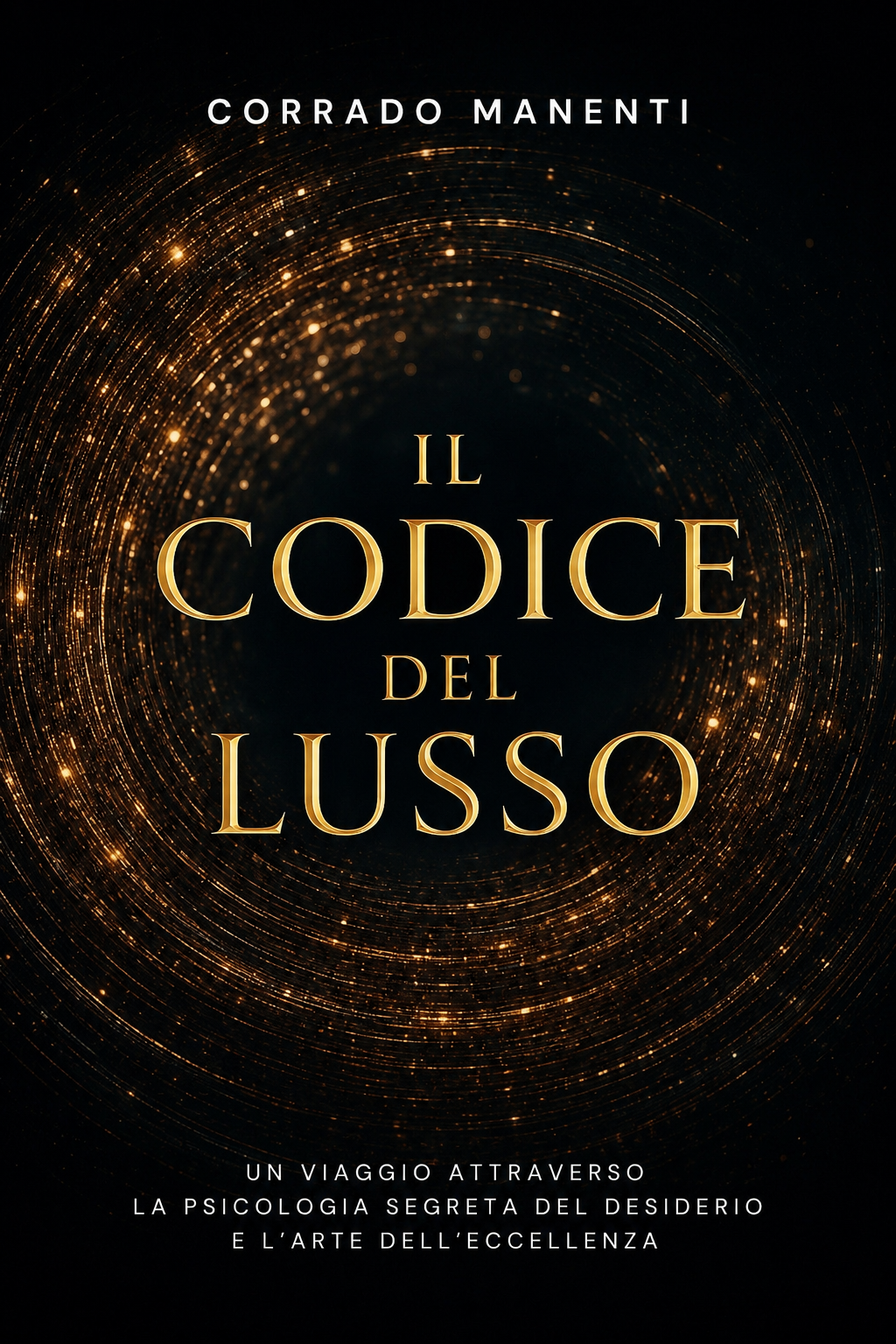
Il Codice del Lusso
176 pagine di framework strategici per costruire un brand aspirazionale: il Rituale dell’Esperienza e il Pre-possesso, l’Arte del Rallentamento Strategico, la Doppia Elica del Desiderio, la Sofisticazione Progressiva, Le Tre Valute del Lusso, The Aspirational Customer, l’Accoglienza Informativa. Il metodo che uso ogni giorno con i miei clienti, ora in un solo libro.
Presto ordinabile online — inserisci la tua email nella pagina risorse per ricevere l’annuncio in anteprima.
Consulenza gratuita vendita luxury
Vediamo dove il tuo processo di vendita rompe la sequenza — gratis, 30 minuti
Se il tuo team è formato a intervenire, proporre e chiudere, prenota una call gratuita di 30 minuti con me e il mio team: partiamo dalle quattro fasi e da cosa succede oggi in ciascuna.
No sales pitch. Just an honest conversation.