
The fashion industry generates roughly 10% of global CO2 emissions and 20% of plastic pollution annually, surpassing shipping and aviation combined. For luxury brands, this environmental burden creates both strategic risk and opportunity. Sustainable luxury fuses traditional craftsmanship with responsibility, offering a path to deepen consumer loyalty while safeguarding brand relevance in an era where values drive purchase decisions.
Table of Contents
- Foundations Of Sustainable Luxury
- Environmental Impact And Urgency In Luxury Fashion
- Consumer Expectations And Brand Impact In 2026
- Innovations Driving Sustainable Luxury
- Common Misconceptions About Sustainable Luxury
- Regulatory Environment And Regional Leadership
- Practical Frameworks And Strategies For Sustainable Luxury Integration
- Explore Expert Guidance On Luxury Brand Growth And Sustainability
Key takeaways
| Point | Details |
|---|---|
| Sustainable luxury merges heritage with responsibility | Traditional luxury pillars like craftsmanship and longevity now align with environmental and social accountability to create authentic value. |
| Consumer demand fuels market transformation | 65% of Gen Z prioritize sustainable brands, driving loyalty and justifying premium pricing through transparency and ethical practices. |
| Innovation enables authentic sustainability | AI design, blockchain traceability, and circular models like resale reduce waste while maintaining exclusivity and brand prestige. |
| Regulatory pressures compel adaptation | Europe leads with binding sustainability policies, requiring brands to prepare governance frameworks and supply chain transparency globally. |
| Balancing transparency with identity is strategic | Effective sustainable luxury preserves brand allure while demonstrating genuine commitment through credible operations and messaging. |
Foundations of sustainable luxury
Sustainable luxury embodies craftsmanship and longevity, aligning these heritage values with modern environmental stewardship. This integration creates a conceptual framework where exclusivity and responsibility coexist without compromising brand DNA. Understanding this foundation matters because it clarifies how luxury brands can meet evolving consumer expectations while preserving their unique identity.
The traditional luxury pillars include craftsmanship, rarity, longevity, and meaning. Sustainable luxury adds environmental and social responsibility to this framework. It’s not about replacing core values but enriching them with practices that reduce ecological harm and enhance ethical impact.
Key components of sustainable luxury include:
- Craftsmanship excellence: Maintaining artisanal quality while using eco-conscious materials and processes that minimize waste.
- Longevity focus: Designing products built to last generations, reducing consumption cycles and reinforcing value.
- Transparent sourcing: Ensuring supply chains meet ethical labor standards and environmental benchmarks without sacrificing rarity.
- Meaningful storytelling: Communicating brand heritage and sustainability commitment authentically to resonate with conscious consumers.
This framework helps brands balance exclusivity with transparency. By anchoring sustainability in luxury’s original DNA, you create offerings that feel both prestigious and responsible. The role sustainability plays in luxury extends beyond marketing to become a strategic differentiator that secures long-term relevance in competitive markets.
Environmental impact and urgency in luxury fashion
Luxury fashion’s environmental footprint demands immediate action. The industry produces 10% of global carbon dioxide emissions and 20% of plastic pollution, exceeding the combined impact of shipping and aviation sectors. Resource-intensive production methods, from water consumption in textile manufacturing to chemical use in dyeing processes, amplify this ecological burden disproportionately.
The urgency stems from accelerating climate crises and mounting social responsibility expectations. Consumers, investors, and regulators increasingly scrutinize brands on environmental performance. Luxury houses face a paradox: their commitment to quality and durability aligns naturally with sustainability principles, yet production scales and material sourcing often contradict these values.
“Addressing environmental impact is no longer optional for luxury brands. It’s a business imperative that determines market access, consumer trust, and long-term viability in increasingly regulated global markets.”
Reducing this footprint requires systemic change across supply chains. Brands must evaluate material sourcing, production methods, logistics, and end-of-life product management. This holistic approach not only minimizes harm but positions luxury houses as industry leaders driving meaningful transformation. Acknowledging and addressing environmental realities strengthens your role in sustainable luxury and protects brand equity against reputational risks tied to ecological negligence.
Consumer expectations and brand impact in 2026
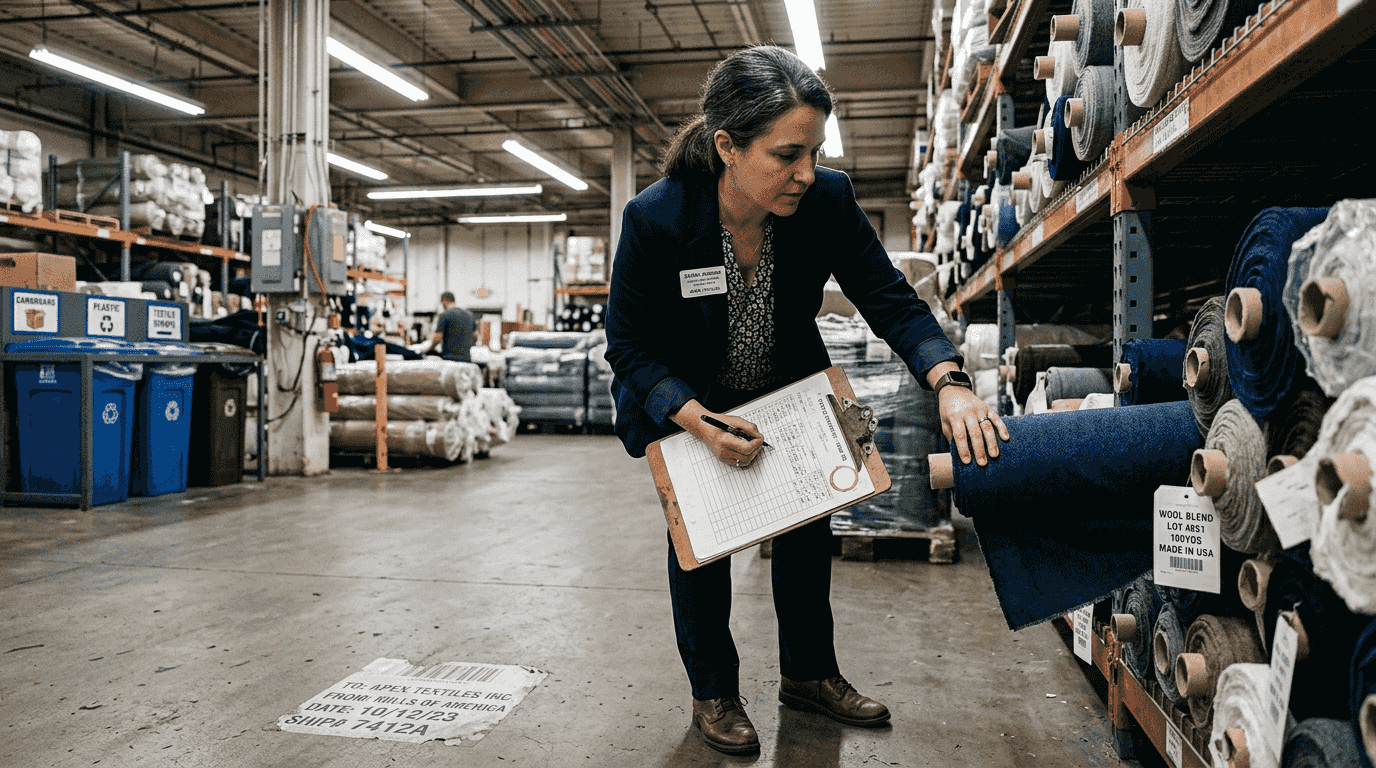
Younger generations reshape luxury markets through values-driven purchasing. 65% of Gen Z prioritize sustainable brands, with transparency and ethical practices significantly increasing brand trust and loyalty. These consumers willingly pay premium prices for authentic sustainable luxury products, creating lucrative opportunities for brands that demonstrate genuine commitment.
Transparency has become non-negotiable. Consumers demand visibility into sourcing, production conditions, and environmental impact. Brands that provide clear, verifiable information build stronger emotional connections and justify higher pricing through demonstrated values alignment. This shift affects purchase decisions across demographics, though intensity varies by generation.
Key consumer expectations include:
- Verifiable sustainability claims: Third-party certifications and transparent reporting that prove environmental and social commitments.
- Ethical labor practices: Assurance that artisans and workers receive fair compensation and safe working conditions throughout supply chains.
- Product longevity: Quality construction and repair services that extend product life cycles and reduce replacement frequency.
- Authentic storytelling: Brand narratives that honestly communicate sustainability journeys, including challenges and progress.
Ignoring these trends erodes long-term desirability and market share. Competitors embracing sustainability capture loyalty from conscious consumers willing to switch brands for values alignment. Understanding consumer behavior in luxury enables you to tailor sustainable marketing and product development strategies that resonate emotionally while driving commercial success. The psychology behind luxury branding engagement reveals how sustainability enhances perceived value when communicated authentically.
Innovations driving sustainable luxury
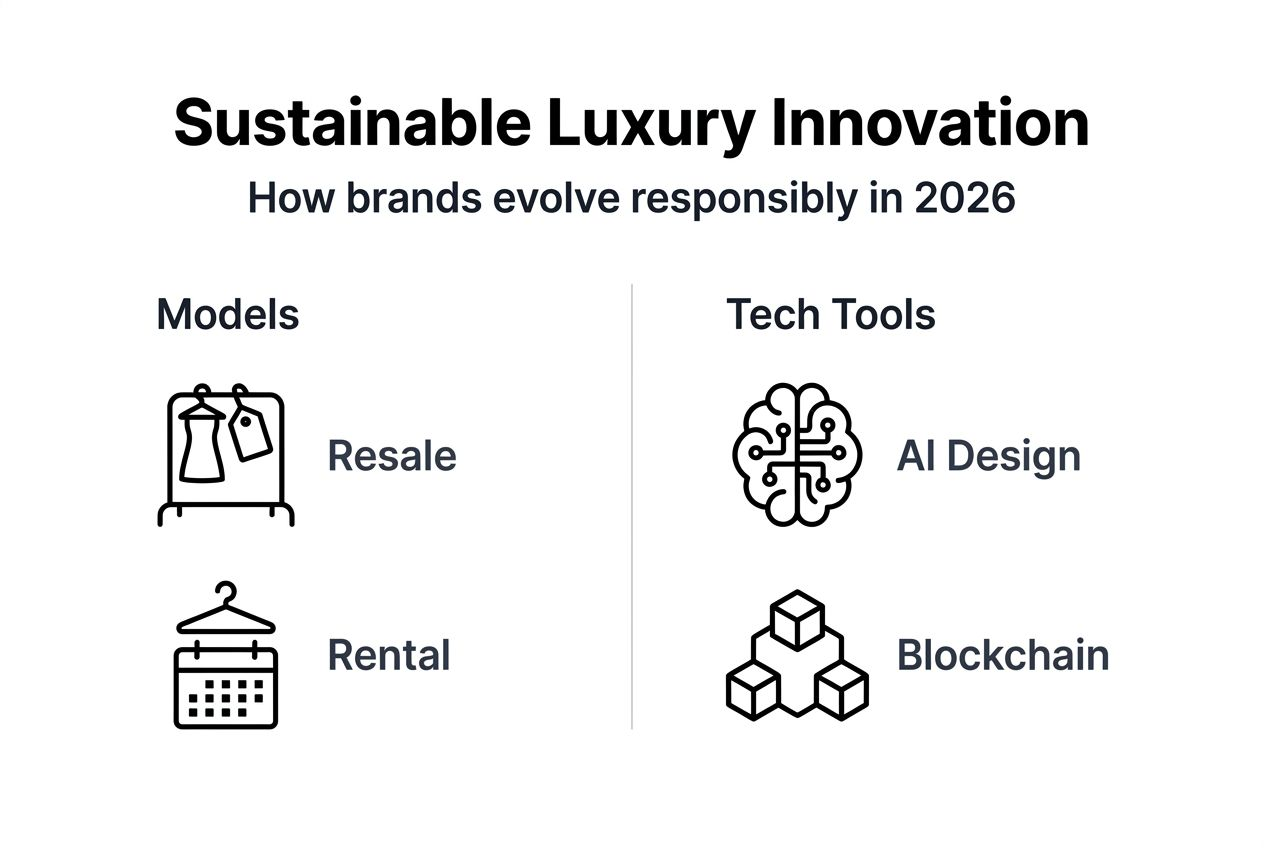
Technological and business model innovations enable luxury brands to implement sustainability without compromising exclusivity. AI design and blockchain traceability enhance product transparency while reducing production inefficiencies. These tools allow precise material optimization, supply chain verification, and waste minimization at scale.
Circular economy models transform luxury business operations. Resale and rental now account for approximately 10% of global apparel sales, creating revenue streams while extending product life cycles. Certified pre-owned programs maintain brand control over secondary markets, preserving exclusivity while meeting sustainability expectations.
| Innovation Type | Application | Brand Benefit |
|---|---|---|
| AI Design | Optimizes patterns to minimize fabric waste | Reduces material costs by 15-25% while maintaining design integrity |
| Blockchain Traceability | Verifies supply chain authenticity and ethics | Builds consumer trust through transparent sourcing documentation |
| Bio-based Materials | Replaces petroleum-based textiles with renewable alternatives | Lowers carbon footprint while offering unique material stories |
| Modular Design | Creates products with replaceable components | Extends product life and reduces replacement frequency |
Bio-based and modular materials further support sustainable luxury. Innovations in mushroom leather, lab-grown silk, and recycled precious metals provide eco-conscious alternatives without sacrificing quality or aesthetics. Modular designs allow component replacement rather than full product disposal, aligning perfectly with luxury’s longevity values.
Key innovation strategies include:
- Pilot testing new materials: Start with limited editions to gauge consumer response before full-line integration.
- Partnering with tech providers: Collaborate with blockchain and AI specialists to implement traceability systems efficiently.
- Launching certified resale programs: Control secondary markets while capturing additional revenue and sustainability credibility.
- Investing in repair infrastructure: Establish in-house or authorized repair services that extend product life professionally.
Pro Tip: Avoid greenwashing by ensuring innovations deliver measurable environmental improvements. Use third-party verification for sustainability claims and communicate both successes and ongoing challenges transparently to build authentic credibility.
These innovations help you balance exclusivity with responsibility effectively. Understanding fashion industry consumer behavior guides which innovations resonate most with your target audience, ensuring strategic investments deliver both environmental and commercial returns.
Common misconceptions about sustainable luxury
Several myths hinder authentic sustainability adoption in luxury fashion. The most persistent misconception suggests sustainability compromises luxury quality, when evidence shows it enhances brand prestige and product excellence. This misunderstanding prevents brands from exploring sustainable practices that could strengthen market position.
Another fallacy positions sustainability as merely costly marketing rather than strategic investment. While initial implementation requires capital, sustainable practices reduce long-term operational costs through efficiency gains and waste reduction. They also generate premium pricing power through enhanced brand equity and consumer loyalty.
Common misconceptions include:
- Sustainability dilutes exclusivity: Reality shows sustainable luxury can enhance rarity through limited-edition eco-collections and artisanal sustainable materials.
- Eco-materials lack quality: Modern bio-based and recycled materials often exceed traditional options in durability and aesthetic appeal.
- Transparency undermines mystique: Strategic transparency about sourcing and craftsmanship actually deepens brand storytelling and emotional connection.
- Regulatory compliance suffices: Meeting minimum standards misses opportunities to lead industry transformation and capture values-driven market segments.
Pro Tip: Educate internal stakeholders on how sustainability aligns with luxury values rather than contradicting them. Use case studies from leading luxury houses to demonstrate successful integration that preserves brand DNA while capturing new market opportunities.
These misconceptions create barriers to authentic sustainability integration. Clarifying them helps align organizational efforts with true luxury principles and evolving consumer expectations. When stakeholders understand sustainability as heritage preservation rather than compromise, implementation becomes strategic rather than reluctant.
Regulatory environment and regional leadership
Europe pioneered binding sustainability policies in luxury fashion, establishing frameworks that influence global compliance standards. The EU’s comprehensive regulations mandate supply chain transparency, environmental impact reporting, and ethical labor practices across fashion operations. These policies set benchmarks that other regions increasingly adopt or reference.
Regulatory pressures escalate globally as governments recognize fashion’s environmental burden. Compliance requirements extend beyond Europe to include carbon reporting, waste management standards, and product circularity mandates. Non-compliance risks regulatory penalties, market access restrictions, and severe reputational damage among conscious consumers.
Key regulatory considerations:
- Supply chain due diligence: Document sourcing origins, labor conditions, and environmental practices across all tiers of suppliers.
- Carbon footprint reporting: Measure and disclose emissions from production, logistics, and product use phases according to standardized protocols.
- Extended producer responsibility: Plan for end-of-life product management including take-back programs and recycling infrastructure.
- Transparency requirements: Provide consumers with accessible information about product sustainability attributes and brand environmental performance.
- Circularity mandates: Design products for durability, repair, and recycling to meet emerging waste reduction targets.
Brands must monitor evolving policies and adapt governance frameworks proactively. Reactive compliance creates operational disruptions and cost spikes. Strategic preparation positions you as industry leader while ensuring smooth market access across regions. Understanding the role sustainability plays in luxury includes recognizing regulatory landscapes as strategic variables that shape competitive advantage rather than mere compliance burdens.
Practical frameworks and strategies for sustainable luxury integration
Implementing sustainable luxury requires systematic approaches that preserve brand identity while delivering environmental and social benefits. Start by evaluating your current sustainability footprint and consumer expectations to identify strategic gaps. This assessment reveals where investments generate maximum impact on both brand value and ecological outcomes.
Actionable integration steps:
- Audit existing operations: Document material sourcing, production methods, logistics, and waste generation across your value chain to establish baseline metrics.
- Identify quick wins: Prioritize changes offering immediate sustainability improvements with minimal disruption, such as switching to renewable energy or optimizing packaging.
- Integrate circular models: Launch certified resale programs, offer repair services, and explore rental options that extend product life while creating new revenue streams.
- Adopt transparent communication: Craft authentic sustainability narratives using consumer psychology insights to resonate emotionally without overselling or greenwashing.
- Build governance frameworks: Establish cross-functional sustainability teams with clear accountability, metrics, and reporting structures to anticipate regulatory changes.
| Traditional Luxury Approach | Sustainable Luxury Model | Strategic Advantage |
|---|---|---|
| Linear production and disposal | Circular economy with resale and repair | Extended revenue streams and reduced waste |
| Opaque supply chains | Blockchain-verified transparency | Enhanced consumer trust and regulatory compliance |
| Exclusive new product focus | Certified pre-owned programs | Market expansion while maintaining brand control |
| Resource-intensive materials | Bio-based and recycled alternatives | Lower environmental impact with unique storytelling |
| Limited consumer engagement | Values-driven brand communities | Deeper loyalty and premium pricing justification |
Balancing transparency with exclusivity requires nuance. Share sustainability progress and supply chain practices without revealing proprietary design or sourcing details that undermine competitive advantage. Strategic disclosure builds trust while preserving mystique around creative processes and artisanal techniques.
Pro Tip: Use fashion brand growth tactics for luxury markets to frame sustainability as growth driver rather than cost center. Position environmental responsibility as brand evolution that attracts new consumer segments while strengthening loyalty among existing clients.
Develop phased implementation timelines that allow iterative learning. Pilot sustainable initiatives in limited collections or specific markets before full-scale rollout. This approach minimizes risk while generating proof points that build internal buy-in and external credibility for broader transformation efforts.
Explore expert guidance on luxury brand growth and sustainability
Integrating sustainability while driving luxury brand growth requires specialized expertise combining consumer psychology, market strategy, and operational excellence. Expert guidance helps you navigate this complexity, ensuring sustainable initiatives enhance rather than dilute brand value. Tailored strategies improve engagement and build authentic luxury positioning that resonates with conscious consumers.
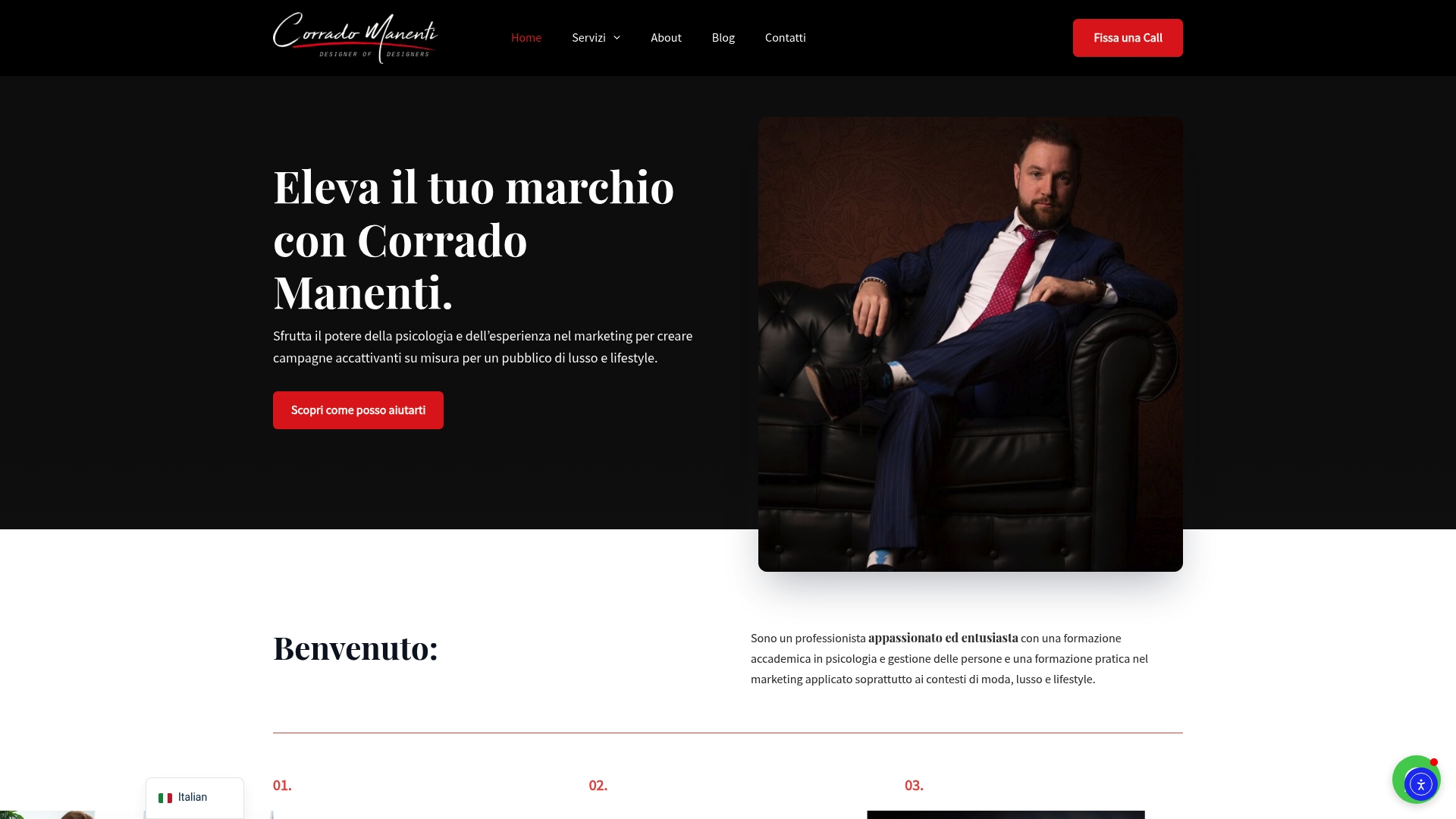
Explore comprehensive resources designed for luxury brand executives seeking competitive advantage through sustainability integration. Discover proven fashion brand growth tactics for luxury markets that align environmental responsibility with commercial success. Learn how psychology drives luxury branding engagement to craft sustainability narratives that deepen emotional connections. Access practical tools like the luxury branding checklist to ensure consistent excellence across sustainable initiatives. Professional consulting support helps you future-proof your brand while capturing emerging opportunities in the sustainable luxury market.
FAQ
How does sustainability enhance luxury brand value?
Sustainability strengthens brand authenticity by aligning heritage craftsmanship with modern values that resonate emotionally with conscious consumers. It differentiates brands in competitive markets where environmental and social responsibility increasingly drive purchase decisions and loyalty.
What are effective ways for luxury brands to adopt circular economy models?
Luxury brands can launch certified resale programs that maintain quality control while capturing secondary market revenue. Offering professional repair services and limited rental options extends product life cycles, generates new income streams, and demonstrates genuine commitment to sustainability principles.
How important is transparency to luxury consumers in 2026?
Transparency is crucial, as 65% of younger consumers prioritize brands with clear ethical practices and verifiable sustainability claims. It fosters loyalty, justifies premium pricing, and builds trust that translates directly into purchase behavior and long-term brand advocacy.
What common pitfalls should luxury brands avoid in sustainability efforts?
Avoid superficial greenwashing marketing that lacks operational substance, as consumers quickly detect and reject inauthentic claims. Don’t overlook aligning sustainability initiatives with core brand DNA and regulatory compliance requirements, which together ensure credibility and strategic coherence.