
Every luxury fashion brand faces the challenge of translating core identity into consumer experiences that feel both authentic and aspirational. This topic matters because aligning internal values and external perceptions is critical for preserving brand heritage and sustaining consumer trust, especially in markets where expectations are exceptionally high. Discover how brand alignment transforms strategy from routine marketing into cohesive emotional narratives that increase resonance and loyalty among discerning consumers worldwide.
Table of Contents
- Defining Brand Alignment In Luxury Fashion
- Internal Versus External Brand Alignment Factors
- The Role Of Psychology In Consumer Resonance
- Steps For Achieving Brand Alignment
- Risks And Costs Of Brand Misalignment
- Brand Alignment Versus Alternatives In Luxury
Key Takeaways
| Point | Details |
|---|---|
| Essential Components of Brand Alignment | Effective luxury fashion brands synchronize heritage, aesthetics, emotional connections, and strategic positioning to create cohesive consumer experiences. |
| Internal and External Dynamics | Successful brand alignment requires a comprehensive understanding of both internal capabilities and external consumer perceptions. |
| Psychological Engagement | Leveraging consumer psychology can transform marketing efforts into lasting emotional connections, fostering brand loyalty. |
| Risks of Misalignment | Brand misalignment can distort consumer trust and loyalty, requiring continuous strategic management to address vulnerabilities. |
Defining brand alignment in luxury fashion
Luxury fashion brand alignment is a strategic process of synchronizing a brand’s core identity, visual representation, emotional narrative, and consumer perception into a cohesive, authentic experience. At its essence, brand alignment represents the precise calibration between a brand’s internal values and its external communication.
Several critical components define effective brand alignment in luxury fashion:
- Brand Heritage: Preserving and communicating the historical narrative and foundational principles
- Aesthetic Consistency: Maintaining visual and stylistic uniformity across all touchpoints
- Emotional Resonance: Creating deep psychological connections with target consumers
- Strategic Positioning: Clearly defining the brand’s unique market differentiation
Research indicates that successful brand association management involves crafting a compelling narrative that transcends mere product offerings. Luxury brands must cultivate a comprehensive ecosystem where every interaction reinforces their core identity and emotional promise.
The strategic approach to brand alignment requires marketers to deeply understand consumer psychology, translate brand values into tangible experiences, and maintain unwavering consistency across digital and physical platforms. This holistic methodology transforms brand perception from transactional to deeply personal.
Pro tip: Conduct quarterly brand audits to ensure your luxury fashion brand’s visual, communicative, and experiential elements remain tightly synchronized with your core brand narrative.
Internal versus external brand alignment factors
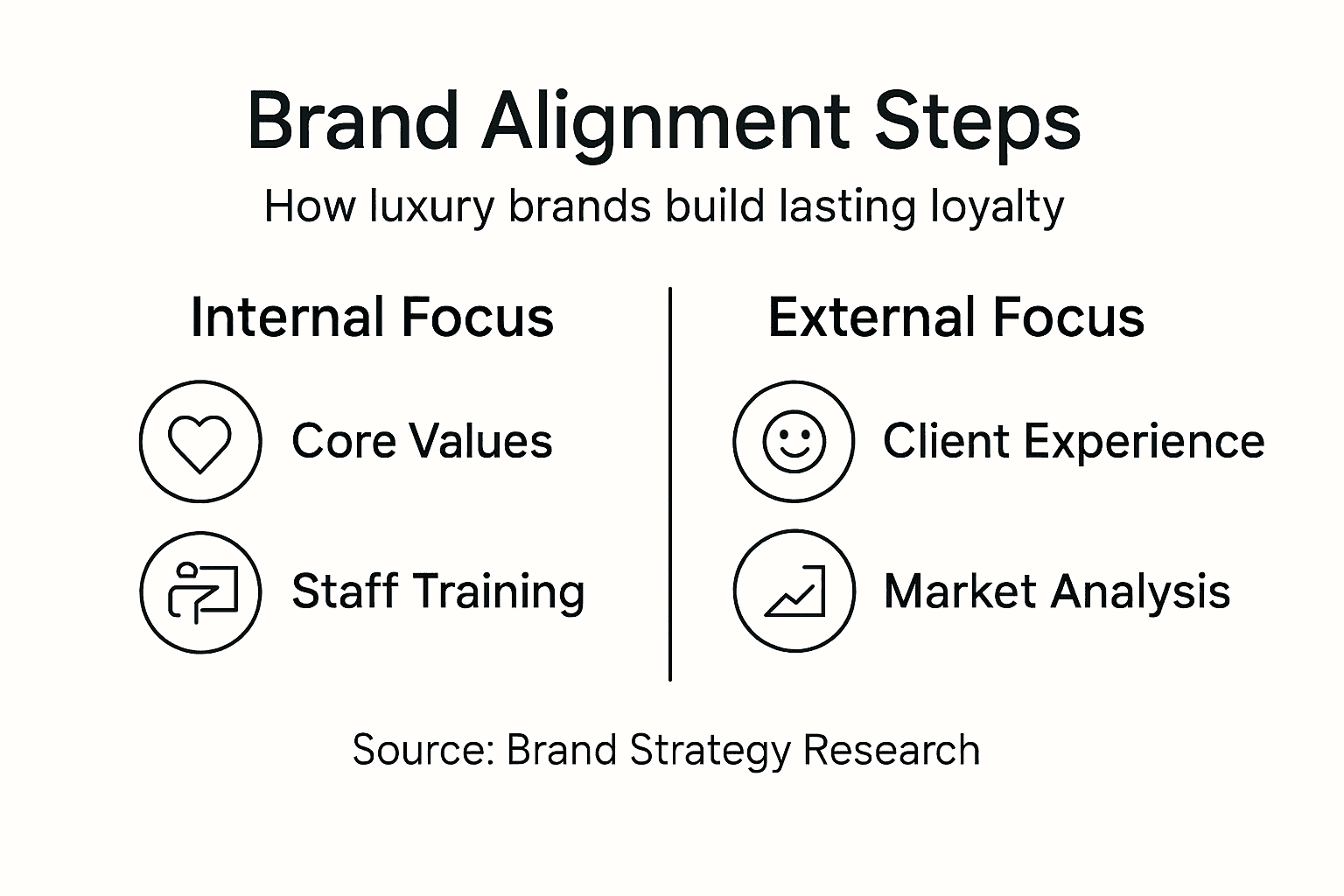
Luxury fashion brand alignment is a complex interplay between internal organizational dynamics and external market perceptions. Internal factors represent the foundational elements that shape a brand’s identity, while external factors reflect how those elements are interpreted and experienced by consumers and the broader marketplace.
Internal brand alignment factors include:
- Leadership commitment to brand vision
- Organizational culture and values
- Employee training and brand understanding
- Internal communication strategies
- Corporate governance and ethical standards
External brand alignment factors encompass:
- Consumer perception and expectations
- Market positioning and competitive landscape
- Social media and digital reputation
- Customer engagement and feedback mechanisms
- Broader industry trends and cultural shifts
Strategic brand development research reveals that successful luxury brands create a seamless integration between these internal and external dimensions. The most effective organizations develop a holistic approach where internal values are consistently and authentically projected through external communications.
Understanding the intricate relationship between internal capabilities and external market dynamics requires sophisticated brand management. Marketers must continuously monitor and adjust their strategies, ensuring that the brand’s core identity remains robust while remaining responsive to evolving consumer expectations and market trends.
Pro tip: Implement a comprehensive feedback loop that connects internal brand teams with external market insights to maintain dynamic and responsive brand alignment.
Here is a summary of how internal and external brand alignment factors impact luxury fashion brands:
| Factor Type | Influence on Brand Success | Example Challenge |
|---|---|---|
| Internal | Shapes company identity | Misaligned internal culture |
| External | Drives consumer expectations | Inconsistent market reputation |
The role of psychology in consumer resonance
Consumer resonance in luxury fashion transcends traditional marketing approaches, delving deep into the intricate psychological mechanisms that drive brand connection and loyalty. Psychological engagement represents the nuanced emotional and cognitive processes that transform a simple consumer transaction into a profound brand relationship.
Key psychological drivers of consumer resonance include:
- Identity projection and self-concept alignment
- Emotional validation through brand association
- Social status and belonging needs
- Aspirational self-image construction
- Narrative and storytelling engagement
Psychological mechanisms of brand affinity reveal that luxury consumers are not merely purchasing products, but investing in complex emotional experiences that reflect their deepest personal narratives and social aspirations. These connections go far beyond functional utility, creating deep psychological bonds that transcend traditional consumer-brand interactions.
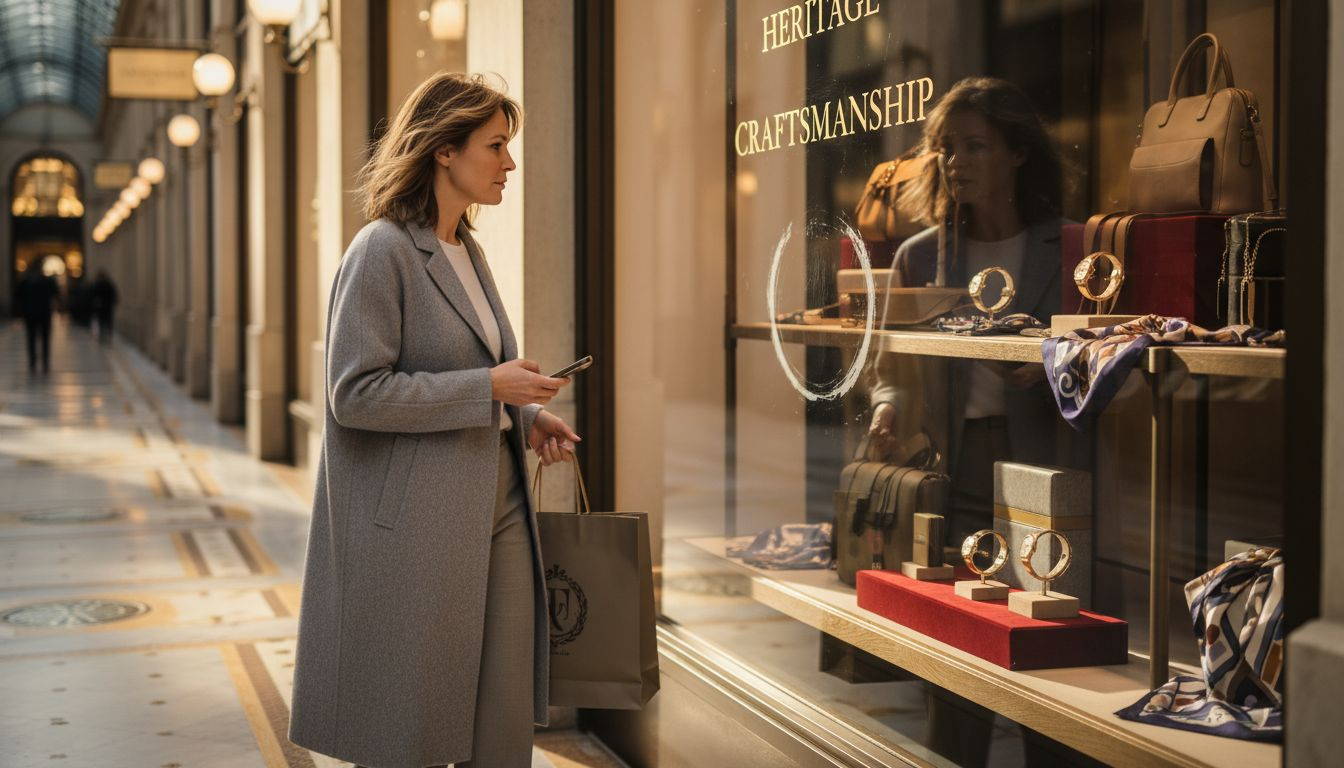
Luxury brands that successfully leverage psychological insights understand that resonance is fundamentally about creating meaningful emotional landscapes. They craft experiences that allow consumers to explore, express, and elevate their personal identities through carefully curated brand interactions, transforming consumption into a deeply personal journey of self-discovery and social validation.
Pro tip: Design brand experiences that speak to consumers’ psychological archetypes, creating emotional pathways that transform transactional interactions into profound personal connections.
Steps for achieving brand alignment
Achieving brand alignment in luxury fashion requires a strategic, multifaceted approach that goes beyond superficial marketing tactics. Brand alignment is a comprehensive process of synchronizing internal capabilities, external perceptions, and core brand values into a cohesive, authentic narrative.
Key steps for achieving brand alignment include:
- Conduct comprehensive brand identity assessment
- Define clear brand values and positioning
- Develop consistent visual and communication standards
- Align internal culture with brand promise
- Implement continuous feedback and adaptation mechanisms
- Create integrated cross-platform brand experiences
- Monitor and refine brand perception continuously
Strategic brand management processes reveal that successful luxury brands approach alignment as a dynamic, ongoing journey rather than a one-time implementation. This requires deep understanding of both organizational capabilities and evolving consumer expectations.
The most effective brand alignment strategies transcend traditional marketing approaches by creating holistic experiences that resonate emotionally and strategically. Luxury brands must craft narratives that are simultaneously aspirational and authentic, bridging the gap between consumer desires and brand capabilities through meticulous, strategic design.
Pro tip: Establish a cross-functional brand alignment team that meets quarterly to assess and recalibrate your brand’s strategic positioning and experiential consistency.
Risks and costs of brand misalignment
Brand misalignment in luxury fashion represents a critical strategic vulnerability that can rapidly erode a brand’s carefully cultivated reputation and market positioning. Brand integrity is fragile, and even minor inconsistencies can trigger substantial financial and reputational consequences that extend far beyond immediate market performance.
Primary risks of brand misalignment include:
- Erosion of consumer trust
- Diminished brand perceived value
- Reduced customer loyalty
- Increased customer acquisition costs
- Potential market share decline
- Compromised brand heritage
- Negative word-of-mouth amplification
Luxury brand management research demonstrates that misalignment can create cascading negative effects, where initial brand inconsistencies progressively undermine consumer confidence and brand equity. These challenges are particularly acute in luxury markets, where consumer expectations of perfection and authenticity are significantly higher than in other sectors.
The financial implications of brand misalignment extend beyond immediate revenue loss. Luxury brands risk long-term damage to their carefully constructed narrative, potentially requiring extensive and expensive rebranding efforts to reconstruct consumer perception and regain market trust. Strategic vigilance and proactive alignment management become crucial defensive mechanisms against these existential brand risks.
Pro tip: Implement a quarterly cross-departmental brand alignment audit to identify and immediately address potential inconsistencies before they escalate into significant strategic vulnerabilities.
Brand alignment versus alternatives in luxury
In the competitive landscape of luxury fashion, brand alignment emerges as a sophisticated strategy that distinguishes itself from alternative branding approaches. Brand alignment represents a holistic methodology that transcends traditional marketing techniques by creating a comprehensive, coherent narrative that permeates every aspect of a brand’s identity and consumer interaction.
Alternative branding approaches in luxury include:
- Experiential marketing
- Co-creation strategies
- Trend-driven positioning
- Influencer-centric campaigns
- Digital transformation initiatives
- Sustainability-focused narratives
- Personalization strategies
Comparative brand strategy research demonstrates that while alternative approaches offer temporary engagement, brand alignment provides sustainable competitive advantage by maintaining a consistent, authentic brand essence that resonates deeply with consumer expectations.
Unlike fragmented marketing strategies, brand alignment creates a unified ecosystem where every touchpoint – from product design to customer service – communicates a singular, powerful brand narrative. This approach requires a more nuanced and strategic understanding of brand identity, demanding continuous refinement and thoughtful integration of traditional heritage with contemporary consumer expectations.
Pro tip: Conduct an annual comprehensive review comparing your brand’s alignment strategy against emerging market alternatives to ensure continued relevance and strategic effectiveness.
The following table highlights key differences between brand alignment and alternative branding strategies in luxury fashion:
| Approach | Longevity of Impact | Core Focus | Challenges Faced |
|---|---|---|---|
| Brand Alignment | Long-term, sustainable | Consistency and cohesion | Requires ongoing commitment |
| Alternatives | Short-term, tactical | Novelty or short-term value | Risk of diluted identity |
Achieve Lasting Luxury Loyalty Through Expert Brand Alignment
Building true brand alignment requires more than just consistent visuals or marketing slogans. It means weaving your brand heritage, emotional resonance, and internal culture into a unified experience that deeply connects with your luxury consumers. If your luxury brand struggles with maintaining that seamless cohesion between internal values and consumer expectations, you are not alone. Key challenges include aligning leadership vision with customer perceptions and creating psychological engagement that transforms transactions into lasting loyalty.
Corrado Manenti’s expertise lies exactly in addressing these sophisticated challenges. By integrating cutting-edge psychology-driven marketing strategies with unparalleled attention to detail in fashion and luxury consulting, Corrado helps brands create powerful personal branding and emotional narratives that resonate authentically. Designed for brands eager to elevate their digital presence without losing their core essence, his approach keeps your positioning fresh and relevant amid evolving market trends.
Unlock your brand’s full potential today. Explore how to refine your identity and emotional connection with expert guidance through Personal Branding and innovative Digital Positioning strategies. Create experiences that captivate and foster deep loyalty with Corrado Manenti as your strategic partner.
Ready to transform your luxury brand alignment into lasting consumer devotion?
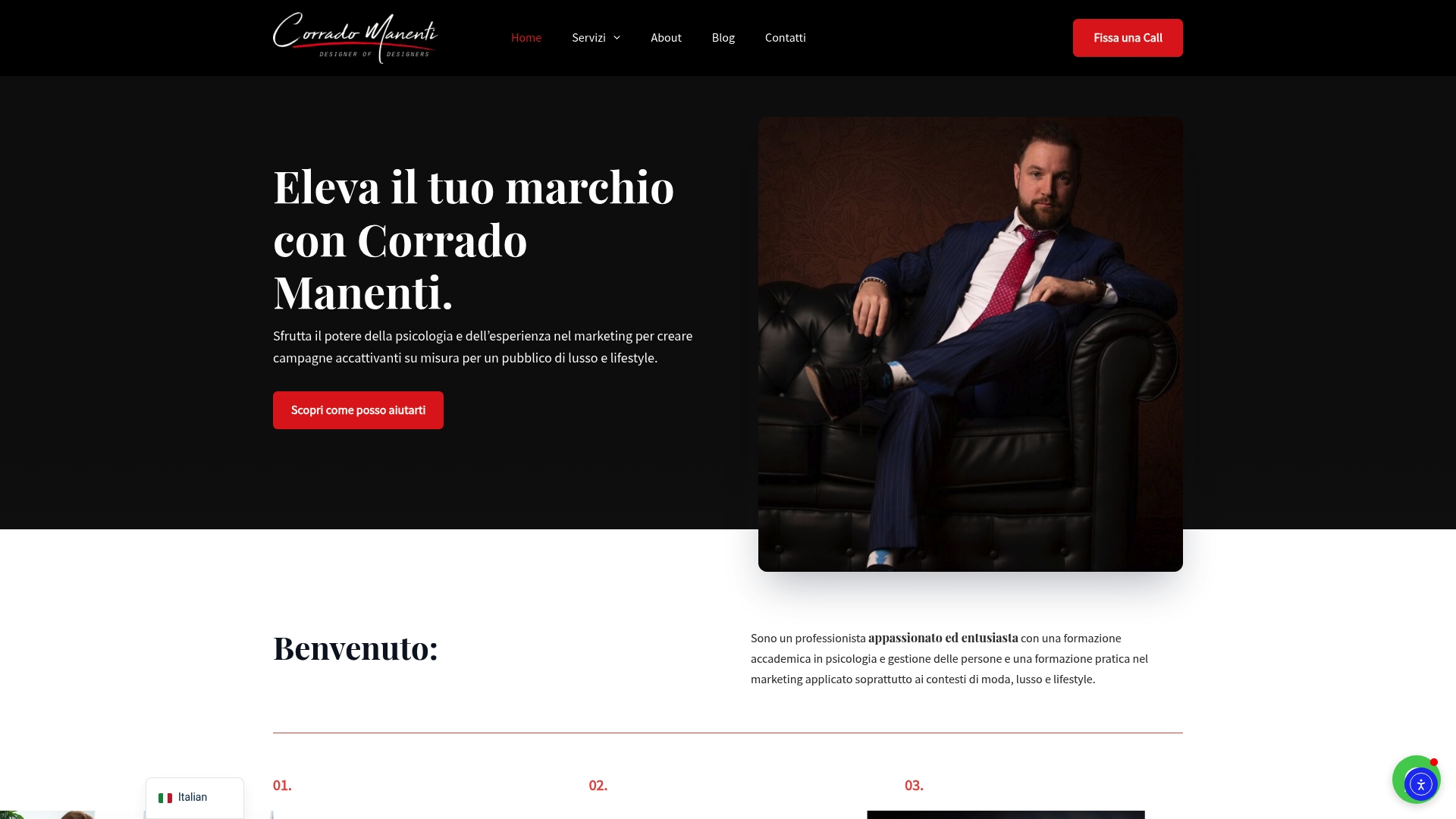
Visit https://corradomanenti.it now and start your journey toward a harmonious and powerful brand presence that stands the test of time.
Frequently Asked Questions
What is brand alignment in luxury fashion?
Brand alignment in luxury fashion refers to the strategic synchronization of a brand’s core identity, visual representation, emotional narrative, and consumer perception into a cohesive experience that resonates with consumers.
Why is emotional resonance important for luxury brands?
Emotional resonance is crucial for luxury brands because it creates deep psychological connections with consumers, transforming simple transactions into meaningful relationships that encourage loyalty and repeat purchases.
How can a luxury brand achieve effective brand alignment?
A luxury brand can achieve effective brand alignment by conducting a comprehensive brand identity assessment, defining clear brand values, aligning internal culture with brand promises, and implementing continuous feedback mechanisms to adapt to market changes.
What are the risks of brand misalignment for luxury fashion brands?
The risks of brand misalignment for luxury fashion brands include erosion of consumer trust, diminished perceived value, and increased customer acquisition costs, all of which can lead to significant financial and reputational damage over time.
Recommended
- 7 Innovative Luxury Loyalty Program Ideas for Brands – Corrado Manenti
- Blog – Corrado Manenti
- How to Build Brand Loyalty in Luxury for Lasting Success – Corrado Manenti
- Defining Customer Loyalty in Luxury: A Psychological Lens – Corrado Manenti
- Lus Hair Care: Transforming Hair Through AI Insights | MyHair