


Psicologia del retail nel lusso: le leve invertite dell’esperienza in store
Tutta la psicologia del retail che si insegna è tarata sul mass market: accelerare l’impulso, ottimizzare le promozioni, ridurre la frizione. Nel lusso quelle stesse leve, applicate nella stessa direzione, distruggono valore.
Un cliente mette nel carrello un oggetto che desidera da mesi. Il prezzo non è un ostacolo: ha risparmiato per quello. La spedizione è gratuita, il reso è garantito, il sito funziona. E non completa l’acquisto. La ricerca condotta dalla Tel Aviv University con la George Washington University spiega perché, e la spiegazione non compare in nessun report sulle conversioni: non è il prezzo, è il senso di colpa. La composizione del carrello non supera l’audit morale che il cliente conduce su se stesso. Un carrello percepito come indulgente e privo di giustificazione pratica viene abbandonato — indipendentemente dal prezzo e dalla frizione.
La soluzione che la letteratura di e-commerce ricava da quello studio è aggiungere un prodotto utilitario accanto a quello indulgente: il detergente accanto al siero, l’oggetto pratico accanto a quello desiderato. Funziona. E nel lusso è il consiglio peggiore che si possa dare, perché svilisce esattamente l’oggetto che si sta vendendo.
Sono Corrado Manenti, consulente marketing luxury e lifestyle. Nel lusso la psicologia del retail non va applicata: va invertita. Il senso di colpa non si disinnesca con una giustificazione utilitaria, si disinnesca con una giustificazione biografica — l’occasione, la soglia, il motivo per cui quel giorno merita quell’oggetto. In questa guida analizzo cinque meccanismi psicologici documentati del retail e mostro, per ognuno, come si rovescia nel lusso, con i framework del libro Il Codice del Lusso.
Updated · 2026 Edition
Riscritta in italiano applicando la ricerca accademica al verticale luxury, con i framework del libro Il Codice del Lusso: The Aspirational Customer, l’Accoglienza Informativa, la Sofisticazione Progressiva, il Signal Stacking, la The Psychology of the Velvet Rope, il Pre-possesso, la Equazione del Valore Percepito. Fonti scientifiche mantenute e citate: Tel Aviv University, Frontiers in Psychology, Nature, meta-analisi sul choice overload.
In breve: le cinque leve invertite del retail luxury
| Meccanismo | Cosa insegna il mass market | Come si rovescia nel lusso |
|---|---|---|
| Colpa nel carrello | Aggiungi un prodotto utilitario per giustificare l’indulgenza | Fornisci una giustificazione biografica: l’occasione, non l’utilità |
| Choice overload | Taglia gli SKU per aumentare le conversioni | Non tagliare: accompagna. Curare la sequenza, non ridurre l’assortimento |
| Impulso | Accelera con cue di scarsità e urgenza | Rallenta. L’impulso nel lusso è la patologia da disinnescare |
| Overload promozionale | Raggruppa le offerte per ridurre il carico cognitivo | Togli le offerte. Nel lusso la promozione è un segnale, non un incentivo |
| Multisensoriale coordinato | Combina suono, olfatto e visivo per aumentare l’acquisto | È l’unica leva che si conserva — ma serve la permanenza, non la conversione |
La psicologia del consumo non è neutra: è stata scritta per far comprare più in fretta. Nel lusso serve la stessa scienza con il segno rovesciato — perché l’obiettivo non è la transazione di oggi, è il ricordo tra vent’anni. Chi applica al lusso i manuali del mass market ottimizza il trimestre e brucia il decennio.
— Corrado Manenti, Il Codice del Lusso
Perché la psicologia del retail non si applica al lusso, si inverte
La ricerca sul comportamento d’acquisto è quasi interamente costruita su contesti di consumo ordinario: supermercati, marketplace, livestream commerce, e-commerce di massa. Il presupposto implicito è sempre lo stesso — l’obiettivo è che il cliente compri, adesso. Ogni metrica di quella letteratura misura la velocità e il volume della transazione.
Nel lusso quel presupposto è falso. L’obiettivo non è che il cliente compri adesso: è che ricordi per vent’anni, che torni alla soglia biografica successiva, che racconti la storia a chi gli sta intorno. Sono obiettivi che richiedono, letteralmente, di rallentare la transazione. Nel capitolo 4 del libro descrivo la scena della cliente Hermès in Via Montenapoleone che aspetta due ore prima di ricevere la borsa: qualsiasi consulente di conversion optimization la classificherebbe come frizione da eliminare. È invece il momento in cui si costruisce il Pre-possesso — il possesso emotivo che precede quello fisico.
C’è poi una ragione più specifica, e riguarda chi entra davvero in una boutique di lusso. Il Cliente Aspirazionale è il framework che ho codificato per la seconda delle tre modalità di consumo luxury: chi non entra nel lusso per abitudine ma per un’occasione che segna un passaggio della propria vita, e pianifica per accedervi un sacrificio che non ripeterà — matrimonio, nascita di un figlio, anniversario, milestone professionale, guarigione. Non è il consumo d’impulso dell’oggetto a rate comprato per ansia di status: quello si finanzia col debito e lascia vergogna, e va disinnescato. Il Cliente Aspirazionale si finanzia col risparmio accumulato in mesi o anni e lascia gratitudine, e va servito con la massima cura. Chi non distingue le due categorie tradisce l’etica del luxury marketing.
Ed è qui che la ricerca diventa improvvisamente utilissima, se la si legge al contrario: misurato con gli strumenti della psicologia del consumo, il Cliente Aspirazionale risulta il compratore più vulnerabile che esista. Ha il carrello più indulgente e meno giustificabile, il massimo di incertezza sulle preferenze, la massima paura di sbagliare, la minima familiarità con la categoria. Ogni singolo fattore di rischio identificato dalla letteratura è, nel suo caso, al valore massimo. La differenza è che il mass market userebbe quella vulnerabilità per convertire. Nel lusso la si usa per proteggere.
1. Il senso di colpa nel carrello: sostituire la giustificazione, non aggiungere prodotti
La ricerca della Tel Aviv University con la George Washington University mostra che è la composizione del carrello a generare colpa, e che la colpa genera abbandono indipendentemente da prezzo e costi di consegna. Il meccanismo è di autogiustificazione: il cliente valuta mentalmente se il carrello riflette una decisione responsabile. Un carrello di soli oggetti di piacere non supera quell’esame interno.
La correzione standard — aggiungere un prodotto utilitario che renda l’insieme difendibile — nel lusso produce un danno doppio. Primo: declassa l’oggetto, perché lo mette in una lista dove convive con l’ordinario. Secondo, e più grave: insegna al cliente che il suo desiderio ha bisogno di una scusa pratica. Ma il Cliente Aspirazionale non ha bisogno di una scusa pratica. Ha bisogno che gli venga riconosciuta l’occasione.
La giustificazione biografica funziona così, in negozio e online:
- Nominare l’occasione, non l’utilità: il testo, la conferma d’ordine, il biglietto nel pacco parlano del motivo — “per il giorno che avete scelto”, “per l’anniversario” — non della durata del prodotto o del rapporto qualità-prezzo. La difendibilità viene dal significato, non dalla funzione.
- Rendere legittimo il sacrificio: nel lusso è corretto riconoscere esplicitamente che l’acquisto è importante. Fingere che sia ordinario (“un piccolo regalo per lei”) umilia chi ha risparmiato per farlo.
- Offrire durata invece di praticità: il servizio di riparazione a vita, la garanzia estesa, la possibilità di tramandare l’oggetto sono giustificazioni potenti che non declassano il prodotto. È la prima delle 3 Currencies of Luxury, il Tempo, usata come antidoto alla colpa.
- Non mostrare mai il carrello come una somma: nel lusso il totale numerico attiva l’audit morale. Il pagamento va gestito come momento amministrativo separato dal momento del desiderio — è esattamente ciò che la boutique fisica fa da sempre portando il cliente in un’altra stanza.
Dal vivo, lo strumento è l’Accoglienza Informativa, la regola operativa che ho cristallizzato nel metodo: chiedere con tatto è servizio, non invasione. Come si offre un bicchiere d’acqua o un calice di benvenuto prima di dire “posso aiutarla?”, allo stesso modo si chiede — dopo aver accolto, con calma, mentre si accompagna — “posso chiederle se è un’occasione particolare o ha qualche esigenza, così la serviamo al meglio?”. Se la risposta è “è per il nostro matrimonio”, il senso di colpa è già disinnescato: il brand ha riconosciuto l’occasione, e l’occasione è la giustificazione. Nessun prodotto utilitario aggiunto potrebbe ottenere lo stesso effetto.
La differenza tra la domanda corretta e quella sbagliata è tutta nel tatto. Il commesso che chiede meccanicamente “è un regalo?” sulla soglia è freddo e invasivo. Il responsabile di sala che lo chiede accompagnando, dopo aver accolto, sta facendo il proprio lavoro al livello più alto.
2. Choice overload: perché il Cliente Aspirazionale è il compratore più esposto
Il celebre “studio delle marmellate” ha diffuso l’idea che più scelta significhi meno acquisti. La realtà della ricerca è più articolata — la replicabilità di quello studio è oggetto di discussione — e le meta-analisi successive mostrano che l’effetto diventa rilevante solo quando quattro fattori sono simultaneamente elevati.
| Fattore | L’overload danneggia quando… | Il Cliente Aspirazionale |
|---|---|---|
| Complessità dell’insieme | Le opzioni variano su molti attributi difficili da confrontare | Massima: non conosce i criteri del settore |
| Difficoltà del compito | Categoria non familiare, posta in gioco alta | Massima: prima volta, spesa più alta della sua vita |
| Incertezza sulle preferenze | Il cliente non sa ancora cosa vuole | Massima: sa cosa celebra, non cosa scegliere |
| Obiettivo decisionale | Evitare il rimpianto è più importante che massimizzare | Massima: l’occasione non si ripete, sbagliare è irreparabile |
Tutti e quattro i fattori al massimo, contemporaneamente. È la definizione stessa del profilo più esposto al choice overload che la letteratura descriva. E il cliente ricorrente della stessa boutique — categoria familiare, preferenze chiare, nessun timore di sbagliare — sta all’estremo opposto della scala.
Da qui due conclusioni operative che vanno contro il senso comune del retail.
- Tagliare l’assortimento è lo strumento sbagliato. Ridurre gli SKU penalizza il cliente esperto senza risolvere il problema dell’inesperto, che non è il numero di opzioni ma l’assenza di criteri per valutarle. Nel capitolo 10 del libro chiamo Conscious Curation l’alternativa: non meno opzioni, ma criteri di selezione dichiarati.
- Il rimedio è la sequenza, non la quantità. È il principio della Sofisticazione Progressiva: si accompagna il cliente attraverso una scala di comprensione, dando prima il criterio e poi le opzioni. Il venditore che apre spiegando come si sceglie — quali due o tre dimensioni contano davvero in quella categoria — riduce l’overload più di qualsiasi riduzione di catalogo, e nel farlo trasferisce competenza al cliente. Il cliente che ha imparato a scegliere torna.
Attenzione a non confondere la curatela con la sua messinscena. Nel Segmentation Theatre — l’errore tipico che descrivo nel libro — il brand mette in scena una selezione (“la nostra edit per te”) che non corrisponde a nessun criterio reale né a nessuna differenza di servizio. Il cliente lo percepisce, e il danno di credibilità è superiore al beneficio di conversione.
3. L’impulso: la sola leva che il lusso deve deliberatamente disinnescare
Uno studio 2026 pubblicato su Frontiers in Psychology, condotto su 564 partecipanti, ha identificato due percorsi psicologici distinti verso l’acquisto d’impulso nel commercio digitale. Nel livestream retail il percorso è diretto: la qualità algoritmica e i segnali della piattaforma innescano l’intenzione d’acquisto quasi senza deliberazione. Nei marketplace tradizionali il percorso è mediato: la motivazione edonica e la fiducia costruiscono prima una disposizione, e l’impulso arriva dopo.
La lettura standard di questo risultato è tattica: adatta i trigger d’impulso al canale. Nel lusso la lettura corretta è etica e strategica insieme, e porta nella direzione opposta.
Il percorso diretto — cue di scarsità in tempo reale, urgenza, countdown, pressione del presentatore — è precisamente il meccanismo del consumo d’impulso: quello che si finanzia col debito e lascia vergogna. Un brand del lusso che lo attiva non sta vendendo di più: sta selezionando i clienti sbagliati, generando resi, rimpianti e recensioni ambivalenti, e sta contaminando la percezione dell’oggetto per tutti gli altri. La regola etica del metodo è non negoziabile: si serve il Cliente Aspirazionale, non si serve il consumo d’impulso.
C’è però un punto che va detto con precisione, perché è la distinzione più fraintesa del luxury marketing. La scarsità funziona nel lusso — la The Psychology of the Velvet Rope è uno dei framework centrali del libro. Ma è una scarsità di natura opposta:
- Scarsità artificiale e temporale (“solo per 2 ore”, “ultimi 3 pezzi”, countdown): produce impulso, quindi rimpianto. Comprime la decisione.
- Scarsità strutturale e autentica (capacità produttiva reale, lavorazione che richiede mesi, selezione dell’accesso): produce desiderio, quindi attesa. Dilata la decisione — e nell’attesa avviene il Pre-possesso.
La prima accelera la transazione e degrada il ricordo. La seconda rallenta la transazione e costruisce il ricordo. Sono la stessa parola per due strategie opposte, ed è per questo che tanti brand luxury applicano l’una credendo di applicare l’altra.
4. Overload promozionale: nel lusso si risolve togliendo, non raggruppando
Uno studio 2026 pubblicato su Nature, articolato in tre esperimenti su 729 partecipanti complessivi, ha confermato che l’eccesso di informazione promozionale riduce la soddisfazione d’acquisto, e che il carico cognitivo è il meccanismo che media l’effetto. Più promozioni non significa più vendite: spesso significa meno. Lo stesso studio identifica nei list-reference cues — categorizzazioni, gerarchie visive chiare, raggruppamenti etichettati — un rimedio efficace, che riduce il costo cognitivo senza ridurre il volume delle offerte.
Il rimedio è valido, e nel mass market è la risposta giusta. Nel lusso è una toppa applicata a un problema che non dovrebbe esistere, perché la promozione nel lusso non è un incentivo: è un segnale. È l’applicazione più diretta del Signal Stacking — ogni elemento emette contemporaneamente un messaggio economico, culturale, sociale ed estetico — e uno sconto emette un solo messaggio, molto forte: questo oggetto valeva meno di quanto ti avevo detto.
Nell’Equazione del Valore Percepito lo sconto non riduce il prezzo: riduce il valore. E il costo non lo paga solo chi compra in saldo — lo paga soprattutto chi ha comprato a prezzo pieno, che scopre di essere stato il cliente meno accorto. Nel caso del Cliente Aspirazionale il danno è massimo: chi ha risparmiato per mesi e poi vede lo stesso oggetto scontato del 30% non ha risparmiato di meno, ha ricevuto di meno.
- Sostituire lo sconto con l’accesso: anticipo sulla nuova collezione, invito riservato, appuntamento con l’artigiano, personalizzazione inclusa. Hanno un costo marginale simile a quello di uno sconto e un effetto opposto sul valore percepito.
- Nessuna comunicazione promozionale nei 60-90 giorni dopo un acquisto rituale: il silenzio commerciale post-acquisto protegge il ricordo. Un’email di sconto due settimane dopo un acquisto da migliaia di euro è il modo più rapido di svalutarlo.
- Se i saldi sono un vincolo di settore, segmentare l’assortimento: linee dedicate all’outlet fisicamente e narrativamente separate dalla linea principale, senza sovrapposizione di codici prodotto.
- Contare le richieste di attenzione, non le offerte: la metrica corretta in una vetrina, in una newsletter o in una home page luxury è il numero di decisioni che chiedo al cliente. Sopra le tre, sto già producendo carico cognitivo.
5. Il multisensoriale coordinato: l’unica leva che nel lusso funziona meglio
C’è un meccanismo, tra i cinque, che nel passaggio al lusso non va rovesciato ma amplificato. Una ricerca svedese di sensory marketing costruita su circa 400 osservazioni a scaffale ha rilevato che il 58% dei clienti acquistava in condizioni sensoriali migliorate, contro il 28% nelle condizioni di controllo. Il dettaglio decisivo non è l’entità del divario, è la parola coordinato: aggiungere stimoli visivi da soli produceva effetti molto più deboli del combinare musica calma, profumo di fiori freschi e allestimento visivo caldo. È la coerenza sensoriale a generare l’effetto, non l’intensità.
È esattamente il principio della metodologia di Sensorial Branding che applico con i clienti, e trova la sua spiegazione neurologica nello studio di Hilke Plassmann (Stanford e Caltech, 2008): la corteccia orbitofrontale mediale, l’area che codifica il piacere effettivo, si attiva circa il 50% in più quando l’aspettativa è premium. Il cervello non crede di provare più piacere: lo prova. Il sensorial branding non decora l’esperienza, la costruisce.
Due avvertenze, però, nel trasferire quel dato dallo scaffale alla boutique.
- Cambia la metrica, non la tecnica. Sullo scaffale si misura il tasso d’acquisto immediato. In una boutique luxury la variabile corretta è il tempo di permanenza, la propensione a provare, il ritorno a dodici mesi. Usare il multisensoriale per accelerare l’acquisto lo riporta tra le leve d’impulso — con tutti i danni del punto 3.
- Nel lusso si lavora in sottrazione. La stessa coordinazione che sullo scaffale si ottiene aggiungendo, in boutique si ottiene togliendo: volume più basso, profumo appena percettibile, luce più ferma, eliminazione degli odori parassiti. È il punto in cui il retail di massa e il retail di lusso divergono nel modo più visibile, come approfondisco nell’analisi del sensory branding nella moda di lusso.
Come si progetta un retail luxury psychology-driven: cinque passi
- Stabilire quale modalità di consumo servi. Il punto vendita serve prevalentemente Consumo Ricorrente o Cliente Aspirazionale? Molti errori strategici nascono dall’applicare al secondo le tattiche del primo — loyalty program, sconti fedeltà, upselling ripetuto — che nel consumo rituale sono controproducenti.
- Mappare i punti di colpa. Dove, nel percorso, il cliente deve giustificare a se stesso la spesa? Il totale a schermo, il momento del pagamento, la domanda di un accompagnatore. In ognuno di quei punti serve una giustificazione biografica pronta, non uno sconto.
- Dare il criterio prima delle opzioni. Formare il personale a spiegare come si scegle in quella categoria prima di mostrare l’assortimento. È il rimedio reale al choice overload e trasferisce competenza al cliente.
- Eliminare ogni cue di urgenza. Countdown, “ultimi pezzi”, pressione temporale: vanno rimossi dal punto vendita e dal digitale, e sostituiti con scarsità strutturale dichiarata (tempi di lavorazione reali, capacità produttiva, accesso selettivo).
- Progettare il rallentamento. Dove il cliente si siede, quanto dura l’attesa, cosa riceve mentre attende, quanto tempo passa tra la scelta e il pagamento. È l’inverso del conversion funnel — ed è dove si costruisce il Pre-possesso.
Cosa misurare (e cosa smettere di misurare)
- ❌ Conversion rate della singola visita: nel consumo rituale la decisione matura in settimane e coinvolge più visite. Ottimizzarlo spinge verso le leve d’impulso.
- ❌ Scontrino medio del mese: premia l’upselling e penalizza il rallentamento, che è ciò che genera valore nel lungo periodo.
- ❌ Tasso di abbandono carrello letto come problema tecnico: se la causa è la colpa, ottimizzare il checkout non produce nessun effetto.
- ✅ Tempo di permanenza segmentato tra visita esplorativa e appuntamento: il proxy più diretto della qualità psicologica dell’ambiente.
- ✅ Tasso di prova e numero di articoli provati per sessione: misura se l’ambiente invita al Pre-possesso o lo scoraggia.
- ✅ Percentuale di occasioni rilevate in accoglienza: su cento clienti serviti, in quanti casi il personale ha raccolto l’informazione sull’occasione? È la metrica di adozione dell’Accoglienza Informativa, e si può misurare da subito.
- ✅ Tasso di reso e di rimpianto dichiarato: indicatore diretto di quanto impulso stai generando. Nel lusso un tasso di reso in crescita è un allarme strategico, non logistico.
- ✅ Ritorno alla soglia biografica successiva: il Cliente Aspirazionale che alla prossima occasione della vita torna allo stesso brand. È la metrica regina del consumo rituale.
- ✅ Densità narrativa nelle recensioni spontanee: quante recensioni raccontano una storia con dettagli specifici invece di valutare un servizio.
Explore the connected frameworks
- Psicologia del consumatore di lusso — i 7 meccanismi che spiegano perché nel lusso la decisione funziona diversamente.
- Il Cliente Aspirazionale — il compratore più esposto al choice overload e alla colpa: chi è e come si serve.
- Sensorial Branding — l’unica leva mass-market che nel lusso si amplifica: metodologia e neuroscienza.
- L’Equazione del Valore nel Lusso — perché lo sconto non riduce il prezzo ma il valore.
- Il Manifesto del Marketing Aspirazionale — i 12 principi che governano ogni scelta di retail design.
Related services: Instore Experience Design · Sensorial Branding
Domande frequenti sulla psicologia del retail nel lusso
Che cos’è la psicologia del retail, e cosa cambia nel lusso?
È lo studio di come i fattori psicologici determinano il comportamento d’acquisto e l’esperienza di shopping, nel fisico e nel digitale: atmosfere multisensoriali, meccanismi d’impulso, carico cognitivo delle promozioni, colpa nell’abbandono del carrello, architettura della scelta. Nel lusso cambia il presupposto: la ricerca è costruita su contesti di consumo ordinario dove l’obiettivo è che il cliente compri adesso, mentre nel lusso l’obiettivo è che ricordi per vent’anni, torni alla soglia biografica successiva e racconti la storia. Per questo le leve non si applicano ma si invertono — l’attesa di due ore in una boutique Hermès, che ogni manuale di conversion optimization classificherebbe come frizione, è il momento in cui si costruisce il Pre-possesso.
Perché i clienti abbandonano il carrello anche senza obiezioni di prezzo?
Per senso di colpa. La ricerca della Tel Aviv University con la George Washington University mostra che è la composizione del carrello a generare colpa, e che la colpa genera abbandono indipendentemente da prezzo e costi di consegna: il cliente valuta se il carrello riflette una decisione responsabile, e un insieme di soli oggetti di piacere non supera quell’esame interno. La correzione standard dell’e-commerce — aggiungere un prodotto utilitario che renda l’insieme difendibile — nel lusso fa doppio danno: declassa l’oggetto e insegna al cliente che il suo desiderio ha bisogno di una scusa pratica. Nel lusso la giustificazione va sostituita, non aggiunta: si nomina l’occasione (biografica) invece dell’utilità, si riconosce esplicitamente l’importanza dell’acquisto e si offre durata — riparazione a vita, possibilità di tramandare — al posto della praticità.
Ridurre le opzioni aumenta sempre le conversioni?
No. La replicabilità del celebre “studio delle marmellate” è oggetto di discussione, e le meta-analisi mostrano che l’effetto di choice overload diventa rilevante solo quando quattro fattori sono simultaneamente elevati: complessità dell’insieme, difficoltà del compito, incertezza sulle preferenze e obiettivo di evitare il rimpianto. Tagliare gli SKU penalizza il cliente esperto senza risolvere il problema dell’inesperto, il cui ostacolo non è il numero di opzioni ma l’assenza di criteri per valutarle. Il rimedio corretto è la sequenza: dare prima il criterio, poi le opzioni — è il principio della Sofisticazione Progressiva. Va notato che il Cliente Aspirazionale ha tutti e quattro i fattori al valore massimo, ed è quindi il compratore più esposto al choice overload che la letteratura descriva.
Come si riducono gli effetti negativi dell’overload promozionale in un brand luxury?
Uno studio 2026 su Nature (tre esperimenti, 729 partecipanti complessivi) ha confermato che l’eccesso di informazione promozionale riduce la soddisfazione attraverso il carico cognitivo, e indica nei list-reference cues (categorizzazioni, gerarchie visive, raggruppamenti etichettati) un rimedio efficace. Nel mass market è la risposta giusta; nel lusso è una toppa su un problema che non dovrebbe esistere, perché la promozione nel lusso non è un incentivo ma un segnale — uno sconto comunica che l’oggetto valeva meno di quanto dichiarato, e il costo lo paga soprattutto chi ha comprato a prezzo pieno. Le sostituzioni corrette: accesso invece di sconto (anticipo sulla collezione, invito riservato, personalizzazione inclusa), silenzio commerciale nei 60-90 giorni dopo un acquisto rituale, linee outlet separate narrativamente, e come metrica il numero di decisioni richieste al cliente — sopra le tre si sta già generando carico cognitivo.
Il design multisensoriale aumenta davvero i tassi d’acquisto?
Sì, ed è l’unico dei cinque meccanismi che nel lusso non va rovesciato ma amplificato. Una ricerca svedese di sensory marketing su circa 400 osservazioni a scaffale ha rilevato il 58% di acquisti in condizioni sensoriali migliorate contro il 28% nelle condizioni di controllo, e il fattore decisivo è la coordinazione: musica calma, profumo di fiori freschi e allestimento caldo insieme producono molto più dei soli stimoli visivi. La spiegazione neurologica è nello studio di Plassmann (Stanford-Caltech, 2008): l’aspettativa premium aumenta di circa il 50% l’attivazione dell’area cerebrale che codifica il piacere effettivo. Due avvertenze nel trasferire il dato dallo scaffale alla boutique: cambia la metrica (permanenza, propensione a provare, ritorno a 12 mesi — non acquisto immediato) e cambia la direzione, perché nel lusso la coordinazione si ottiene togliendo invece che aggiungendo.

Sull’autore
Corrado Manenti — Luxury Marketing Consultant
Consulente di marketing luxury e lifestyle, autore del libro Il Codice del Lusso. Laureato in psicologia clinica. Da oltre 10 anni progetta esperienze in store per maison, brand di accessori e retail di alta gamma applicando la psicologia del consumo con il segno rovesciato: rallentare invece di convertire.
The book
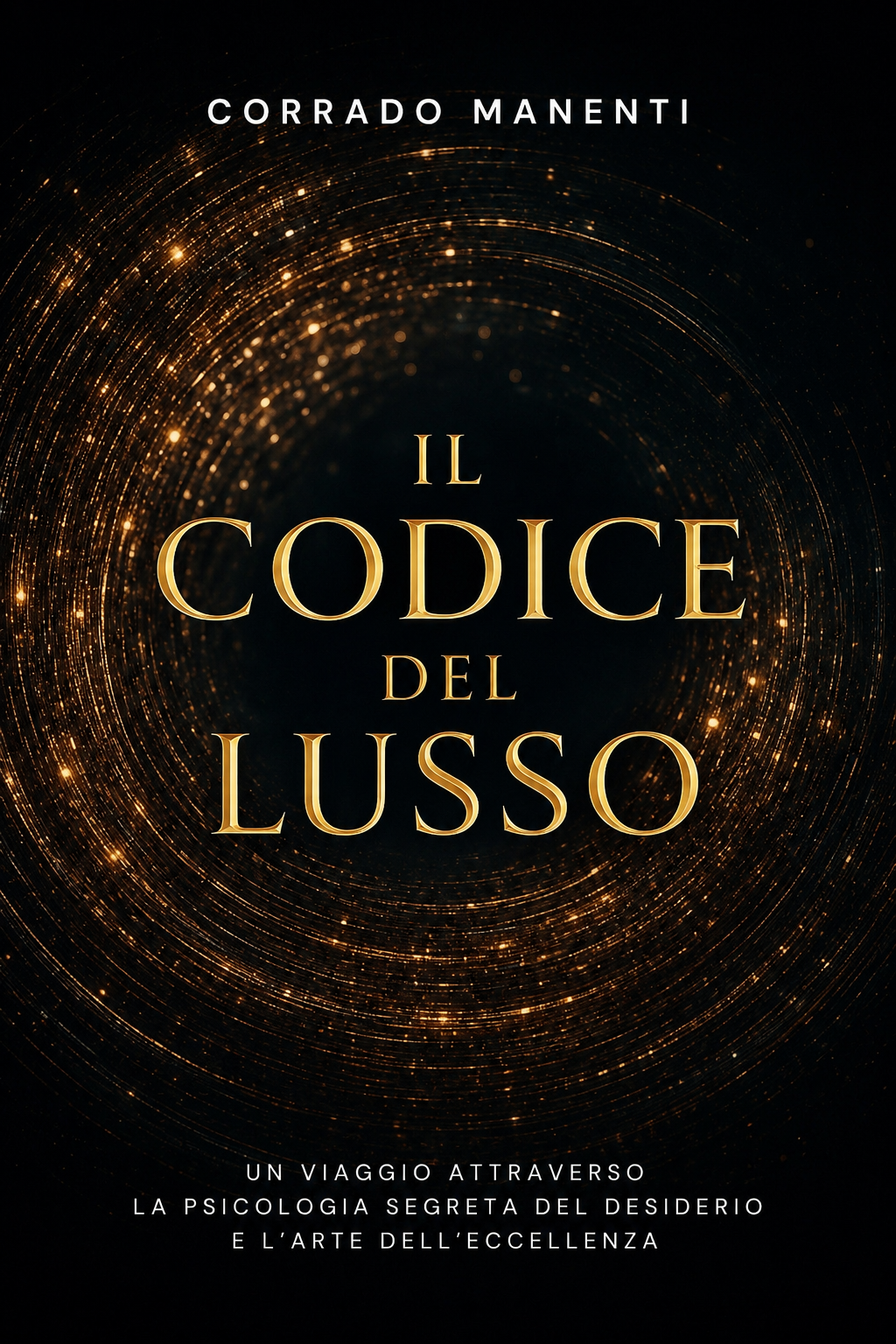
Il Codice del Lusso
176 pagine di framework strategici per costruire un brand aspirazionale: Le 3 Valute del Lusso, il Manifesto del Marketing Aspirazionale, The Aspirational Customer, la Psicologia del Velvet Rope, la Sofisticazione Progressiva, il Pre-possesso, il Signal Stacking. Il metodo che uso ogni giorno con i miei clienti, ora in un solo libro.
Presto ordinabile online — inserisci la tua email nella pagina risorse per ricevere l’annuncio in anteprima.
Consulenza gratuita instore experience
Mappiamo i punti di colpa del tuo percorso d’acquisto — gratis, 30 minuti
Se il tuo retail luxury sta usando leve pensate per il mass market — urgenza, sconti, riduzione della frizione — prenota una call gratuita di 30 minuti con me e il mio team: individuiamo dove il percorso genera colpa e impulso invece di ricordo.
No sales pitch. Just an honest conversation.